
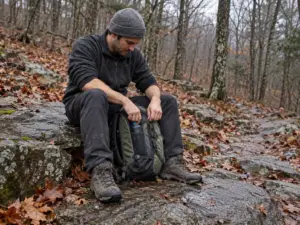

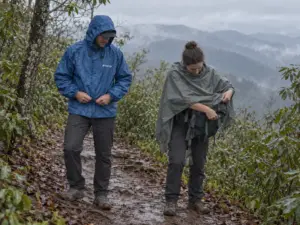
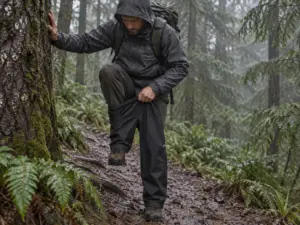



Picking the best hiking boots by brand means standing at the boot wall with four names in front of you, and every one of them has a loyal crowd. Threads on r/hiking carry titles like “Keen vs Salomon vs merrell vs???” and “Salomon or Lowa?”, and nobody in them agrees, because they are arguing about feet, not brands. This guide draws on published per-pair weights, reviewer write-ups, fitter advice and forum reports, with the disagreements left in, to say which foot and which load each of the four brands suits, how the old and new lines inside a brand differ and what to try when the heel lifts, while the full boot decision lives in how to choose a hiking boot by terrain, height and fit.
Here is the whole map in one table before the detail.
| Brand and boot | Fits best if | Watch for |
|---|---|---|
| Salomon X Ultra 5 Mid GTX | You want a light, athletic mid boot for day hikes | Width reports conflict, and one tester found the heel hold lacking on the low-cut version |
| Salomon Quest 4 GTX | You carry heavy loads on long trips | Heavier, and the previous generation of the Quest line |
| Merrell Moab 3 Mid Waterproof | You want the lower-cost pick with boxy toe room | Heel blisters and build-quality complaints in one older thread |
| Keen Targhee IV Mid Waterproof | You need a roomy toe box | Runs warm in warm weather |
| Lowa Renegade EVO GTX Mid | You want a traditional build to keep for years | Width evidence is mixed, and it is the heaviest of the three with published weights |
Best Hiking Boots by Brand Start With the Last, Not the Logo
You read that Keen is roomy and Salomon is narrow, you buy on the label, and your foot disagrees by mile two. Threads on r/hiking keep circling the same doubt, with titles like “Are Merrell’s as bad as people say?” and “Salomon or Lowa?”.
Veterans stop sorting hiking boot brands by badge for exactly that reason. They sort by last first, by model second, and the logo comes a distant third.
What a Brand’s Fit Really Means
A last is the foot-shaped form a boot is built around, and it decides more about fit than any spec on the tag. Brands reuse a last across a family of boots, but not across the whole catalogue, so a brand’s fit is a tendency rather than a promise. A reader on a 2016 Backpacking Light thread said Salomon “claims all boots are made with the same last”, yet described their Salomon 4D II GTX as having real toe room and the X Ultra Aero’s toe area as one that “cuts in sharply”. Same badge, different toe box.
That is one voice, and an old one, but the pattern is easy to check for yourself. Put on two boots from the same brand back to back and notice where your big toe lands in each. If the answer changes, you have your proof that the logo was never the variable.
Same Brand, Different Toe Box
The word wide on a box is not a promise about forefoot width either. One Backpacking Light reader put it bluntly: “Even so called ‘wide’ just get wide in the heel but still are not wide enough in the forefoot.” If the trouble is your toes and not your heel, read the toe box with your own hands, and start from boots for wide feet, starting from the spot that hurts.
Newer is not wider, either. The same thread noted that “some of keens newer models are not as wide in the toes”, and a reader in an r/hiking Moab thread said their Moab 2 pair were “glorious” while the Moab 3 “absolutely destroyed my feet”. That is a handful of voices in a thread about two years old, not market data, but it lands on the same lesson. Pick the model, not only the brand.
The Late-Afternoon Try-On Rule
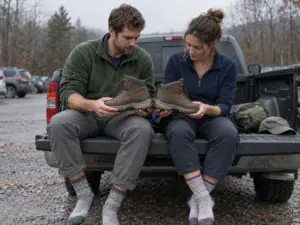
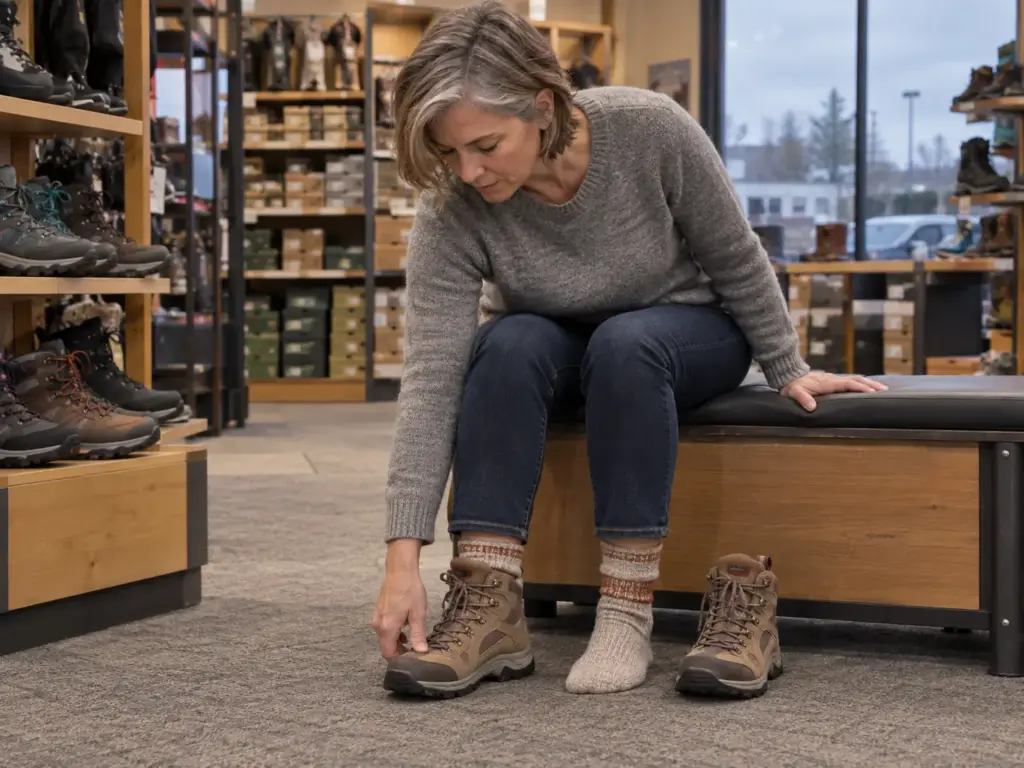
Feet swell over a day, so try boots on in the late afternoon, wearing the thickest socks you plan to hike in. Leave about a finger-to-thumb width ahead of your longest toe, set the ball of your foot in the widest part of the boot, and check that nothing slips anywhere. A reader in that r/hiking thread added that light boots “don’t really break in much”, so a pair that feels wrong on day one is telling you something.
The same rule catches too much room as well as too little. If your heel floats while your toes are fine, you are at the other end of the width question, and narrow feet and where the slip starts, heel, midfoot or toe walks through it. Four brands, one test.
Lace the boot the way you would on the trail, then walk it downhill, on the shop ramp or a flight of stairs. Heel lift and toe bang show up on the way down, almost never on the flat, and a boot that behaves going down is one you can trust.
Salomon Hiking Boots for Light Days and Heavy Loads
Salomon is the name that keeps surfacing when hikers ask which brand to buy, and it is really two brands wearing one badge. One is a light, athletic mid boot built for day hikes. The other is a heavy-duty boot built to carry a loaded pack for days. Which Salomon fits depends on which of those two hikers you are.
Salomon X Ultra 5 Mid GTX, the Light Day-Hike Boot
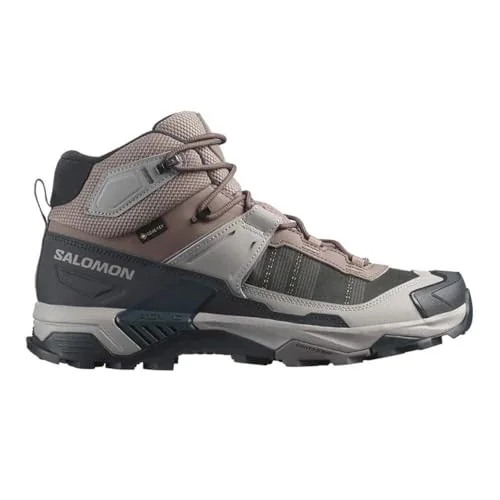
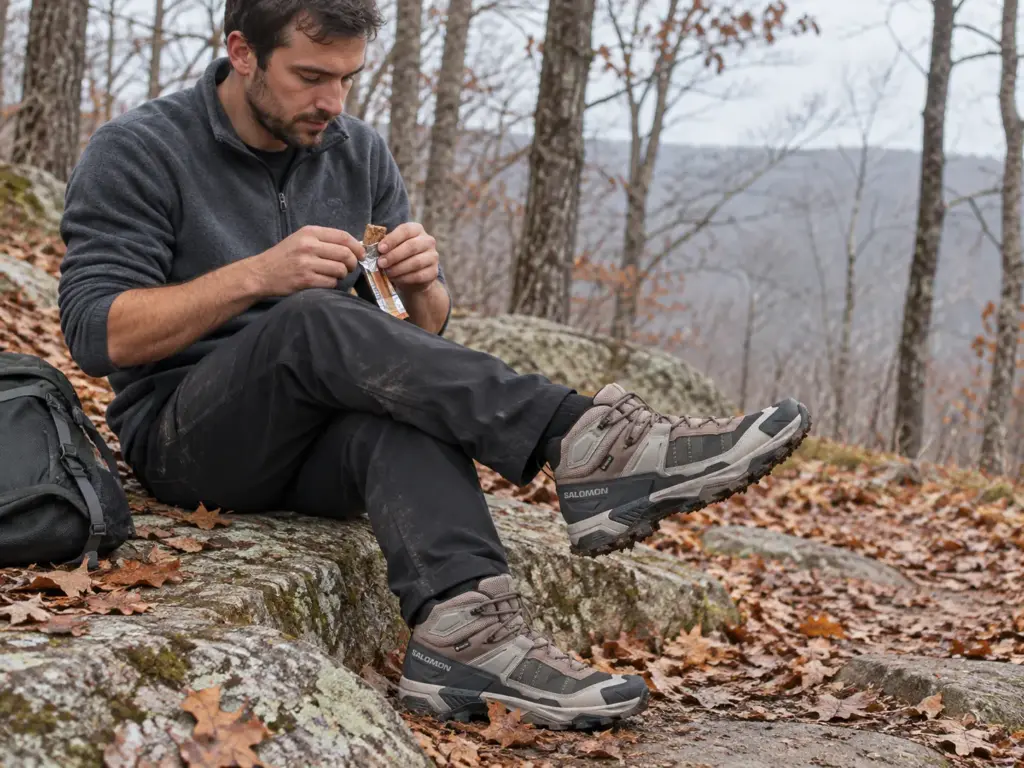
The X Ultra 5 Mid is the light one. It gives mid-height support without the weight of a backpacking boot, which matters if you are still working out whether you need ankle support at all. Better Trail, Mountaineer Journey and REI all name it among their Salomon picks, and the GORE-TEX membrane keeps rain out.
Width is where the evidence turns messy. Better Trail calls the X Ultra 5 accommodating for wide feet, “especially in the dedicated wide-fit version”. A wide-footed buyer who had owned the X Ultra 4 Wide told Zappos readers the 5 was narrower in the toe box, and Mountaineer Journey lists “Narrower Fit” as a con. Those reports do not agree, so let your own foot settle it.
The heel is the other caveat. Trail & Kale reviewed the low-cut X Ultra 5 GTX and wrote that its “heel hold never quite satisfied me”. That is one reviewer on the low-cut version, not a verdict on the Mid, but it is a good reason to run the heel check from the heel-slip section below before you commit.
Salomon Quest 4 GTX, Built for a Loaded Pack
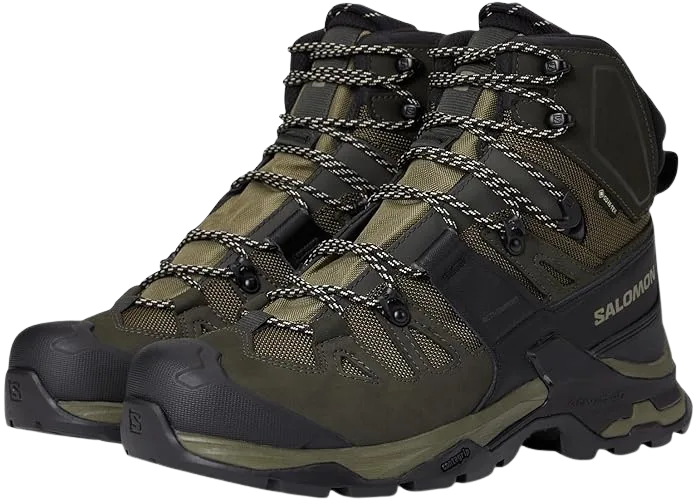
The Quest is the other Salomon. It is a backpacking boot made for a heavy pack, with the structure to match, and it is heavier than the X Ultra for that reason. The card shows the Quest 4, the previous generation of the line.
Better Trail reviewed the newer Quest 5 and said it works best for larger-framed hikers, while smaller ones find it overkill. Since the Quest 4 is the earlier version of the same heavy-duty family, read that as a hint about the line, not a spec sheet for this exact boot. Better Trail also says the Quest 5 runs warm, which is the price of that much structure.
Do not buy it for a two-hour loop. The extra structure pays off when the pack is heavy and the ground is rough, and on a groomed trail it just feels like a lot of boot.
Which Salomon Fits Which Foot
If your days are short and your pack is light, the X Ultra 5 Mid is the place to start, with the width caveat above. If your pack is heavy and the trip is long, the Quest line is the one to try on, with the same rule about fit. Neither is a safe bet for a wide forefoot until the boot is on your foot.
Each card carries a men’s and a women’s link because the two are separate listings with their own lasts. If you are unsure how men’s vs women’s boots differ for your foot, men’s and women’s boots and why the label matters less than the fit explains why the shape of your foot outranks the word on the box.
Merrell Moab Boots and the Wide-Foot Reputation
Merrell hiking boots, the Moab above all, show up on a lot of trailhead feet, and the reason is simple: it is the lower-cost option and the toe box is roomy. The honest follow-up is what the same threads say about how long it lasts.
Merrell Moab 3 Mid Waterproof, the Lower-Cost Pick
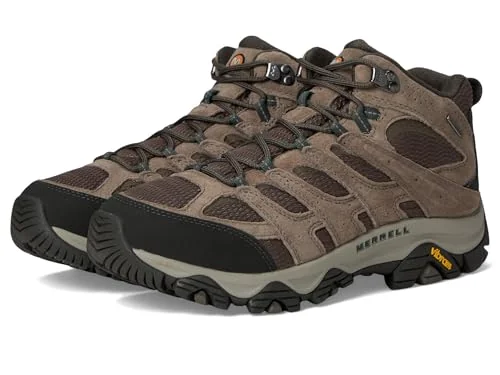
Better Trail lists the Moab 3 Mid Waterproof at 2 lb 2.9 oz per pair and calls it a value pick, which is why it is the boot many first-time buyers start with. If that is you, a first pair picked by fit, not hype shows how to shop for one without buying on the badge. The women’s version is limited at the moment, so check the listing before you plan around it.
Why the Moab Gets Called a Wide-Foot Boot
Merrell’s wide-foot reputation rests on shape, not on a wide size. The build is boxy, and Tom’s Guide describes the Moab 3 Mid Waterproof as boxy with room for the toes. Mountaineer Journey goes further and says that if you have wide feet, the Moab is “one of your best bets”. An older r/camping thread says the same thing in fewer words, a wider fit.
Notice what all of that describes: room in the toes. None of it is a measurement of your forefoot, and none of it says the Moab is wide in the heel. That distinction matters in the next section.
Where the Moab Complaints Cluster
The complaints point to the heel, not the toe. The original poster in the r/hiking thread got “horrendous blisters” from a new Moab 3, and a reply said the boots “simply don’t fit”. Mountaineer Journey says the heel box “lacks some padding, which can cause irritation”. Two different places, one different part of the boot than the one the Moab is praised for.
Build quality is the other thread. One reader who has worn Moabs for a decade said “Merrell’s lasts fit my feet like a dream”, then added that build quality has declined. Another said a pair of Moab 3s “fell apart” after 1.5 years and 125 miles.
Those are two readers, not a lifespan table, and the Moab 2 versus Moab 3 argument has its own section further down. If you want a lighter Merrell, lighter boots for rocky trails and wet days is where to look.
Keen Targhee Boots and the Roomy Toe Box
Keen hiking boots have a reputation that is one line long, a roomy toe box, and it is the line that appears in more wide-foot threads than any other. The part that gets left out is that it is a warmer, heavier boot.
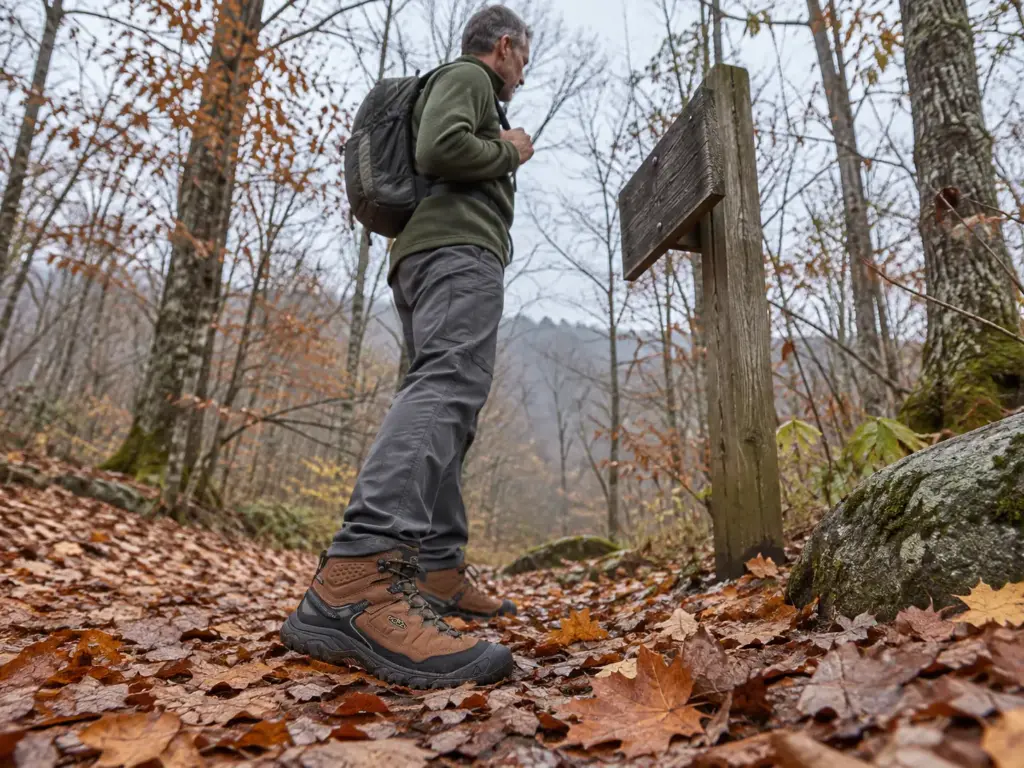
Keen Targhee IV Mid Waterproof, the Toe-Box Pick
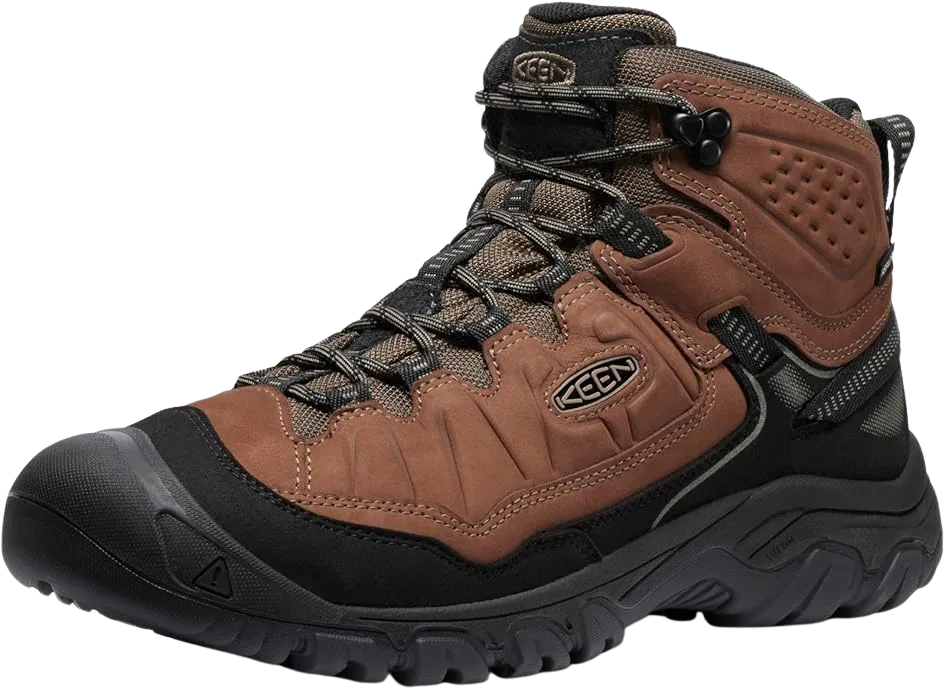
Better Trail lists the Targhee IV Mid Waterproof at 2 lb 8.2 oz per pair and says it excels in durability. Trail & Kale calls the toe box roomy. The waterproofing is Keen’s own KEEN.DRY membrane, which is a statement about whose membrane it is and nothing about how it compares with GORE-TEX.
The women’s Targhee has its own women’s fit, cut on its own last, which is why the card carries a second button, and women’s boots compared by fit and lifespan shows where it sits next to other women’s options. The men’s version is low in stock at the moment, so check before you plan around it.
Why Keen Keeps Showing Up in Wide-Foot Threads
The Keen toe box comes up again and again, and from different directions. A Backpacking Light reader in 2016 called it a “huge toe box… the classic wide toe box keen fit”.
Trail & Kale calls the Targhee’s toe box roomy, and Better Trail praises the lighter Targhee Apex for an “ample toe box”. Three separate places, one repeated line.
The caveat comes from that same 2016 thread: “some of keens newer models are not as wide in the toes”. The Targhee IV is the classic Keen shape, so the praise fits it, but do not assume every Keen on the wall carries the same room. Try the exact model.
The Cost of That Room, Heat and Heft
Better Trail calls the Targhee IV clunky and prone to overheating in warm weather. That is the cost of a waterproof, structured boot with a generous toe box, and it is the trade nobody mentions in a wide-foot thread. At 2 lb 8.2 oz per pair it is not a boot you forget you are wearing.
The same Better Trail review describes a burly leather upper, a stiff midsole with a nylon shank, medium-firm underfoot cushioning and a delamination-free guarantee, which is the durable end of the trade. It adds that the stiff build takes time to break in and might cause hot spots or blisters out of the box.
If wide feet are your only problem and the weather is warm, the Targhee is not automatically the answer. A wide forefoot in a hot boot blisters too, just from a different cause.
In a waterproof boot that runs warm, pack a dry pair of thin socks and swap at the midday stop. Sweat has nowhere to go inside a membrane, and wet socks are what turn a good-fitting boot into a blister problem by mile ten.
Lowa Hiking Boots Built for Years of Hard Miles
Lowa is the brand people mention with a pause, because the boots are the heaviest of the four and the least talked about in forums, and because nobody can agree whether they run wide. The reputation is simpler than the width debate: a traditional boot for rough ground and long ownership.
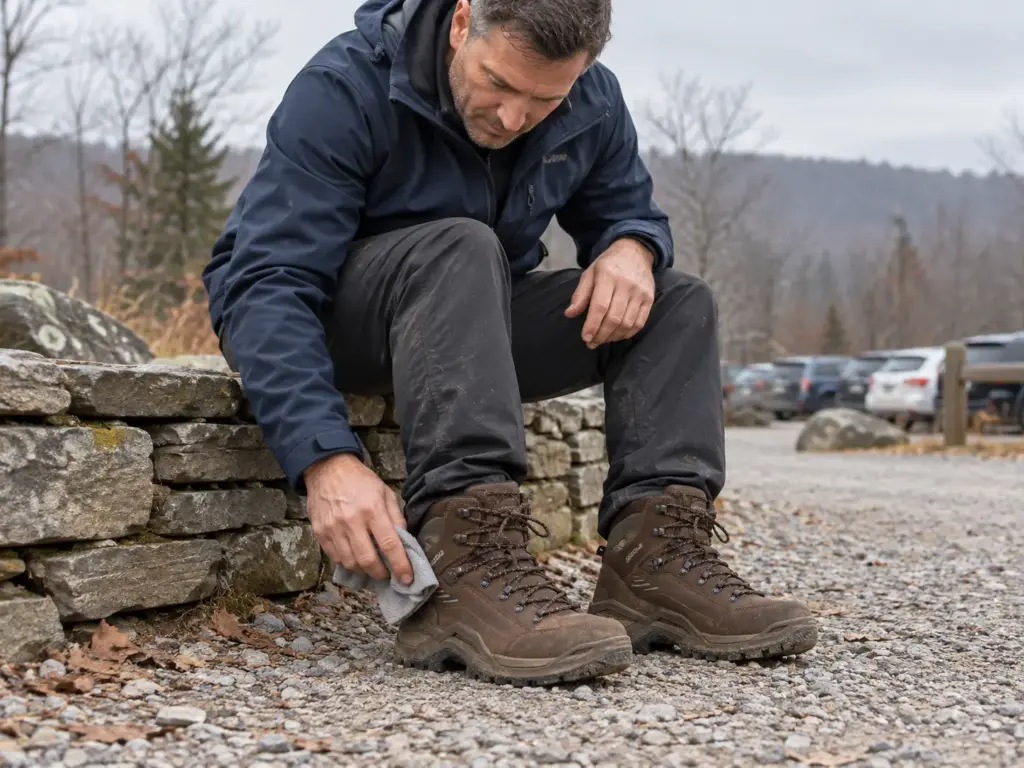
Lowa Renegade EVO GTX Mid, the Traditional Pick
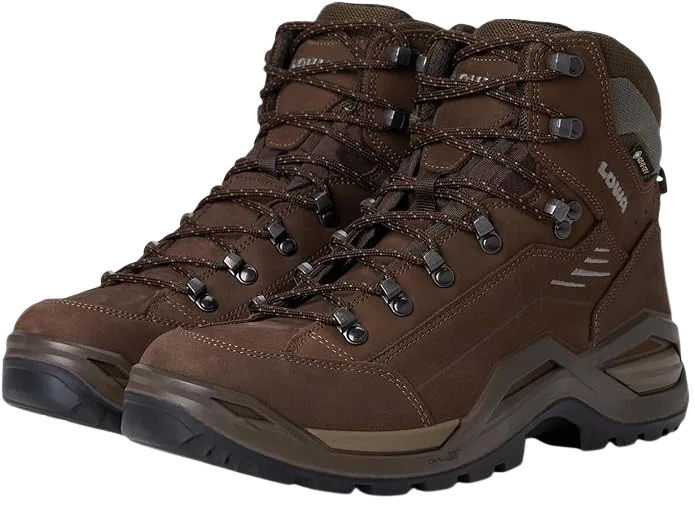
Better Trail lists the Renegade EVO GTX Mid at 2 lb 9.6 oz per pair and calls it the traditional option, and REI carries the Renegade in its boot lineup. Read that as a boot for rough ground and long ownership, not for light, fast days. If your pace is quick and your pack is light, a lighter boot is usually the better tool.
The women’s listing is limited at the moment, and its Amazon title names a different Renegade model, so confirm the model name on the page before you order.
What the Width Evidence Actually Says
Wide-footed reviewers split on the Lowa. On Zappos, one found the W width still narrow in the toe box. On REI, another said the boot “could be a little wider” but that the laces worked. Neither of them says the Lowa runs wide, and no source behind this guide says it does either.
So the evidence is mixed, and the honest answer is the same one from the first section: the try-on rule is the only safe test. The r/hiking thread titled “Salomon or Lowa?” (about two years old, 27 comments) proves readers keep asking the question. It does not tell you what those threads concluded, so this guide will not pretend it does.
Who a Lowa Is Built For
A Lowa is for the hiker who keeps boots a long time and walks rough ground with real weight on the back. The Renegade EVO is the traditional pick, and the Lowa Camino Evo, which Better Trail calls tank-like, is the heavier step up. Both are a lot of boot for a flat forest loop.
The leather build is the reason the brand gets mentioned for longevity, and leather boots built for years of hard miles goes deeper on how leather uppers age. Buy a Lowa for the years, not for the first week, and expect the fit work to happen in the shop, not on the trail.
Traditional Line or Modern Line, the Same Badge Fits Differently
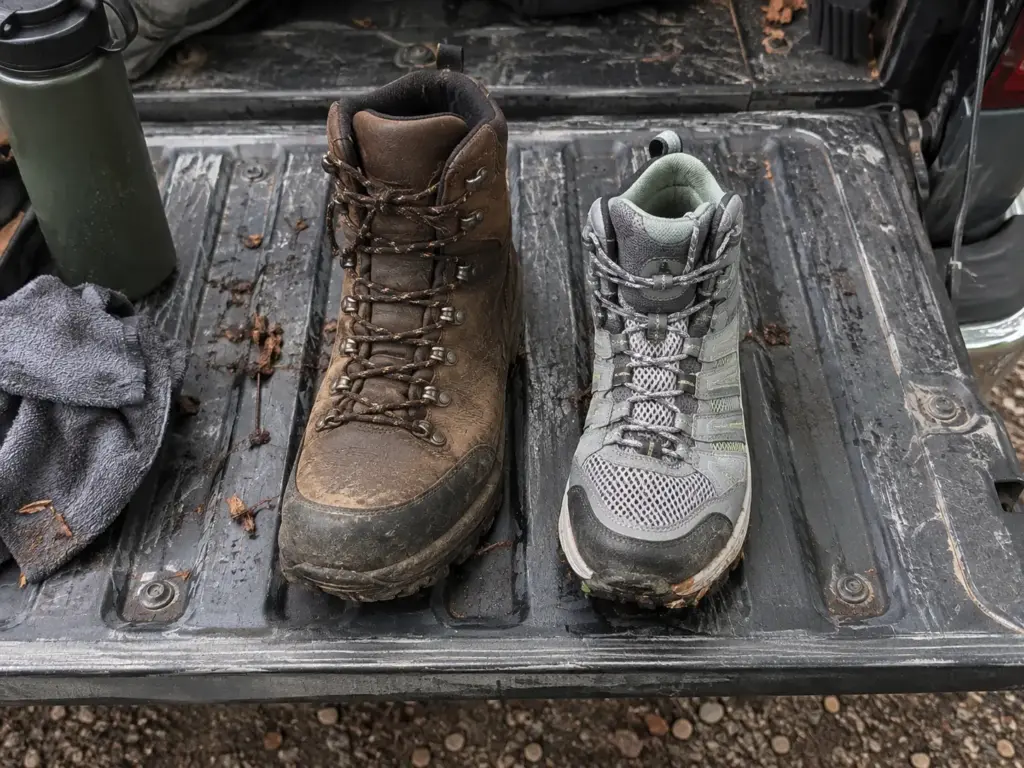
Better Trail groups Keen, Lowa and Merrell with Oboz as legacy brands: fairly traditional, mostly leather and built for moderate trails at best. It also notes that each of them has released a modern design. That is half true, and the modern boot behaves like a different brand. Salomon, which Better Trail does not put in that group, tells a similar story with a light boot and a heavy one.
Better Trail’s “Traditional Brands” Claim, Checked Brand by Brand
Take the claim brand by brand. Keen’s Targhee IV is the traditional one, with a reputation for durability and a clunky feel. Its Targhee Apex is the modern one, and Better Trail praises its “ample toe box”. It weighs nearly a pound less than the Targhee IV, and the toe room is the part that carries over.
Merrell follows the same split. The Moab 3 is the boxy, traditional boot, and the Moab Speed 2 is the light, modern one, which Better Trail flagged for durability concerns at around 50 miles. Lowa’s Renegade EVO is the traditional pick, and the Camino Evo is the tank. Salomon already told its version of the story in the section above: the light X Ultra on one side and the heavy Quest on the other.
The pattern is easy to state and hard to ignore. The old line is heavier and lasts. The new line is lighter and wears faster. Neither is wrong, but the badge alone cannot tell you which one you are holding.
Weight Per Pair, Old Line Against New Line
Weights make the gap concrete. These are Better Trail’s published per-pair figures:
- Keen Targhee IV Mid Waterproof: 2 lb 8.2 oz. Keen Targhee Apex: 1 lb 10.4 oz.
- Merrell Moab 3 Mid Waterproof: 2 lb 2.9 oz. Merrell Moab Speed 2: 1 lb 12.2 oz.
- Lowa Renegade EVO GTX Mid: 2 lb 9.6 oz. The Camino Evo is heavier still, but no weight is published in the sources here.
The Keen drop is the biggest, nearly a pound, and the Merrell drop is about half a pound. The sources hold no weight or fit data for a lighter modern Lowa, so there is nothing to quote, and Salomon’s contrast stays with the X Ultra and the Quest.
A pound is not a small thing over a long day. It is also not free: lighter uppers and softer midsoles give up structure and abrasion resistance to get there. That trade is the mechanism behind everything else in this section.
When the New Line Wears Out First
The community version of this lines up with the reviewer version. Better Trail says the Targhee IV excels in durability and flags the Moab Speed 2 for durability concerns at around 50 miles. A reader in the r/hiking Moab thread wrote “Huge downgrade from the Moab 2” about the Moab 3, and in the same thread said their Moab 2 pair were “glorious” while the Moab 3 “absolutely destroyed my feet”. That is one reader, and a generation change inside one model rather than a traditional-versus-modern split, but it shows the same pattern from the user side.
The explanation is the leather-versus-synthetic trade. Leather uppers take abrasion, rain and years, and synthetic uppers save weight and wear sooner, which is why leather versus synthetic and where each one gets wet is worth a read before you pick a line.
The workaround is to match the line to the day. Choose the modern boot for short, dry, fast days where weight is the whole point. Choose the traditional one when the ground is rough, the pack is heavy or you want one pair to last. And if a modern boot starts to feel loose or soft early, believe it.
Match the Brand to Your Terrain, Pack Load and Weather
The question under every brand debate is what you are carrying and where you are walking. A groomed trail on a day hike and a week with a full pack want different boots, even from the same four badges.
Light Days and Moderate Trails
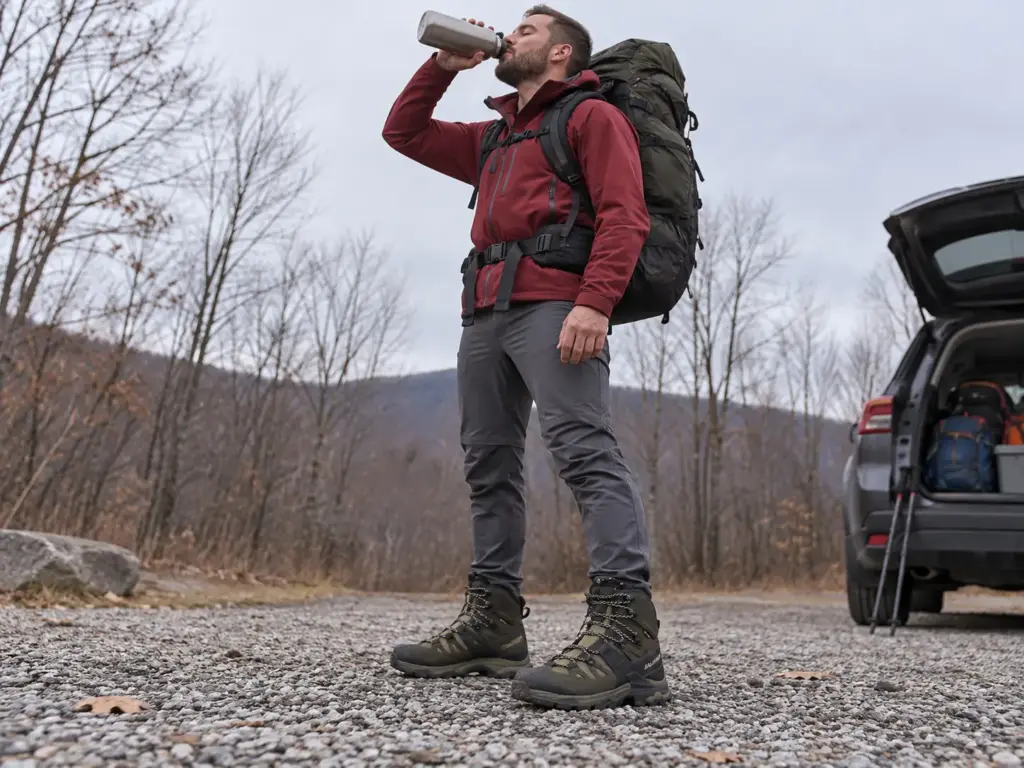
The X Ultra 5 Mid, the Moab 3 and the Targhee IV are the day-hike boots of this set. Better Trail’s blunt note about Keen, Lowa and Merrell is that most of their boots are built for moderate trails at best, and that is a fair way to size your expectations for moderate terrain. They are good, honest boots for forest paths and gentle ridgelines, and nobody should expect more.
Some light days do not need a boot at all. A trail runner or low-cut shoe can be the better call, and for the hiking boot vs hiking shoe question, when a hiking shoe is the better tool than a boot makes that case in full. If your terrain is dry, groomed and short, a shoe may serve you better and weigh less.
Heavy Loads and Rough Ground
The Quest line and the Renegade EVO are the loaded-pack boots here for rugged terrain, and both are heavier because they carry more structure. Pack weight flexes the sole on every step, and a soft boot flexes with it until your arches complain.
A stiffer sole holds its shape under load, and how stiff a boot should be for your terrain and pack load gives a rule you can use in a shop. Softer is fine for short days. Stiffer is better the heavier you carry.
Wet Weather, Warm Weather and What the Membrane Costs
The GTX models, the X Ultra 5, the Quest 4 and the Renegade EVO, use a GORE-TEX waterproof membrane. The Moab and the Targhee are waterproof models with their own membranes. In every case the membrane keeps rain out and sweat in, which is the whole trade, and waterproof boots and what rain still gets in covers where that trade stops working.
Better Trail notes that the Targhee IV overheats in warm weather and that the Quest 5 runs warm. Waterproof costs breathability, and no brand has erased that. A Columbia boot fitter adds the bridge to the next section: feet that slide on downhills are usually a fit problem, not a weather problem.
Heel Slip by Brand and the Fix to Try Before You Return
A reader on a Mountain Project thread owned a boot with 64 miles on it, lost heel skin on every steep trip and asked whether the boot was simply wrong. It was a mountaineering boot, not one of the four brands here, but the question is the one every hiker asks at mile three: is it the boot or the lacing?
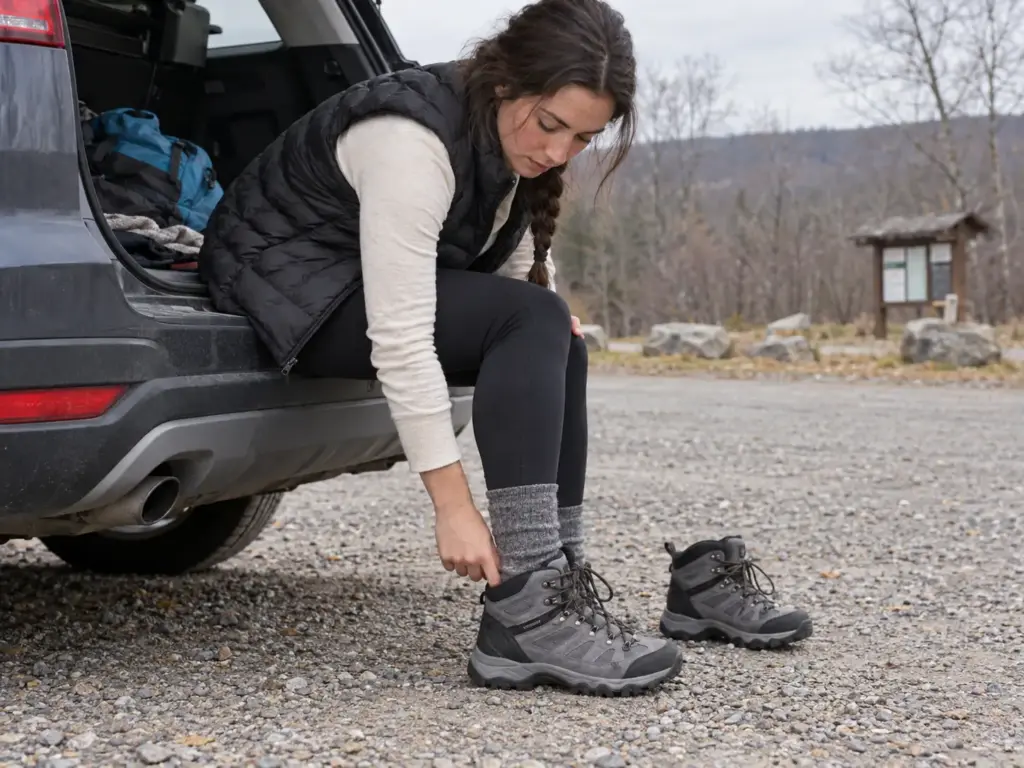
The wrong answer costs you a pair of boots or a month of blisters. A heel blister feels like a bad boot, and often it is a heel that moves. Hot spots at the heel are the first sign.
Where Each Brand’s Heel Complaints Cluster
The heel complaints are specific, and each one is attributed. On the Salomon X Ultra 5 GTX, Trail & Kale wrote that the “heel hold never quite satisfied me”, on the low-cut version. On the Moab 3, Mountaineer Journey says the heel box “lacks some padding, which can cause irritation”, and the r/hiking blister thread points the same way. On a related Salomon, REI’s testers said the women’s Quest Echo’s wider heel makes crampons hard to fit.
Notice the shape of the list. The complaints on the Salomon and the Moab are about heel hold, not toes, and the Quest Echo note is about a related model rather than the Quest 4. The evidence behind this guide holds no heel complaint on the Targhee or the Renegade, which is not the same as saying they have none.
Pressure or Slip, Diagnose Before You Fix
Diagnosis comes first because pressure and slip need opposite fixes. A Mountain Project thread puts it plainly: heel pressure means the boot is too small, and heel slip means it is too big. The Washington Trails Association adds the check that matters on the trail: “If you find yourself with blisters after every hike, odds are your foot is slipping in your boot.”
So test for lift, not for rubbing. In the shop, what to look for in a hiking boot, starting at the heel is the place to start, and the check itself is simple. Lace the boot snug, walk a ramp and watch whether your heel rises out of the cup on each step. If it does, you have slip, and slip has a fix order.
The Fix Order, Heel-Lock First
Start with heel-lock lacing, the method the heel-lock lacing the Washington Trails Association describes. In plain words:
- Pull the laces taut and leave the uppermost hooks undone.
- Bring each lace to the first hook, then straight up to the hook beside it.
- Cross the laces and hook each one under the vertical lace.
- Tie off.
The full set of photos is in the downhill heel-slip lacing fix, and it is worth a look the first time you try it. If your toes are the pressure point instead, skip the bottom eyelet pair, which the Washington Trails Association calls toe relief.
If lacing is not enough, the next move is volume, and sock thickness is the cheapest lever. A thin ankle sock or a tongue insert can close the room around the heel without changing the size. One Mountain Project reader fixed both heel lift and blisters that way. The same thread warns that a thick insole can lift the heel out of its cup and make the slip worse, so go thin.
The last move is the honest one. A Columbia boot fitter’s line is that lacing buys time, and that “what they actually need is a better boot that fits them properly”. If the heel still lifts after the lock, a thinner sock and a tongue insert, the boot is wrong and the seller’s return window is the time to act. Changing sizes is a separate decision, and when to size up a hiking boot and when not to covers it better than a half-size guess here.
Change one thing at a time. Lace the heel lock, walk a downhill, then change the sock, then try the tongue insert. Stack three fixes at once and a boot that works looks the same as a boot that does not, and you will never know which fix did the job.
Break-In, Wear and When a Brand’s Boot Is Done
Break-in period advice is always the same: give it time. The honest version is that a boot that hurts on day one for a reason you can name is usually not a break-in problem, and the first miles tell you which kind you bought.
Light Boots Barely Break In
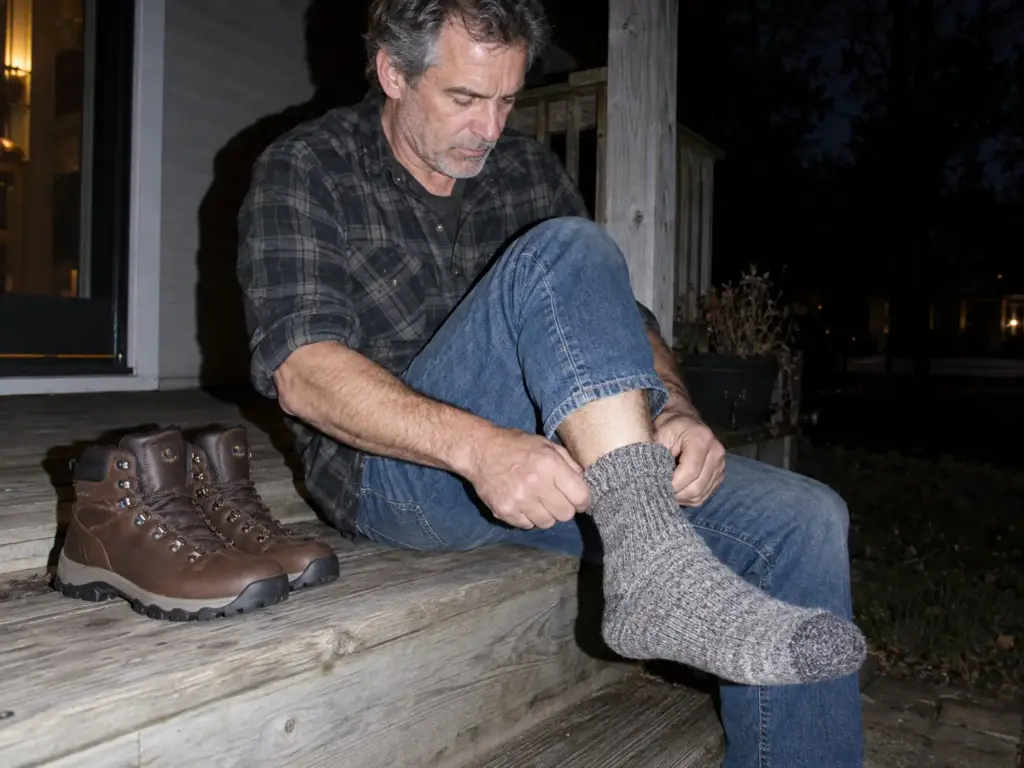
A reply in the r/hiking Moab thread said light boots “don’t really break in much”, and that matches the logic of the build. A soft, light boot has little stiff material to soften, so what you feel on day one is close to what you will feel on day thirty. Leather boots do break in, over a few outings, and the mileage depends on the pair.
So give a light boot a short test and a heavy leather boot a longer one. If a Salomon X Ultra or a Moab feels wrong in the shop and you are betting on time to fix it, you are betting against how the boot is made.
What Readers Report About Wear
Wear reports are a handful of voices, not a lifespan table, and no brand here gets a mileage number from this guide. A reader said a pair of Moab 3s “fell apart” after 1.5 years and 125 miles. Better Trail flagged the Moab Speed 2 for durability concerns at around 50 miles and says the Targhee IV excels in durability. One reader in the thread said a different Salomon, a Salomon Ultra X 4, had a toe that “started detaching after 2 hikes”, which is one reader and a different model, never a verdict on the brand.
Wet rock traction is the other complaint, and it comes from reviewers rather than readers. Better Trail’s tester said the Moab 3 “struggled on wet rock”, and its testers wrote that they “slipped around on rock” in the Targhee IV. Both are traditional boots, which is a reminder that the old line is not automatically the grippy line.
The sock side has its own report. One reader said socks fixed a blister problem outright: “Darn Tough, 658 miles later… no blisters.” That is a field tip from a reader, not a promise, but it is a cheaper experiment than a new pair of boots.
Break-In Problem or Fit Problem
If the heel or the toes hurt for a reason you can name, such as heel slip or toe pressure, it is a fit problem and not a break-in problem. That is the moment to stop walking in the boots and use the return window while you still have one. Waiting out a bad fit turns a refund into a blister.
How to break in hiking boots and know when to return them covers the mileage and the test. For now, the rule is short: a boot that is only stiff will soften, and a boot that is the wrong shape will not.
Walk the Ramp in Every Pair Before You Pick One
Three things carry out of this guide. Sort by last and by model, not by the badge, because every brand here sells a traditional boot and a modern one that fit differently. Use the brand map: Keen and Merrell for toe room, Salomon for light days or heavy loads depending on the line, and Lowa for years of ownership, while knowing the width evidence for Salomon and Lowa is mixed. And treat a lifting heel as a fix-first problem: heel-lock lacing, then a thinner sock, then the return.
Take your shortlist to a shop in the late afternoon, in the socks you hike in, and walk the ramp in each pair. Buy only the one with no heel lift and a thumb’s width in front of your toe.
Frequently Asked Questions
01What brand makes the best hiking boots?
No single brand makes the best hiking boots, because the right one depends on whose last fits your foot and what you carry. Keen and Merrell are the toe-room names, Salomon splits into a light X Ultra and a heavy Quest, and Lowa suits long ownership.
02Is Salomon or Merrell better?
Neither wins across the board, because Salomon and Merrell fit differently and suit different days, so the choice comes down to your foot and your load. The Moab has the stronger wide-foot reputation, but Salomon width reports conflict. Try both late in the day.
03What is the number one hiking boot?
No boot is number one for every foot, and Trail & Kale’s testers put the Hoka Kaha 3 GTX first, which sits outside these four brands. Within them, the answer depends on your foot and your load, so this guide does not rank them.
04What are the highest quality boot brands?
None of these brands wins a clean quality ranking, because durability varies more by model than by badge. Better Trail says the Keen Targhee IV excels in durability and flags the Merrell Moab Speed 2 at around 50 miles. The traditional lines tend to last longer.
05How do I stop my heel slipping in new hiking boots?
Start with heel-lock lacing, then try a thinner sock or a tongue insert, and replace the boot if the heel still lifts. The Washington Trails Association describes the lacing, and a thick insole can make the slip worse by lifting the heel.

I've spent more than a decade researching hiking gear and trail technique. I read the specs, the forum threads and the long-term reviews, and every pick here comes with what it gets wrong.
End of the trail
You read every mile of this one. Here's where the trail goes next.