Founder & Lead Editor
Alfredo Ramses
Founder and Lead Editor of The Hiking Tribe. I've spent over a decade researching hiking gear, trail conditions, and backcountry techniques—working with our network of field testers to find what actually performs on the trail. I don't just write about hiking; I obsess over the details so you can focus on the summit, not the gear. Every trail guide and product recommendation here has been vetted, tested, and debated before it earns a spot.
Trail notes by Alfredo
 Best Waterproof Hiking Boots and What Rain Still Gets In
 Best Hiking Boots for Beginners Picked by Fit, Not Hype
 What to Look for in Hiking Boots Starting at the Heel
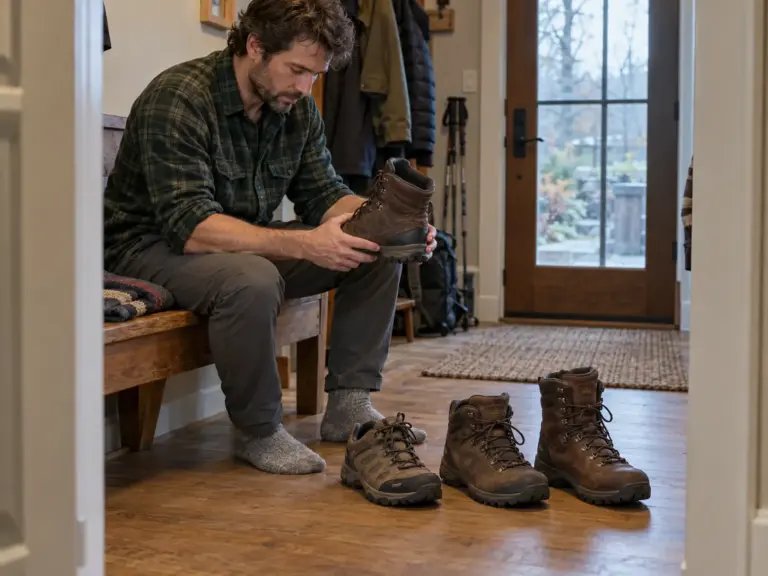 Ankle-High vs Mid-Cut Boots Where Cuff Height Counts
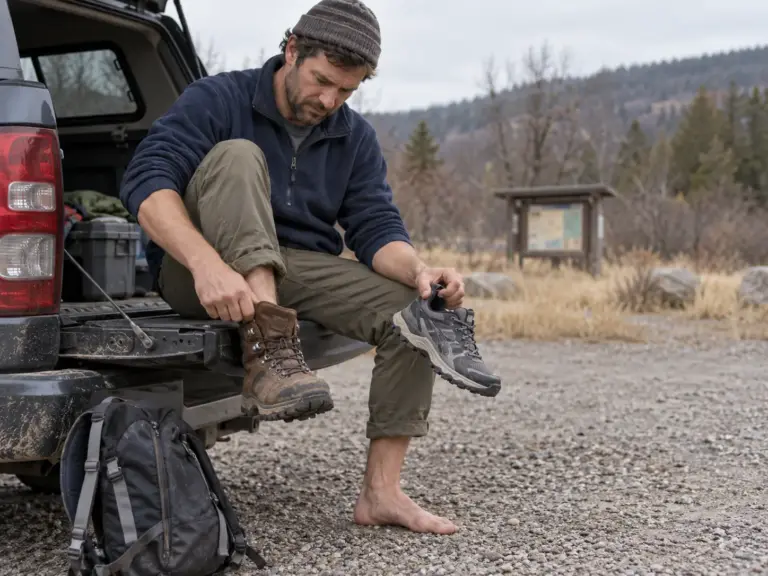 Do You Need Ankle Support When Hiking? Check the Sole
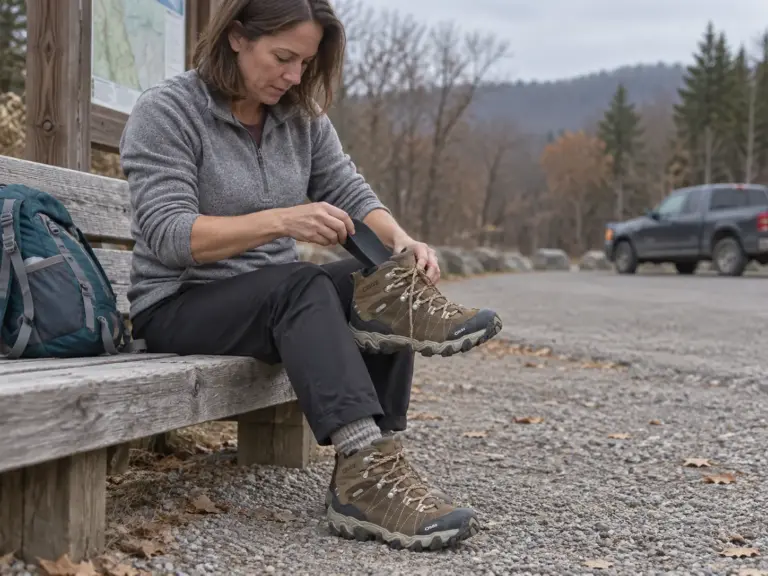 Best Hiking Boots for Plantar Fasciitis Plus an Insole Test
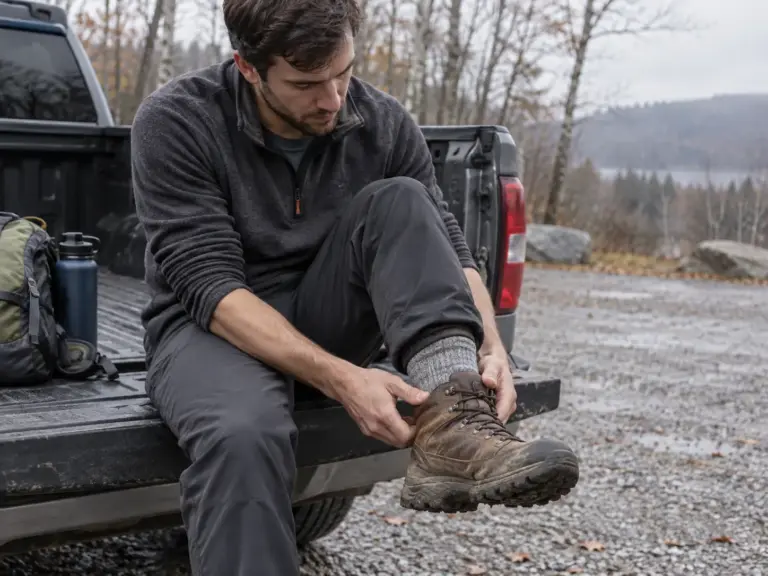 Best Hiking Boots for Narrow Feet by Heel, Midfoot or Toe
 Hiking Boot Stiffness by Terrain for Your Pack Load
 Best Hiking Boots for Wide Feet Start With Your Hot Spot
 3 Boot-Crampon Compatibility Mistakes That Pop Crampons Off
 Is Nubuck Leather Good for Hiking? Breathes, Marks Fast
 Women’s Water-Resistant Hiking Boots Buying Guide by Label