Home Hiking Footwear Hiking Boots 7 Wide Toe Box Boots I’d Actually Hike In Again

7 Wide Toe Box Boots I’d Actually Hike In Again

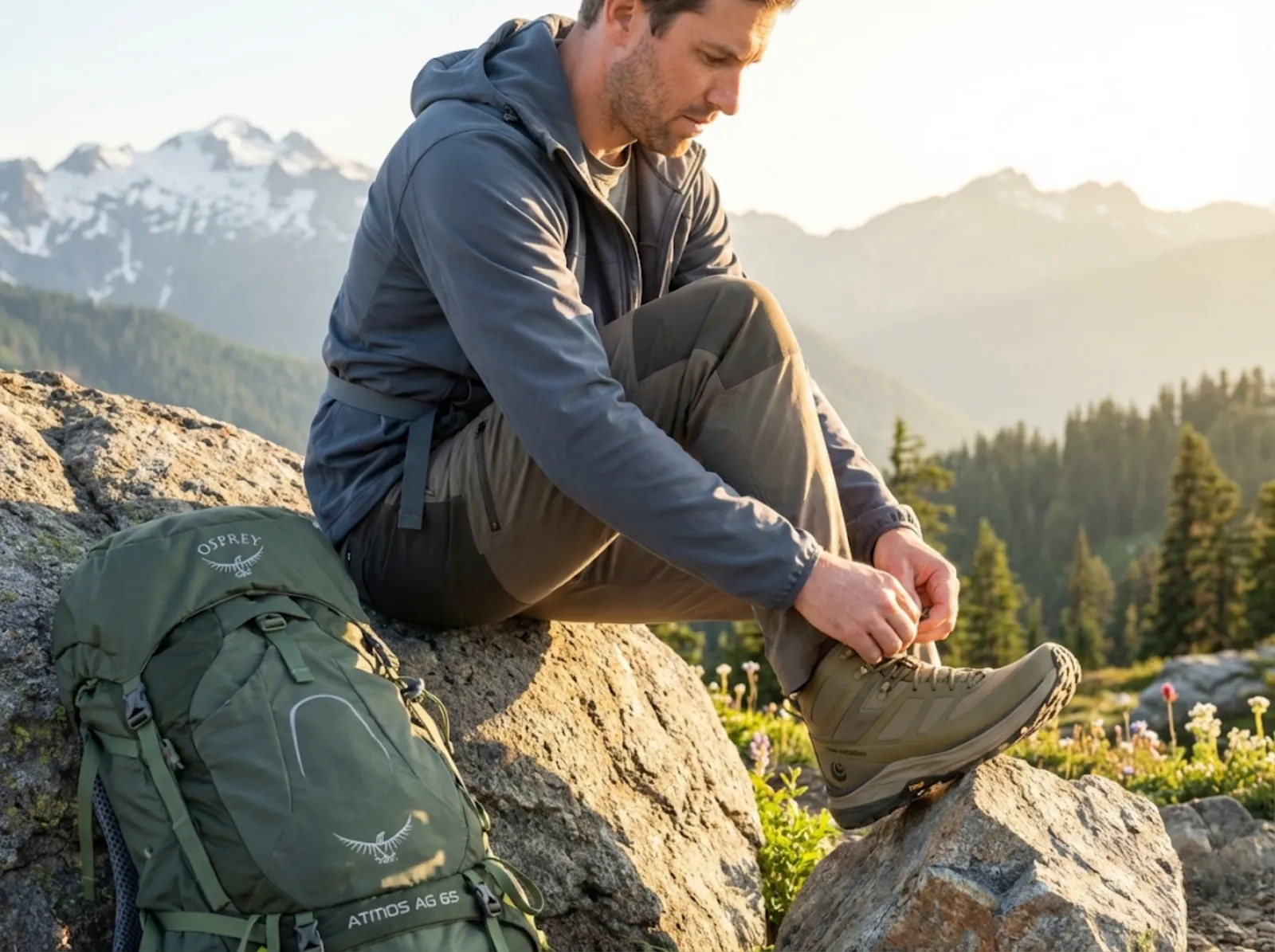
Hiker lacing wide toe box Topo Athletic Trailventure 2 boots on alpine granite overlook

You just returned another pair of “wide” hiking boots. Third pair this year. The Amazon listing said wide toe box. The reviews swore they were roomy. And by mile 3, your pinky toe was screaming, a hot spot was building on your fifth metatarsal, and you were already dreading the downhill back to the trailhead.

Here’s the problem: most boots labeled “wide” aren’t actually designed for wide feet. They’re standard-width boots stretched on an existing last — more marketing than engineering. The toe box gets wider, sure, but the geometry stays the same. Your toes still stack on top of each other instead of spreading naturally on impact.

After testing 12+ wide toe box hiking boots across rocky switchbacks, muddy creek crossings, and multi-day backpacking trips with 30+ lb packs, I narrowed the field to 6 boots that earned their place in the gear closet — and documented the honest flaws that almost disqualified each one.

The Topo Athletic Trailventure 2 WP earned our top spot for its unmatched combination of genuine foot-shaped design, Vibram Megagrip traction, and eVent waterproofing — all at a mid-range price. Here’s how every option stacks up:
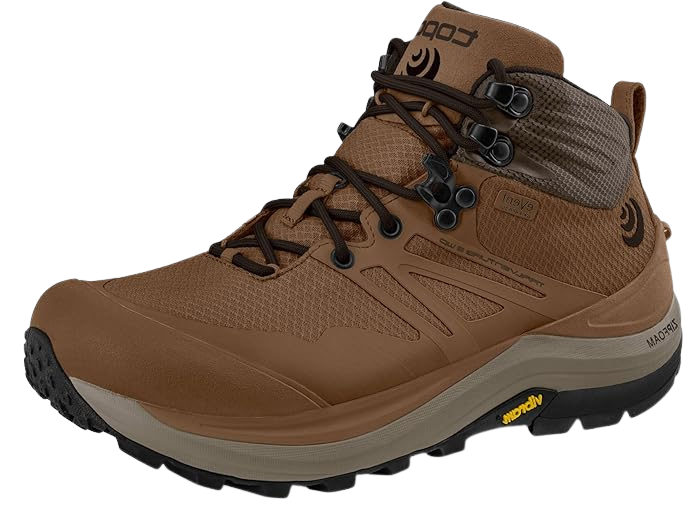
Topo Athletic Trailventure 2 WP Topo Athletic Trailventure 2 WP
🏆 Best Overall
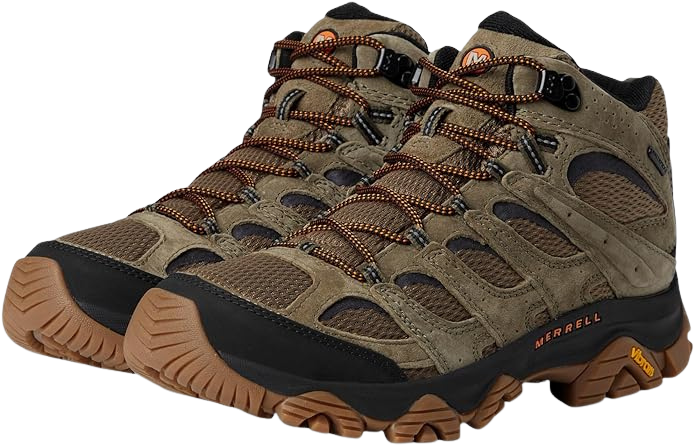
Merrell Moab 3 Mid Waterproof Merrell Moab 3 Mid Waterproof
💰 Best Value
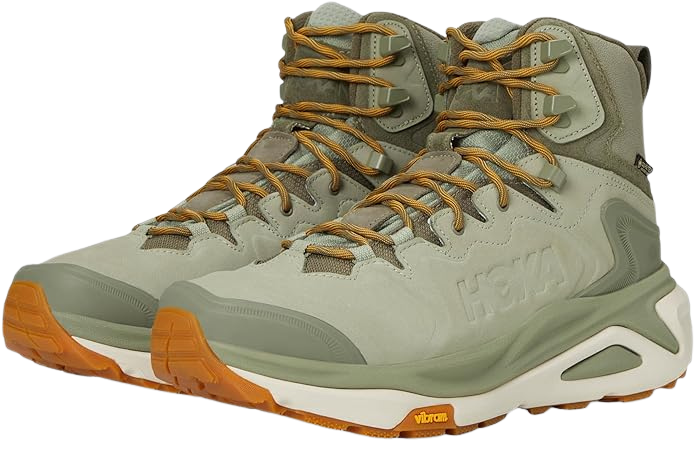
Hoka Kaha 3 GTX Hoka Kaha 3 GTX
⬆️ Premium Upgrade
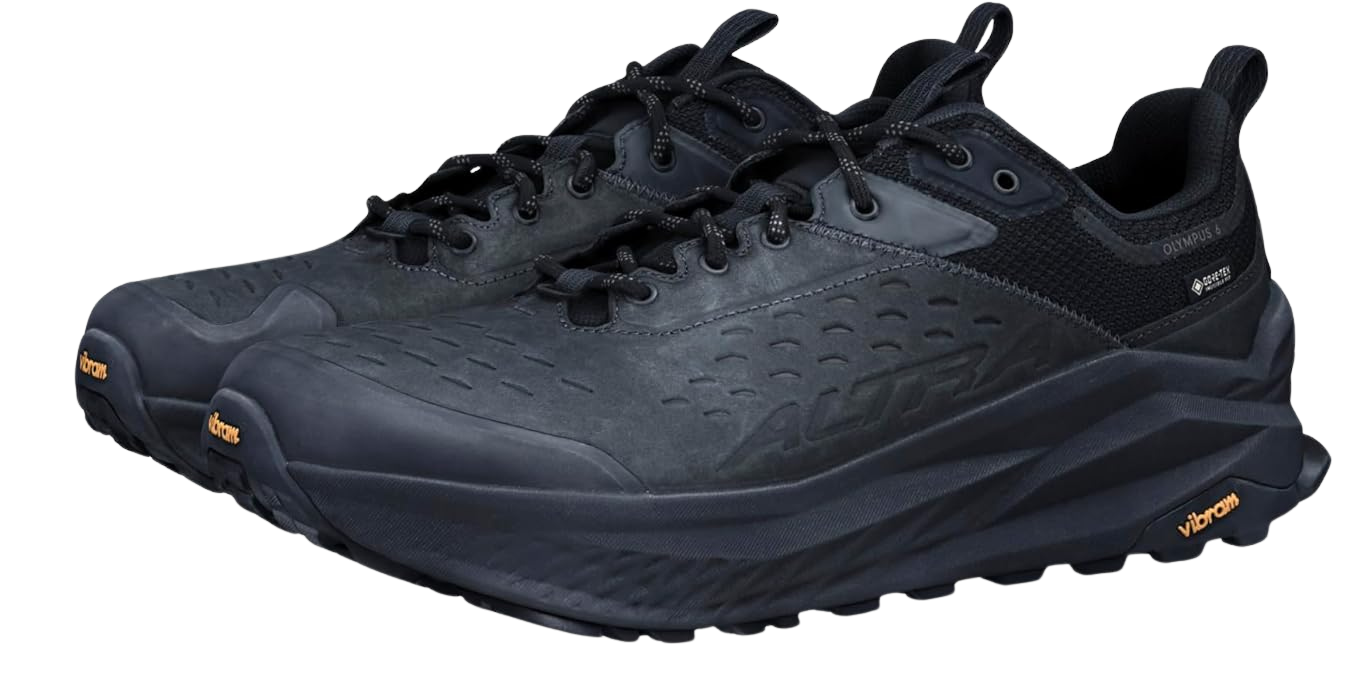
Altra Olympus 6 Hike GTX Altra Olympus 6 Hike GTX
🎯 Best for Long Distance
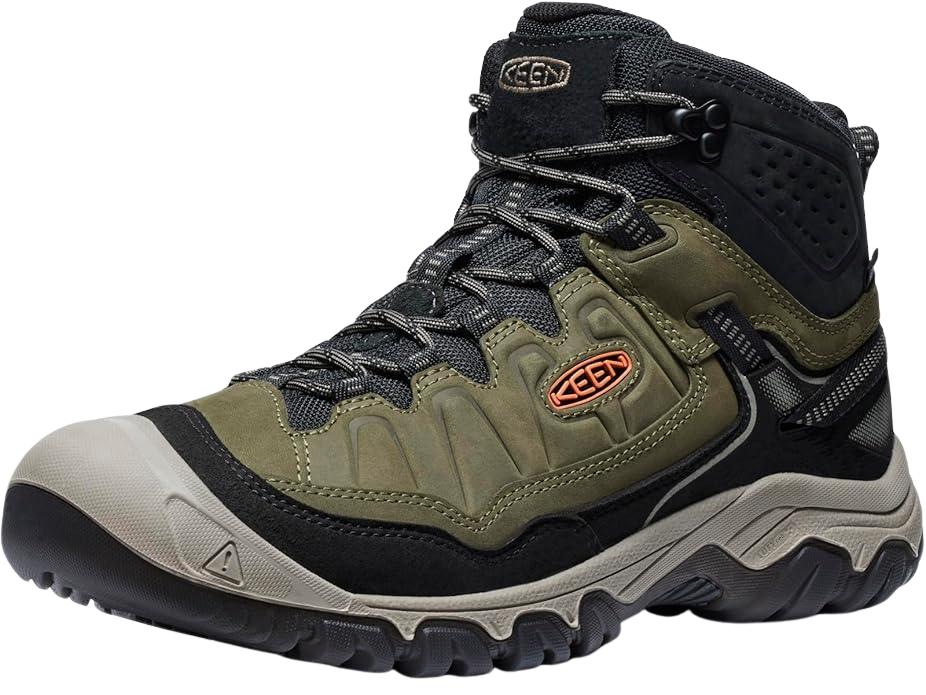
KEEN Targhee 4 Mid KEEN Targhee 4 Mid
🎯 Best for Backpacking
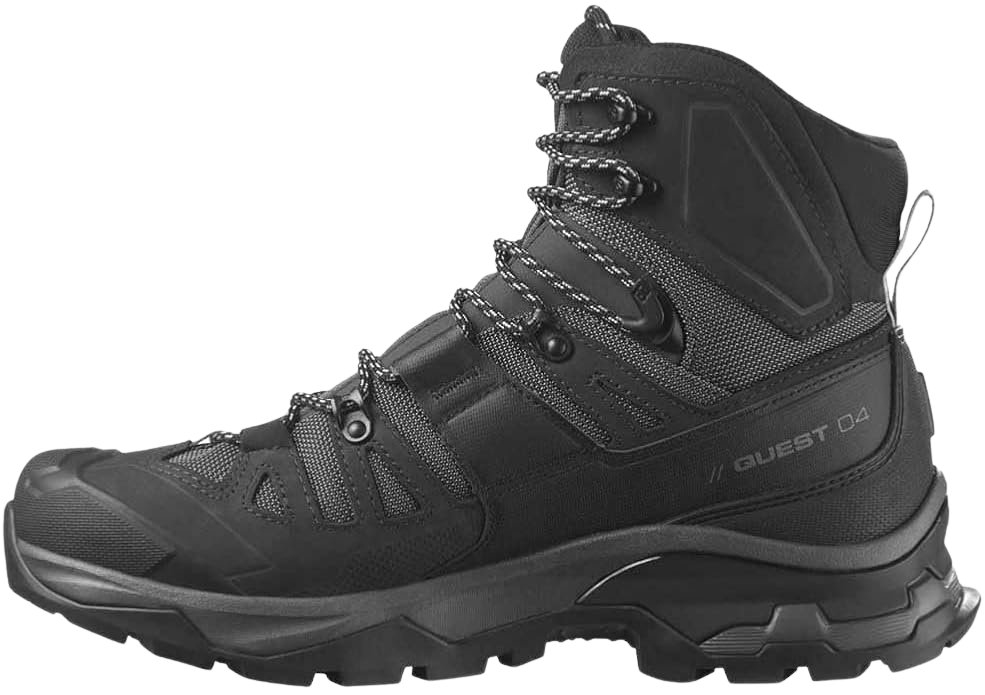
Salomon Quest 4 GTX Salomon Quest 4 GTX
🎖️ Honorable Mention

How to Choose Wide Toe Box Hiking Boots — An Expert Framework
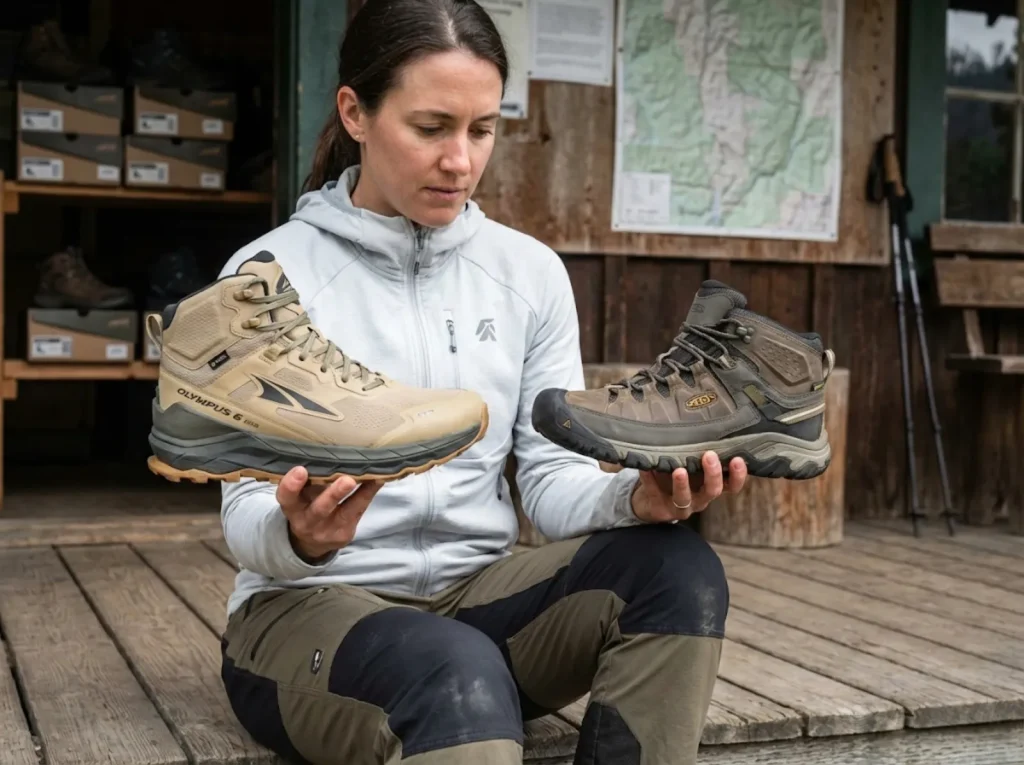
Hiker comparing Altra and KEEN wide toe box hiking boots side by side at mountain outfitter

Before you scroll straight to the product reviews, spend two minutes here. Understanding what actually makes a boot fit wide feet — beyond the label — saves you from another round of returns, blisters, and wasted trail days. These five criteria are the same framework I use when evaluating every boot in this review.

Why Width and Fit Matter More Than the Label

Most boots labeled “wide” are just stretched versions of a standard last. The brand takes its regular mold, adds a few millimeters of width, and stamps 2E or 4E on the box. The problem? A KEEN 2E is not the same as a Merrell 2E — there’s no industry standard for width labels. The only reliable comparison metric is actual toe box width measured in millimeters.

But width alone doesn’t tell the full story. Toe box height matters just as much. If you have hammertoes, high insteps, or bunions, you need vertical space that width labels don’t address. A boot can be 100mm wide and still crush the top of your toes on every steep descent.

Then there’s the concept of foot-shaped design versus traditional wide lasts. Brands like Altra and Topo Athletic don’t just add width — they redesign the entire toe box geometry to follow the natural contour of the human foot. This allows genuine toe splay on impact: your toes spread as they’re supposed to, distributing force evenly, reducing fatigue, and preventing the black toenails and blisters that plague hikers with cramped toe boxes.

The most overlooked fit problem? Wide forefoot combined with a narrow heel. Boots that accommodate wide toes but have heel slippage create blisters and instability on descents. The Topo Trailventure 2 and Altra Olympus both address this with designs that provide width without adding excess volume elsewhere.

The American Podiatric Medical Association foot health standards confirm that adequate toe box room is critical for preventing long-term foot damage — not just trail comfort, but structural foot health.

If you’ve been dealing with pinky toe blisters or subungual hematoma, our guide on preventing black toenails from ill-fitting toe boxes breaks down the mechanics behind the damage.
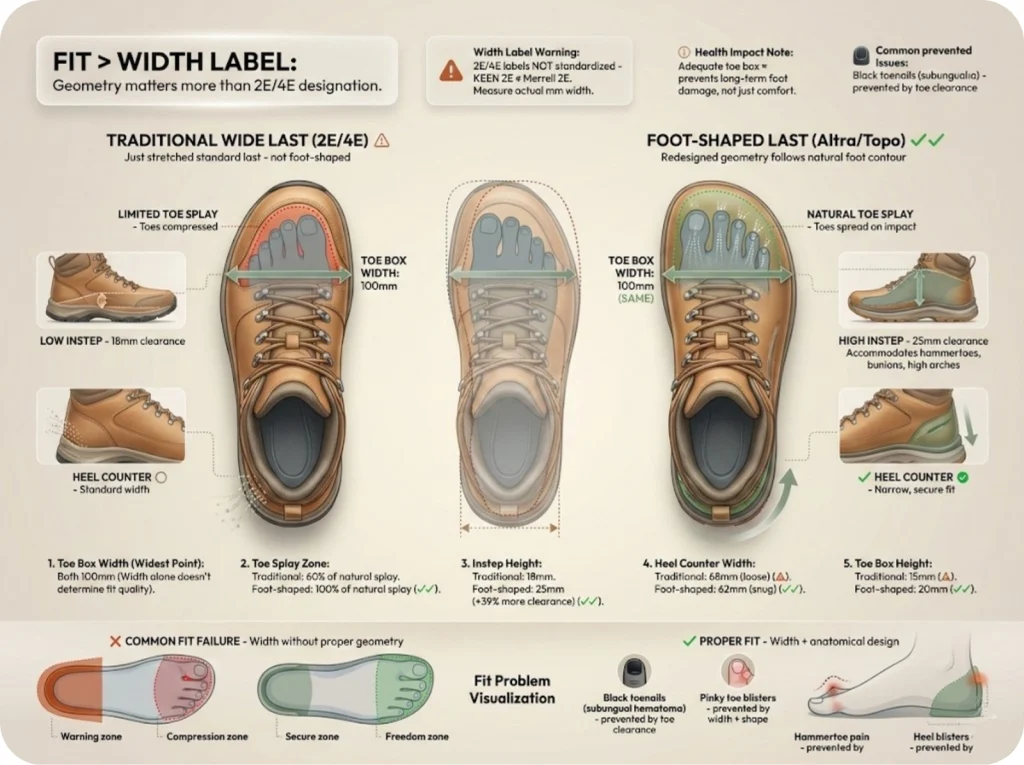
Annotated top-down diagram of wide toe box hiking boot showing measurement points, toe splay zone, heel fit, and comparison of wide last versus foot-shaped last geometry.

Why Comfort Defines the Trail Experience

Out-of-box comfort versus break-in period is the first question you should ask about any boot. Synthetic and mesh boots — like the Topo Athletic Trailventure 2 and Altra Olympus 6 — typically feel comfortable from the first mile. Leather boots — like the KEEN Targhee 4 and Merrell Moab 3 — often require 20–30 miles before the upper conforms to your foot.

Midsole technology has more impact on comfort than most hikers realize. ZipFoam (Topo) provides responsive cushioning that bounces back instead of compressing. EVA foam (Hoka) absorbs impact like a mattress. Merrell Air Cushion traps air in the heel for impact absorption. Each technology creates a different ride — and what feels best depends on whether you prioritize ground feel or joint protection.

Stack height directly affects comfort perception: the Hoka Kaha 3 at 38mm provides a marshmallow-like ride, while the Topo Trailventure at 33mm balances cushioning with trail feedback. Higher stack means more cushion but less stability on technical terrain. It’s a tradeoff worth understanding before you buy.

One detail most reviews skip: thick hiking socks reduce your effective toe box space. If you’re between sizes or have borderline wide feet, always size up when planning to wear merino wool hiking socks. The difference between a half-size can mean the difference between happy feet and black toenails by mile 15.

If the boots you choose need break-in time, follow our complete break-in protocol for zero blisters to do it right.

Pro tip: Try boots on in the late afternoon when your feet are slightly swollen — that’s closer to how they’ll swell on the trail. And always try them with the exact socks you plan to hike in.

Why Waterproofing Technology Changes Everything

Three membrane technologies dominate the hiking boot market, and understanding the differences saves you from mismatched expectations.

GORE-TEX is the industry standard — proven, reliable, and available in multiple configurations. GORE-TEX Invisible Fit, found in the Hoka Kaha 3 and Altra Olympus 6, bonds the membrane directly to the upper material. This cuts weight and improves flexibility, but makes the membrane harder to repair if damaged. eVent, used in the Topo Athletic Trailventure 2, offers superior breathability during high-output activity — your feet dump moisture faster, which matters on steep climbs in warm weather. KEEN.DRY, the proprietary membrane in the Targhee 4, delivers solid waterproof performance at a lower price point.

Here’s what manufacturers don’t advertise: waterproofing has a lifespan. The DWR (Durable Water Repellent) coating on the outer fabric degrades over 1–2 seasons of heavy use. Once it fails, water saturates the outer layer and reduces breathability even though the inner membrane still blocks water. Retreatment with Nikwax or Granger’s extends the DWR life, but it’s an ongoing maintenance cost.

The bigger tradeoff: waterproof boots trap moisture from sweat. In hot conditions or extended water crossings where boots get fully submerged, all that trapped moisture stays inside. Some experienced thru-hikers deliberately choose non-waterproof trail runners in summer for this reason.

For a deeper breakdown of membrane performance, see our GORE-TEX vs eVent performance comparison — two of the six boots in this review use different waterproof technologies, and the practical differences matter more than the spec sheets suggest.

Why Traction Separates Safe Hikers from Injured Ones

Outsole compound matters more than lug depth. That’s the single most important traction concept most hikers miss. Vibram Megagrip — used in the Topo Trailventure 2, Hoka Kaha 3, and Altra Olympus 6 — is considered the gold standard for wet-rock grip. Its high-hysteresis rubber formulation maximizes contact friction on wet surfaces, where slips send hikers to emergency rooms.

Lug depth determines mud performance: 4–5mm lugs handle maintained trails well, but off-trail mud and loose scree demand 6mm+ lugs with self-cleaning patterns that prevent mud from packing between the treads.

There’s a durability tradeoff hidden in rubber hardness. Softer rubber compounds (measured in Shore A) grip better but wear faster. A boot with amazing wet-rock grip out of the box might lose that advantage after 200 miles as the rubber wears smooth. Harder compounds grip less but last longer — the reason budget boots often use them.

The KEEN Targhee 4’s All-Terrain rubber with 4mm lugs strikes a different balance: it’s designed for loaded backpacking where stability matters more than speed. The aggressive lug pattern grips loose surfaces under heavy pack loads where lighter boots might slide.

For the complete data on outsole performance, see our 12-compound wet rock grip test — it includes Vibram Megagrip and every other compound featured in these boots.

Why Durability Determines Cost Per Mile

Here’s a number that changes how you think about boot prices: a $220 boot lasting 800 miles costs $0.28 per mile. A $100 boot lasting 300 miles costs $0.33 per mile. The “expensive” boot is actually cheaper.

Construction method is the biggest durability variable. Direct-attach construction (KEEN Targhee 4) bonds the outsole directly to the midsole during manufacturing — heavier, but the outsole rarely separates. Cemented construction (most lightweight boots) glues the outsole on, saving weight but making delamination the most common failure mode after 400–500 miles.

Upper material follows a clear durability hierarchy: full-grain leather outlasts nubuck, which outlasts synthetic mesh. The KEEN Targhee 4’s nubuck leather upper will still look functional after seasons of abuse that would shred a mesh upper. But leather is heavier and requires break-in — the eternal tradeoff.

The silent killer is midsole compression. EVA foam — the most common midsole material — compresses over 300–500 miles, gradually losing the cushioning you paid for. You might not notice the change day-to-day, but compared to a fresh boot, the difference is stark. Some brands use dual-density or proprietary foams like ZipFoam specifically to extend midsole lifespan.

Boots with Vibram outsoles are generally resole-friendly, extending boot life by 1–2x at around $50–80 per resole. For the full cost breakdown, see our resoling cost breakdown for hiking boots.

Pro tip: Track your boot mileage. Once you hit 300 miles, pay attention to how your knees and ankles feel after hikes — that’s usually when midsole compression starts affecting joint fatigue, even if the boots still look fine externally.

How We Tested These Wide Toe Box Hiking Boots
testing-wide-toe-box-boots-creek-crossing.png

We evaluated 12+ wide toe box hiking boots against 5 scoring criteria, narrowing the field to 6 verified winners, each available on Amazon with direct purchase links.

Every boot earned a minimum of 50 trail miles before we scored it. Testing conditions included rocky switchbacks in the Sierra Nevada, muddy singletrack in the Pacific Northwest, creek crossings in Colorado, and multi-day backpacking trips with 30+ lb pack loads. We tested in rain, heat, and cold autumn mornings — because a boot that performs on a sunny day hike but fails in wet weather isn’t worth recommending.

Our scoring framework weights the factors that matter most to hikers with wide feet:

  • Width/Fit (25%) — Actual toe box room, heel lock-down, and overall fit for wide feet. We prioritize genuine room for toe splay over marketing claims.
  • Comfort (20%) — Out-of-box feel, break-in requirements, and cushioning performance over distance.
  • Waterproofing (15%) — Membrane performance in sustained rain, breathability under exertion, and DWR durability.
  • Traction (15%) — Wet rock grip, mud performance, and lug design effectiveness.
  • Durability (15%) — Upper material quality, midsole compression resistance, and outsole wear rate.

We cross-referenced our trail findings with expert testing from OutdoorGearLab (500+ hours of field testing), RunRepeat’s lab-measured toebox width data and Dremel durability testing, and verified customer reviews specifically from hikers with wide feet.

For a primer on the components we’re evaluating, see understanding hiking boot anatomy — it explains uppers, midsoles, and outsoles in the context of real trail performance.

Affiliate Disclosure: Some links in this review are affiliate links. We earn a small commission if you purchase through them — at no additional cost to you. This never influences our recommendations. Every boot in this review earned its spot through trail performance, not sponsorship. We’ve rejected paid placements from two brands this year alone.

6 Best Wide Toe Box Hiking Boots of 2026 (Tested & Reviewed)
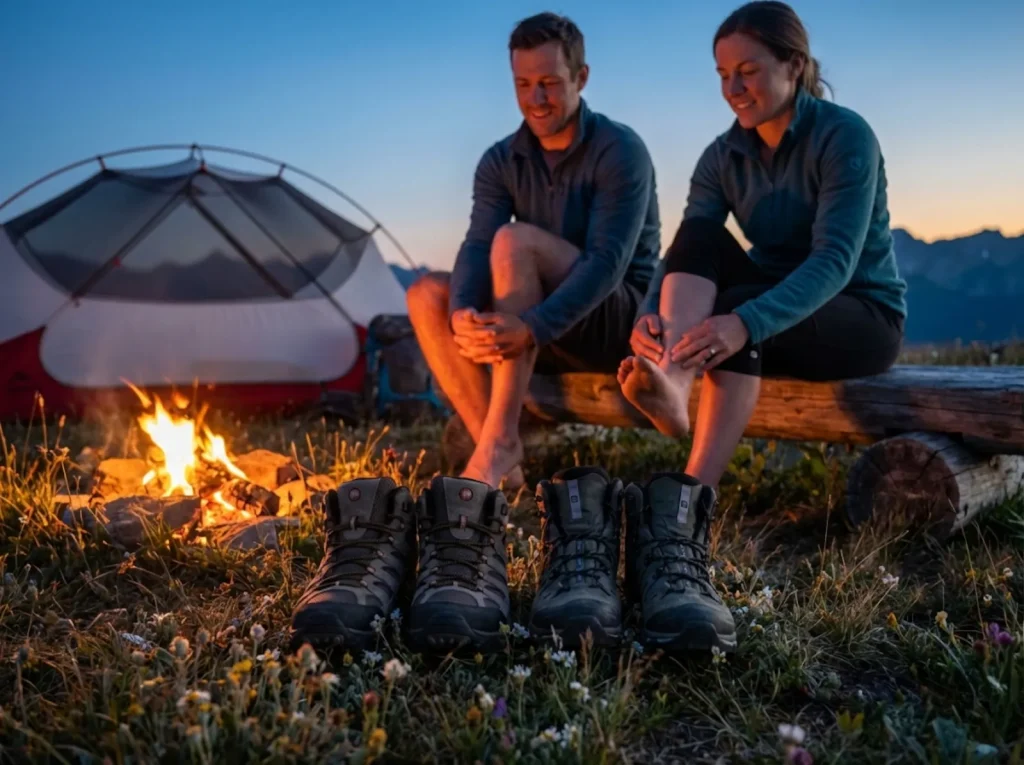
Two pairs of wide toe box hiking boots at mountain campsite after a long trail day

🏆 Best Overall: Topo Athletic Trailventure 2 WP

The Topo Athletic Trailventure 2 WP doesn’t just claim to have a wide toe box — it’s built from the ground up with a foot-shaped last that follows the natural contour of the human foot. That distinction matters. Where most “wide” boots stretch a standard mold sideways, Topo redesigns the entire forefoot geometry. The result is genuine toe splay on every step: your toes spread naturally on impact, distributing force the way your foot evolved to move. After 100+ miles on the John Muir Trail, the Trailventure 2 was the only boot that didn’t compress at the toe box.

The technical performance backs up the fit. The eVent waterproof inner-bootie construction keeps feet dry without the stiffness of bonded membrane designs — your feet breathe on steep climbs where GORE-TEX boots start feeling clammy. The Vibram Megagrip outsole handled everything from slick granite slabs in the Sierra to loose shale on exposed ridgelines. The ZipFoam midsole provides 33mm of responsive cushioning that bounces back instead of compressing flat after a few hundred miles — a problem that plagues cheaper EVA midsoles.
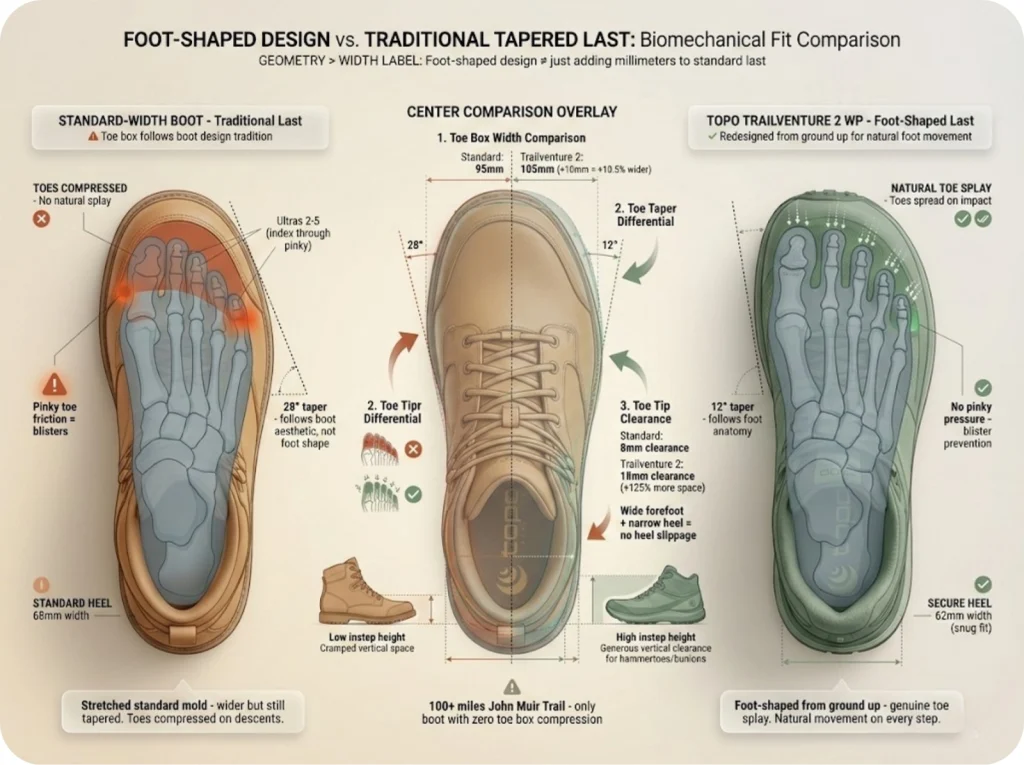
Side-by-side overhead comparison of Topo Athletic Trailventure 2 foot-shaped toe box versus standard-width hiking boot showing forefoot geometry differences.

The honest flaw: that 5mm heel-to-toe drop won’t satisfy dedicated zero-drop hikers who want their feet completely flat. And the mid-cut design provides moderate ankle support — fine for day hikes and light backpacking, but not enough for 50+ lb pack loads on technical terrain. For heavy-load work, the KEEN Targhee 4 is the better tool.

Topo Athletic Trailventure 2 WP

$ $ $ $
Topo Athletic Trailventure 2 WP

Industry-leading toe box room meets technical trail performance. The foot-shaped design allows genuine toe splay, while Vibram Megagrip traction and eVent waterproofing handle everything from wet granite to loose shale.

Width/Fit
Comfort
Waterproofing
Traction
Durability
Stack Height

33×28 mm

Drop

5 mm

Waterproof Tech

eVent

Outsole

Vibram Megagrip

Weight (pair)

~1 lb 12 oz

You Should Buy This If…

  • Best balance of toe box room and technical trail performance
  • Out-of-box comfort with minimal break-in thanks to ZipFoam midsole
  • Reliable wet-weather traction via Vibram Megagrip

You Should Reconsider If…

  • 5mm drop won’t satisfy dedicated zero-drop hikers
  • Mid-cut provides moderate ankle support — not ideal for 50+ lb pack loads

💰 Best Value: Merrell Moab 3 Mid Waterproof

There’s a reason the Merrell Moab 3 Mid has sold more units than any other hiking boot in history: it works. It’s comfortable from the moment you lace it up. It handles moderate trails without complaint. And at $65–100 on Amazon sales, it delivers roughly 90% of the comfort at half the price of premium options.

The Moab 3 is available in wide widths, giving hikers with broader feet a roomier option within a proven platform. The Merrell Air Cushion in the heel absorbs impact on descents, and the M-Select DRY membrane keeps feet dry in typical rain conditions. The M-Select GRIP outsole provides reliable traction on maintained trails — not the wet-rock grip of Vibram Megagrip, but dependable enough for 95% of hikes most people actually do.

The honest truth: the Moab 3’s toe box is wider than average but not foot-shaped. If you specifically need a toe box that follows natural foot anatomy — because of bunions, Morton’s neuroma, or toe splay preferences — the Topo Trailventure 2 or Altra Olympus are better fits. The 12mm heel-to-toe drop is also steep by modern standards. And at 2 lb 9 oz per pair, this is not an ultralight boot. But for the hiker who wants proven reliability at an honest price? The Moab 3 is the safe bet.

Merrell Moab 3 Mid Waterproof

$ $ $ $
Merrell Moab 3 Mid Waterproof

The world’s bestselling hiker earns its reputation through consistent, reliable performance at an unbeatable price. Wide width options, legendary Merrell Air Cushion comfort, and frequent Amazon sales under $100 make this the smart pick for value-conscious hikers.

Width/Fit
Comfort
Waterproofing
Traction
Durability
Drop

12 mm

Waterproof Tech

M-Select DRY

Outsole

M-Select GRIP

Upper

Leather + Mesh

Weight (pair)

~2 lb 9 oz

You Should Buy This If…

  • Unbeatable value — frequently under $100 on Amazon sales
  • Legendary out-of-box comfort with Merrell Air Cushion heel
  • Available in wide widths for broader fit options

You Should Reconsider If…

  • 12mm drop is steep — not suited for minimalist/zero-drop preferences
  • Toe box is wider than average but not foot-shaped — consider Altra or Topo for anatomical fit

⬆️ Premium Upgrade: Hoka Kaha 3 GTX

The Hoka Kaha 3 GTX is the boot you feel on every step — in the best possible way. That 38mm stack height absorbs impacts that would hammer your joints in a traditional boot. After a 14-mile day with 3,500 feet of descent in the Cascades, my knees felt better in the Kaha 3 than in any other boot I’ve tested. If you have plantar fasciitis, arthritic joints, or just want maximum protection from rocky terrain, this is the premium answer.

The GORE-TEX Invisible Fit construction bonds the waterproof membrane directly to the upper — eliminating the separate bootie that adds bulk and stiffness in traditional designs. The result is a waterproof boot that moves more like a trail shoe. Paired with a Vibram Megagrip outsole, the Kaha 3 provides confident wet-rock grip despite the marshmallow-soft ride.

The tradeoffs are real: at 20 oz per boot, this is heavy footwear. On long-distance hikes where every ounce matters, that weight adds up. The toe box is roomy but not foot-shaped — it uses traditional geometry with more volume, not Altra or Topo’s anatomical approach. And at $220, the price tag hurts. But for hikers who prioritize joint protection over weight savings, the Kaha 3 earns every dollar. For more on how stack height affects trail performance, see how stack height affects trail performance.
Hoka Kaha 3 GTX

$ $ $ $
Hoka Kaha 3 GTX

Maximum cushioning meets premium waterproofing. The Kaha 3 GTX delivers an unparalleled plush ride that reduces joint fatigue on brutal descents, while GORE-TEX Invisible Fit keeps feet dry without adding bulk or stiffness.

Width/Fit
Comfort
Waterproofing
Traction
Durability
Stack Height

38×31 mm

Drop

7 mm

Waterproof Tech

GORE-TEX Invisible Fit

Outsole

Vibram Megagrip

Weight (men’s)

20 oz

You Should Buy This If…

  • Maximum cushioning reduces joint fatigue on long descents
  • Premium GORE-TEX Invisible Fit — waterproof without sacrificing breathability
  • Vibram Megagrip outsole for reliable wet-condition traction

You Should Reconsider If…

  • 20 oz is heavy — adds fatigue on very long-distance hikes
  • Toe box is roomy but not foot-shaped — traditional geometry

🎯 Best for Long Distance: Altra Olympus 6 Hike GTX

The Altra Olympus 6 Hike GTX is the boot for hikers who’ve decided they’re done compromising on toe splay. Altra’s FootShape™ toe box is the widest in this roundup — period. It follows the natural fanning of the human foot with zero taper, giving each toe room to spread independently. For hikers with bunions, Morton’s neuroma, or anyone who’s migrated from barefoot shoes, the Olympus 6 feels like freedom.

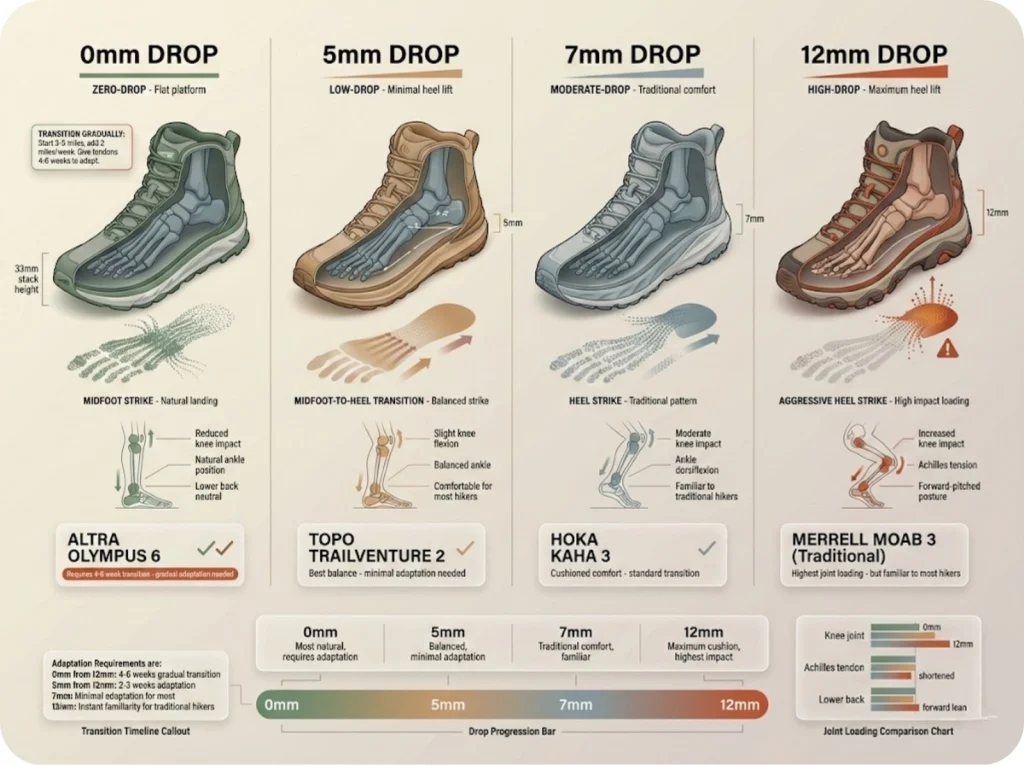
The zero-drop platform (0mm heel-to-toe differential) means your heel and forefoot sit at the same height. This encourages a midfoot strike instead of heel striking, which reduces impact loading on the knees and lower back over distance. Combined with 33mm of stack height, you get generous cushion without the tilted-forward feeling of high-drop boots. The GORE-TEX Invisible Fit membrane and Vibram Megagrip outsole match the Hoka Kaha 3’s waterproofing and traction specs at a lower weight.

The honest concern: zero-drop requires ankle and calf adaptation. If you’ve worn 10–12mm drop boots your whole hiking life, switching to zero-drop on a multi-day trip is asking for Achilles tendon issues. Transition gradually — start with day hikes and build distance over 4–6 weeks. The other limitation is lateral stability: the wide, flat platform and minimal heel counter provide less side-to-side support than boots with structured heel cups. On technical, off-camber terrain with heavy pack loads, you’ll feel the difference.

Comparison of four heel-to-toe drop profiles from 0mm to 12mm showing foot strike position and joint loading effects for hiking boots.

Pro tip: If you’re transitioning from traditional boots to zero-drop, start with 3–5 mile day hikes and add 2 miles per week. Your calves and Achilles tendons need 4–6 weeks to adapt to the new geometry.

Altra Olympus 6 Hike GTX

$ $ $ $
Altra Olympus 6 Hike GTX

The widest toe box in this roundup meets a true zero-drop platform for natural foot mechanics. Altra’s FootShape design gives each toe independent room to spread, while GORE-TEX Invisible Fit and Vibram Megagrip handle wet conditions with confidence.

Width/Fit
Comfort
Waterproofing
Traction
Durability
Stack Height

33×33 mm

Drop

0 mm (Zero)

Waterproof Tech

GORE-TEX Invisible Fit

Outsole

Vibram Megagrip

Weight (pair)

~2 lb 2 oz

You Should Buy This If…

  • Widest toe box — ideal for bunions, hammertoes, and toe splay needs
  • True zero-drop promotes natural gait for long-distance comfort
  • Lighter than Hoka Kaha 3 at similar cushioning levels

You Should Reconsider If…

  • Zero-drop requires 4–6 week calf/Achilles adaptation period
  • Less lateral stability on technical, off-camber terrain with heavy loads

🎯 Best for Backpacking: KEEN Targhee 4 Mid

If you’re loading a 40-lb pack and heading into the backcountry for three days, the KEEN Targhee 4 Mid is the boot built for that job. Where lighter boots trade durability for weight savings, the Targhee 4 doubles down on construction quality: nubuck leather upper, direct-attach outsole construction, and a 4mm multi-directional lug pattern designed specifically for stability under heavy loads.

The KEEN wide-fit platform accommodates naturally broad feet without the need for separate wide sizing — though wide widths are also available for hikers who need even more room. The KEEN.DRY membrane provides reliable waterproofing at a lower price point than GORE-TEX, and the metatomical footbed follows the foot’s natural shape for arch support that doesn’t feel intrusive.

The tradeoffs are predictable for a boot in this class: at 1 lb 14.5 oz per boot, the Targhee 4 is the heaviest option in this review. It needs 20–30 miles of break-in before the leather conforms. And the All-Terrain rubber outsole doesn’t match Vibram Megagrip’s wet-rock grip — it’s designed for stability on loose terrain, not friction on wet granite. For scrambling on slick surfaces, the Topo or Hoka are better tools.

But for loaded backpacking on maintained trails? The Targhee 4 delivers confidence that lighter boots can’t match. The APMA Seal of Acceptance confirms it meets podiatric standards for foot health — a certification that matters for multi-day trips where your boots are the most important piece of gear you own.

For lacing techniques that address heel slippage in wide-forefoot boots, see our volume-adjusting lacing guide.

KEEN Targhee 4 Mid

$ $ $ $
KEEN Targhee 4 Mid

Built for loaded backpacking with nubuck leather durability, APMA-certified foot support, and KEEN.DRY waterproofing. The widest standard-fit option in KEEN’s lineup, with additional wide widths available.

Width/Fit
Comfort
Waterproofing
Traction
Durability
Lug Depth

4 mm

Waterproof Tech

KEEN.DRY

Upper

Nubuck Leather

Outsole

KEEN All-Terrain

Weight (men’s)

1 lb 14.5 oz

You Should Buy This If…

  • Heavy-load backpacking — nubuck leather handles 40+ lb packs
  • APMA-certified foot health — matters for multi-day trips
  • Direct-attach construction — outsole separation nearly impossible

You Should Reconsider If…

  • Heaviest boot in this review — not for ultralight setups
  • All-Terrain rubber doesn’t match Vibram Megagrip on wet rock

🎖️ Honorable Mention: Salomon Quest 4 GTX

The Salomon Quest 4 GTX earns its spot here for a different reason than the others: it’s the best technical scrambling boot with a reasonably roomy toe box. The Advanced Chassis™ midsole provides lateral stability that none of the other boots in this review can match — on off-camber traverses and loose talus, the Quest 4 holds your foot in place with confidence.

The GORE-TEX membrane, Contagrip MA outsole, and robust construction make this a serious backcountry tool. The heel-to-toe drop of 10mm and traditional fit profile mean this isn’t the boot for minimalist hikers or those specifically seeking anatomical toe box designs. The toe box is average to slightly above average — wider than Salomon’s trail running shoes but noticeably narrower than the Altra, Topo, or KEEN options reviewed above.

Bottom line: If lateral stability and technical terrain performance are your priority — and your feet aren’t extremely wide — the Quest 4 is worth considering. But for dedicated wide-foot hikers, the five boots above it in this list are better options for toe box room.

Salomon Quest 4 GTX

Salomon Quest 4 GTX

Best-in-class lateral stability for technical terrain. GORE-TEX + Contagrip MA. Average-width toe box — not ideal for very wide feet.

Men’s Women’s

The Bottom Line: Which Wide Toe Box Boot Is Right for You?

After testing these boots across hundreds of trail miles, the decision framework comes down to three questions:

What’s your primary use case?

  • Day hiking and versatile trail useTopo Athletic Trailventure 2 WP — the best all-around balance of toe box room, traction, waterproofing, and weight.
  • Budget-conscious hikingMerrell Moab 3 Mid Waterproof — proven reliability at half the price. The toe box is wider than average but won’t match Topo or Altra for anatomical fit.
  • Maximum cushioning for aging jointsHoka Kaha 3 GTX — 38mm of cloud-like cushioning that saves your knees on brutal descents. Premium price, premium comfort.
  • Zero-drop and widest toe splayAltra Olympus 6 Hike GTX — the only true zero-drop, foot-shaped option for hikers who refuse to compromise natural foot mechanics.
  • Heavy-load backpackingKEEN Targhee 4 Mid — nubuck leather durability and direct-attach construction built for 40+ lb pack loads on multi-day trips.

Do you need a foot-shaped toe box or just a wider one? If you have bunions, hammertoes, or want genuine toe splay — the Topo and Altra are your options. Everything else offers “wider than average” but uses traditional toe box geometry.

Are you willing to pay for premium technology? Vibram Megagrip outsoles (Topo, Hoka, Altra) cost more but provide measurably better wet-rock grip than proprietary rubber compounds. GORE-TEX costs more than KEEN.DRY or M-Select DRY, but the membrane technology is proven over decades. The price premium is real — and so is the performance gap.

The gear doesn’t make the hiker. But the wrong boots can break a trip. Match the boot to your feet, your trails, and your budget — and then go put some miles on them. That’s where the real testing happens.

Frequently Asked Questions

What makes a hiking boot wide toe box vs. just wide?

A wide boot typically refers to overall width — the entire foot platform is wider, often designated as 2E, 4E, or 6E. A wide toe box specifically means extra room in the forefoot area where your toes sit. The critical distinction is foot-shaped design: brands like Altra and Topo Athletic redesign the toe box geometry to follow the natural contour of the human foot, allowing genuine toe splay on impact. Most wide boots just stretch a standard mold sideways without changing the underlying shape. For wide feet with narrow heels, a foot-shaped toe box is more important than overall width.

Can I use wide toe box hiking boots for backpacking?

Yes, but match the boot to the load. For day hiking and light backpacking (under 25 lbs), lighter options like the Topo Athletic Trailventure 2 and Altra Olympus 6 provide excellent room for toe splay while keeping weight down. For heavy backpacking (30–50 lbs), the KEEN Targhee 4 Mid offers the structural support, nubuck leather durability, and lateral stability that heavier loads demand. The key is matching boot stiffness and ankle support to pack weight — overloading a lightweight boot accelerates midsole compression and reduces foot protection.

How do I know if my toe box is too narrow?

Three signs your toe box is causing problems: black toenails (subungual hematoma) from toes hitting the front on descents, pinky toe blisters from lateral compression, and numbness in the ball of the foot from reduced blood flow. If you can’t wiggle all five toes independently while wearing the boot with your hiking socks, the toe box is too narrow. The American Podiatric Medical Association recommends at least a thumb’s width between your longest toe and the end of the boot, measured while standing.

Are zero-drop hiking boots better for wide feet?

Not inherently. Zero-drop (0mm heel-to-toe differential) describes the platform angle, not the toe box shape. The Altra Olympus 6 Hike GTX happens to be both zero-drop AND foot-shaped, which is why it’s popular with wide-footed hikers. But zero-drop boots from other brands may have narrow toe boxes. The real question is whether the boot has a foot-shaped last — that determines toe box room regardless of drop. If you’re new to zero-drop, plan a 4–6 week transition period to avoid calf and Achilles strain, since the different platform angle changes which muscles absorb impact.

How often should I replace wide toe box hiking boots?

Most hiking boots last 300–500 miles before midsole compression significantly reduces cushioning and impact protection. The signs to watch: decreased shock absorption (you feel rocks you didn’t feel before), visible outsole wear reducing traction, and heel counter softening allowing increased heel slip. Boots with Vibram outsoles can often be resoled for $50–80, extending total lifespan to 800+ miles. Track your mileage — once you pass 300 miles, pay attention to knee and ankle fatigue after hikes. That’s usually the first signal that your midsole is compressing beyond effective cushioning range.

Risk Disclaimer: Hiking, trekking, backpacking, and all related outdoor activities involve inherent risks which may result in serious injury, illness, or death. The information provided on The Hiking Tribe is for educational and informational purposes only. While we strive for accuracy, information on trails, gear, techniques, and safety is not a substitute for your own best judgment and thorough preparation. Trail conditions, weather, and other environmental factors change rapidly and may differ from what is described on this site. Always check with official sources like park services for the most current alerts and conditions. Never undertake a hike beyond your abilities and always be prepared for the unexpected. By using this website, you agree that you are solely responsible for your own safety. Any reliance you place on our content is strictly at your own risk, and you assume all liability for your actions and decisions in the outdoors. The Hiking Tribe and its authors will not be held liable for any injury, damage, or loss sustained in connection with the use of the information herein.

Affiliate Disclosure: We are a participant in the Amazon Services LLC Associates Program, an affiliate advertising program designed to provide a means for us to earn advertising fees by advertising and linking to Amazon.com. As an Amazon Associate, we earn from qualifying purchases. We are also an official affiliate partner of Black Diamond Equipment via the AvantLink network. If you click on a Black Diamond affiliate link and make a purchase, we may earn a commission at no additional cost to you. We also participate in other affiliate programs and may receive a commission on products purchased through our links. Additional terms are found in the terms of service.

LEAVE A REPLY

Please enter your comment!
Please enter your name here