In this article
In 2024, search crews across Colorado chased 12 false satellite-SOS alarms to a thrift store, a landfill, and a zoo. None of those alerts came from a hiker in trouble. They came from devices nobody understood, packed by people who bought a personal locator beacon because a forum told them to. A PLB is a serious tool that gets people found, but only on the right trip and in the right hands. This guide covers what a beacon actually does, whether you need one, the models that hold up on trail, and the part almost nobody explains well: what happens after you press that button.
Do You Actually Need a Personal Locator Beacon
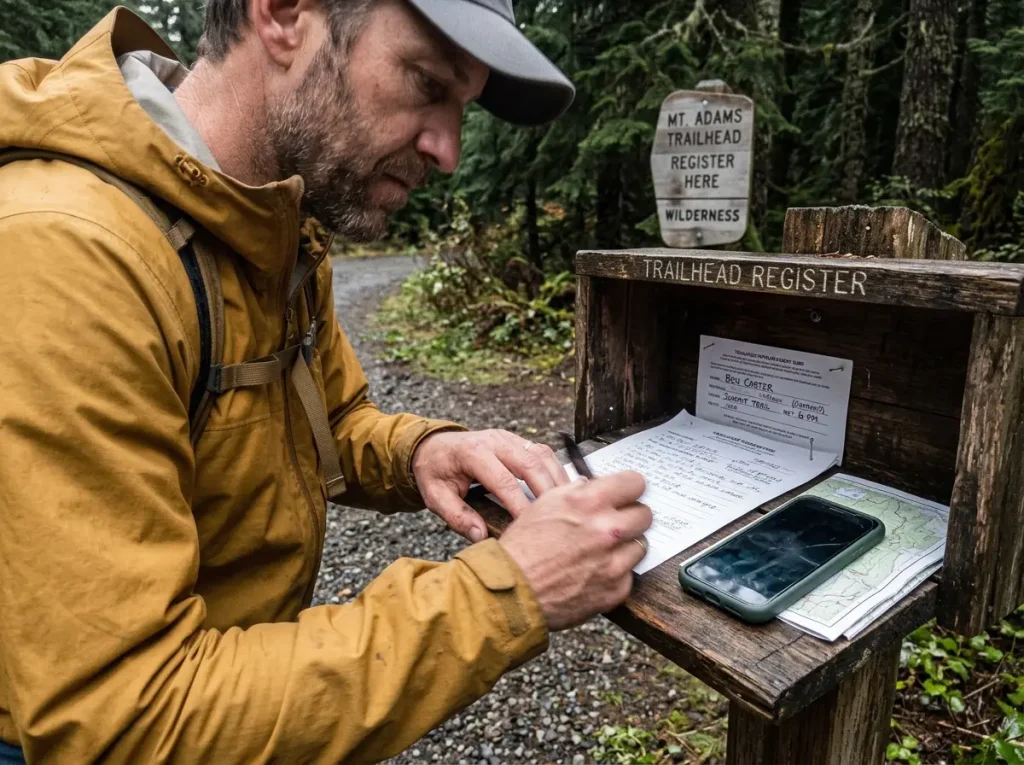
Here is the question the roundups skip because it costs them a sale: do you actually need one? A personal locator beacon does exactly one thing. It calls for rescue. It does not text your family, navigate you back to the trailhead, or check the weather. For a maintained state-park loop with cell bars the whole way, that single function is solved better by the phone already in your pocket.
The honest line runs between two kinds of trips. A week alone off-trail in the Wind River Range, or a solo push down the Oregon Desert Trail with no coverage for days, is exactly what a beacon is for. A Saturday out-and-back with your dog is not. Nobody in the top search results draws that line clearly, because they are trying to sell a beacon to everyone who lands on the page.
For a lot of weekend hikers, the real substitute for a beacon is not a gadget at all. It is leaving a plan that someone will act on. Knowing when you are due back and who to call when you are not does more for most day hikes than any device. If you are still deciding which navigation tools earn their weight, you don’t need all five navigation gadgets at once, and picking by trip type saves both money and pack space.
Let frequency decide the math. If you do one or two serious backcountry trips a year, a PLB’s buy-once model beats a messenger’s monthly fee. If you are out every weekend in remote country, the subscription starts to earn its keep. Count your real trips before you count features.
The flip side of buying a beacon you don’t understand is the Colorado problem from the top of this guide. A device you never learned to arm becomes a resource drain on volunteer crews, not a safety net for you. The trip-plan protocol SAR teams actually want takes ten minutes and never misfires. Match the tool to the trip, then learn the tool.
How a Personal Locator Beacon Actually Works
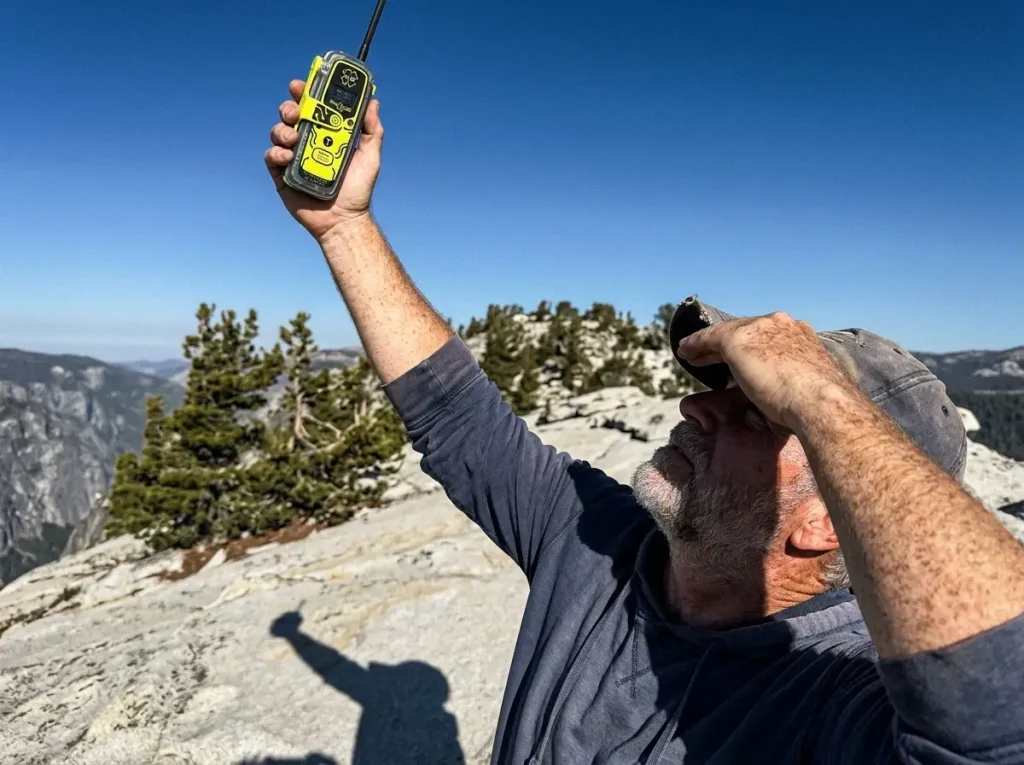
When you hold a beacon up to open sky and trigger it, you are firing a 406 MHz distress signal into a government satellite system called COSPAS-SARSAT. There are no cell towers involved and no monthly plan. The signal goes up to the satellites, down to a ground station, and into the rescue chain. That is why a PLB works in places your phone shows zero bars.
That same burst carries a 121.5 MHz homing signal that guides crews the last stretch once they are close, and most beacons add a strobe light to help a search team spot you after dark. A PLB is the hiker’s version of the marine EPIRB and the aviation emergency locator transmitter, the same distress standard sized down to ride on a pack. That shared, decades-old standard is a big part of why the network is so dependable.
The catch is that it runs one way. The beacon sends your SOS and your GPS position out, but nothing comes back to tell you it worked, unless the device carries a feature called Return Link Service. There is no two-way texting, no “help is coming” confirmation, no way to add detail once you have pressed the button. You send the call and you wait.
The upside of that simplicity is the battery. A PLB uses a non-rechargeable lithium battery with a five-to-seven-year shelf life, so you buy it, register it, and forget it until you need it. This is not a marketing promise. More than 50,000 people worldwide have been rescued because they carried a 406 MHz beacon, a track record you can read straight from NOAA’s SARSAT program, which runs the U.S. side of the satellite network.
Whether your phone is even enough out there is its own honest question, and for true off-grid trips the answer is usually no.
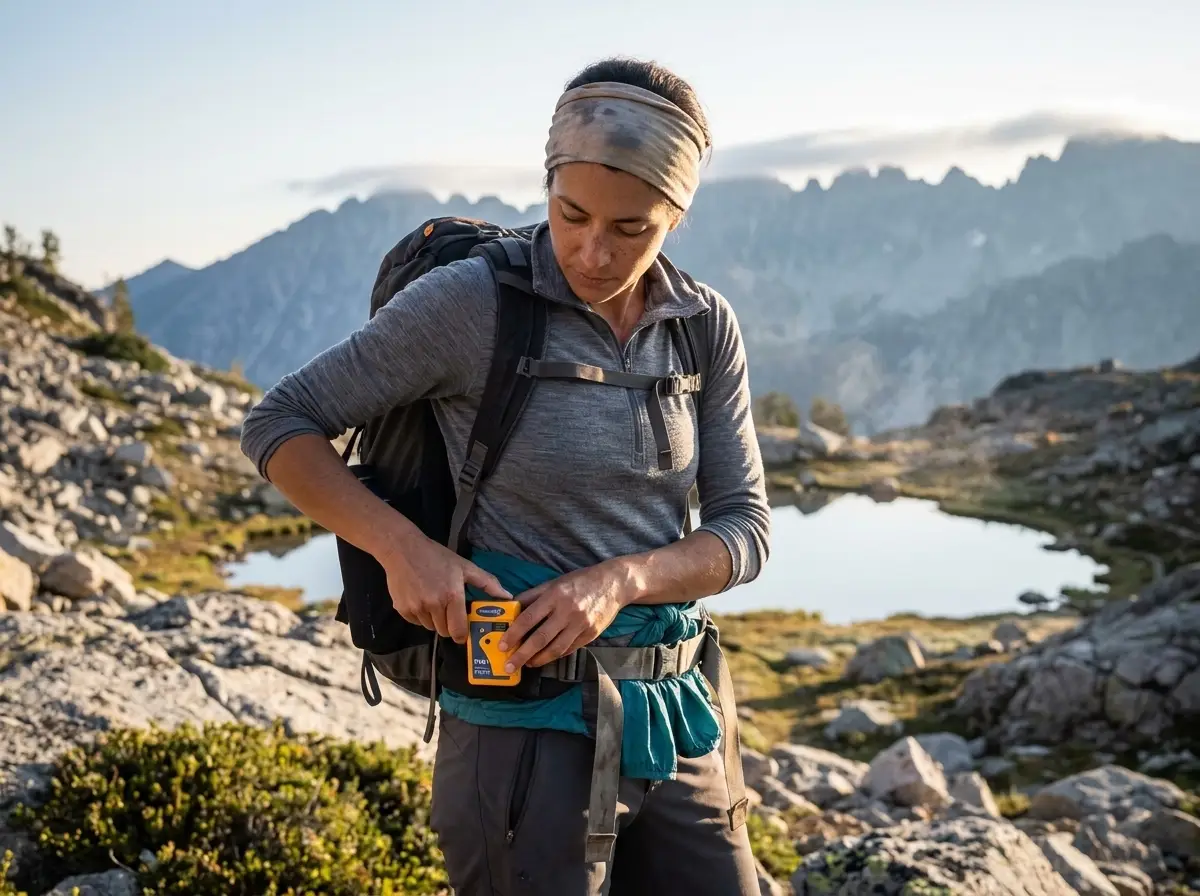
Practice the arm-and-hold motion at home, without transmitting, until it is muscle memory. Most people have never actually deployed the antenna until the moment they need it, and that moment usually comes with cold hands, gloves on, and adrenaline running. Fumbling the sequence is the last thing you want when it counts.
Personal Locator Beacon vs Satellite Messenger
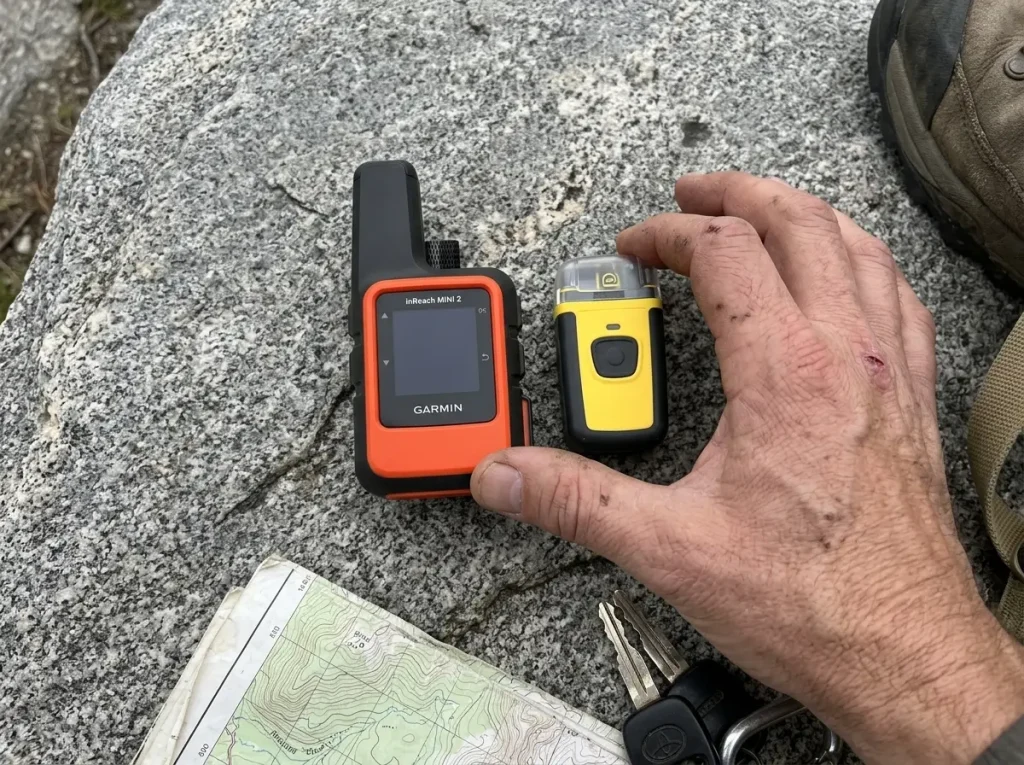
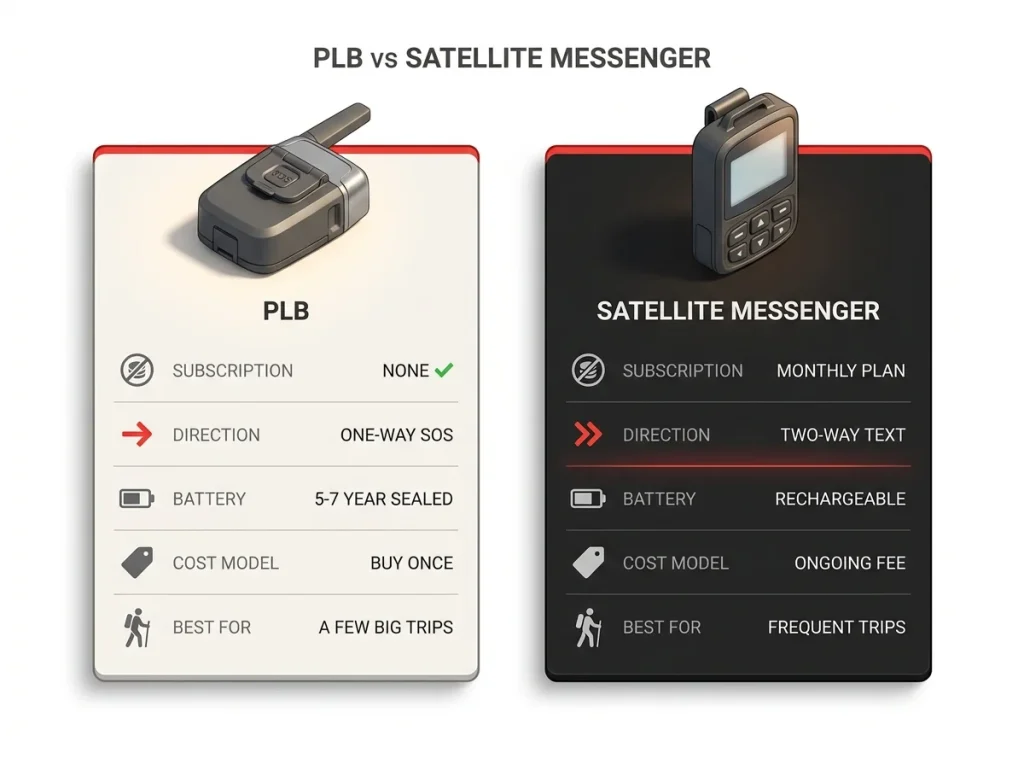
Two devices sit on the shelf that look almost identical and do very different jobs. Picking the wrong category is the expensive mistake. A PLB is one-way SOS only, no subscription, a one-time purchase, with that five-to-seven-year battery. A satellite messenger like a Garmin inReach adds two-way texting and tracking, runs on a rechargeable lithium-ion battery, and charges a monthly subscription to work at all.
The decision is really math plus use case. Frequent multi-week travelers and thru-hikers usually come out ahead on a messenger’s flat monthly cost and get real value from the messaging. Someone who does a couple of serious trips a year does better with a PLB they buy once and never pay for again. Neither is smarter than the other. They fit different hikers.
The hard limit is what a PLB cannot do. Once your SOS is out, you cannot update rescuers. You cannot tell them the injury got worse, or that you moved a quarter mile to a clearing. Only a two-way messenger does that.
A common mistake is buying a PLB expecting it to send a casual “running late, I’m fine” to your family. It physically cannot. If you find yourself wanting that, you want a messenger, and the head-to-head on which messenger actually sends your SOS is worth reading before you commit. Worth noting too: some hikers now cover this with a GPS watch that has built-in satellite SOS, which folds the function into a device already on your wrist.
You will also see enthusiasts argue about bent-pipe versus mesh networks. That is a messenger distinction, Globalstar versus Iridium, and it matters if you go that route. PLBs sidestep it entirely by riding the government COSPAS-SARSAT system, which is part of why they are so reliable for pure emergencies.
The Best Personal Locator Beacons for Hikers
Here are the PLBs that hold up, sorted by what each one is actually best at. The specs that matter for a hiker are weight, operational battery life once triggered, waterproof rating, and whether it confirms the SOS went through. Prices move around, so check the live number on Amazon rather than trusting anything typed into an article.
| Model | Weight | Operational Battery | Display |
|---|---|---|---|
| Ocean Signal rescueME PLB1 | ~4 oz | 24+ hrs | No |
| ACR ResQLink 400 | 148 g | 24+ hrs | No |
| ACR ResQLink View | 151 g | 28 hrs | Yes |
| McMurdo FastFind 220 | Compact | 24+ hrs | No |
Best Overall — Ocean Signal rescueME PLB1
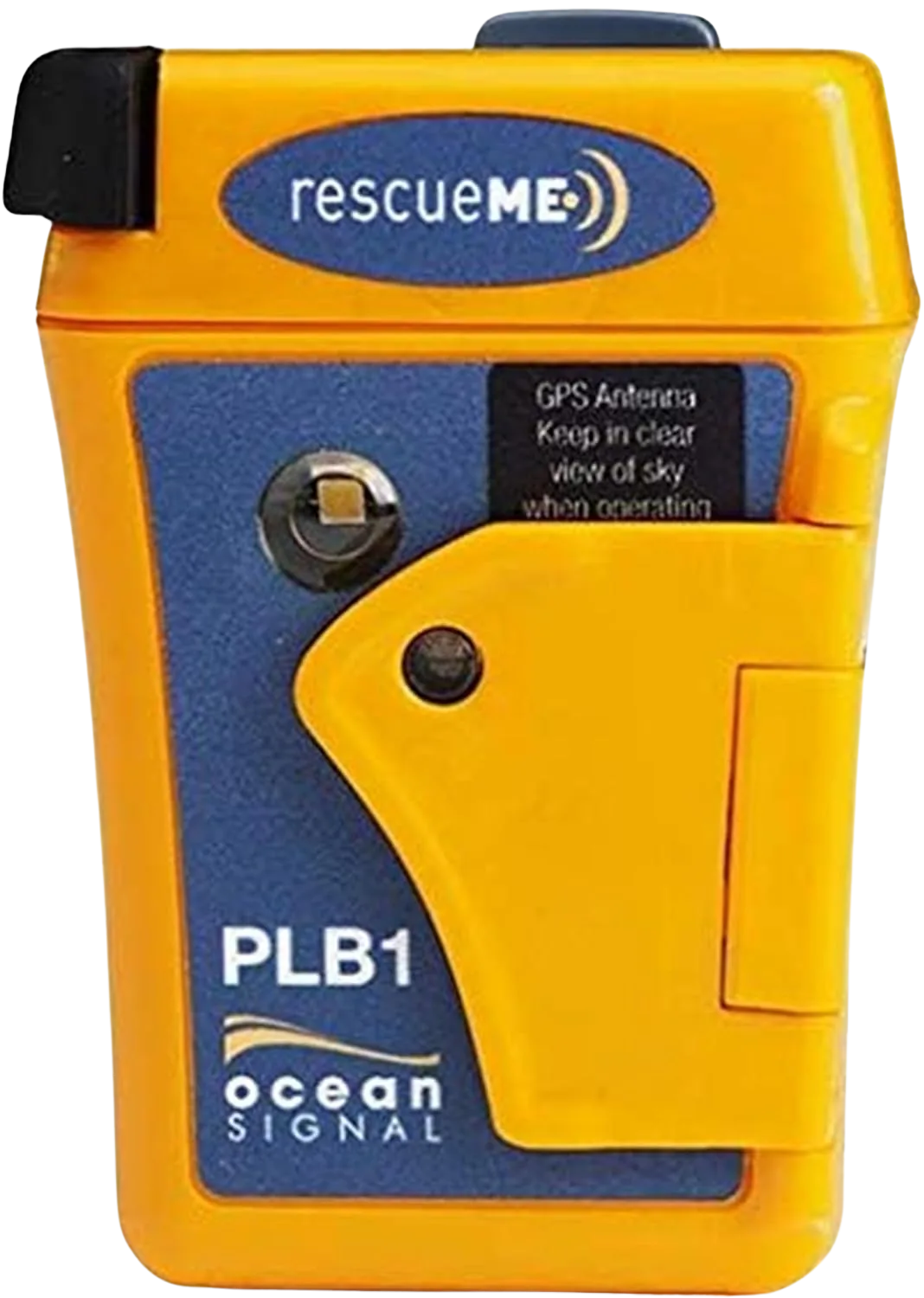
At roughly four ounces, the Ocean Signal rescueME PLB1 disappears on a pack strap in a way heavier beacons do not, and that matters because a device you actually carry is worth more than a better one you leave in the car. The seven-year battery shelf life means you register it once and check it years later, not before every trip. It is waterproof to 49 feet and pulls a GPS fix through a 66-channel receiver. For the hiker who wants one reliable SOS button and nothing else to think about, this is the default answer.
Best Battery Life and the Button You Should Know About — ACR ResQLink 400
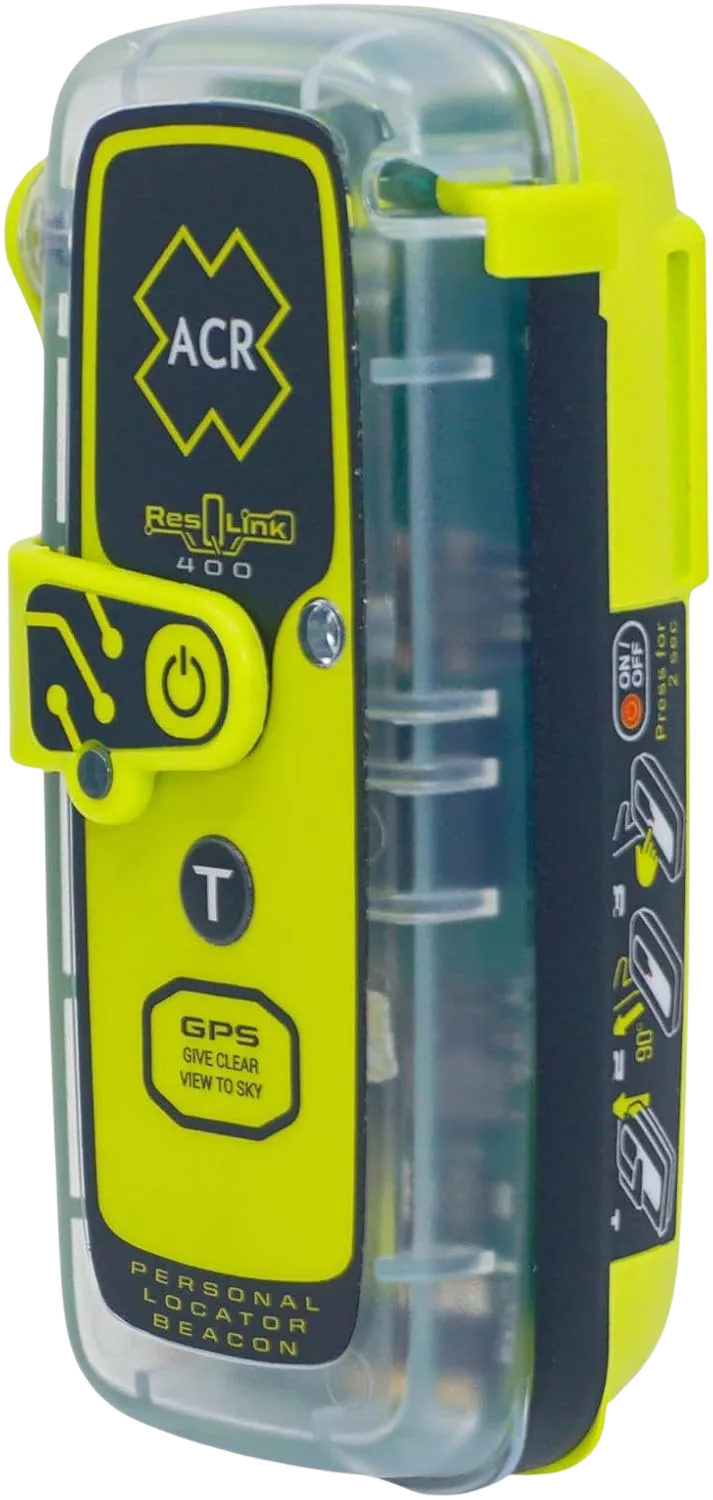
The ACR ResQLink 400 earns the value slot with a strong operational battery and a lower price than its display-equipped sibling. It is the one reviewers keep flagging for accidental activation, and that is worth saying plainly rather than burying in a footnote. Here is the honest size of the problem, though: ACR has documented fewer than 10 confirmed self-activations across tens of thousands of ResQLink 400 and 425 units, and triggering it by accident requires the protective arm to be forcibly held up for two full seconds. The fear that it will “just go off in my pack” is real in forum threads and overblown in the data. Pack it with the arm seated, learn how it deploys, and it is a lot of beacon for the money.
Best SOS Confirmation — ACR ResQLink View
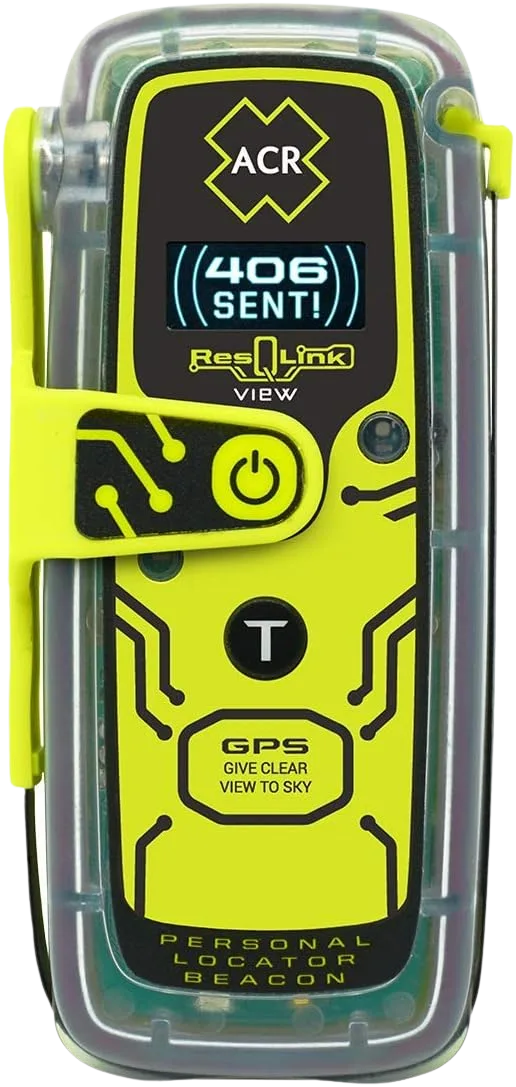
The ACR ResQLink View is the same beacon at heart, with one addition that solo hikers ask about more than any other: a digital status display and optional Return Link Service that confirm the SOS transmitted, according to ACR’s own spec sheet for the ResQLink View. Instead of trusting a blinking light and hoping, you get a screen that says the message went out. If you hike alone, that upcharge buys a specific kind of calm during the worst wait of your life. It runs slightly heavier and slightly longer on battery than the 400, and for most solo travelers the trade is worth it.
Best Budget PLB — McMurdo FastFind 220
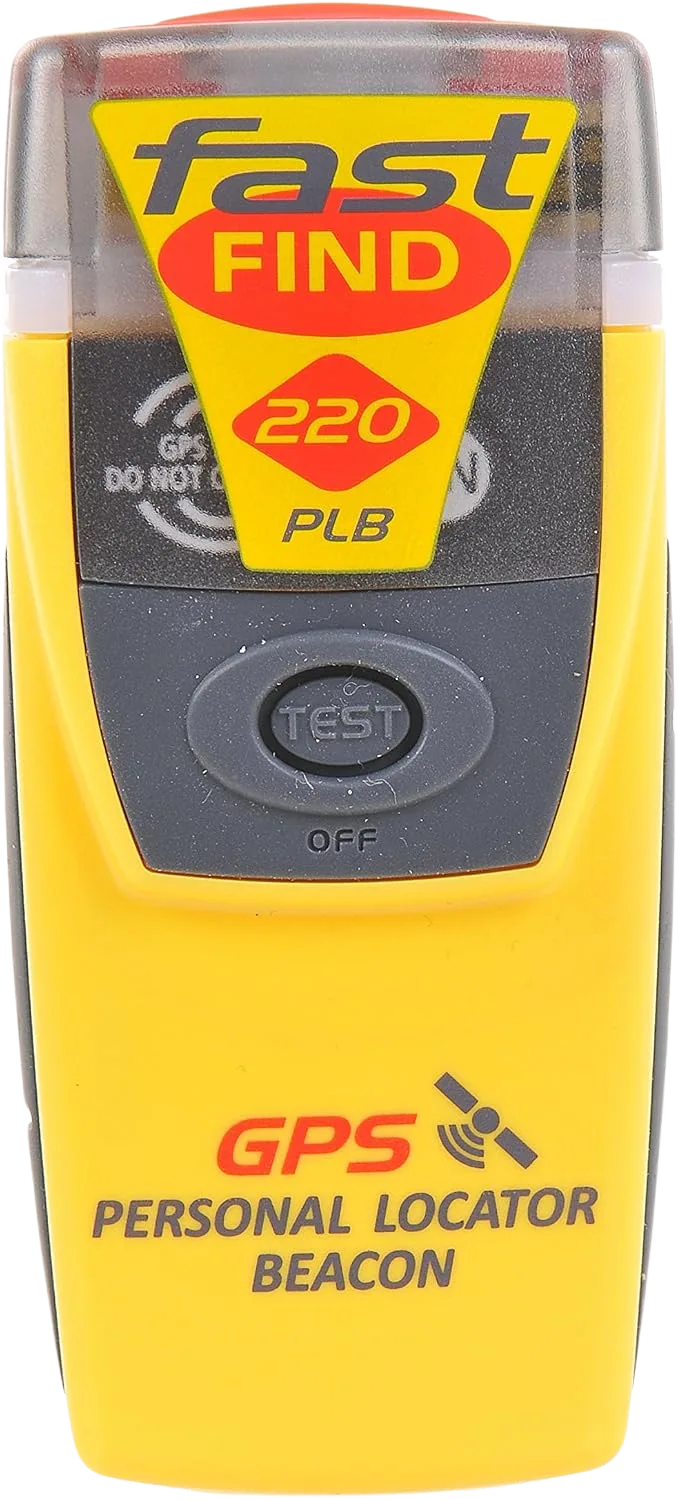
If the premium beacons stretch your budget past the point of buying one at all, the McMurdo FastFind 220 is the honest answer. It is the lowest-cost mainstream PLB with a verifiable listing, pulling position from both GPS and Galileo satellites, and a US-programmed version is available so your registration lines up with the domestic system. It skips the extras, but the fundamentals are the same fundamentals that get people found. A beacon you can afford and actually own beats a fancier one you keep meaning to buy.
When a Satellite Messenger Makes More Sense
If you keep wishing your beacon could send a quick “camp here tonight, running late” to your family, you are describing a different device. A PLB cannot do that and never will. This is where a satellite messenger earns its subscription, trading the buy-once simplicity of a PLB for two-way messaging, tracking, and the ability to update rescuers after you have called for help.
Best All-Around Messenger — Garmin inReach Mini 2
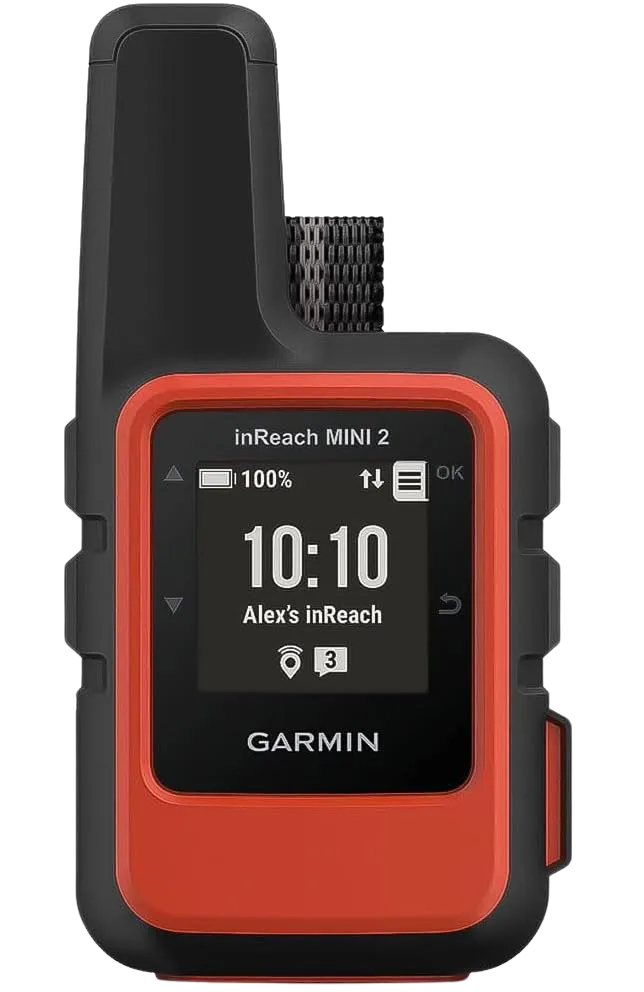
The Garmin inReach Mini 2 is the messenger nearly every honest comparison lands on when someone wants more than an SOS button. It runs two-way texting on the Iridium network, which blankets the globe, and adds GPS navigation and tracking so people at home can follow your progress. The trade is the subscription and the charging discipline, since a rechargeable battery is one more thing to manage on a long trip. If you want to see exactly how the inReach stacks up against SPOT before you buy into a plan, that comparison is worth your time.
Budget Messenger Pick — ZOLEO Satellite Communicator
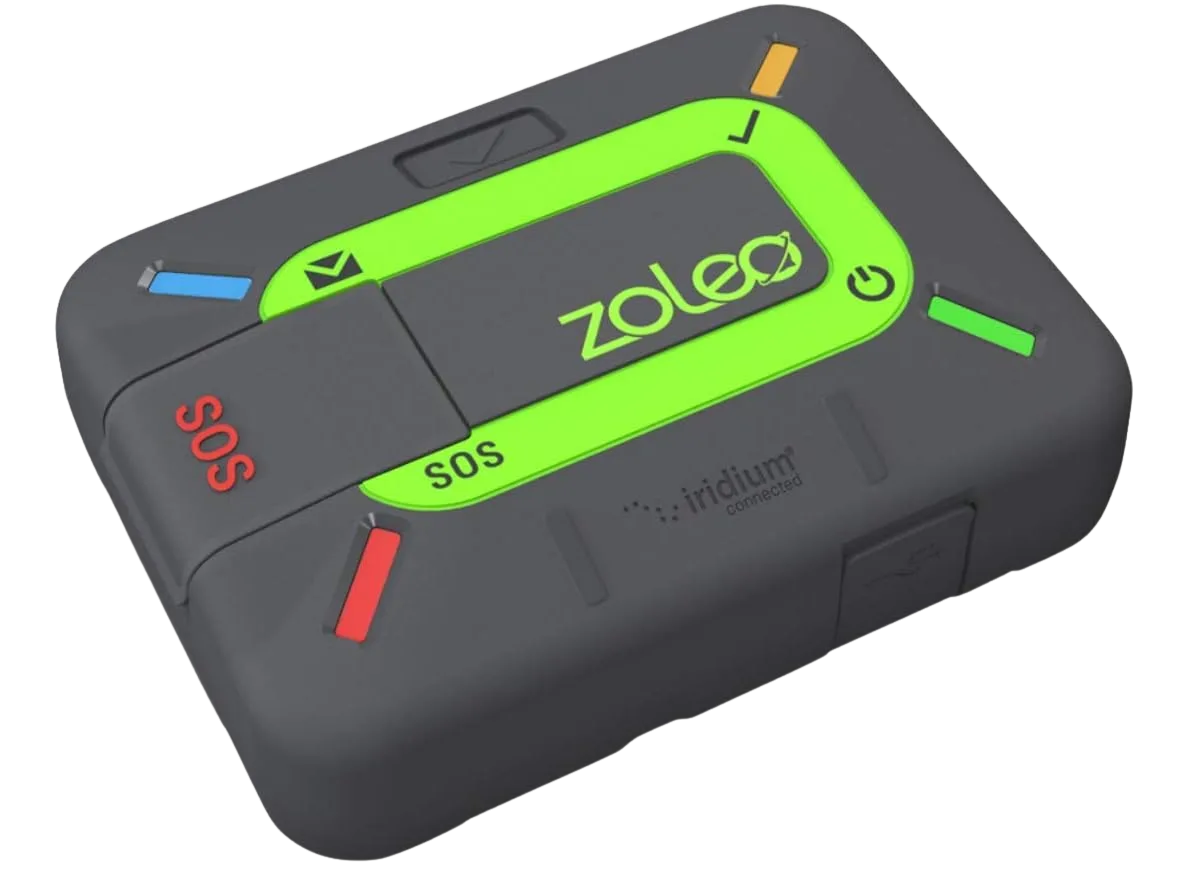
The ZOLEO Satellite Communicator is the cheaper way into two-way messaging and the name that comes up most as the budget alternative to Garmin. It pairs with your smartphone app so you type on a real keyboard instead of a tiny device screen, and the entry cost sits below the inReach. For a hiker who wants messaging on occasional trips without the top-tier hardware price, it is the practical pick.
What Actually Happens After You Press SOS
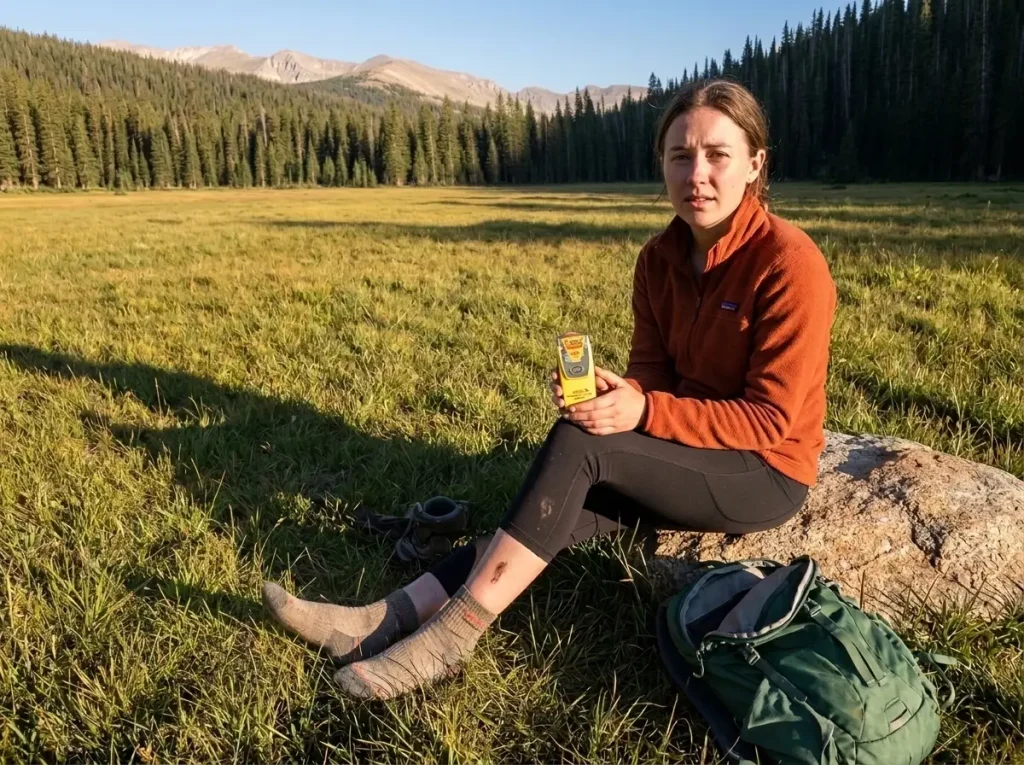
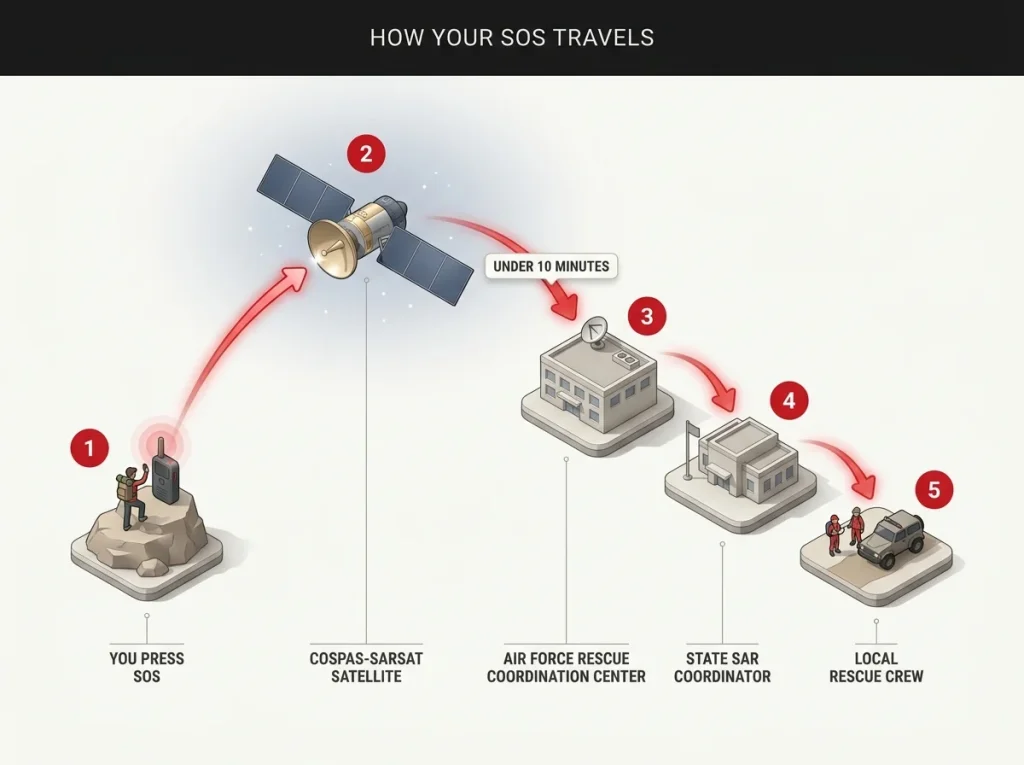
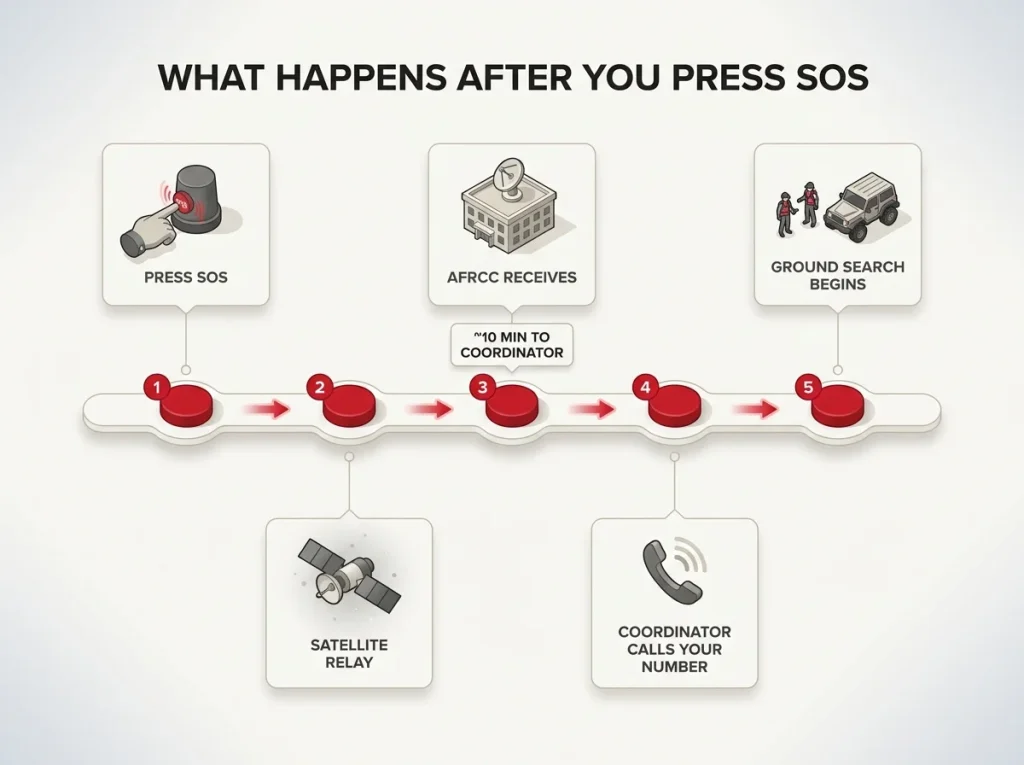
This is the part every roundup glosses into one abstract sentence, and it is the part that calms the “did it even go through” panic. When you trigger a beacon, the alert climbs to the COSPAS-SARSAT satellites, drops to the Air Force Rescue Coordination Center, and reaches your state SAR coordinator, generally in under 10 minutes. The signal relay is fast. The slow part is the physical search that follows, not the call for help.
Here is the detail that reframes the whole thing. When the state coordinator gets your alert, their first move is not launching a helicopter. It is calling the phone number tied to your beacon registration, a sequence the search-and-rescue teams who respond to these alerts spell out in their own primer.
That single fact is why registration accuracy matters more than any spec on the box. A current emergency contact and a few trip details do more to speed your rescue than an extra hour of battery life.
If you set the beacon off by accident, silence is the wrong move. Hold the button down for two seconds to cancel, then separately call the Air Force Rescue Coordination Center at 1-800-211-8107 to formally close the alert. Canceling quietly is not enough, because SAR already has a live alert in the queue and will keep working it until you confirm you are fine. This is a common mistake and an easy one to avoid once you know the number.
Save the Air Force Rescue Coordination Center number, 1-800-211-8107, in your phone before the trip. If you trigger a false alert, you want to close it out fast, not dig through a manual at the trailhead. Thirty seconds now saves a crew a wasted deployment later.
There is one more reason the confirmation feature matters. With a standard PLB, no signal comes back to tell you the message landed, which is exactly why the ResQLink View’s screen changes the wait for people hiking alone. Once crews are close, short-range signaling takes over, and knowing how a beacon compares to a whistle when help is near rounds out the picture of getting found.
Registering Your Beacon With NOAA
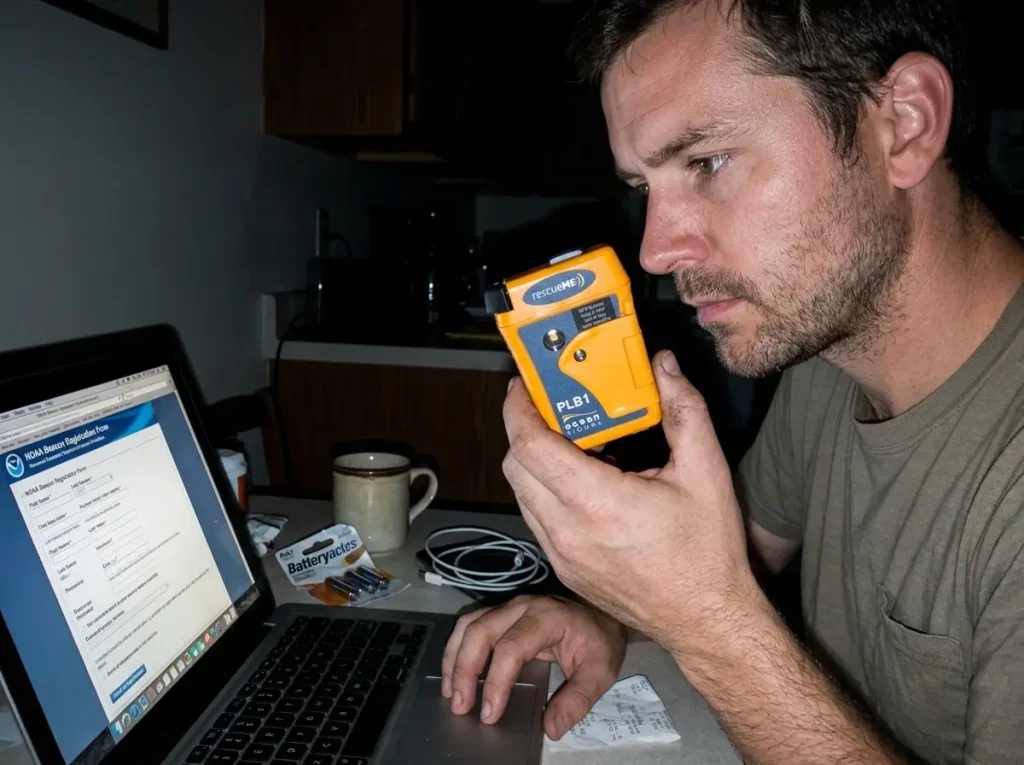
Buying the beacon is not the finish line. US-coded 406 MHz beacons must be registered with NOAA by law, the registration is free, and you renew it every two years. It takes about five minutes and it is the step that makes everything else work. Skip it and your beacon still gets you found, but rescuers start with zero information about who you are or who to call.
What you keep current is simple: an emergency contact phone number, your typical trip details, and vehicle information. You register once at NOAA’s free beacon registration database and update it whenever something changes. Since the coordinator’s first action is calling your emergency contact, an out-of-date number is the fastest step in the rescue chain turned useless.
The mistake here is quiet and common. People buy a beacon, register it, then move houses or change an emergency contact and never update the form. The same pre-trip homework that keeps your plan current should include a quick check that your beacon registration still points to a real person who will pick up. A pristine device with a stale registration is worse than a basic one that is filled out right.
Where Your PLB Signal Struggles
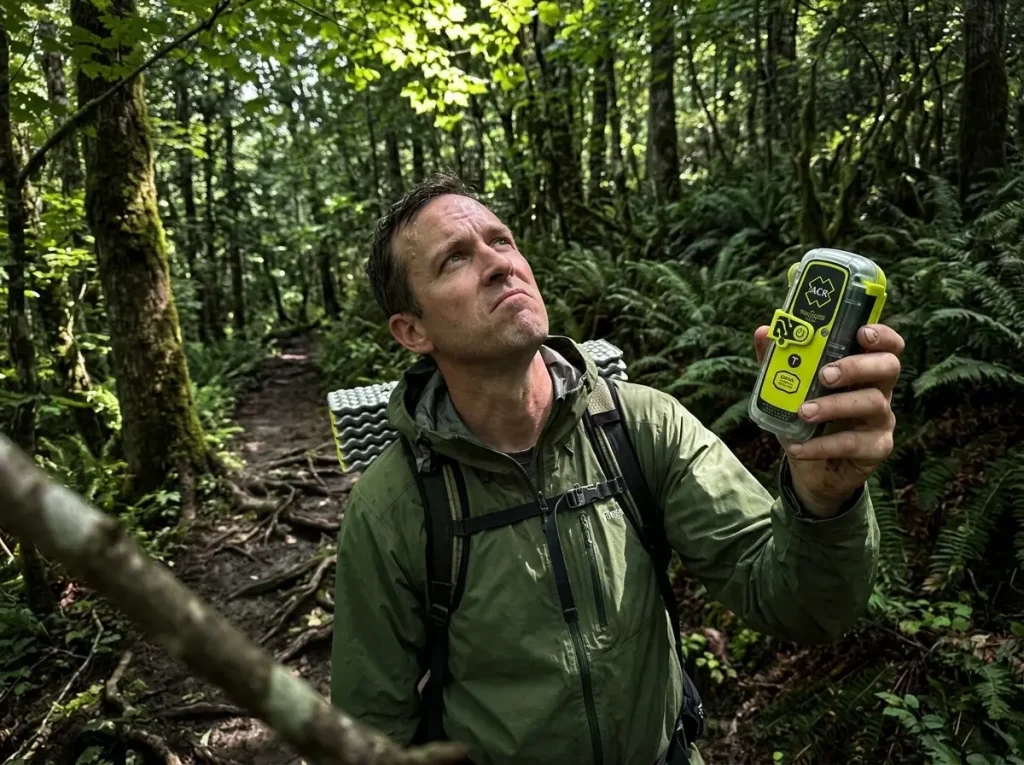
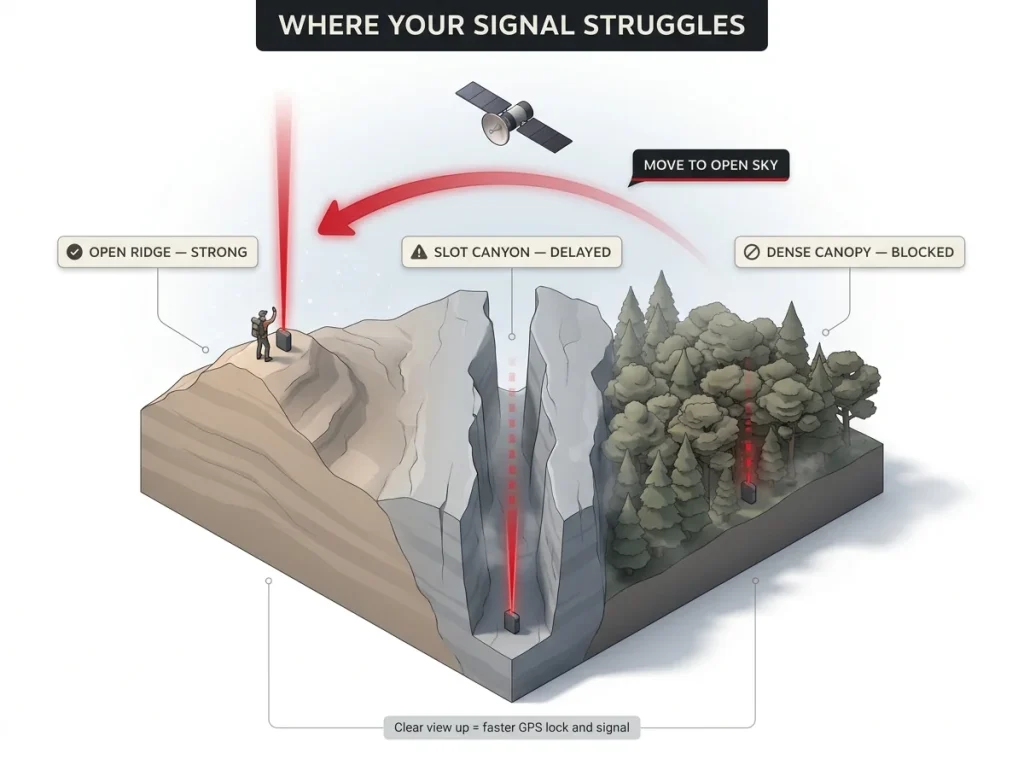
A beacon is not magic, and pretending otherwise gets people into trouble. Steep terrain and dense canopy are hard on every satellite device, PLB and messenger alike. This is not a flaw specific to any one model. It is physics, and it shows up in the exact terrain a lot of hikers walk through.
The places it bites are specific. Deep Appalachian hardwood canopy in full summer leaf, narrow slot canyons in the desert Southwest, and tight alpine cirques with rock walls close on both sides all block or delay a clear look at the sky. Your beacon needs that view up to lock a GPS position and push the signal to the satellites. Under a thick roof of leaves or between canyon walls, it can struggle to do either quickly.
The fix is not complicated, but it is not intuitive under stress. Move toward open sky before you trigger, even if that means a short, careful shift to a clearing or a ridge. Do not trust an instant lock, and do not panic and mash the button under the trees. Give the beacon a clear view up and a little time. The calm move, finding a clearing, beats the fast one every time.
Cold adds its own tax. Batteries and signal both take a hit in freezing temperatures, so a beacon that felt bombproof in July behaves differently in a January whiteout. If your trips run into real winter conditions, treat cold-weather battery drain as its own planning problem, and keep the beacon warm against your skin rather than in an outside pocket. When electronics falter, low-tech signaling that works when the batteries are dead is the backup worth carrying and knowing how to use.
What a Rescue Actually Costs
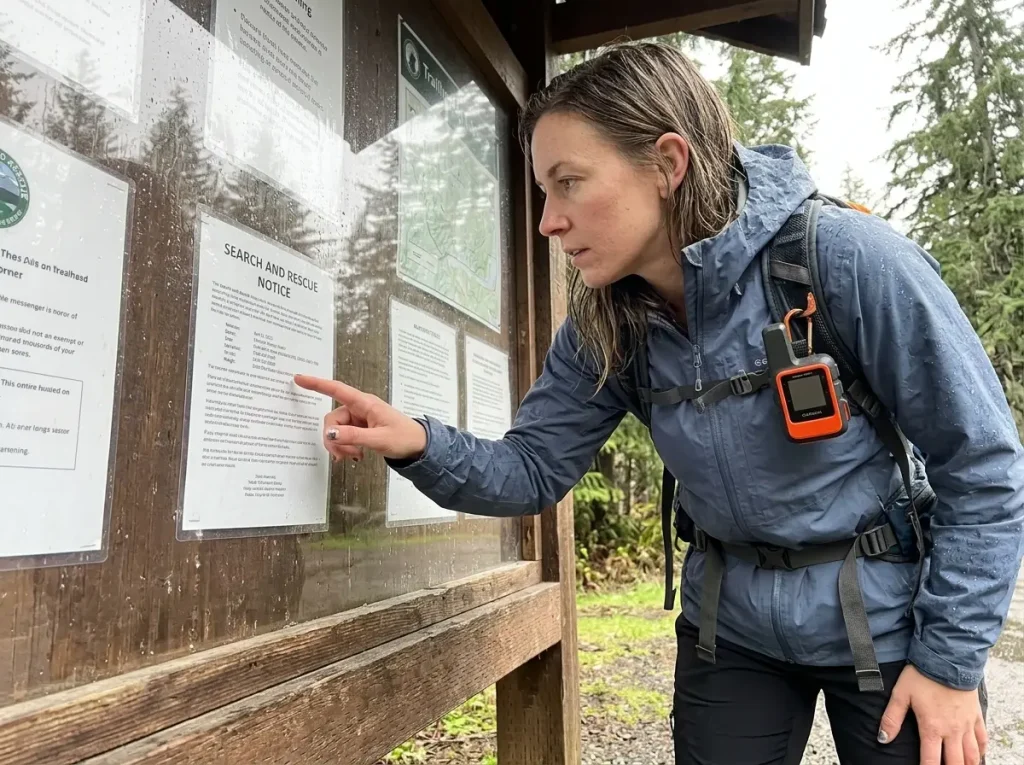
The money question keeps people from pressing the button, so let us settle it. In the United States, SARSAT rescue coordination and the ground or air search that follows are government-run and free to the person being rescued. Pressing your SOS does not generate a bill for the rescue itself. Nobody should ever hesitate over cost when they genuinely need help.
The real financial exposure sits downstream. Medevac flights, air-ambulance transport, and hospital care are where the eye-watering numbers live, and those are separate from the SAR operation that found you. This is the gap most guides skip. The beacon that saves your life will not cost you a rescue fee, but the ambulance ride afterward can land hard.
Where coverage helps is worth knowing before you go. Some hikers already carry rescue benefits through an American Alpine Club membership, often bundled with a climbing gym membership without realizing it. Others buy travel and rescue insurance from providers like Global Rescue or GEOBlue for bigger or international trips. The first-aid decisions that come before any evacuation shape how much of that downstream care you even need, which is why skills matter as much as coverage.
The honest close is the same anti-sell that opened this guide. The cheapest insurance is still not needing the button at all. A solid plan, a firm turnaround time, and a registered beacon, in that order, keep you out of the situation where any of this comes up. Buy the beacon if your trips call for it, register it, and then spend your energy on the plan that means you never have to use it.
Conclusion
A personal locator beacon earns its place on serious off-grid, solo, multi-day trips, and rides dead weight on a maintained day hike with cell coverage. Match the tool to the trip first. For most hikers who need one, the Ocean Signal rescueME PLB1 is the pick, and the ACR ResQLink View is the upgrade if you hike alone and want the reassurance of a confirmed SOS. Register whatever you carry and keep that registration current, because it is the first thing search-and-rescue uses when your alert comes in.
Before your next backcountry trip, make the honest call: do you need the button, or do you need a better trip plan? Then go register whatever you decide to carry.
Frequently Asked Questions
01Do you need a subscription for a personal locator beacon?
No. A PLB is a one-time purchase with no monthly fee, which is its defining difference from a satellite messenger. You only register it for free with NOAA. Satellite messengers like the Garmin inReach need a paid plan because they add two-way messaging and tracking.
02Is a PLB better than a satellite messenger for hiking?
Neither is better; they solve different problems. A PLB suits occasional serious trips where you want a reliable SOS with no ongoing cost. A messenger wins if you want two-way texting, tracking, and hike often enough to justify the subscription.
03How do you register a personal locator beacon?
Register free at NOAA’s beacon registration site before your first trip, entering your contact and emergency-contact details. It is mandatory by law for US-coded beacons and renewed every two years. It is also the first thing SAR uses when your alert comes in.
04What happens if you set off a PLB by accident?
Hold the button down for two seconds to cancel, then call the Air Force Rescue Coordination Center at 1-800-211-8107 to formally close the alert. Canceling silently is not enough, because SAR already has a live alert in the queue.
05How long does a personal locator beacon battery last?
The non-rechargeable battery has a five-to-seven-year shelf life, and the Ocean Signal PLB1 rates seven years. Once activated, it transmits for at least 24 hours. You replace the battery on the manufacturer’s schedule, not after every trip.
Risk Disclaimer: Hiking, trekking, backpacking, and all related outdoor activities involve inherent
risks which may result in serious injury, illness, or death. The information provided on The Hiking Tribe is for
educational and informational purposes only. While we strive for accuracy, information on trails, gear, techniques,
and safety is not a substitute for your own best judgment and thorough preparation. Trail conditions, weather, and
other environmental factors change rapidly and may differ from what is described on this site. Always check with
official sources like park services for the most current alerts and conditions. Never undertake a hike beyond your
abilities and always be prepared for the unexpected. By using this website, you agree that you are solely
responsible for your own safety. Any reliance you place on our content is strictly at your own risk, and you assume
all liability for your actions and decisions in the outdoors. The Hiking Tribe and its authors will not be held
liable for any injury, damage, or loss sustained in connection with the use of the information herein.
Affiliate Disclosure: We are a participant in the Amazon Services LLC Associates Program, an
affiliate advertising program designed to provide a means for us to earn advertising fees by advertising and linking
to Amazon.com. As an Amazon Associate, we earn from qualifying purchases. We are also an official affiliate partner
of Black Diamond Equipment via the AvantLink network. If you click on a Black Diamond affiliate link and make a
purchase, we may earn a commission at no additional cost to you. We also participate in other affiliate programs and
may receive a commission on products purchased through our links. Additional terms are found in the terms of
service.