



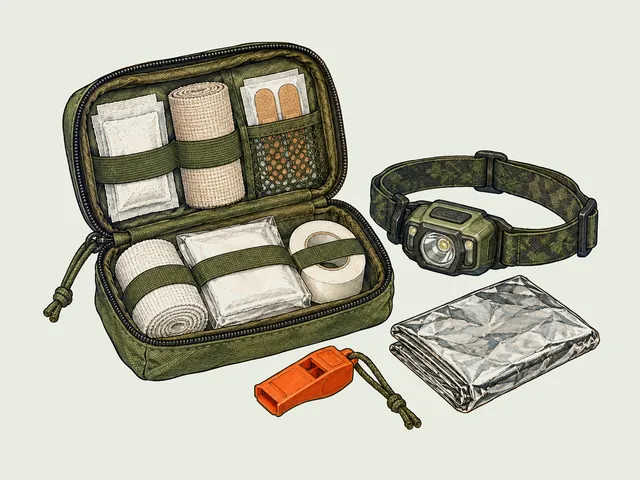



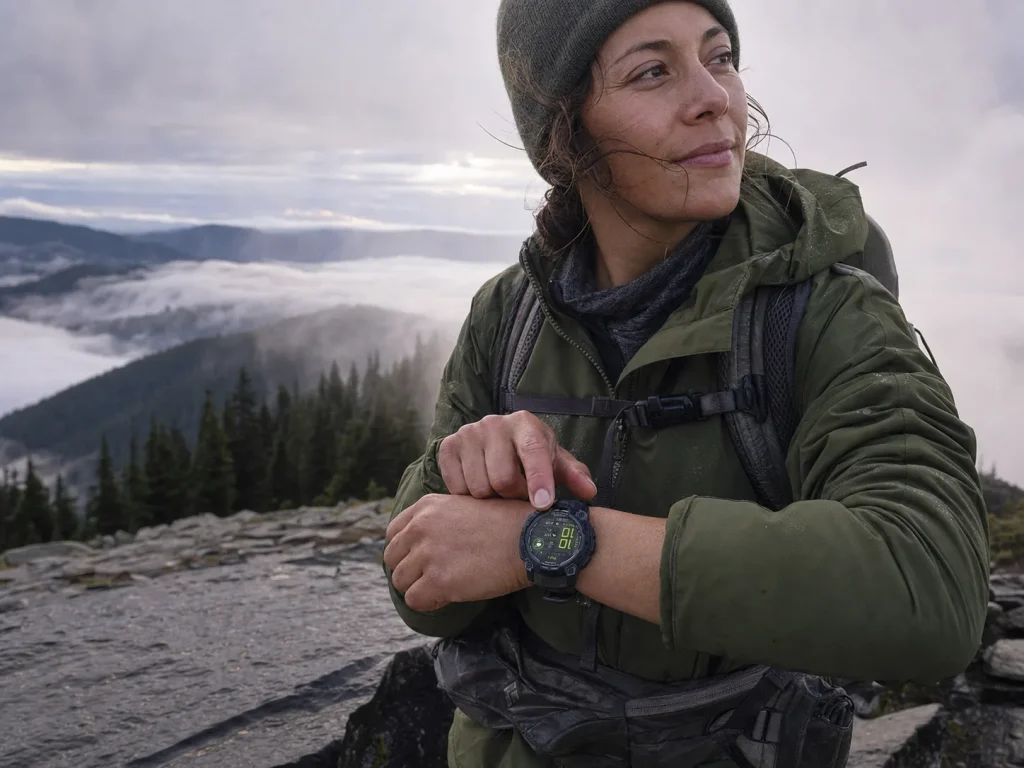
A watch that promises “34 days” of battery on the box can be dead by lunch on day one of a GPS-tracked hike, and that gap is the first thing most buyers learn the hard way. Here’s the part the spec sheets blur together: “has GPS” and “can call for help” are two completely different products, and only a handful of watches do both. Ask around in hiking forums and the same buyer’s-remorse stories come up, so the smart move is to sort out what you actually need before you shop by price. This guide translates the jargon, sorts out which watches genuinely reach rescue, and gives you straight picks by how you actually hike.
Do You Actually Need a GPS Watch, or Is Your Phone Enough
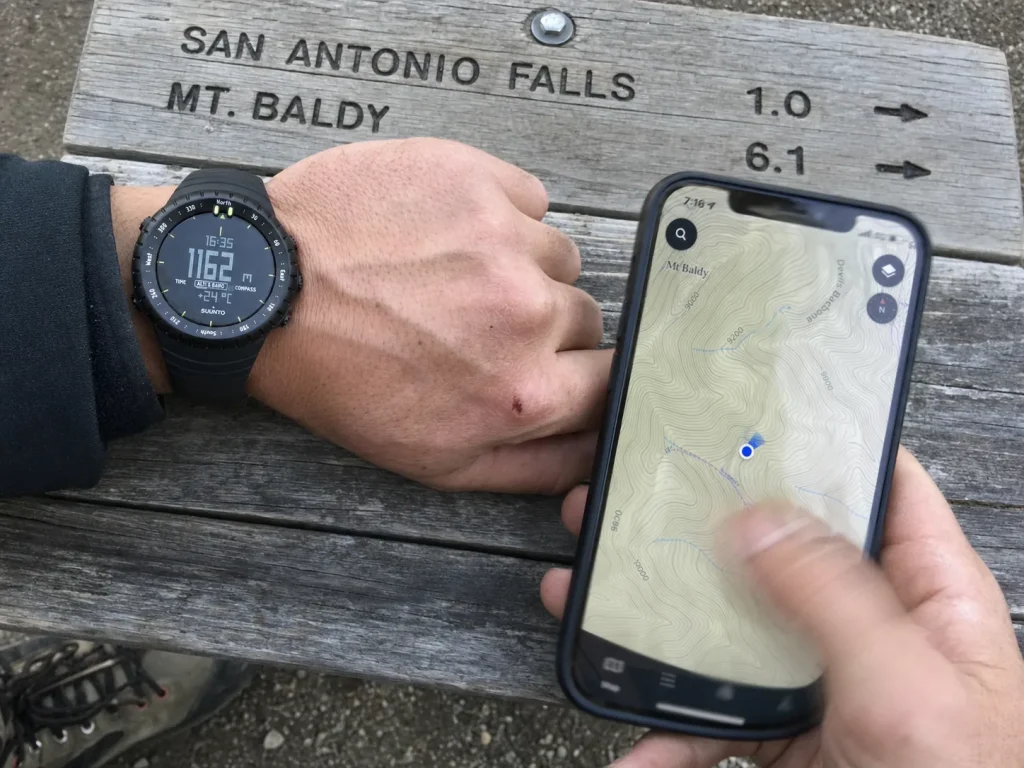
Before you spend a nickel, be honest about what these things actually do that your phone doesn’t. A GPS watch gives you your position with a glance at your wrist, no digging a phone out of a jacket in the rain. It holds a charge far longer than a phone in the cold, it shrugs off a drop onto granite that would crack a screen, and its water resistance rating laughs at rain and creek crossings. It also logs elevation gain as you climb, which a phone tracks poorly. For a lot of casual day hikers in cell range, though, a good offline phone app really is enough, and it’s worth reading our honest take on whether a dedicated GPS device earns its place over your phone before you buy anything.
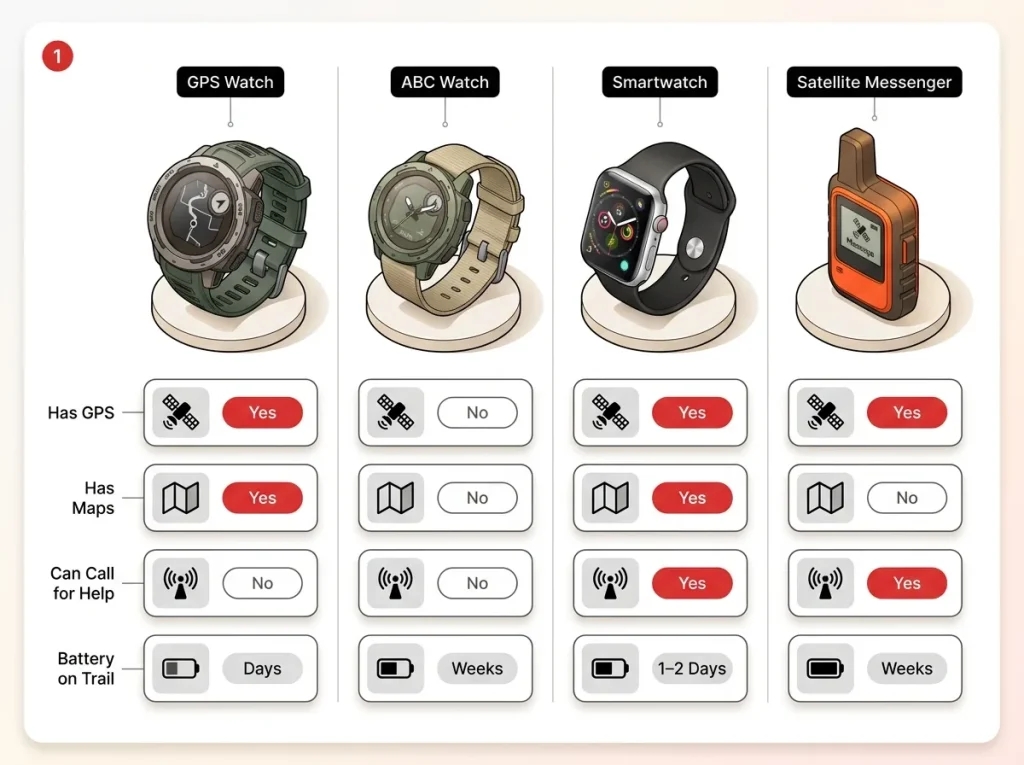
The category itself confuses people, so let’s clear it up fast. A GPS watch tracks your location using satellites. A smartwatch does that plus apps, payments, and messages. A satellite messenger is a device whose main job is sending an SOS when there’s no cell signal. And an ABC watch (altimeter, barometer, compass) has no GPS chip at all. That last one trips up first-time buyers constantly.
If you already navigate by a phone app and just want elevation and a compass on your wrist, an ABC watch like the Suunto Core may be all you need, and there’s no reason to pay for GPS you’ll never turn on. Pair that with a solid free hiking app that works offline and you’ve spent a fraction of the money. A GPS watch is where you land alongside the other tools in your kit, and it helps to see how it fits next to handhelds, phones, and beacons before you commit. From here we’ll walk the three things that actually separate these watches: accuracy, battery, and whether it can call for help.
GPS Accuracy and What Multi-Band Really Buys You
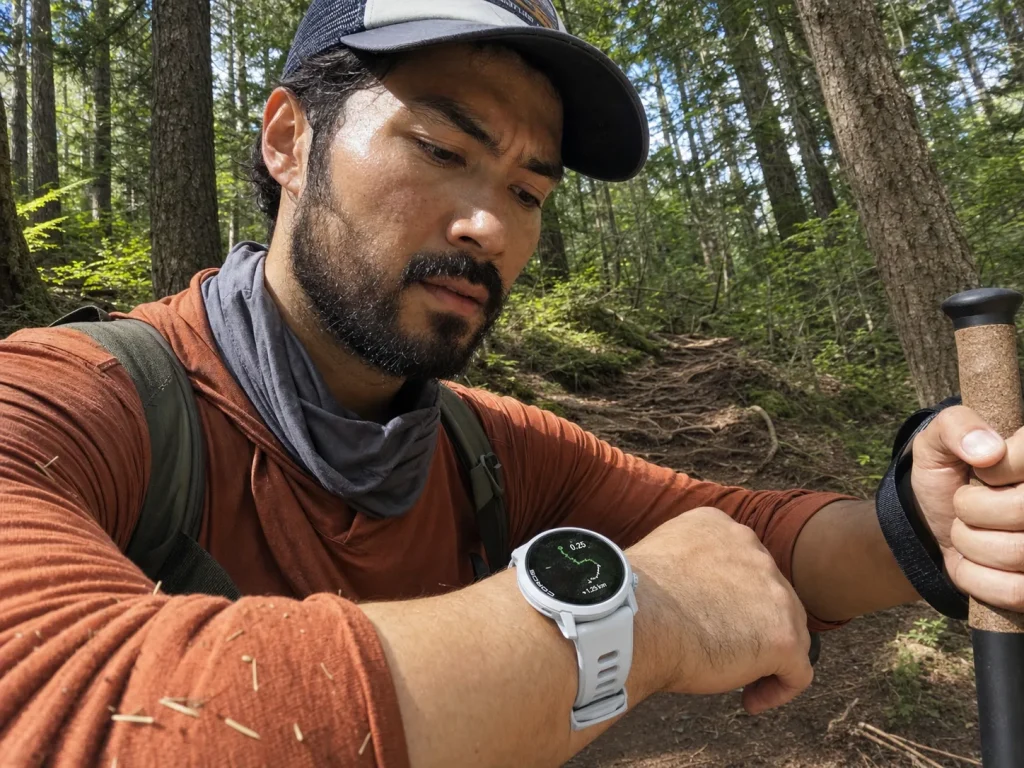
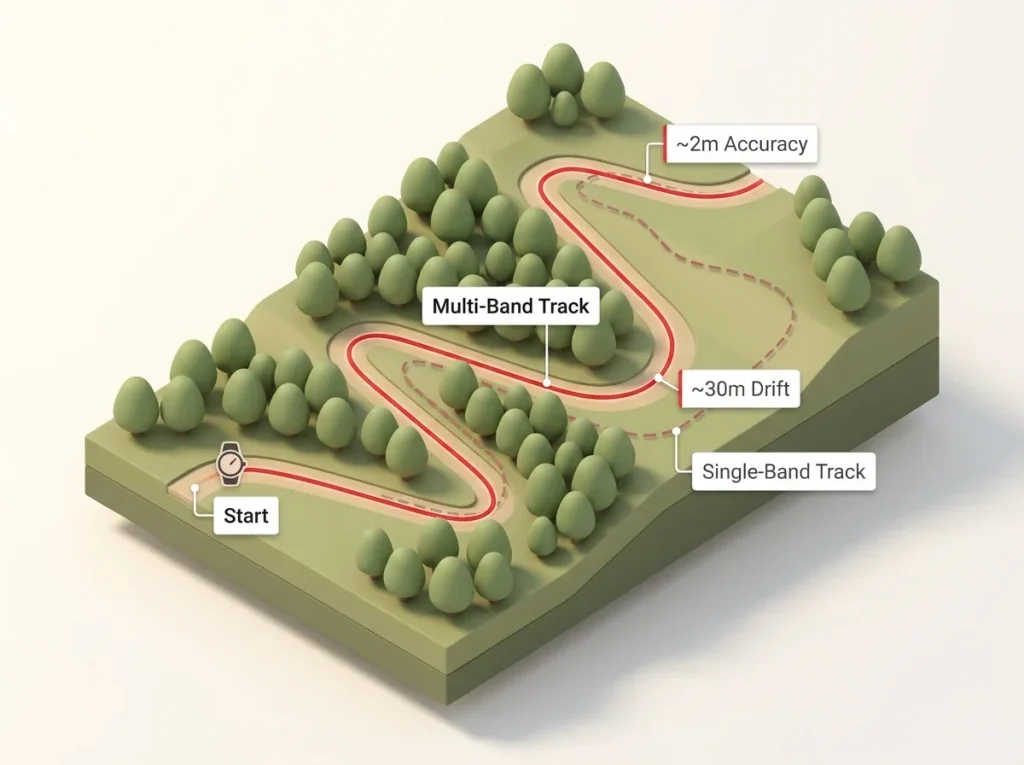
Here’s why your buddy’s cheaper watch sent him down the wrong drainage while yours held the line. It usually isn’t luck. It’s the chip. Cheaper watches use single-band GPS, and the pricier ones use multi-band (also called dual-frequency GNSS). In plain terms, multi-band resists the signal bounce off canyon walls and tree cover that throws a single-band watch off course.
The numbers are stark. In canyon and dense-forest testing, dual-band tracks stay within about two meters of the real path, while a single-band unit can drift 30 meters or more. That’s a full football field toward the wrong drainage, which is exactly the kind of error that turns a shortcut into an epic. Even the best watch has limits, though. According to the U.S. government’s own GPS accuracy standards, baseline consumer GPS is only accurate to about 16 feet under open sky, and it gets worse the second you’re under trees, near a cliff, or beside a bridge. The number on the box is a best-case measured in an open field.
It’s not just tree cover, either. As Penn State’s mapping-science course explains, satellite geometry shapes your fix, so standing tucked under a ridge or canyon wall can be worse than standing on an open ridgetop with the same sky overhead. That’s the mechanism behind those wild “you are here” jumps you sometimes see.
Multi-band earns its price in one place: canyons and dense forest. On an open ridgeline or above treeline, a cheaper single-band watch tracks nearly as well. If most of your miles are exposed alpine terrain, you can skip the upgrade and put the money toward battery instead.
If you want the deep, methodical version of this, our field-testing breakdown of real-world GPS accuracy goes further into how these watches behave under load. And if you decide a tiny watch screen just isn’t enough map for how you navigate, a dedicated handheld GPS unit is worth a look before you settle on a watch at all.
Battery Life The Trail Number That Actually Counts
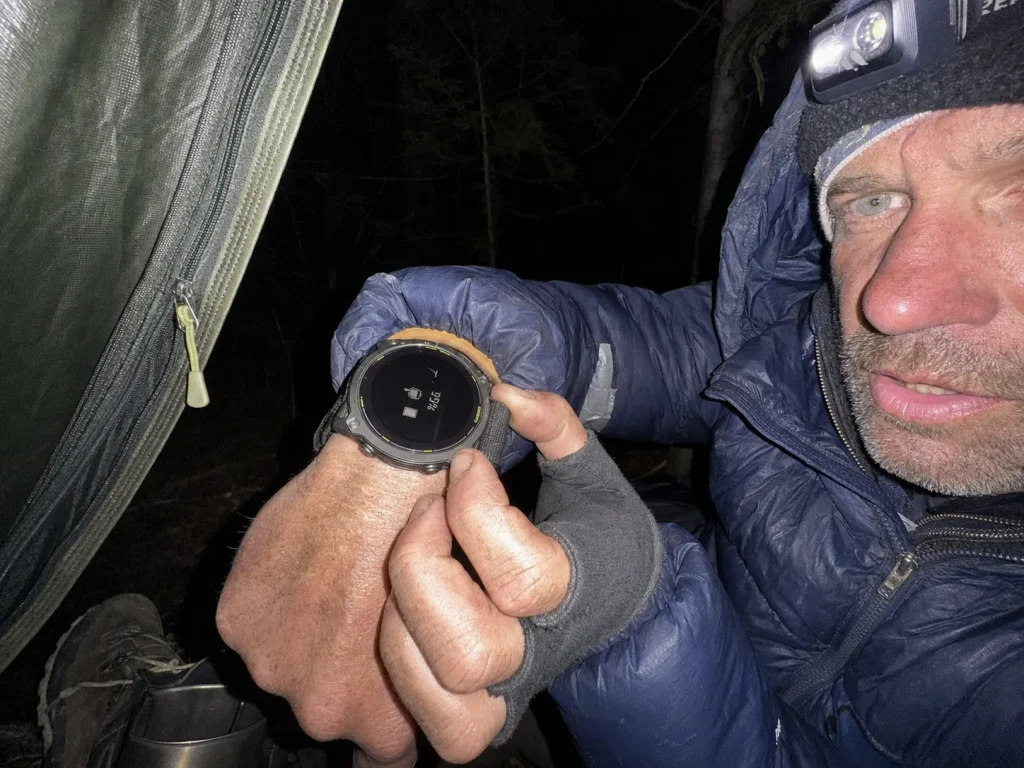
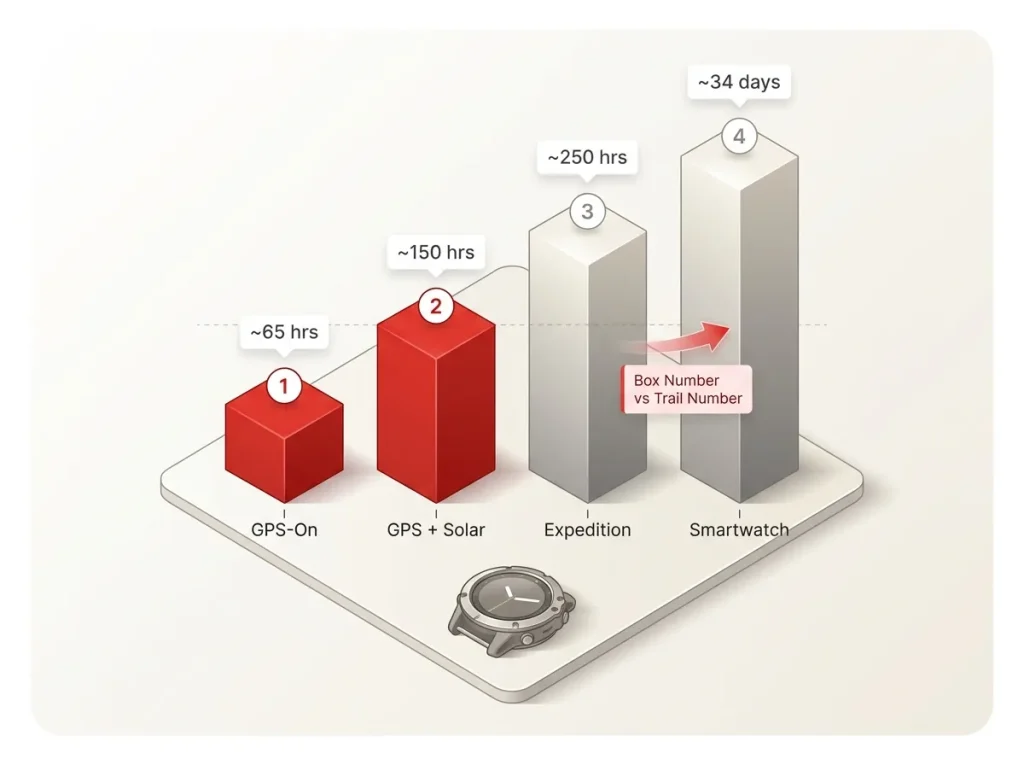
The watch that promised weeks and died by lunch is the most common battery story out there, and it comes down to one trick. Those headline “battery days” numbers assume GPS is off. Turn on full multi-band GPS tracking for an actual hike and a flagship can drop from around 250 hours in a power-save mode to roughly 65 hours in full accuracy. The box number and the trail number are not the same number, so always check which mode the marketing figure uses.
Battery gets easier to read once you know the modes. Smartwatch mode sips power with GPS off. GPS-on tracks continuously and drains fastest. GPS plus solar stretches things if you’re in strong sun. And expedition mode (Garmin calls its deepest version UltraMax) records a point roughly once an hour instead of continuously, laying down a rough breadcrumb trail to push runtime into weeks or even months on some watches. You trade a smooth track for a watch that’s still alive on day four.
Switch to expedition mode by hand before an overnight. It’s almost never the default, and forgetting is the number one reason a “ten-day” watch dies on day three. Set it at the trailhead while you’re thinking about it, not at 9 p.m. when the screen’s already dim.
Two things the spec sheet won’t tell you. Cold weather quietly eats battery, which matters a lot for shoulder-season and winter hikers, and there are good habits that help you squeeze more life out of a GPS track recording regardless of the watch. Solar is real but oversold: it helps most across long summer daylight and does very little on a short winter day under canopy. If you hike in the cold a lot, it’s worth understanding how low temperatures drain a battery in the backcountry so the number on the box doesn’t strand you.
Satellite SOS Route Tracking vs Actually Calling for Rescue
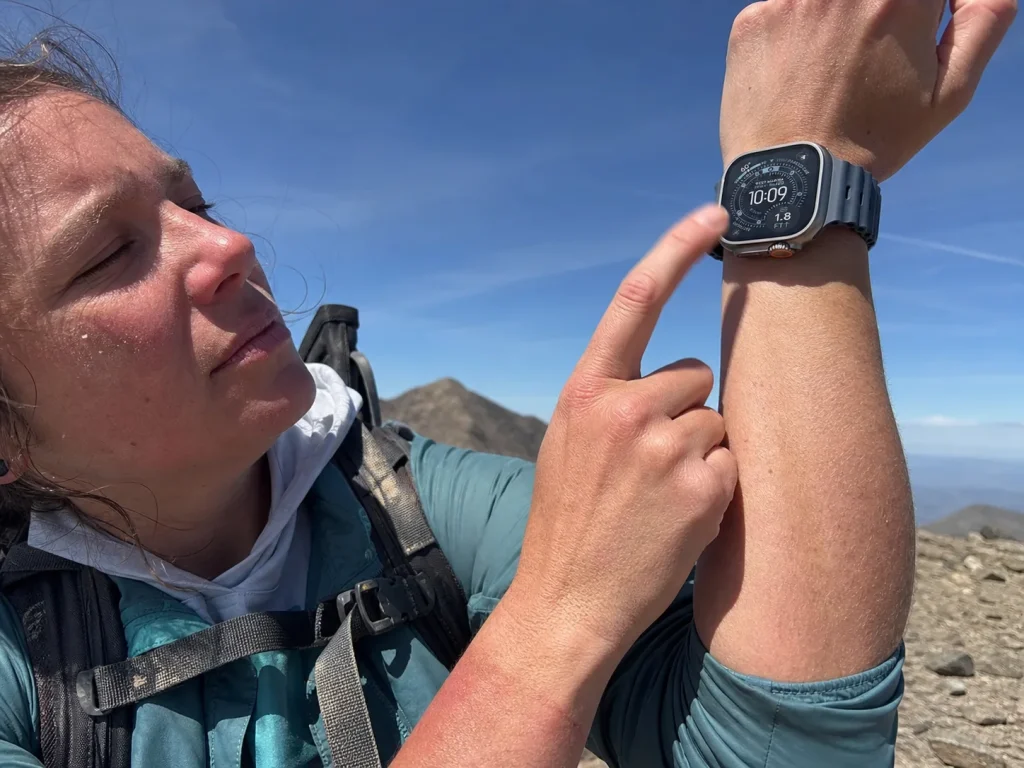
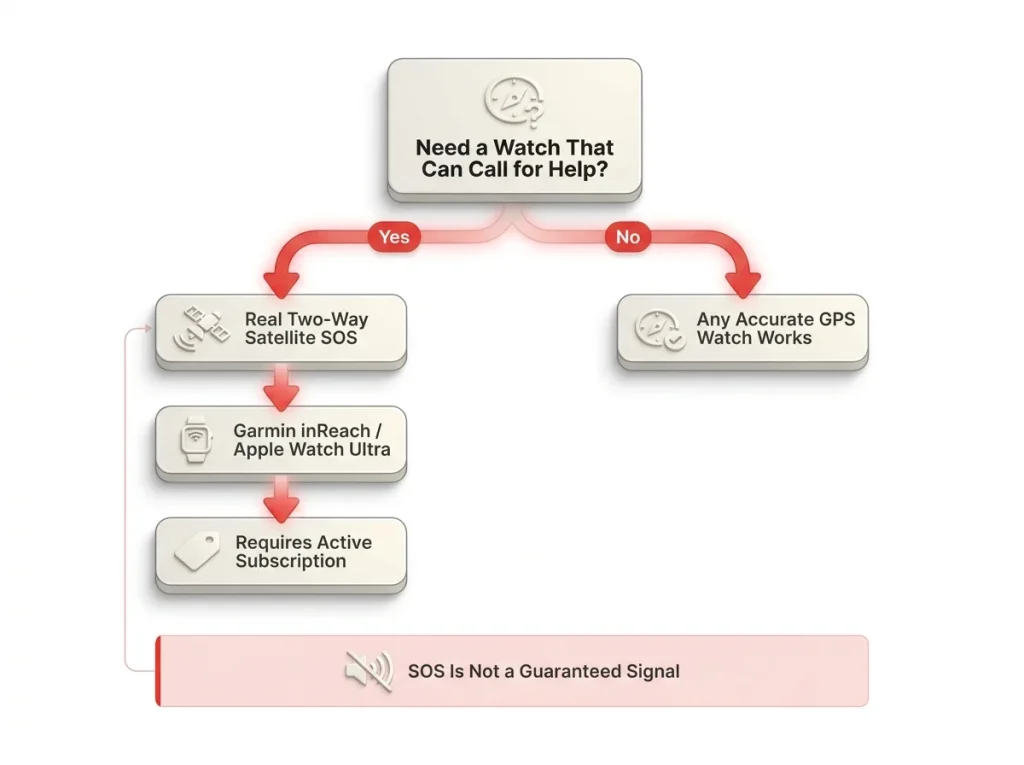
This is the decision almost every buying guide skips, and it’s the one that can matter most. Most “GPS watches” only track your route. They record where you’ve been. They cannot summon help. Only a small group carries real two-way satellite SOS: Garmin’s inReach-equipped models like the fēnix 8 Pro, and Apple Watch Ultra through its satellite features. If you hike where there’s no cell signal, that distinction is the whole ballgame.
Knowing how the SOS actually works keeps you from a false sense of safety. On Garmin’s inReach system you hold the button for five seconds, then a 20-second countdown runs before the alert goes out over satellite. And it only works with an active paid subscription. Own the watch, skip the plan, and the SOS hardware sits there inert when you need it most. That surprises people who assumed “satellite SOS” meant it works out of the box.
There’s a harder limit, too. The same canyon walls and dense forest that wreck GPS accuracy can also block the satellite connection an SOS needs. “Has SOS” is not the same as “SOS always gets through.” Apple Watch Ultra takes a slightly different path, leaning on iPhone-paired satellite messaging, but the same physics apply once you’re boxed in by terrain.
Don’t confuse true satellite SOS with the lighter safety features on mid-tier watches, either. Many Garmins include incident detection and fall detection that can automatically alert your emergency contacts, but those work through your paired phone, so they need a cell signal to send. They’re genuinely useful in the frontcountry and useless the moment you lose bars, which is exactly when a satellite-capable watch earns its keep.
If rescue capability is the reason you’re buying, don’t assume a watch is enough. A watch antenna is tiny and easily blocked by terrain. For serious solo or remote travel, weigh the watch against a dedicated beacon with a bigger antenna and simpler job.
If getting found is your top priority, it’s worth comparing a watch against a dedicated personal locator beacon, which does one thing with a stronger antenna. And if you’re weighing subscription-based messengers, our head-to-head on how the two big satellite networks compare will save you from paying for coverage you won’t use.
Here’s how the picks stack up on the factors that actually decide this, before we get into each one.
| Watch | Best For | Multi-Band GPS | GPS-On Battery | Real Satellite SOS |
|---|---|---|---|---|
| Garmin fēnix 8 Pro | Overall + rescue | Yes | Multi-day | Yes (inReach, subscription) |
| Coros Pace 4 | Budget accuracy | Yes | Long weekend | No |
| Garmin Enduro 3 | Multi-day battery | Yes | Up to ~320 hrs | No |
| Coros Apex 2 Pro | Run and hike | Yes | ~100 hrs | No |
| Garmin Instinct 3 (45mm) | Smaller wrists | Yes | Multi-day + solar | No |
| Apple Watch Ultra 3 | iPhone users | Yes | ~1–2 days | Yes (via iPhone) |
Best GPS Watch Overall (Garmin fēnix 8 Pro)
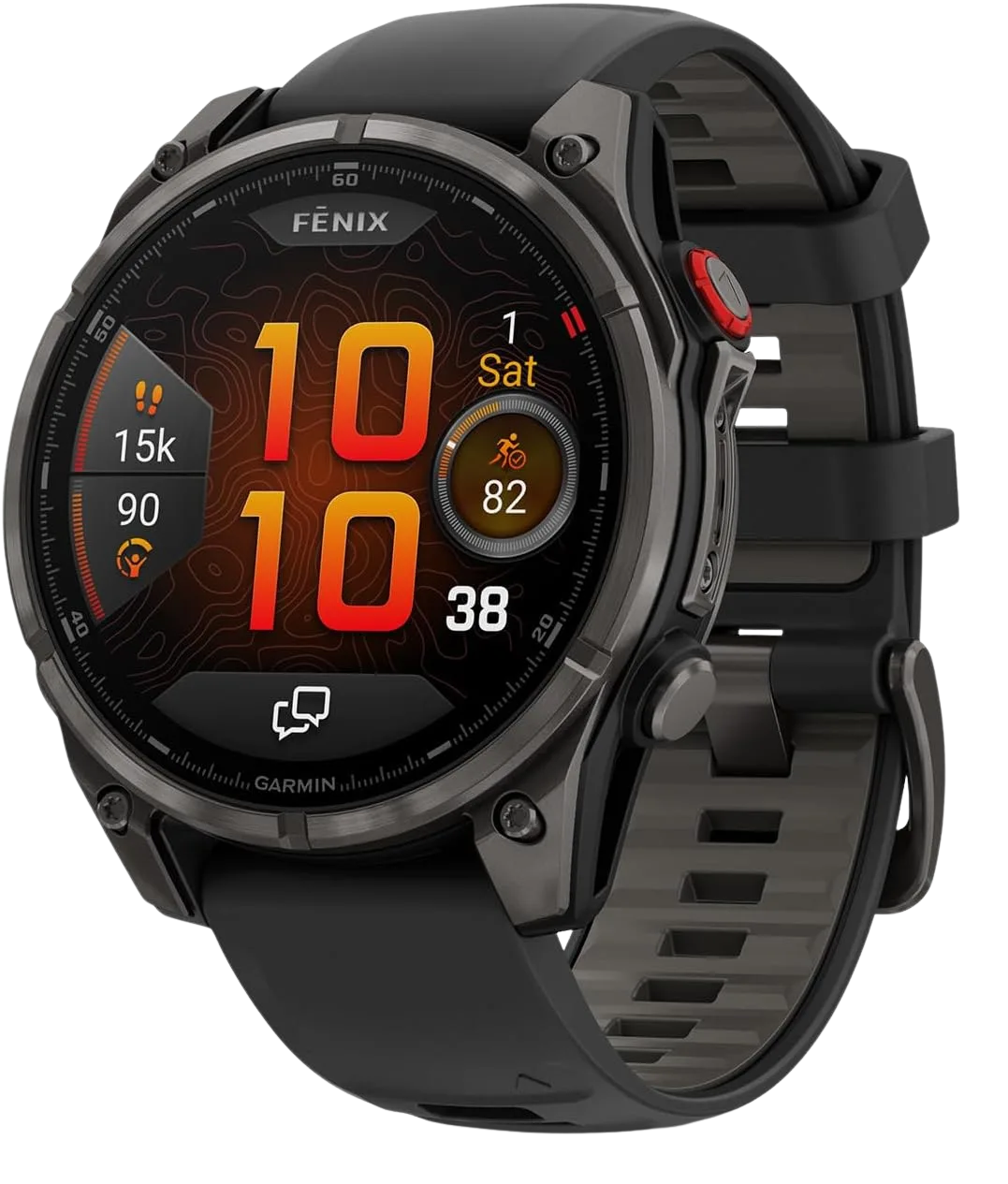
The Garmin fēnix 8 Pro wins overall for a simple reason: it’s the one watch that does the two jobs people conflate. It navigates with multi-band accuracy and preloaded topo maps you can glance at without planning ahead, and it carries built-in inReach for real two-way satellite SOS. That combination is rare, and it’s the reason this sits at the top even though it costs the most.
Be clear-eyed about the trade-offs. It’s a premium-priced watch, the 51mm case is genuinely large on a smaller wrist, and the SOS only works with an active subscription. If you’re a day hiker who never leaves cell range, this is overkill, and you should skip straight to the budget pick. But for backcountry travelers who want one device for navigation and rescue, nothing else on this list matches it.
The Cheaper fēnix 8 and What You Give Up
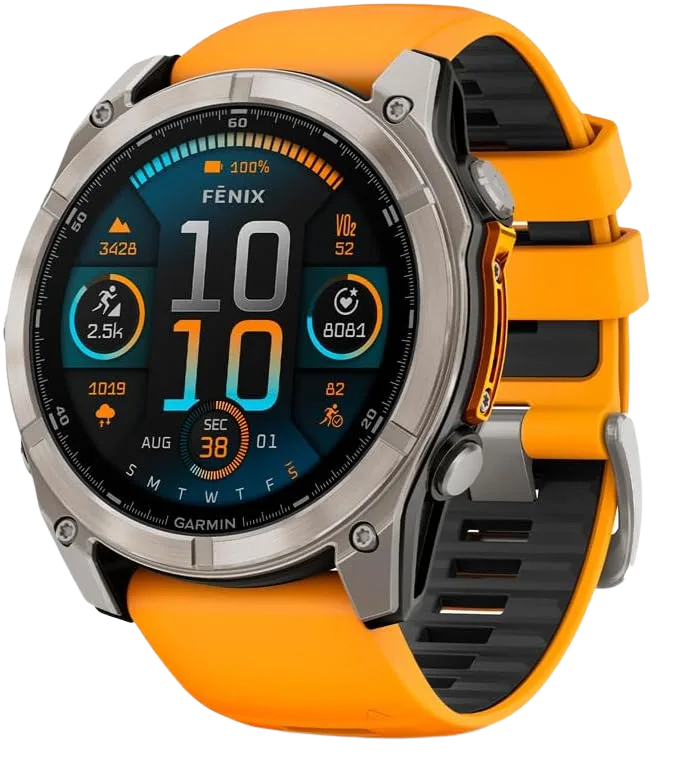
If the Pro’s price makes you wince, the standard Garmin Fenix 8 is the honest gut-check. You keep the multi-band GPS, the AMOLED screen, and the preloaded maps. What you lose is the built-in satellite SOS. So the real question isn’t “which Fenix is better,” it’s “how much is the rescue button worth to me.” For a hiker who stays in cell range or already carries a separate beacon, the non-Pro is the smarter buy.
Best Budget GPS Watch (Coros Pace 4)
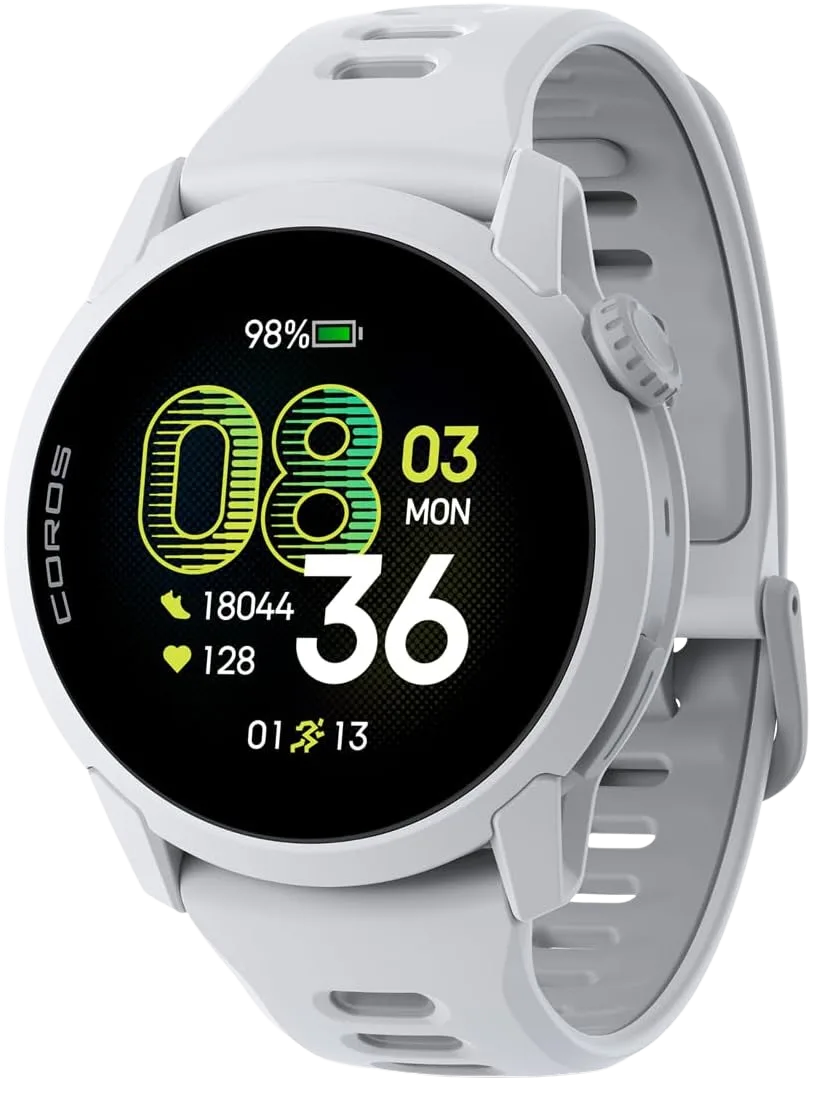
You don’t need a flagship to navigate well, and the Coros Pace 4 proves it. It brings real dual-frequency GPS accuracy in a light, no-nonsense watch that costs a fraction of the premium picks. For the weekend day hiker who wants a track they can trust and battery that lasts the trip, this is where the smart money goes.
What you trade for the price is straightforward: no satellite SOS, simpler mapping, and less premium materials than a fēnix. None of that hurts the core job. If your hikes keep you in cell range and you just want reliable tracking without paying for a rescue system you’ll never use, the Pace 4 is the easy call.
Best for Multi-Day Backpacking (Garmin Enduro 3)
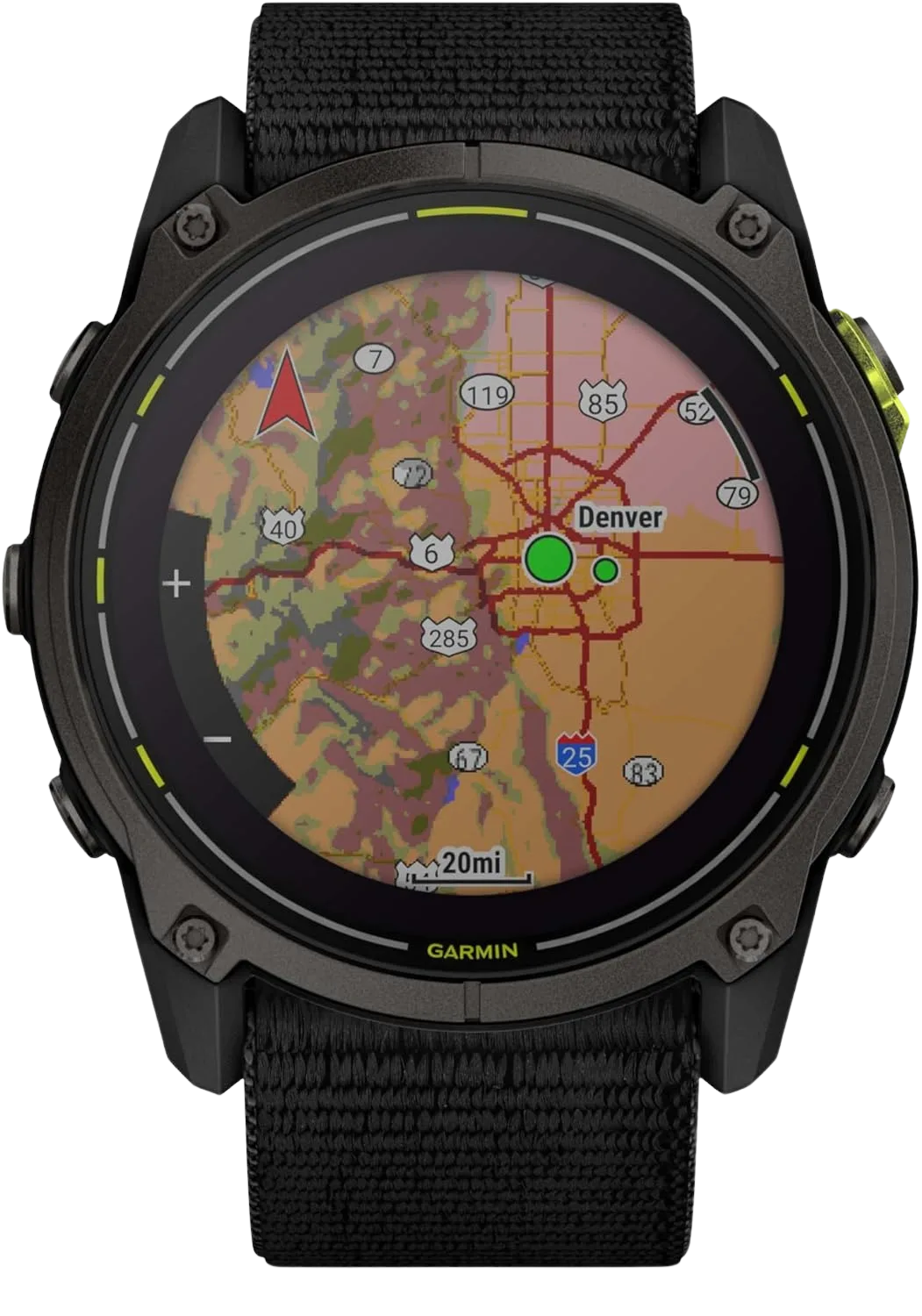
When your trip is longer than your charger’s patience, the Garmin Enduro 3 is the answer. With solar assist and up to roughly 320 hours of battery in its longest GPS mode, it has the biggest realistic runway of anything on this list. For a week on trail without reliable power, that’s the difference between a working watch and a paperweight by day four.
One honest caveat: solar helps, but it won’t save a watch you leave in continuous full-GPS mode, so you still switch to expedition mode by hand for the long haul. And like the fēnix, it’s a large, splurge-worthy watch. If you’re a day hiker, this is more battery than you’ll ever use, and the budget or smaller-wrist picks make more sense.
Best for Trail Running and Crossover Fitness (Coros Apex 2 Pro)
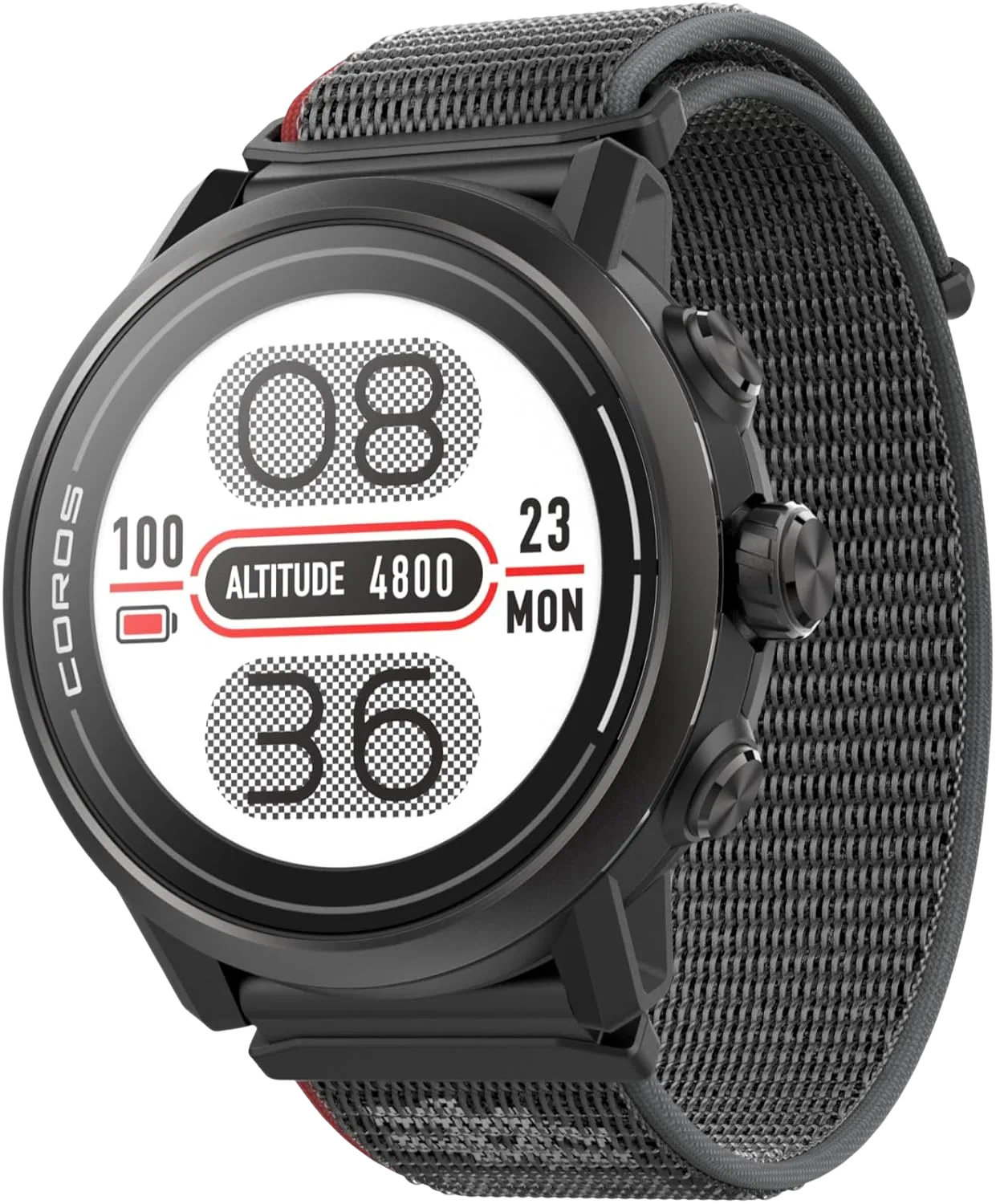
If your hikes and your training runs share a watch, the Coros Apex 2 Pro is the crossover pick that doesn’t shortchange either. You get around 100 hours of continuous GPS tracking, a durable titanium bezel, and the kind of deep running and recovery metrics, built on a solid wrist heart rate sensor, that runners actually care about. It comfortably covers a long backpacking weekend and still doubles as a proper training tool.
The honest flag is mapping. Unlike Garmin’s out-of-the-box preloaded topo, the Apex line makes you download routes and maps ahead of time. That’s a real day-to-day difference if you like to just glance at your wrist mid-hike and see the trail. Plan your route over WiFi before you leave cell range and it’s a non-issue, but the map-glancing day hiker may prefer a Garmin.
If you go Coros, download your route and topo data over WiFi the night before, while you’re still home. Riding on the assumption that maps are already loaded is how people end up staring at a blank screen at the trailhead with no signal to fix it.
Two Picks for Specific Needs (Smaller Wrists and iPhone Users)
The last two picks aren’t for everyone, and that’s the point. One solves a problem the big flagships create, and the other only makes sense if you already live in a particular ecosystem. Be honest about which describes you.
Best for Smaller Wrists (Garmin Instinct 3 45mm Solar)
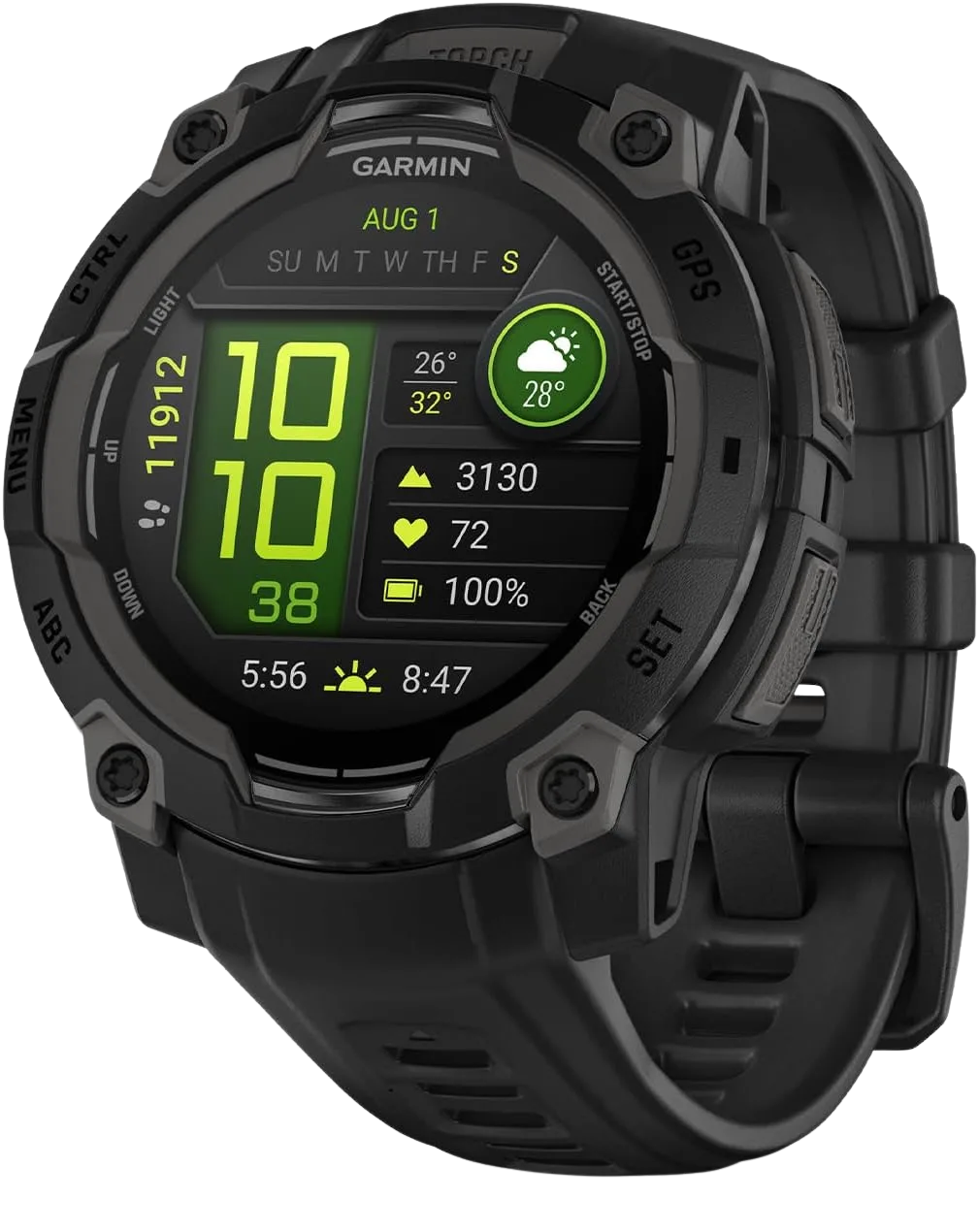
Nobody in a buying guide wants to say it, but the 51mm flagships look and feel huge on a smaller wrist, and they snag under a jacket cuff. The Garmin Instinct 3 in the 45mm size is the honest fix. It’s the most compact case in Garmin’s GPS-watch lineup, and it still gives you real multi-band accuracy plus solar top-ups on long days. You trade the bright AMOLED screen and preloaded maps for a watch that actually fits, which for a lot of hikers is the better deal.
Best for iPhone Users and Everyday Wear (Apple Watch Ultra 3)
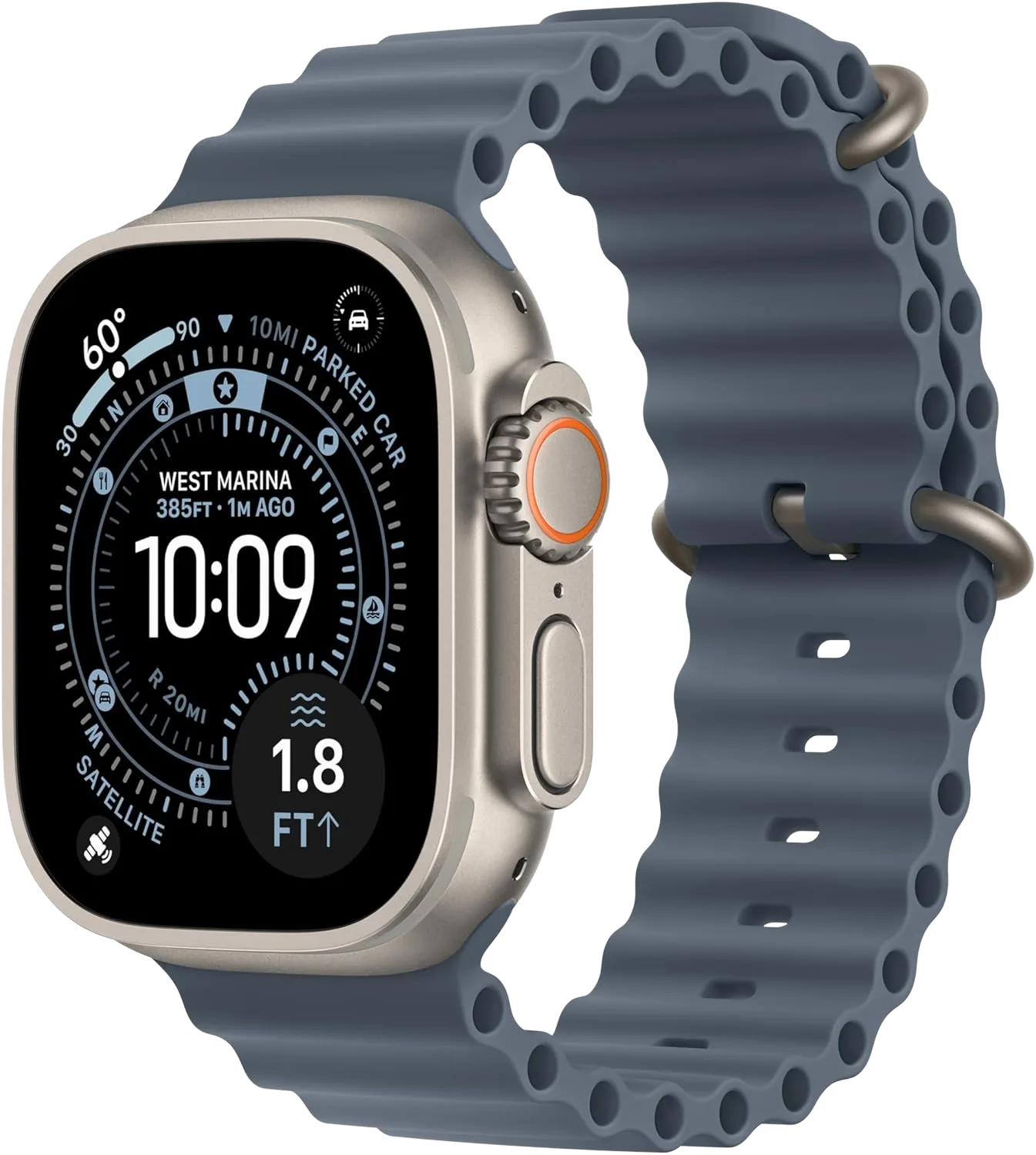
If you already carry an iPhone and want one device for the trail and daily life, the Apple Watch Ultra 3 is the pick. It brings multi-band GPS and satellite SOS for hiking, then handles payments, calls, apps, and LTE the rest of the week. For someone who won’t wear a dedicated hiking watch every day, that all-in-one appeal is real.
Two honest limits keep it out of the top slot for serious backcountry use. The 49mm case is still large, and the battery is smartwatch-class, measured in a day or two rather than the weeks a Garmin Enduro delivers. On a multi-day trip you’re managing charge carefully. As an everyday watch that can also handle a day hike and call for help, though, it’s hard to beat for iPhone owners.
Final Word
The right GPS watch is the one that matches how you actually hike, not the one with the longest spec sheet. A weekend day hiker and a remote thru-hiker have completely different needs, and paying for a 320-hour battery or a satellite rescue system you’ll never use is just wasted money.
Two things save you the most grief. Read battery by the GPS-on number, not the headline on the box, and remember that multi-band accuracy matters most in canyons and forest, less on open ridgelines. Then decide, before you shop, whether you need a watch that can genuinely call for rescue and its subscription, or just one that tracks your route reliably.
Before you buy, do one thing: try the watch on with the jacket you actually hike in, and picture your longest realistic trip. That single move answers case size and battery life better than any spec sheet, and it’s the step most buyers skip.
Frequently Asked Questions
01Do you really need a GPS watch for hiking, or is a phone enough?
For casual day hikes in cell range, a good offline phone app is usually enough. A GPS watch earns its place when you want instant wrist navigation, far better cold-weather battery, and durability a phone can’t match.
02How long does a GPS hiking watch battery actually last on the trail?
Far less than the headline number, which assumes GPS is off. In full multi-band GPS mode expect roughly 30 hours on mid-tier watches up to 100-plus on backpacking models, and much more in expedition mode.
03Can a GPS watch call for help without cell service?
Only a few can. Watches with built-in satellite SOS, like Garmin’s inReach models and Apple Watch Ultra, can send an emergency alert off-grid. Most GPS watches only track your route, and satellite SOS needs an active subscription.
04What does multi-band or dual-frequency GPS actually do?
It resists the signal bounce off canyon walls and tree cover that makes cheaper single-band watches wander off course. The difference is biggest in canyons and dense forest, and barely matters on open ridgelines.
05Is Garmin or Apple Watch better for hiking?
Garmin wins on battery, expedition modes, and preloaded topo maps for serious backcountry trips. Apple Watch Ultra wins for iPhone users who want one device for both the trail and everyday smartwatch life.

I've spent more than a decade researching hiking gear and trail technique. I read the specs, the forum threads and the long-term reviews, and every pick here comes with what it gets wrong.
End of the trail
You read every mile of this one. Here's where the trail goes next.