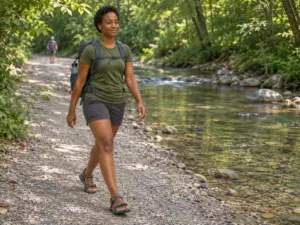
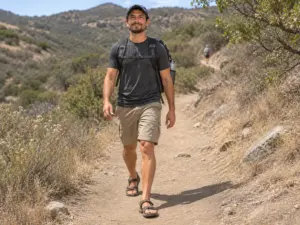
Your forward foot lands on a green, glassy slab, the sole slides a few inches and you catch yourself on the other leg with the current already over your ankle. The sandal looked fine in the listing, and now it is the entire question.
The best sandals for water hiking have a sticky, siped sole, a strap system that locks the heel and a footbed shaped like your foot, and they belong to warm, clear water at knee depth or less. Below are ten picks sorted by the job each one does, then the ways a wet sandal fails and the overnight and cold-water limits that decide whether a sandal is the right tool at all. Here are the picks at a glance, each matched to the water it handles best.
| Pick | Best for | Key spec | Who it suits |
|---|---|---|---|
| KEEN Newport H2 | Rocky streams where you cannot see the bed | Rubber toe bumper, siped multi-directional lugs, 0.88 lb (men’s) | Anyone crossing opaque water who wants a covered toe |
| KEEN Whisper | Lighter closed-toe for women | Toe bumper, lace-lock bungee, 0.54 lb | Women who want protection without the Newport’s weight |
| Teva Hurricane XLT3 | Mixed wet and dry days | 0.69 wet traction (SATRA TM144), 3.7 mm lugs | Open-toe fans who want a measured grip and a cushioned ride |
| Teva Hurricane XLT2 | Adjustable open-toe at the lower tier | Polyester webbing, EVA footbed, Durabrasion rubber | Warm, clear stream walks |
| Chaco Z/1 Classic | Arch support | Contoured PU LUVSEAT footbed, 3.0 mm lugs, no toe strap | High arches and anyone prone to toe-strap blisters |
| KEEN Hyperport H2 | Round river rock and loaded packs | 93.9 mm heel width, contoured topsole | Hikers who roll ankles on cobbles |
| Ryka Hydro Sport | Cold, opaque, rocky crossings | Multi-port drainage, quick-dry mesh, toggle lacing | Women who need a closed water shoe |
| Teva Tirra and YOCCI Sport Sandal | Entry tier | Tirra at 0.52 lb; YOCCI with an arch-shaped EVA footbed | Short warm trips and a light second pair |
What Sandals for Water Hiking Actually Need
Sandals for water hiking earn the name by gripping wet rock, shedding water fast and staying on your foot in a current. Most listings promise all three in the same two phrases, water-ready and grippy sole, so a one-glance test saves a lot of scrolling.
Grip Comes From the Rubber and the Siping
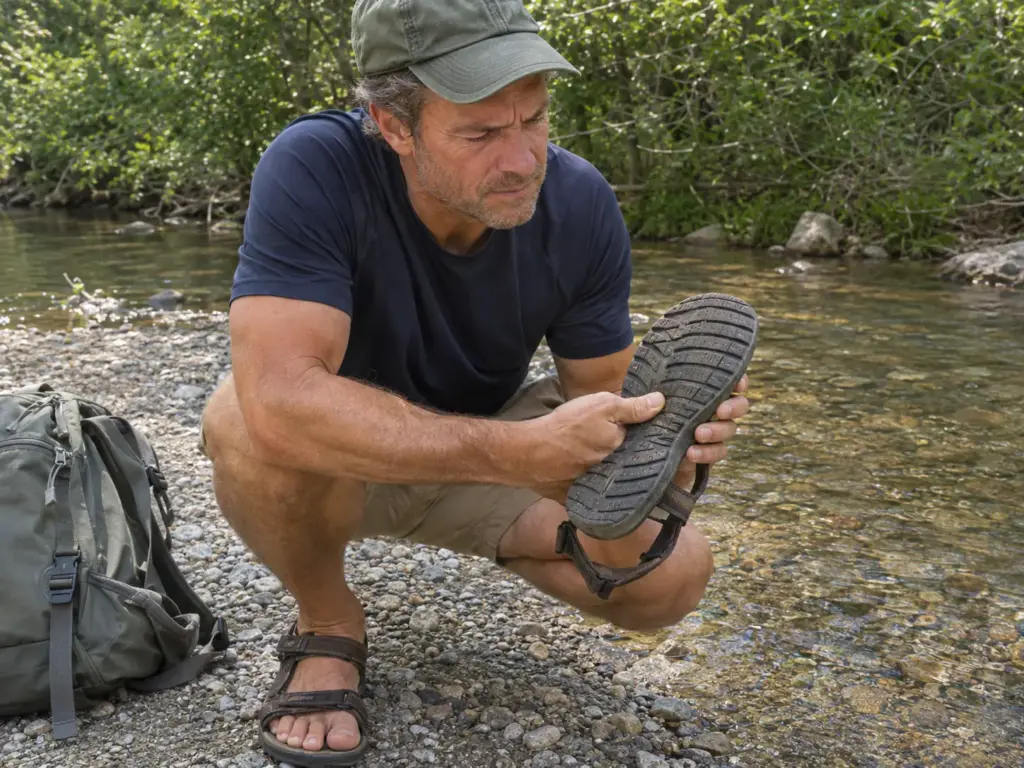
Grip on wet rock is the rubber compound, the siping and the lug depth working together, and the tread logo tells you almost nothing. RunRepeat’s 2026 water-sandal test scored the Teva Hurricane XLT3 at 0.69 wet on the SATRA TM144 method, the best wet score in the test, with 3.7 mm lugs. Lug depth is half the story. The compound and the siping are the other half.
Siping (razor siping, when the slits are hair-fine) is the thin slits cut across the rubber. They bite into the wet film that coats river rock and channel water out from under the foot, and a smooth-soled water shoe on a green slab feels like standing on ice because nothing breaks that film. KEEN lists the Newport H2 with multi-directional lugs and a siped sole in non-marking rubber, and that line is the shape to look for on any listing: slits, lugs and a rubber that stays tacky when wet.
Drain Fast, Dry Fast
Drainage and quick-dry are not the same as waterproof. Webbing and open mesh shed water through side drainage and dry in minutes, while a leather or padded upper holds water like a sponge. A waterproof lining defeats the idea in a creek: the water goes over the top once and never leaves, and a waterproof shoe that goes under becomes a bucket you carry for the next six miles. In a sandal, wet is the plan, and the design job is getting the water back out.
Soak a new pair in the bathtub and walk around the house in it for a while. Rub points show up wet that never showed up dry, and the trailhead is a bad place to find the first one.
Straps That Hold the Heel
The Park Service asks for secure footwear when you cross water, and Olympic National Park’s wilderness safety page uses exactly that phrase. Secure means it stays on: not a flip-flop, not a loose slide, not a sandal whose heel strap is decoration. A strap system that holds the heel is non-negotiable, and adjustable straps beat fixed ones because feet swell in warm water and shrink in cold. A ladder-lock or other buckle closure holds a setting better than a single thin loop.
Check that the heel strap tightens separately from the forefoot, and that the closure does not hang on one thin loop of webbing. That one loop is what gives out in the middle of a ford.
Closed-Toe or Open-Toe Sandals for Rocky Streams
Toe design settles more than any other feature once the water turns opaque. Silty snowmelt, tannin-dark creeks and a bed of rounded cobbles all hide what your next step lands on.
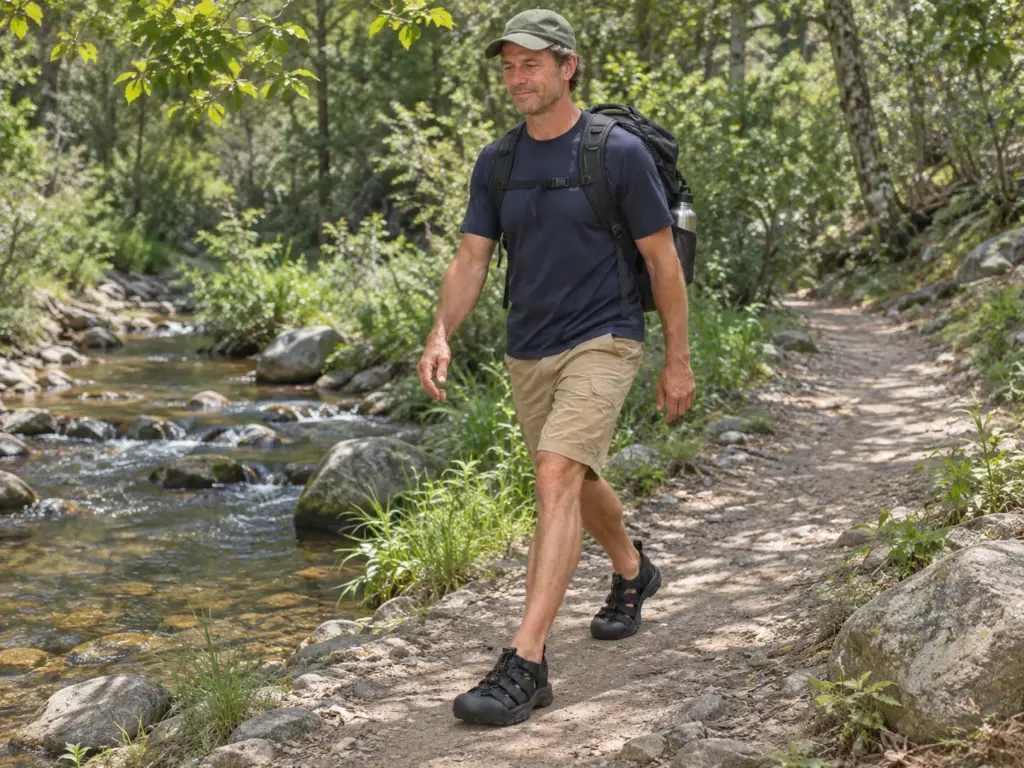
Why Open Toes Fail in Opaque Water
The Park Service is blunt about it: open-toed sandals do not protect your toes from submerged hazards, and they create drag that can cause a fall in a crossing. Its suggestion is a spare pair of sandals or sneakers to cross in, which shows how the agency sees the category, as one tool with limits. The Park Service’s river-crossing guidance is short and worth reading before any trip with fords.
Closed toe wins where you cannot see your feet.
The toe bumper, a protective toe cap, takes the hit that a bare toenail would take, and a toe stubbed on a submerged ledge in cold water is a miserable way to end a day. Open toe wins in warm, clear, shallow water, where you want maximum drainage and the fastest drying. Wading in cold or opaque water flips that call. Every river crossing starts with that call, and strap styles and toe designs get the full treatment in the full breakdown of hiking sandal types.
A protected toe pays for its extra weight in exactly one situation: when you cannot see your foot placement. If you can read every rock on the bed, an open toe is fine. If you cannot, cover it.
KEEN Newport H2 (men’s and women’s)
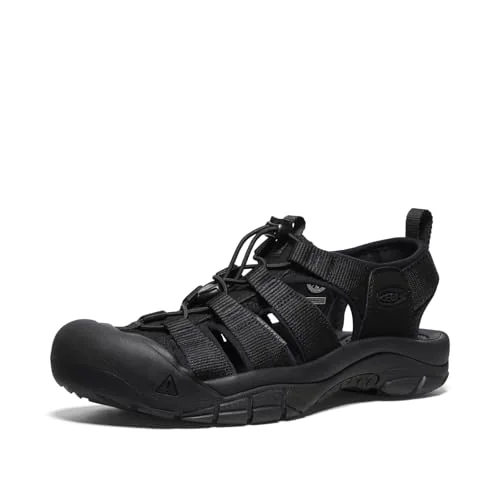
The Newport H2 is the closed-toe sandal everything else gets measured against. KEEN lists a washable polyester webbing upper, a PFC-free DWR finish, multi-directional lugs with siping, non-marking rubber, a lace-lock bungee and a rubber toe bumper, and the men’s pair is listed at 0.88 lb. That weight is the price of the protection: next to a strap sandal, the Newport is a heavy, covered shoe. Its job is the creek where every foot placement is a guess.
The trade is heat and drying time. A closed upper holds more water than a strap does and dries slower, and you feel it on a warm day. Pick it for rocky, opaque, coolish water, and pick an open-toe model for the warm days.
KEEN Whisper (women’s)
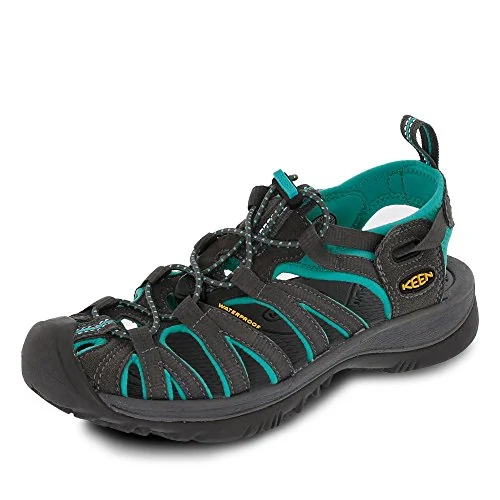
The Whisper is the same idea as the Newport in a lighter build. It is listed at 0.54 lb, with washable polyester webbing, a wave-grip outsole, a lace-lock bungee and a toe bumper. For women who want a covered toe and a cooler foot, it is the obvious alternative, and the weight gap against the men’s Newport at 0.88 lb is the kind that shows up at the end of a long day. It suits a daypack loop with a few fords better than a heavy overnight trip.
Teva Omnium (women’s)
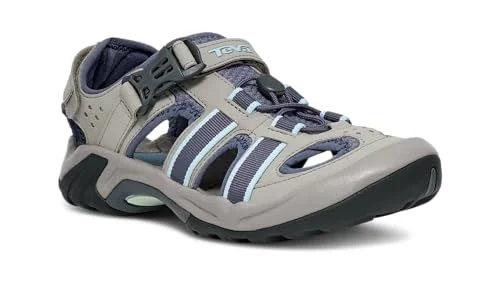
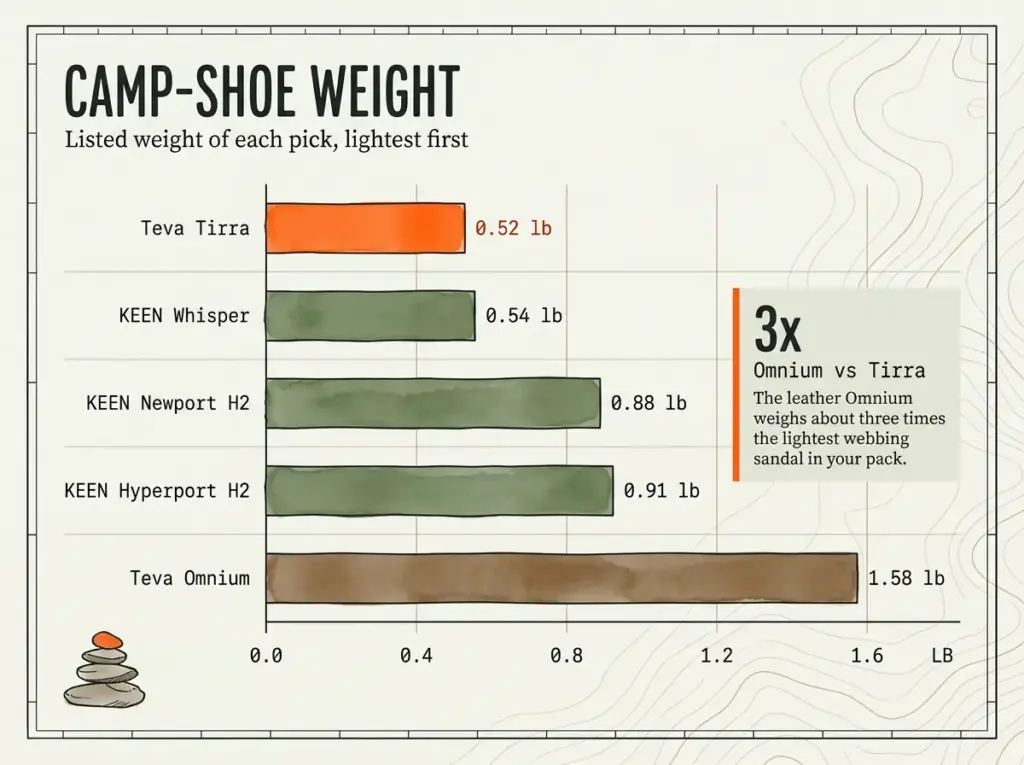
The Omnium is the most covered pick on this list: a closed upper with a rubber toe guard, multiple drainage ports, quick-dry mesh and a bungee-plus-buckle fit, listed at 1.58 lb. That is three times the weight of a Tirra, and it behaves like a shoe-sandal hybrid, closer to a light shoe than a sandal. Choose it when the day is mostly streambed and scrambling. Leave it home when the plan is a long carry with a separate camp shoe, because a wet Omnium will not dry overnight.
Best Open-Toe Sandals for Mixed Wet and Dry Days
The loop that crosses water three times and runs dry in between suits an open sandal. A closed shoe sweats through the dry miles, and an open one breathes.
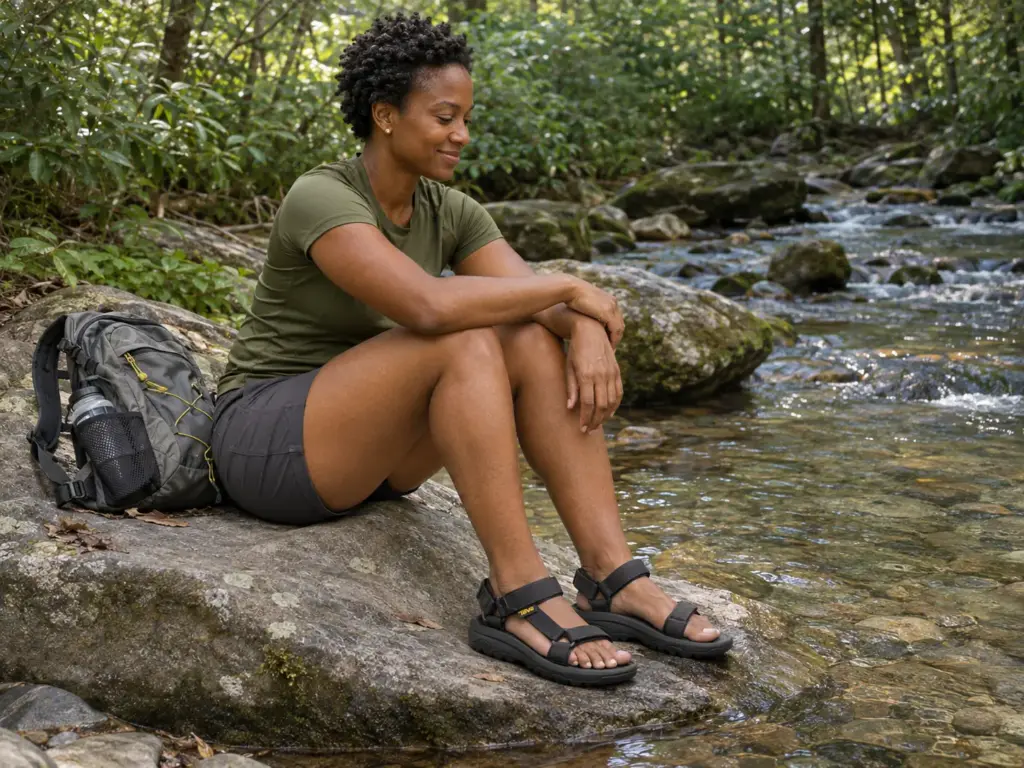
Teva Hurricane XLT3 (women’s)
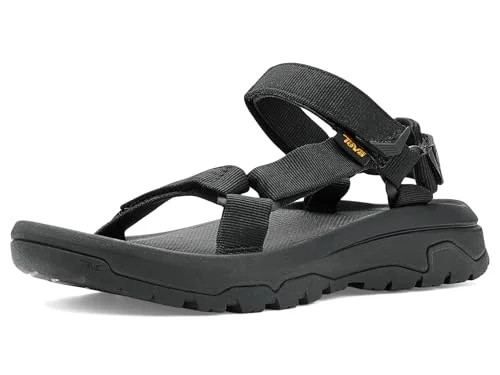
The XLT3 is the data-backed open-toe. RunRepeat’s 2026 water-sandal test scored it 0.69 wet traction, the best in the test, and measured 3.7 mm lugs, a 35.5 mm heel and 23.6 mm forefoot stack and 124 SA shock absorption, 12% above the test average. The trade is the platform itself: tall and cushioned protects the foot on river rock and stiffens the ride, so it feels more like a trail shoe than a flat sandal.
Teva Hurricane XLT2 (men’s and women’s)
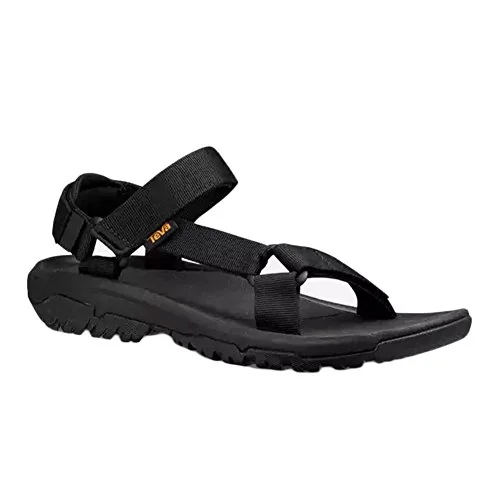
The XLT2 is the cheaper, easier-to-adjust open-toe. Teva builds it on water-ready polyester webbing, an EVA footbed and Durabrasion rubber, and the straps let you open the fit up when a foot swells in warm water. One detail on the women’s pair: the listing is the Ampsole version, with a thicker platform and more underfoot protection than the standard XLT2 sole, so the ride is not identical across the pair.
XLT3 or XLT2?
Pick the XLT3 if you want the traction number and the cushion.
Pick the XLT2 if you want easy strap adjustment at the lower tier and a lighter, flatter feel underfoot. Both have the same weak point: an open toe, so the debris and drag problems from the toe section apply in full. Neither is the sandal for opaque, rocky, fast water.
Chafing on a long wet day is the usual price of any strap sandal, so the first walk in a new pair belongs at home, soaked, before the trip.
Arch Support and Footbed Reality in Water Sandals
Two bits of shopper wisdom collide here. One says sandals have no support. The other is printed as arch support on every listing. Both are half right, and footbed shape sorts them out.
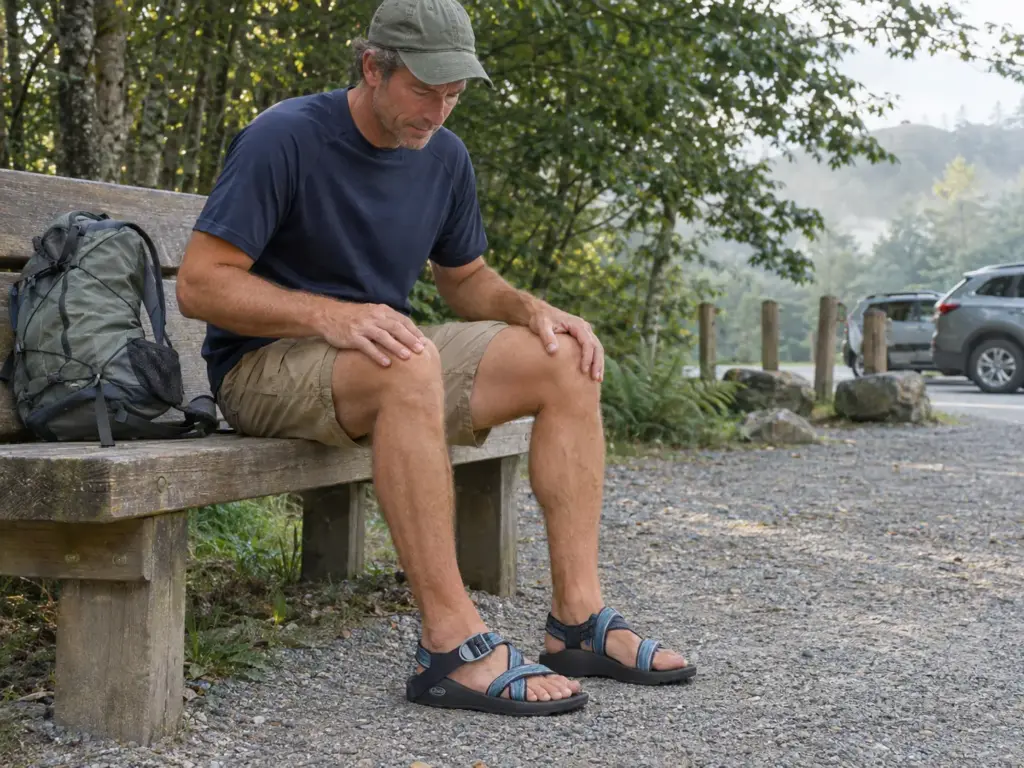
The “Sandals Have No Support” Myth
The myth is false for a contoured PU footbed and true for a flat foam one. A contoured footbed has a cupped heel, a raised arch and a ridge behind the ball of the foot, so it spreads load across the whole sole. A flat yoga-mat EVA slab feels soft the first week and packs out as the foam compresses. On a high arch or a plantar-fasciitis foot, a flat footbed does the least, and by the second day it does less still.
Wet footbeds add a second job. A foot on a wet surface wants to slide forward, and a cupped heel resists that shear while a flat slab gives it nothing to push against. This is why footbed shape, not the word support, is the test. Turn the sandal over to the footbed and run a thumb from heel to toe: a contoured one has a cup at the heel and a firm rise under the arch, and a flat one feels like a placemat.
Each design punishes a different foot.
A rigid contoured PU footbed punishes flat feet and needs a break-in period. A flat foam footbed punishes anyone with a high arch by day two, though a swap-in insole fixes some of it. I would skip a flat footbed for a full day on the trail, whatever the label says. Feet with plantar fasciitis have their own rules, covered in sandals for plantar fasciitis and what a 10 mm drop does.
Chaco Z/1 Classic (men’s and women’s)
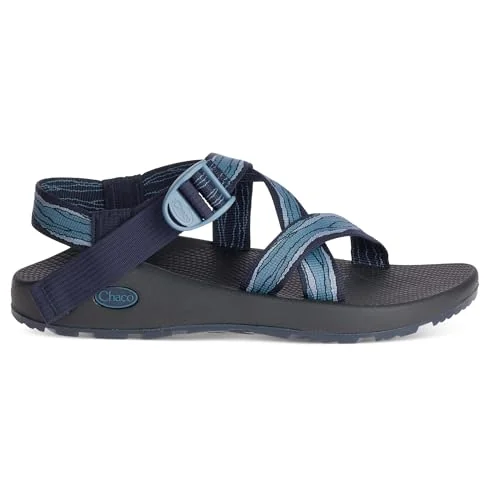
Chaco describes the Z/1 Classic with a LUVSEAT PU midsole (women’s-specific in the women’s pair), a non-marking ChacoGrip outsole at 3.0 mm lugs, polyester webbing running through the midsole and a ladder-lock buckle. The women’s pair is listed at an average of 10.65 oz. Chaco calls the footbed podiatrist-certified, and the contoured PU shape is the reason this sandal sits in the support slot. It also has no toe strap, which sidesteps the blister covered in the failure-mode section below.
The honest cost is the footbed itself. Firm, shaped PU needs a break-in, and a flat foot that dislikes a strong arch will notice it in the first miles. Adjust the straps at home, not at the ford.
KEEN Hyperport H2 (men’s)
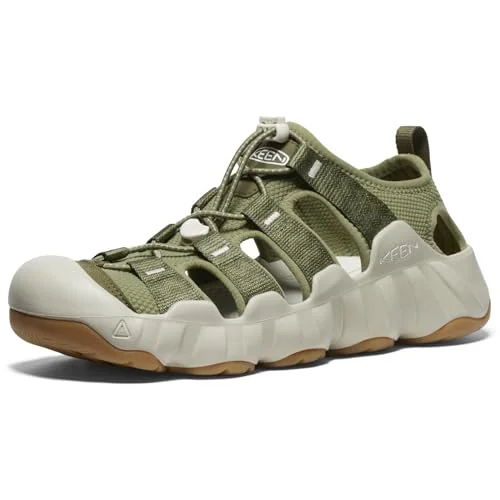
RunRepeat named the Hyperport H2 its best support pick, and the measurements explain why: a contoured topsole with raised midsole walls, a 28.0 mm heel and 17.3 mm forefoot stack, and a 93.9 mm heel width, with the men’s pair listed at 0.91 lb. A wide heel on a cupped footbed means less roll on round river rock. A lower forefoot means you feel the ground, which helps on slick rock and is less forgiving on gravel.
Reach for the Hyperport when the pack is heavy and the bed is cobbled. Reach for the Z/1 when the arch is the problem and the water is gentler.
Sandal, Water Shoe or Barefoot Sandal
A sandal, a water shoe and a barefoot sandal are three tools for wet ground, not three rungs on a ladder. The useful question is which one the water in front of you needs.
When a Sandal Beats a Water Shoe
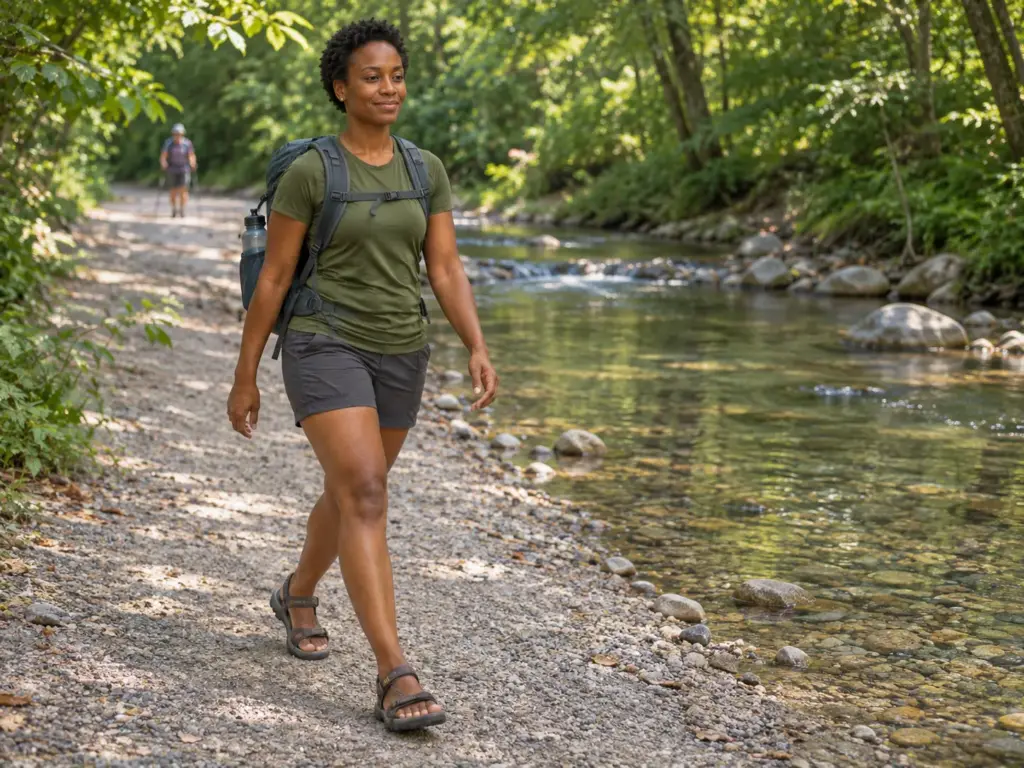
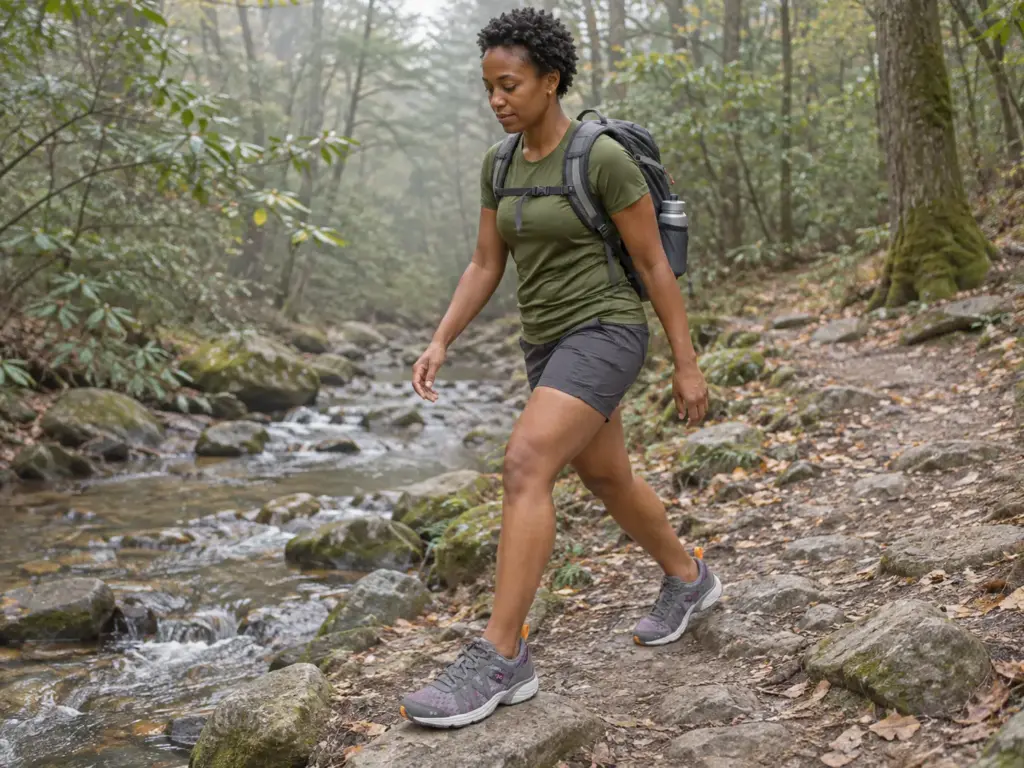
A sandal wins on repeated wet-and-dry transitions, because it drains and dries in minutes while a closed shoe holds the water and the sweat. It wins in heat, where an open foot stays cooler. It doubles as a camp shoe, and it comes on and off at every bank without untying anything. A trail with a ford every half hour is a sandal trail.
A barefoot sandal wins in a narrower slot: firm, clean, warm rock beds where ground feel matters. It fails on gravel, where every stone is felt, and in cold water, where a thin sole insulates nothing.
When It Does Not
A sandal fails in opaque, rocky, fast water where you cannot see foot placement. The Park Service’s line applies directly: open toes do not protect and they create drag. It fails in cold water, because a sandal has no insulation. It fails on debris-heavy sand, where gravel under the straps turns into abrasion by the second mile.
Closed water shoes, the amphibian shoes of this category, win where those conditions stack up.
In cold, rocky, opaque crossings where you keep moving, drainage ports and closed mesh let water out and cut debris intrusion. Waterproof boots and shoes are the wrong answer for crossings in either direction: a Gore-Tex shoe goes under once and does not dry for the rest of the trip, and why waterproof shoes stay wet after a crossing comes down to a liner that blocks water going out as well as in. The Park Service itself suggests a spare pair for crossings, which makes the category a tool choice, not a ranking. For the cases where a closed water shoe falls short too, see where water shoes stop working.
Ryka Hydro Sport (women’s)
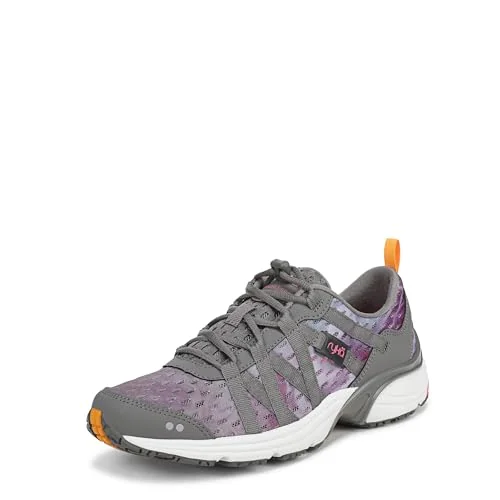
The Hydro Sport is the live example of a water shoe that beats a sandal on the wrong kind of day. Ryka lists multi-port outsole drainage, quick-dry chlorine-friendly mesh, a sticky rubber outsole and toggle lacing. The closed mesh keeps grit out, the ports let the creek drain, and the toggle holds a snug fit when your feet are too cold to feel the laces. Pair it with a sandal in the pack and you have both tools.
Best Budget Water Sandals and What You Give Up
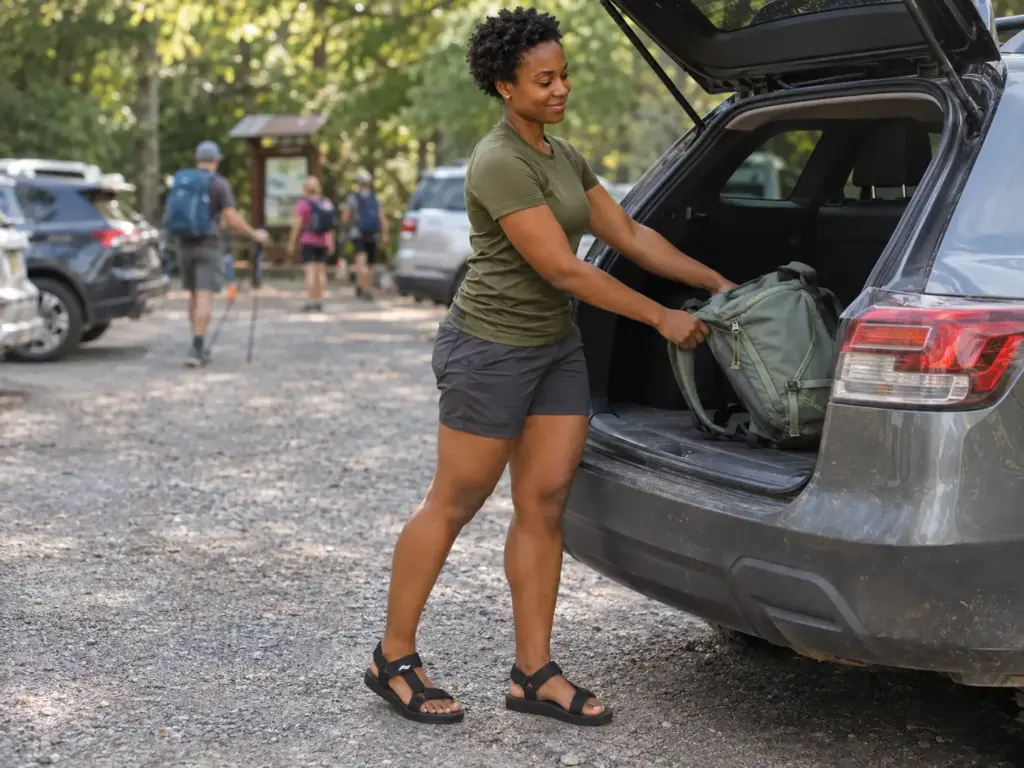
Budget talk is cleaner in tiers than in dollars: entry, middle and premium. Budget sandals and premium sandals differ less in looks than in what they measure and how long the footbed holds up. The Newport and the Z/1 sit at the premium end of the range, the XLT3, Hyperport and Whisper in the middle, and the Tirra and YOCCI at the entry tier.
What the Entry Tier Gives You
The entry tier is a real answer for short, warm, clear water: a light second pair for crossings and camp, or a cheap way to learn whether you want a sandal at all. What it gives up is wet-rock traction measured on a standard, a footbed that holds its shape past the first season and strap durability. What it keeps is weight and drying speed, and those are the two things a camp shoe needs.
A sandal as a camp shoe weighs far less than a closed camp shoe doing the same job. A light, cheap pair earns its place in the pack even when it is not the sandal you cross in.
Teva Tirra (women’s)
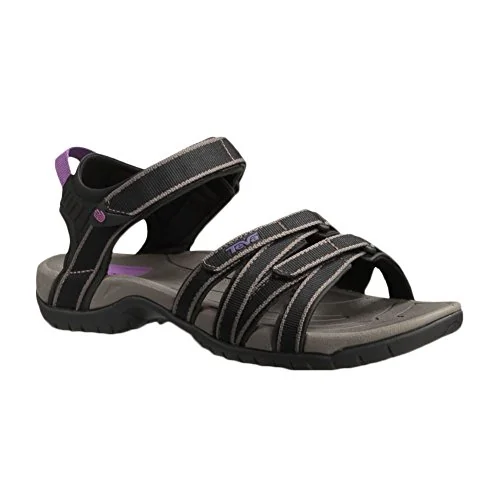
The Tirra is listed at 0.52 lb, with a nylon stability shank, water-channeling lugs and hook-and-loop straps. That makes it the lightest pick in this article and a good fit for a second pair that handles crossings and camp. Do not expect a lab-grade wet grip or a deeply shaped footbed from it. Expect a sandal that weighs almost nothing and dries in the time it takes to eat dinner.
YOCCI Women’s Sport Sandal
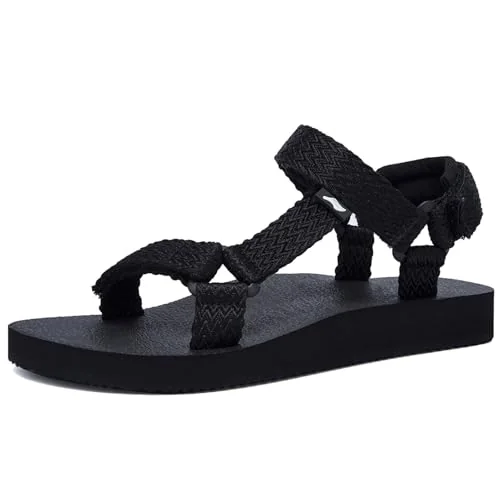
The YOCCI Women’s Sport Sandal pairs a rubber outsole and hook-and-loop straps with a flat EVA footbed that has some arch shaping. It is the lowest-risk way to learn whether a sandal suits your trips before you move up a tier. The price of that low entry is the footbed: flat foam packs out, and a cheap rubber has no lab-measured wet grip behind it. Keep the first trips short, warm and shallow.
How Water Sandals Fail on a Wet Trail and How to Fix Each One
Mile four of a wet day. A rub point at the second toe, sand between the strap and the skin, a foot that keeps sliding toward the front of the sandal. Every sandal-specific failure has a cause you can name and a response you can carry out before the trailhead.
Toe Straps, Sand and Blisters
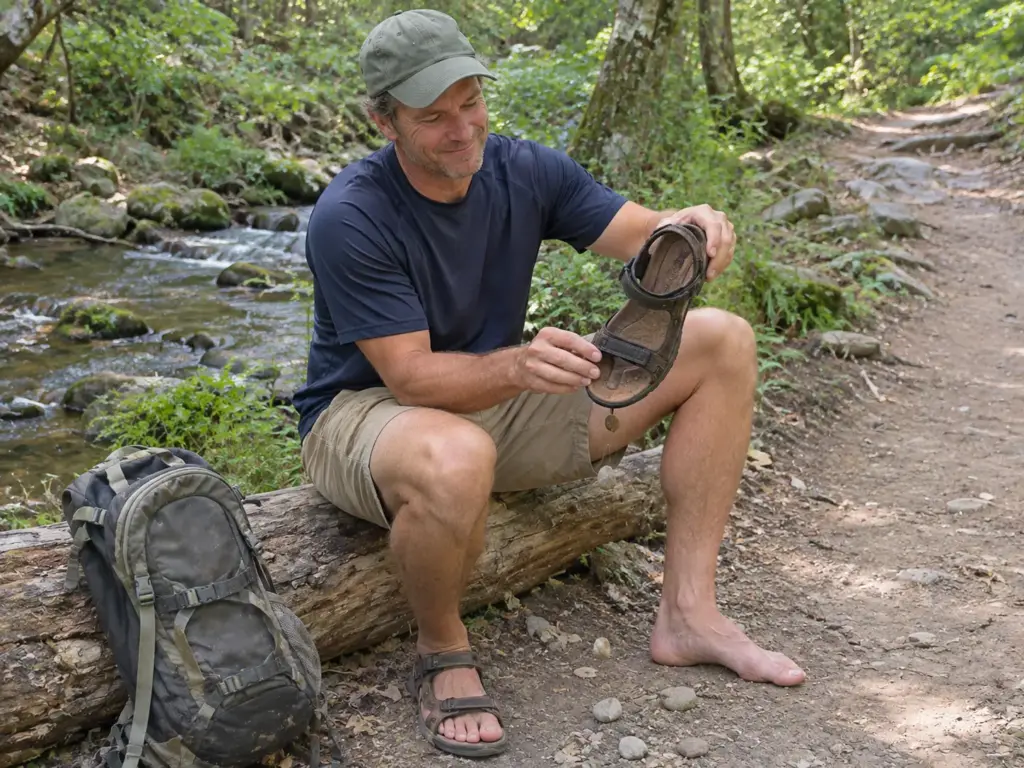
The toe strap plus sand acts like low-grit sandpaper. A sandy riverbed pushes grit between the strap and the skin, and a few hundred steps later the web of the toe is raw. Toe-post blisters are the most common sandal-specific failure, and toe-post sandals and other strap-between-the-toes designs carry the risk, since it comes from the one part of the design most open-toe models share.
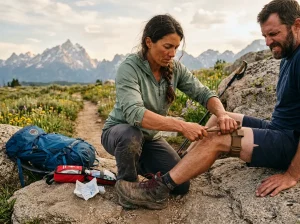
What helps is a model with no toe strap, like the Chaco Z/1, a thin wool sock under the strap, or a strip of tape over the rub point before it becomes a blister. Tape goes on dry skin at the trailhead, not on a wet foot at the ford.
Gravel Under the Foot
Gravel in sandals is a given with open straps. A stone that slips under the arch is a bruise by the next mile, and hiking on with it is how a small annoyance becomes a limp. A closed toe plus drainage ports, as on the Omnium or the Ryka, keeps most of it out. On an open sandal, stop and shake it out the first time you feel it, and loosen the strap enough to let the grit leave rather than lodge.
The Foot That Slides Forward
Foot sliding starts with a wet footbed that floats the foot a little, and the toes drift toward the front edge of the sandal until they hit it. That feels like the sandal is too short and it is not. Tighten the heel strap first, not the forefoot, because a snug forefoot over a loose heel just pinches the toes. A contoured footbed also resists the shear better than flat foam, which is one more reason the cupped heel earns its spot.
Ankle Roll on Round Rock
The foot is not locked and the rock is round.
A lower, wider platform helps, and so does a sandal with a wide heel such as the Hyperport at 93.9 mm. A trekking pole gives a third point of contact, and using a trekking pole for a third point of contact covers how to plant it against the current. Do not boulder-hop on slick rock in the first place. Find a spot you can walk through.
Footwork counts for more than the sandal once the water moves.
The Park Service’s guidance for faster current is to face upstream, cross at a slight angle downstream, lean into the current and shuffle-step, keeping two points of contact, either both feet or one foot and a pole. The real threat is a foot wedged between rocks, not a slippery strap, and shuffling keeps the foot from committing to a gap it cannot leave. Pre-wet and walk a new pair before the trip, too; a rub point shows up wet. The technique itself gets a full walk-through in how to cross a stream safely on foot.
Multi-Day and Cold-Water Reality
Day three of a multi-day hike. The sandals are still damp, the creek is glacier-cold and the sun is gone behind the ridge. Everything good about a sandal on day one gets tested by this evening, and backpacking adds the carry weight to the bill.

Drying Sandals Overnight
Drying overnight is where webbing sandals beat every shoe.
A wet Omnium, a closed upper at 1.58 lb, will not dry overnight.
Hang the pair open in the air, off a pack strap or a branch, not in the tent where the condensation stays. Pull the footbed loose if it lifts, and wring out the straps. Skip anything hot: no fire, no stove, no dashboard, because heat warps foam and weakens glue. The principles of drying footwear overnight without damaging it carry over, with webbing being the easier case.
Socks, Weight and the Camp-Shoe Math
Socks with sandals are a wet-weather question with a single answer: wool, because wool keeps feet warm even when wet and cotton does not. Thin wool under a strap also takes the edge off a rub point. Keep one dry pair for camp only and rotate the other.
Weight is where “sandals are light” falls apart. The listed weights spread from 0.52 lb for the Teva Tirra and 0.54 lb for the KEEN Whisper up to 0.88 lb for the KEEN Newport H2 (men’s), 0.91 lb for the KEEN Hyperport H2 (men’s) and 1.58 lb for the Teva Omnium. The claim only holds for the webbing models, and the Omnium weighs three times a Tirra.
The dry camp pair deserves its own rule: it never goes in the creek. The wet pair rotates and air-dries on the pack, and the dry pair stays in the tent bag for the evening. A cold, wet sock at 9 p.m. ruins a night faster than a bad sandal ruins a day, and a sock rotation that keeps blisters away shows how to run two or three pairs without carrying more.
A sandal worn all day as primary footwear and a sandal carried for crossings are two different jobs. Decide which one yours is before the checkout page, because the right pick for one is the wrong pick for the other.
Cold Water and When Not to Cross
Water temperature decides more than the sandal does. Numb feet in cold water are a hypothermia warning, not a comfort issue.
Shivering, loss of dexterity and slurred speech are the signs the Park Service lists, and a sandal gives a foot no insulation at all. The Park Service’s river-crossing guidance adds two timing rules. Glacial streams are easiest in the cool early morning, and on a warm, sunny day they can rise into an impassable torrent within hours. Cross early or wait.
The depth rule is the same agency’s: avoid crossing water deeper than your knees, and go deeper only in a flat pool with little or no current. A sandal gives no flotation and no ankle support at that depth, so find a shallower spot or turn around. Release the waist and sternum straps before you step in, so you can shed the pack if you fall. It is a ten-second habit and the first thing skipped on a tired day.
How to Match the Sandal to Your Water Hike
Match by water, not by brand.
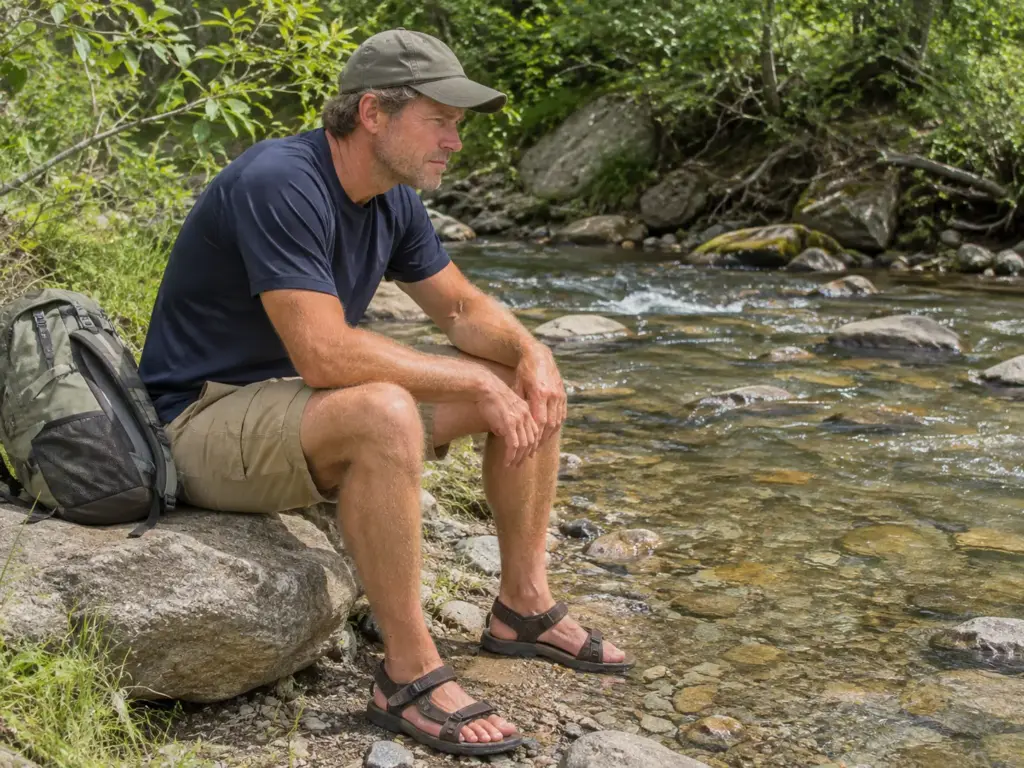
Match the Sandal to the Water
Rocky, opaque water wants a closed toe: the Newport, the Whisper, or the Ryka if the water is cold. Light stream walks in warm, clear water suit an open toe, the Hurricane XLT2 or XLT3. High arches or plantar-fasciitis feet do better on the Chaco Z/1 or the Hyperport H2, because the footbed shape does the work. A short trip on a tight budget points to the Tirra or the YOCCI.
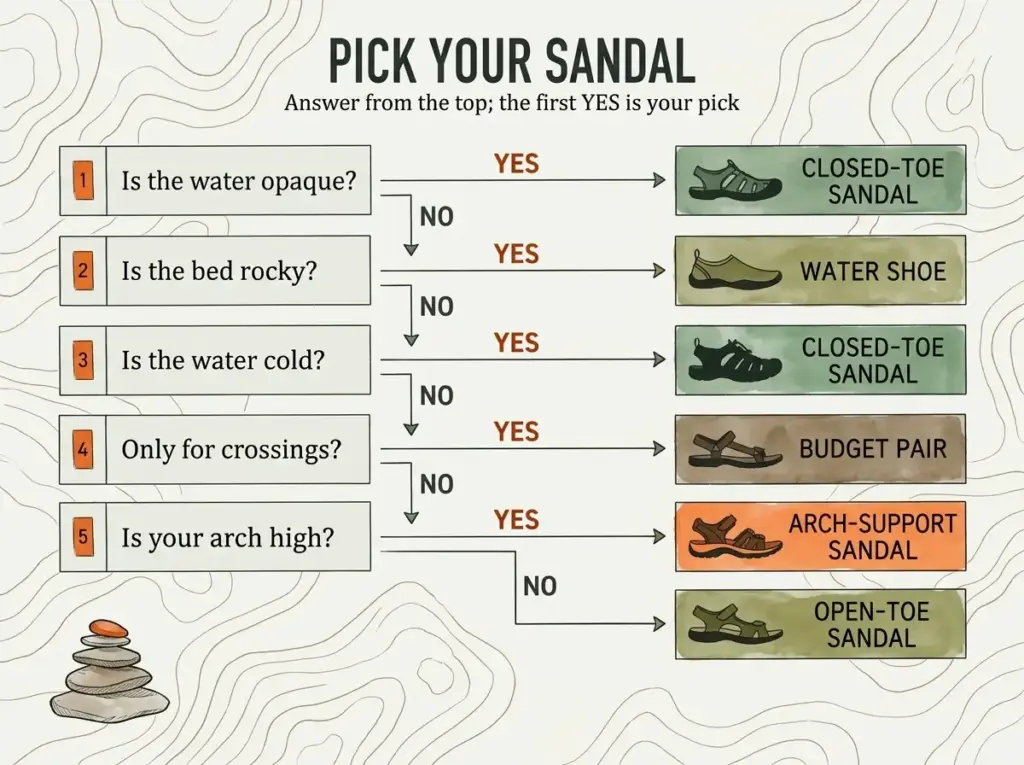
One Sandal All Day or a Pair for Crossings
A multi-sport day, with a paddle, a swim and a scramble, wants the lighter, faster-draining sandal you wear from the car to the car. A trip with a few crossings wants a protective pair you can carry and swap into. Say the choice as two jobs, because a sandal that does both on a 20-crossing day does neither well.
Toe and strap preferences follow from that choice.
Closed toe protects and open toe drains. A heel strap that adjusts counts for more than a pretty buckle, and a wide forefoot wants strap adjustment instead of a fixed upper. Swapping footwear at every crossing on a day with twenty fords is forty changes, and the pick that lets you keep walking is worth more than the pick that fits every rule on paper. For dry, dusty trails with no water, sandals built for dry trails and when to leave them at home is the better starting point.
Fit and Break-In Before the Trip
A foot swells over a day and in warm water, so leave a little room at the forefoot and keep the heel snug. Try the pair with the socks you will wear, not bare.
Then run the break-in period: soak the new pair and walk in it for a while at home, with a flat mile as a good minimum. Whatever rubs in the driveway will rub worse on a wet trail. How long a break-in takes depends on the material, and how long break-in really takes for each material sorts a webbing sandal from a leather shoe.
Soak the Pair and Walk a Flat Mile First
The water decides the toe. The foot decides the footbed. The temperature decides whether a sandal is the right tool at all, because below a certain chill a closed water shoe or a plain boot beats any strap. Everything else in this guide is detail on those three calls.
Before the trip, soak the pair, walk a flat mile in it with the socks you will wear, tighten the heel first and note where it rubs. I would rather find that rub point on a sidewalk than at the ford. Whatever a sandal does wet at home, it does worse in a creek.
Frequently Asked Questions
01Can you hike a full day in water sandals?
Yes on warm, clear and mostly flat routes with a footbed that fits your foot, and no on cold, rocky or heavily loaded days. Choose an adjustable heel strap and a contoured footbed, and carry a lighter second pair if the day mixes dry trail with many crossings.
02Do you wear socks with water sandals?
Wear thin wool socks only when the water is cold or a strap rubs, and skip them otherwise. Wool keeps feet warm when wet and cotton does not, so keep one dry pair for camp and rotate the other on your pack.
03How deep is too deep to cross in sandals?
The Park Service says to avoid crossing water deeper than your knees, and to go deeper only in a flat pool with little or no current. A sandal gives no flotation and no ankle support at that depth, so find a shallower spot or turn around.
04How long do water sandals take to dry overnight?
Webbing sandals dry overnight when hung open in the air, while a closed pair like the Teva Omnium usually does not. Wring out the straps, pull the footbed loose if it lifts, and keep the pair out of the tent.
05Do water sandals work for plantar fasciitis or high arches?
A contoured PU footbed like the Chaco Z/1 Classic’s, or a wide supportive topsole like the KEEN Hyperport H2’s, can work, and a flat foam footbed usually does not. Add a swap-in insole if the sandal fits otherwise.
I've spent more than a decade researching hiking gear and trail technique. I read the specs, the forum threads and the long-term reviews, and every pick here comes with what it gets wrong.
End of the trail
You read every mile of this one. Here's where the trail goes next.