
The creek runs clear and cold, your bottle has been empty for a mile, and the filter in your pack is either exactly right for this stream or quietly wrong for the next one. The best water filters for backpacking are not sorted by brand. They are sorted by who is drinking, what is upstream and how far you are from a road. A solo hiker on a loop through the Cascades and four friends parked at a lake camp need different gear, and a farm ditch abroad needs something a mountain spring never will.
This guide sorts the systems for one person and for a group, marks the point where viruses change the answer, and ends with how to keep a cartridge alive in the cold and what it really costs per litre. Find your situation in the table, then read the section that backs it up.
| If this is you | Pick | Why |
|---|---|---|
| You hike alone and drink from North American streams and lakes | Sawyer Squeeze | 0.1 micron absolute, 2 oz, backflushes, fits 28 mm bottles |
| You want to sip as you walk from fast, clear water | Katadyn BeFree AC 1.0L | 2 L/min listed and a soft bottle, but the cartridge cannot be backflushed |
| You are three or more, or you camp in one place | Platypus GravityWorks 4L | 1.5 to 1.75 L/min listed, 4 L in about two and a half minutes with nobody pumping |
| Your water is suspect, or you travel outside North America | GRAYL UltraPress | A purifier that handles viruses, with a 150 L cartridge |
| You need a cheap or ultralight backup | Sawyer Mini or LifeStraw Peak Solo | 2 oz and 1.7 oz, same 0.1 micron class |
Best Water Filters for Backpacking Start With Who Is Drinking
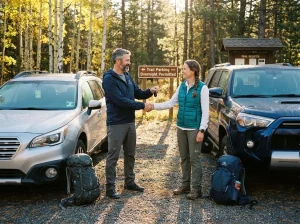
The best water filters for backpacking start with a headcount, not a logo. One person pressing a pouch at a creek is a two-minute job. Four people doing it for dinner, breakfast and tomorrow’s carry is forty minutes of standing in wet socks while the stove goes cold. Before any model name, the questions are how many mouths, how clear the water and how long between roads.
One Hiker, Two Hikers or a Whole Camp
Alone, almost anything works, and that is the trap: a solo hiker can be happy with a soft-bag squeeze filter, a bottle that filters as you sip, or a small pump filter, so the choice comes down to how you like to drink. Two people change the math a little. One squeezing filter now has to fill two bottles at every stop, and the person doing the chore is not the one resting. Past three, pressing bags by hand turns water into the main job of camp, and that is where a gravity system earns its weight.
The water matters as much as the headcount. A filter that is perfect on clear mountain runoff can be a poor match for silty low-country water, so the stream decides before the brand does. A trip with one reliable trail water source every few miles asks for a light, fast filter. A trip through cattle country or desert drainages asks for something that survives silt and, in some places, for a purifier.
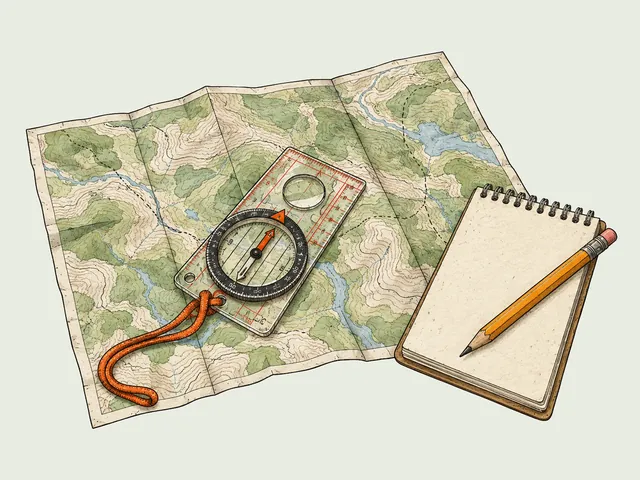
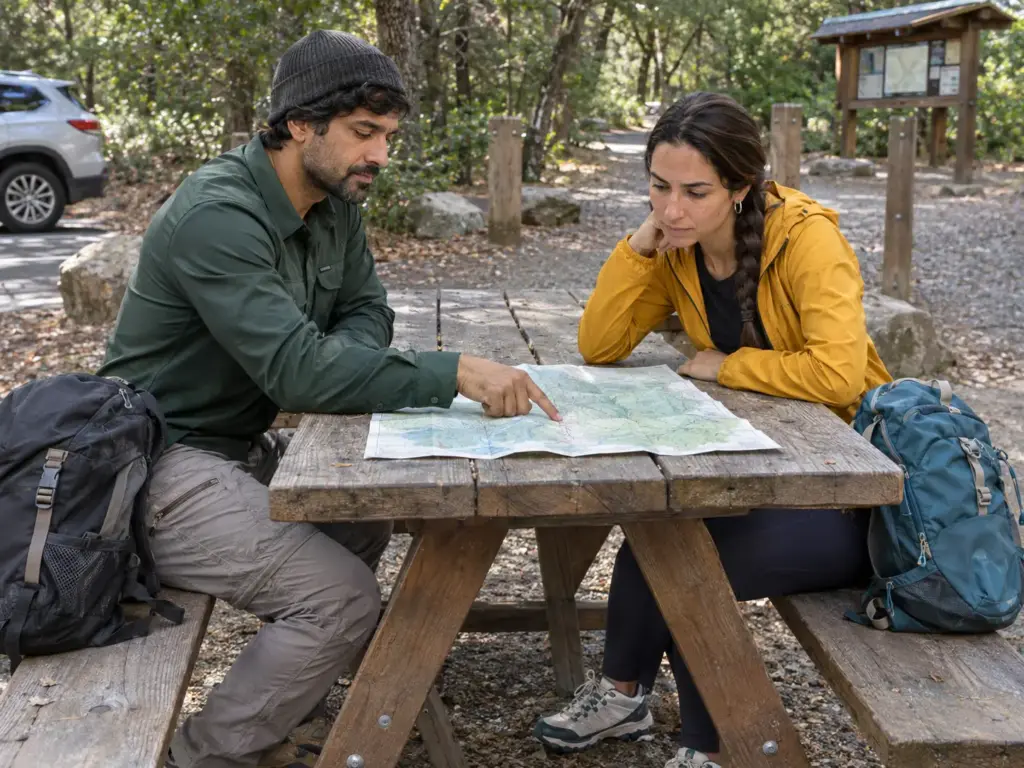
Water planning starts with the map: mark each trail water source, and mark the resupply point where you can swap a cartridge or buy a spare.
The Five Kinds of Backpacking Water Treatment in Plain Words
A squeeze filter is a soft bag you press so the water passes through a hollow-fiber membrane screwed onto the neck.
A sip system is a bottle or straw filter with the membrane built in, so you drink through the filter. A pump filter pushes water through a cartridge by hand, with a hose into the source and another into your bottle. A gravity filter is a bag you hang or prop up, and the water drains through a cartridge on its own. A purifier is any system that also handles viruses, either through a much finer membrane or a chemical or UV step.
Two more tools skip the cartridge entirely. A UV pen treats a litre of clear water in about a minute and a half but needs a charged battery. Chemical purification tablets or drops weigh almost nothing but take time, and cold water slows them. Boiling water is the third no-cartridge option and the one that works against everything.
Weight and Flow Rate on the Trail, Not on the Box
Filter weight is a few ounces. What you actually carry is the dirty water bag, the clean bottle and the minutes you spend standing at the source, so a 2 oz filter with two pouches and a slow flow can cost more daylight than an 11 oz gravity set that runs while you pitch the tent. Flow rate on the box is a clean-water number. After a day of silty sources it drops, and the hiker who counted on it for a quick refill feels it first at the next creek.
Flow per person, in liters per minute, is the number worth keeping in your head: roughly 2 L/min feeds a solo hiker with room to spare, while 1.5 L/min split among four people is a queue. The filter is only one part of the water kit, and what tends to fail first in a hydration setup covers the rest of the chain.
Squeeze Filters Worth Carrying: Sawyer Squeeze, Sawyer Mini and Platypus QuickDraw
Squeeze filters are the ones you see on most packs, and the reason is simple: they are light, they backflush and they are cheap to keep running. The three below share the same basic job and differ in flow, pouch size and how much abuse the dirty bag takes. Each one fits a different role, main, backup or faster refill, and that role matters more than any star rating.
Sawyer Squeeze SP129 as the Everyday Standard
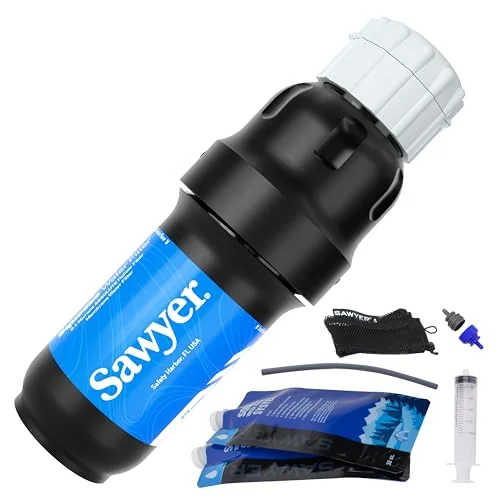
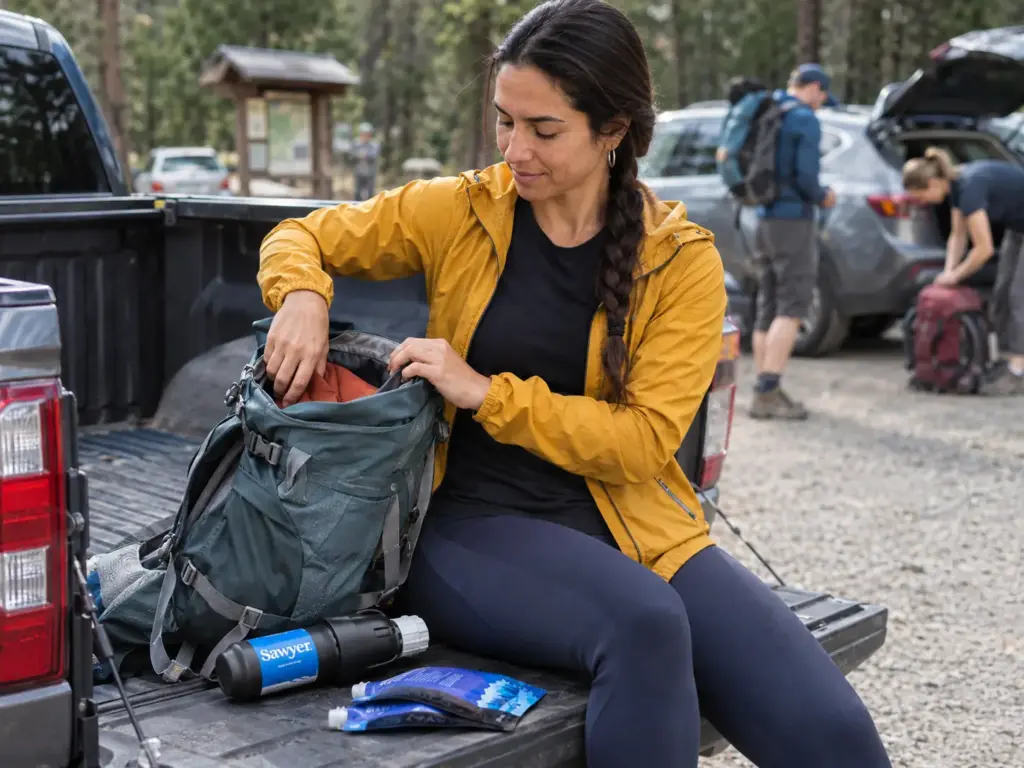
The Sawyer Squeeze SP129 has an absolute micron rating of 0.1, weighs about 2 oz and comes with two 32 oz pouches. It threads onto standard 28 mm bottles and straight onto the pouch, so one filter covers a hydration bladder, a soda bottle and a camp pot with a bit of improvising. Sawyer rates the membrane at 100,000 gallons, roughly 378,000 litres. Treat that as a ceiling the maker can print, not a promise: a squeeze filter clogs long before it wears out, and what clogs it is silt, not use.
That is the useful way to think about a hollow-fiber filter.
The membrane does not get used up like a brake pad. It gets plugged, or it suffers freeze damage from ice, and in both cases the care you give it decides whether you get one season or ten. A new Squeeze that ran perfectly on tap water at home can lose flow the first time it meets swampy, silty water, because nobody pre-filtered it. The filter is only as good as the habits around it, which is the subject of the pre-filter and backflush sections further down.
Time a full litre through a brand-new filter at your kitchen sink and write the number on the bag in marker. That is your baseline. Two seasons later, when the squeeze feels stiff and you wonder whether it is dying, you have something to compare against instead of a feeling.
Sawyer Mini SP128 as the Budget and Backup Pick
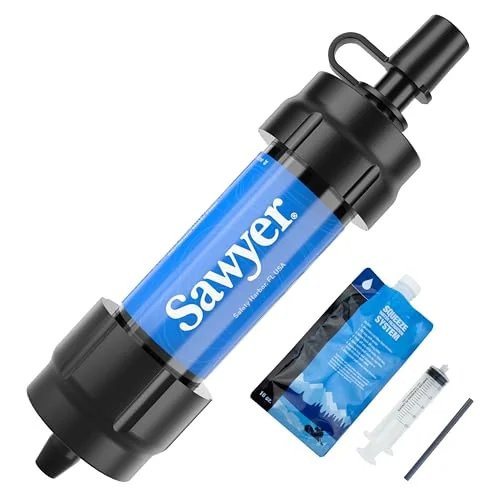
The Sawyer Mini SP128 is the same 0.1 micron membrane at the same 2 oz, with a single 16 oz pouch. Sawyer gives it the same 100,000 gallon rating, and it needs the same care: backflush, pre-filter in silt, keep it out of the cold. What you give up is speed. Filling a one-litre bottle through a Mini takes noticeably longer than through the full-size Squeeze, and that adds up when two people are thirsty at the same stop.
So the Mini does best in two jobs. For a solo hiker on short trips with clear water, it is a perfectly good main filter at the lowest cost on this list. For anyone else, it is the spare that rides in the lid pocket for the day the main filter clogs, freezes or goes missing at a river crossing.
Platypus QuickDraw 1L When You Want More Flow
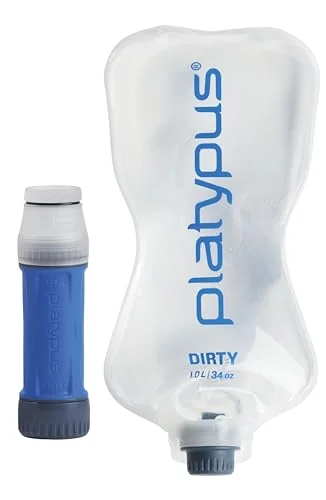
The Platypus QuickDraw 1L is listed at 3 L/min when squeezed and 1.75 L/min by gravity, weighs 3.36 oz and screws onto 28 mm bottles through its ConnectCap. It carries the NSF/EPA P231 protocol label, the standard for microbiological water purifiers. Its useful life depends on silt and care more than on any printed rating.
The practical edge is the dirty bag. A wide mouth lets you scoop from a trickle instead of tilting a narrow pouch against a rock, and the filter rinses with a shake rather than a syringe. If you are the kind of hiker who gets annoyed at a slow refill, this is the squeeze that fixes the annoyance without adding pump weight. It does the same job as the Sawyer, faster, and it still needs a pre-filter in silt.
Sip-as-You-Walk and Ultralight Backup Filters: Katadyn BeFree and LifeStraw Peak Solo
Some hikers never want to unscrew anything. They want a bottle they can dip into the creek, sip from and keep walking. Others want a filter so light it can ride in a pocket as insurance. Those are two different jobs, and the two picks below split them cleanly.
Katadyn BeFree AC 1.0L for Fast Sips From Clear Water
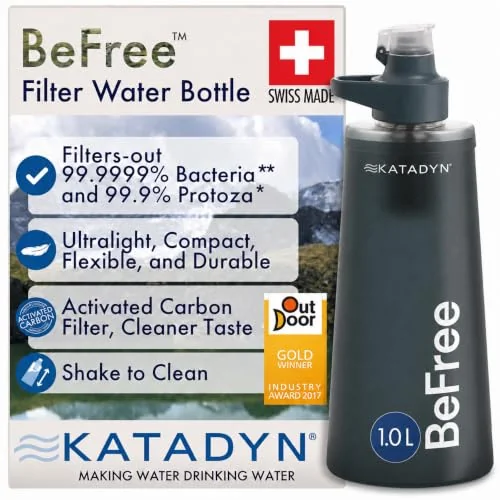
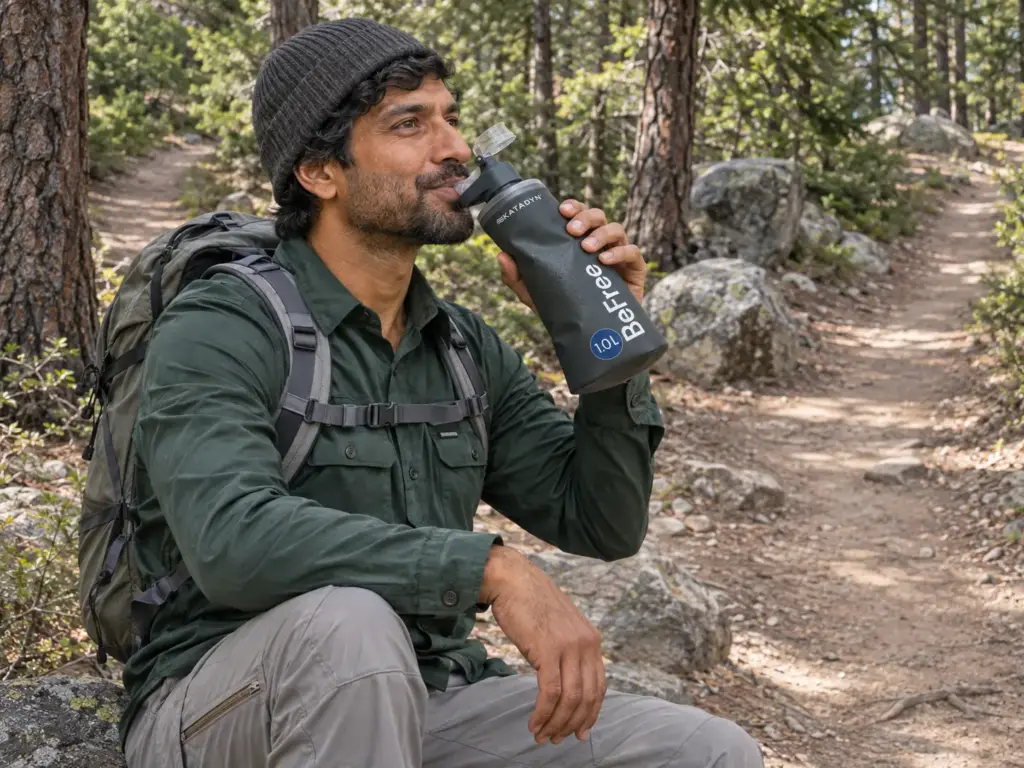
The Katadyn BeFree AC 1.0L pairs a 0.1 micron filter with a collapsible soft flask that holds 1 L. Katadyn lists the flow at 2 L/min and the cartridge at up to 1,000 L, and the activated carbon takes some of the taste out of the water. You dunk the bottle, screw on the cap and drink, which is exactly why solo hikers on short and medium trips like it.
The trade-off is the first one of this article, and it repeats in the cost section: speed is bought with cartridge life. A Sawyer can be backflushed back to life; a BeFree cannot, so a clogged cartridge is a dead cartridge. In silty water the pre-filter is its life insurance, and a short and honest rule follows from that: BeFree for clear, fast water, something else when the stream turns brown.
A fine nylon mesh bag, the kind sold for straining biodiesel, weighs under an ounce and makes a good pre-filter for glacial or desert water. Drop it over the mouth of the dirty bottle before you scoop and the silt stays on the mesh instead of in the cartridge you cannot clean.
LifeStraw Peak Solo as the 1.7 oz Spare
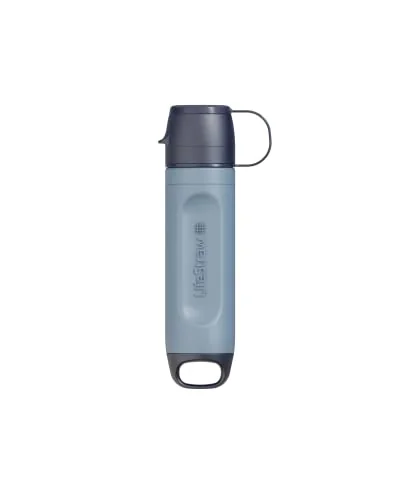
The LifeStraw Peak Solo is a 0.1 micron membrane at 1.7 oz, rated by LifeStraw at 2,000 L and listed at 3 L/min with a 28 mm thread. Do not mix its figures with the Peak Squeeze, a different and heavier product with its own numbers. The Solo is the light one.
Its best use is as the second filter. A ten-day crossing of silty glacial water can clog a main filter even with a backflush every night, and the real question on that kind of trip becomes whether to carry a spare. At 1.7 oz the answer is easy. It threads onto the same bottles, so a clogged main and a working Solo means you keep walking instead of switching to a boil or a chemical wait.
Best Water Filters for Backpacking as a Group: Gravity and Pump
Group filtration is a logistics problem more than a filtering one. Four people drinking, cooking and carrying a litre or two each need eight or more litres treated at every camp, and the system that does it with the least standing around is the one that wins. Gravity and pump systems both solve that, in different ways, and both are heavier than anything above.
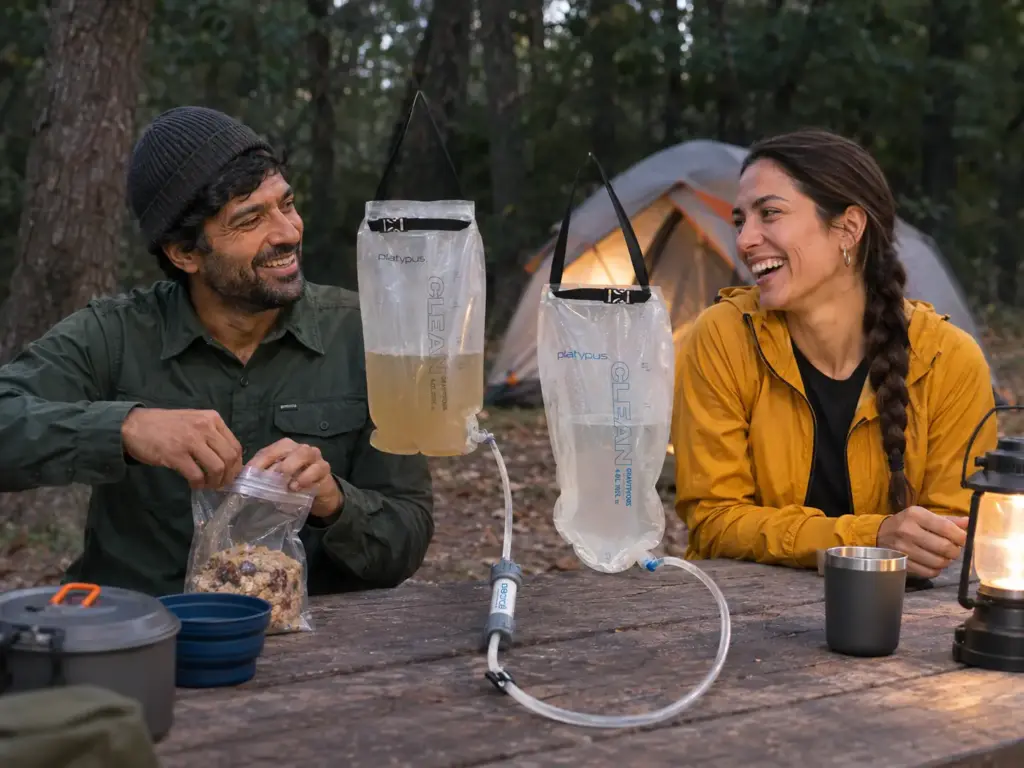
Platypus GravityWorks 4L for Three or More
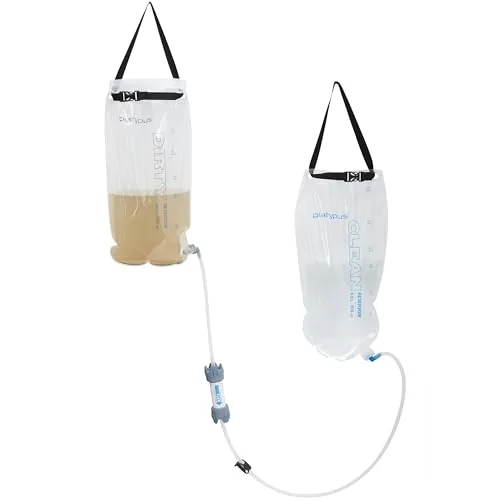
The Platypus GravityWorks 4L is listed at 1.5 to 1.75 L/min with a 1,500 L cartridge, and Platypus quotes 99.9999% of bacteria and 99.9% of protozoa. It weighs 11.5 oz with the 4 L dirty water bag, and 4 L takes about two and a half minutes while you pitch the tent. You hang the bag from a branch or prop it on a rock, the water runs through the cartridge into a clean water reservoir, and you do something else.
Flow per person is what makes it the group pick.
A solo hiker will not feel the difference between 1.5 and 2 L/min. A group of four will feel the difference between a gravity bag that works while everyone cooks and a pump that needs one person standing at the water for forty minutes. In dry desert country the pre-filter layer matters more than the model, because a gravity bag with a pre-filter handles fine silt better than a pump that gets clogged and cleaned several times per litre. If gravity is where you land, more gravity setups sorted for base camp use lines up the rest of that family.
Katadyn Hiker Pro When It Is Two of You and Water Is Cloudy
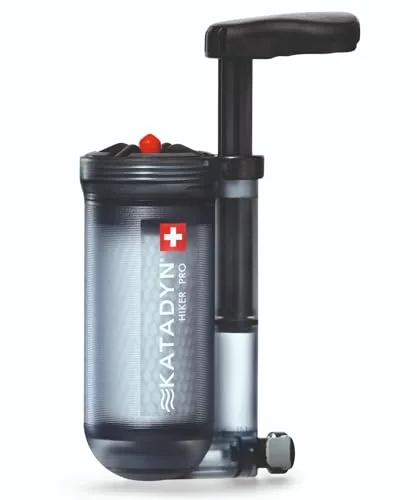
The Katadyn Hiker Pro is a 0.2 micron pump listed at 1 L/min, with a cartridge Katadyn rates at up to 1,150 L and a pre-filter on the intake hose. It weighs 11.2 oz. You drop the hose in the creek, pump into a bottle or straight into a bladder, and leave the dirty and clean sides of the system physically separate by design.
That 1 L/min is the number to measure against your group.
For two people it is fine, with one pumping while the other sets up. For four it starts to feel like a job, and that is the point where the gravity system above takes over. The pump’s real strength is cloudy water, because the intake pre-filter catches the coarse material before it reaches the cartridge. Even so, in fine desert silt a pump can need cleaning several times per litre, and in the desert Southwest that is enough reason to leave it at home.
On a group trip, fill the gravity bag before anyone starts cooking, not after. Treated water sitting in a clean reservoir while dinner is made is the difference between a relaxed evening and four people waiting on one bag at nine o’clock.
Filter or Purifier: When Viruses Change the Pick
The same clear creek in the Cascades and a farm ditch abroad look equally harmless. Only one of them is a virus risk. That is the decision a filter alone cannot make for you, and the answer depends on where the water comes from and who lives upstream. This is the question a Sawyer or a Platypus cannot answer from the label, and it is the one that decides whether the 0.1 micron filter in your pack is enough.
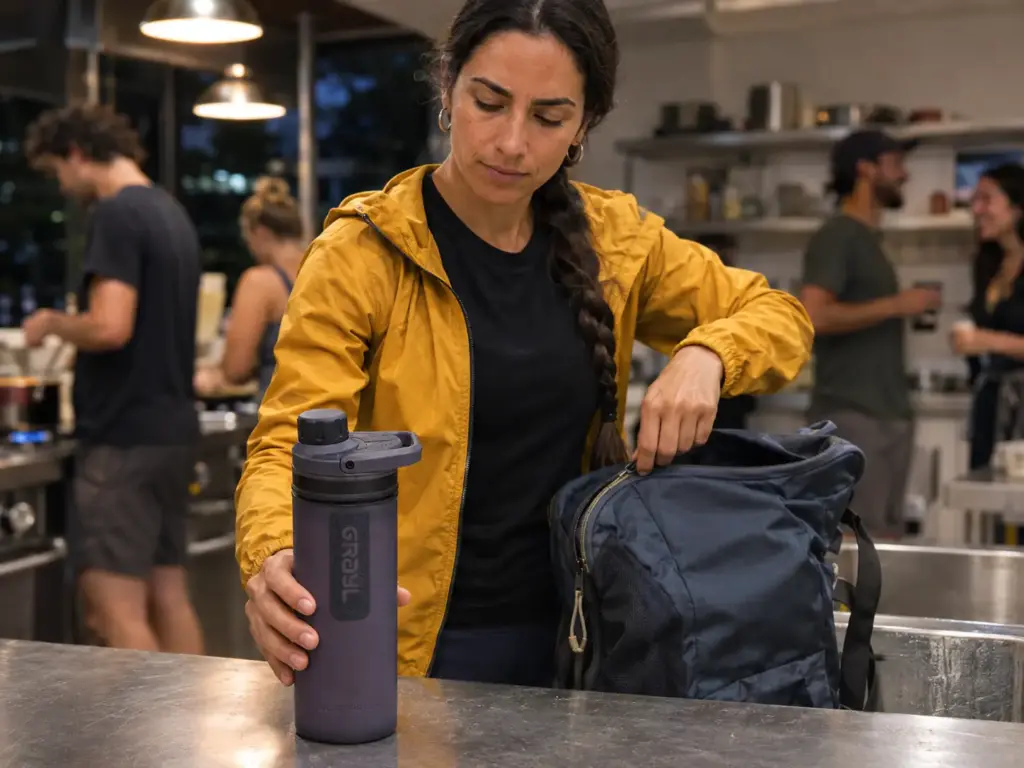
Where a 0.1 or 0.2 Micron Filter Is Enough
The line is simple. A 0.1 to 0.2 micron filter stops protozoa such as Giardia and Cryptosporidium, and it stops bacteria. It does not stop viruses, which are far smaller, around 0.03 micron on average. The CDC’s guidance on treating water while hiking and camping lays out the same split, and it adds the rule that works against everything: boil water at a rolling boil for one minute, or three minutes above 6,500 feet.
For most North American backcountry water, a filter is enough.
That means water with no livestock, no towns upstream and no declared outbreak on the trail. Both the CDC and the Wilderness Medical Society stand behind microfilters for protozoa and bacteria in that setting. A clear stream is not proof of anything, because the organisms that make you sick are invisible, but the realistic risk in a high mountain basin or alpine lake is protozoa and bacteria, and a 0.1 or 0.2 micron filter handles both. For the pore-size math in full, why 0.1 micron stops short of viruses walks through it.
When You Need a Purifier, Not a Filter
A purifier earns its weight when a virus is a realistic risk. That means travel outside North America, farm or village water, a declared norovirus outbreak on a busy trail and any source with people living upstream. On the Appalachian Trail the norovirus risk is not only in the water. It moves through shelters, shared surfaces and hands, and the Appalachian Trail Conservancy’s norovirus guidance states plainly that water filters do not remove viruses.
In those cases the options are a purifier, a filter plus a chemical step such as chlorine dioxide, or a boil. A 0.1 micron filter does not become a purifier by being expensive. Viruses need ultrafiltration of 0.01 micron or finer, a chemical or UV step, or heat.
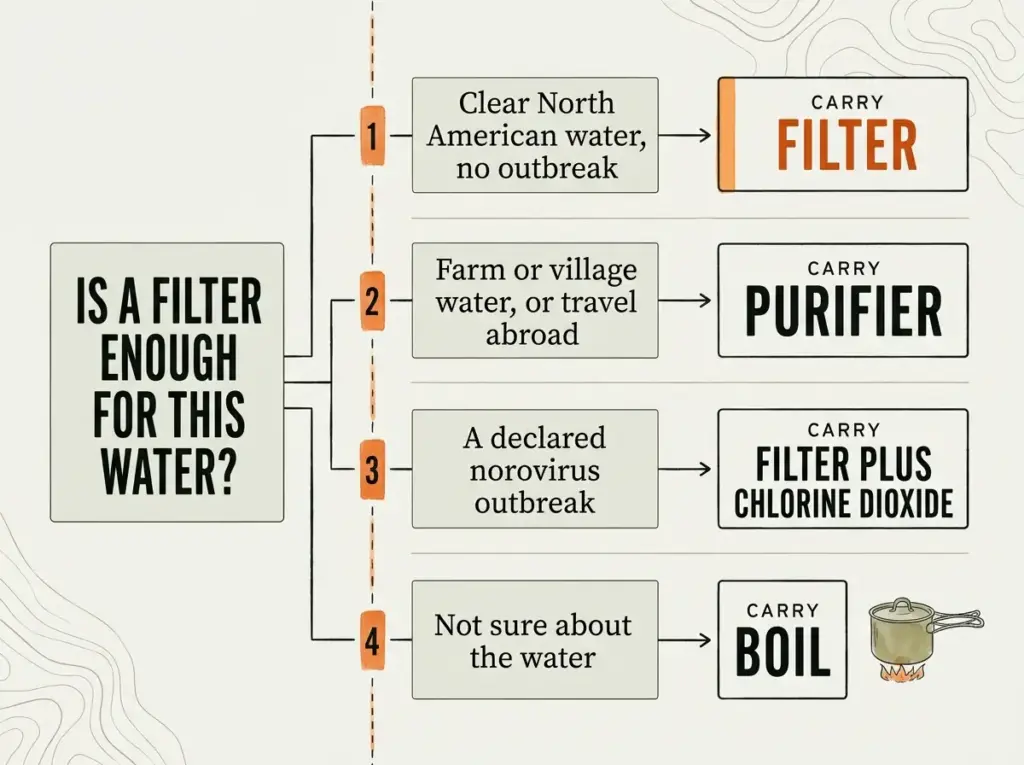
The word purifier deserves one more caution. It is a maker’s promise. The EPA asks for 99.9999% of bacteria, 99.99% of viruses and 99.9% of cysts, but it does not verify the tests, a point made in the CDC Yellow Book on water disinfection for travelers. Read the box with that in mind, and treat a purifier label as a claim from the company that made it, not a certificate from a lab you can look up.
Purifiers Worth Carrying: GRAYL UltraPress, Survivor Filter PRO and SteriPEN Ultra
The MSR Guardian is the reference most purifier lists measure against. MSR rates it to NSF P248, the military standard, with 99.99% virus removal, 2.5 L/min and 10,000 L, and says it withstands freezing. It is named here as the category benchmark only, and the three purifiers below are the ones this article recommends.
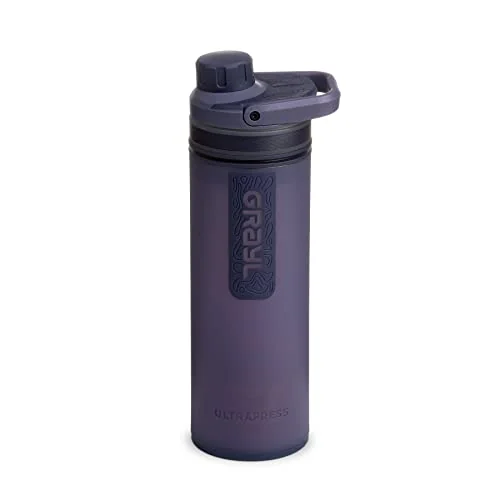
The GRAYL UltraPress is a bottle you fill with raw water, then press the cartridge down through. GRAYL lists it as treating 16.9 oz in 8 to 10 seconds, removing viruses, bacteria and protozoa, with activated carbon for taste and some chemicals and a 150 L cartridge, about 300 cycles. It is the right pick for international travel and for a single glass of suspect water, and the wrong pick for a thru-hike, where 150 L disappears fast.
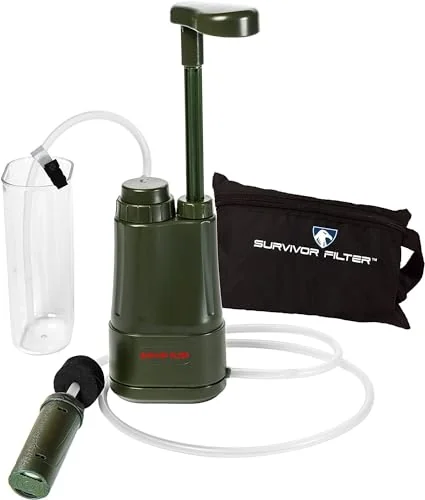
The Survivor Filter PRO is a three-stage pump, a 0.1 micron pre-filter, activated carbon and a 0.01 micron ultrafilter, that Survivor Filter lists at 500 ml/min and 12.8 oz. The 0.01 micron stage is what matters here, because it is the pore size the CDC and the Wilderness Medical Society point to for removing viruses. Half a litre per minute is slow next to the squeezes, which makes it a pump for one or two people on a virus-risk trip rather than a daily driver for a group.
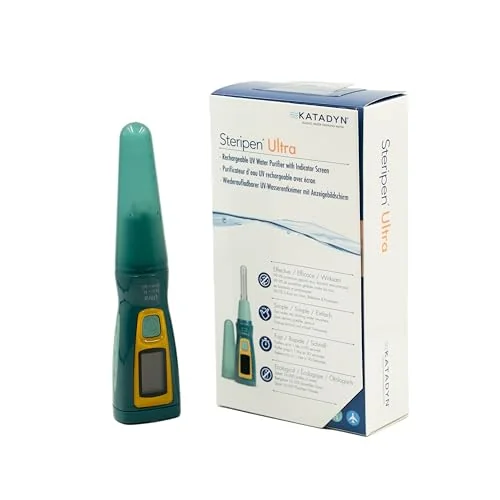
The SteriPEN Ultra is a UV-C pen that treats 1 L of clear water in 90 seconds, with 8,000 L per lamp and a USB-rechargeable battery, at 0.57 lb. With no cartridge, there is nothing to freeze and nothing to clog. The price of that freedom is the battery: a dead pen is a dead purifier, and UV only works in clear water, so you still need a pre-filter or a settle-and-strain step when the stream is cloudy. The trade-offs of carrying a UV purifier are laid out in full before you commit to one.
Protect a Water Filter From Freezing
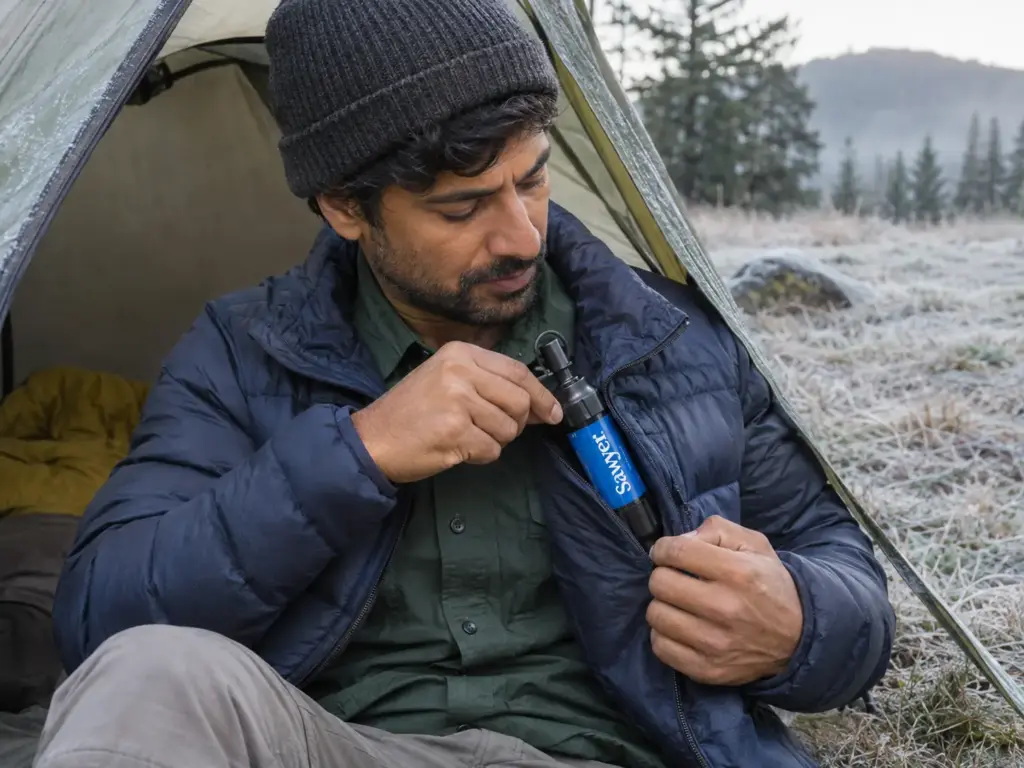
You wake up at a frosty campsite. The filter that spent the night in the outer pocket of your pack still passes water when you squeeze it, and you have no way of knowing whether it is still doing its job. That is the problem with freezing: the damage is invisible, and the filter keeps working on the surface while it quietly stops stopping microbes.
Why Ice Cracks a Filter You Cannot See Into
A hollow-fiber filter is a bundle of very thin tubes with water inside them. When that water freezes, it expands, and the tubes can crack. A cracked fiber still passes water, so flow feels normal, but the pores are no longer the size the label promised. You cannot see the damage from the outside, and you cannot taste it in the water.
Silt and frost are the two things that end a squeeze filter’s life, and neither one announces itself. A hiker who pre-filters and keeps the membrane warm gets years out of a Sawyer. One who skips both gets a season. How silt and frost shorten a Sawyer’s life digs into the numbers.
Keeping a Filter Warm Overnight
When nights drop near or below freezing, the filter sleeps with you. Caps on, inside the sleeping bag or in a chest pocket, so your warmth keeps the membrane above freezing through the coldest hours. A filter left in a vestibule or an outer pack pocket is the one that freezes.
After the last backflush of a cold evening, push air through the filter with the syringe. It clears most of the water left inside the membrane, and less water inside means less ice to crack the fibers.
Of the filters in this article, only the MSR Guardian states that it withstands freezing, and that is a maker claim. The Sawyer, Platypus and Katadyn products here make no such statement, so for them the warm night is not optional.
When a Filter May Have Frozen and What to Do Next
Treat a frozen filter, meaning one that spent a night below freezing with water inside it, as dead. There is no reliable home test, and a filter that seems fine is exactly the failure that matters. A Mini that froze once and was never trusted again is a better lesson than a filter that seemed fine and was not.
Carry a backup treatment method for that day: chemical treatment or a boil. The CDC’s boil rule is one minute at a rolling boil, three above 6,500 feet. Tablets and drops are lighter than a spare filter, but cold water slows them down, and how long chemical treatment takes in cold water is worth knowing before the morning you need it.
Keep Filtered Water Clean: Pre-Filtering, Backflushing and Hygiene on the Trail
The filter works, and a dirty thread on a bottle undoes it. Cross-contamination after the filter is the failure nobody mentions at the gear shop, and it is the easiest one to prevent. Most of it comes down to keeping two sides of the system apart.
Dirty Bag, Clean Bottle and the Threads in Between
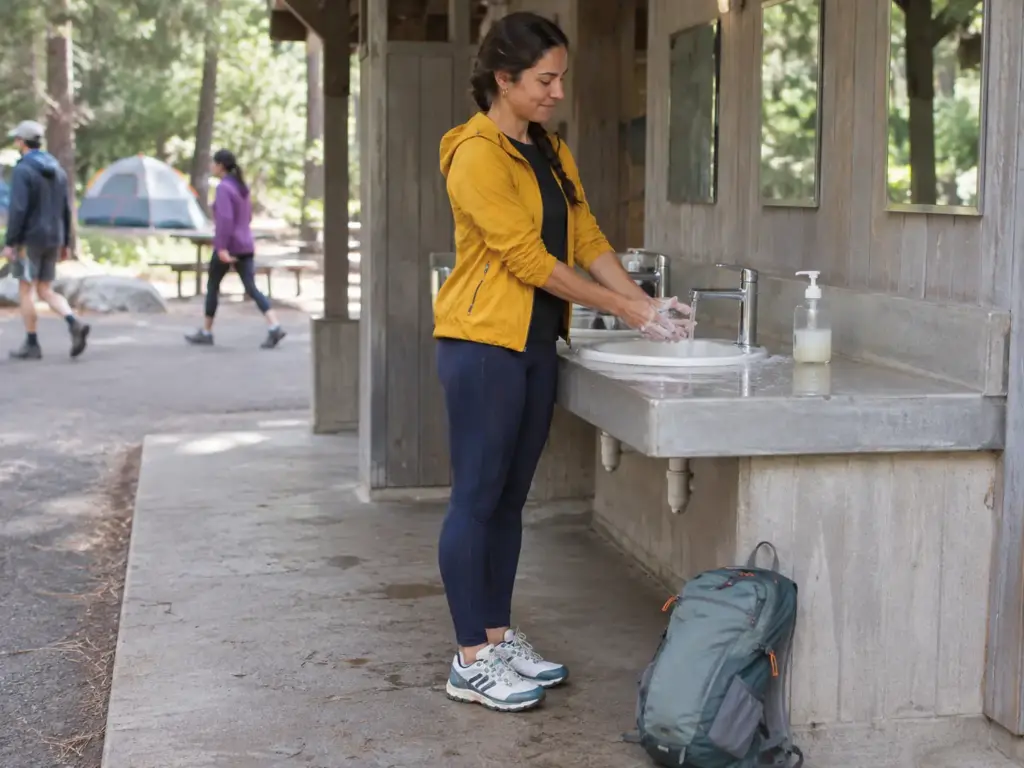
The dirty bag and the clean bottle never touch. The clean threads stay clean, which means not setting the filter outlet on a rock, a wet pack strap or your lap. Never blow through the filter to clear it, because breath contaminates the clean side. When the trip ends, dry the filter fully before storing it, since a membrane left wet or half-forgotten between seasons degrades.
With a sketchy source, two blue bags look identical at dusk, and they get swapped. Mark the dirty one with a strip of tape or a permanent marker the day you buy it, so the mistake is hard to make in the dark. A Smartwater sport cap threads onto the filter and doubles as an improvised backflush syringe, so a spare costs nothing. For the full routine, cleaning a Sawyer Squeeze step by step shows each move.
Pre-Filter Before the Water Wrecks Your Flow
Silty and glacial water clog filters fast, and a clogged filter is not only annoying. It is a risk, because the Wilderness Medical Society’s clinical practice guideline on water disinfection warns that clogging pushes the pressure up, and extra pressure can push microbes through or damage the filter. A slow squeeze is the filter telling you something, and the answer is not to squeeze harder.
A bandana does less than people think.
Fine silt is around 1 micron, and a cloth does not stop it. A tight nylon bag does better, and letting the water settle in a container for a while before you filter does better still. Backflush, also called backwash, after every source of turbid water, not only when the flow stops, and use clean filtered water for it. Pre-filtering silty water before it reaches the filter covers the full method.
Hands, Shelters and Norovirus
Norovirus does not care how good your filter is, because it travels through hands, shelters and shared surfaces. Wash with soap and water for 20 seconds, as the Appalachian Trail Conservancy’s outbreak poster says, because alcohol gel does not work well against norovirus. Skip shared bottles in a crowded shelter.
This is also why some hikers cowboy camp when a shelter looks risky, sleeping outside rather than breathing the same air as a shelter full of strangers. The filter protects your water. Your hands protect everything else.
What a Backpacking Water Filter Really Costs Per Litre and When to Retire It
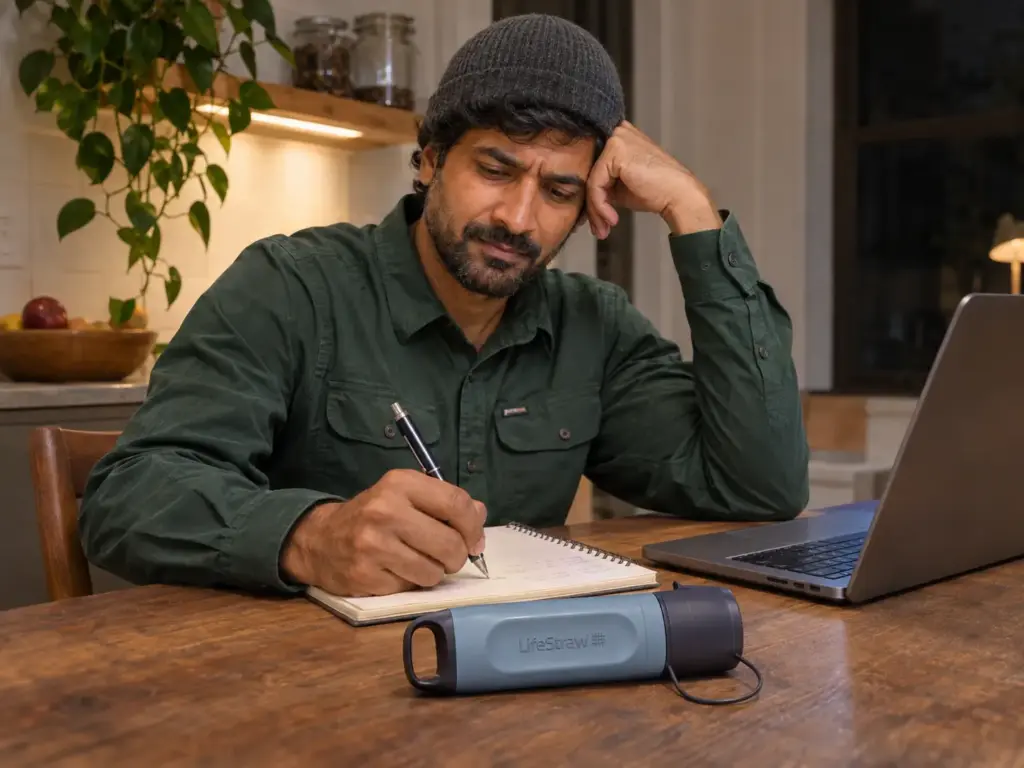
The number on the box is a ceiling, and the stream decides the real life. A rated cartridge lifespan tells you what the maker is willing to print, not how many litres you will get out of it. What a filter costs per litre depends on how long it lasts, and how long it lasts depends on silt, frost and care.
Rated Litres Side by Side
Every figure below is the maker’s own rating.
Sawyer rates the Squeeze and Mini at 100,000 gallons, a theoretical ceiling.
Katadyn rates the BeFree AC at 1,000 L and the Hiker Pro at up to 1,150 L. Platypus rates the GravityWorks at 1,500 L and publishes no figure for the QuickDraw. LifeStraw rates the Peak Solo at 2,000 L. GRAYL rates the UltraPress cartridge at 150 L, SteriPEN rates the lamp at 8,000 L and MSR rates the Guardian at 10,000 L.
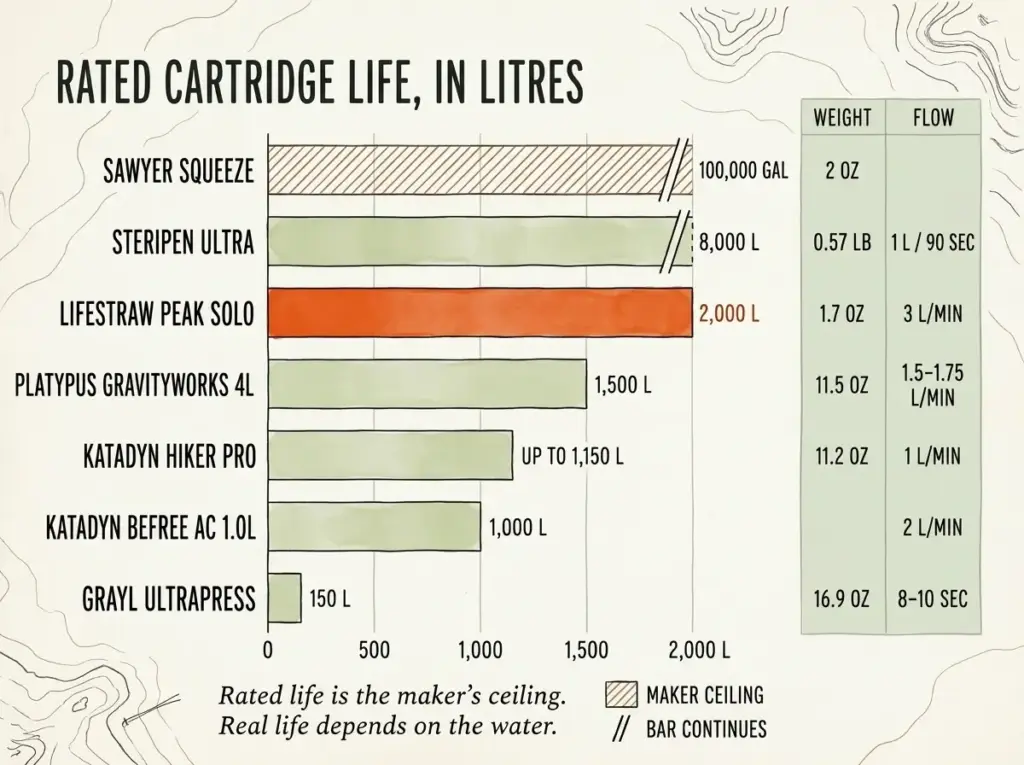
Notice what that list says without any prices. Cost per litre falls fast on a squeeze filter that is cared for, because the same cartridge keeps working. It rises fast on a bottle purifier rated for 150 L, because the cartridge runs out in a few trips.
Why the Number on the Box Is a Ceiling
The 100,000 gallons printed on a Sawyer is what the membrane could pass in a lab with clean water. In the field, silt plugs the pores long before the fibers wear out, and a frozen night can end the filter in a single morning. The number is real, and it is a maximum, not a forecast.
The same logic applies to the others. A BeFree rated for 1,000 L will not reach that in a silty river, and a cartridge with no backflush has no way back once it clogs. A GravityWorks rated for 1,500 L is more forgiving if it has a pre-filter layer. The stream decides, and that is why the honest comparison is cost per litre of water you actually treated, not per litre on the box.
For most North American trips, the cheap options perform: a Sawyer Mini or a LifeStraw Peak Solo does the same filtering job as the premium alternatives for a fraction of the cost.
When to Retire a Cartridge
The first sign of a dying cartridge is the squeeze getting harder. The second is that flow does not come back after a backflush. Retire a filter when flow stays low after a clean backflush, after a night that may have frozen it, when the housing is cracked, or when it sat dry and forgotten through a season. Any one of those is enough.
Treat the filter as a piece of safety gear with an expiry, not as a purchase you make once. A checklist helps, and a checklist for when hiking gear is past its useful life extends the same test to the rest of your kit.
Run Your Filter Through Tap Water First
Pick the job first: one hiker, two, or a whole camp. For most North American water, a 0.1 or 0.2 micron filter is enough, and a Sawyer Squeeze or its cheaper Mini does it for years if you look after it. For a group, gravity beats squeezing in turns. For water with people upstream, travel abroad or a declared outbreak, step up to a purifier, add chlorine dioxide or boil.
What ruins a cartridge is not the stream. It is the frozen night in the outer pocket and the clogged bag that nobody pre-filtered. What ends the trip is trusting a number on the box as a promise. Keep the filter warm, keep the clean side clean and treat the rated litres as a ceiling.
Before the next trip, run a litre through the filter at the kitchen sink, time it and check the threads for cracks. Then pack the kit in the order the hike needs it, with the backup method in the lid pocket where you can reach it.
Frequently Asked Questions
01What is the best water filter for backpacking alone?
A 0.1 micron squeeze filter such as the Sawyer Squeeze is the usual pick for a solo hiker, because it weighs about 2 oz and backflushes. Pair it with a pre-filter for silty water.
02Do I need a water purifier for backpacking in the US?
Usually a filter is enough in North American backcountry water with no livestock or towns upstream. A purifier is for travel abroad, farm water or a declared norovirus outbreak on the trail.
03How do I know if my water filter froze?
You cannot tell by looking at it, so treat any filter that may have frozen as dead. Carry a backup such as chemical treatment, or boil the water.
04Can I prefilter silty water through a bandana?
A cloth does not stop fine silt of about 1 micron. A tighter nylon mesh does a better job and keeps the filter from clogging as quickly.
05How long does a backpacking water filter last?
Rated lives run from about 150 L to 100,000 gallons depending on the product. Silt, freezing and care decide the real life, so treat the rating as a ceiling.
I've spent more than a decade researching hiking gear and trail technique. I read the specs, the forum threads and the long-term reviews, and every pick here comes with what it gets wrong.
End of the trail
You read every mile of this one. Here's where the trail goes next.