
In this article
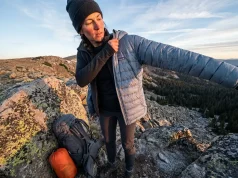
You’re 45 minutes into a steep switchback climb, core temperature spiking, sweat soaking through your base layer — so you strip your jacket and stuff it in the lid pocket. Twenty minutes later you crest the ridge. The wind hits. The sweat on your back flash-chills and you’re shaking before you can dig the jacket back out. That’s not a gear failure in the usual sense. That’s physics, and your old puffy can’t solve it.
After 7 days of cold-weather field testing and more ridge-stop shiver sessions than I’d prefer to count, the answer is clear: active insulation is the only jacket category engineered to handle both the brutal climb and the exposed pause. This guide breaks down the materials, the data, and the specific jackets worth carrying — so you know exactly what you’re buying and why.
⚡ Quick Answer: Active insulation jackets use air-permeable face fabrics and low-fill synthetic insulations to manage moisture during high-output hiking and retain warmth during rest stops — solving the sweat-chill cycle that traditional puffies make worse. The best options for stop-and-go hiking in 2024–2025 are the Arc’teryx Proton Hoody (maximum breathability), Patagonia Nano-Air Light Hybrid (lightest with targeted venting), and Rab Xenair Alpine (best warmth-to-breathability for prolonged cold stops). Match your CFM rating to your typical effort level: Polartec Alpha Direct (100+ CFM) for fast-packing, Teijin Octaloft (40–60 CFM) for mixed terrain, PrimaLoft Gold Active+ (1–10 CFM) for colder, stationary-heavy days.
The Physics of the Pause: Why Your Puffy Fails at Rest
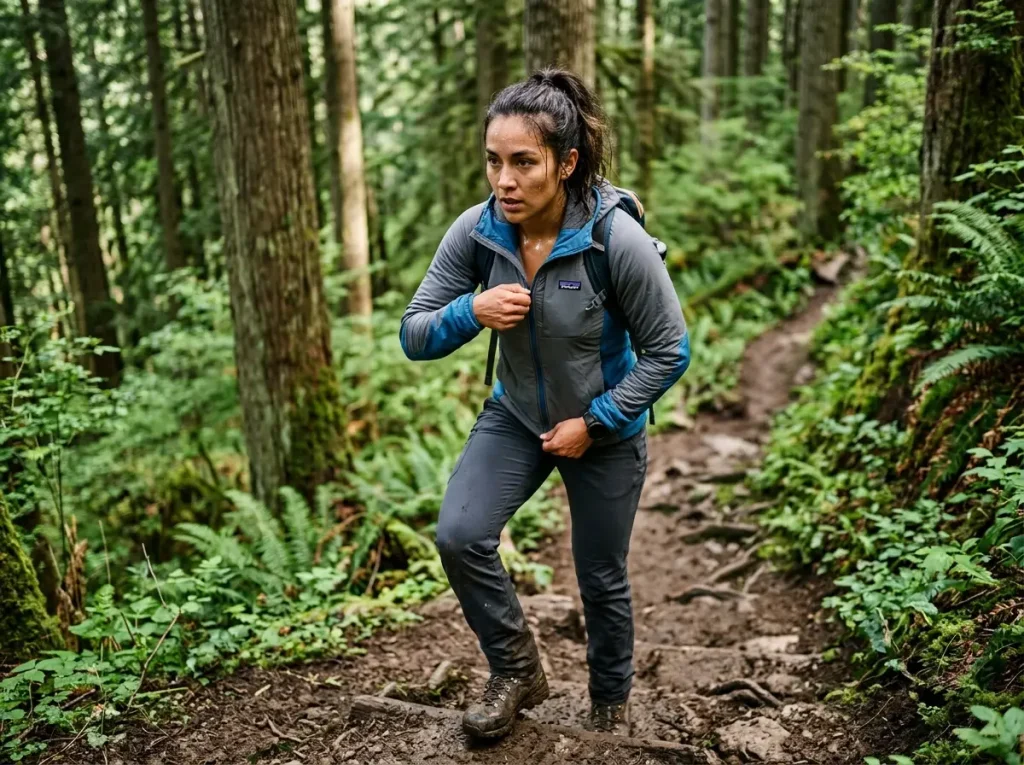
Most hikers figure this out the hard way. They buy an expensive down jacket, wear it on a cold-weather day hike, and spend the entire approach sweating so badly they have to strip it off — then freeze the moment they stop. The jacket isn’t defective. It’s doing exactly what it was built to do. The problem is that it wasn’t designed for what you’re actually doing.
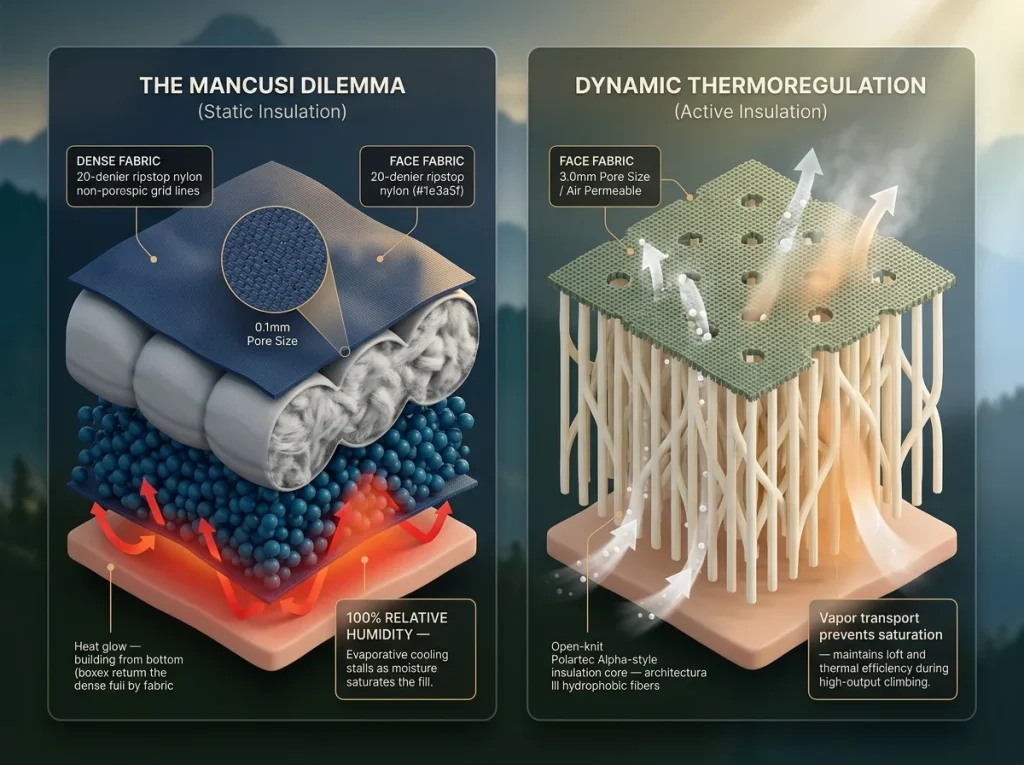
Here’s the mechanism. Dynamic thermoregulation is the body’s job — ramping heat production during climbs, dumping heat during rest. During sustained aerobic effort, metabolic output spikes dramatically. If the clothing system can’t move moisture vapor out fast enough, the air inside the jacket hits 100% relative humidity. Researchers call this the Mancusi Dilemma: once the fill saturates, evaporative cooling stops, heat builds, you strip the jacket — then you’re exposed.
The flash-off effect is what hits you three minutes after you stop. A base layer holding roughly 350 grams of accumulated moisture needs a substantial draw from your body’s own heat reserves to dry — the kind of energy that feels like somebody opened a window inside your chest. That’s the clammy, shaking chill that strikes within minutes of topping out on a ridge. The jacket comes back on, but the insulation is already compromised. A hiker can reach mild hypothermia at 50°F if the clothing system traps sweat against the skin. Water conducts heat roughly 25 times more efficiently than still air, which means saturated fibers build a conductive bridge from skin to environment, bypassing insulation entirely.
The safety consequence is real. Mild hypothermia starts when core temperature drops below 95°F. From there, you’re shivering, stumbling, losing manual dexterity — the “umbles”: stumbling, mumbling, fumbling, grumbling. That’s the failure mode wet clothing drives at moderate temperatures. Managing how vasoconstriction accelerates heat loss during cold stops is the same mechanism at work in frostbite progression — the body is routing blood away from extremities to defend the core.
I’ve topped out on enough exposed ridges in wet synthetics to trust this: the shaking usually starts before you get your pack off to reach the dry layer. The physics doesn’t wait for you to get organized.
The only real solution is a jacket that keeps moisture moving during the climb, so there’s less accumulated in the fill when you stop. That’s what active insulation does structurally.
Pro tip: Start cold. If you’re comfortable standing still at the trailhead, you’re already overdressed. Within 15 minutes, you’ll be sweating, which loads your insulation before you reach the first technical section.
Active vs. Static Insulation: Understanding the Core Difference
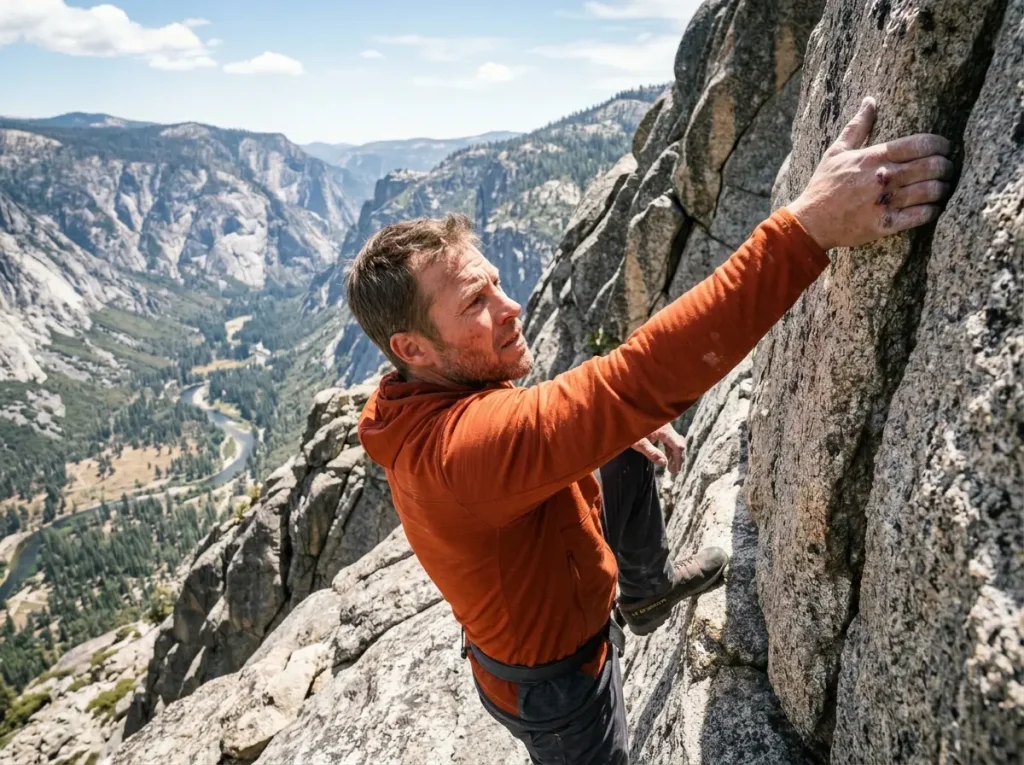
Marketing calls everything “breathable.” The number that actually tells you whether vapor escapes before it becomes sweat is CFM — Cubic Feet per Minute. That’s the volume of air passing through one square foot of fabric per minute.
Traditional puffies — high-loft down or synthetic — sit at a CFM of 0.1 to around 1.0. They’re thermal on/off switches. On the climb, you overheat; at rest, they work. Active insulation operates as a thermostat across a wide activity range: lower fill weights (typically 40–60 gsm), air-permeable face fabrics, fibers engineered to resist moisture absorption and fiber migration.
The second critical metric is MVTR — what MVTR actually measures in outdoor clothing. Moisture Vapor Transmission Rate quantifies how many grams of vapor can pass through a square meter of fabric in 24 hours. For high-output hiking, 20,000 g/m²/24h is the floor. Active insulation systems achieve significantly higher MVTR than hardshells because they lack the monolithic membranes that bottleneck vapor escape.
| Fabric/System Air Permeability Guide | ||
|---|---|---|
| Fabric/System | CFM Rating | Best Use Case |
| Standard Windbreaker | 0.1–5 | Static warmth, wind protection |
| Rab Xenair Alpine | 1–2 | Technical alpine, light wind |
| Arc’teryx Proton LT (liner) | 90 | High-output mid-layer |
| Patagonia Nano-Air | 67 | Moderate output, high comfort |
| Polartec Alpha Direct (naked) | 100+ | Fast-packing, trail running |
The sweet spot for most stop-and-go hiking is 10–40 CFM: breathes on the move, holds enough warmth for moderate rest stops. Alpha Direct at 100+ CFM requires a wind shell as backup whenever any sustained wind is present — it moves air in both directions. Understanding how CFM ratings separate high-output softshells from marketing copy gives you the full comparison framework for every layer in your stack.
Down fails this terrain for a different reason. Natural down clusters collapse when wet. Synthetic polyester fibers don’t absorb water — they maintain 80–90% thermal performance when damp. Active synthetics use hydrophobic treatments on the fiber surface to push moisture toward the face fabric rather than absorbing it into the fill. Long-term, continuous filament insulations like Coreloft Continuous and Climashield Apex outperform staple-fiber constructions in compression durability. PrimaLoft Gold may lose up to 9% of its warmth after 10 wash cycles; Climashield Apex shows near-zero measurable loss in the same timeframe.
The Three Technologies: Alpha, Octa, and PrimaLoft Active+
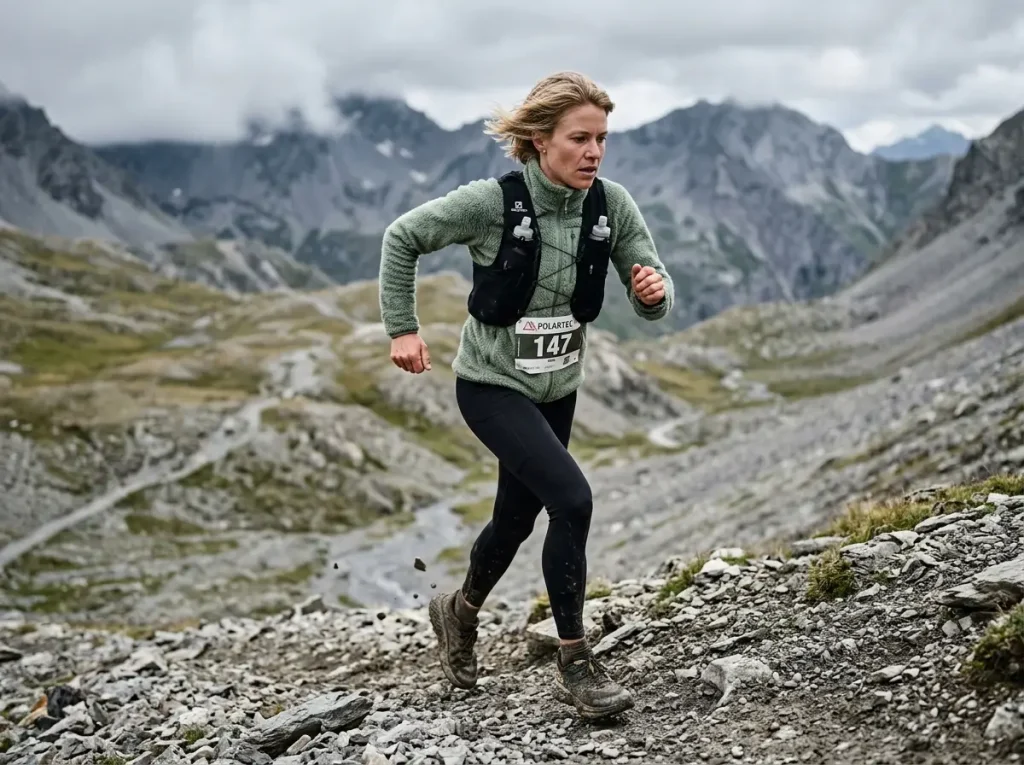
Three fiber systems dominate the market. Each makes a different trade-off between breathability, durability, and warmth-to-weight. Know which platform you’re buying before committing.
Polartec Alpha was developed for U.S. Special Forces — the original brief was eliminating constant layering changes in tactical alpine environments. Its stable open-knit core holds lofted fibers in place, preventing migration-resistant fiber clumping. Alpha Direct removes the liner fabric entirely, placing hydrophobic fibers directly against your base layer for maximum vapor transfer at 100+ CFM. The trade-off is real: never stuff Alpha Direct into a hip belt pocket mid-climb — compression and friction will damage the open-knit structure faster than any other use case.
Teijin Octa and Octaloft work differently. Eight-fin hollow-core yarns increase surface area for moisture transport while reducing weight up to 50% versus solid yarns. In Octaloft constructions — the Arc’teryx Proton series — fibers are bonded to a mesh backing for abrasion resistance. The added weight from the mesh backing is minor, but the durability gain is meaningful for hikers logging 100+ days per year. CFM range of 40–60 makes Octaloft the most versatile platform for hikers alternating between moderate scrambling and extended rest stops.
PrimaLoft Gold Active+ is a siliconized sheet wadding with 4-way mechanical stretch, designed to pair with more durable, wind-resistant face fabrics. At 1–10 CFM, it’s best suited for colder conditions with prolonged rest stops — not sustained aerobic output. PrimaLoft Evolve, used in Sitka Ambient gear, uses recycled polyester fibers of varying deniers and lengths to mimic animal fur: high surface area for wicking with significant loft under a shell. The cardiovascular load imposed by repeated vasoconstriction cycles explains why choosing the wrong CFM range for your effort level isn’t just uncomfortable — it adds physiological cost across a full day in the field.
| Performance Fabric Technology Comparison | |||
|---|---|---|---|
| Technology | Breathability | Durability | Best For |
| Polartec Alpha Direct | 100+ CFM | Low (delicate) | Fast-packing, trail running |
| Teijin Octa / Octaloft | 40–60 CFM | Moderate–High | Mixed terrain, technical hiking |
| PrimaLoft Gold Active+ | 1–10 CFM | High | Cold conditions, prolonged rest |
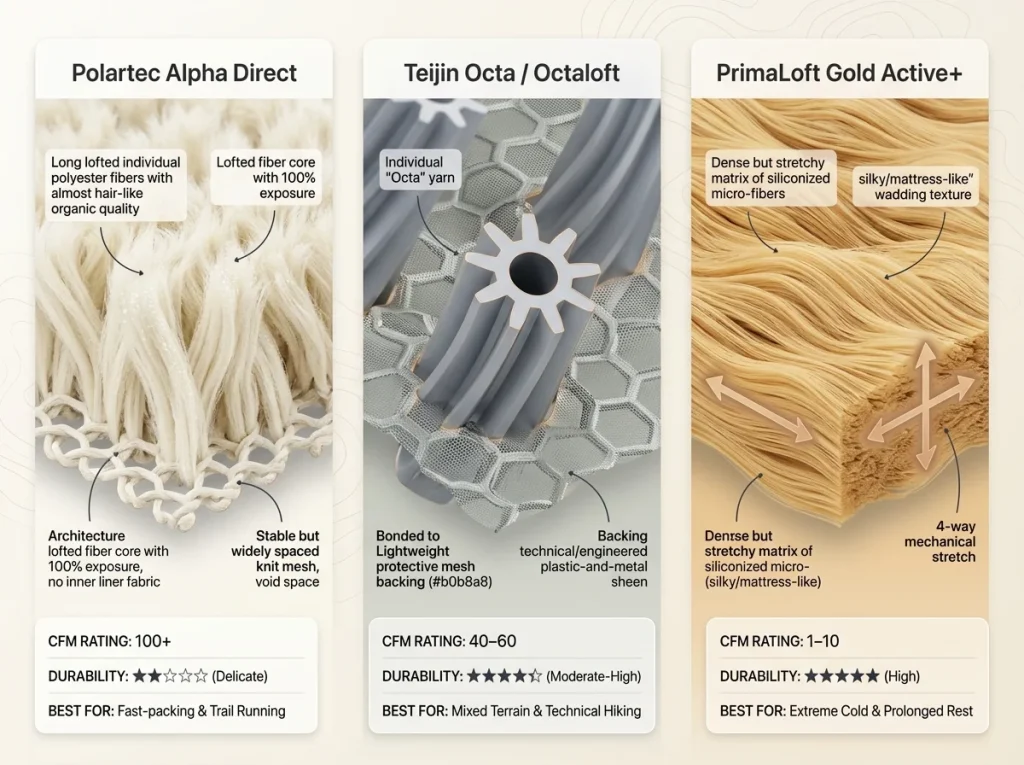
For building a complete shoulder-season layering system around active insulation, knowing which technology sits at the core of your midlayer determines every other decision in the stack.
Field-Tested Jackets: Performance Benchmarks for Stop-and-Go
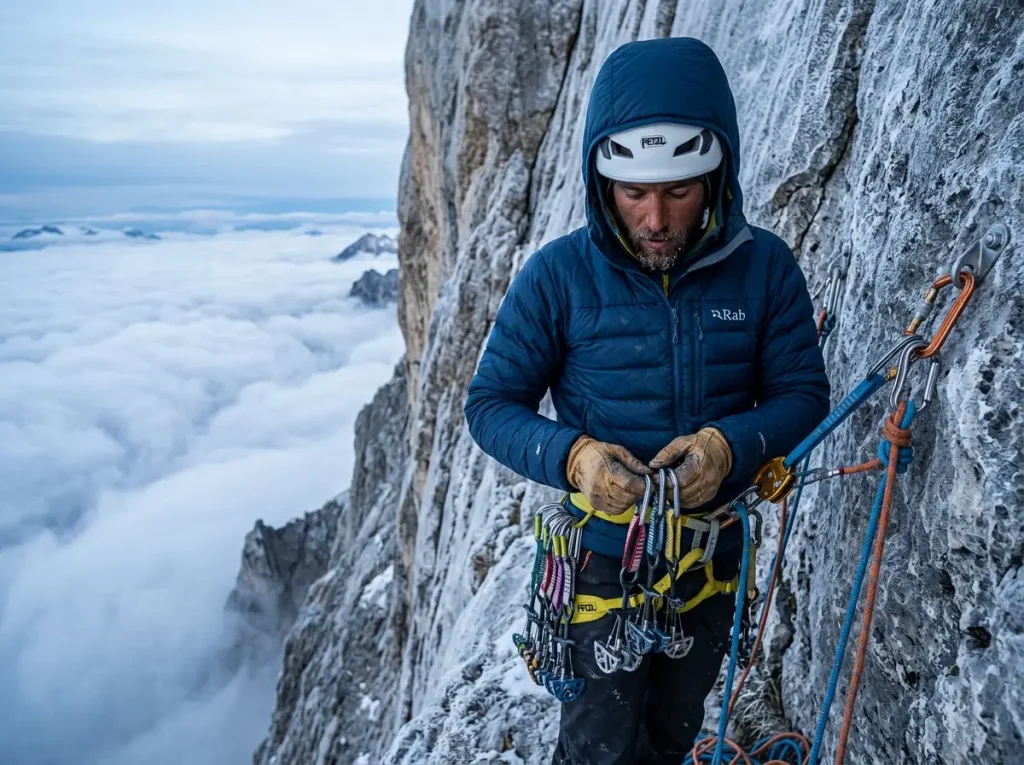
Five models represent the current state of the market. These aren’t spec-sheet comparisons — they’re drawn from 7-day cold-weather field testing across different effort profiles.
| Jacket Performance Comparison | |||
|---|---|---|---|
| Jacket | Warmth (1–10) | Breathability (1–10) | Weight |
| Patagonia Nano-Air | 7.0 | 8.5 | 14.1 oz |
| Nano-Air Light Hybrid | 5.5 | 9.0 | 8.1 oz |
| Arc’teryx Atom Hoody | 7.0 | 8.5 | 12.5 oz |
| Rab Xenair Alpine | 8.0 | 7.0 | 19.5 oz |
| Patagonia Micro Puff | 8.5 | 4.0 | 10.5 oz |
The jackets that held up in field testing weren’t always the most breathable — they were the ones that didn’t fail wet. That’s the distinction that matters on a 10-hour day with variable effort and four ridge crossings.
Rab Xenair Alpine is the technical alpine benchmark. Dual-weight PrimaLoft Gold Active+ — 133 gsm in the core, 100 gsm in the arms — provides body-mapped thermal regulation. The 20D Pertex Quantum Air face fabric sits at roughly 2 CFM: solid wind buffering with enough vapor escape for moderate exertion. At 19.5 oz, it’s the heaviest option here, but it returns the most warmth for prolonged cold rest stops. The lighter Xenair Alpine Light variant drops to 60 gsm fill at 310g — better for high-output fast hikers who need summit warmth without carrying deadweight on the approach.
Arc’teryx Proton Hoody is the high-output specialist. Fortius Air face fabric is among the most porous available in an insulated jacket — built for use during sustained aerobic effort. Octaloft insulation provides the durability that Alpha Direct lacks while maintaining 40–60 CFM air permeability. Compare this to the Atom Hoody (Coreloft Compact 60 + stretch fleece side panels), which is the all-rounder but draws consistent criticism from high-output athletes for insufficient breathability during sustained climbing. Know which one you are before you buy.
Patagonia Nano-Air and Nano-Air Light Hybrid lead on stretch and breathability. FullRange insulation handles 4-way stretch paired with an air-permeable shell — field-test breathability at 8.5/10. The Nano-Air Light Hybrid targets serious output: non-insulated, high-wicking panels in the underarms and back dump heat during heavy movement. At 8.1 oz, it’s the lightest genuine active insulation in this group.
Pro tip: The Nano-Air Light Hybrid pairs exceptionally well with a fishnet base layer. The combined system manages moisture during Class 3 scrambles better than most single-material jackets — the fishnet handles skin-surface moisture while the Hybrid dumps heat through its venting panels.
Black Diamond First Light Hybrid targets the backpack-sweat failure mode that most jacket reviews never test. PrimaLoft Gold Active insulation in chest, hood, and arms (wind-exposed zones) — Merino wool blend fabric across back and underarms. A traditional insulated jacket under a loaded pack saturates the back panel and cools rapidly at rest. The First Light’s hybrid mapping addresses the back-panel thermal differential directly. Before locking in any of these, do winter hike gear planning before you commit to a jacket — jacket selection is one decision inside a full gear system, not an isolated choice.
Building the System: Layering Active Insulation Correctly
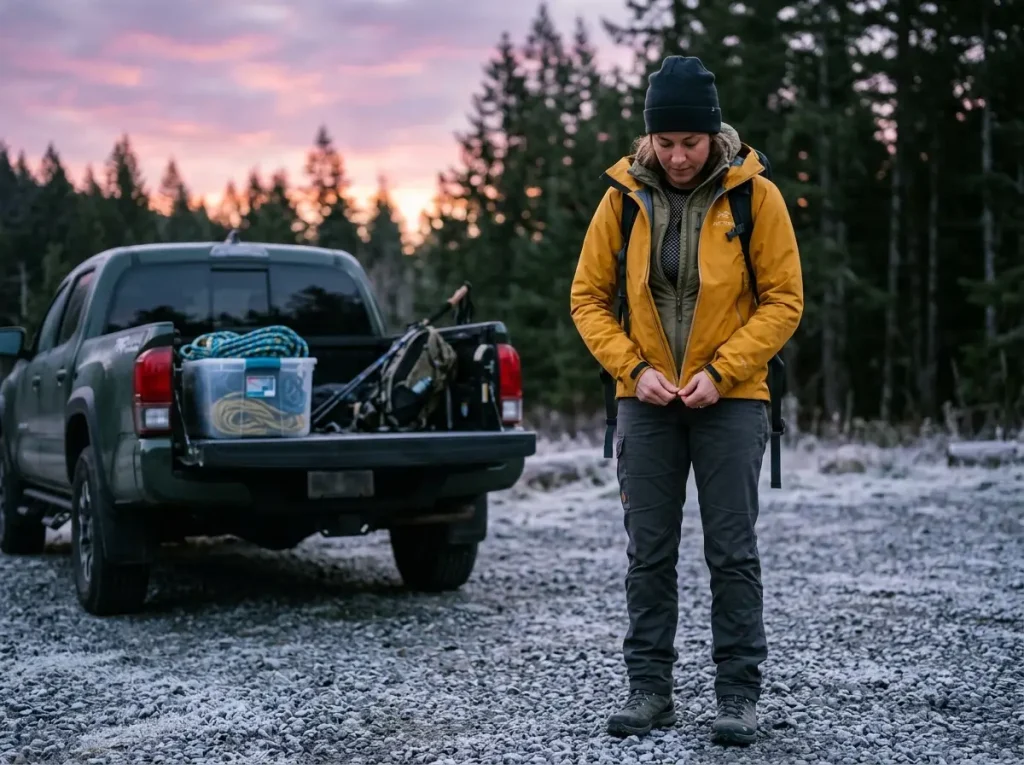
The best active insulation jacket underperforms inside a poorly integrated layer stack. This isn’t theoretical — I’ve watched hikers in premium Proton Hoodys arrive at summits drenched because they layered wrong under a low-MVTR shell.
The fishnet base layer is the piece most hikers skip. Brands like Brynje (Norwegian military heritage) and Finetrack (Japanese technical) produce fishnet layers specifically designed as moisture management platforms. The large pore voids create pockets of still air for insulation during rest while achieving near-100% vapor transport during exertion. This prevents the base layer from wetting out and adhering to skin — the primary cause of the flash-off effect. Layer fishnet directly against skin, then active insulation directly over it. No wicking T-shirt between them. Adding a conventional mid-base layer collapses the system’s moisture vapor transmission advantage.
Shell pairing determines the system’s ceiling. The breathability of the entire stack is limited by the lowest-CFM layer. A Gore-Tex hardshell over a 100 CFM Alpha Direct jacket reduces the system to the hardshell’s rate — which may cause moisture accumulation during sustained Class 3+ climbing. Solutions: use GORE-TEX Pro as your shell, or select a soft shell or wind jacket when precipitation is unlikely. The USDA Forest Service hypothermia prevention protocol is clear that wet clothing in moderate cold is the primary catalyst — not temperature alone. Maintaining DWR performance on your shell layer is what keeps the outer layer doing its job.
The “start cold” protocol is non-negotiable. If you’re comfortable at the trailhead, you’re overdressed. Ten to fifteen minutes into the approach, you’ll be overheating, which loads the insulation before you reach technical terrain. The goal is to be slightly cold during the first 10–15 minutes and comfortable — not warm — during peak effort. Key ergonomics: helmet-compatible hood to prevent wind entry at the collar, elasticized cuffs to push sleeves up and dump heat fast, two-way zippers for ventilation with a harness or hip belt, and handwarmer pockets placed high enough to stay accessible under hipbelt load.
The “start cold” protocol sounds obvious until you’re standing at the trailhead in 38°F air debating whether to add a layer. Every time I’ve caved and added the layer, I’ve regretted it by the first switchback. Every time I’ve committed to the cold start, the system has worked.
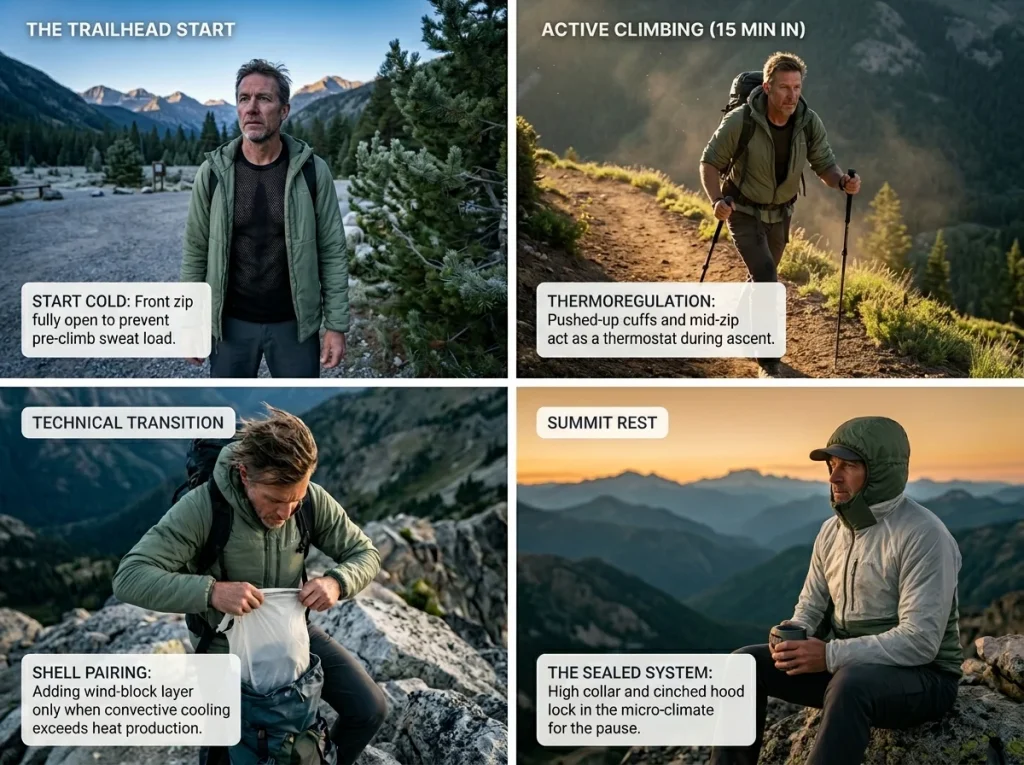
Pro tip: Test your layering system on a lower-stakes day hike before committing to remote terrain. Check your base layer 20 minutes into the approach. If it’s wet, your current system is failing before you even reach technical ground. That’s the data point.
Long-Term Care: Making Your Active Insulation Last
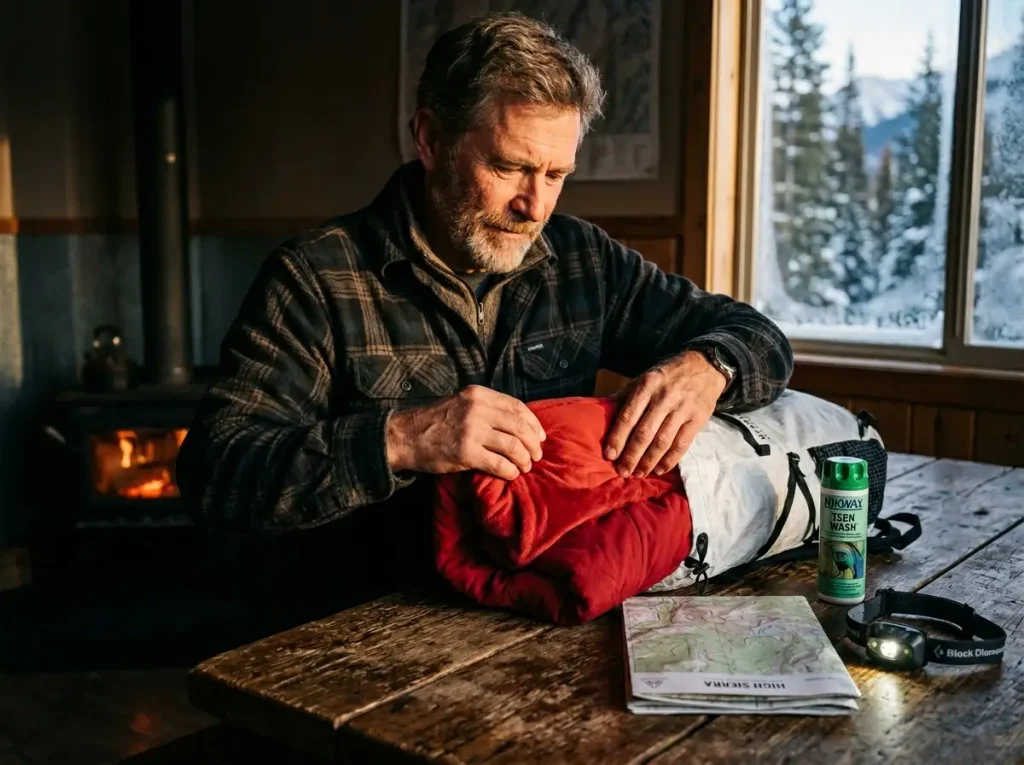
The jacket that performs on day one is easy to find. The jacket that still performs on day 200 requires knowing how synthetics fail — and most reviews stop at out-of-box performance.
Synthetic fibers “clap out” — they fracture after repeated compression cycles. This is the primary long-term failure mode. Continuous filament insulations (Coreloft Continuous, Climashield Apex) outperform staple-fiber insulations here. Research on thermal degradation in synthetic insulation after repeated washing confirms: PrimaLoft Gold loses roughly 9% of its warmth after 10 wash-dry cycles, while Climashield Apex shows near-zero measurable loss in the same timeframe. Anecdotal evidence from long-distance hikers — the people logging 100+ days a year — suggests some active layers lose significant loft volume within two years of heavy use. The failure starts at the back panel, where pack contact creates the most compression cycles.
Laundering matters more than most people realize. Cold or lukewarm water only — heat can melt or shrink synthetic fibers. Technical wash only (Nikwax Tech Wash is standard) — regular detergent strips DWR from the face fabric. Tumble dry on low heat — the brief heat cycle is necessary to reactivate DWR. Wash only when visibly soiled or when DWR shows wet-out; over-washing accelerates fiber fracturing. Use the PFAS-free DWR reactivation schedule for synthetic shells to keep the outer and mid layers working together.
Test DWR by pouring water on the face fabric. Beads and rolls off — DWR is active. Soaks in — run a low-heat dryer cycle before washing. That distinction saves you unnecessary wash cycles.
Storage is where most synthetic insulation dies slowly and invisibly. Never store compressed in a stuff sack. Always hang loosely or store in a mesh bag draped flat. Pack compression during day hikes is unavoidable — minimize contact time and shake loft back into the jacket after each trip. Alpha Direct’s open-knit core is particularly vulnerable to repeated pack-point compression at the back and shoulders.
Pro tip: The back panel of any active insulation jacket used under a loaded pack sees 3–5 times more compression cycles than any other panel. That’s where loft failure starts first. Check that section first when evaluating a used or aging jacket.
Conclusion
Three things to take from this:
The problem is physics, not preference. The flash-off effect and Mancusi Dilemma are thermodynamic realities. No layering adjustment fixes them — only an air-permeable, moisture-managing active insulation jacket addresses the root cause.
Match the CFM to your effort. Alpha Direct (100+ CFM) for fast-packing and technical climbing days. Octaloft (40–60 CFM) for mixed terrain. PrimaLoft Gold Active+ (1–10 CFM) for colder, more stationary conditions. There is no single right jacket — there is the right jacket for your terrain.
A great jacket fails inside a bad system. Fishnet base layer, correct shell pairing, and the “start cold” protocol aren’t optional. They determine whether the jacket actually works.
On your next cold-weather day, check your base layer 20 minutes into the approach. If it’s wet, your system is already failing before you reach technical ground. That’s the test. Run it before it matters.
FAQ
Is active insulation better than down for hiking?
For stop-and-go hiking where you sweat during climbs and rest at summits, active insulation outperforms down in wet conditions. Down collapses when wet and loses most of its thermal value. Active synthetics maintain 80–90% performance when damp. For purely static use in dry cold, high-fill-power down still provides better warmth-to-weight. But that is not the scenario you are planning for if you are on this page.
Can you wear active insulation as a standalone jacket in cold weather?
Yes, in mild-to-moderate cold above roughly 30°F with low wind. At higher CFM ratings — Polartec Alpha Direct, Patagonia Nano-Air — these jackets work as outer layers during aerobic activity. Once wind exceeds 15–20 mph or temperatures drop significantly, you need a wind shell or hardshell over the active insulation. Convective heat loss strips your warm microclimate fast without that outer layer.
How does Polartec Alpha Direct work differently from standard synthetic insulation?
Standard synthetic insulation uses densely packed staple fibers with a liner to hold them in place. Alpha Direct uses a stable open-knit structure that holds lofted fibers without a liner — the fuzzy, hydrophobic surface sits directly against your base layer. That open-weave fabric architecture gives it 100+ CFM air permeability versus less than 5 CFM for windproof synthetics. Moisture vapor escapes almost instantly instead of condensing into sweat inside the jacket.
Do I need a hardshell over active insulation in the rain?
For sustained rain, yes. Active insulation’s air permeability works in both directions — liquid water will eventually penetrate the face fabric in heavy precipitation. DWR coating delays this, but a packable hardshell or waterproof wind jacket added over active insulation gives you a complete wet-weather system without sacrificing breathability the way a single hardshell would.
What is the best active insulation jacket for high-output hiking in winter?
For maximum breathability during sustained aerobic effort, the Arc’teryx Proton Hoody (Octaloft + Fortius Air face) and Patagonia Nano-Air Light Hybrid lead at 9.0/10 breathability. If you need more warmth for prolonged cold rest stops without losing all breathability, the Rab Xenair Alpine (PrimaLoft Gold Active+, ~2 CFM, 8.0/10 warmth) is the best single-jacket solution for technical alpine terrain.
Risk Disclaimer: Hiking, trekking, backpacking, and all related outdoor activities involve inherent
risks which may result in serious injury, illness, or death. The information provided on The Hiking Tribe is for
educational and informational purposes only. While we strive for accuracy, information on trails, gear, techniques,
and safety is not a substitute for your own best judgment and thorough preparation. Trail conditions, weather, and
other environmental factors change rapidly and may differ from what is described on this site. Always check with
official sources like park services for the most current alerts and conditions. Never undertake a hike beyond your
abilities and always be prepared for the unexpected. By using this website, you agree that you are solely
responsible for your own safety. Any reliance you place on our content is strictly at your own risk, and you assume
all liability for your actions and decisions in the outdoors. The Hiking Tribe and its authors will not be held
liable for any injury, damage, or loss sustained in connection with the use of the information herein.
Affiliate Disclosure: We are a participant in the Amazon Services LLC Associates Program, an
affiliate advertising program designed to provide a means for us to earn advertising fees by advertising and linking
to Amazon.com. As an Amazon Associate, we earn from qualifying purchases. We are also an official affiliate partner
of Black Diamond Equipment via the AvantLink network. If you click on a Black Diamond affiliate link and make a
purchase, we may earn a commission at no additional cost to you. We also participate in other affiliate programs and
may receive a commission on products purchased through our links. Additional terms are found in the terms of
service.