The Modular Hiking Gear Repair Kits Guide: DIY & Ultralight
Don't trust generic patches. They peel off Silpoly. Use this hiking gear repair kits guide to fix the Adhesion Paradox & choose valid tools [Safe DIY].
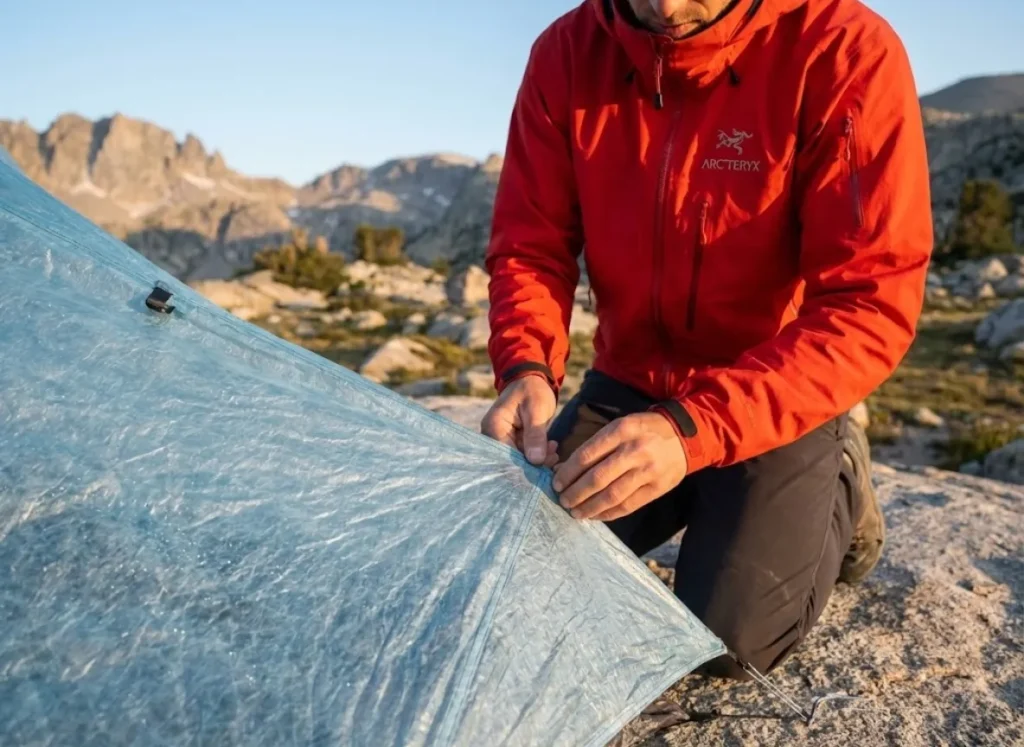
A snapped tent pole at 11,000 feet doesn’t care about your base weight. The wind shreds a silicone-impregnated rainfly, and standard duct tape slides off the fabric like water on oil. In these moments, the difference between a manageable gear mishap and a survival scenario is not the volume of equipment you carry, but the chemical compatibility of the tools in your pack.
I have spent decades leading groups through the Cascades and the Rockies, and I have seen “universal” field repair kits fail repeatedly when needed most. Modern outdoor gear has evolved into a complex matrix of Dyneema, Silpoly, and Polyurethane. Relying on a generic accessory kit is a structural liability. Effective backpacking gear maintenance is a matter of chemical compatibility and mechanical physics, not luck. You do not buy a reliable repair kit; you build a modular gear insurance system tailored to your specific fabric physics and risk tolerance.
How to Choose the Right Repair System
Before we look at tools, we must understand the materials they interact with. A mismatch here guarantees equipment failures in the field.
Why Substrate Compatibility Dictates Success?
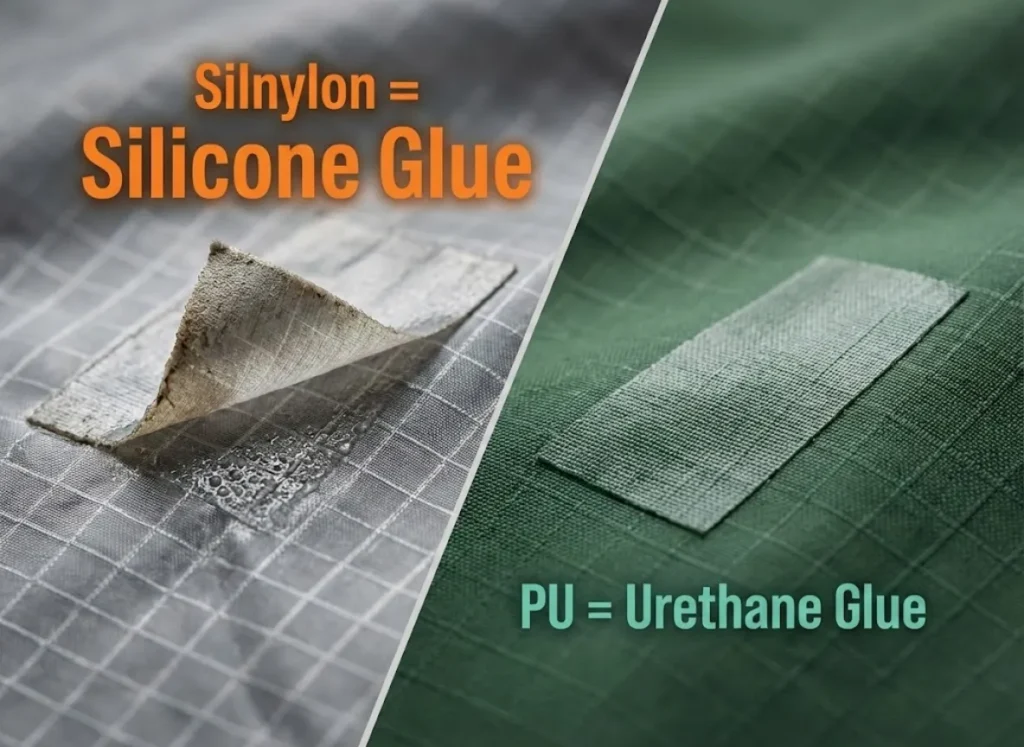
The most common failure I witness on the trail is the “Adhesion Paradox.” Hikers attempt to patch a high-end ultralight tent with standard repair tape, only to watch it peel off immediately. This happens because most ultralight backpacks and shelters use Silnylon or Silpoly—fabrics impregnated with silicone. Standard pressure-sensitive adhesives (PSA) cannot bond to silicone; you need a silicone-based adhesive to create a bond.
Conversely, traditional Polyurethane (PU) coated fabrics, used in most standard tents and pack floors, reject silicone adhesives. Temperature also plays a critical role. Many pressure-sensitive adhesives rely on “wetting out” to grip the fabric surface. In freezing conditions, the adhesive hardens and fails to wet out, rendering the repair patch useless unless heated. Furthermore, understanding the structural differences between Silnylon and Dyneema allows you to select a patch that matches the stretch characteristics of your gear, preventing shear stress from ripping the repair apart under tension.
Why Mechanical Torque Matters (The “Stupid Light” Test)
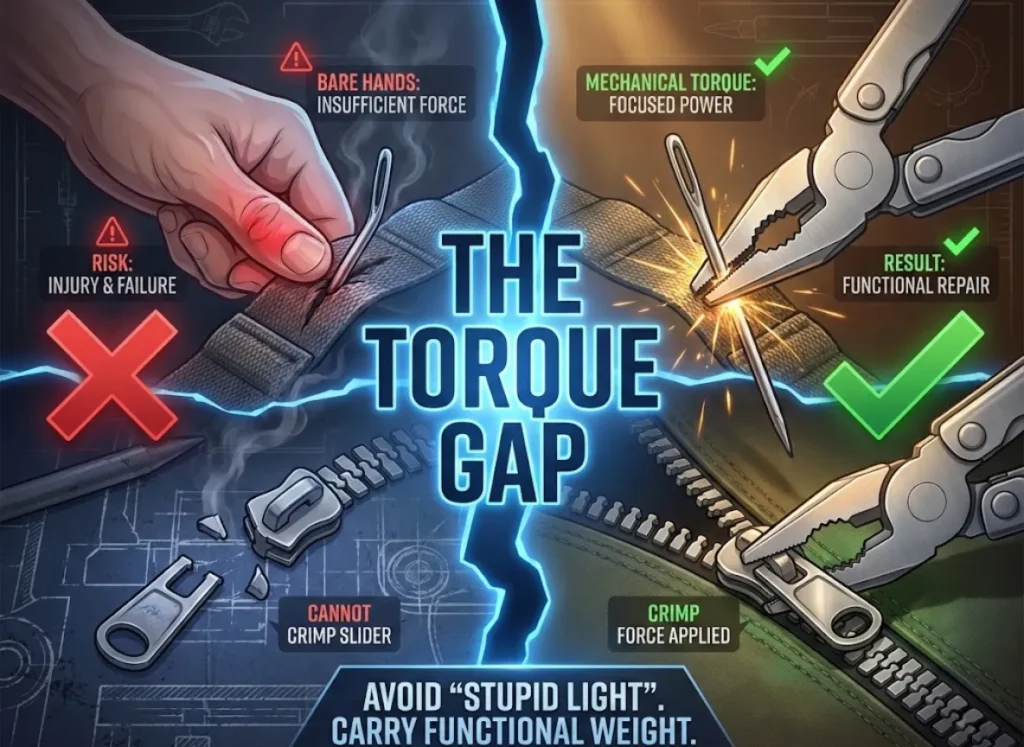
There is a dangerous trend in the ultralight community I call “Stupid Light”—cutting weight to the point where mechanical function is compromised. A razor blade can cut cheese, but it cannot generate the zipper-crimping force to fix a crushed slider. When a zipper separates, the slider has usually widened; fixing it requires the focused torque of pliers to crimp the metal back into tolerance.
Needles present a similar physics problem. Driving a needle and thread through a thick webbing strap or the leather of a shoe requires significant force. Without pliers or a thimble, you risk driving the needle into your own thumb, turning a gear failure into a medical evacuation. Understanding these mechanical constraints allows us to filter out “gimmick” tools and focus on functional weight. This principle is identical to the mechanics required for performing field repairs on trekking poles, where pliers are often necessary to extract seized locking mechanisms or apply a tent pole sleeve or ferrule.
Our Selection Process: How We Built This Guide
We reject the “one-patch-fits-all” marketing narrative. Our recommendations are based on chemical compatibility and field utility, not brand prevalence.
Commitment to Objectivity: We analyze the chemical data sheets of adhesives and the steel composition of tools.
The Chemical Integrity Audit: We evaluated the shelf-life of adhesives to ensure your glue hasn’t expired before you leave the trailhead.
The Evaluation Framework: Every tool was judged against the “Stupid Light” risk assessment. We asked: Does the item weight saving compromise essential mechanical function?
Selection Methodology: We analyzed expert field reports from industry leaders like Kristin Hostetter, Andrew Skurka, and Mike Clelland, combined with granular sentiment analysis of long-term durability reports from PCT thru-hike and Appalachian Trail communities.
Affiliate Note: We may earn a commission if you purchase through our links, but this never influences our safety-critical recommendations.
The Best Hiking Gear Repair Tools of 2026: Our Top Recommendations for Every Need
Our Top Picks for The Ultralight Thru-Hiker (“The Gram-Counter”)
This kit functions as a survival day hike kit or a minimalist loadout for long trails. It prioritizes easy-to-carry repair supplies like safety pins and zip ties over heavy hardware.
Leatherman Micra
$$$$
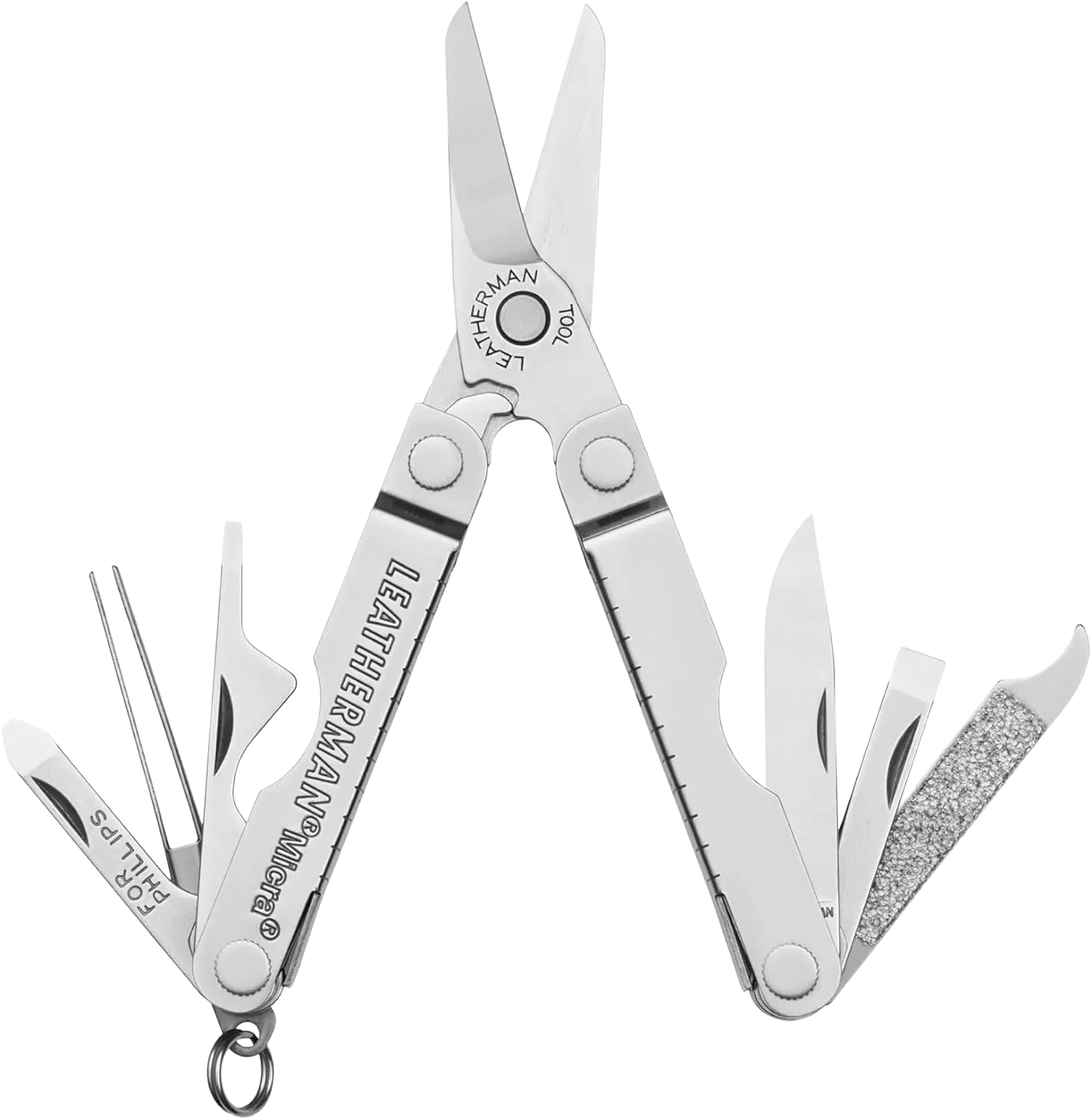
The Leatherman Micra remains the reigning champion for ultralight maintenance, specifically because it prioritizes hygiene and fabric repair over heavy mechanical torque. Its defining feature is the spring-action scissors, which are robust enough to cut through tough repair tape and trim medical dressings with precision—a task where knife blades often struggle. While the 420HC steel is adequate for trail tasks, the tool’s major limitation is the lack of pliers. This makes it a fabric and hygiene tool, not a hardware repair tool; if your zipper slider fails or you need to bend a pot support, the Micra will leave you improvising with rocks.
Overall
Weight Efficiency
Repair Utility
Durability
Blade Steel Quality
Precision
Weight1.8 oz (51g)
Steel420HC Stainless
Primary ToolSpring-action Scissors
Dimensions2.5 in (Closed)
You Should Buy This If…
You are an ultralight hiker counting every gram (sub-10lb base weight).
Your primary repair concerns are fabric tears and hygiene.
You are comfortable improvising without pliers.
You Should Reconsider If…
You need to repair zipper sliders or heavy hardware.
You are leading a group and need a full-service toolkit.
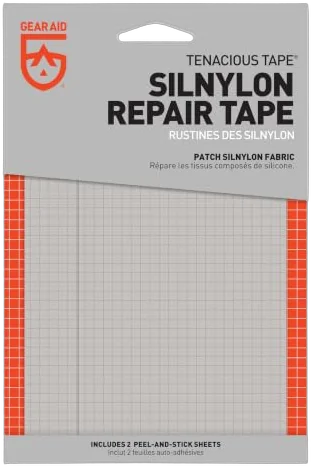
These patches are the only viable answer to ‘The Adhesion Paradox’ for modern ultralight shelters. Unlike standard duct tape or vinyl patches which slide off silicone-treated fabrics like water, these utilize a silicone-based adhesive that bonds permanently to Silnylon and Silpoly. They are mandatory insurance for owners of Durston, Tarptent, or Zpacks gear. The application is a simple peel-and-stick process that withstands rain and tension immediately. However, be aware that this specificity is a double-edged sword: these patches adhere poorly to standard PU-coated tent floors or backpacks, making them a specialized tool rather than a universal fix.
Overall
Adhesion to Silnylon
Adhesion to PU
Ease of Application
Weather Resistance
Value
Adhesive TypeSilicone-based
FormatPre-cut patches
CompatibilitySilnylon, Silpoly
CuringInstant (Pressure Sensitive)
You Should Buy This If…
You own a silnylon tent or tarp (e.g., Durston, Tarptent).
You need a waterproof, peel-and-stick field repair.
You want a washable, permanent patch.
You Should Reconsider If…
Your gear is standard PU-coated nylon (use standard tape).
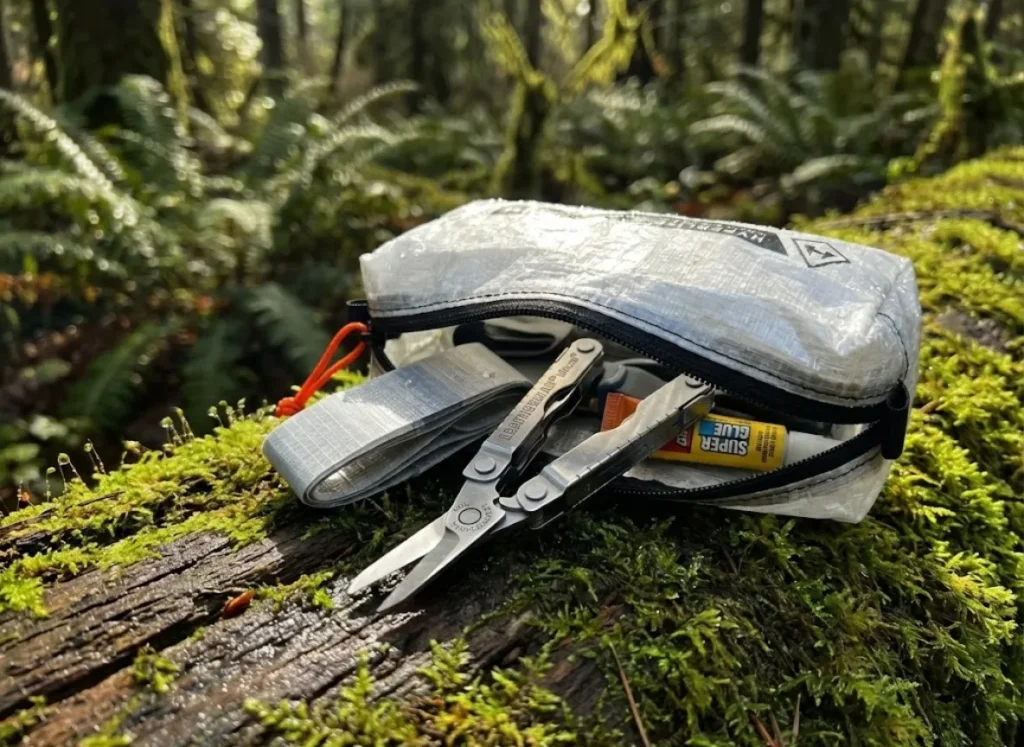
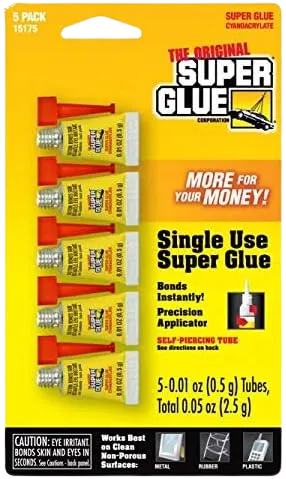
The ‘Shelf-Life Economy’ dictates that large tubes of glue are a waste of money for hikers; they cure in the nozzle after one use. These single-use mini tubes solve that problem, providing a fresh, hermetically sealed supply of cyanoacrylate for every trip. They offer an instant, high-strength bond perfect for delaminating shoe soles, cracked sunglass frames, or emergency wound closure. However, user discretion is advised: cyanoacrylate cures into a brittle solid. It should never be used on flexible fabrics like tent walls or rain jackets, as the hardened glue will crack and eventually tear the surrounding material.
Overall
Versatility
Shelf Life (Unopened)
Bond Strength
Weight Efficiency
Ease of Use
Volume0.1 oz per tube
ChemistryCyanoacrylate
FormatLiquid or Gel
Cure TimeInstant (<1 minute)
You Should Buy This If…
You need a lightweight solution for shoe sole separation.
You want a backup for medical wound closure (blisters/cuts).
You are tired of large glue tubes drying out after one use.
You Should Reconsider If…
You need to repair flexible fabrics (it creates a brittle bond).
Pro-Tip: Wrap a few feet of high-tensile dental floss around the body of your mini super glue tube. It weighs nothing, and the floss combined with the glue creates a composite repair stronger than the original material for shoe blowouts.
Our Top Picks for The Weekend Warrior (“The Recreationist”)
While many hikers utilize a Nalgene tape wrap (wrapping Gorilla tape around a water bottle) for temporary repairs, a dedicated tool is needed for cutting nylon cord or shock cord.
Roxon KS2E Elite
$$$$
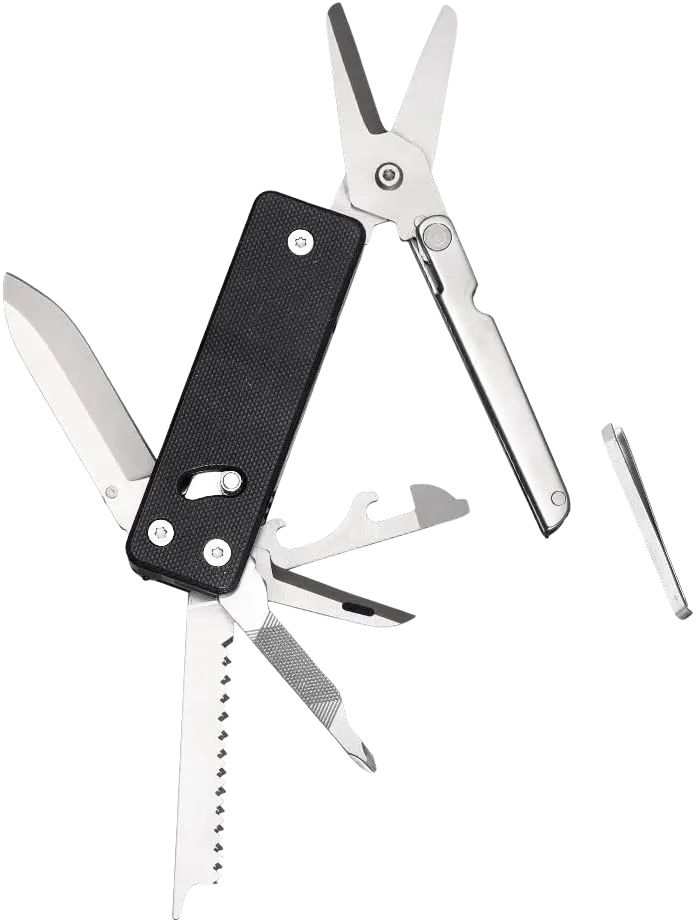
The Roxon KS2E Elite effectively disrupts the multitool market by solving the ‘Scissors vs. Pliers’ dilemma. It integrates full-size scissors—critical for cutting repair tape and cordage—with functional pliers in a chassis weighing only 4.4 oz. The upgrade to D2 steel provides edge retention far superior to generic soft stainless, making it a reliable cutter for long trips. However, the tool is not without faults; the fit and finish can feel ‘plasticky’ compared to a Leatherman, and the pivot points often arrive stiff, requiring a break-in period before they flick open smoothly.
Overall
Weight Efficiency
Repair Utility
Durability
Value
Ergonomics
Weight4.4 oz (125g)
SteelD2 (Knife), DIN 1.4116 (Tools)
Key ToolsFull-size Scissors, Saw, Awl, Bit Driver
Dimensions3.42″ (Closed)
You Should Buy This If…
You want one tool that handles both tape cutting and zipper mechanics.
You appreciate better blade steel (D2) than standard multitools.
You find the Leatherman Wave too heavy but the Micra too limited.
You Should Reconsider If…
You need bombproof, generational durability (QC concerns exist).
You operate primarily in salt water environments (D2 can rust).
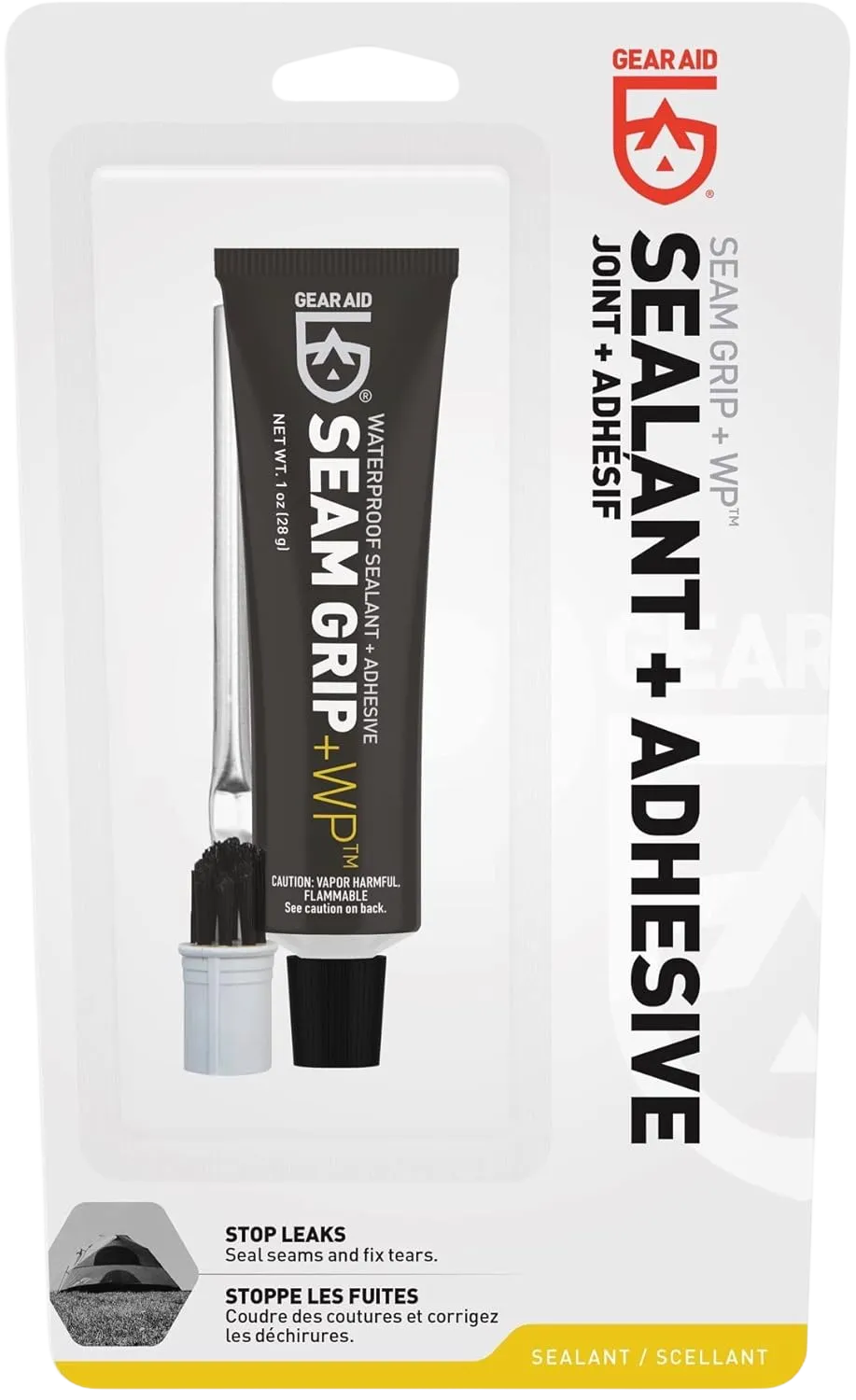
Seam Grip WP is the ‘Base Camp’ standard for permanent structural repair. As a thermoset urethane, it cross-links with PU-coated fabrics, leather, and rubber to create a waterproof bond that is virtually indestructible and highly abrasion-resistant. It is the only chemical that will permanently re-attach a hiking boot sole or seal a leaking tent floor seam. The significant drawback is the cure time; it requires 8-12 hours to set. This makes it a poor choice for emergency rainstorm repairs where you cannot keep the gear dry and stationary overnight.
Overall
Bond Strength
Durability
Versatility
Field Speed
Shelf Life (Opened)
ChemistryThermoset Urethane
Cure Time8-12 Hours (Moisture Cure)
ApplicationPU Fabrics, Leather, Rubber
FinishClear, Flexible rubber
You Should Buy This If…
You need a permanent repair for boots or sleeping pads.
You have time to let a repair cure overnight.
You want to waterproof seams on a PU tent.
You Should Reconsider If…
You need an instant repair in the rain (requires dry time).
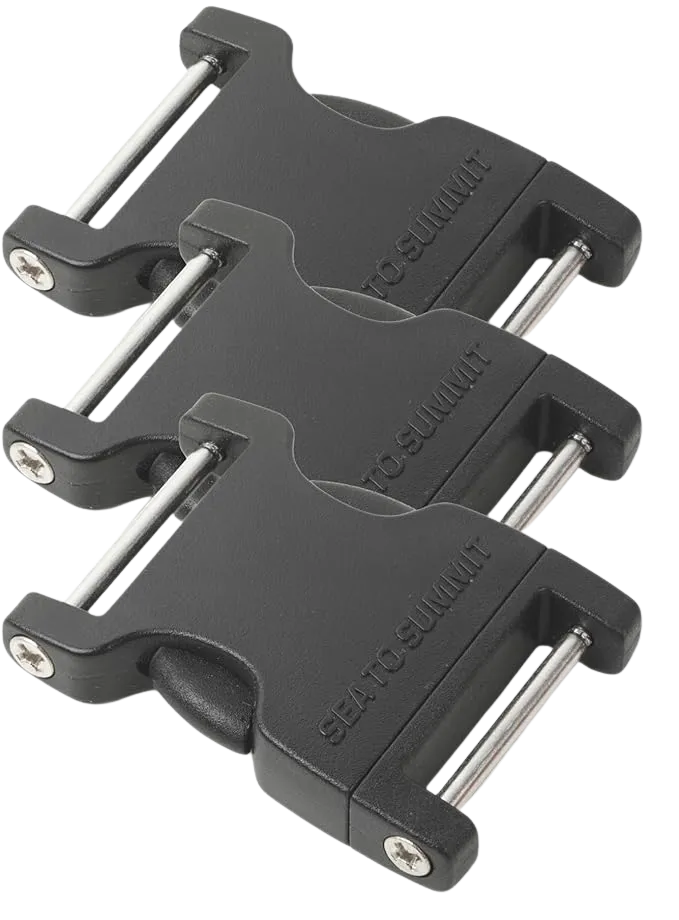
A shattered hip-belt buckle can end a trip by forcing you to carry 40 pounds entirely on your shoulders. The Sea to Summit Field Repair Buckle solves this instantly with a stainless steel screw-in pin that bypasses the need for sewing. You simply slide the pin through the existing webbing loop and screw it tight, restoring full load-bearing function in minutes. While it is a brilliant piece of engineering, it does require a screwdriver (or a multitool with a driver) to install. If you are an ultralight purist carrying only a razor blade, you won’t be able to tighten the pin.
Overall
Ease of Installation
Durability
Weight
Value
Universality
MaterialPlastic body, Stainless steel pin
Sizes15mm, 20mm, 25mm, 38mm, 50mm
InstallationNo-sew (Screw closure)
TypesSide release, Ladder lock
You Should Buy This If…
You want a fail-safe for backpack buckle failure.
You do not know how to sew through thick webbing in the field.
You carry a multitool with a screwdriver (required for install).
You Should Reconsider If…
You don’t know the specific webbing width of your pack.
You are Ultralight and would simply tie a knot instead.
Our Top Picks for The Expedition Guide (“The Professional”)
This heavy-duty expedition kit adheres to the “Chouinard/Patagonia expedition repair” philosophy: total self-sufficiency. It includes spare parts like slik clips, ladder locks, desiccant packs (to keep glue fresh), and O-rings for MSR stoves.
Leatherman Wave+
$$$$
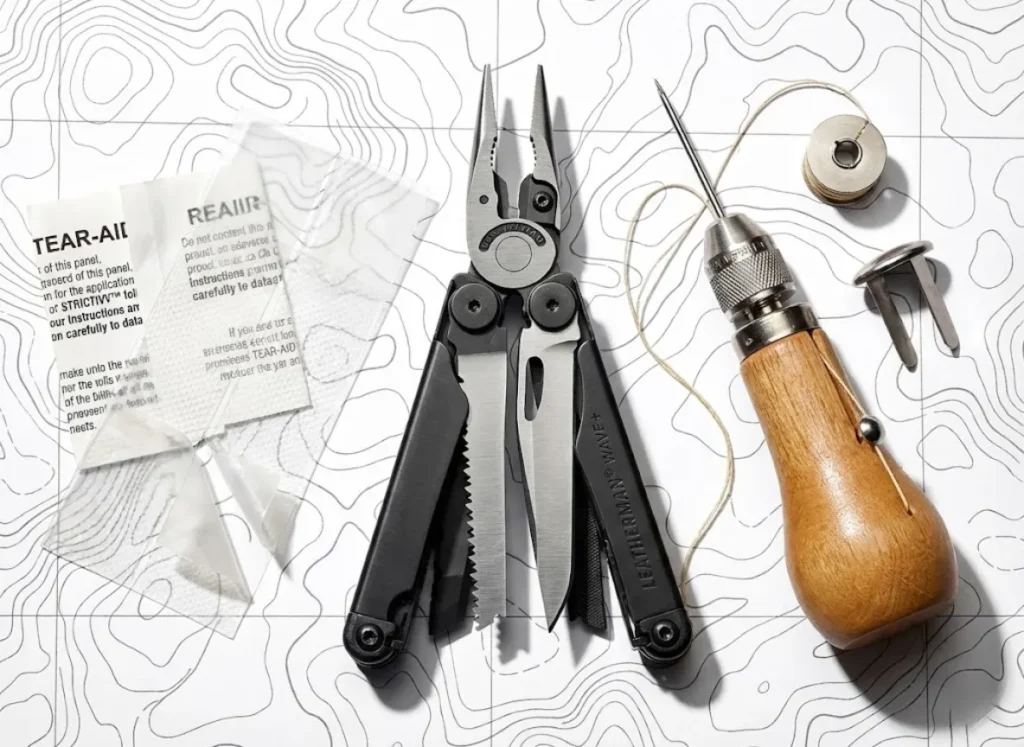
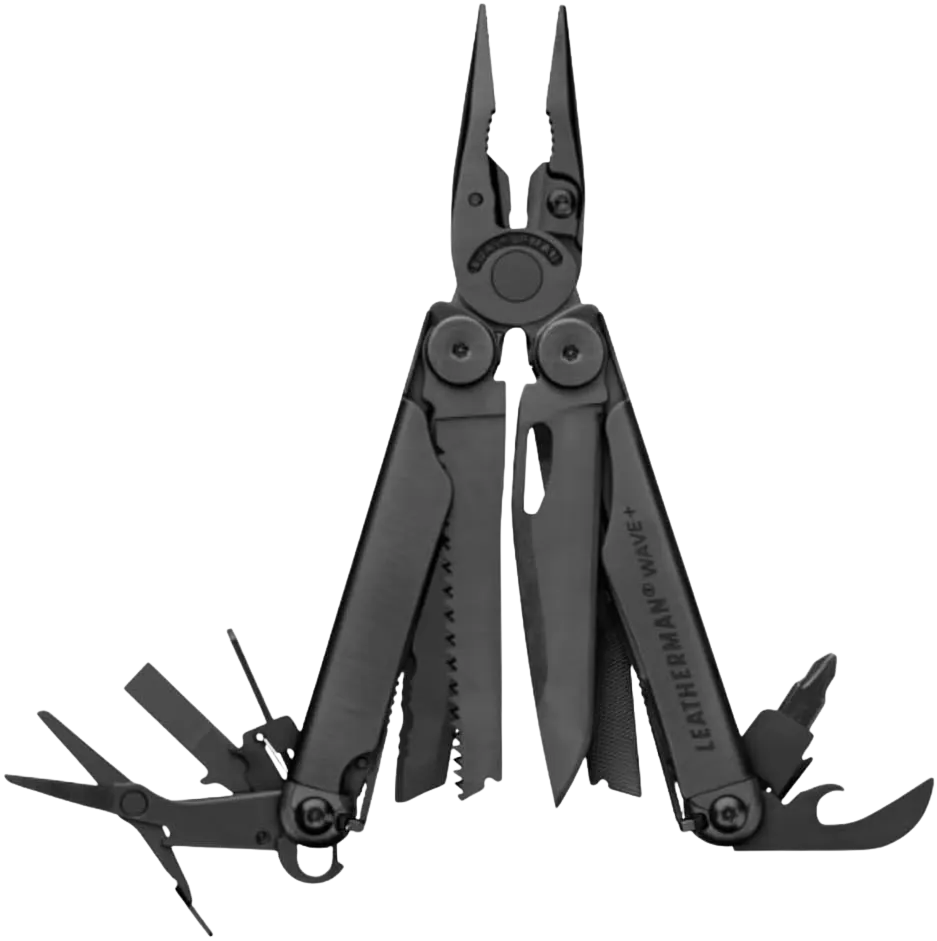
The Leatherman Wave+ is the cornerstone of professional field repair, favored by guides for its robust mechanical capability. With replaceable wire cutters, a diamond-coated file, and high-torque pliers, it is capable of reshaping bent tent stakes, repairing stove valves, and performing heavy-duty sewing tasks that lighter tools cannot handle. It provides the mechanical advantage necessary to drive a needle through 4-layer webbing or leather. The trade-off is significant: at 8.5 ounces, it is a ‘brick’ in your pocket. For fast-and-light travel, this tool is overkill, but for group safety, it is essential.
Overall
Durability
Repair Utility
Weight Efficiency
Versatility
Warranty
Weight8.5 oz (241g)
Steel420HC
Key ToolsPliers, Wire Cutters, Saw, Diamond File, Bit Driver
Locking BladesYes (All locking)
You Should Buy This If…
You are responsible for a group’s safety and gear integrity.
You need maximum mechanical torque for zipper/stove repairs.
Reliability is more important than weight savings.
You Should Reconsider If…
You are an ultralight hiker (it is ‘stupid heavy’).
You only need to cut tape and cheese (get a Micra).
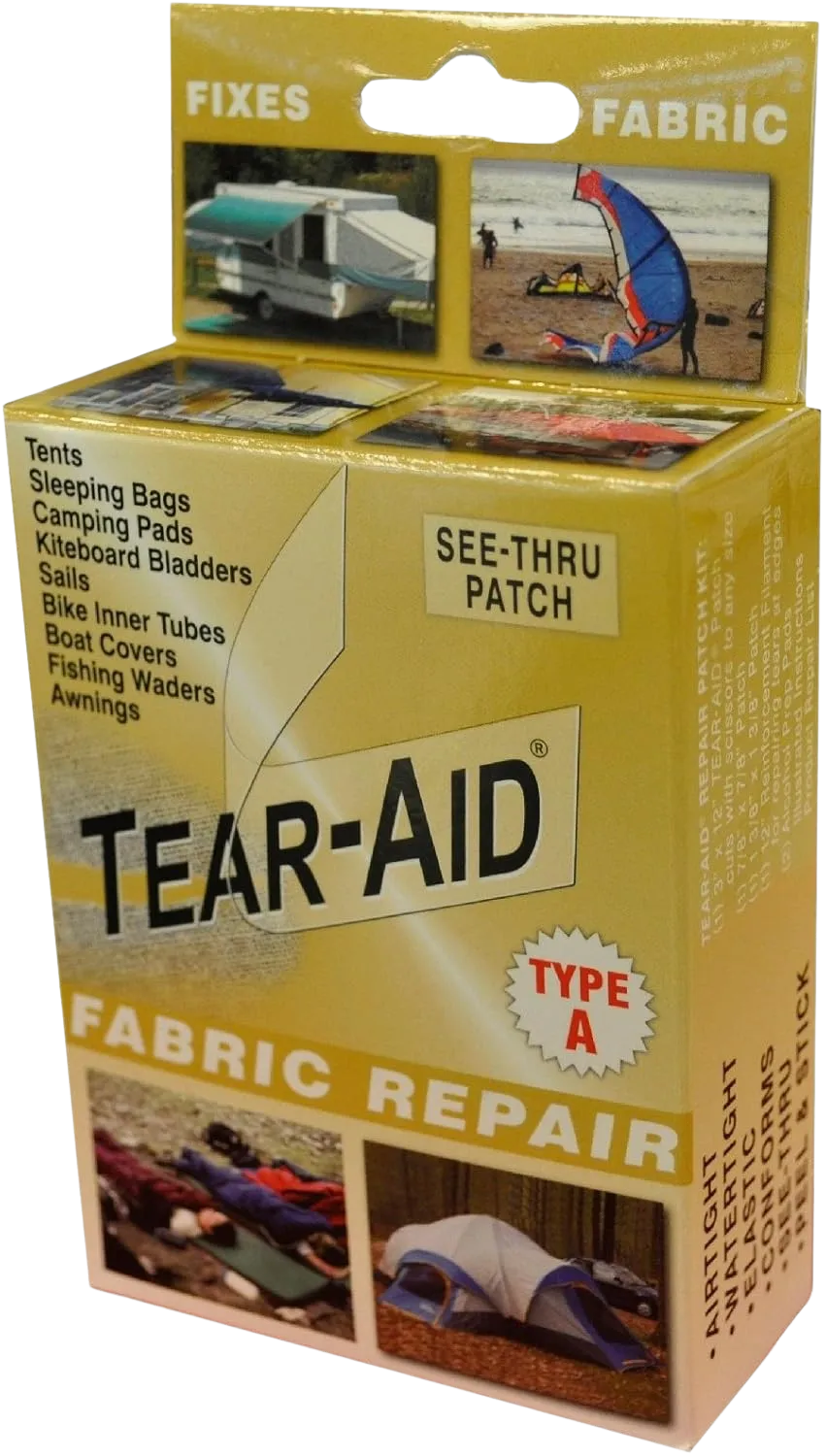
Tear-Aid Type A is the industry standard for elastomeric repair, boasting the unique ability to stretch 600% and recover without losing adhesion. This property makes it uniquely suited for inflatable sleeping pads (like Therm-a-Rest or NEMO) and puffy jackets, where rigid tapes would shear off under movement or inflation pressure. It forms an airtight, watertight seal instantly. However, you must be vigilant about the ‘Type A vs Type B’ distinction. Type A will turn into a gooey, non-curing mess if applied to Vinyl or PVC. For vinyl gear, you must use Type B.
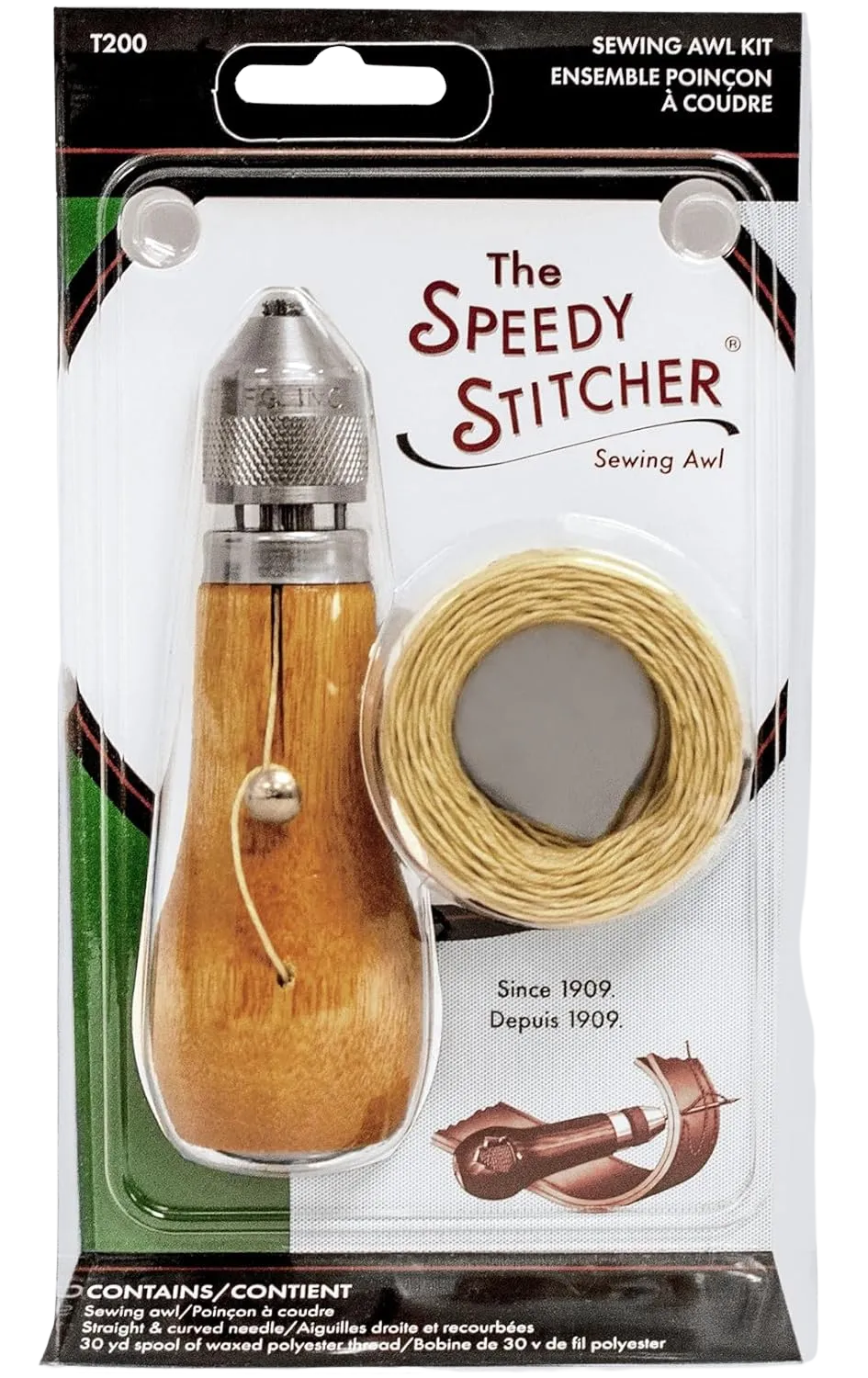
For expedition guides and base camp managers, the Speedy Stitcher provides the mechanical leverage to perform heavy-duty structural sewing on boots, pack straps, and haul bags. Unlike a standard needle, this tool creates a lock-stitch using heavy waxed thread, capable of restoring load-bearing integrity to materials too thick for a hand needle. It is a tool for structural restoration, not quick patching. However, it is heavy and has a learning curve; the lock-stitch mechanism can be confusing for first-time users, and the thick needle is too aggressive for delicate fabrics like silnylon.
Overall
Piercing Power
Thread Strength
Durability
Weight Efficiency
Ease of Learning
Weight~3-8 oz
MechanismLock-stitch bobbin
MaterialsWooden handle, Steel needle
ApplicationLeather, Canvas, Heavy Webbing
You Should Buy This If…
You need to repair heavy boots, leather, or thick pack straps.
You are managing a base camp or vehicle-supported expedition.
You need a tool that can push through material a hand needle cannot.
You Should Reconsider If…
You are backpacking (it is too heavy; use a heavy needle/pliers).
You are repairing delicate fabrics like silnylon (too aggressive).
Pro-Tip: If your sleeping pad repair patch keeps peeling at the edges, cut the patch into a circle. Sharp corners on a square patch catch on clothing and sleeping bags, eventually lifting the adhesive. Rounding the corners increases patch longevity by 50%.
Conclusion
The wilderness is indifferent to your preparation, but physics is predictable. By respecting the chemical requirements of your gear and the mechanical realities of torque, you can build a gear failure insurance policy that turns a potential disaster into a campfire story.
Know Your Chemistry: Never use standard adhesive on Silnylon; use Silicone patches. Never use Type A on Vinyl. Tools Equal Torque: If you can’t push a needle through a strap, your repair kit is cosmetic, not structural. Carry pliers or a thimble. Freshness Matters: Treat urethane glue like milk—it spoils. Carry mini tubes and replace them every season.
If you find a hardened tube of glue or a generic “universal” patch, throw it out and build the modular system that matches the gear you actually carry.
FAQ – Frequently Asked Questions
What is the difference between Tear-Aid Type A and Type B?
Type A is for almost all fabrics (Canvas, Rubber, Nylon, Plastic) except Vinyl. Type B is exclusively for Vinyl and PVC. Using Type A on Vinyl will result in a gooey mess because the oils in Vinyl degrade the Type A adhesive.
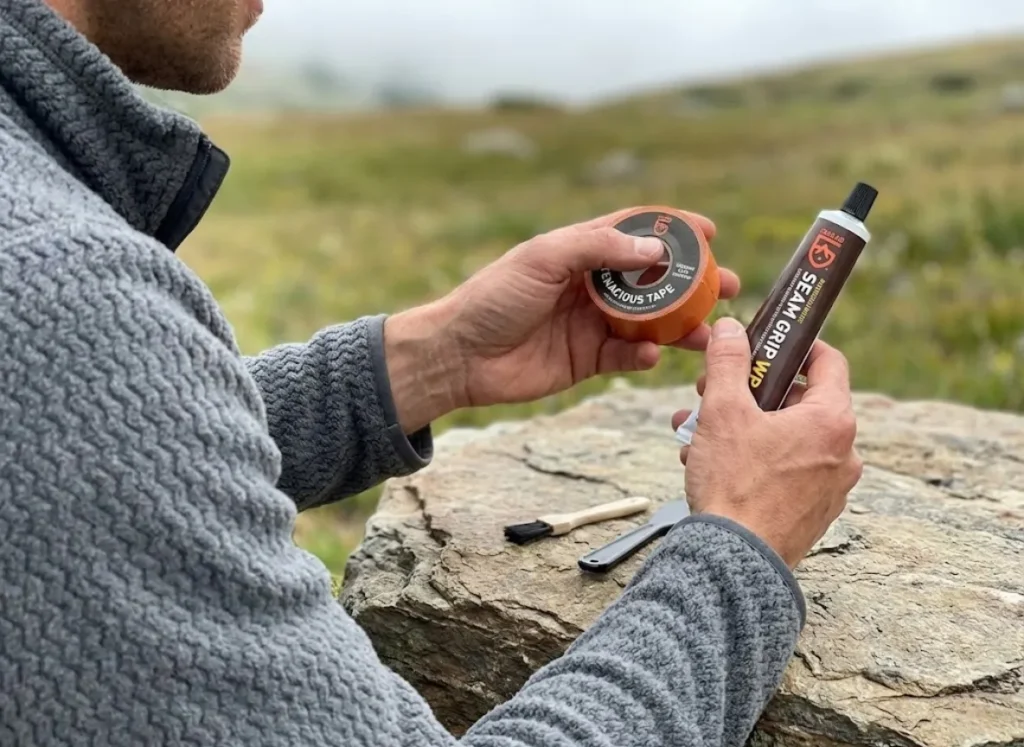
Can I use standard Tenacious Tape on my ultralight tent?
Likely not. If your tent is made of Silnylon or Silpoly (common in UL gear), standard tape will peel off. You must use Silicone-based patches. Check your tent manufacturer’s specs; if it says Silicone Impregnated, buy the Silnylon patches.
How do I keep my Seam Grip or Aquaseal from drying out in the tube?
Once opened, moisture in the air begins the curing process. Storing the tube in a freezer can halt this reaction and extend the life indefinitely. However, for field use, it is safer to carry unopened mini single-use tubes (0.25 oz) to ensure viability.
Why do I need pliers in a repair kit?
Pliers provide the necessary torque to drive a needle through thick pack straps or boots, which is impossible with fingers alone. They are also essential for crimping a zipper slider that has widened and stopped locking the teeth together.
I've spent more than a decade researching hiking gear and trail technique. I read the specs, the forum threads and the long-term reviews, and every pick here comes with what it gets wrong.
End of the trail
You read every mile of this one. Here's where the trail goes next.