In this article
Cold-weather hiking has a thermoregulation problem that running and skiing don’t have: you move slowly enough that your body isn’t generating much heat, which means the base layer has to do more actual insulating work. Most base layer guides are written with skiing or trail running in mind — the recommendations tend to skew lighter and more breathable than what you actually want for a winter day hike or a shoulder-season trip into cold, windy terrain.
The six base layers in this guide were selected for cold-weather hiking specifically — temperatures between 20°F and 40°F, moderate hiking pace, with stops at viewpoints and summits. That context shifts the priorities: warmth-to-weight matters more than raw breathability, odor resistance becomes important on multi-day trips, and durability under pack straps is worth thinking about before your third or fourth wear. For the full cold-weather system this fits into, see our winter day hike planning checklist.
One quick note on safety: hypothermia can develop well above freezing when conditions are wet or windy — which makes the base layer one of the more consequential gear decisions on a cold hike. Getting it right isn’t complicated, but the context matters. We’ll cover what to look for in the buying guide below.
The 6 Best Base Layers for Cold Weather Hiking
Each of these layers was evaluated on five criteria that matter specifically for cold-weather hiking: warmth-to-weight ratio, moisture wicking, odor resistance, durability, and fit under a layering system. The ratings reflect how each product performs in that specific context — a layer that scores lower on warmth-to-weight isn’t a bad layer, it’s just designed for a different use case.
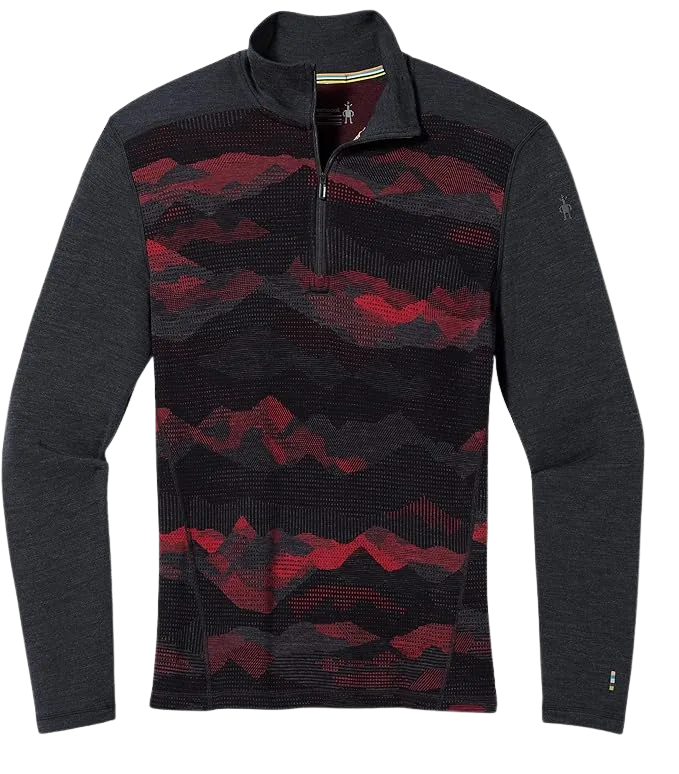
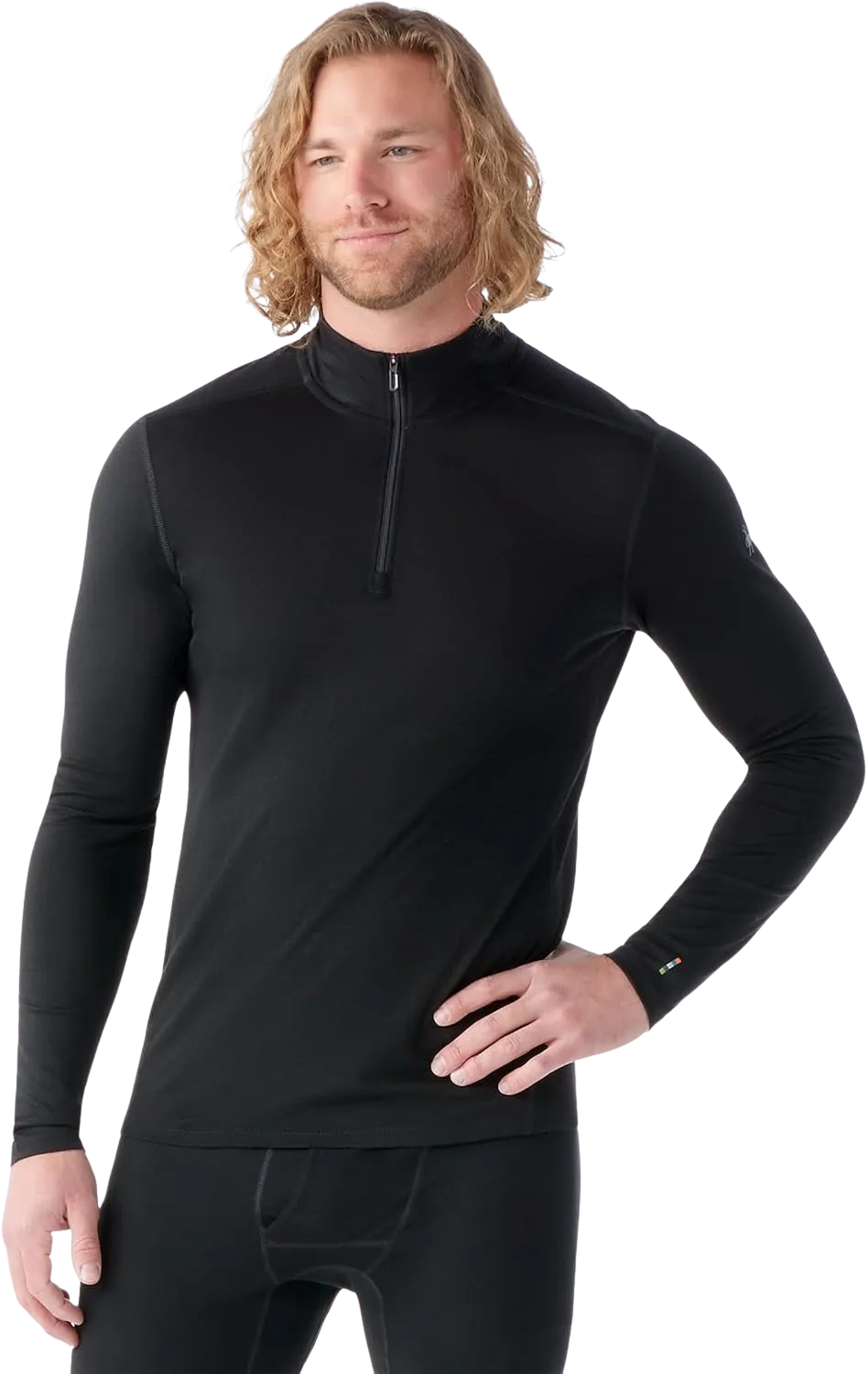
🏆 Best Overall: Smartwool Classic Thermal Merino 1/4 Zip
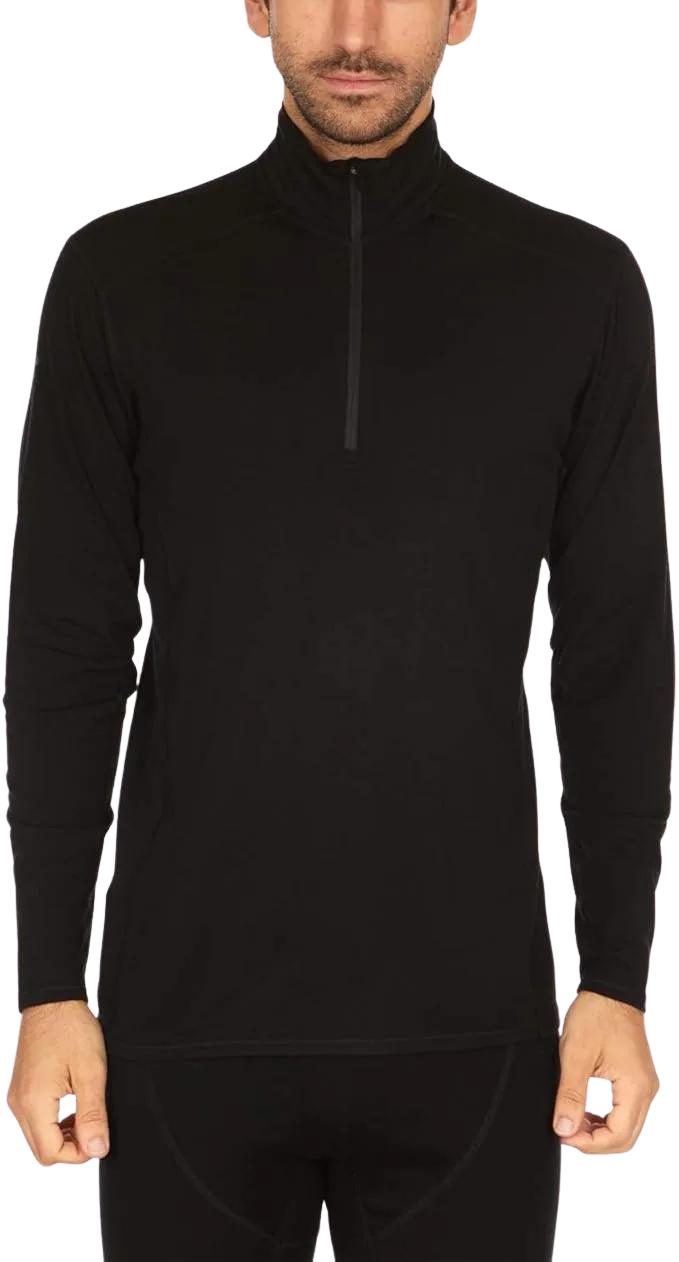
💰 Best Value: Minus33 Woolverino 1/4 Zip
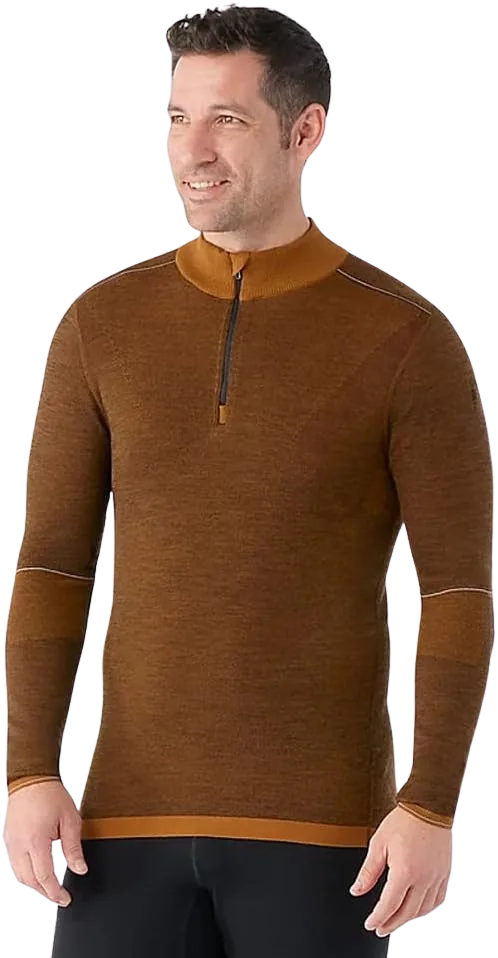
⬆️ Best for High-Output Cold Hiking: Smartwool Intraknit Thermal Merino
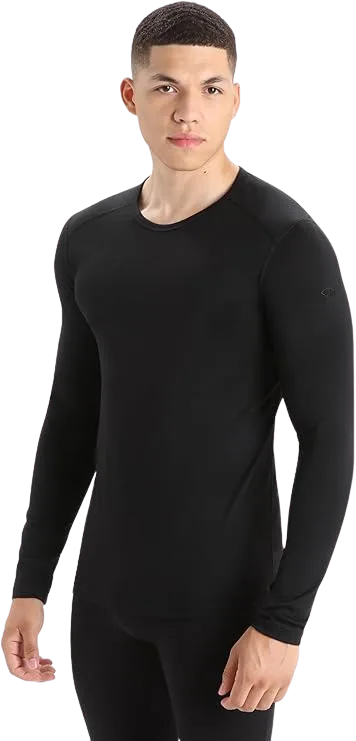
🎯 Best for Multi-Day Odor Control: Icebreaker Merino 200 Oasis Crewe
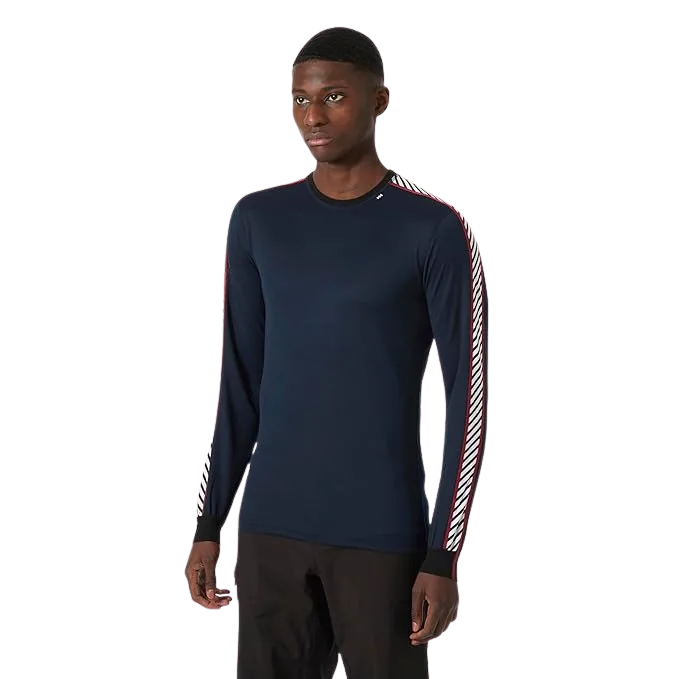
💸 Best Budget: Helly Hansen Lifa Stripe Crew
🎖️ Honorable Mention: Smartwool Classic All-Season Merino
How to choose the right base layer for cold weather hiking
Most base layer buying guides cover material and fit. They skip the one number that actually changes the decision: GSM. And they tend to gloss over the durability question that anyone who’s been through two or three merino base layers already knows about.
GSM: the one number that actually matters
GSM stands for grams per square meter. It’s the fabric weight — the single most useful spec for comparing base layers when warmth is the priority. Most brands bury it or don’t publish it at all, so it’s worth knowing what the ranges mean.
At 150g/m², you’re in lightweight territory. Good for high-output aerobic activity or cool-but-not-cold conditions. The Smartwool All-Season Merino in the honorable mention sits here. At around 175–200g/m², you’re in light-to-midweight range — the Icebreaker Oasis (200g) and the Minus33 Woolverino (approx. 180g) occupy this space. At 250g/m², you’re at true midweight, which is what the Smartwool Thermal and the Intraknit both hit at their core zones. Above 300g/m² is mid-heavy or expedition weight, which starts to feel restrictive under a layered system.
For cold-weather hiking specifically — below 35°F, moderate pace, with summit stops — the 200–250g/m² range is where most hikers land. The reasoning is straightforward: hiking pace generates less body heat than running or skiing, so the base layer carries more of the insulation load. A 150g/m² layer that works fine for Nordic skiing will leave you cold on a slow ridgewalk in January.
If you’re not sure where to land, read our guide on base layer fit: snug vs. loose — fit affects how well any GSM weight performs in practice.
Merino vs. synthetic for cold weather hiking
The honest answer is that pure merino and synthetic base layers do different things well, and neither is categorically better for cold-weather hiking.
Merino’s main advantage is odor resistance. At the fiber level, lanolin content and the crimp structure of merino fibers prevent bacteria from colonizing the fabric the way they do in synthetic. This matters on multi-day trips where you can’t wash nightly — verified long-term reviews on Amazon (filtered to 4+ months of use) consistently name odor performance as the top reason people keep buying merino despite the price. Merino also insulates better when damp than polyester, though not as well as polypropylene. The science behind why merino resists odor applies to base layers the same way it does to socks.
Synthetic’s main advantage is moisture transfer speed and durability. Polyester moves sweat off skin faster and dries faster than merino, which matters on steep climbs. Polypropylene (the Helly Hansen here) is faster still — it physically cannot absorb water, so it pushes moisture outward immediately. On a cold, steep approach, a 125g/m² polypropylene layer that keeps your skin dryer may feel warmer in practice than a 175g/m² merino layer on active effort. For hikes with significant elevation gain before a cold summit, the grid fleece and moisture management question is related to the same stop-and-go thermoregulation problem.
The practical breakdown: if you’re doing multi-day trips or susceptible to the smell of synthetic layers, merino at 200–250g/m² is the safer choice. If your priority is high-output single-day hikes or you wash after every use, a quality synthetic or the Intraknit’s merino-polyester blend may work better for your specific situation.
The durability problem nobody mentions
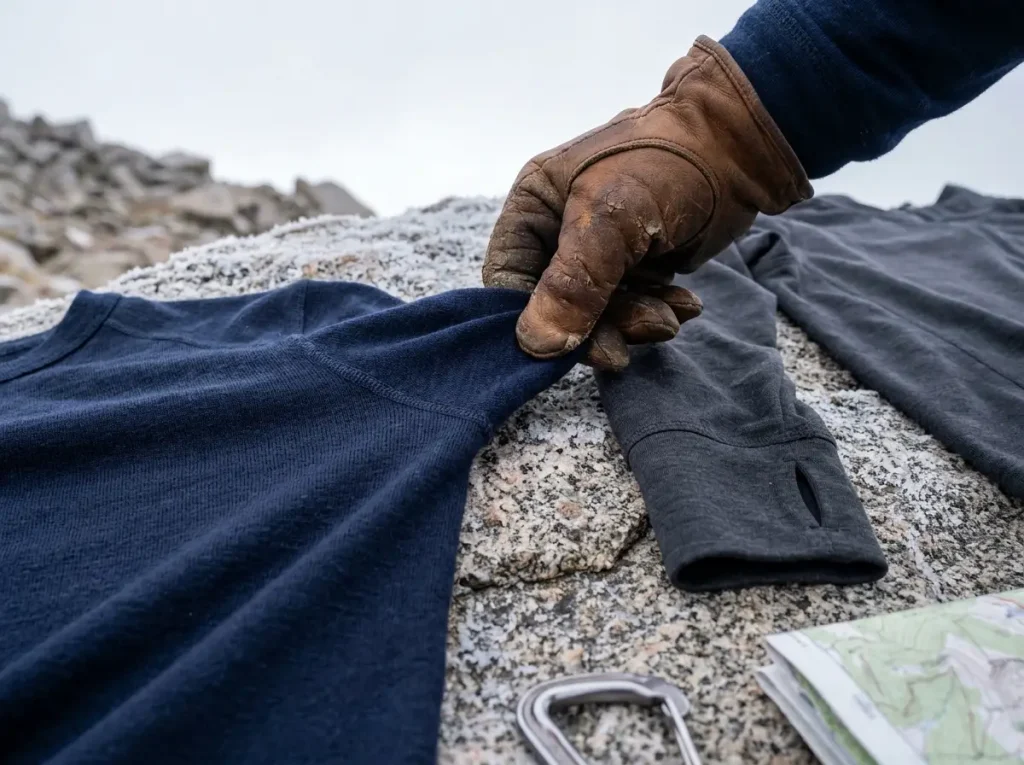
Most hikers who’ve gone through two or three merino base layers recognize the pattern: the shoulder zones go first. The spot where your pack’s shoulder strap rides directly against the fabric — especially on climbs with a loaded pack — generates concentrated friction that fine-knit merino wasn’t designed to handle long-term.
A few things explain why this happens and what to do about it. Pure merino at 18.5-micron fineness (standard in most midweight merino base layers) is soft because the individual fibers are thin. Thin fibers pill and break faster under repetitive abrasion than coarser ones. Long-term Amazon reviews on the Smartwool Classic Thermal (filtered to 4+ months of ownership, 500+ reviews total) name shoulder and underarm pilling as the most common complaint — the Icebreaker Oasis reviews show the same pattern.
Nylon-reinforced merino blends like the Minus33 Woolverino (12% nylon) mitigate this significantly. The trade-off is marginally lower odor resistance and a slightly different feel against skin. The Intraknit addresses it differently: the 3D-knit places lighter, more structural zones at the shoulders specifically because those areas take the most wear. Either approach extends the life of the base layer noticeably compared to straight merino at the same price.
Wearing the base layer under a light synthetic fleece when carrying a heavy pack adds a sacrificial layer between the merino and the shoulder strap, which is worth knowing if you already own a merino base layer you’d like to preserve. Our full breakdown on how to layer for shoulder season hiking covers how a base layer fits into the complete system.
Conclusion
For most cold-weather hikers, the decision comes down to how much you run cold versus how hard your hike actually is. The Smartwool Classic Thermal Merino 1/4 Zip is the most straightforward choice for cold, slower-paced days — dense enough at 250g/m² to keep you warm at summit rests, slim enough to layer over. If your budget is under $100 and you’re not ready to pay premium pricing, the Minus33 Woolverino covers most of the same ground with better durability than a lot of straight merino at that price point.
The Smartwool Intraknit and the Icebreaker Oasis solve more specific problems: high-output hiking in cold conditions and multi-day odor control, respectively. If either of those situations describes your hiking, the premium is worth it. The Helly Hansen Lifa is a legitimate layer for single-day cold hikes or as part of a two-piece system — just don’t plan on wearing it twice without washing it.
Q1 What GSM base layer do I need for cold weather hiking?
For most cold-weather hiking between 20°F and 40°F at a moderate pace with summit stops, 200–250g/m² covers the majority of conditions. At 200g (like the Icebreaker Oasis), you’ll likely want a light mid-layer at extended stops. At 250g (like the Smartwool Thermal), the base layer alone handles static warmth in that range. Below 20°F, or on slow, low-output hikes, consider a mid-heavy 300g+ option instead.
Q2 Can I use a ski base layer for cold weather hiking?
Yes, with some caveats. Ski base layers are often designed for high-output aerobic activity, so they tend to lean lighter and more breathable than what works for a slower hiking pace. If the weight is 200g/m² or higher, it’ll likely serve you well. The bigger potential issue is fit: ski base layers often run long-torso and slim for helmet compatibility, which can affect how they layer under a hiking pack.
Q3 How do I wash a merino base layer without destroying it?
Cold or warm machine wash on a gentle cycle, then lay flat to dry. The main causes of damage are heat (a hot dryer shrinks and felts the fiber) and agitation (high-speed spin cycles accelerate pilling). Washing less frequently is actually fine — merino’s odor resistance means most hikers can go 3–5 days before washing is necessary, which reduces cumulative wear. Avoid fabric softener; it coats the fiber and reduces the wool’s natural moisture management.
Q4 Is a 100% merino base layer better than a merino blend?
It depends on the trade-off you care about most. Pure merino (Smartwool Thermal, Icebreaker Oasis) has better odor resistance and softer feel against skin. Merino-nylon blends (Minus33 Woolverino, 84 or 12 construction) have better durability and pilling resistance at the same weight. Merino-polyester blends (Smartwool Intraknit, 53 or 45) add active moisture transfer speed. There’s no objectively better option — it comes down to whether odor resistance, durability, or moisture management is your top priority.
Q5 Quarter zip or crew neck for cold hiking — which is better?
A quarter zip gives you a ventilation option when you’re generating heat on a climb, which is useful on routes with significant elevation gain. The collar can also pull up for wind protection at the neck. A crew neck eliminates the zipper hardware, layers more cleanly under a down jacket collar, and is simpler under a balaclava. For hikes with big elevation changes and variable pace, the quarter zip is more versatile. For steady-pace cold hikes, or if you’re using the base layer primarily as a mid-layer piece, crew neck works just as well.
Risk Disclaimer: Hiking, trekking, backpacking, and all related outdoor activities involve inherent
risks which may result in serious injury, illness, or death. The information provided on The Hiking Tribe is for
educational and informational purposes only. While we strive for accuracy, information on trails, gear, techniques,
and safety is not a substitute for your own best judgment and thorough preparation. Trail conditions, weather, and
other environmental factors change rapidly and may differ from what is described on this site. Always check with
official sources like park services for the most current alerts and conditions. Never undertake a hike beyond your
abilities and always be prepared for the unexpected. By using this website, you agree that you are solely
responsible for your own safety. Any reliance you place on our content is strictly at your own risk, and you assume
all liability for your actions and decisions in the outdoors. The Hiking Tribe and its authors will not be held
liable for any injury, damage, or loss sustained in connection with the use of the information herein.
Affiliate Disclosure: We are a participant in the Amazon Services LLC Associates Program, an
affiliate advertising program designed to provide a means for us to earn advertising fees by advertising and linking
to Amazon.com. As an Amazon Associate, we earn from qualifying purchases. We are also an official affiliate partner
of Black Diamond Equipment via the AvantLink network. If you click on a Black Diamond affiliate link and make a
purchase, we may earn a commission at no additional cost to you. We also participate in other affiliate programs and
may receive a commission on products purchased through our links. Additional terms are found in the terms of
service.