In this article
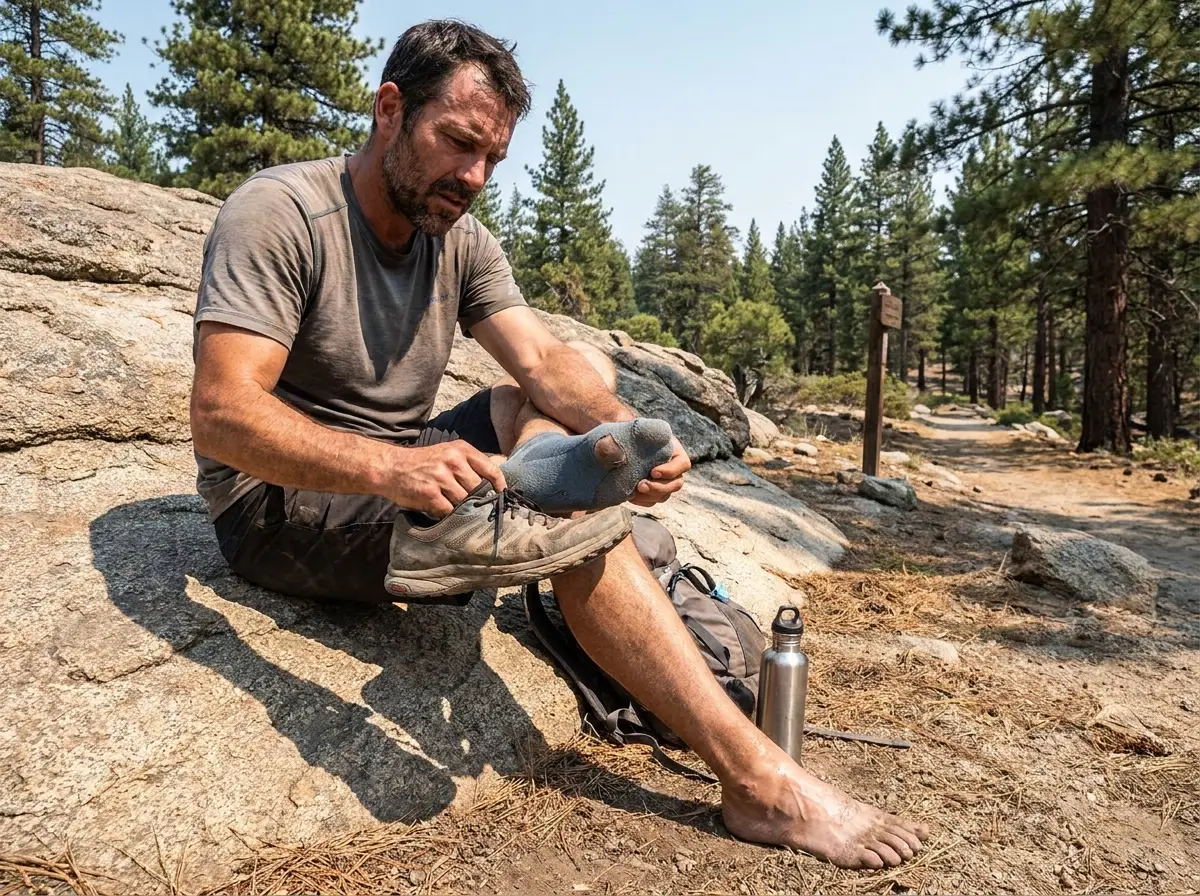
Sweaty feet don’t just cause discomfort — they cause blisters. The mechanism is straightforward: moisture softens skin, softened skin has lower friction tolerance, and lowered friction tolerance on a moving foot means you hit the blister threshold faster and with less provocation. If you’ve ever finished a summer hike with your feet destroyed while your hiking partner was fine, the difference almost certainly comes down to how effectively your socks were managing moisture at the skin contact layer. You can read more about the friction mechanics in our guide to preventing hot spots before blisters form.
Most hiking sock roundups don’t distinguish between a sock optimized for cold-weather insulation and one built for moisture dump on a hot, sweaty climb. The six socks in this guide were selected specifically for the sweaty-foot problem — rated on wicking speed, breathability, odor control, and the ability to keep moisture from accumulating between the skin and the sock surface long enough to become a blister.
The 6 best hiking socks for sweaty feet
The five rating criteria below reflect what matters specifically for sweaty-foot hikers: moisture wicking speed, breathability (airflow through the knit), odor resistance for multi-day wear, fit and blister prevention when skin is softened by moisture, and durability under repeated high-frequency washing.
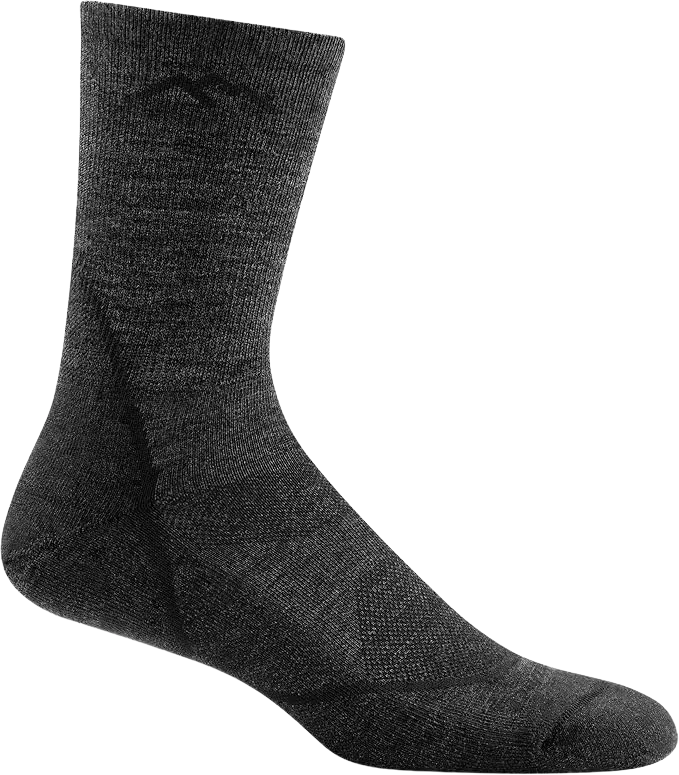
🏆 Best Overall: Darn Tough Light Hiker Micro Crew
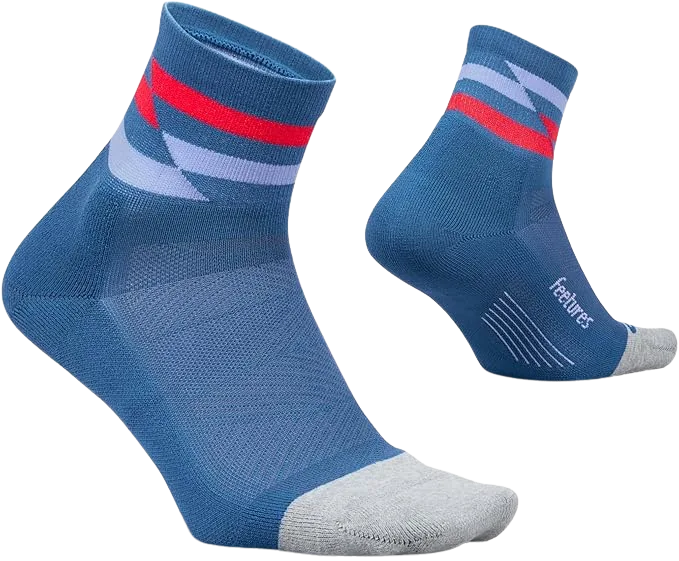
🌬️ Best for High-Output Sweating: Feetures Elite Light Cushion
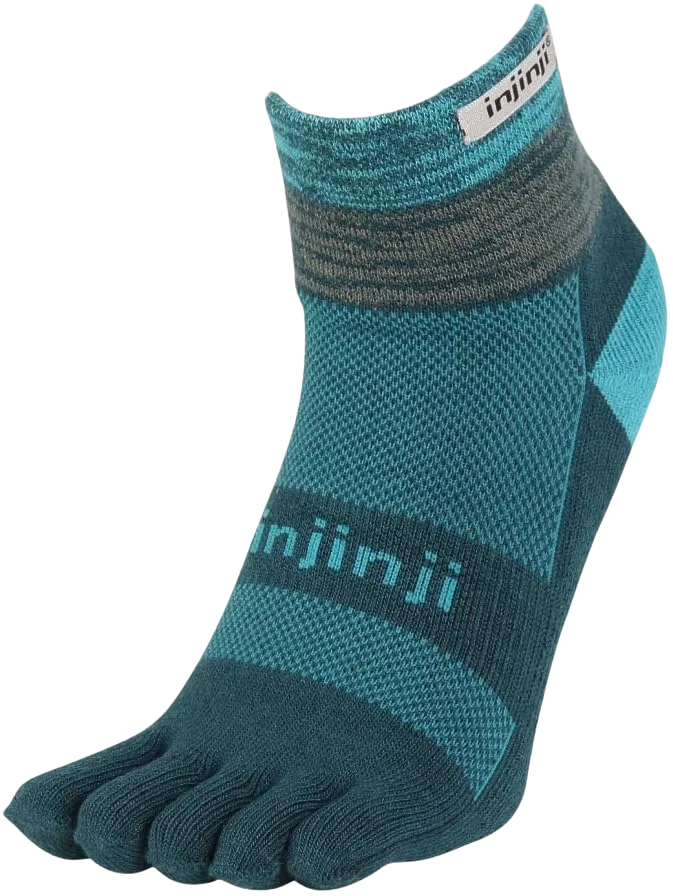
🦶 Best Structural Solution for Sweaty Feet: Injinji Trail Midweight Mini Crew
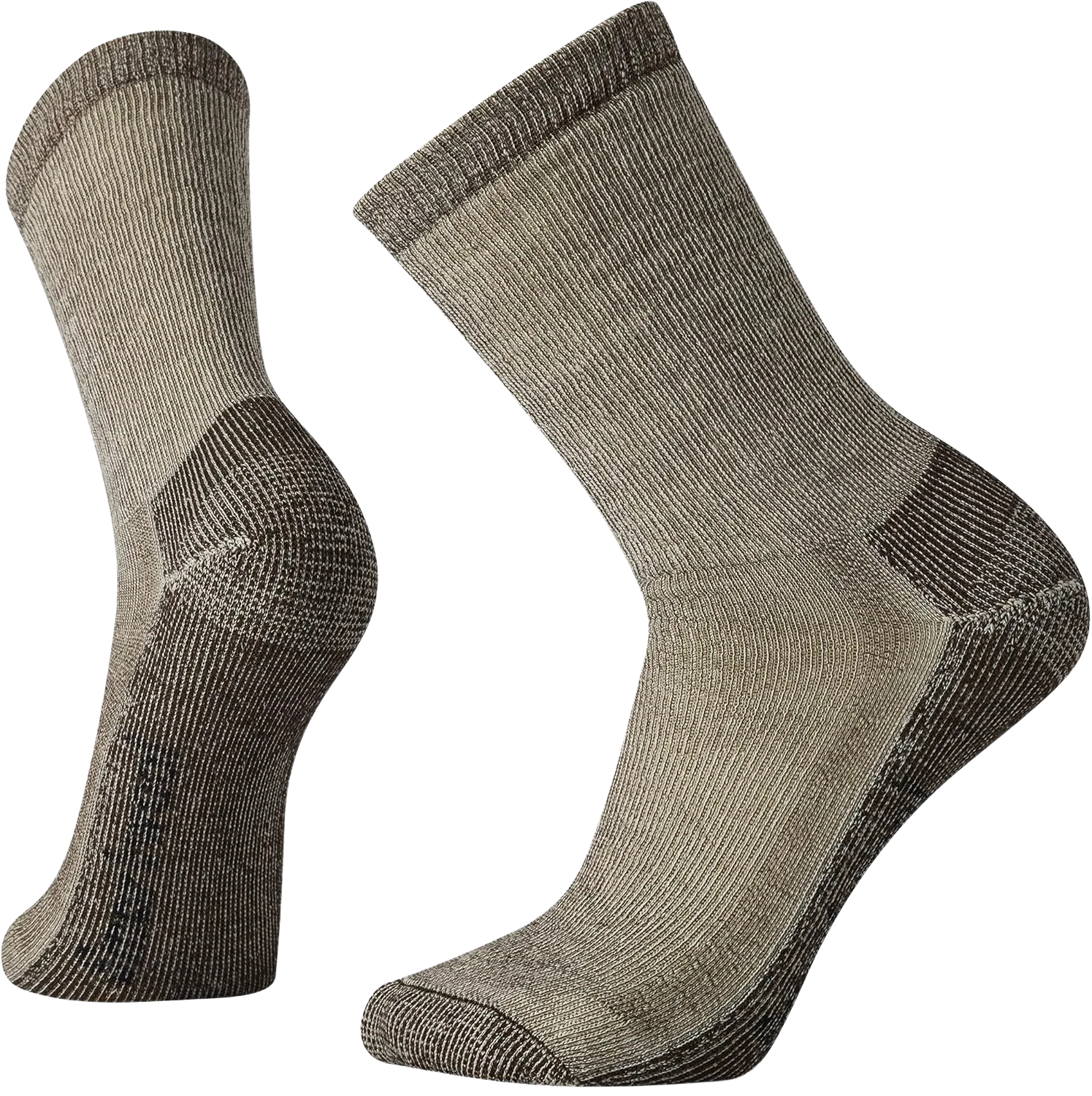
🧬 Best for Multi-Day Odor Control: Smartwool Hike Classic Full Cushion Crew
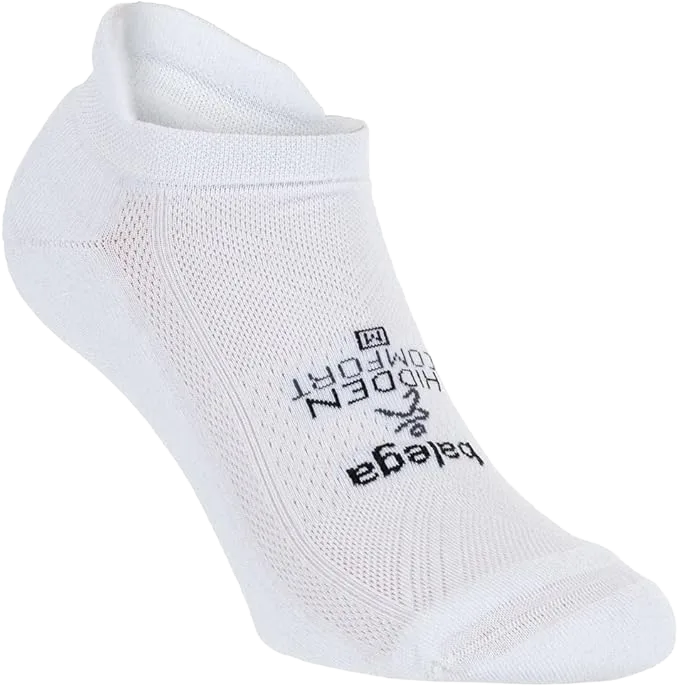
💸 Best Budget: Balega Hidden Comfort
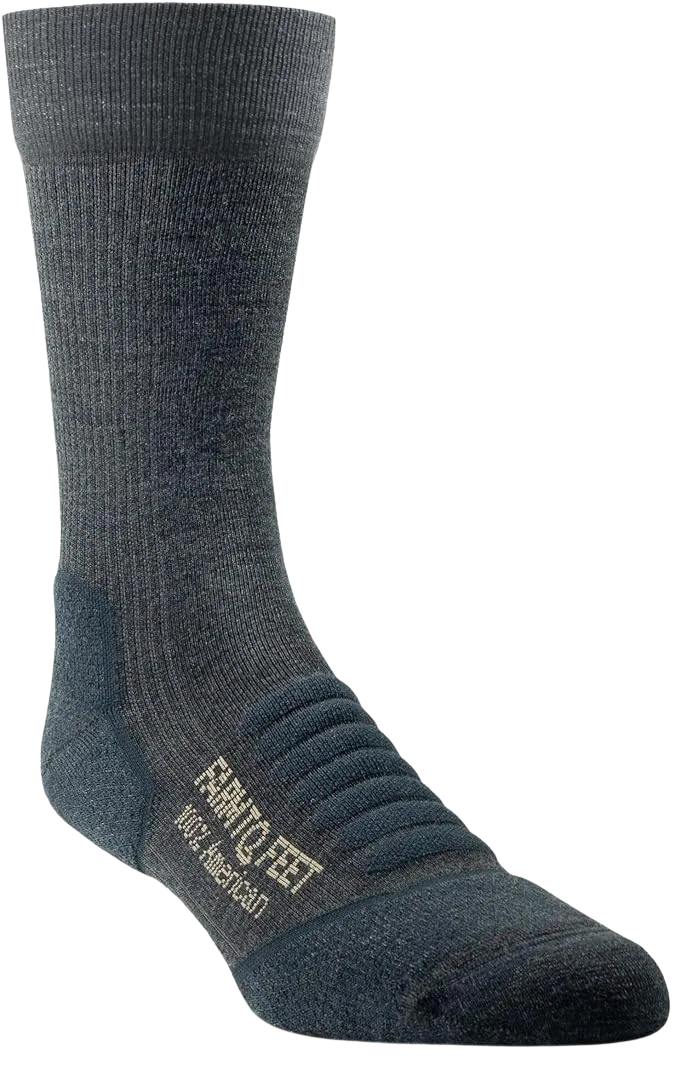
🎖️ Honorable Mention: Farm to Feet Damascus Lightweight Crew
How to choose hiking socks for sweaty feet
Most of what you’ll read about hiking socks focuses on warmth, cushion, and material. That’s the right framework for cold-weather hiking. For sweaty feet, the decision tree runs differently — and the gaps in most buying guides cost people blisters.
Why sweaty feet cause blisters (and what socks can and can’t fix)
The connection between moisture and blisters is mechanical. Dry skin has a friction coefficient around 0.5. Wet, macerated skin — skin that’s been in contact with moisture long enough to soften — can reach friction coefficients above 2.0, according to research published in the Journal of Experimental Biology. At those levels, the skin-sock-boot interface generates enough shear force to separate skin layers after far fewer repetitions than dry skin would tolerate.
What a sock can do: reduce the rate of moisture accumulation at the skin contact surface. What it can’t do: eliminate sweat entirely or compensate for a boot that fits poorly. A well-chosen moisture-wicking sock buys you time — it delays the point at which skin becomes macerated enough to blister. On a 6-hour hike, “delayed by 2 hours” can mean the difference between finishing fine and losing a toenail.
The fiber structure matters more than the brand. Synthetic fibers (nylon, polyester, polypropylene) are hydrophobic — they push moisture away from the fiber surface quickly. Merino wool is hydrophilic — it absorbs moisture into the fiber before releasing it. Merino feels drier to the touch during low-sweat periods because it’s holding moisture within the fiber; synthetic feels drier during high-sweat periods because it’s moving moisture outward faster.
Merino vs. synthetic for sweaty feet
Neither material wins across all conditions for sweaty-foot hikers. The honest comparison depends on what’s specifically causing your problem.
If your sweating is heaviest on sustained climbs — high-output, high-volume moisture — synthetic wins. The Feetures Elite is the clear example: fast wicking speed, no moisture absorption into the fiber, skin stays drier during the effort. The trade-off is odor: synthetic gives bacteria more to work with after the first hard day, which is why merino socks smell less on trail over multiple days. It’s not magic — it’s fiber chemistry.
If your problem is cumulative multi-day odor from sweaty feet, merino wins by a significant margin. The Smartwool at 74% merino content is the most durable option here for back-to-back days. For a 5-day trip with one sock change, the merino pair is still functional on day 5; the synthetic pair became a social hazard on day 2.
One thing neither merino nor synthetic can fix: if you’re using waterproof hiking socks, no amount of wicking fiber matters because waterproof membranes trap sweat inside the system. Waterproof socks make sense for stream crossings and wet conditions, but they’re counterproductive for sweaty-foot hikers in dry conditions.
Why toe socks work for inter-toe sweating — and when they don’t
The Injinji design addresses a specific mechanism that standard socks don’t: inter-toe friction created by skin-on-skin contact. When feet swell and sweat on long hikes, adjacent toes press against each other. The skin-on-skin coefficient of friction is high, particularly when wet. Blisters form at that interface, not from the sock surface but from the toe contact point itself.
A standard sock can’t solve this because the contact point is between skin and skin, not between skin and fabric. Putting a fabric sleeve around each toe changes that — now the contact layer at every inter-toe surface is fabric, not bare skin, and the moisture can wick away from the interface rather than pooling between toes.
The caveat: this only applies to inter-toe blisters. If your sweaty-foot blisters form on the heel, ball of the foot, or ankle collar, the Injinji doesn’t address those locations any differently than a standard sock. It’s a specific fix for a specific problem. Our breakdown on toe sock blister reduction covers when the design makes sense and when it doesn’t.
Conclusion
For most sweaty-foot hikers on single-day or two-day trips, the Darn Tough Light Hiker Micro Crew is the lowest-risk choice — lightweight merino blend, OGL-verified for sweat-prone hikers, and backed by a lifetime warranty. For high-output climbing days where moisture volume is the problem, the Feetures Elite moves sweat faster. For inter-toe blisters specifically, the Injinji is the only structural solution in this list.
The Smartwool Full Cushion earns its spot for multi-day trips where odor control over 4–7 days matters more than breathability. The Balega is a legitimate option for trail runners and low-cut shoe users who wash after every hike. Whatever you pick, the rest of your foot care system matters too — a good sock paired with the wrong boot fit is still a blister problem.
Q1 Do merino wool socks actually help with sweaty feet?
Merino wool absorbs moisture into the fiber before releasing it, which means feet feel drier during low-to-moderate sweating. On sustained climbs with heavy sweat volume, synthetic fibers wick faster. The clearest advantage of merino for sweaty-foot hikers is odor resistance over multiple days — the fiber structure resists bacteria colonization in a way that synthetic doesn’t. For single-day hikes, either works; for multi-day trips without laundry, merino wins on odor.
Q2 Why do my feet sweat so much when hiking?
Foot sweat during exercise is a normal thermoregulation response — the foot has a high density of eccrine sweat glands, and physical exertion increases their output. Some people produce noticeably more sweat than average (plantar hyperhidrosis), which can be a medical condition worth addressing with a dermatologist if it’s severe. For most hikers, it’s just physiology — the goal is managing the moisture, not eliminating it.
Q3 What sock height is best for sweaty feet?
Height depends on your footwear. For trail runners and low-cut hiking shoes, a quarter or micro-crew height is appropriate. For mid or high-cut boots, you want at least a crew height to cover the ankle collar friction zone — that’s where boot-top blisters form when skin is softened by sweat. No-show socks like the Balega are only suitable for low-cut shoes; they expose ankle skin directly to boot collar abrasion.
Q4 Can I use running socks for hiking with sweaty feet?
Some overlap, yes. The Feetures Elite Light Cushion and Balega Hidden Comfort are both used by runners and work for hiking in trail runners. The main limitation is that pure running socks often lack the reinforced heel and toe construction that hiking-specific socks have for longer days with a pack. On a short trail run, a running sock is fine; on a 10-mile day hike with elevation, the construction difference shows up by the end of the day.
Q5 How many pairs of hiking socks should I carry for sweaty feet?
For day hikes: one pair. For multi-day trips: two pairs minimum for a sweaty-foot hiker — one worn, one drying. If you’re using merino, the odor resistance buys you 2–3 days of wear before the first wash, which means you can manage a 6-day trip with two pairs and one mid-trip wash stop. Synthetic hikers need to wash more frequently. Our breakdown of a sock rotation strategy for multi-day hikes covers the logistics.
Risk Disclaimer: Hiking, trekking, backpacking, and all related outdoor activities involve inherent
risks which may result in serious injury, illness, or death. The information provided on The Hiking Tribe is for
educational and informational purposes only. While we strive for accuracy, information on trails, gear, techniques,
and safety is not a substitute for your own best judgment and thorough preparation. Trail conditions, weather, and
other environmental factors change rapidly and may differ from what is described on this site. Always check with
official sources like park services for the most current alerts and conditions. Never undertake a hike beyond your
abilities and always be prepared for the unexpected. By using this website, you agree that you are solely
responsible for your own safety. Any reliance you place on our content is strictly at your own risk, and you assume
all liability for your actions and decisions in the outdoors. The Hiking Tribe and its authors will not be held
liable for any injury, damage, or loss sustained in connection with the use of the information herein.
Affiliate Disclosure: We are a participant in the Amazon Services LLC Associates Program, an
affiliate advertising program designed to provide a means for us to earn advertising fees by advertising and linking
to Amazon.com. As an Amazon Associate, we earn from qualifying purchases. We are also an official affiliate partner
of Black Diamond Equipment via the AvantLink network. If you click on a Black Diamond affiliate link and make a
purchase, we may earn a commission at no additional cost to you. We also participate in other affiliate programs and
may receive a commission on products purchased through our links. Additional terms are found in the terms of
service.