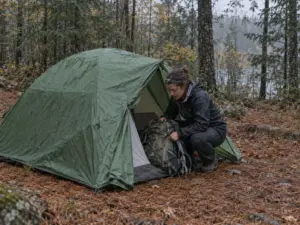
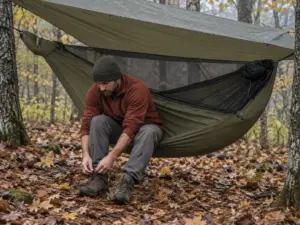
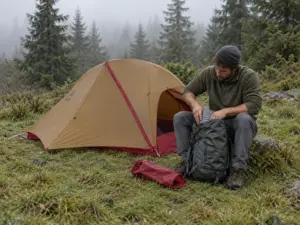
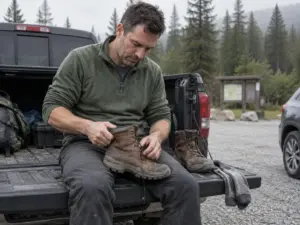

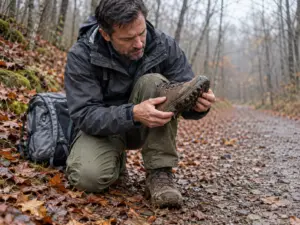
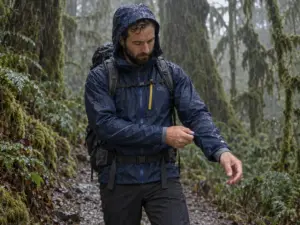
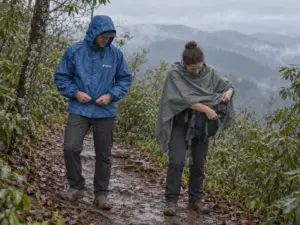
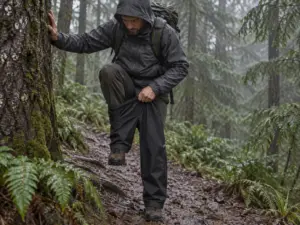
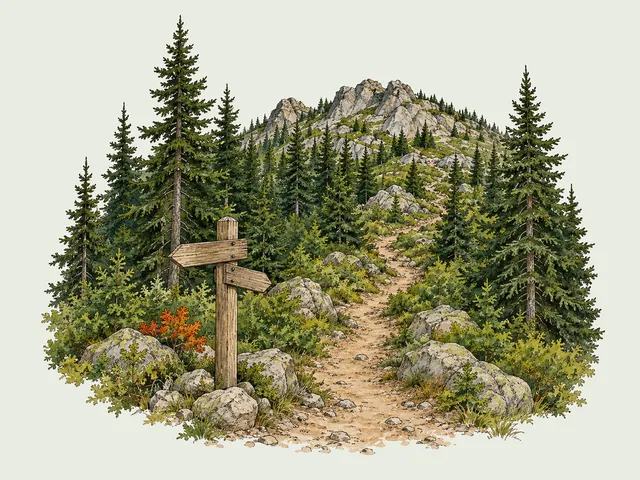


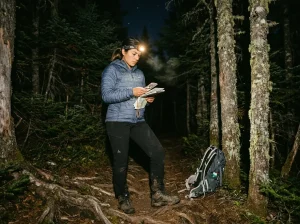
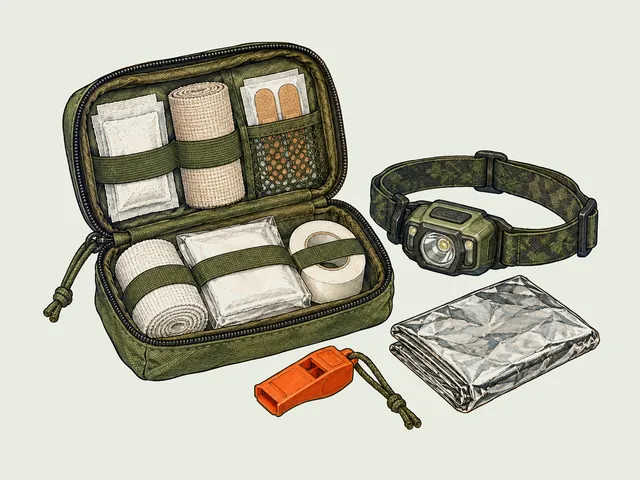

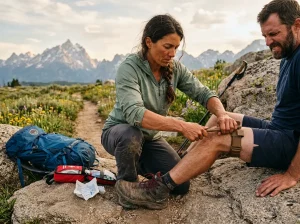
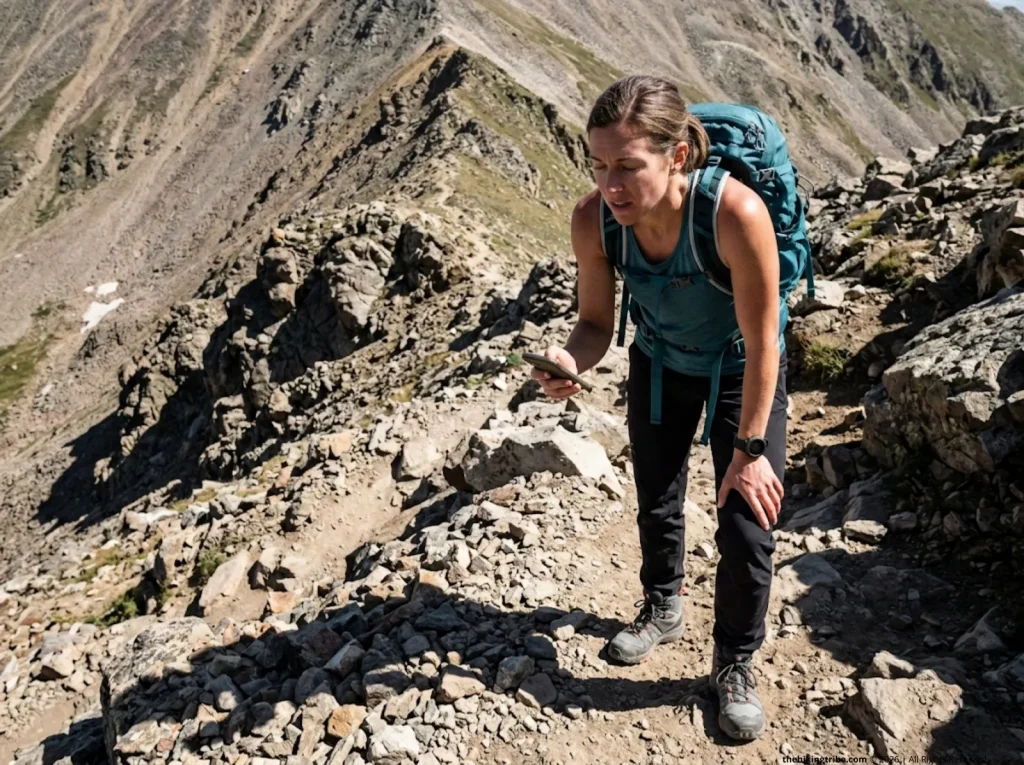
You’re three miles in, legs burning, hands gripping wet roots on a pitch steep enough to make your calves scream. Your heart is hammering somewhere near your throat. The AllTrails listing you trusted before leaving the car still says “Moderate.” Somewhere between the seventh rock scramble and the surprise 800-foot elevation push, you stopped believing that label.
I’ve spent years teaching hikers how to read terrain, and this exact story hits my inbox every Monday morning. Someone trusted a one-word label, packed light, and got humbled by a trail that had no business being called moderate. The good news? The rating wasn’t lying. You just didn’t speak its language yet.
This guide breaks down six major trail difficulty rating systems, shows you what each one actually measures (and what it deliberately leaves out), and hands you a field-tested method to match any trail to your real fitness, gear, and conditions.
⚡ Quick Answer: No single trail difficulty rating system covers everything. Most rate technical challenge OR physical effort, but never both together. They also ignore your pack weight, weather, altitude, and fitness. Learn to read multiple systems and always calculate elevation gain per mile yourself before trusting any “moderate” label.
The Rating Systems Nobody Explains Properly
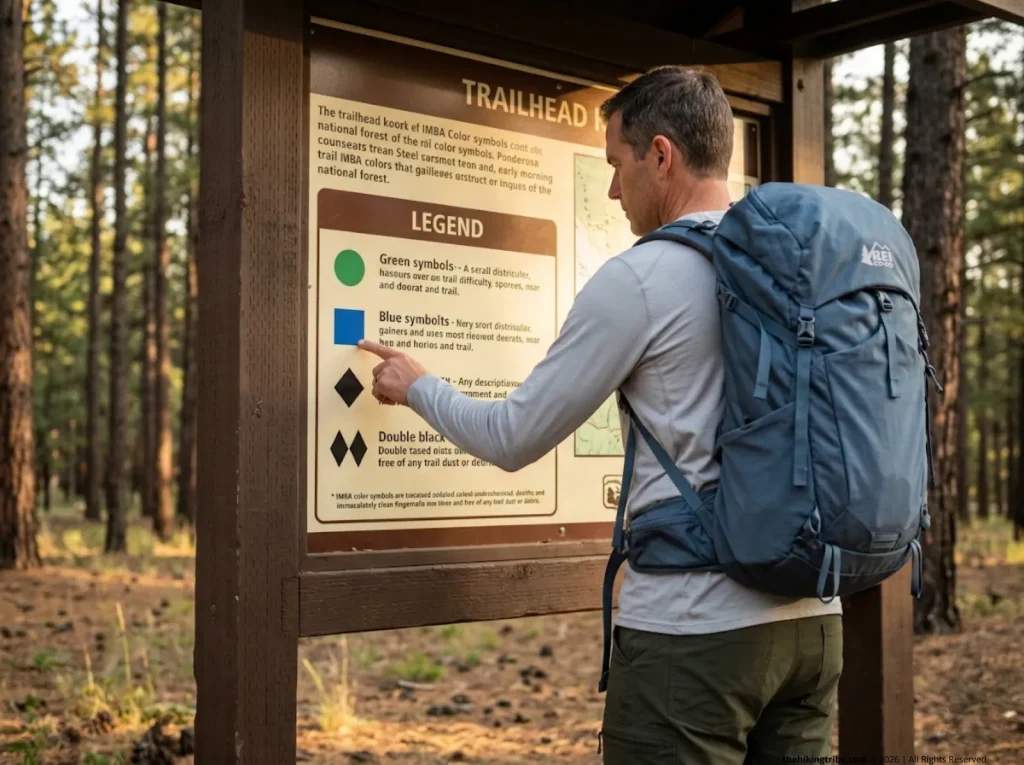
Most hikers have seen the colored shapes on trailhead signs without understanding what they actually represent. Here’s what the major systems measure, and more importantly, what they skip.
IMBA Color Symbols and What They Actually Measure
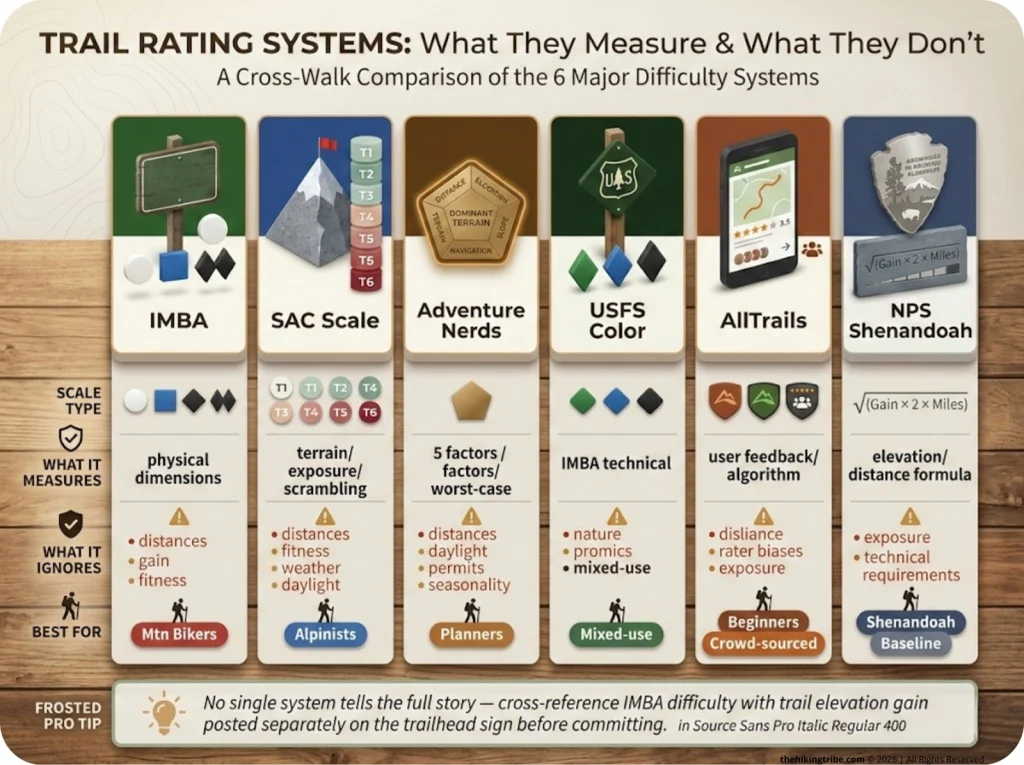
The IMBA trail difficulty rating system borrows directly from ski resorts. White Circle means easiest. Blue Square means more difficult. Black Diamond is very difficult. Double Black Diamond is expert-only.
What trips people up is that IMBA rates technical challenge only. It looks at trail width, tread surface, average trail grade, max grade, and unavoidable obstacles. A Blue Square trail has a width of at least 24 inches, mostly stable tread, an average grade at or below 10%, and obstacles between 8 and 15 inches high.
Here’s the part nobody tells you. IMBA explicitly excludes total trail length and cumulative elevation gain. Those numbers get posted separately on the sign, but most hikers never connect the two warnings. A trail can earn a Blue Square for its smooth surface and gentle grade while still packing 2,400 feet of vertical gain into four miles.
Pro tip: If a trail posts a Blue Square but also shows heavy elevation gain, you’re looking at two separate warnings, not one. Read both before you commit.
The system was originally designed for mountain biking trails in 2004, then adapted by the USFS and BLM for shared-use recreation trails. When you see these symbols on a hiking trail, they’re still rating technical features, not how tired you’ll be at the top.
SAC Alpine Scale — Where Exposure Changes Everything
The SAC hiking scale from the Swiss Alpine Club grades mountain routes from T1 through T6. T1 is a well-marked hiking path with no fall risk. T6 is very difficult alpine terrain requiring Grade II scrambling and serious route-finding.
The critical detail here: the SAC scale assumes favourable conditions. Good weather. Dry terrain. Full daylight. The rating doesn’t adjust if you show up after a rainstorm or attempt it in late afternoon fog.
Starting at T3, the SAC formally requires surefootedness, meaning balance on uneven or exposed ground without using your hands. Exposure adds a psychological weight that doesn’t register on any technical chart. A physically moderate trail with a cliff edge and a thousand-foot drop can rattle even experienced hikers, and it should.
The Shenandoah Formula and AllTrails Subjectivity
Shenandoah National Park uses one of the few objective formulas in hiking. Their difficulty rating equals the square root of elevation gain in feet times two times distance in miles. Scores below 50 mean easiest, above 200 means very strenuous. Even the NPS admits the formula is imperfect and recommends considering specific terrain alongside the number.
AllTrails takes the opposite approach. Their difficulty ratings come primarily from aggregated user-generated ratings after hikes, supplemented by algorithmic terrain factors. This makes them inherently subjective. If mostly elite trail runners rate a trail, “moderate” reflects their fitness, not yours.
The Adventure Nerds system offers something different. It determines the overall difficulty rating by taking the highest single category score across five factors: trail distance, elevation, slope, navigation, and terrain. Instead of averaging, it lets the hardest element define the whole trail. That’s closer to how a trail actually feels when one brutal section tanks an otherwise mellow day.
If you’re already thinking about how long a rated trail will take, you can go further by calculating your hiking time using Naismith’s Rule, which pairs well with any difficulty number.
Why “Moderate” Wrecked You — The Hidden Variables
Understanding the systems only gets you halfway. The bigger problem is everything they leave out.
Pack Weight Changes the Equation
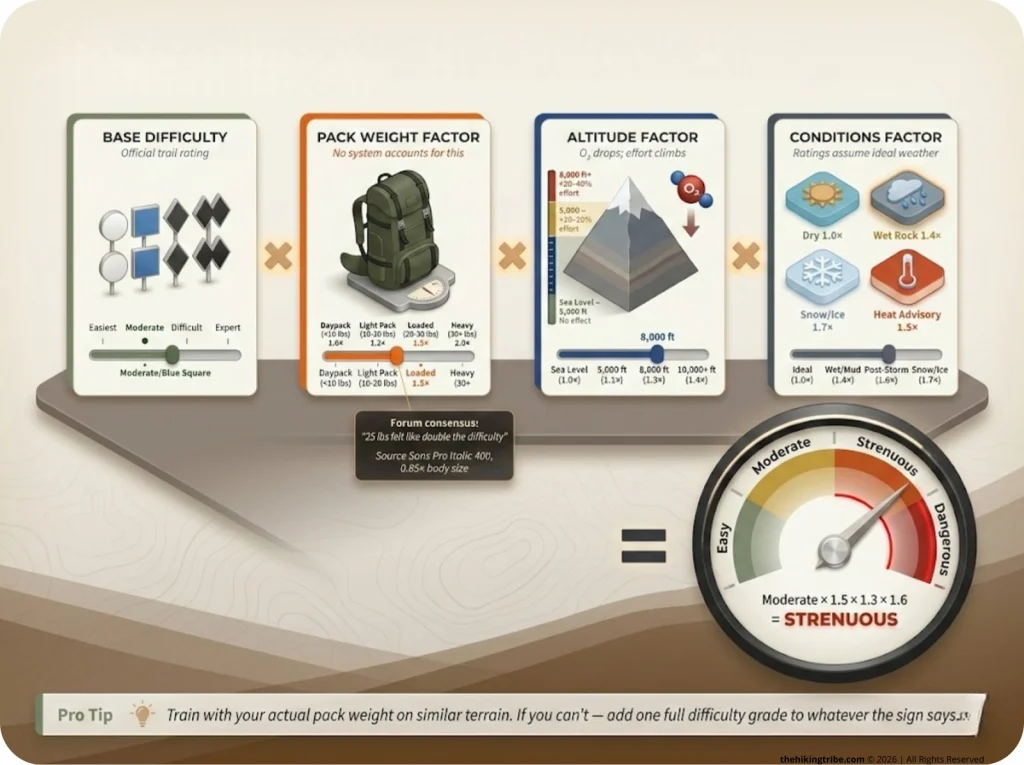
No rating system on Earth accounts for backpack weight. Every pound you carry multiplies force on every uphill step. Twenty-five pounds on a “moderate” trail feels nothing like that same trail with a daypack. Forum after forum echoes the same line: “I carried 25 lbs and it felt like double the difficulty.”
The standard field guideline says 200 to 400 feet of elevation gain per mile qualifies as easy, and 400 to 700 feet per mile is moderate. But those benchmarks assume a light daypack. Strap on a loaded recreation pack and those numbers stop telling the truth.
Pro tip: Train with your actual pack weight on terrain similar to your target trail. If you can’t do that, add one full difficulty level to whatever the sign says.
Conditions the Rating Assumes You Won’t Have
The SAC scale spells it out — ratings assume dry, visible, favorable weather. Most other systems imply it without saying so. Wet rocks, post-storm mud, fresh snow, and oppressive heat change everything. A moderate scramble on dry granite feels nothing like that same scramble with wet lichen at 6,000 feet after a storm.
Always check the 10 most recent trail reports before you go. Terrain conditions shift faster than any rating can track.
Fitness Mismatch and the Relative Scale Trap
Every trail rating is relative to the local trails in its region. A “moderate” hiking trail in flat Midwest terrain might equal strenuous in the Rockies. The label doesn’t travel.
AllTrails compounds this because it aggregates ratings from everyone who hiked a trail. If a popular route near a trail-running mecca gets rated mostly by ultrarunners, “moderate” is their moderate. Not yours.
Then there’s altitude. Above 8,000 feet, available oxygen drops enough to make any effort feel 20 to 40% harder. No trail difficulty rating accounts for that either. One hiker nailed it: “Last weekend I hiked a local ‘moderate’ blue square thinking it would be chill after my flatland training — the roots and 15% pitches had me questioning life.”
If fitness mismatch sounds familiar, it’s worth building trail-specific fitness before your next hike so the label matches your legs.
Reading Ratings in the Field — A Cross-System Decoder
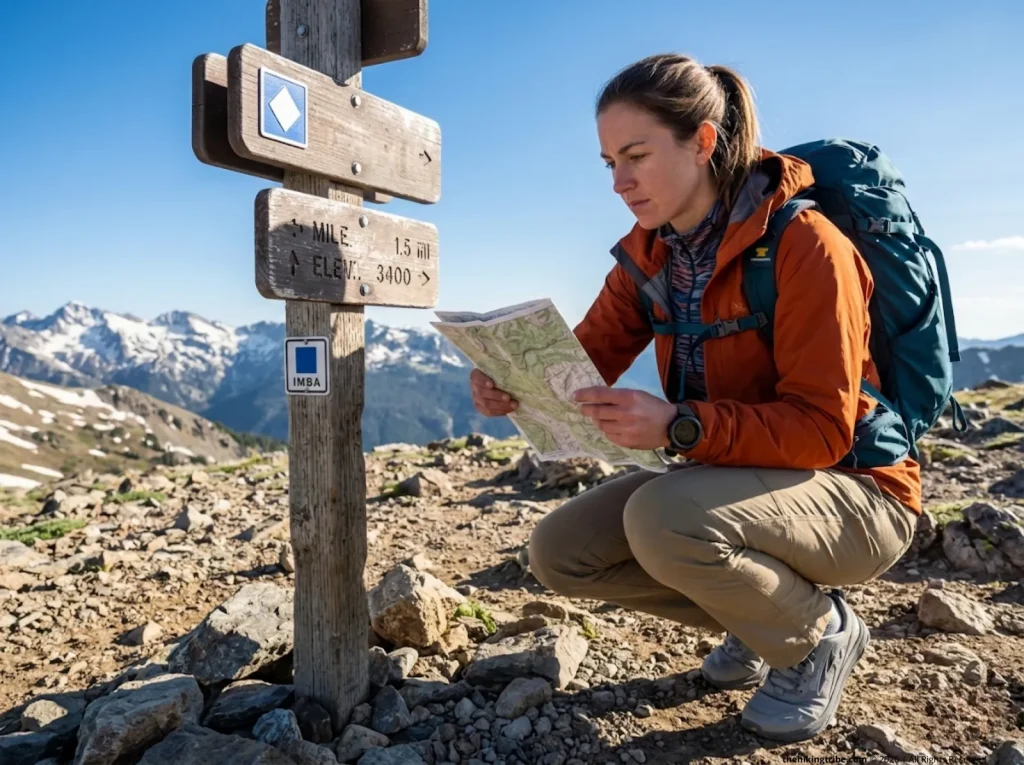
Knowing what the systems measure is one thing. Knowing how to read them on the ground is another.
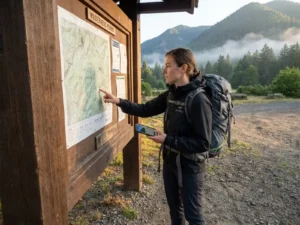
What the Symbols Actually Mean at the Trailhead
Green Circle means easiest — wide, smooth, flat. Paved nature walks live here. Blue Square signals more difficult — narrower tread, some obstacles, steeper sections. Most trails labeled “moderate” fall into this bucket. Black Diamond means very difficult — narrow, rough, steep sustained grades, significant obstacles. Double Black is expert-only, with exposure, scrambling, and serious navigation demands.
When USFS or BLM posts these trail symbols on a hiking path, they’re still using the IMBA framework. That means technical difficulty only. The sign doesn’t care how far you have to walk or how much you climb.
Decoding AllTrails — Why the Same Trail Gets Different Labels
AllTrails difficulty ratings reflect the population who rated them, not an objective standard. A trail near a major city visited mostly by beginners may show “Hard” when experienced hikers would call it moderate. The reverse is just as common. Popular thru-hiker staging routes get rated “Easy” by seasoned backpackers, misleading weekend hikers who trust the number.
The outdoor community has a name for this. A “false moderate” — a trail rated moderately because stronger hikers dominated the reviews. Ignore the headline rating. Instead, read the 10 most recent reviews and calculate elevation gain per mile yourself. That math won’t lie to you.
For better trail intel beyond a single app, check this list of hiking communities and trail apps serious hikers actually use. Cross-referencing sources beats trusting any one platform.
US vs. International Ratings — The Cross-Walk That Doesn’t Exist
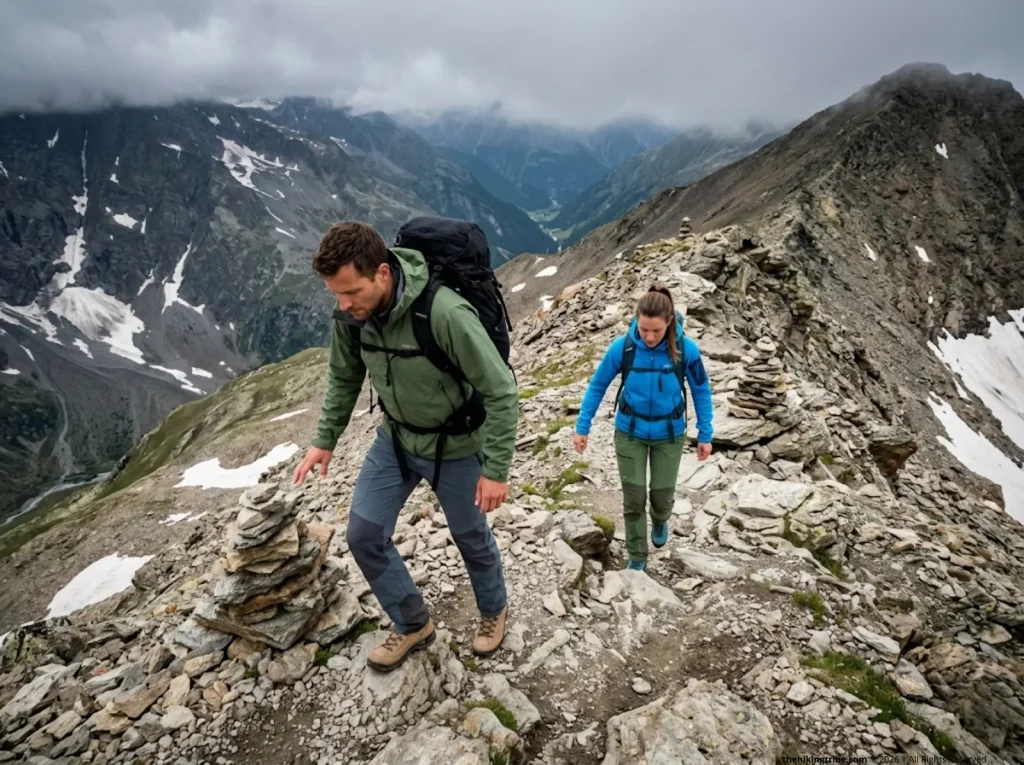
If you hike abroad, or even read trip reports from other countries, you’ll hit a wall fast. There is no official equivalence table between trail classification systems across borders.
IMBA Blue Square vs. SAC T3 — The Practical Translation
An IMBA Blue Square roughly equals a SAC T2 to T3 in practice, but no agency has ever standardized that translation. European hikers visiting US trails often describe it the other way: “This would be T4 back home but labeled moderate here.”
The AWTGS in Australia grades trails from 1 to 5. Their Grade 3 is suitable for most ages and fitness levels but recommends some bushwalking hiking experience and warns of short steep sections and rough surfaces. It sounds a lot like IMBA’s Blue Square, but the criteria behind each grade don’t map cleanly.
The real danger zone is hikers planning international treks who assume a US “moderate” and a European “moderate” mean the same thing. They don’t.
Why This Matters for Multi-Day Trip Planning
On a multi-day trekking trip, everything compounds. Pack weight increases with food and water. Fatigue accumulates. Weather shifts. A trail rated moderate for day hikers becomes a different animal on Day 3 with a 35-pound pack and tired legs.
Cross-system literacy is a safety skill. If you’re trekking the Alps and see SAC T3, you need to know that requires surefootedness and comfort with exposure, not just “moderate fitness.” Before any international trip, look up the local rating system and calculate your own difficulty with your expected pack weight factored in.
If multi-day planning is new territory, start with this guide on transitioning from day hikes to multi-day trekking for the full skill breakdown.
How to Rate Any Trail Yourself — A Field Method
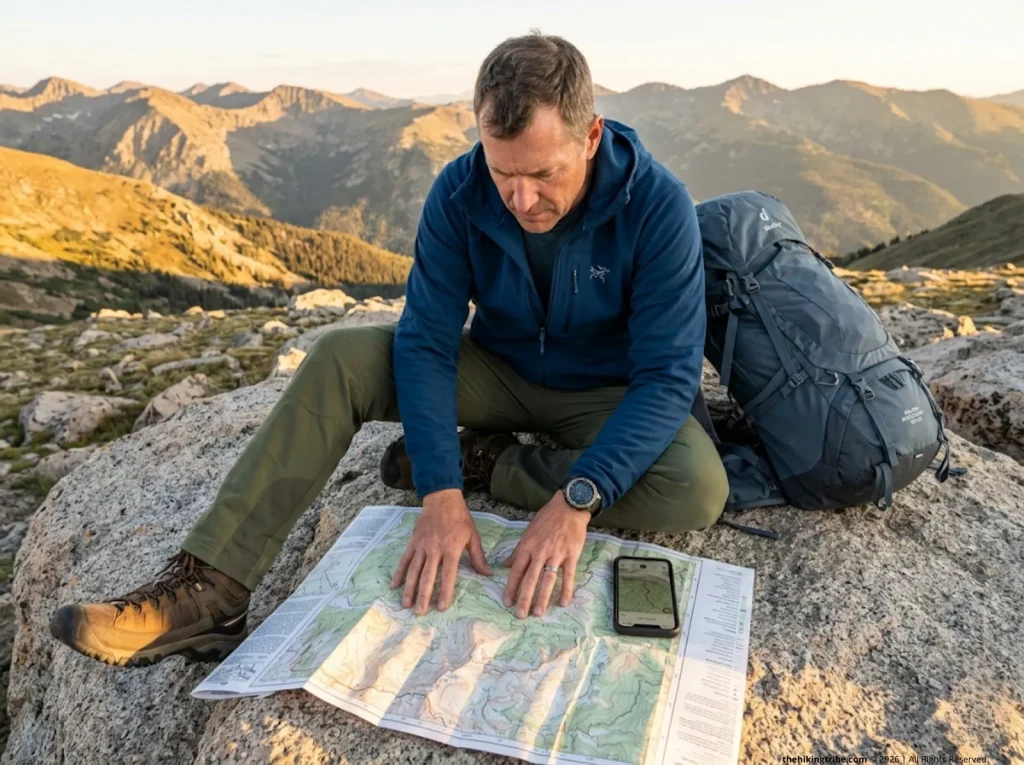
Stop relying on a single label. Here’s how to assess any trail with five factors that actually predict how it will feel.
The Five-Factor Self-Assessment
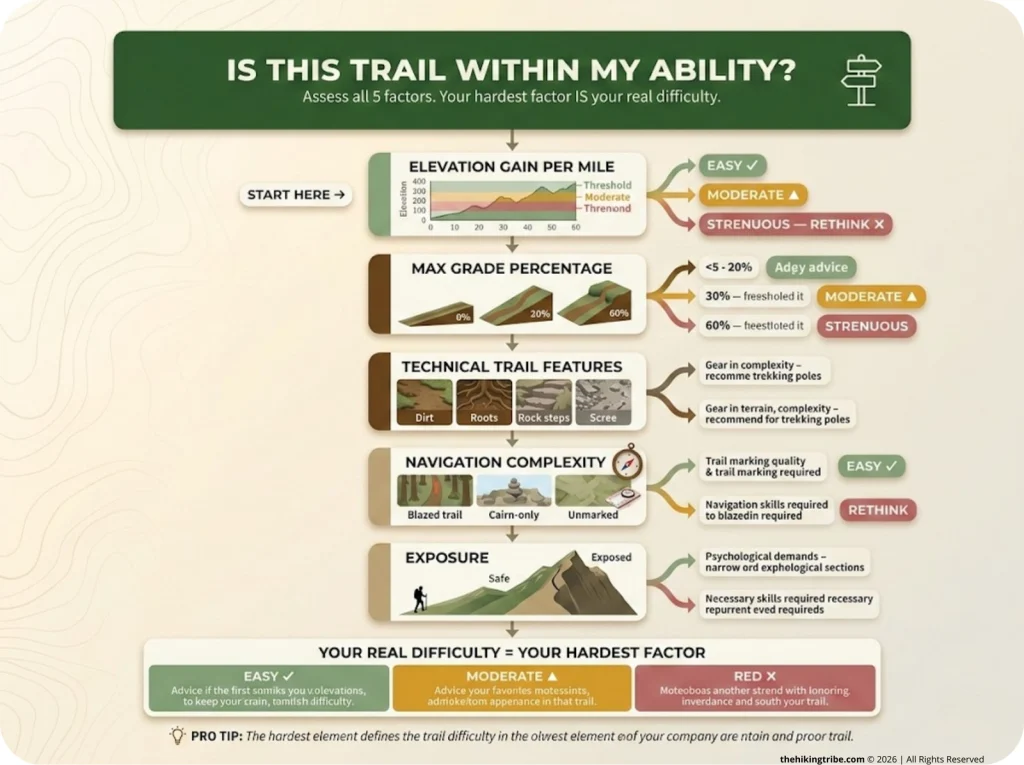
Start with elevation gain per mile. Divide total gain by total miles. Under 400 feet per mile is easy. Between 400 and 700 is moderate. Above 700 is strenuous, regardless of what the sign says.
Next, check the max grade percentage. Sustained pitches above 15% will burn your legs no matter what the overall difficulty label reads. Then assess technical trail features — roots, rock steps, stream crossings, scree. Each adds time and raises the skill floor.
Factor in navigation complexity. A well-blazed trail is a different beast than cairn-only terrain or unmarked off-trail terrain. SAC T3 and above assumes route-finding ability. Finally, evaluate exposure. Any section where a fall could cause serious injury ups both the physical and psychological demands.
The key insight from the Adventure Nerds system applies here: the highest single category determines your real difficulty, not the average. One brutal factor dominates the experience.
Pro tip: The highest single factor IS your real difficulty. A trail with easy terrain but gnarly navigation and heavy exposure is not “moderate.” It’s as hard as its hardest element.
The Gear Checkpoint Before Every Hike
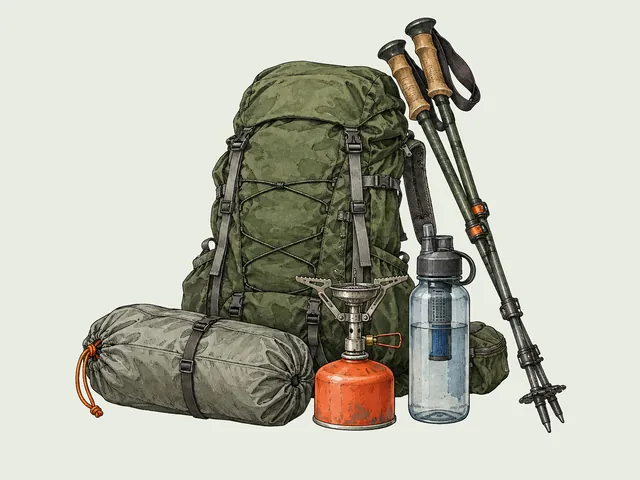
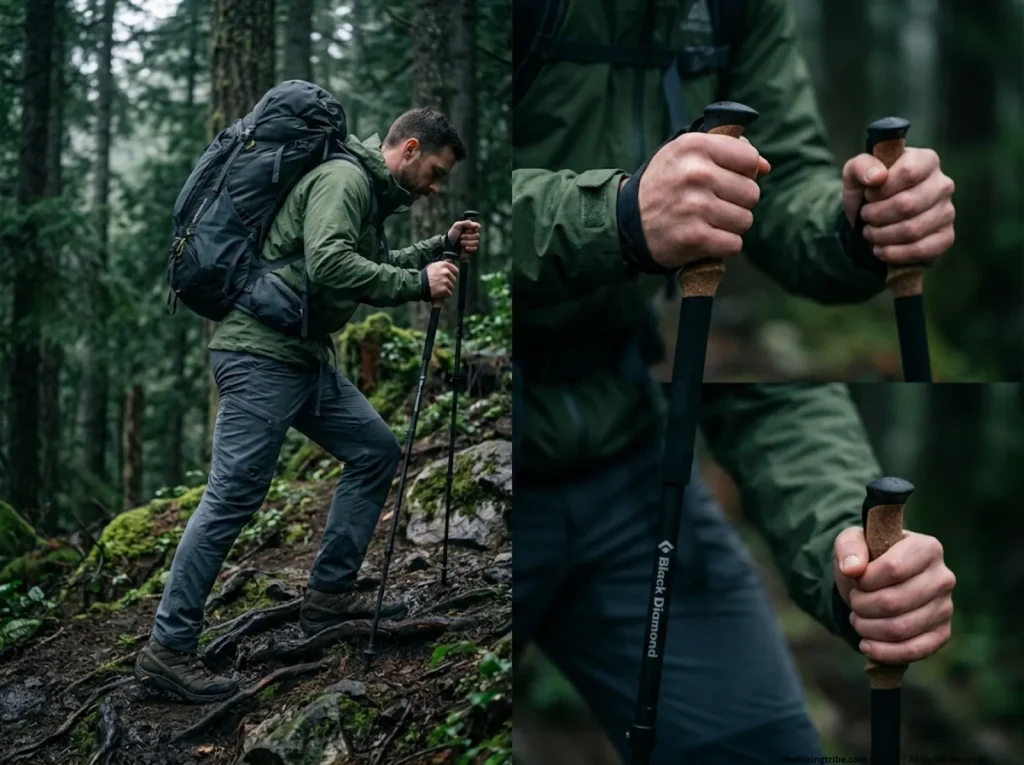
Technical trail features and sustained grades above 10% mean bring trekking poles. Any trail with exposure or wet rock demands appropriate outsole rubber, something like Vibram Megagrip that grips when conditions get slippery.
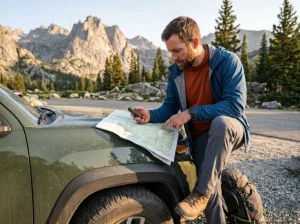
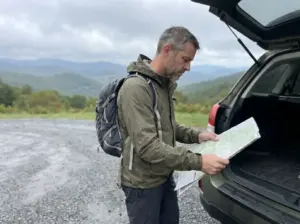
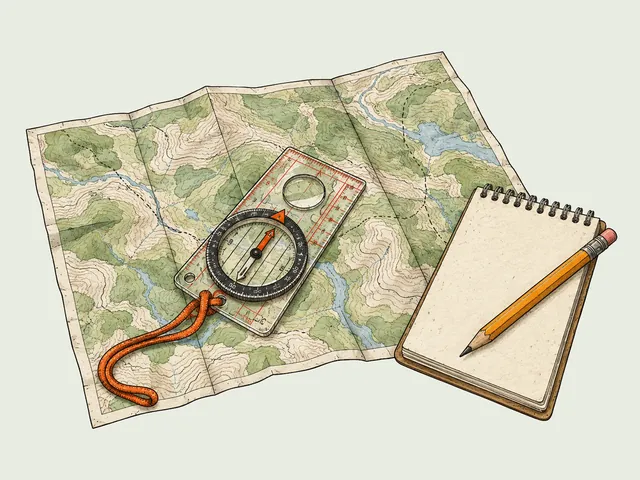
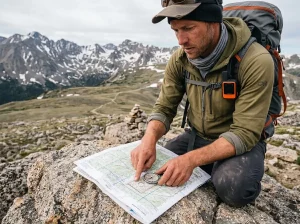
If navigation is uncertain, carry a baseplate compass and a current topo map. Don’t rely only on phone GPS, which dies, loses signal, and can’t show you terrain context the way paper does.
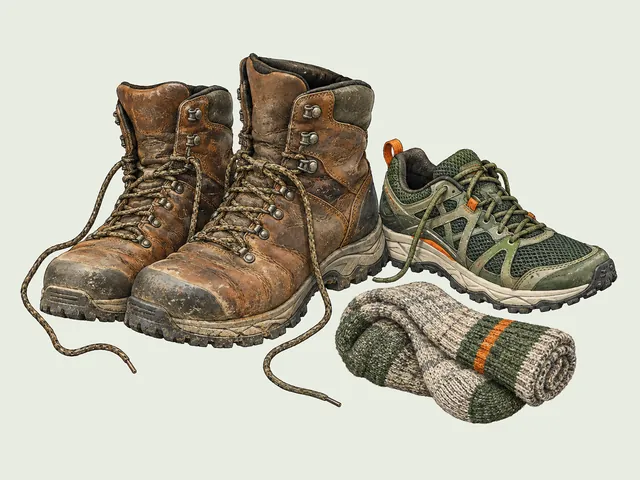
Match your boot stiffness to the terrain. Flexible trail runners work on smooth paths. Rocky technical terrain with a heavy pack demands stiffer support. For a deep breakdown on matching exactly, read about choosing boot stiffness that matches the terrain.
When “Moderate” Becomes Dangerous — Safety Thresholds
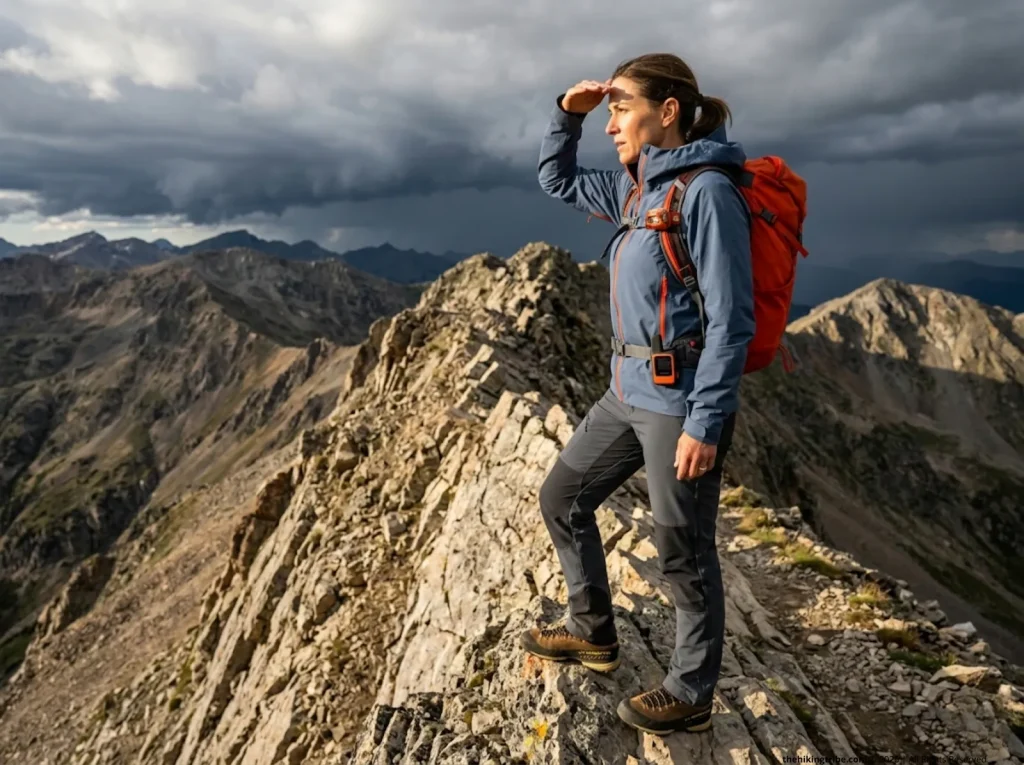
Misreading a rating is more than an uncomfortable day. In outdoor recreation, it creates genuine safety implications.
The Three Red Flags on Any Rated Trail
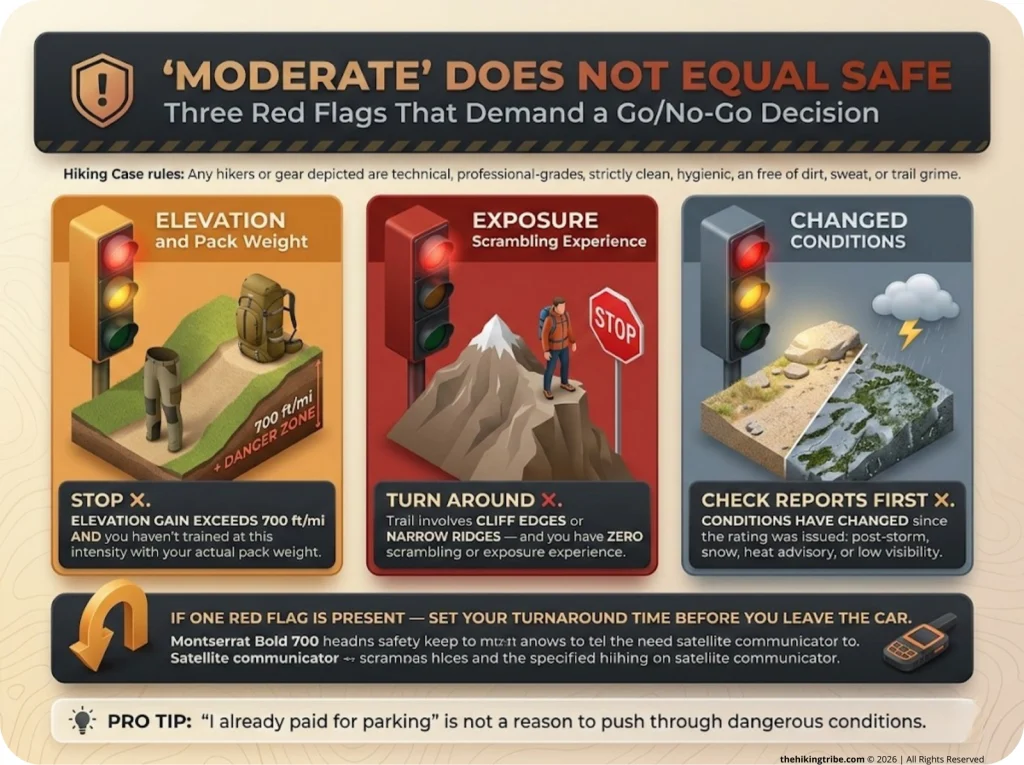
Red Flag one: elevation gain per mile exceeds 700 feet AND you haven’t trained with your pack weight at that intensity. Red Flag two: the trail involves exposure (cliff edges, narrow ridges) and you have zero scrambling experience. Red Flag three: conditions have changed since the rating was assigned — post-storm, snow, heat advisory.
“Moderate” does not equal safe for beginners. Verify your fitness, your load, and your navigation ability independently. Accurate self-assessment prevents rescues and supports Leave No Trace by reducing trail damage from unprepared hikers who end up cutting switchbacks or creating social trails in panic.
The Turnaround Decision Nobody Wants to Make
If actual trail conditions exceed your self-assessed difficulty by one full grade, turn around. Summit fever applies to day hikes too. “I paid for parking” is not a reason to push through dangerous conditions.
Carry a satellite communicator on any trail rated moderate or above in remote terrain. Cell service is not guaranteed once you’re past the first ridge. Set your turnaround time before you leave the car. If you’re not at the halfway point by that time, turn back.
Pro tip: Write your turnaround time on a piece of tape and stick it to your trekking pole grip. When your legs want to push on, that number keeps you honest.
For the full protocol on setting that time and sticking to it, read about the turnaround time math that saves lives. According to Bureau of Land Management trail experience guidelines, proper trail classification exists specifically so users can match their skills to the terrain. Use it.
Conclusion
Three things to carry out of this guide. First, trail difficulty rating systems measure specific, limited variables, not your total experience. Know exactly what each system includes and what it skips. Second, pack weight, weather, altitude, and fitness are your variables. No rating system accounts for them, so you must. Third, learn to rate trails yourself using five factors. The highest single factor IS your real difficulty.
Next time a trail description says “Moderate,” run the numbers yourself. Calculate elevation gain per mile, check recent trail reports, and honestly assess your fitness and gear. That five-minute homework is the difference between a rewarding day on the mountain and getting wrecked before the turnaround.
FAQ
Is there a universal trail difficulty rating system?
No. There is no single worldwide standard for trail difficulty rating systems. The IMBA color system is widely used in the US, the SAC hiking scale dominates in Europe, and Australia uses AWTGS grades. Each measures different variables, and none are directly interchangeable.
How does AllTrails determine trail difficulty?
AllTrails primarily uses aggregated user-generated ratings after hikes, supplemented by algorithmic terrain or obstacle factors. The difficulty rating reflects the fitness level of the hikers who rated it, not an objective trail difficulty assessment. A trail rated by ultrarunners will read Easy while the same trail rated by beginners shows Hard.
Why did a moderate trail feel so hard?
The most common reasons are pack weight (ratings ignore load), fitness mismatch (ratings are relative to local trails), elevation and altitude (oxygen drops above 8,000 feet), and conditions (wet, hot, or post-storm). Calculate your own difficulty using elevation gain per mile and factor in your specific load.
How do I compare US trail ratings to European ones?
There is no official cross-walk table. As a rough guide, an IMBA Blue Square approximately equals a SAC T2 to T3 in practice. However, SAC explicitly grades exposure and scrambling, while IMBA does not. Always research the local system before any international trek. The Swiss Alpine Club Mountain and Alpine Hiking Scale is the best primary source for understanding the T-scale.
What is the Shenandoah hiking difficulty formula?
Shenandoah National Park’s hiking difficulty formula calculates a number based on elevation gain and distance. Scores below 50 equal easiest, 50 to 100 is moderate, 100 to 150 is moderately strenuous, 150 to 200 is strenuous, and above 200 is very strenuous. NPS notes this is an approximation and recommends considering specific terrain alongside the score.

I've spent more than a decade researching hiking gear and trail technique. I read the specs, the forum threads and the long-term reviews, and every pick here comes with what it gets wrong.
End of the trail
You read every mile of this one. Here's where the trail goes next.