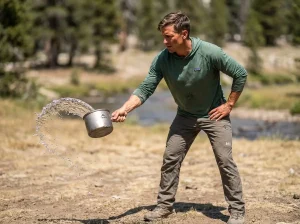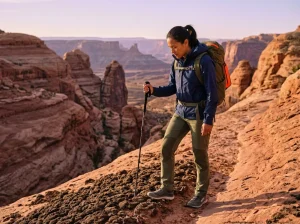
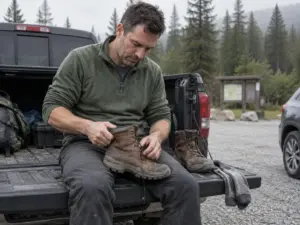
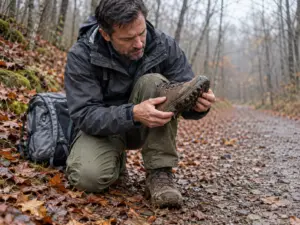


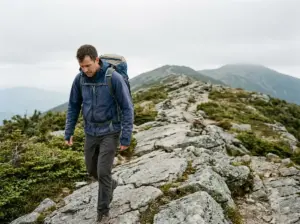
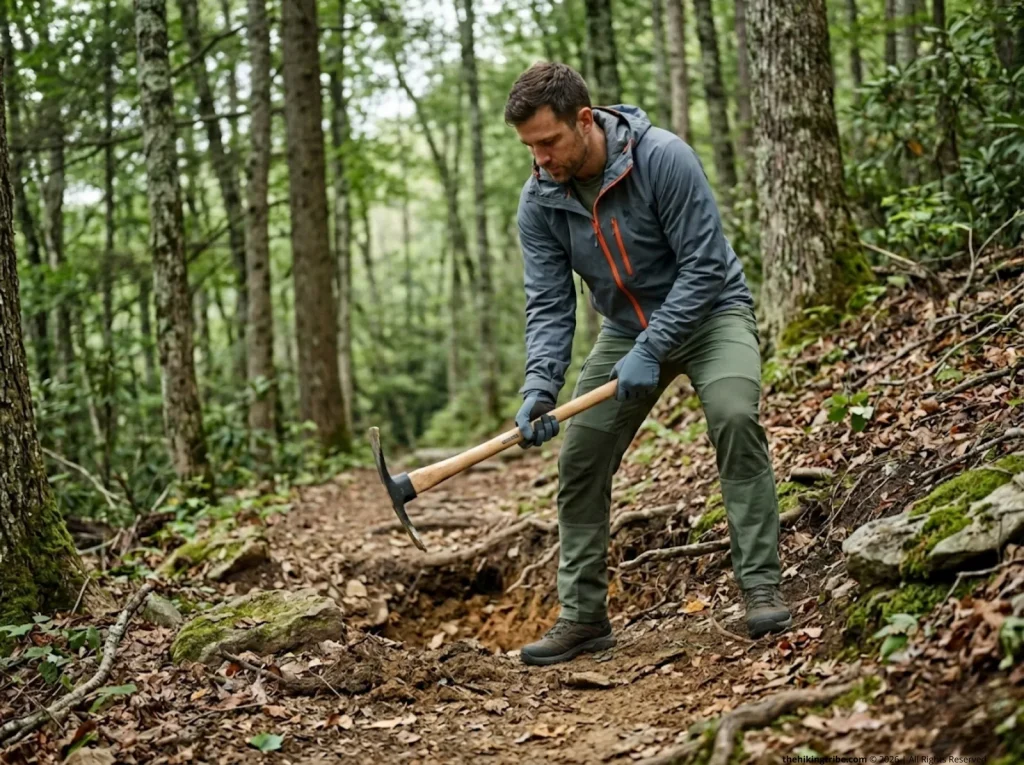
The crew leader handed me a Pulaski, pointed at a collapsed section of tread sliding downhill, and said, “See that gully? That’s why hikers twist ankles on this stretch every spring.” I stared at the eroded mess of roots and loose rocks and realized something uncomfortable. I had walked past trail damage like this for over a decade without a second thought.
Three days of swinging tools in the backcountry changed that. After one volunteer trail crew session, I started reading every trail the way a mechanic reads an engine — spotting the drainage that works, the tread that’s about to fail, and the spots where other hikers will roll an ankle before they even get there.
Here’s what trail maintenance volunteering actually looks like, how to find a crew that fits your schedule, and why the skills you pick up with a rock bar transfer straight to your next hike.
⚡ Quick Answer: Trail maintenance volunteering requires zero experience. Major organizations like the Appalachian Trail Conservancy, Pacific Crest Trail Association, and American Hiking Society provide all tools, safety gear, and on-site training for free or a small tax-deductible fee. Most projects involve 6–8 hours of moderate-to-strenuous physical labor clearing vegetation, repairing tread, and building drainage structures. The real payoff goes beyond stewardship — you develop “trail eyes” that make you a sharper, safer hiker on every trip afterward.
What Trail Maintenance Volunteering Actually Involves
The Tasks That Keep Trails Alive
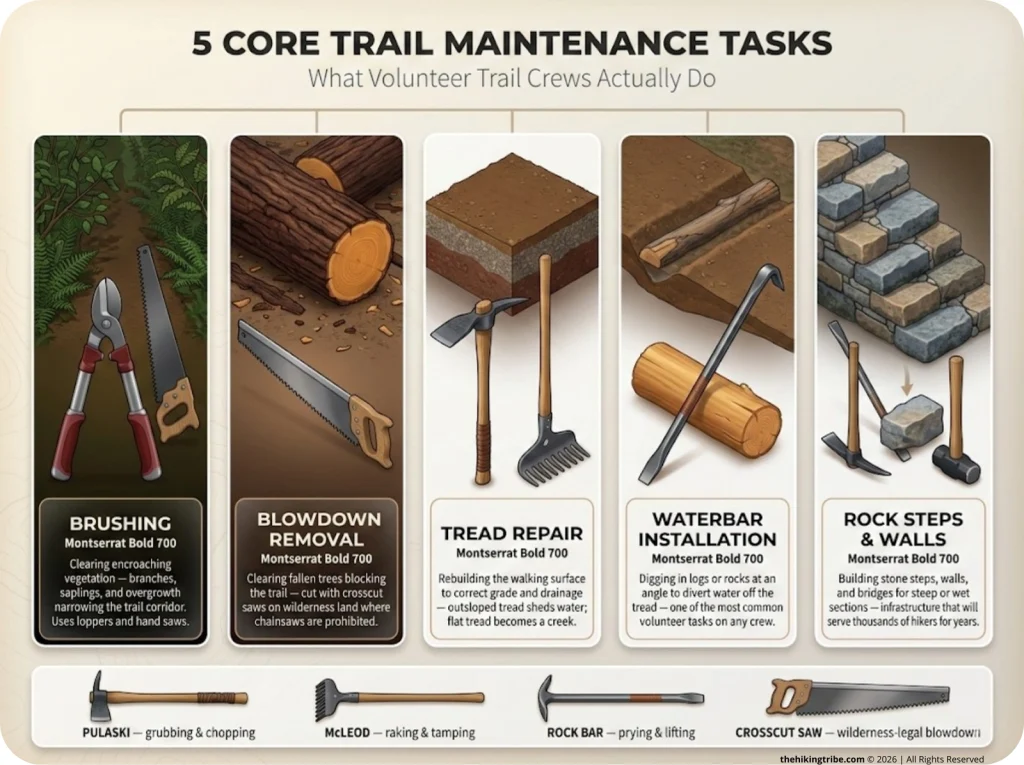
If you’ve never worked on a trail crew, the job description is simpler than you think. Volunteers handle five core tasks that keep America’s trails from sliding off the mountain.
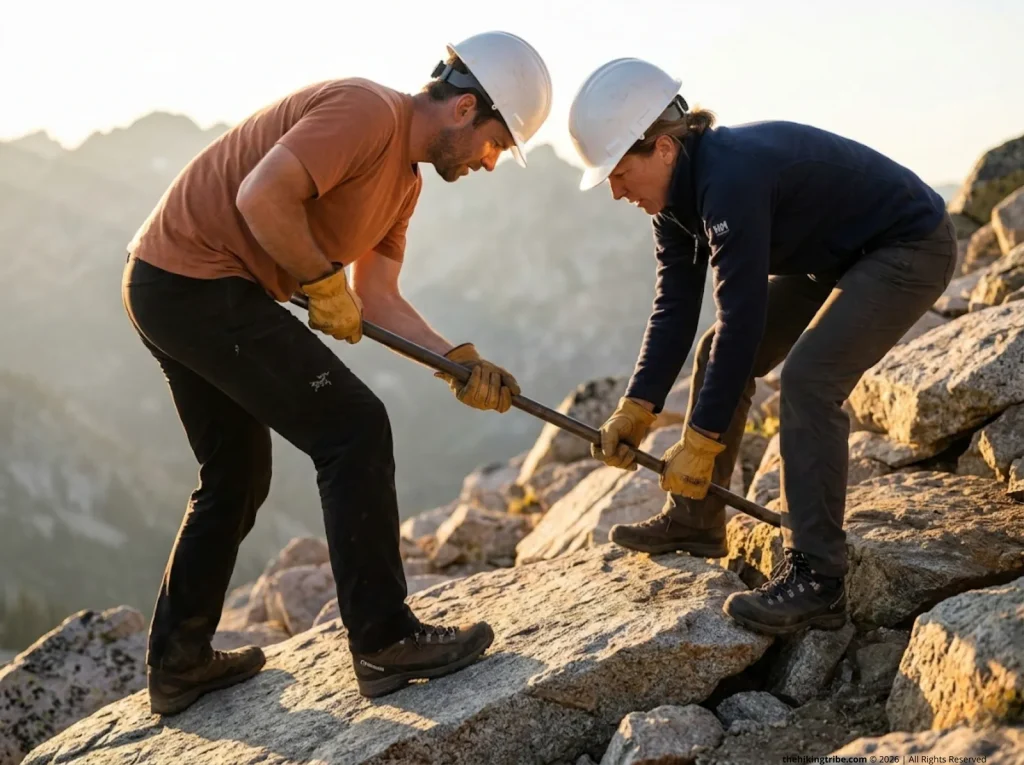
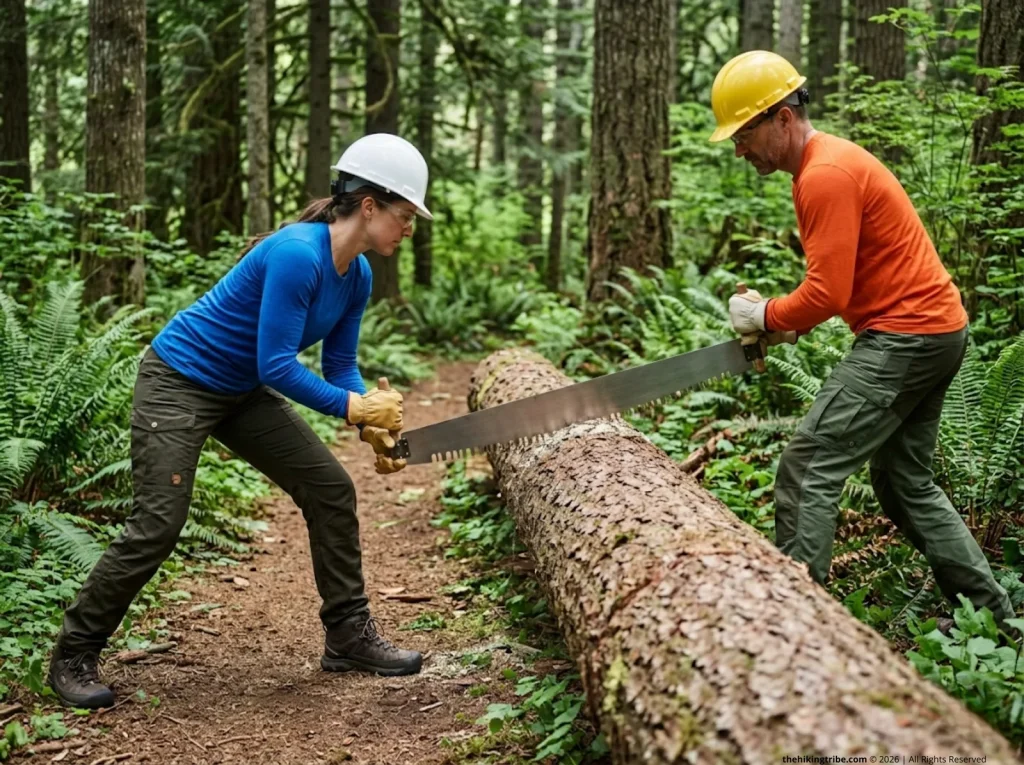
Brushing means clearing encroaching vegetation with loppers and hand saws — branches, saplings, anything narrowing the corridor. It sounds easy. After four hours you’ll feel it in muscles you didn’t know your shoulders had. Blowdown removal is the big stuff — fallen trees blocking the trail, often cut with crosscut saws because chainsaws are banned on wilderness land.
Then there’s tread repair and reconstruction, where the real education starts. You rebuild the walking surface to correct its grade and drainage, learning why a properly outsloped trail sheds water and a flat one turns into a creek after rain. Waterbar installation — digging in logs or rocks at angles to divert water off the tread — is one of the most common volunteer tasks. And for steep or wet sections, crews build rock walls, steps, and bridges that will serve thousands of hikers for years.
In 2024 alone, PCTA volunteers maintained 1,127 miles and restored 12 miles of the Pacific Crest Trail. That’s not a weekend hobby. That’s infrastructure.
Pro tip: Listen to your crew leader on tool technique, especially the Pulaski. The right swing angle prevents wrist strain and moves twice as much dirt.
If you want to understand why this work matters, look at how hiker footsteps actually cause trail erosion. Once you see the damage boots do to unprotected tread, the purpose of every waterbar becomes obvious.
A Typical Day on a Trail Crew
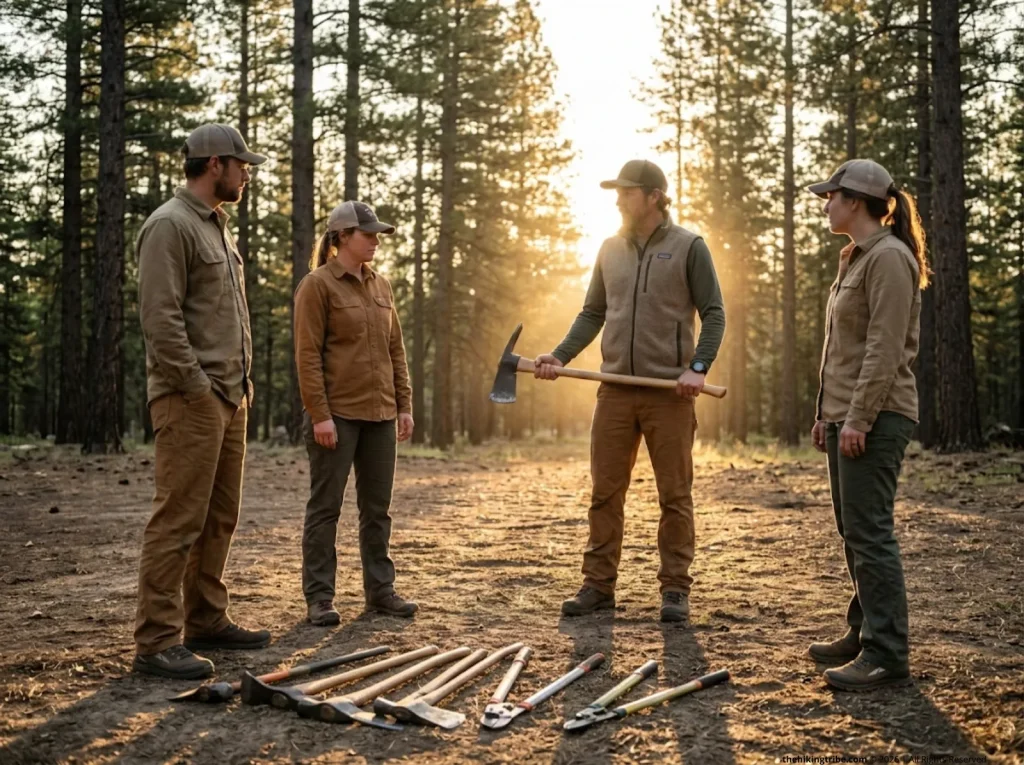
Every crew morning starts the same way — a safety briefing. Hard hats on, work gloves checked, tool handling reviewed, weather monitored. Then you work. Six to eight hours of physical labor, broken by water and snack breaks.
Crew leaders assign tasks based on fitness and experience. Nobody gets thrown into something they can’t handle. If you’re a first-timer, you’ll likely start with brushing or light tread work while more experienced volunteers tackle rock or saw projects.
On backcountry crews, you hike 3 to 8 miles to the work site carrying personal gear and tools. By day two, you know exactly how efficiently you can pack a bag. By day three, you stop caring about cell service.
What Gear to Bring (and What’s Provided)
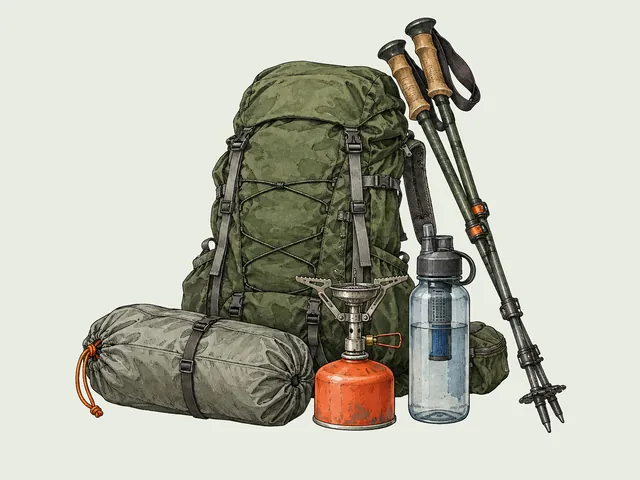
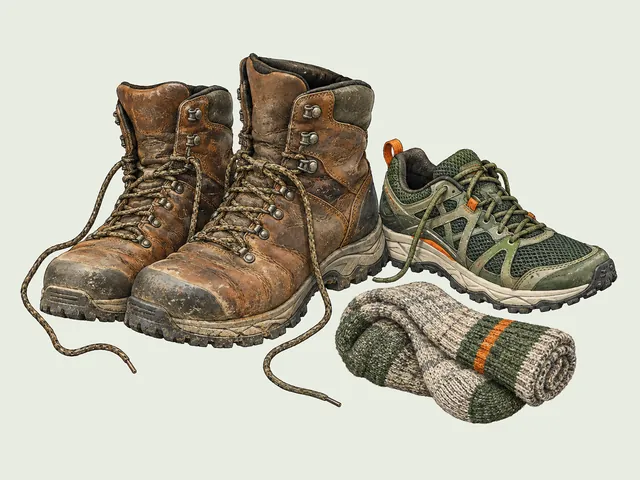
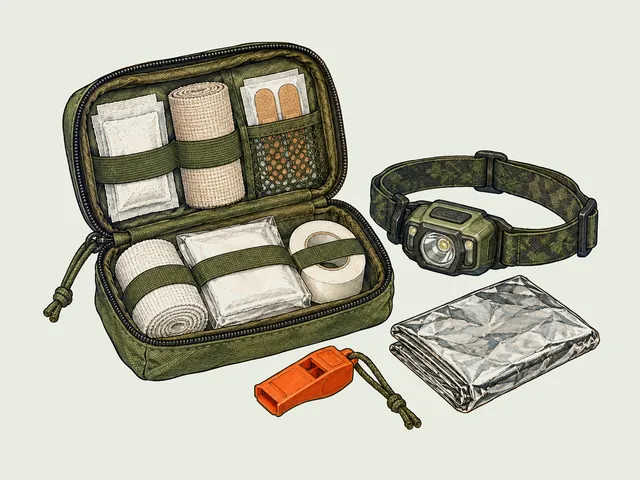
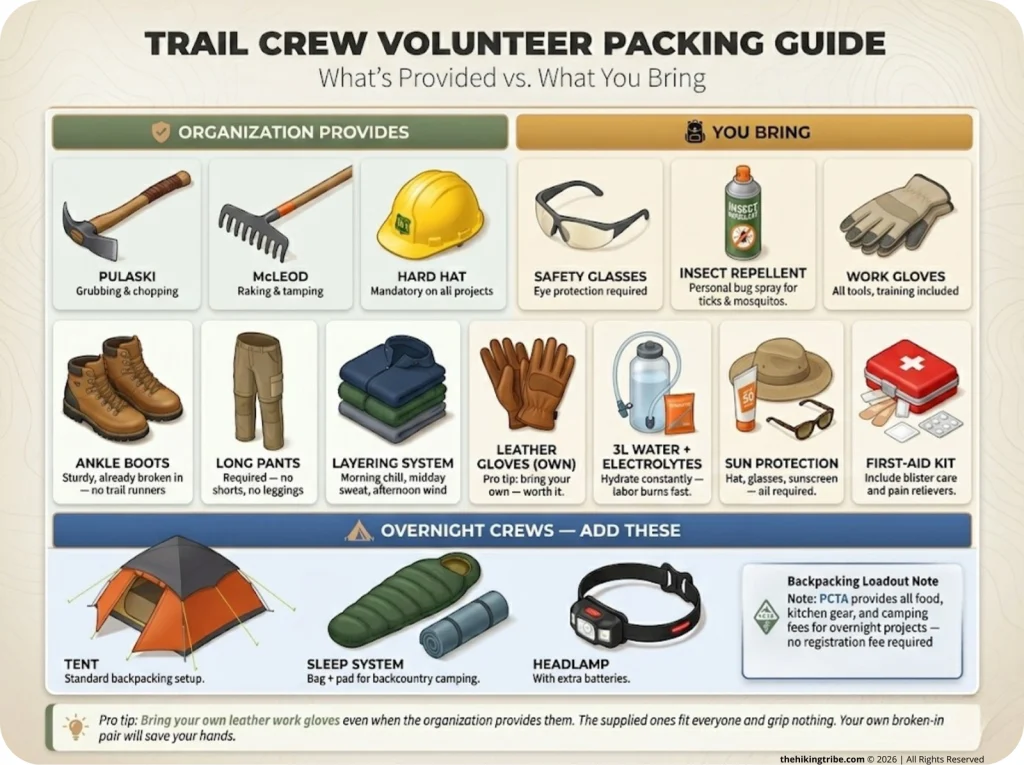
The organization supplies all work tools — Pulaskis, McLeods, loppers, crosscut saws, rock bars, hard hats, safety glasses, and work gloves. You bring your own hiking boots (ankle-covering, already broken in), long pants, layers, a daypack, at least 3 liters of water, sun protection, and a personal first-aid kit.
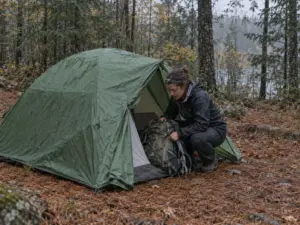
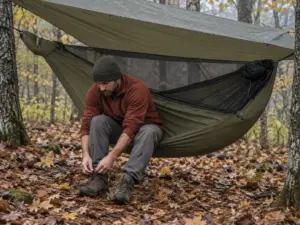
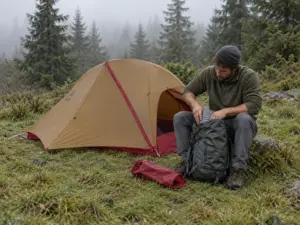
For overnight crews, add the standard backpacking loadout: tent, sleeping bag, pad, headlamp. PCTA provides all food, kitchen gear, and camping fees for overnight projects — no registration fee required.
Pro tip: Bring your own leather work gloves even when the organization provides them. The supplied ones fit everyone and grip nothing. Your own broken-in pair will save your hands.
Where to Find Volunteer Trail Crews Across the US
National Programs Worth Your Time
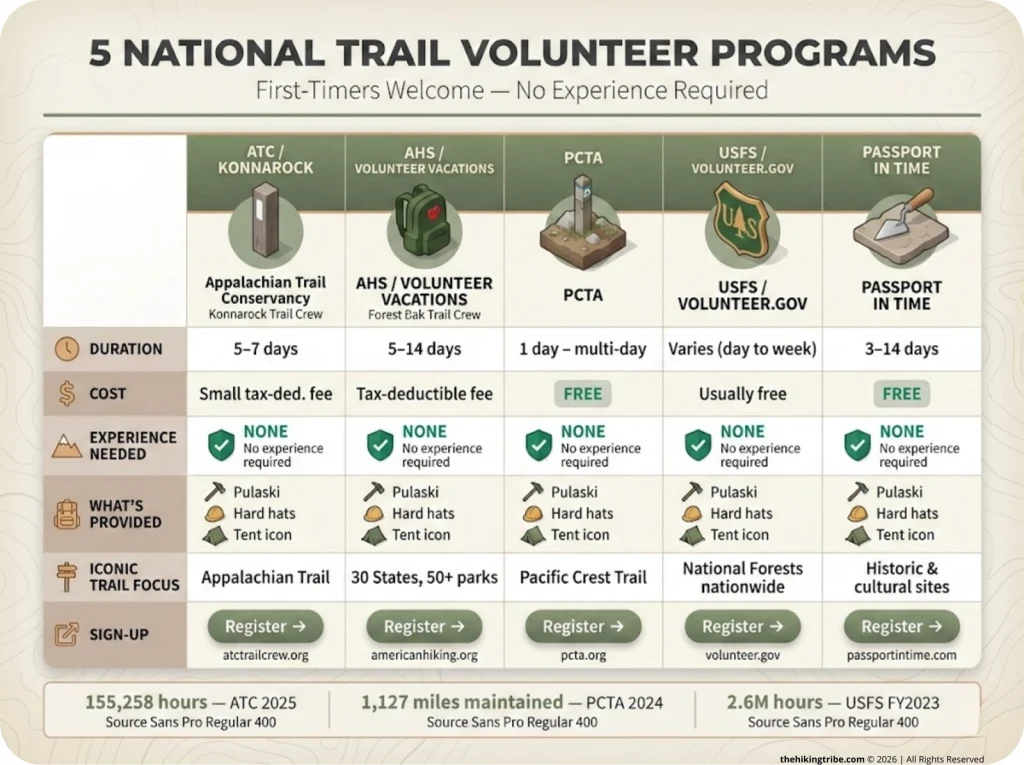
Five organizations run the largest volunteer trail maintenance programs in the country, and every one of them welcomes first-timers.
The Appalachian Trail Conservancy runs the flagship Konnarock Trail Crew — 5-to-7-day backcountry sessions for ages 17 and up, with tools, training, food, and tent camping provided. In 2025, 4,429 ATC volunteers contributed 155,258 hours across the entire Appalachian Trail corridor. The American Hiking Society coordinates more than 50 Volunteer Vacation projects across 30 states annually, rated by difficulty so you can match projects to your fitness level. Registration is tax-deductible.
The Pacific Crest Trail Association offers free registration, no experience required, with options ranging from single-day projects to multi-day backcountry sessions with named crews like Skyline and Sasquatch. Their Trail Skills College teaches advanced trail construction for returning volunteers.
The U.S. Forest Service lists thousands of federal opportunities through Volunteer.gov — the central portal for NPS, USFS, and BLM land projects. And if you want something different, Passport In Time combines trail work with archaeological and historical conservation projects. For background on what all this work involves, check out our complete guide to trail maintenance for hikers.
In FY 2023, the Forest Service mobilized 71,660 volunteers who contributed 2.6 million hours valued at over $85 million.
Local Clubs and Regional Crews
You don’t need a national organization to start. The Carolina Mountain Club maintains 94 miles of AT and 150 miles of Mountains-to-Sea Trail in western North Carolina — no experience necessary. The Appalachian Mountain Club, Sierra Club, and Washington Trails Association all run regular Saturday work parties that are the lowest-commitment entry point you’ll find.
How to Choose the Right Fit
Think about four things: duration (day vs. multi-day), physical demand (easy, moderate, strenuous), cost (free vs. registration fee), and what’s provided vs. what you bring. If you’ve never done trail work, start with a single-day project. You’ll learn the basics, meet the crew culture, and know by sundown whether you want to go deeper.
If you want the strongest skill transfer, sign up for a multi-day backcountry crew. That’s where “trail eyes” develop — living on the trail, working it, and seeing how it responds to weather and use over consecutive days.
How Volunteering Actually Makes You a Better Hiker
Developing “Trail Eyes” for Reading Terrain
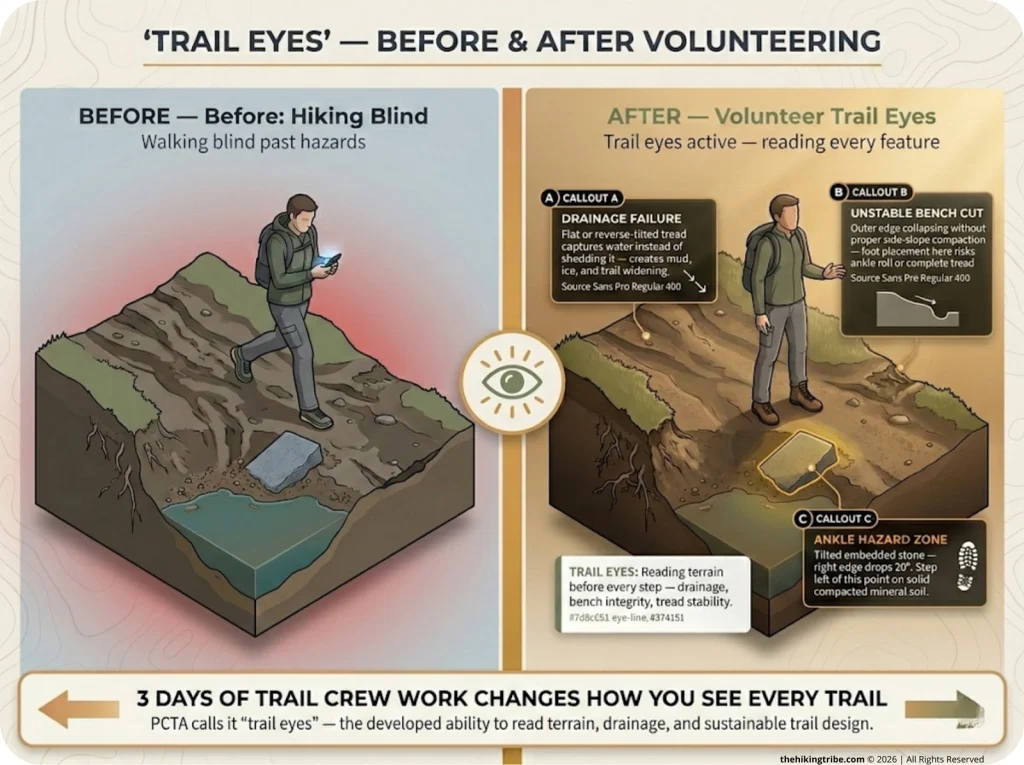
This is the part nobody talks about, and it’s the whole reason I wrote this article. After building waterbars and reshaping tread for three days, I hiked out and something had shifted. I could see things I’d been blind to for years.
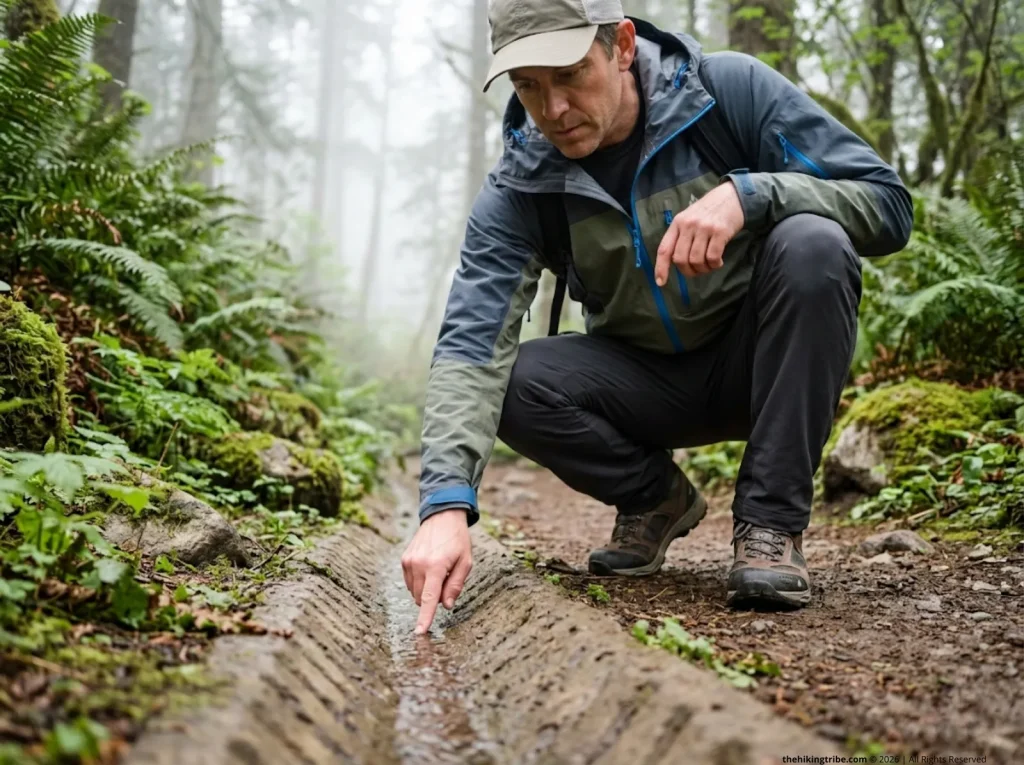
The PCTA calls it “trail eyes” — the developed ability to read terrain, drainage, and sustainable trail design. Once you’ve dug a rolling grade dip to keep water flowing off the tread instead of down it, you start noticing where drainage fails on every trail you hike. Those slippery sections where everyone steps carefully? Broken drainage. That stretch that always feels stable and dry? Properly outsloped full bench cut.
Understanding how sustainable trail design works means you can spot unstable sections before stepping on them. You stop walking blindly and start choosing your line based on what the trail is actually doing underneath you. If you want to go deeper, read about how sustainable trail design protects the parks we hike. The connection between PCTA’s trail maintenance and reconstruction program and your personal safety is more direct than you’d think.
Building Backcountry Fitness and Mental Resilience
Eight hours swinging a Pulaski or moving rocks builds functional strength that no gym workout replicates. Your grip, core, legs, and shoulders all fire in ways that translate directly to load-bearing on multi-day treks. By day five of a Konnarock session, you’ve built the kind of trail fitness that usually takes a two-week backpacking trip to develop.
The mental side matters just as much. Backcountry crew life — no showers, shared chores, rain-or-shine labor — builds the same resilience you need for solo backpacking. ATC volunteers call it “Type 2 fun” — miserable in the moment, deeply rewarding in the rearview mirror.
Leave No Trace in Practice, Not Theory
Most hikers know the 7 Leave No Trace principles as abstract rules on a trailhead sign. Trail maintenance volunteers apply them with their hands. Building drainage structures IS Leave No Trace — you’re preventing the erosion that trail braiding and shortcutting cause. Volunteers learn why stepping through mud instead of around it matters, firsthand, with a crew leader explaining the soil science in plain language.
This hands-on understanding sticks. After a crew session, you hike differently because you’ve seen what happens when people don’t. For a deeper look at responsible hiking, read about going beyond the 7 LNT principles in practice.
Your First Volunteer Day — A Step-by-Step Playbook
Finding and Signing Up for Your First Project
Start at Volunteer.gov or go directly to ATC, PCTA, or AHS websites. Filter by location, date, duration, and physical demand level. If you want to test the waters without committing to a week, choose a single-day project — most local clubs run Saturday work parties that wrap by mid-afternoon.
AHS Volunteer Vacations and iconic-trail crews like Konnarock fill up fast. If you see a trip that fits your schedule, register early.
What to Expect (and What NOT to Worry About)
Every major program states the same thing: no prior trail work experience needed. You will receive on-site training for every tool before you touch them. Crew leaders match tasks to your fitness and comfort level. Nobody expects you to build a stone staircase on day one.
Expect sore muscles on day two. Hydrate and eat constantly — the work burns calories fast. You don’t need to be an athlete. You need to be willing to work at a steady pace for a full day and take direction from your crew leader.
The Packing Checklist That Experienced Crew Members Actually Use
Boots are first priority — sturdy, ankle-covering, already broken in. Trail runners won’t cut it. Long pants, not shorts, not leggings. Layers for morning chill, midday sweat, and afternoon wind. Your own leather work gloves. Hat, sunscreen, sunglasses. Three liters of water minimum, plus electrolytes. High-calorie snacks for constant refueling and a personal first-aid kit with blister care and pain relievers.
For overnight crews, pack your standard backpacking setup — tent, bag, pad, headlamp. Keep the weight reasonable. You’ll hike those miles carrying tools on top of your personal gear. If you need to build out your kit without overspending, check affordable hiking gear that handles volunteer work days.
Safety Protocols Every Volunteer Should Know
Tool Safety and PPE Basics
Hard hats are mandatory on most projects — falling limbs and rock debris are real hazards, not theoretical ones. Work gloves are mandatory because blisters from tool handles are the number one first-day complaint.
Proper swing technique for Pulaskis and McLeods prevents back injury and wrist strain more than any warmup routine. Never stand downhill from someone swinging a tool. Crosscut saws require two-person coordination and specific body positioning — your crew leader will walk you through it before you touch the handle.
Every crew morning starts with a safety briefing. Pay attention. The people running it have seen what happens when someone doesn’t.
Pro tip: If you’re new to crosscut saws, let the saw do the work. Pushing and pulling too hard binds the blade and exhausts you in twenty minutes. A smooth rhythm with consistent pressure cuts three times faster.
Weather, Wildlife, and Remote Locations
Backcountry projects mean you are hours from the trailhead — personal preparedness matters more than it does on a day hike. Lightning protocol is simple: tools down, move to lower ground, spread the crew out. Bear country protocols apply on many Appalachian Trail and Pacific Crest Trail sections. Follow your crew leader’s food storage rules without exception.
Heat illness sneaks up during physical labor. Hydrate constantly, watch for dizziness or confusion in yourself and your crewmates, and communicate early if something feels off. To understand why some trails you’ll be working on were closed in the first place, read why trails get closed and what happens during rehab.
Beyond the First Trip — Growing as a Trail Steward
From Day Volunteer to Crew Leader
If the first trip hooks you — and it usually does — both ATC and PCTA offer crew leader training programs for returning volunteers. Leading a crew develops mentorship, logistics, and backcountry management skills that are hard to find anywhere else.
Some volunteers transition into conservation employment through these programs. ATC explicitly mentions the pipeline from volunteer to seasonal staff. Others adopt a specific trail section through trail adoption programs, committing to monitor and maintain their stretch year-round.
The Bigger Picture — Why Your Hours Matter
In FY 2023, U.S. Forest Service volunteers contributed 2.6 million hours valued at over $85 million. On National Public Lands Day alone, 6,768 USFS volunteers contributed roughly 94,000 hours impacting 67 miles of trails and rivers.
Without volunteers, many trails in national forests and along the national scenic trails would become impassable within a few seasons. Erosion doesn’t wait for budget approvals. Your work directly preserves the places you love to hike, filling a gap that the federal government simply cannot cover on its own.
Conclusion
Three things stuck with me after my first trail crew session, and they’ve shaped every hike since.
First, trail maintenance volunteering requires zero experience. Every major program trains you on-site, hands you the tools, and matches the work to what you can handle. The barrier to entry is showing up.
Second, the skills you develop with a Pulaski transfer to your next hike more directly than any book or YouTube video. Reading terrain, spotting drainage failures, understanding why some trails feel stable and others feel like they’re about to give — that comes from building and breaking trail with your own hands.
Third, your hours matter. The trails you hike exist because hundreds of thousands of volunteers do the work that federal budgets can’t cover. Joining a crew isn’t just giving back. It’s becoming part of the infrastructure.
Pick one program from this article, sign up for a single-day project this season, and pay attention to every trail you hike afterward. You’ll never see a waterbar the same way again.
FAQ
Do I need experience to volunteer for trail maintenance?
No. Every major US program — ATC, PCTA, AHS, USFS — explicitly requires no prior trail work experience. Crew leaders provide on-site training for every tool and technique before work begins.
How physical is trail maintenance volunteering?
Expect 6–8 hours of moderate-to-strenuous labor per day, including hiking to work sites with tools. You don’t need to be an athlete, but good general fitness and the ability to work at a steady pace are important.
What does a trail maintenance volunteer day cost?
Many programs are completely free — PCTA day projects and local club work parties charge nothing. AHS Volunteer Vacations charge a tax-deductible registration fee covering food, tools, and crew support.
Are there trail maintenance volunteer opportunities near me?
Start at Volunteer.gov to search federal opportunities by location. Then check your state’s hiking clubs, local USFS ranger districts, and organizations like AHS, ATC, or PCTA for regional projects.
How does trail maintenance make me a better hiker?
You develop what PCTA calls trail eyes — the ability to read terrain, drainage patterns, and construction quality. After building waterbars and reshaping tread, you start noticing where trails are failing and why certain sections feel stable or sketchy. That awareness translates directly to better route choice and hazard avoidance on every hike.
I've spent more than a decade researching hiking gear and trail technique. I read the specs, the forum threads and the long-term reviews, and every pick here comes with what it gets wrong.
End of the trail
You read every mile of this one. Here's where the trail goes next.