













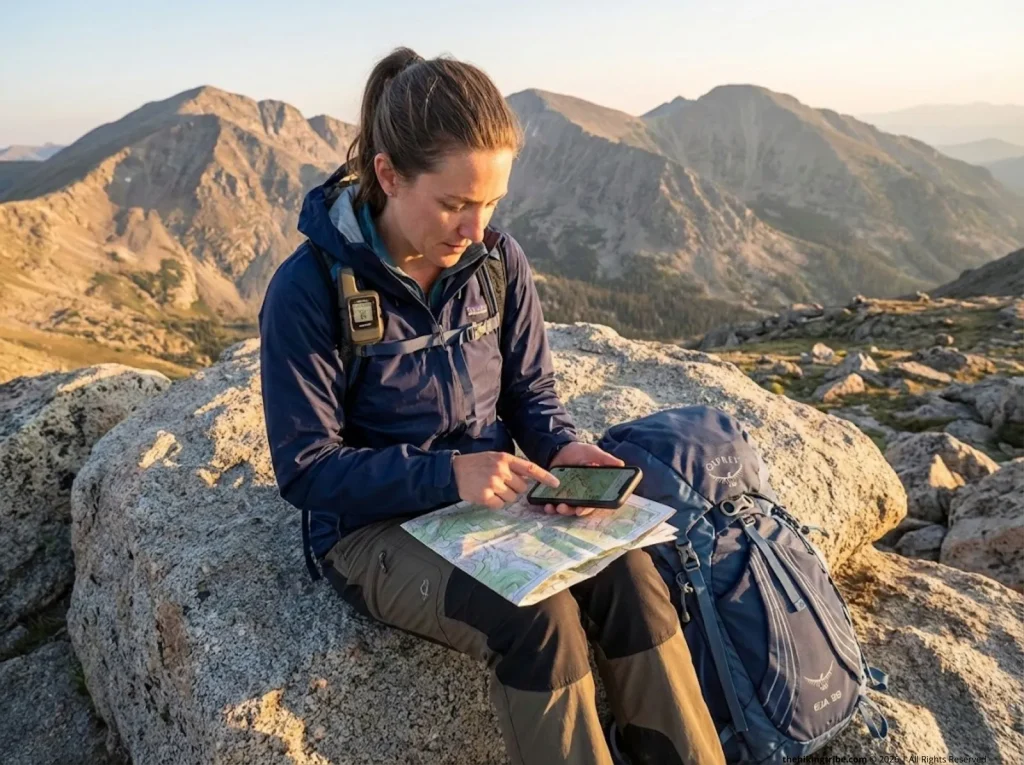
Three days into a solo traverse of the Wind River Range, I pulled into camp with a swollen ankle and zero cell service. What saved the trip wasn’t my satellite communicator. It was a trail report posted six hours earlier on a hiking forum by a stranger who’d flagged the exact creek crossing where I slipped. That stranger’s 200-word post changed my route and probably kept me off a SAR helicopter.
After years of scrolling through bloated app listicles, I realized something. The virtual hiking communities that matter aren’t the ones with the biggest user counts. They’re the ones where experienced hikers contribute honest, timestamped intel and hold each other accountable for responsible practices. The platforms where someone will tell you a trail is washed out before you drive four hours to find out yourself.
This guide filters through dozens of apps, forums, and virtual hiking challenges to surface the seven that serious hikers actually rely on. No bloatware. No fluff. Just the platforms that earn their place in a backcountry toolkit.
⚡ Quick Answer: The best virtual hiking communities for serious hikers are AllTrails (for route discovery and community heatmaps), Gaia GPS (for multi-day GPS planning), Komoot (for social route sharing), The Hiking Forum and Backpacking Light (for unfiltered trail reports and gear discussions), The Conqueror (for virtual thru-hike challenges with real medals), and World Walking (for free step-tracking with Google Street View integration). Use at least two platforms together for the most reliable trip planning.
The Forums Where Backcountry Knowledge Actually Lives
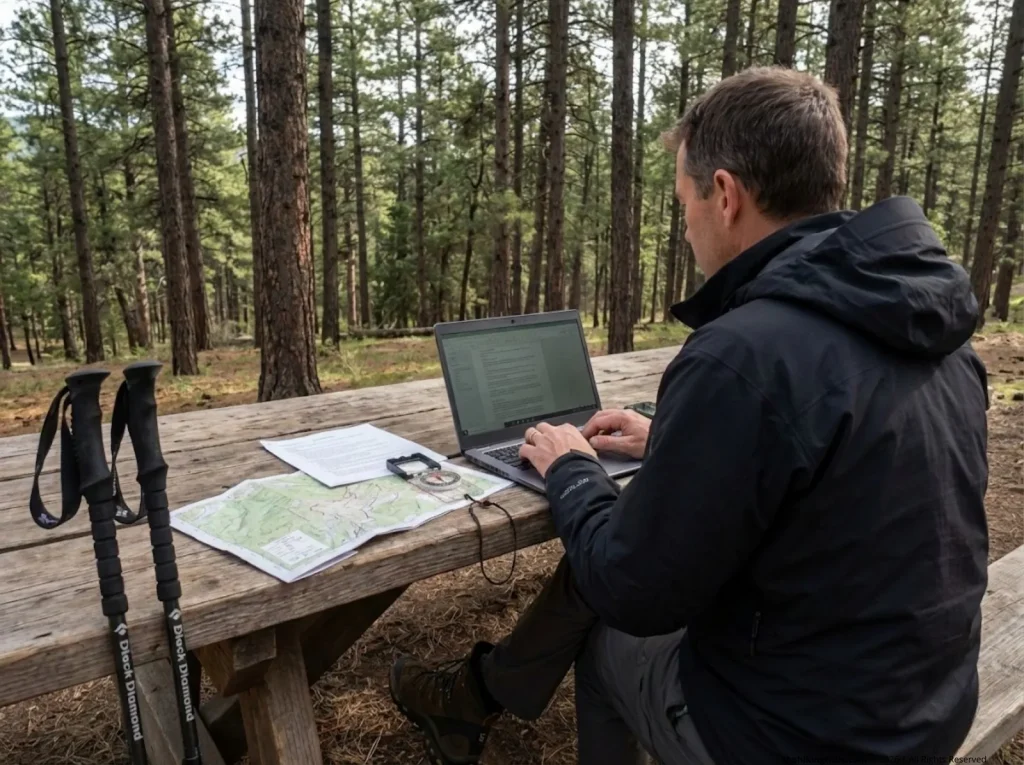
Apps get all the marketing dollars. But the deepest backcountry community knowledge still lives in forums where veteran hikers write what they actually saw on the trail, not what an algorithm thinks you want to hear.
The Hiking Forum — Raw Trail Reports Without the Algorithm
The Hiking Forum organizes hundreds of active threads by category: Hiking & Backpacking, Gear, Photography. There’s no star rating system, no algorithmic sorting, and no affiliate incentive skewing recommendations. People post because they want to help the next person on that trail.
What sets it apart is that members discuss Leave No Trace violations with real examples and community-driven accountability. You’ll find threads where someone calls out illegal campfire rings, and other members respond with cleanup trip reports. That kind of trail etiquette enforcement is rare in polished app reviews.
If you value the Leave No Trace principles upheld in responsible communities, this forum walks the talk. Members regularly share experiences from solo hikes and group outings, and the tone is peer-to-peer rather than commercial.
Pro tip: Cross-reference AllTrails reviews with forum reports before any multi-day trip. The forum’s unfiltered firsthand accounts catch trail closures, water source changes, and hazard updates that app reviews miss by weeks.
Backpacking Light Forums — Where Gram-Counters and Multi-Day Planners Converge
Backpacking Light forums attract a different crowd. These are people building team mileage spreadsheets in Google Sheets, exporting GPX/KML files from Strava, and debating the best way to run a virtual thru-hike of the Appalachian Trail using step data from their watches.
The threads on multi-day planning are where this forum shines. Members share complete workflows for unsupported trek logistics, including how they cross-reference Gaia GPS public tracks with forum trail reports before committing to remote routes. The community language includes “beta” (shared conditions intel) and references to “trail magic” that spill over from thru-hiking culture. If you want our deep-dive into Leave No Trace ethics and field gear, that philosophy runs deep in these threads.
Route-Sharing Apps That Replace Guesswork With GPS Data
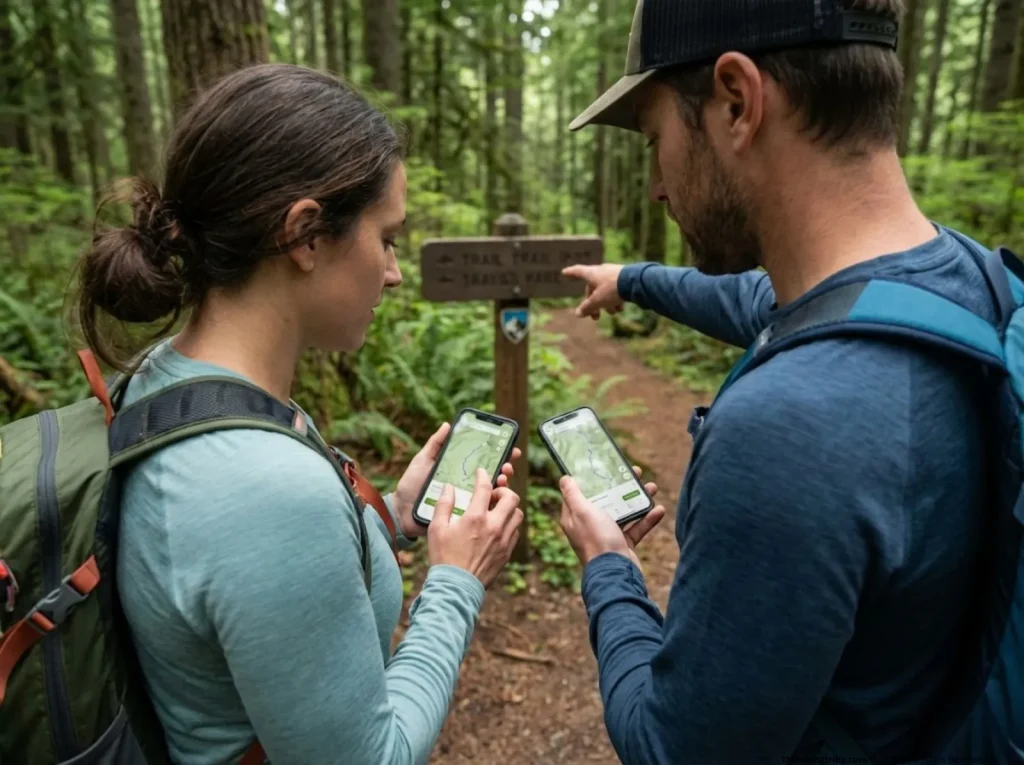
Forums give you depth. Apps give you data. The three platforms below handle route planning, offline maps, and community route sharing at a level that justifies the screen time.
AllTrails — Community Heatmaps and the 90-Million-User Network
AllTrails has 90 million registered users, 500,000+ verified trails, and 1.8 billion logged miles. Those numbers are big enough to matter. The Peak membership unlocks Community Heatmaps, which show real-time trail activity density with color-coded overlays. You can spot crowd-free windows on popular routes or identify trails that get dangerous foot traffic on weekends.
The limitation is that reviews skew casual. A five-star review from someone who walked a paved loop at a state park doesn’t help you plan a Class 3 scramble. That’s why forum cross-referencing matters. Use the heatmaps for routing and timing, then verify conditions with a written trail report.
Gaia GPS — The Planning Powerhouse for Off-Trail and Multi-Day Routes
Gaia GPS users have shared over 2 million public tracks. The app handles GPX import/export, topo overlays, satellite imagery, and weather layers in one interface. For multi-day trips into areas where AllTrails coverage gets thin, Gaia’s public tracks layer is the better tool.
If you’re planning a route that goes off established trail, start here. Download the relevant public tracks, overlay them on topo, and cross-reference with forum reports. For the technical side of route files, check our step-by-step guide to creating GPX files.
Komoot — 50 Million Explorers and the Social Feed That Works
Komoot has 50 million outdoor explorers, 8 million shared routes, and 850 million user-contributed photos, tips, and highlights pinned directly onto routes. The Highlights system is the standout feature. Users mark water sources, viewpoints, and hazard flags at exact GPS coordinates on the route. That hyper-local detail is useful for planning in areas you’ve never visited.
The social feed shows friends’ recent adventures with full route details, which makes finding hiking buddies with similar ambitions easier than cold-messaging strangers. The platform is stronger in Europe but growing steadily in the US, especially for group trail outings and organized outdoor events.
Pro tip: Use Komoot’s Highlights on a downloaded route before your trip. Water source pins from recent users are more reliable than guidebook information that may be months old.
Always verify community-reported conditions with official sources like the National Park Service hiking safety guidelines and carry physical maps. Apps and forums are supplements, not substitutes for safety preparedness and real navigation skills.
Virtual Challenges That Turn Couch Miles Into Real Motivation

Not every serious hiker is on the trail every weekend. Injuries happen. Winters drag on. Jobs get in the way. Virtual hiking challenges bridge those gaps by letting you map real-world steps to progress along iconic routes, with tangible rewards and a community that keeps you moving.
The Conqueror — Virtual Thru-Hikes With Real Medals and Real Impact
The Conqueror runs 80+ virtual challenges with over 1 million participants and completion rates between 87.9% and 91.37%. You pick a famous trail, log your daily steps or miles from any activity, and watch your pin move along a virtual Appalachian Trail, Route 66, or Great Wall of China.
What separates it from a basic step counter is the environmental tie-in. Each completed challenge plants up to 5 trees or removes 50 ocean bottles. The medals are physical, shipped worldwide, and surprisingly well-made. It syncs with Strava, Apple Health, Google Fit, and Fitbit.
World Walking — Google Street View Meets Step Tracking
World Walking has collectively logged 182 billion steps across its virtual adventures. The standout feature is Google Street View integration. As your steps accumulate, you can see exactly where you “are” on the route, exploring real imagery from trails and cities around the world.
It’s free, charity-led, and built for group invitations. Workplace wellness programs and hiking clubs use it for team challenges. For injured hikers rehabbing from surgery or a blown-out knee, it maintains a mental connection to trail culture during recovery. If you tend to hike solo and want strategies for safe solo trail planning, check our solo hiking safety protocol.
Strava Segments — Competitive Motivation for the Data-Driven Hiker
Strava connects over 100 million athletes and includes dedicated hiking segments and clubs. If you’re motivated by leaderboards and “segment king/queen” status on specific hiking stretches, this platform delivers. The club feature works well for small, focused meetup groups coordinating training and challenge hikes.
The caveat: Strava’s community features lean fitness-competitive rather than traditional trail culture. It’s best paired with a forum or AllTrails for a balanced experience.

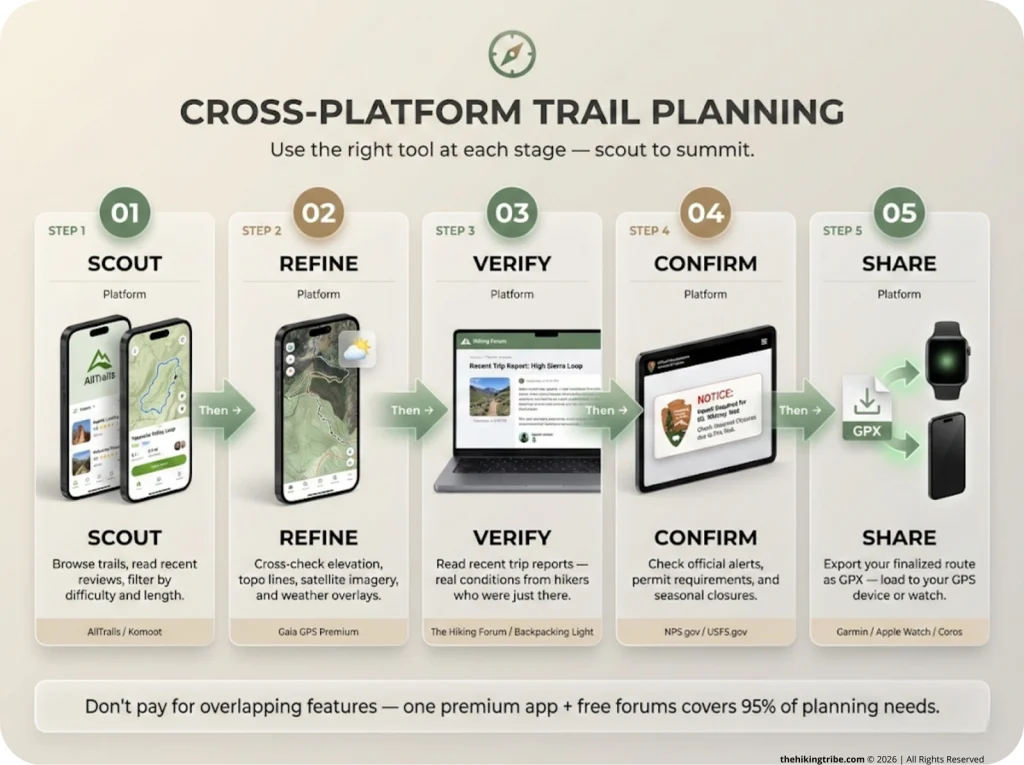
How Serious Hikers Stack Platforms for Multi-Day Planning
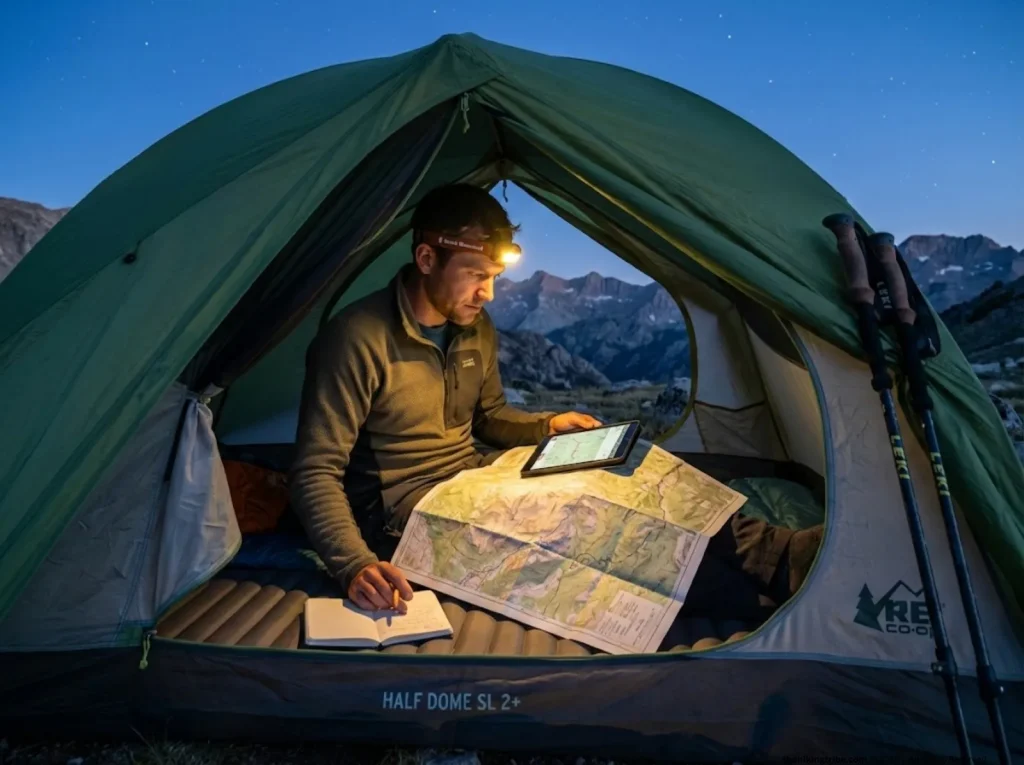
No single app does everything well. The experienced hiker’s route planning workflow looks more like a pipeline than a single tool.
The Cross-Platform Planning Workflow
Here’s the workflow I’ve refined over dozens of multi-day trips:
- Scout routes on AllTrails or Komoot for initial conditions, photos, and heatmap data
- Download GPX files and refine in Gaia GPS with topo overlays and weather layers
- Cross-reference with forum trail reports on The Hiking Forum or Backpacking Light for recent hazards, water sources, and camp conditions
- Verify against official NPS or USFS sources for closures and permit requirements
- Share final route with trip contacts via GPX export
Pro tip: Use Gaia’s public tracks layer combined with forum intel for off-trail route scouting before committing to a multi-day. The tracks show where people actually went, and the forum reports tell you what they found when they got there.
For keeping your phone alive through this entire workflow, read our guide to recording GPS tracks all day without killing your battery.
Free vs. Paid — What’s Actually Worth the Subscription
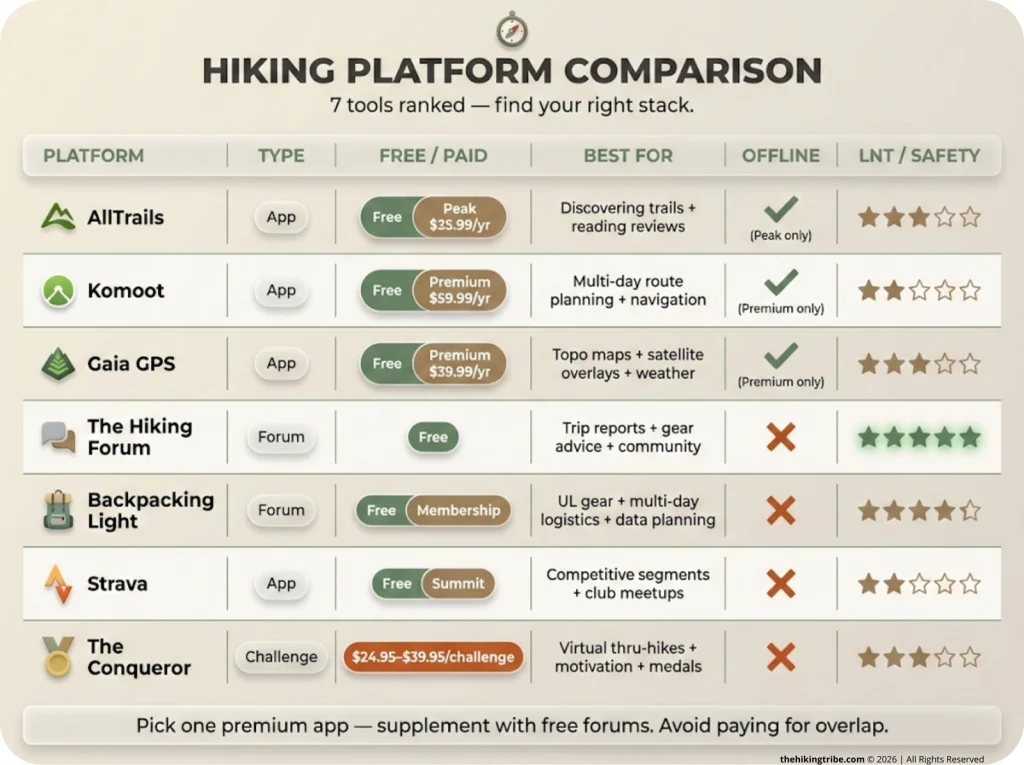
AllTrails Peak runs $35.99/year and unlocks heatmaps, offline maps, and 3D flyovers. Komoot Premium costs $59.99/year for multi-day planning tools and offline capability. Gaia GPS Premium at $39.99/year opens the full topo, satellite, and weather overlays. The Conqueror challenges run $24.95 to $39.95 each with medals included.
Free options that deliver real value: The Hiking Forum, Backpacking Light (basic access), World Walking, and Strava’s basic tier. Don’t pay for premium on multiple apps with overlapping features. Pick one core app and supplement with free forums.
Vetting Communities for Safety and Stewardship
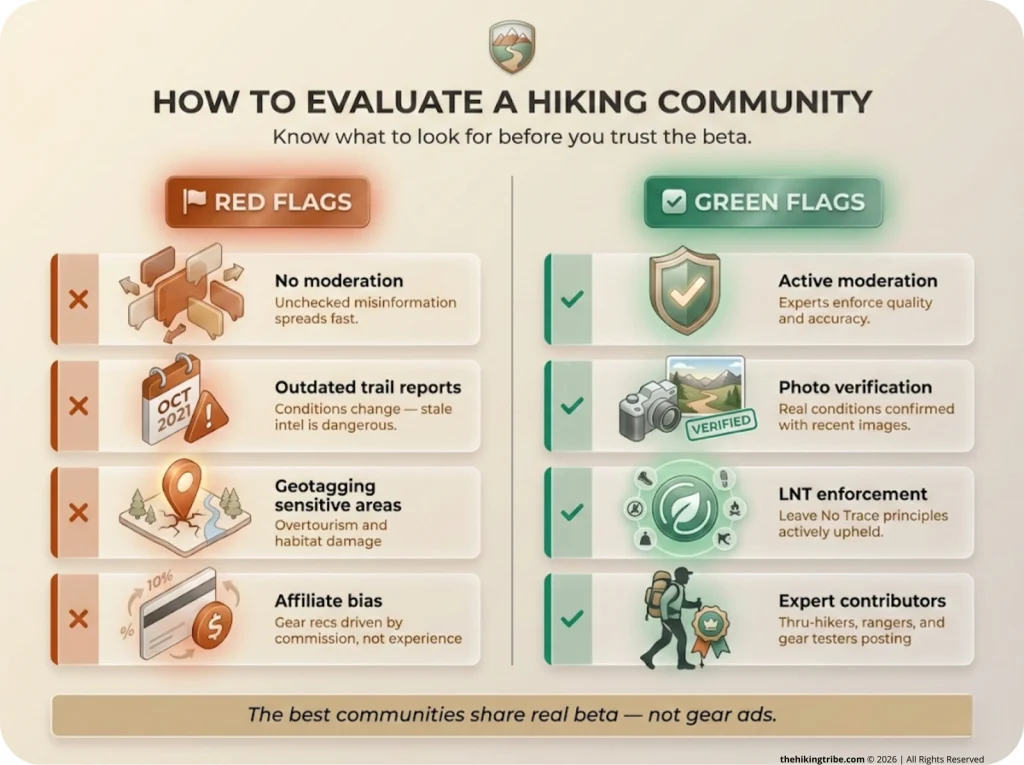
Not every online hiking group deserves your trust. Some actively spread outdated conditions, tolerate geotagging of sensitive areas, and let unverified “trail reports” circulate without photos or dates.
Red Flags in Online Hiking Groups
Unmoderated Facebook groups are the worst offenders. Trail conditions from six months ago get reshared as current. Commercial communities skew gear recommendations and outdoor gear reviews toward affiliate partners. Some groups tolerate posting exact GPS coordinates of unmarked hot springs or endangered wildlife habitat, which directly undermines conservation.
For more on the digital side of responsible trail sharing, read our field manual on responsible social media hiking.
What Good Moderation Looks Like
The communities worth joining have active moderators who flag outdated trail reports, require photo and timestamp verification for conditions updates, and enforce clear rules against geotagging sensitive areas. The Hiking Forum and Backpacking Light both demonstrate this standard. The Leave No Trace Center for Outdoor Ethics provides the framework that responsible communities build on.
Pro tip: Before joining any online hiking group, scroll back through the last month of posts. If you see more arguments about politics than trail conditions, or outdated reports with no corrections, find a better community.
From Virtual Connection to Real Trail Partners
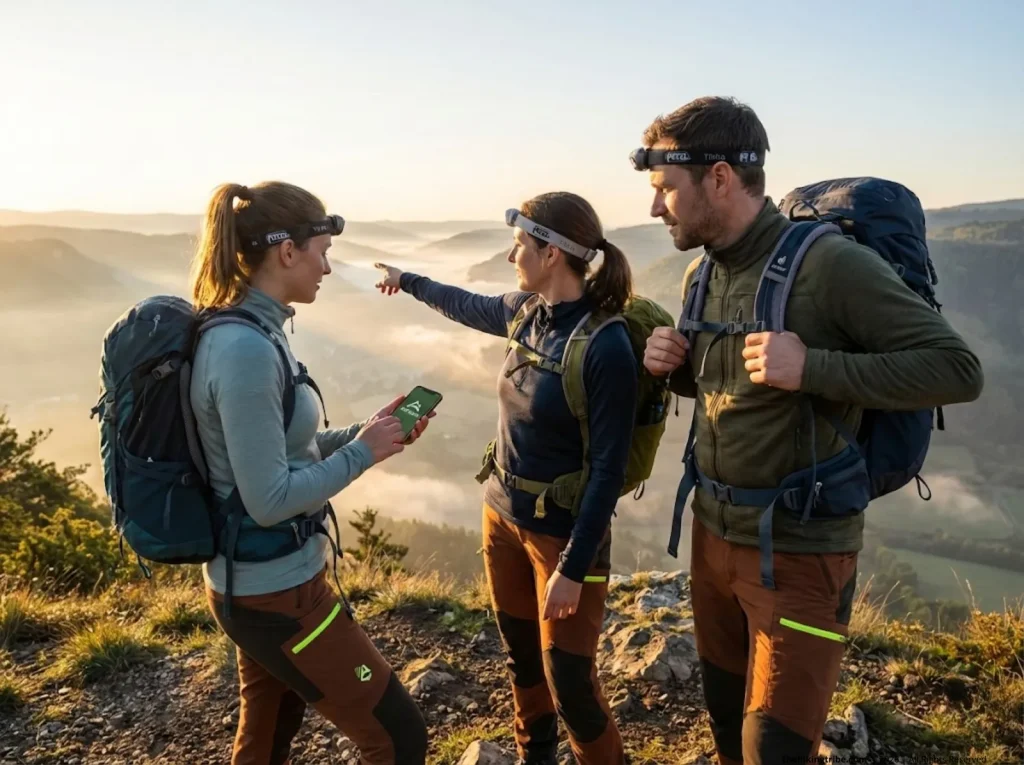
The whole point of a virtual hiking community is to make your real-world trips better. That means eventually meeting people face to face on the trail.
The Forum-to-Trail Pipeline
Start by engaging in regional sub-forums or local Komoot and AllTrails groups. Contribute detailed trail reports with photos and conditions. Attend organized group hikes through platform events before committing to anything remote.
A hiking partner who writes detailed trail reports is usually someone who pays attention to details on the trail too. Many like-minded hikers connect through different Facebook groups dedicated to regional trails, but always cross-check those with dedicated forums for better accuracy.
Safety Protocols for Meeting Internet Hiking Partners
Share trip plans with non-hiking contacts. Meet at public trailheads for initial hikes. Verify skill claims through progressive difficulty, starting easy and increasing gradually. Carry your own Ten Essentials regardless of group size.
For women-specific considerations including WFR certification checks and satellite communicator requirements, read our vetting and safety guide for finding hiking partners.
Conclusion
The best virtual hiking communities aren’t the ones with the most users. They’re the ones where serious hikers contribute honest, timestamped trail intel and hold each other accountable for responsible practices on the trail.
No single app does everything. The experienced hiker’s workflow combines a route-sharing app like AllTrails or Gaia GPS, a forum like The Hiking Forum or Backpacking Light, and optionally a challenge platform like The Conqueror for off-season motivation.
Every community-sourced report is a starting point, not gospel. Cross-reference with official resources from the American Trails organization, carry physical maps, and verify conditions before committing to remote terrain.
Pick one platform from this list you haven’t tried. Post a detailed trail report from your last hike with conditions, photos, and honest difficulty assessment. That one contribution makes the next hiker’s trip safer. And when someone returns the favor on a trail you’re planning, you’ll understand exactly why these communities exist.
FAQ
Are free hiking apps good enough for serious multi-day planning?
Free tiers on AllTrails, Komoot, and Gaia GPS cover basic route discovery and community reviews. Multi-day backcountry planning needs offline maps, topo overlays, and weather data, which are locked behind premium subscriptions ($35 to $60 per year). Pair one paid app with free forums for the best value.
What apps do hikers use to find groups near them?
AllTrails and Komoot both surface local hiking groups and organized events. Strava clubs offer smaller, focused communities. For deeper connections, regional sub-forums on The Hiking Forum and local Facebook hiking groups provide area-specific trail partners. Always vet partners before remote trips.
Are virtual hiking challenges worth the money?
The Conqueror challenges ($25 to $40 each) deliver physical medals, charity contributions through tree planting and ocean cleanup, and real motivation for injured or off-season hikers. World Walking is entirely free. Both supplement real hiking rather than replace it. Use them for recovery motivation or off-season fitness.
How do I know if a hiking forum’s trail report is accurate?
Look for timestamped photos, specific mileage and conditions data, and reports from users with posting history. Cross-reference with official NPS or USFS alerts. Forums where moderators flag outdated reports, like The Hiking Forum, are more reliable than unmoderated social media groups.
Can I use hiking community apps offline in the backcountry?
AllTrails Peak, Komoot Premium, and Gaia GPS Premium all offer downloadable offline maps. Download your route area before leaving cell service. Forums and virtual challenges need connectivity, so screenshot key trail reports before heading out.

I've spent more than a decade researching hiking gear and trail technique. I read the specs, the forum threads and the long-term reviews, and every pick here comes with what it gets wrong.
End of the trail
You read every mile of this one. Here's where the trail goes next.