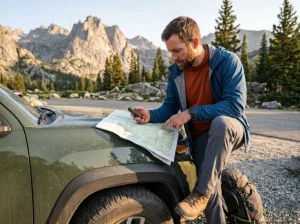


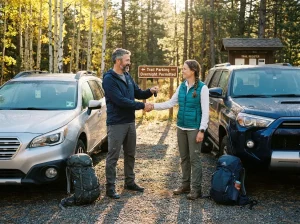
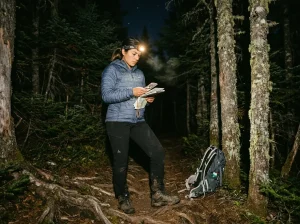

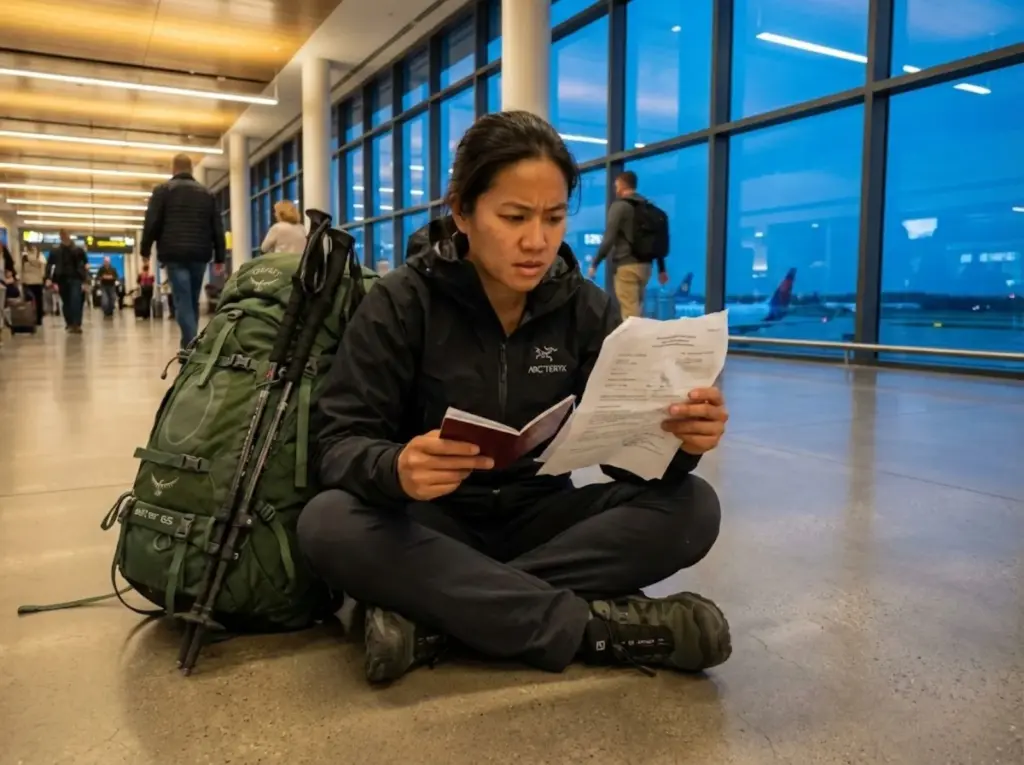
The consul looked at my passport, then at the printed resupply plan on the counter, then back at me. “You want to walk from Mexico to Canada?” I nodded. He squinted at the spreadsheet of trail towns, the circled post offices, the estimated calorie-per-day column I’d typed in a hostel in Sydney at 2 a.m. “And you’ll do this for five months?” Another nod. He stamped it. The Australian woman behind me, same plan, same trail, got denied twenty minutes later because she mentioned she’d be vlogging the hike.
That’s the thing about international trekking visa requirements. The trail itself is the easy part. The paperwork can end your trip before it starts. I’ve trekked in Nepal twice, filed permits in Pakistan’s Gilgit-Baltistan, and helped a dozen friends navigate the B-2 visa process for the Pacific Crest Trail. Through all of it, the pattern is the same: the rules aren’t hard, but they’re scattered across government websites in three languages, and the penalties for guessing wrong range from a $90 fine to a five-year ban.
This article covers the exact visa and permit requirements for Nepal, Pakistan, and the United States, the three destinations where bureaucratic mistakes end more expeditions than altitude or weather. You’ll get country-by-country costs, timeline math, and the satellite-gear customs trap that nobody warns you about.
⚡ Quick Answer: International trekking visa requirements vary wildly by country. Nepal offers visa-on-arrival but now mandates licensed guides and layered permits. Pakistan requires a DTS-authorized tour operator and 4-6 weeks for security clearance. The U.S. demands a B-2 visa (not an ESTA) for any thru-hike over 90 days. Start your hardest application first, Pakistan or the B-2, and build a backup destination into your calendar.
Adventure Visa Comparison
Key requirements for top trekking destinations
Processing Time
Same-day
Max Stay
150 days/year
Key Pitfall
Mandatory guide rule (2026)
Processing Time
4–6 weeks
Max Stay
3 months
Key Pitfall
DTS-authorized operator required
Processing Time
2–6 months
Max Stay
180 days
Key Pitfall
ESTA 90-day trap; no visa runs
Nepal’s Permit Stack: More Than Just a Visa Stamp
The tourist visa is the easy part. Most nationalities get it on arrival at Tribhuvan International Airport: $30 for 15 days, $50 for 30, $125 for 90. The real complexity starts the moment you leave Kathmandu.
The Mandatory Guide Rule and the End of Solo Trekking
As of 2026, Nepal requires a government-licensed trekking guide for all trekking activities in regulated regions. The Free Individual Trekker (FIT) category, the one that let hikers walk the Annapurna Circuit alone with nothing but a TIMS card and a paper map, is functionally dead for high-altitude routes.
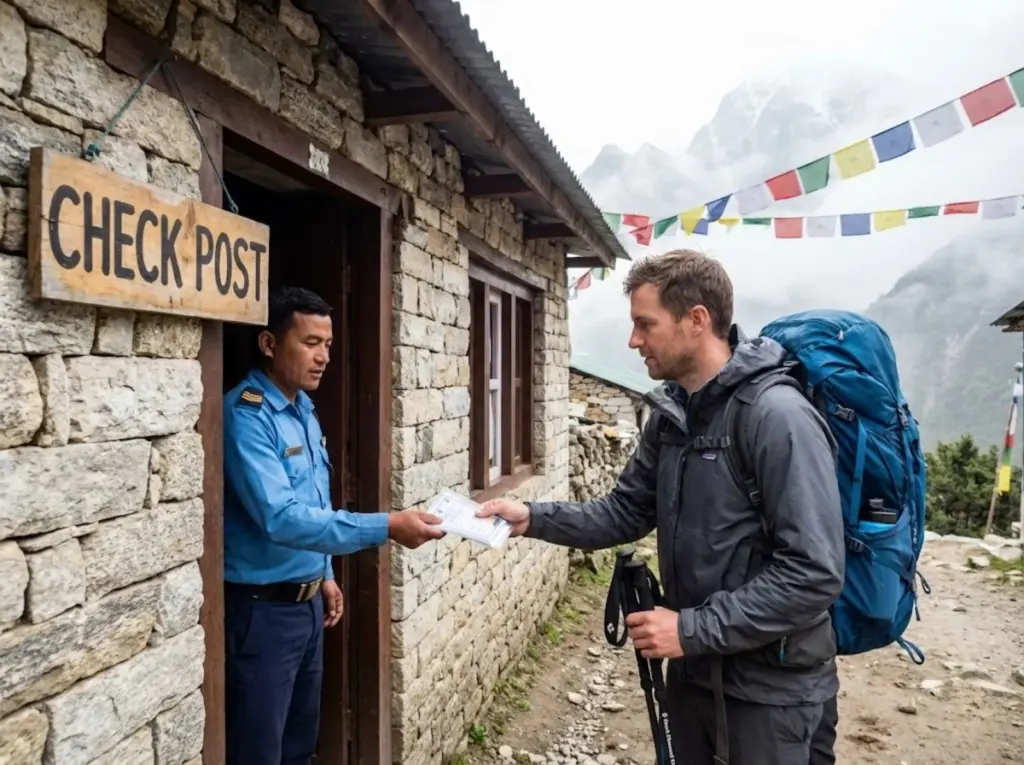
The policy exists for two reasons: hiker safety and economic stimulus for Nepalese workers. But the enforcement is what catches people off guard. At every checkpoint along the Everest Base Camp trail, from Lukla to Namche Bazaar, officials will check for your guide’s credentials. Show up without one and you’re looking at fines up to NPR 12,000 (about $90 USD) and the very real possibility of being turned around.
The old TIMS card is also being phased out in several jurisdictions, replaced by rural municipality-specific permits. The transition is messy, and information online is often a year behind the current rules.
Pro tip: Hiring a licensed guide through a reputable agency in Thamel (Kathmandu) runs 30-40% cheaper than booking through international platforms. Walk into three agencies, compare quotes, and negotiate in person. The prices on websites are starting points, not final offers.
The Three-Permit Layer for Everest Base Camp
Here’s where it gets stacked. An Everest Base Camp trek in 2026 requires three separate documents: (1) a local Khumbu Pasang Lhamu Rural Municipality permit (NPR 3,000, about $23 USD), (2) a Sagarmatha National Park entry permit (NPR 3,000), and (3) a signed contract with a licensed trekking guide.
Miss any of these at a checkpoint and your trek is over. I watched two French hikers get turned back at the Namche checkpoint because they had the national park permit but not the municipality one. They lost three days backtracking to Kathmandu to sort it out.
National park permit fees across Nepal range from NPR 1,000 (Shivapuri Nagarjun) to NPR 3,000 (Sagarmatha, Annapurna Conservation Area, Langtang). All fees are subject to 13% VAT on top.
Restricted Area Permits and the Group-of-Two Rule
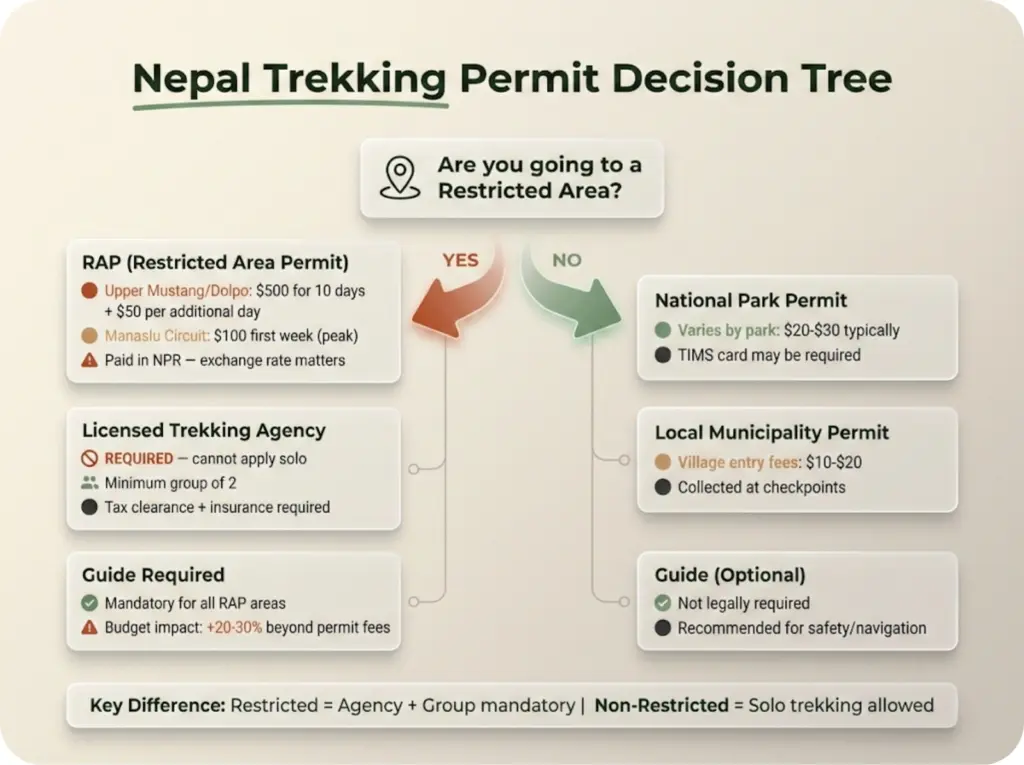
Regions bordering Tibet, Upper Mustang, Upper Dolpo, Nar and Phu, carry a “Restricted Area” classification. To enter these zones, you need a Restricted Area Permit (RAP), and you cannot apply for one alone. The Department of Immigration will not issue a RAP to a single individual. Minimum group of two, organized through a government-authorized licensed trekking agency.
The fees are steep. Upper Mustang and Upper Dolpo cost $500 for ten days, plus $50 for each additional day. The Manaslu Circuit is $100 for the first week during peak season. What most articles don’t mention is that the agency must also carry tax clearance certificates and insurance requirements for all accompanying Nepalese staff, porters, assistant guides, cooks. This requirement alone can inflate your budget by 20-30% beyond the permit fee itself.
One more thing: RAPs are quoted in USD but must be paid in Nepali Rupees, which means the exchange rate on the day you pay matters more than the number on the website.
If you’re hiring an agency for a restricted area trek, learn how to vet a trekking guide before you commit, especially when they’re handling your legal documentation.
The 150-Day Cap and Visa Run Reality
Nepal’s tourist visa allows a 150-day maximum stay within a single calendar year (January through December). That’s cumulative, not per entry.
The “visa run” strategy, flying to Thailand or India for a new stamp, does not reset the 150-day clock. Your total time in Nepal still counts toward the cap regardless of how many entries you make. Overstay penalties cost $5 per day in fines plus extension fees. Hit the 150-day limit and you must leave the country until January 1.
For anyone attempting the Great Himalaya Trail (GHT), which spans four months or more, timing your calendar year start is everything. You can verify Nepal’s current visa rules on the Department of Immigration’s official tourist visa page.
Pakistan’s Tiered System: Altitude Determines Your Paperwork
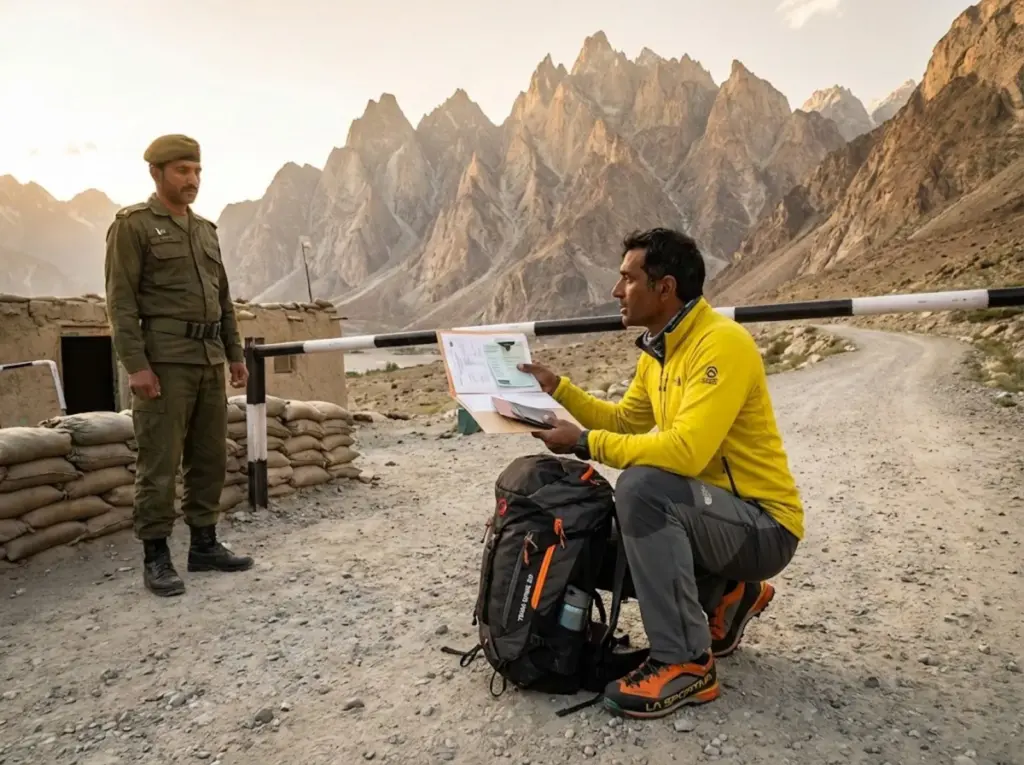
Pakistan’s trekking permit regulations follow a simple principle: the higher you go, the more paperwork you file. The Gilgit-Baltistan region, home to five of the world’s fourteen 8,000-meter peaks, is where most of this regulatory weight falls.
The DTS-Authorized Operator Mandate
All foreign expeditions in restricted areas like the Baltoro glacier, K2 Base Camp, and Gondogoro Pass must go through a tour operator licensed by the Department of Tourist Services (DTS). No exceptions.
The operator acts as your legal guarantor. They submit your required documentation to the Gilgit-Baltistan Council Secretariat for security clearance. This process takes 4-6 weeks on a good day. That means last-minute expeditions are impossible. If your visa application contains errors, wrong mountain name, missing medical fitness certificate, it gets “sent back for review,” which resets the entire 4-week processing timeframe.
NADRA’s “Visa in Your Inbox” portal has digitized the process, but it requires specific details: exact peaks or treks, a medical fitness certificate, and a climbing CV. Leave any field vague and you’ll trigger a delay.
For the full picture on budgeting for an international trek, factor in the permit, the royalty fee, the environmental fee, and the operator markup.
The Royalty Fee Architecture
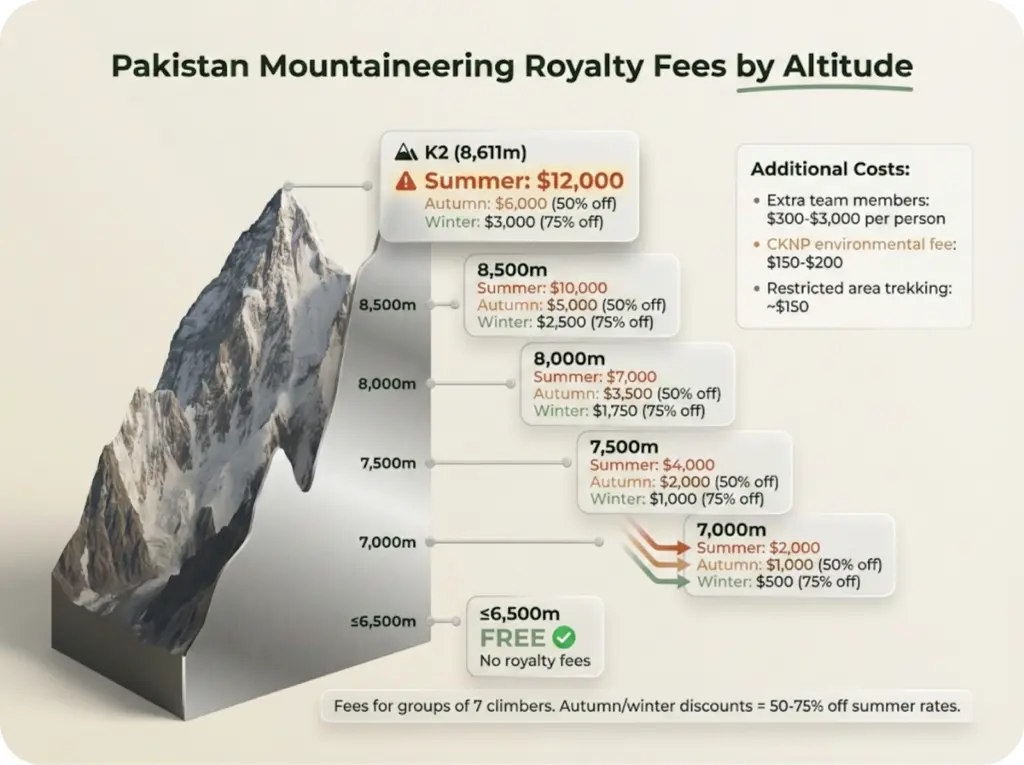
Pakistan tiers its mountaineering royalties by altitude and season. K2 in summer costs $12,000 for a group of seven. Peaks below 6,500 meters? Free. The gap between those two numbers tells you everything about how the system works.
Autumn and winter climbs get 50-75% discounts off summer rates, a meaningful financial lever if your schedule is flexible. Additional team members beyond the initial seven pay per-person surcharges from $300 to $3,000, depending on peak height.
For trekkers not trying to summit, restricted area trekking permits cost about $150 per person. The Central Karakoram National Park (CKNP) tacks on environmental fees: $150 for trekkers, $200 for mountaineers, sometimes with a separate $190 environmental levy in certain zones.
Security Checkpoints and the Functional NOC
Pakistan officially abolished the No Objection Certificate (NOC) in 2019, but the trekking permit itself now serves as a functional NOC in sensitive border regions. Security checkpoints in Gilgit-Baltistan are frequent and not optional. Show up without an agency-issued permit and licensed guide credentials, and you will be turned back.
Carry multiple physical photocopies of all permits. Phone screens die, and checkpoints don’t always have reliable power or cell service.
Pro tip: Laminate your permits. Between river crossings, monsoon rain, and sweaty pack pockets, I’ve seen more paperwork destroyed by water than by bureaucrats.
If your acclimatization protocols for high-altitude base camps aren’t right, the permit won’t matter anyway, but losing the permit at a checkpoint will ruin even a perfectly acclimatized expedition.
The B-2 Visa and the PCT: Why 90 Days Gets You Deported
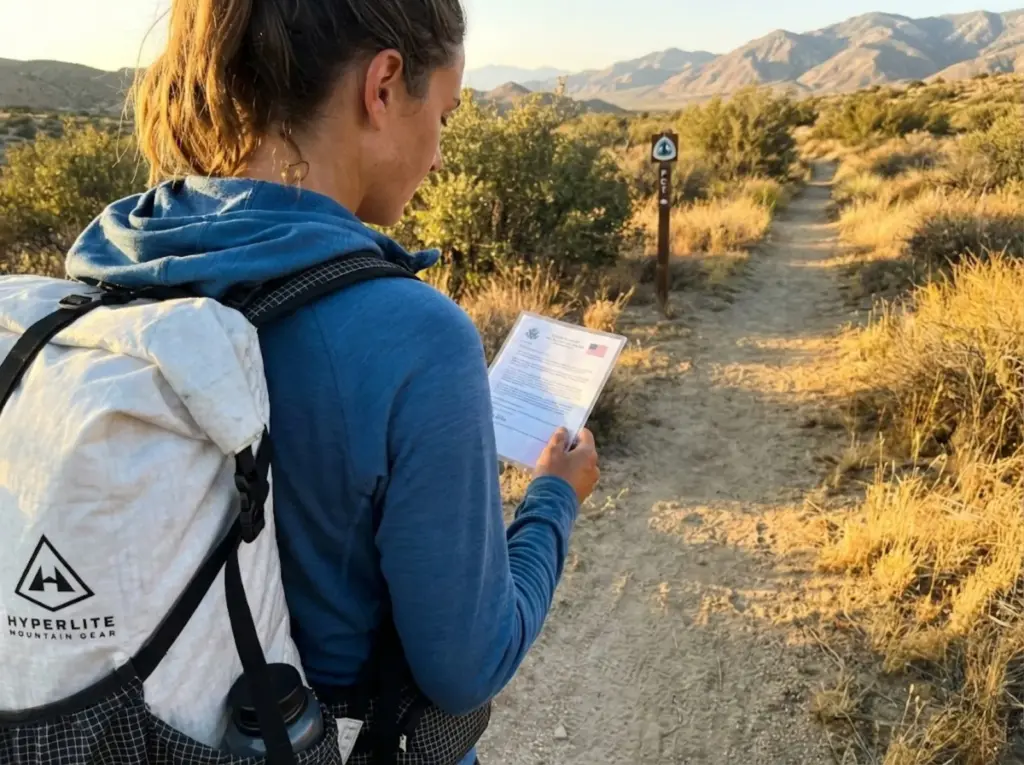
If you’re an international thru-hiker planning the Triple Crown of Hiking, or even just the Pacific Crest Trail, the visa question is the first one you need to answer. Get it wrong and the consequences are years-long.
The ESTA Trap
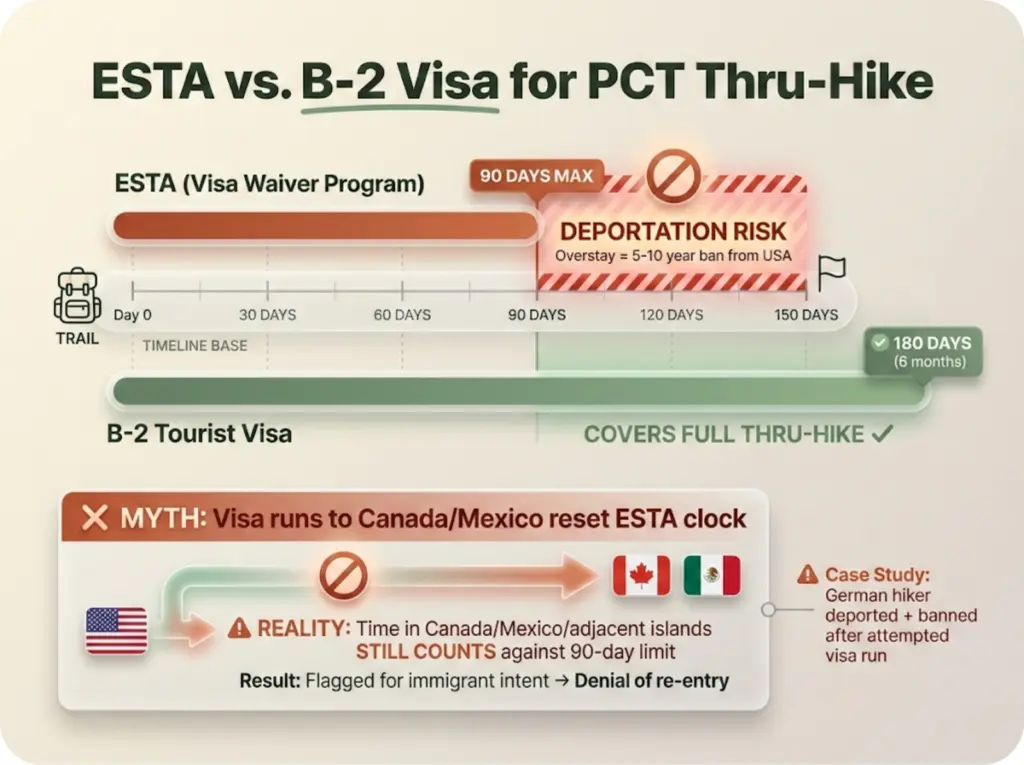
Most hikers from the EU, Australia, and New Zealand qualify for an ESTA under the visa waiver program, which grants 90 days in the United States. But the average PCT thru-hike takes 130-160 days. The math doesn’t work.
A common misconception: crossing into Canada or Mexico “resets” the 90-day ESTA. It does not. U.S. Customs and Border Protection makes this explicit: time spent in Canada, Mexico, or adjacent islands still counts against the 90-day clock. International hikers who attempt visa runs on an ESTA get flagged for “immigrant intent,” which typically results in denial of re-entry and a 5-to-10-year ban from the United States.
This is not theoretical. A German thru-hiker was detained, deported, and banned after attempting exactly this strategy.
Surviving the B-2 Consular Interview
The B-2 visa ($185 visa application fee) grants up to 180 days. The consular interview is where your hike lives or dies.
You start from a disadvantage. U.S. immigration law assumes “immigrant intent,” meaning every applicant is treated as if they plan to stay permanently until they prove otherwise. You need four things on the counter: (1) your PCT Long-Distance Permit plus a gear list and resupply plan, (2) bank statements showing at least $1,000 per month of liquidity, (3) an employment letter, property deed, or university enrollment proving “ties to home,” and (4) prior hiking history, photos, trip reports, anything that shows you’ve done this before.
Two traps catch people every season. First: mentioning plans to blog or vlog the hike. Consular officers classify content creation as “work,” and working on a B-2 visa is illegal. Second: saying you’ll do “chores for room and board” at trail hostels. That’s unauthorized labor, and it can trigger immediate visa cancellation.
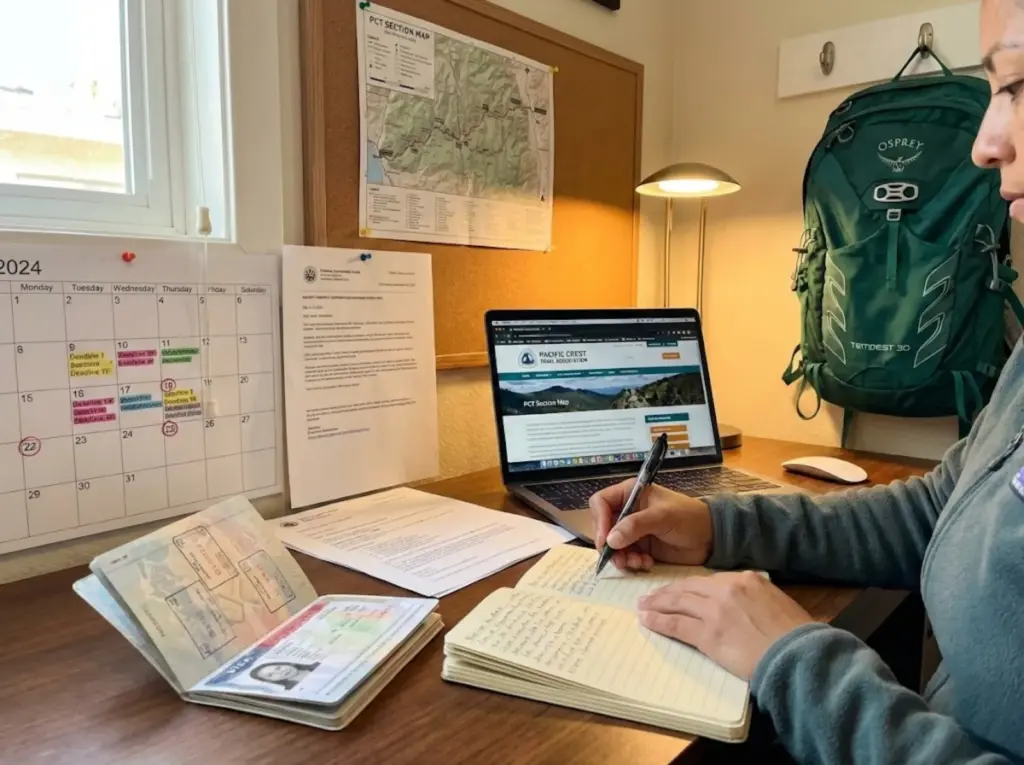
Wait times at embassy locations in Sydney, Frankfurt, and London can stretch past six months. Schedule your interview the moment you enter the PCT permit lottery.
Pro tip: Bring a physical printed copy of your entire resupply plan with town stops marked on a map. The more concrete your plan looks, the harder it is for the interviewer to argue you’re winging it. I printed mine on waterproof paper and it sparked a ten-minute conversation about trail towns. He approved me on the spot.
The PCTA’s advisory page for international hikers has the most current information on B-2 requirements and border crossing rules. For fitting visa logistics into the full thru-hike preparation timeline, treat the visa as step one, before gear, before fitness, before anything else.
The 2025 Northern Terminus Border Closure
As of January 31, 2025, the Canada Border Services Agency (CBSA) discontinued the PCT border crossing permit. Walking across the international border at the northern terminus into E.C. Manning Provincial Park is now illegal, even for Canadian citizens on the trail.
Hikers reaching the Monument 78 marker (three feet inside the U.S. border) must backtrack 30 miles south to Harts Pass for road access. Crossing the border on foot is now classified as illegal entry, punishable by arrest and permanent exclusion from Canada.
The Satellite Gear Trap: When Your Safety Device Becomes Contraband
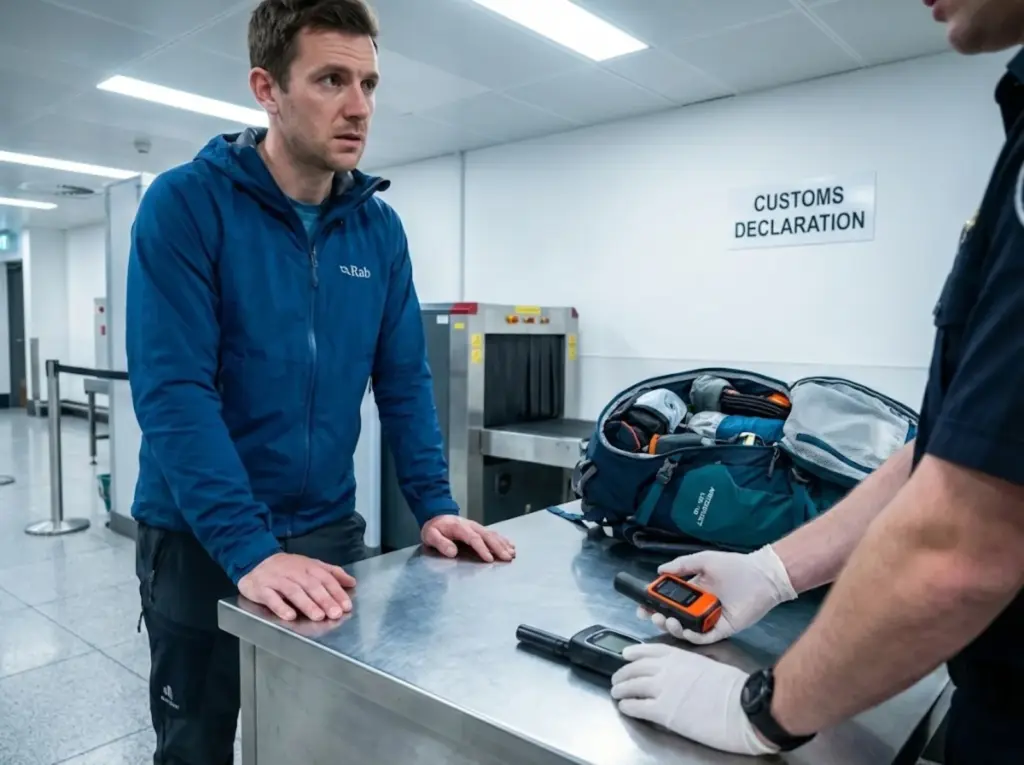
Every article about international trekking visa requirements covers passports and permits. Almost none of them mention that the safety device in your backpack, the one you bought for emergencies, can land you in a foreign prison.
India’s Satellite Ban and the 3-Year Prison Risk
Under India’s Telecommunication Act of 2023, possessing satellite communication devices without a Department of Telecommunications (DoT) license is a criminal offense. This includes the Garmin inReach Mini 2, every SPOT messenger, and all satellite phones from Thuraya, Iridium, and Inmarsat.
The penalties are not fines. They are immediate detention, up to 3 years imprisonment, and financial penalties reaching $233,000. The U.S. Embassy has issued a specific travel alert warning hikers about this law.
Receive-only GPS devices, the Garmin eTrex, GPSMAP series, are generally allowed because they don’t transmit data to satellites. The distinction matters: if it sends messages, it’s illegal. If it only receives location data, you’re fine.
Enforcement is zero-tolerance in Himalayan border districts. Security checkpoints in Jammu and Kashmir and Ladakh actively screen for undeclared satellite gear, and a British trekker I met in Ladakh had his inReach confiscated at a military checkpoint outside Leh. He spent eight hours being questioned and missed his group’s departure.
If you’re deciding between devices, read this breakdown on comparing the inReach and SPOT for backcountry communication, and check country-specific legality before you pack either one.
The U.S. Embassy’s 2025 travel alert on satellite devices in India should be required reading for any hiker heading into the Indian Himalaya.
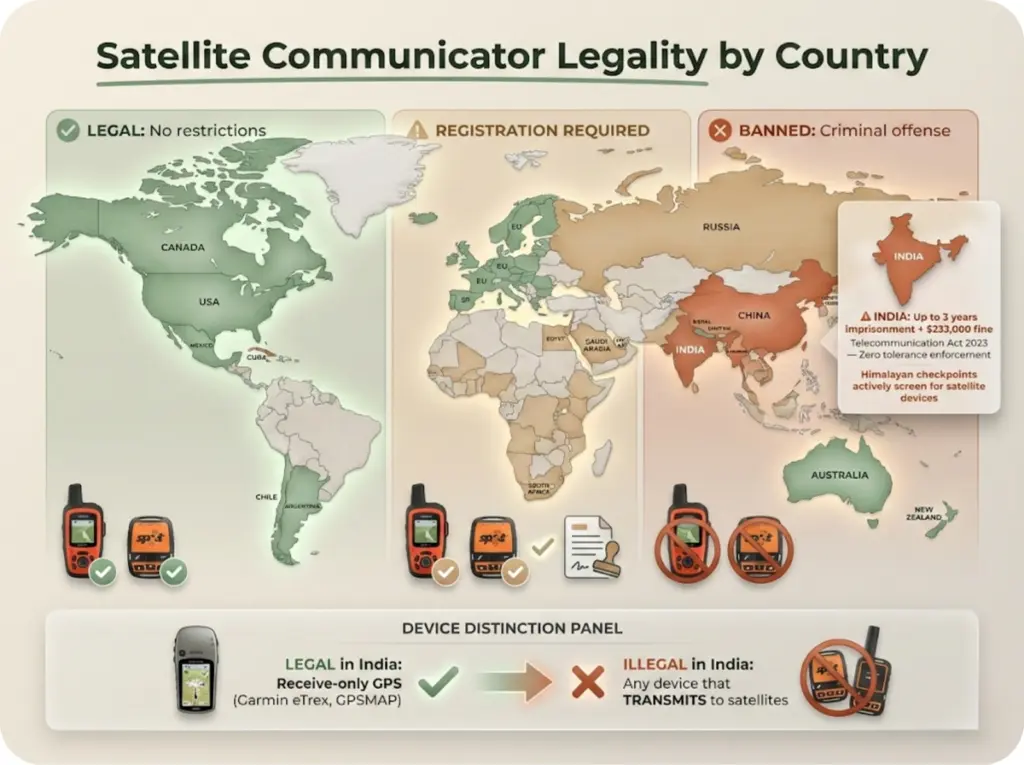
Country-by-Country Satellite Device Legality
The rules shift at every border. China and Tibet frequently confiscate GPS devices and satellite phones at crossings, especially on Nepal-to-Tibet pilgrimage routes. Russia requires device registration with the FSB and the national telecom regulator, and unregistered devices get seized. Cuba and North Korea maintain outright bans or “custody” systems where your device sits at customs until you leave the country.
Nepal and Pakistan are generally permissive for standard GPS and satellite messengers, but carrying undeclared communication equipment through military zones in either country can trigger delays and interrogation.
Pro tip: Declare everything at customs. Fill out the gear declaration forms even when nobody asks. A proactive declaration creates a paper trail that protects you if a security checkpoint questions your equipment later. Five minutes of honesty at the airport saves eight hours of questioning at a mountain checkpoint.
Timeline Math: When to Start Your Paperwork
Visa delays cascade. A rejected Pakistan application doesn’t just cost four weeks, it costs four weeks plus the monsoon window, which may push your trek to the following year. A rejected B-2 visa in March means missing the April-May SOBO start window entirely.
Country-Specific Application Windows
Here’s the math. Nepal visas are instant (visa-on-arrival), but agency bookings for restricted areas during peak season (September through November) should happen 2-3 months ahead. Pakistan needs 4-6 weeks for DTS security clearance, plus a 2-3 week buffer for resubmission, so start 3-4 months before your trek date. The B-2 visa depends entirely on your embassy location. Sydney and Frankfurt: up to 6 months wait. London: 2-3 months. Apply the day you get your PCT permit lottery result.
The Cascading Failure Problem
Apply for your most difficult visa first. If Pakistan rejects you, you can pivot to Nepal, where visa-on-arrival means you can make the decision in a day. If you built your entire trip around Nepal and Pakistan was your backup, you’ve already lost that flexibility.
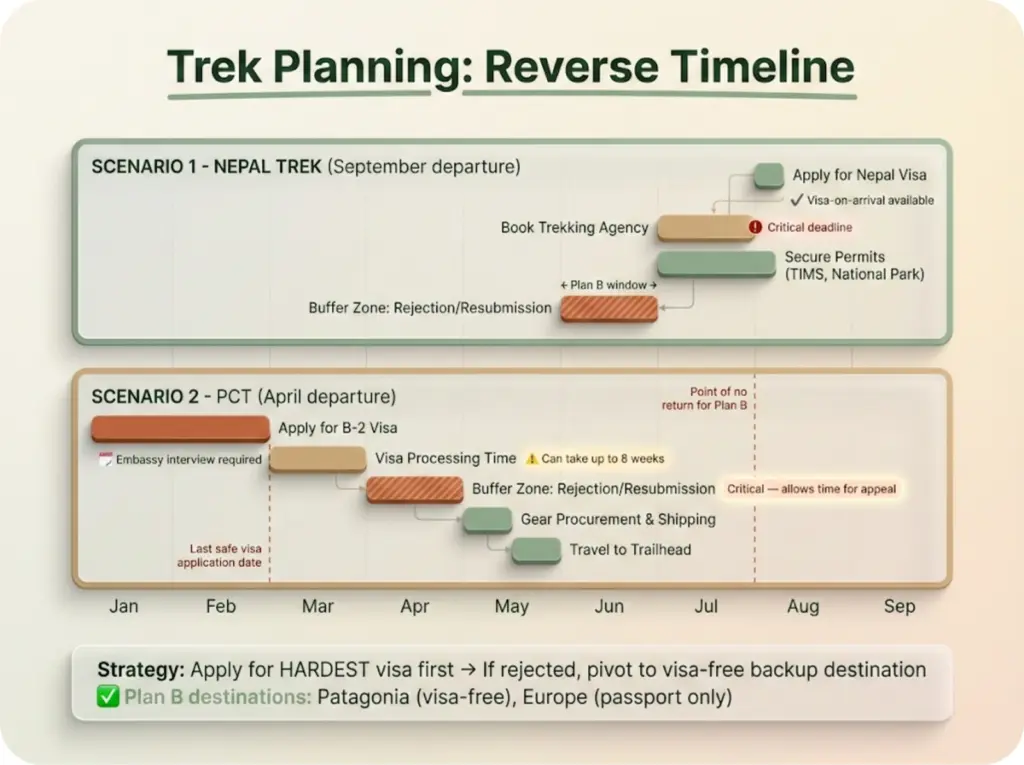
Build a “Plan B” destination country into your planning calendar. Patagonia is visa-free for most nationalities. Some of the best trekking in Europe doesn’t require anything beyond a valid passport for most international travelers. Having a fallback doesn’t mean you expect failure. It means you respect the bureaucracy enough to plan around it.
The Financial Proof Playbook: What Border Agents Actually Check
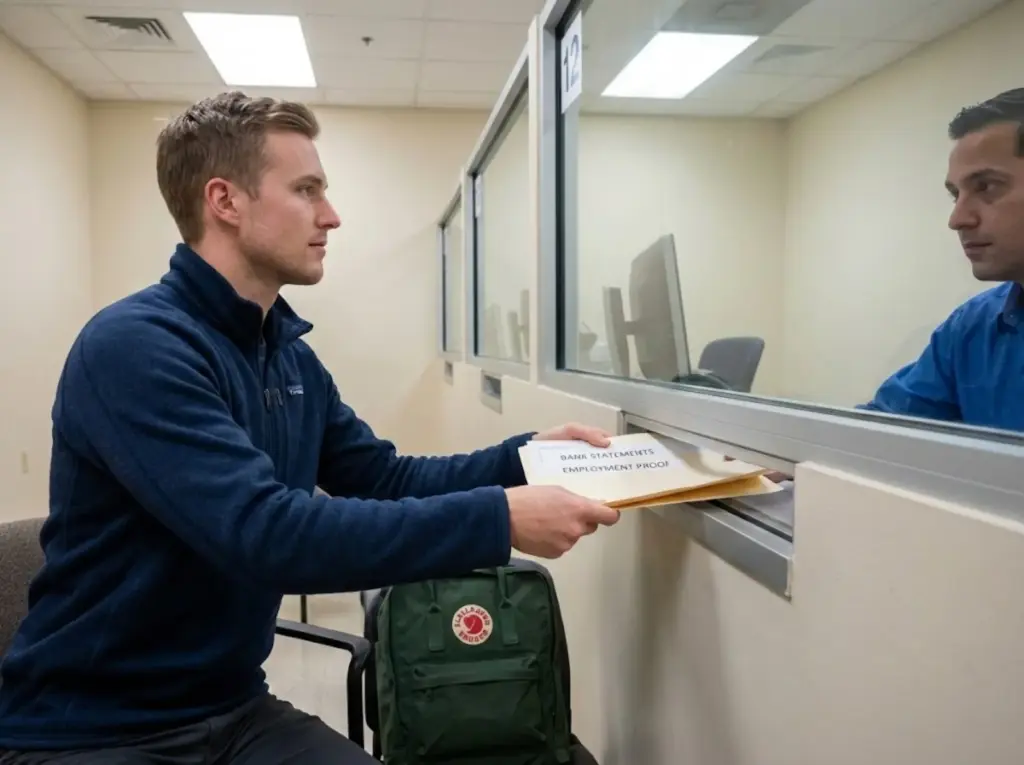
Money talks at the consulate window. But the amount on the screen matters less than the story it tells.
Country-Specific Financial Thresholds
For the B-2 visa, bank statements should show at least $1,000 per month for the duration of your hike. Six months on the PCT means roughly $6,000 minimum visible in your account. Nepal’s restricted area permits (Upper Mustang at $500 plus agency fees plus travel insurance) typically require showing $3,000-5,000 in accessible funds. Pakistan doesn’t publish a specific threshold, but trekking agency contacts recommend showing $4,000-8,000 depending on expedition length.
Freelancer and Irregular Income Strategies
Here’s the problem most thru-hikers face: they’re freelancers, seasonal workers, or between jobs. The standard employment letter doesn’t exist for someone who quit their desk job to walk across a country.
Alternatives that have worked at B-2 interviews: client contracts showing future work commitments, rental income documentation, property ownership papers, and university enrollment letters for the semester after the hike. For joint bank accounts, bring documentation proving your personal share. Some consular officers will discount the full balance if you can’t demonstrate which portion is yours.
I’m a freelancer. When I applied for my B-2, I brought three months of PayPal transaction history, a signed letter from my largest client confirming ongoing projects, and a screenshot of my apartment lease back home. The consul nodded and stamped it. The hiker behind me, a full-time employee with a letter from HR, got rejected because he couldn’t explain what he’d do if he “ran out of money on the trail.” Financial solvency isn’t about how much you have. It’s about how clearly you can explain the plan.
Conclusion
Three things to take with you. First, the visa is the first summit of your expedition. Start the paperwork before you start training: Pakistan needs 3-4 months, the B-2 can take six months depending on your embassy. Second, your gear is part of the equation. A Garmin inReach in your backpack is legal in Nepal but could land you in an Indian prison cell. Know what you’re carrying and where the international borders are. Third, build redundancy. Apply for the hardest visa first, keep a backup destination ready, and never assume a visa run resets anything.
Print out the quick reference table from the top of this article. Pin it to your planning board. Start counting backward from your target trek date. The hiking trail will test your legs. The consulate will test your patience. Win both.
FAQ
Do I need a visa to trek in Nepal?
Yes, but the tourist visa is straightforward. Most nationalities get it on arrival at the airport or land borders. Costs range from $30 (15 days) to $125 (90 days). The harder part is the mandatory guide requirement effective 2026 and the layered trekking permit system. Depending on your route, you may need a national park permit, a local municipality permit, and a Restricted Area Permit.
Can I hike the Pacific Crest Trail on an ESTA?
No. The ESTA grants only 90 days, but the average PCT thru-hike takes 130-160 days. Time spent in Canada or Mexico does not reset the ESTA clock. You need a B-2 visa, which requires a consular interview and costs $185. Attempting the PCT on an ESTA risks deportation and a multi-year ban.
What happens if my B-2 visa is rejected?
You can reapply, but there’s no guaranteed turnaround. A visa rejection in March likely means missing the entire PCT season. Strengthen your reapplication with additional proof of financial means, stronger ties to home evidence, and documentation of prior international travel. Some hikers report success by switching to a different consulate location.
Is it legal to carry a Garmin inReach into India?
No. Under the Telecommunication Act of 2023, satellite communicators like the inReach, SPOT, and all satellite phones are illegal without a DoT license. Penalties include up to 3 years imprisonment and fines exceeding $200,000. Receive-only GPS devices (Garmin eTrex, GPSMAP) are generally allowed since they don’t transmit data.
How much does it cost to trek to K2 Base Camp in Pakistan?
Beyond the trekking visa ($60-120), you need a DTS-authorized operator and a restricted area trekking permit ($150). Add CKNP environmental fees ($150-190) and the operator’s service charges. The total agency plus permit package typically runs $2,000-4,000 per person for a standard Baltoro or K2 BC trek, not counting flights or trekking gear.
I've spent more than a decade researching hiking gear and trail technique. I read the specs, the forum threads and the long-term reviews, and every pick here comes with what it gets wrong.
End of the trail
You read every mile of this one. Here's where the trail goes next.