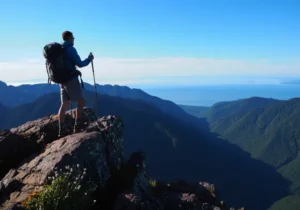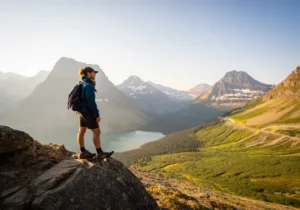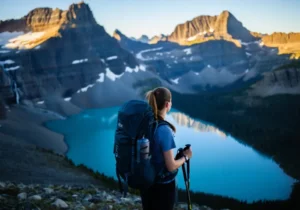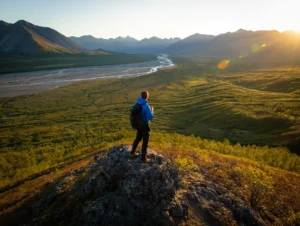
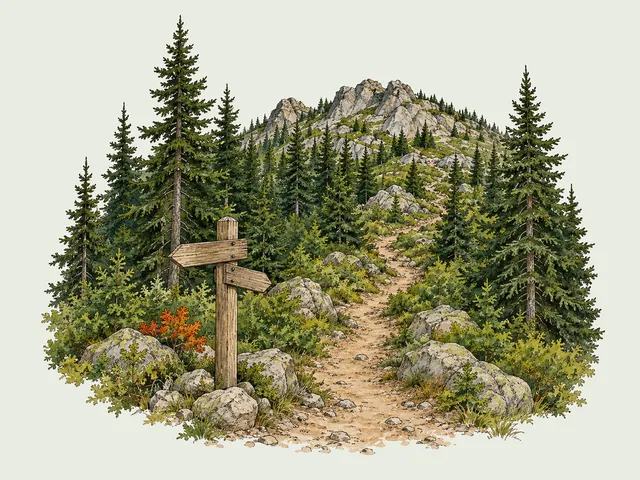
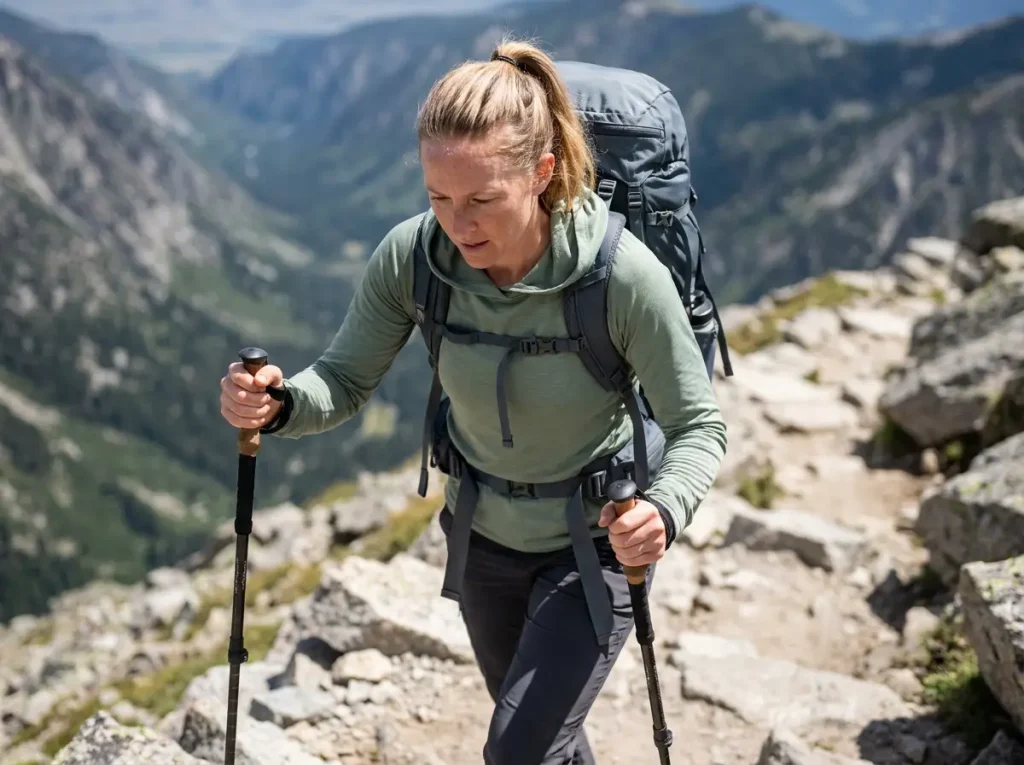
Here is what took me 10 trips to figure out: hoping for a quiet trail is a complete waste of time. When you pull up to a trailhead at 9 a.m. and the parking lot is jammed with cars and groups blasting Bluetooth speakers, your trip is already blown. You don’t stumble into an empty trail anymore. You pay a tax in sweat or heavy planning to earn it. The best hikes in national parks with the least crowds are out there, but you have to actively bypass the famous theme-park valleys and hunt for their tougher, emptier twins.
⚡ Quick Answer: You find a no-crowd national park by targeting locations with extreme logistical barriers or hiking routes that gain over 2,000 feet of elevation. The casual masses simply won’t follow you there. Leaving the tourists behind requires paying a physical tax most people refuse to pay—but here is exactly where the math works in your favor.
The “Solitude Buy-In”: Why Quiet Trails Take Effort

National park visitation sits north of 330 million people a year. That staggering annual visitor count means the paved, easy paths are effectively compromised. Walking through a famous valley floor right now feels almost exactly like walking through a shopping mall on a holiday weekend. If you want true isolation, you have to accept the buy-in. The most pristine spots cost you upfront, either in extreme physical exertion or miserable road conditions.
If you aren’t fighting for a permit lottery on popular trails, you need to step where the cell signal dies entirely and the dirt ruts begin. Checking the current visitation data tells you exactly where the masses gather. Your job is to go exactly where they won’t. When evaluating the best time to visit and trail mileage, remember that ease of access is the enemy of silence.

The “Vertical Tax”: How Elevation Filters Crowds
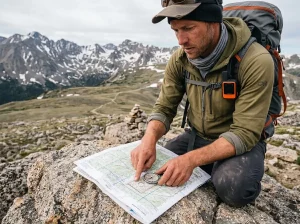
A significant elevation gain acts like a heavy bouncer at a busy bar. Your quads will burn, and you will seriously question your choices. But hit the 1,000-foot mark, and you will notice the crowd vanishes entirely. Casual tourists always turn around when their lungs start burning. You pay the vertical tax, and in return, you get the summit completely to yourself.
Know the absolute difference between a switchback—which just zigzags lazily to save your legs—and a steep scramble that forces you to use your hands on the rock. Switchbacks drag out your mileage, but manageable inclines still attract people. True vertical climbing chases them away permanently.
Pro-Tip: Your lungs adapt to the grade long before your legs do. Rest early on the climb so the vertical tax does its job of giving you a quiet summit, rather than burning out your muscles in the first mile.
The Logistical Moat: Gravel Roads and Dead Zones
Geographic distance is the absolute best form of volume control. Parks situated far off the major interstates naturally repel the average vacationer. Pure driving distance, vehicle requirements, and a total lack of hot showers build a massive logistics barrier around the park boundaries.
These backcountry zones almost always sit in total cell service dead zones. When you park your truck, you are entirely self-reliant. Your phone is basically just a heavy digital camera now. That intimidating isolation is exactly what guarantees an empty trail.
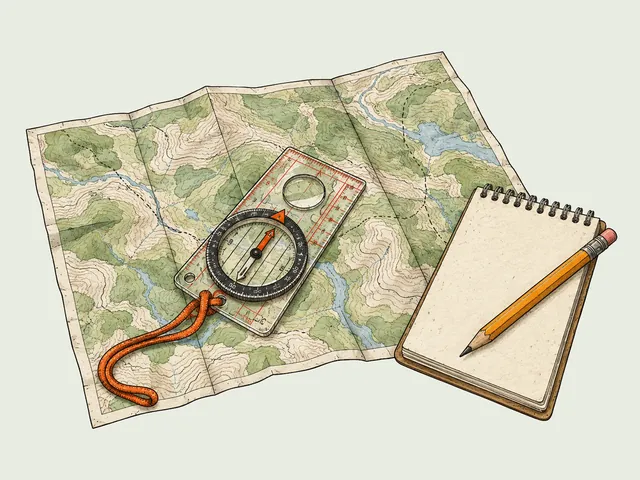
Pro-Tip: Download your offline topo maps before you leave the driveway. You won’t have the luxury of checking your map app from the trailhead when your cell service hits zero.
Once you confidently accept that vertical climbs and dirt roads are your best friends, you stop fighting the crowds at the popular hubs and start looking for the quiet alternatives. The smartest move you can make is abandoning the famous valleys entirely and trading them for their tougher, emptier twins.
The Alpine Swap: North Cascades Instead of Yosemite

Everyone goes to Yosemite. If you actually want to hear the wind rushing through the pines instead of diesel shuttle buses idling in traffic, head up to Washington. The North Cascades saw roughly 16,000 visitors compared to the millions packed shoulder-to-shoulder in California’s main valleys. It is tough, unforgiving country, and that is precisely why it feels empty.
The routes up here demand a serious physical buy-in. Pushing 2,000 feet of vertical climbing is just the standard entry fee for the big alpine views. While Cascade Pass sees some baseline day traffic, pushing out onto the Sahale Arm leaves the stragglers behind. Stepping out of the lower valleys into the high Boreal Forest transition is a drastic and memorable shift. You can read the North Cascades day hiking guidelines to verify the steep grades before you pack your bag.
The North Cascades Vibe: Bigass Wilderness
The paved highway here only grazes a tiny sliver of the park. Everything else is sprawling, jagged alpine rock. This is heavy bear country where fast-moving weather decides if you actually complete your route, not your itinerary.
Expect steep, punishing switchbacks that pull you above the treeline straight into thin air. There is no flat, easy warmup from the car. You lock the doors and start grinding upward immediately. This is what it means to feel like the wilderness again—completely raw and unprotected.
Pro-Tip: Pack your hard rain shell at the very top of your pack. I’ve watched beautifully sunny skies turn into heavy freezing hail in exactly 20 minutes above the treeline.
The Pick: Cascade Pass to Sahale Arm
Cascade Pass is a 7.4-mile round trip with a 1,700-foot gain. It is absolutely stunning, which means it predictably attracts the baseline hikers who just want to eat a sandwich at the saddle. But if you want the real quiet, you have to keep walking up.
Pushing past the pass directly onto the Sahale Arm drops you into a stark alpine tundra filled with massive blue glaciers and whistling marmots. The chatting crowds disappear. It is just you, ancient ice, and sharp rock.
This is exactly where you need to protect your knees on the thousands of feet of descent. Walking downhill on rock for two straight hours will turn your legs to heavy jelly if you don’t offload the weight with trekking poles.
Dealing with the Alpine Elements
The weather standing at high elevation does not care about your plans. You are navigating heavy exposure to blasting wind, baking sun, and sudden massive temperature drops.
You will likely encounter black bears passing quietly through the subalpine meadows. Make noise before blind corners, keep your head up constantly, and carry bear spray securely accessible on your hip—never buried at the bottom of your pack.
Pro-Tip: If an uncomfortable stranger randomly asks if you’re out here alone, just use the buddy factor. Tell them, “No, my group is taking photos just around the bend.” Trust your gut on an empty trail.
Washington’s alpine rock easily replaces the crowded Sierra Nevada peaks. But if you are chasing the massive scale of the desert canyons instead of high mountain ice, you need to head straight for Colorado’s steepest drop.
The Canyon Swap: Black Canyon of the Gunnison Skips the Grand Canyon

I’ve watched people drive up to the rim here expecting a smoothly paved switchback to the bottom. Instead, they find themselves grabbing a bolted metal chain and really hoping their boot rubber holds. By choosing the Black Canyon of the Gunnison over the Grand Canyon, you trade a wide crowded expanse for claustrophobic, vertical intimidation.
Skip the busy South Rim. The North Rim is accessed by a jarring gravel road that acts as a physical filter for tourists worried about scratching their shiny rental cars. Plunging into the dark inner canyon requires taking the Gunnison Route, a brutal 1.8-mile drop of nearly 1,800 feet. The route is notoriously unmaintained, which aligns with the science of Leave No Trace—keeping the inner canyon rough naturally protects the fragile riparian zone from heavy overuse.
The North Rim Advantage
That dusty, washboard dirt road leading to the North Rim keeps the enormous tour buses away entirely. You get sweeping drop-offs like Exclamation Point in absolute silence. You stand right on the edge and hear nothing but the wind ripping up from the cold river far below.
You don’t absolutely need a massive lifted truck, just standard clearance and the patience to rattle your teeth on the dirt track for a while.
Pro-Tip: The North Rim closes seasonally when the deep snow drifts pile up. Always double-check the entry gates are physically open on the park website before you drive hours out into the heavy scrubland.
The Pick: The Gunnison Route and the Chain Scramble
This isn’t a relaxed canyon hike; it is a controlled slide into a dark chasm. Your overused quads will shake heavily by the time you reach the freezing water at the bottom.
The park bolted an 80-foot heavy iron chain to a sketchy dirt chute just to keep hikers from tumbling directly into the sharp rocks during the steepest section. You will be incredibly grateful that cold metal is permanently glued to the rock wall when you physically look down.
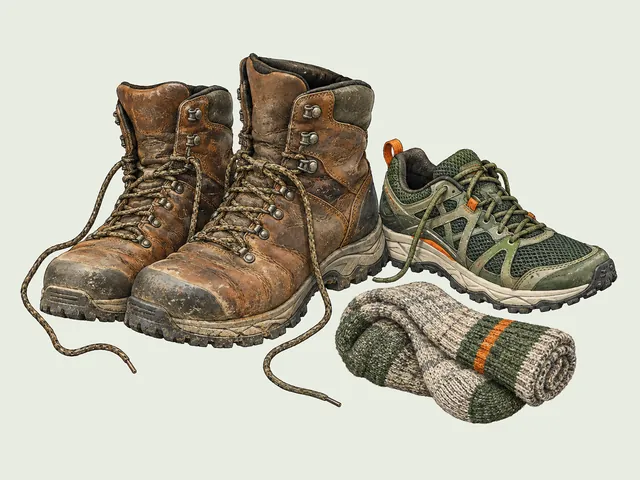
Broken-in boots with highly aggressive tread are non-negotiable here. You spend the entire descent rock-hopping on heavy talus and sliding on loose dirt.

Descending Without a Maintained Trail
Once you step off the top edge, the path is mostly just a vague suggestion. Staring blindly at randomly stacked rock cairns will eventually lead you into a dangerous cliff-out. You have to physically read the rough terrain and carefully pick safe lines over the boulders.
GPS trackers bounce erratically inside deep canyons, throwing your location pin off by hundreds of feet. The dark vertical rock simply eats the satellite signals entirely.
That is exactly why you must heavily test your reliable offline map apps before you leave home. If you don’t, your expensive cell phone is just a camera once you drop below the rim.
Dropping into a canyon gives you guaranteed isolation through pure vertical difficulty. But when you want to bypass the massive crowds swarming the red rock loops of Utah, you have to look for a different kind of extreme environment.
The Desert Swap: Finding True Silence in Great Basin and Capitol Reef

Finding an empty trail in the desert feels impossible lately unless you are willing to ford a running river in your truck or drive down the Loneliest Highway in America. You have to bypass the incredibly crowded Zion loops entirely. Great Basin and Capitol Reef offer the kind of intense desert isolation where you are completely responsible for your own safety out in the baking heat.
Great Basin operates as a sky island where you hike straight out of the baking desert scrubland directly into freezing ancient Bristlecone pine forests. Capitol Reef’s remote Cathedral Valley gives you the ultimate logistical moat—you need high vehicle clearance just to safely cross the Fremont River to reach the remote dirt trailheads. Both of these parks demand a serious park reservation strategy or willingness to hunt for free camping spots on adjacent public land.
Both of these spots also hold authentic Dark Sky status. You unzip your tent flap, look straight up, and the Milky Way blazes aggressively across the black sky.
Great Basin: Ancient Trees and the Loneliest Highway
Just surviving the long, isolated drive out there on the desolate US-50 highway is half the battle. Inside the park, the Bristlecone & Glacier Trail takes you right up to twisting trees that are 4,000 years old. Standing next to something that was alive during the Bronze Age is a deeply humbling moment.
Wheeler Peak hits a punishing 13,063 feet. The incredibly thin air can easily make you feel dizzy or physically sick if you push your pace too fast. Your body deeply needs time to adjust.
Pro-Tip: Don’t rush the big summit attempt. Practice proper high-altitude acclimatization by spending a full night sleeping at the lower campgrounds before attempting the long climb.
Capitol Reef Pick: The Monoliths of Cathedral Valley
Leave the heavily trafficked Fruita district behind. Cathedral Valley features giant sandstone towers that rise directly out of the flat dirt plains exactly like alien architecture. You feel incredibly small standing out here among the massive red rock. Knowing the area features excellent BLM camping just outside the boundary makes the long drive far more appealing for extended stays.
Accessing the area requires physically fording the running Fremont River in a 4×4 vehicle. Never attempt this wet crossing in a standard sedan; the unpredictable water will flood your engine block and leave you stranded miles from any help.
Pro-Tip: Watch the sky constantly. Summer desert storms turn a dry rocky wash into a highly dangerous flash flood in a matter of minutes.
The Reality of Desert Water Scarcity
You are entirely on your own for your water supply out here. Bringing “hopefully enough” is a highly dangerous game in the brutal heat. The shallow creeks are almost always bone dry by late morning.
Calculate dragging at least one full gallon of heavy water per person, per day. Running out of it under the baking sun cuts your survival window down to just hours. You can verify these severe scarcity guidelines directly through the Capitol Reef hiking recommendations. Keep an extra five gallons stashed in your car trunk for when you return to the trailhead absolutely parched.
Desert heat forces you to carry half your body weight in water just to survive. If you prefer your extreme environments a little more active, swapping out Wyoming for Northern California offers a completely different kind of harsh landscape without the traffic jams.
The Hydrothermal Swap: Lassen Volcanic Replaces Yellowstone

You still get the sharp smell of sulfur and the sight of the earth literally boiling, but you don’t have to elbow past fifty people to get a photo of a bubbling mud pot. Lassen Volcanic delivers the exact same active geology as Yellowstone, but it sees only a fraction of the heavy visitors.
The Brokeoff Mountain hike provides a sweeping panoramic masterclass of the park’s internal volcanic anatomy. The steep Cinder Cone hike is equally impressive but deeply punishing on the legs. Be ready for the sharp smell of rotten eggs near the fumaroles—that is simply the earth venting its constant pressure right beneath your boots.
Bubbling Mud and Steaming Earth
This park is literally alive underneath you. Hot steam forcefully vents out of porous rock and gray mud boils naturally right at the surface. You can actually hear it hissing angrily before you see it through the trees.
The crust around these hydrothermal areas is notoriously thin and incredibly brittle. Stepping carelessly off the wooden path here has massive physical consequences.
This is one place where staying on the trail in fragile ecosystems isn’t about protecting the wild flowers—it is about keeping yourself from accidentally falling through the thin crust into boiling, acidic water. Keep your boots firmly on the marked boards.
The Pick: Brokeoff Mountain
Instead of lining up in single-file traffic to hike Lassen Peak, tackle the 7-mile round trip right up Brokeoff Mountain. It takes heavy, sweaty work, but it generously rewards you with the best sweeping vantage point in the entire park.
You will aggressively gain roughly 2,550 feet in elevation, shifting away from the cool forest covers entirely into fully exposed ridges. The wind picks up hard once you physically clear the trees.
Pro-Tip: Start this hike early in the cool morning. The steep dirt trail is heavily exposed to the hot sun in the afternoon, making the climb feel exponentially worse.
Climbing the Cinder Cone
You are literally walking up the side of a dormant volcano made entirely of loose, sliding volcanic gravel. It is pure scree. You look up at it from the bottom and shake your head, wondering why anyone would optionally choose to walk up it.
For every solid boot step you take forward on the shifting gravel, you slide half a step directly backward. It is a brutal, relentless calf-burner that requires steady pacing and deep patience to conquer.
Empty the sharp gravel out of your boots directly before you walk out onto the Painted Dunes resting at the base. You will desperately want comfortable feet to explore the smooth, rolling colored hills.
Volcanoes and deep canyons keep the casual tourists away through sheer physical intimidation. But if you want the absolute ultimate filter for crowds, you have to leave your car behind entirely and hit the water.
The Ultimate Filter: Boat-Access Trails in Isle Royale and Voyageurs

There is a tightly knit community that naturally forms when everyone is mutually stranded in the deep woods together. Once the small seaplane safely drops you off and flies away over the trees, you are on your own. Experiencing peak physical isolation usually means actively heading to places with mandatory boat access. You physically cannot drive a vehicle to these quiet spots.
The final barrier to entry is booking a rocking ferry across choppy water or chartering a loud seaplane. Isle Royale and Voyageurs forcefully offer this exact isolation. Isle Royale’s Minong Ridge is a rugged rock spine requiring serious, scratchy bushwhacking through ridiculously dense brush. The locals simply call it the Thimbleberry Effect.
Voyageurs heavily hides its absolute best hiking inside a thickly forested island peninsula, demanding you physically rent a canoe just to reach the dirt. Bring plenty of Goldbond powder for these damp trips. The constant friction of wet terrain makes heavy chafing an absolute physical certainty.
Abandoning the Car: Ferries and Seaplanes
For Isle Royale, you will pay solid cash for a rough ferry ride, or even more for fast seaplane access. That steep price tag and strict logistical requirement cleanly eliminates the casual vacation crowd entirely. Only highly committed hikers actually make the long trip.
Weather rolling across Lake Superior controls absolutely everything inside the park boundaries. Rough seas frequently cancel the heavy ferries entirely. Always check the current Isle Royale alerts before heading to the port.
Pro-Tip: Always pack an extra full day’s worth of easy food. The printed ferry schedule is just a polite suggestion to Mother Nature, and you do not want to run out of calories if you get suddenly stranded waiting out a huge rocky storm.
Isle Royale Pick: The Minong Ridge Bushwhack
This is practically 32 miles of highly rugged, thoroughly unmaintained isolation. You dead-reckon slippery ridges and then plunge straight into chest-high thickets that completely hide the trail. You spend half the day looking down at your boots just trying to find the path.
Wild wolves and massive moose heavily congregate on the island. Hearing a deep, rattling howl at night from your small tent is a humbling, primal reminder of exactly where you stand on the food chain. You realize immediately that you are safely not in charge out here.
Bring a tightly woven mosquito head net. In late August, the biting flies and heavy bugs are totally relentless whenever the lake wind stubbornly decides to drop.
Voyageurs Pick: The Locator Lake Portage
You have to take a fast motorboat just to safely reach the muddy shoreline of the Kabetogama Peninsula. From there, you actively hike roughly 2 miles directly inland straight through the dark woods to Locator Lake, where the park cleverly hides rental metal canoes.
You get to smoothly paddle a pristine, ancient glacial lake where naturally almost nobody else ever goes. The cold deep water is totally peacefully silent except for the heavy rhythmic slap of your wooden paddles.
The deep inland lake water natively tastes terrible, even when thoroughly purified. When you are filtering and treating questionable water sources, expect it to safely but strongly taste exactly like the dirty swamp it naturally came from.
Conclusion
The reality of hiking right now is completely straightforward: the best empty trails cost heavy physical exertion. True peaceful solitude isn’t an accident anymore. You engineer it physically through the heavy vertical taxes of massive mountain peaks or the steep logistical moats of deep deserts and remote islands. By heading directly to an alternative park and proudly skipping the packed tourist hubs, you actively earn the right to enjoy nature exactly the way it demands to be seen. You should easily leverage this strategy beyond these parks too. Finding a secret entrance in the Guadalupe Mountains or tackling the sheer logistical nightmare of the National Park of American Samoa and Gates of the Arctic reliably pays off immensely. Break in your hiking boots, download your offline maps, and step a few hours off the beaten path. Let the crowds desperately fight for parking spaces while you secure the top rated solitude trail for yourself.
FAQ
What is the least visited national park in the lower 48?
The North Cascades located highly up in Washington consistently ranks as the least visited np in the lower 48. Its incredibly steep difficulty rating and total lack of accessible paved roads keep casual attendance unbelievably low year-round. It is truly the national park with fewest crowds.
Do I need a reservation or permit for these quiet parks?
It depends entirely on the unique park and your exact overnight plans. While these quiet parks thankfully lack the brutal shuttle lotteries of major hubs, securing a backcountry wilderness permit is still almost always heavily required before heading out.
Is it safe to solo hike in remote national parks?
Yes, but your safety margin is razor-thin. Solo hiker safety dictates that you carry a reliable satellite messenger, securely drop a detailed trip plan with a trusted contact, and fully possess competent offline map navigation skills before you ever hit the dirt.
What is the hardest national park to get to?
Gates of the Arctic in Alaska has exactly zero roads and deeply requires a chartered bush plane remote drop-off, confidently making it the hardest national park to get to outright. In the contiguous US, Isle Royale takes the tough title due to strictly demanding ferry schedules.
I've spent more than a decade researching hiking gear and trail technique. I read the specs, the forum threads and the long-term reviews, and every pick here comes with what it gets wrong.
End of the trail
You read every mile of this one. Here's where the trail goes next.