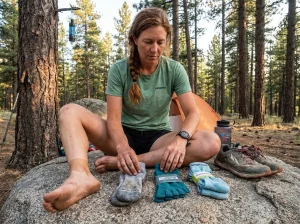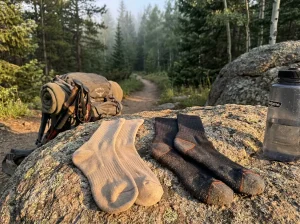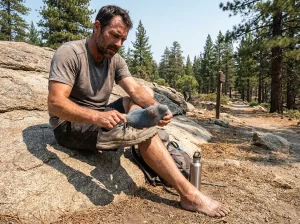
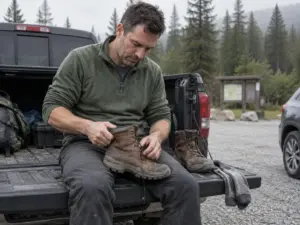
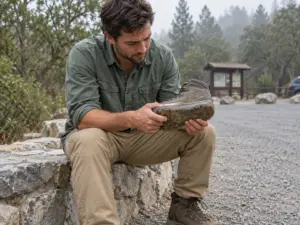
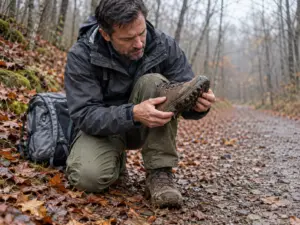
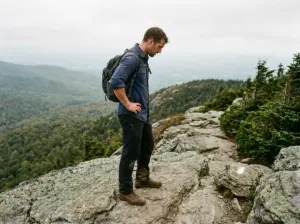
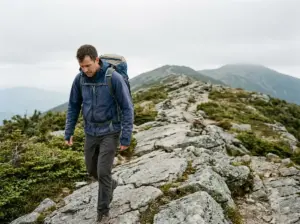
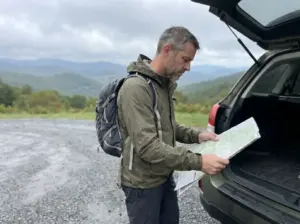

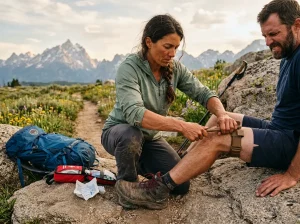
Day three on the Arizona Trail, and the dime-sized blister between my fourth and pinky toe had ballooned into something angry. Every downhill step sent a sharp sting through my foot. I sat on a boulder, peeled off my sock, and stared at the raw, fluid-filled mess, knowing I still had 780 miles to go. That afternoon, a SOBO thru-hiker tossed me a pair of thin Injinji Liner Crew socks. “Trust me,” she said. I didn’t get another blister for the rest of that trail.
After 1,000 miles of testing across the Sierra, the John Muir Trail, and three seasons of dusty desert ridge walks, I can tell you exactly why toe socks work, which models hold up past 500 trail miles, and where they can actually backfire if you get the fit wrong.
This article breaks down why your toes blister in the first place, shows you a layering protocol that thru-hikers swear by, and gives you the honest durability data nobody else is publishing.
⚡ Quick Answer: Toe socks prevent between-toe blisters by separating each toe with individual fabric sleeves, which moves skin-on-skin friction to a fabric-to-fabric interface. The best setup for most hikers is an ultra-thin toe sock liner (like Injinji Liner Crew) under a midweight hiking sock, inside a wide toe-box hiking boot. Wet socks increase blister risk by nearly 2x, so moisture-wicking materials like merino wool or COOLMAX are critical. Test any new toe sock system on a short day hike before committing to a multi-day trip.
The Physics of Why Your Toes Blister (And Why Regular Socks Can’t Fix It)
Shear Deformation vs. Surface Rubbing
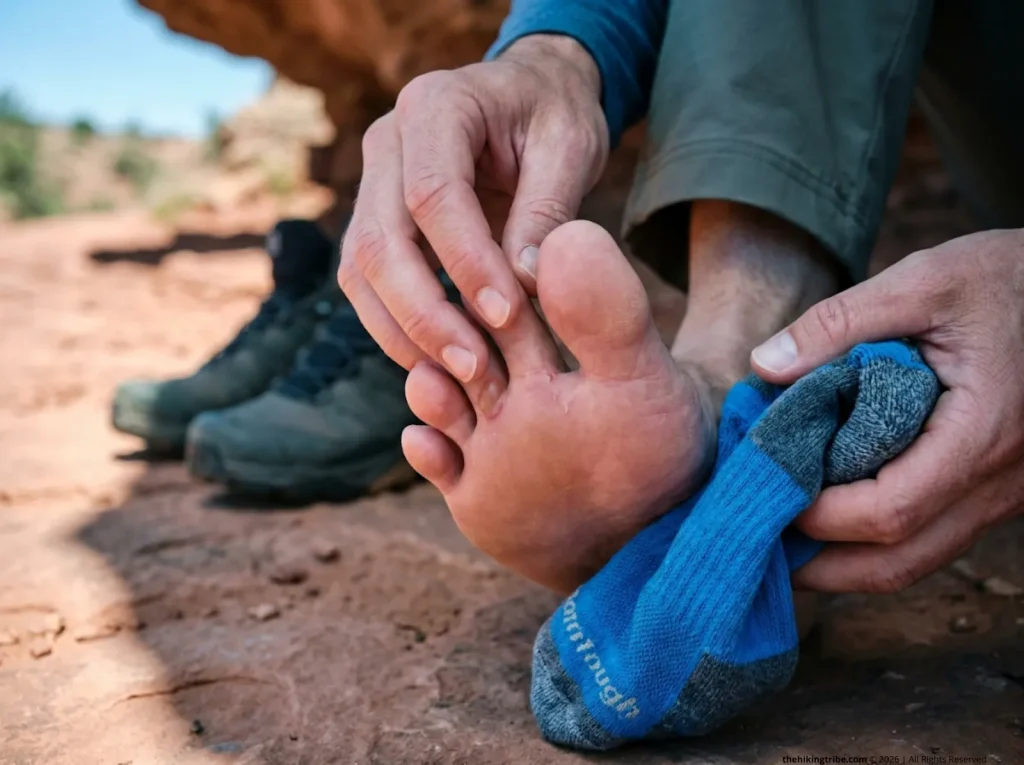
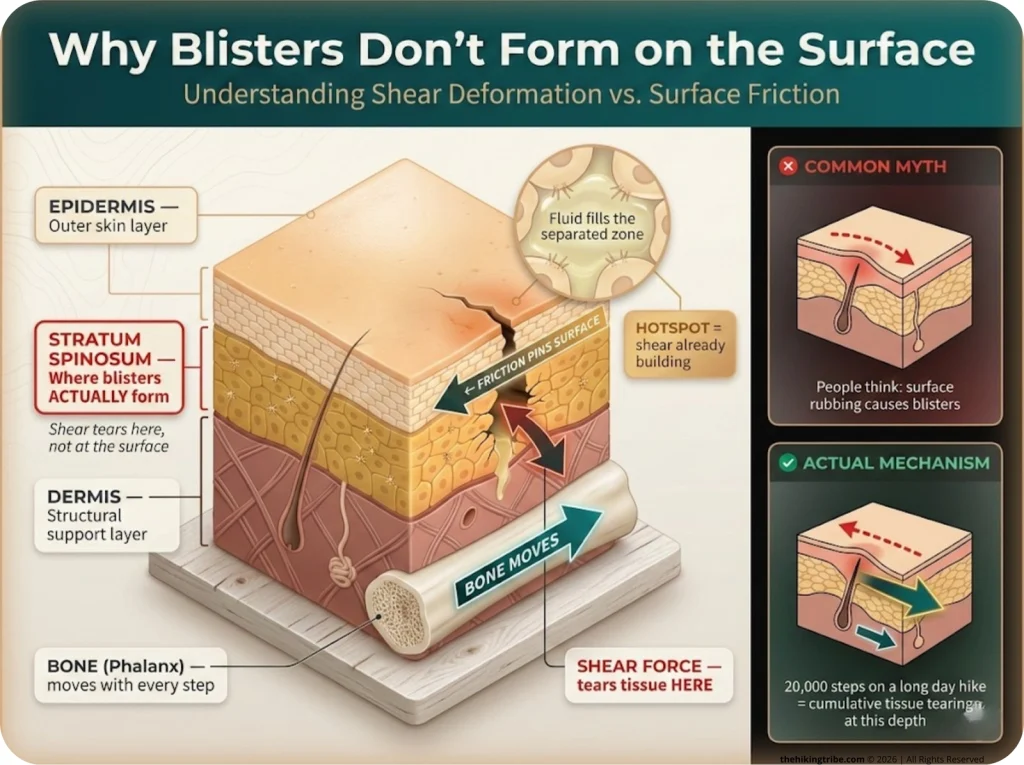
Here’s what most hikers get wrong about blisters: they don’t form from surface rubbing. The actual damage happens deeper, in a skin layer called the stratum spinosum. Every step you take on trail generates a repetitive shear force, where bone moves under skin while the outer layer stays pinned by friction against your sock. Do that 20,000 times on a long day hike, and the tissue between those skin layers starts to separate. That’s when the fluid fills in.
Three things have to happen for a blister to form: bone motion under skin, high friction at the interface, and repetition. Miss any one of those three, and you won’t blister. That’s according to research published in the Journal of Athletic Training on shear-induced blisters, and it changes how you think about prevention.
A hotspot, that localized burning sensation on your toe, is your early warning. It means shear stress is already building, but the tissue hasn’t torn yet. Stop there, and you can fix it. Keep walking, and you’ll be draining fluid at camp.
Pro tip: If you feel a hotspot forming, stop immediately. Two minutes of Leukotape now saves two days of limping later. Don’t wait for it to “go away” on the trail.
Why Wet Feet Accelerate the Problem
Moisture is a force multiplier. Wet socks increase blister risk by 1.94 times. That’s not marginal. Moisture softens the outer skin layer, making it less resistant to shear, and it raises the friction between skin, liner materials, and outer socks to a level where blistering becomes almost inevitable. Even the best moisture-wicking hiking socks can’t solve this when all five toes share the same pocket. Sweat pools between compressed digits no matter what fiber you’re wearing.
Desert hikers deal with sand grinding into damp fabric. Alpine hikers face stream crossings and condensation. Both scenarios dump moisture right where you need it least, between your toes.
The Interdigital Gap Problem
The zones between your toes have thinner skin, higher moisture retention, and almost zero cushioning from sock padding. Standard hiking socks compress toes laterally, increasing total surface contact and the shear force that comes with it. That’s why most hikers blister between toes four and five first. It’s the smallest gap, the most compression, and the least airflow.
How Toe Socks Actually Work (Mechanism, Not Marketing)
Individual Sleeves and Friction Transfer
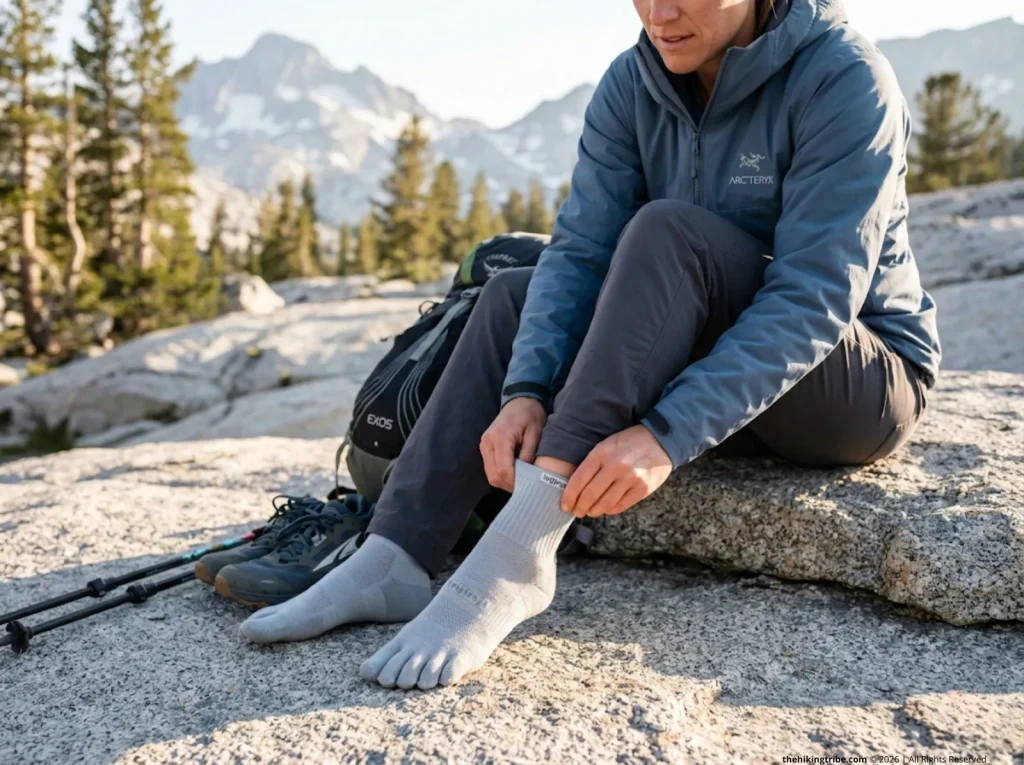
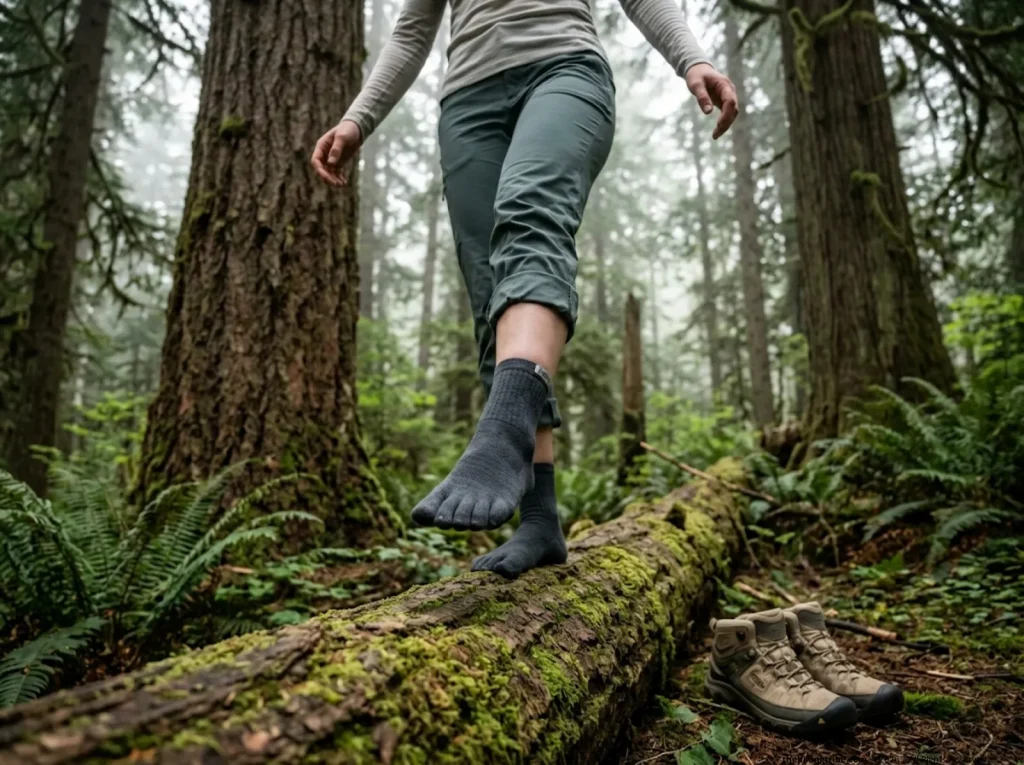
The fix is mechanical. Each toe gets its own individual toe sleeve, a separate fabric pocket that physically prevents skin-to-skin contact between adjacent toes. Instead of skin grinding on skin, the shear force transfers to a fabric-to-fabric interface where the grip between surfaces is far lower.
This is the same principle behind the classic double-sock system, where a thin liner moves friction away from skin, but applied specifically to the interdigital zone where standard liners can’t reach. Our field test of double-sock systems for blister prevention showed that the liner plus outer combo reduces blister severity. Toe socks take that one step further by protecting each toe individually.
Moisture Management at the Toe Level
That fabric between each toe also acts as a wick, pulling sweat away from the exact zones where moisture pools in normal socks. Merino wool toe socks like Creepers Merino Toe Socks combine moisture-wicking properties with natural odor resistance, making them solid for multi-day use. COOLMAX versions like the Injinji Liner Crew prioritize fast drying over warmth, which is better for desert and warm-climate hiking.
The advantage over a standard merino crew sock is simple: you get wicking between every toe, not just across the foot surface.
Natural Toe Splay and Stability
Separated sleeves allow natural toe splay. Each toe can spread and grip terrain independently, which is what Injinji calls total foot utilization. On uneven ground, talus fields, and scrambling terrain, this improves proprioception and balance. Your toes are doing what they’re designed to do instead of being squeezed into a single fabric tube.
The Lineup I Tested (And What Held Up Past 500 Miles)
Injinji Liner Crew — The Thru-Hiker Standard
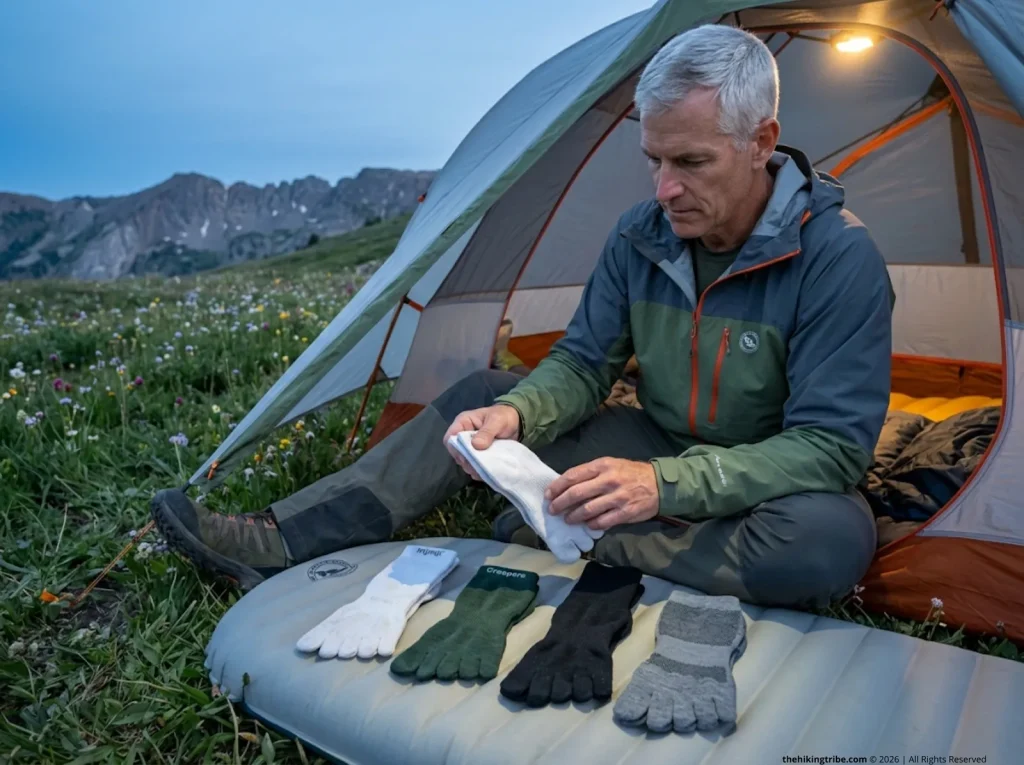
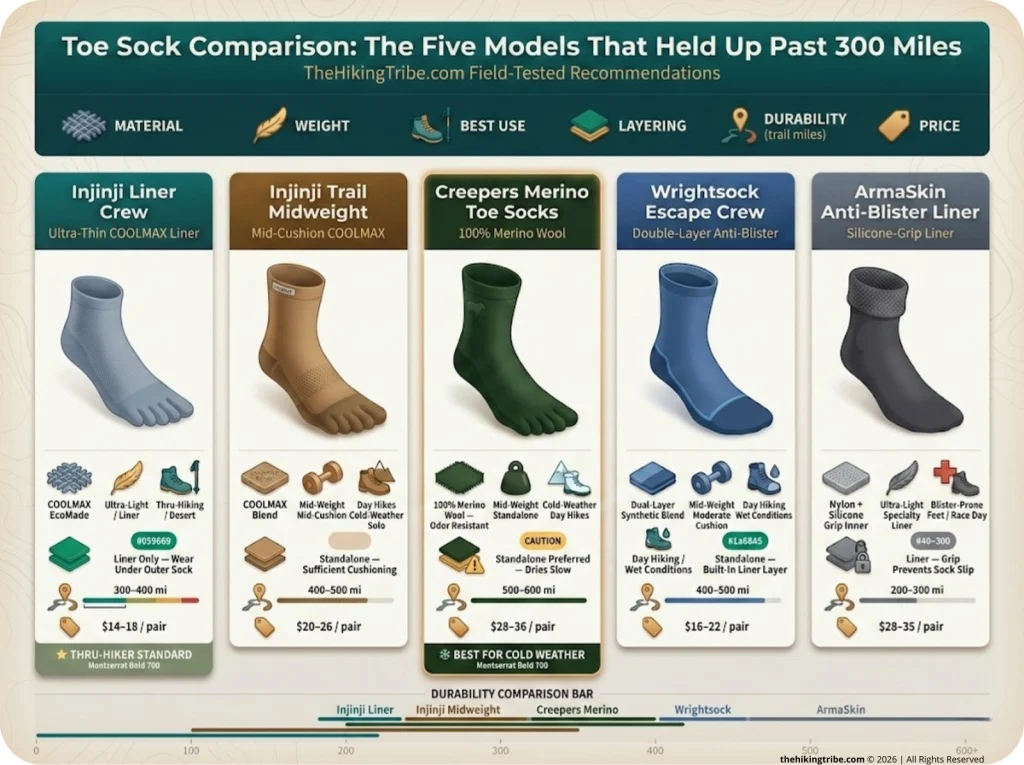
The Injinji Liner Crew is the most cited toe sock in the hiking world, and for good reason. It’s ultra-thin COOLMAX EcoMade construction, designed to sit as a base layer under any outer sock. Every thru-hiker I met on the Arizona Trail and John Muir Trail who used toe socks was wearing some version of this.
Honest flaw: they wear through at the toe base after roughly 300 trail miles of aggressive terrain. Budget for replacements if you’re thru-hiking. At $14-18 per pair, that adds up, but so does limping with between-toe blisters for three days straight.
Creepers Merino — The Standalone Play
If you want one sock instead of two, the Creepers Merino Toe Socks are the thicker option. More cushioning, more warmth, and better for cold-weather day hikes where layering would overstuff your boot. Best in wide toe-box hiking boots with room to spare.
Honest flaw: merino dries slower than synthetics. In extended wet conditions, these can get clammy. If your route includes multiple stream crossings, stick with the COOLMAX liner approach.
The Comparison Table
For a broader look at how thin inner socks reduce friction across your entire foot, see our field-tested analysis of hiking liner socks.
Pairing Toe Socks With Your Boots (The Fit That Most Hikers Get Wrong)
Wide vs. Narrow Toe-Box Boots
This is the part every other toe sock article glosses over. And it’s the part that matters most.
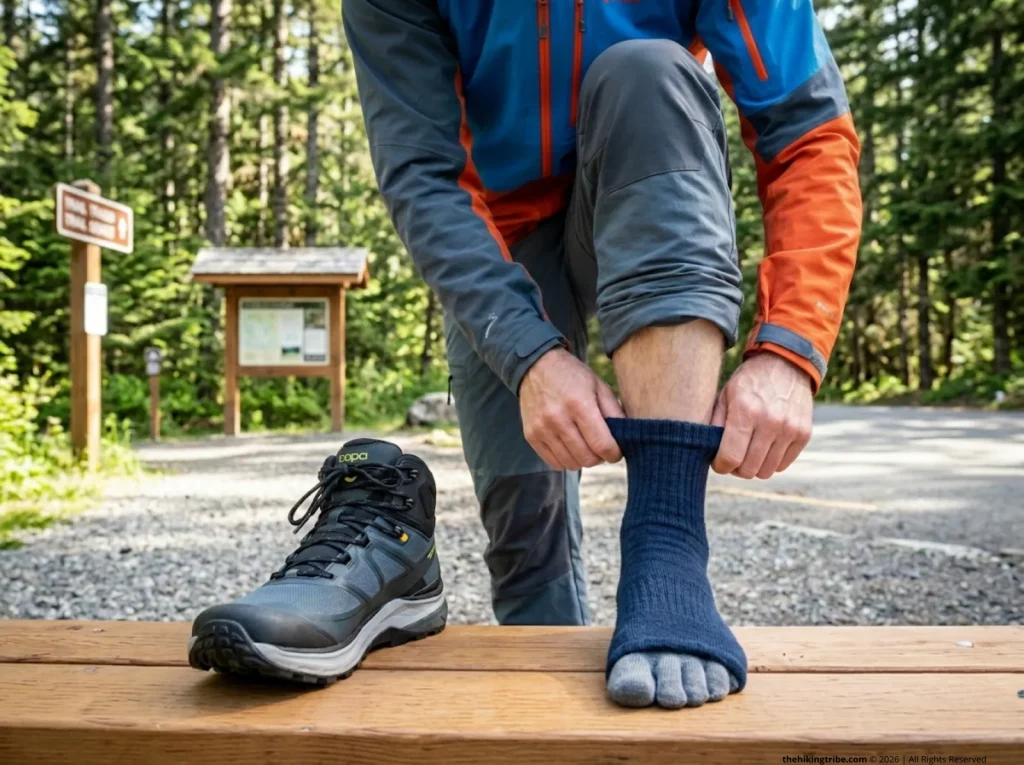
Toe socks add 1-2mm of fabric thickness per toe. In a narrow toe-box hiking boot like a La Sportiva or Salomon, that extra bulk can create new pressure points, which is exactly the opposite of what you’re trying to do. Wide toe-box hiking boots like Altra Lone Peak, Topo Trailventure, or KEEN Targhee accommodate toe socks without cramming your toes together. If you feel new hotspots on the tops of your toes or between your pinky toe and boot sidewall after adding toe socks, the boot is too narrow. The fix is a wider boot, not a thinner sock.
If you’re looking for boots that actually have room for a layered sock system, check our review of wide toe-box hiking boots that actually accommodate layered sock systems.
Pro tip: Before committing to toe socks on a multi-day trip, test them on a 5-mile day hike in the boots you plan to wear. Walk 200 meters on flat ground first, and if you feel any pinch points at the pinky toe or big toe joint, those boots don’t have enough volume.
The Layering Protocol (Step-by-Step)
Getting the layers right is the make-or-break detail. Here’s what works:
- Pull on the thin toe sock liner first. Smooth every sleeve. Zero bunching, zero wrinkles.
- Pull the midweight outer sock (like Darn Tough or Smartwool) over the liner. The liner stays flat against skin, the outer sock handles boot interface and cushioning.
- Slide your foot into the boot. Check for pinch points at the pinky toe and big toe joints.
- Walk 200 meters on flat ground. If any hotspot appears, the boot doesn’t have enough volume for the double layer.
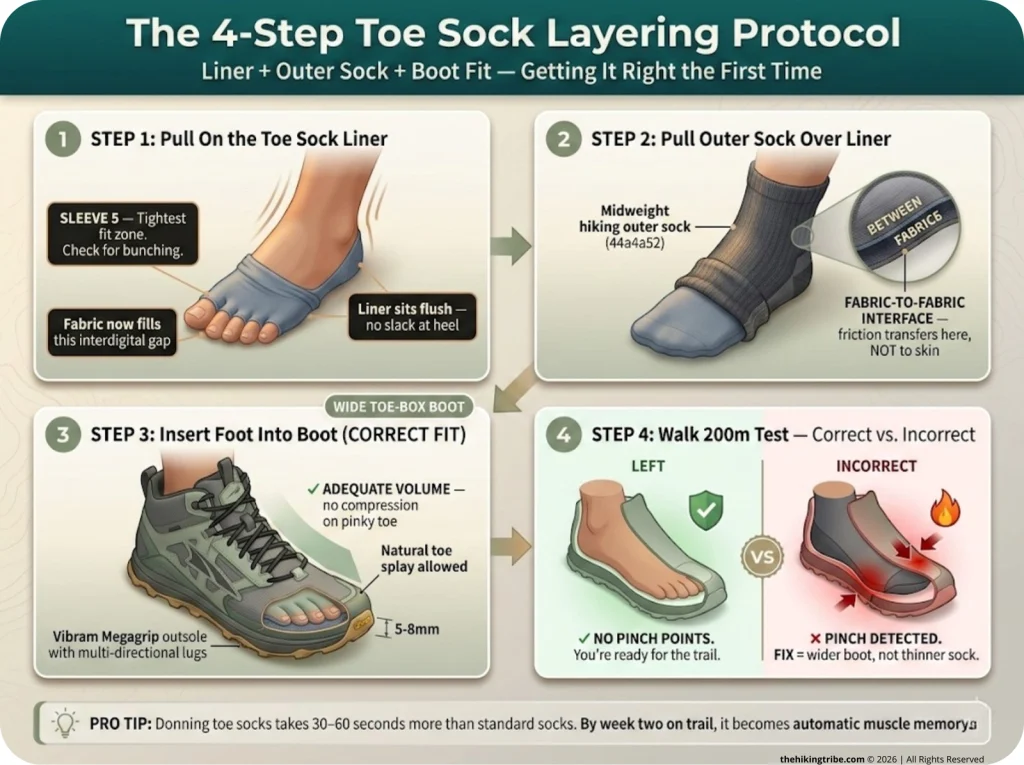
One heads-up: donning toe socks takes 30-60 seconds longer than standard socks. You’ll build the muscle memory after a few days. Thru-hikers have it down to a quick routine by week two.
When Toe Socks Backfire
In boots with insufficient toe box volume, toe socks add bulk that increases overall pressure. If you notice new hotspots on the tops of toes after adding a liner, the answer is not to skip the liner. It’s to change the boot. And always change out of wet toe socks fast. Moisture plus extra fabric layers equals amplified shear risk.
The Thru-Hiker’s Toe Sock Playbook (Rotation, Resupply, and Durability)
Sock Rotation on 2,000+ Mile Trails
Carry two to three pairs of toe sock liners and two pairs of outer hiking socks. Rotate daily: one pair wearing, one pair drying clipped to the outside of your pack. Swap to fresh dry liners at lunch on wet days. That single habit prevents more blisters than any gear purchase you’ll ever make.
Merino liners dry slower than COOLMAX in humid conditions. Factor that into your sock rotation strategy. In the Pacific Northwest or during monsoon season, COOLMAX is the smarter play for your liner layer.
Resupply Box Strategy for Socks
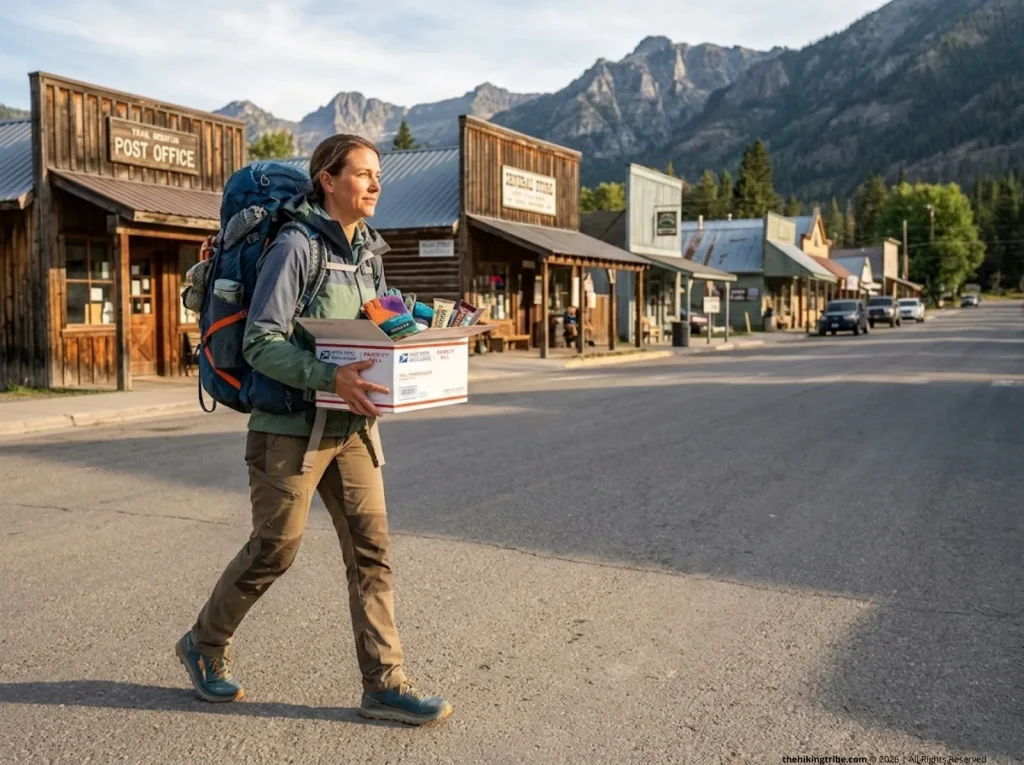
Budget for replacing Injinji liners every 300-400 trail miles. That’s roughly every two to three weeks of aggressive thru-hiking. Send two fresh pairs in each resupply box to trail towns. The outer socks, especially Darn Tough with their warranty, last significantly longer at 600-1,000 miles.
Over a full PCT thru-hike at 2,650 miles, budget $60-100 for liner sock replacements alone. It sounds like a lot. It’s less than one ER visit for an infected blister that went septic because you “powered through.”
Pro tip: Use thin Injinji Liner Crew socks as your base layer, not the thicker Trail Midweight. The thinner liner saves volume in your boot, dries faster, and is cheaper to replace. Save the midweight version for single-layer cold-weather day hikes only.
Durability Report
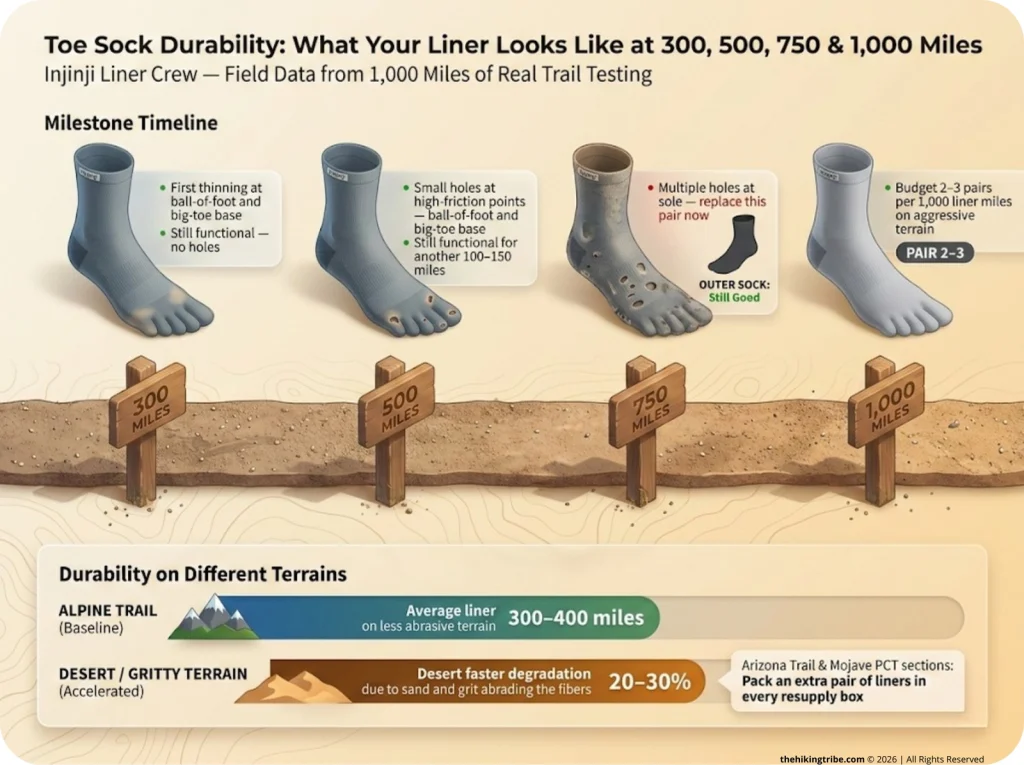
At 300 miles, the first thinning shows at the ball-of-foot and big toe base on Injinji liners. At 500 miles, small holes appear at high-friction points but the sock is still functional. By 750 miles, you’re on your second or third pair of liners, while the outer Darn Tough Midweight Crew socks are still structurally sound.
One thing I noticed that nobody talks about: desert terrain with gritty sand degrades toe socks 20-30 percent faster than alpine trail. If you’re hiking the Arizona Trail or Mojave sections of the PCT, pack that extra pair.
Curious what the right way to wash merino hiking socks on trail looks like without destroying them? We tested that too.
Beyond Socks — The Complete Blister Prevention Stack
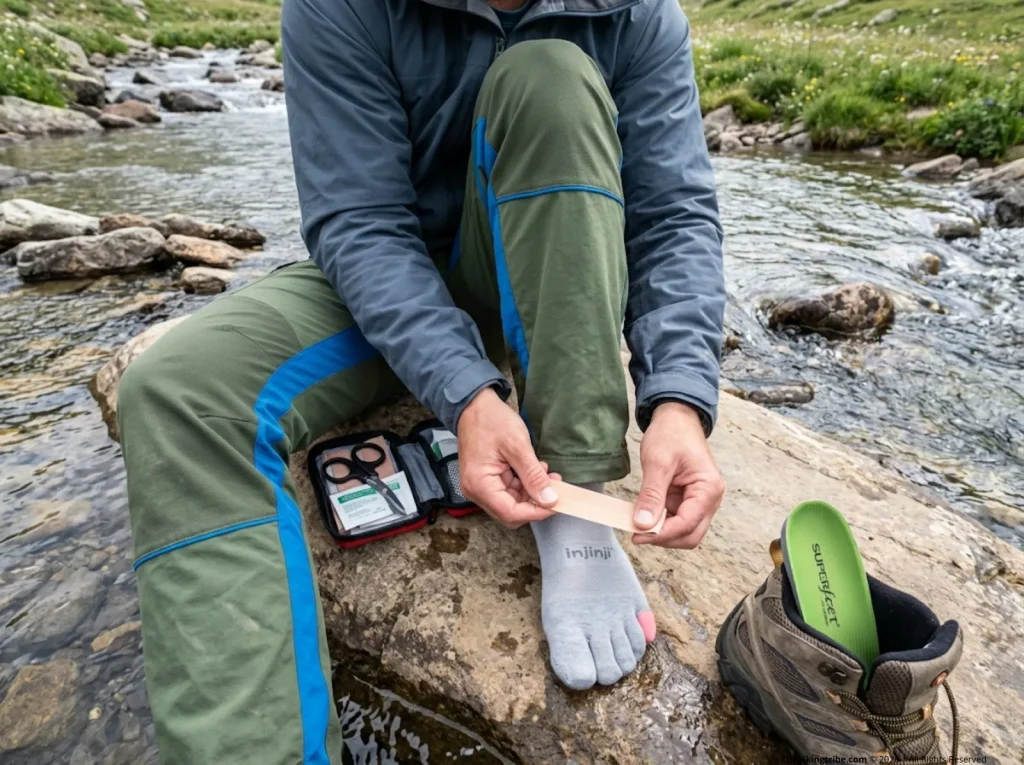
The Hybrid Protocol (Toe Socks + Leukotape)
For the truly blister-prone areas, try this: apply a single strip of Leukotape over the toe sock sleeve on your pinky toe before pulling on the outer sock. This creates a triple-layer defense, skin to toe sock fabric to adhesive tape to outer sock fabric. It’s the nuclear option for desert sections with fine grit and extreme heat. Not everyone needs it. But if you’ve blistered on specific toes despite wearing toe socks, this is the next move.
Insoles and Foot Strengthening
A quality insole like Superfeet or Currex reduces overall foot movement inside the boot. Less movement means less shear. Pre-trail foot-strengthening exercises, like towel scrunches, marble pickups, and barefoot balance work, build the intrinsic muscles that stabilize your toes during impact. Stronger foot muscles mean better toe splay, more effective weight distribution, and fewer hotspots. These aren’t alternatives to toe socks. They’re force multipliers that make the whole system work better.
If you’re building a complete blister prevention protocol from the ground up, the hiking insoles we tested for trail endurance are a solid starting point.
What Toe Socks Can’t Fix
Toe socks solve between-toe blisters. That’s their job, and they do it well. But they won’t fix blisters caused by poor hiking boot fit, like heel slippage or arch collapse. They won’t prevent heel or ball-of-foot blisters either. Those need different interventions: proper lacing techniques, better insoles, or a completely different boot.
As Stanford emergency physician Dr. Grant Lipman notes, blisters are the most common medical problem hikers face when they head into the backcountry. A complete blister prevention approach means getting the boot right, getting the sock right, managing moisture, and knowing when to stop and tape.
Conclusion
Three things to take away from 1,000 miles of testing. First: blisters form from shear inside your skin, not surface rubbing, and toe socks eliminate the interdigital shear that standard socks physically cannot prevent. Second: boot fit matters as much as sock choice. Wide toe-box boots plus thin toe sock liners plus midweight trail socks is the combination long-distance hikers call “the zero-blister setup.” Third: toe socks aren’t magic. They’re one layer in a complete system that includes proper fit testing, sock rotation, moisture management, and knowing when to stop and tape a hotspot.
Try one pair on your next day hike. Start with a 5-mile loop in boots you already trust. If your toes feel drier and you don’t notice pressure points, you’ve found your setup. If you feel new tightness, try a wider boot first. The socks work. The question is whether your boots have room for them.
FAQ
Do toe socks really prevent blisters when hiking?
Yes. They eliminate skin-on-skin friction between toes by separating each one with a fabric sleeve. Blisters form from repetitive shear at high-friction interfaces, and toe socks move that friction from skin-to-skin to fabric-to-fabric. They work best as part of a layered system inside boots with adequate toe box volume.
Are toe socks better than regular hiking socks?
For between-toe blisters, significantly better. Standard socks wrap all toes in one pocket, leaving skin-on-skin contact untouched. Toe socks solve this specific problem. For heel and ball-of-foot blisters, both sock types perform similarly because boot fit and lacing technique matter more in those areas.
Can toe socks actually cause blisters?
Yes, in the wrong boots. If your narrow toe box doesn’t have room for the extra fabric, the added thickness creates new pressure points. Darn Tough’s own blog warns about this. Always test toe socks in your boots on a short hike first.
How do you wear toe socks with hiking boots?
Use ultra-thin toe sock liners like the Injinji Liner Crew as the base layer against your skin. Pull a standard midweight hiking sock over them. Check for pinch points before hitting the trail. The liner handles inter-toe friction. The outer sock provides cushioning and manages the boot interface.
What are the best toe socks for hiking blister prevention?
For most hikers, the Injinji Liner Crew is the proven standard. Ultra-thin COOLMAX, fast-drying, and excellent under any outer sock. For cold conditions where you want a single-layer solution, Creepers Merino Toe Socks offer more warmth and cushioning. Both are strong choices depending on your climate and layering strategy.
I've spent more than a decade researching hiking gear and trail technique. I read the specs, the forum threads and the long-term reviews, and every pick here comes with what it gets wrong.
End of the trail
You read every mile of this one. Here's where the trail goes next.