In this article
That brand-new 18-liter pack felt roomy in the store. Then the clouds rolled in at mile six, you went to stuff your rain shell inside, and it wouldn’t fit. Almost every hiker has a version of that day, and it traces back to one decision made before the trail even started: the pack. The honest truth the big roundups bury is that there’s no single best daypack. Ranking the best daypacks for hiking only makes sense once you match a pack to your hikes, not the other way around. There’s the one sized, ventilated, and belted for the days you actually walk, and that’s what this guide helps you find. We’ll size you first, walk the trade-offs nobody states plainly, then name the few packs worth your money. If you want the bigger picture, this sits inside our full guide to where a daypack fits in the bigger backpack picture.
Here’s how daypack size maps to the kind of hiking you actually do.
| Daypack Size | Best For | What It Carries |
|---|---|---|
| Under 20 L | Short, fast half-days | Water, snacks, one light layer |
| 20–25 L | Standard day hikes | Ten Essentials, 2–3 L water, lunch, a layer |
| 26–30 L | Full days, winter, photography, family | Bulky layers, more food, a kid’s gear |
| 30–40 L | Big gear-heavy days, light overnights | A full kit with room to spare |
How Big a Daypack Do You Actually Need
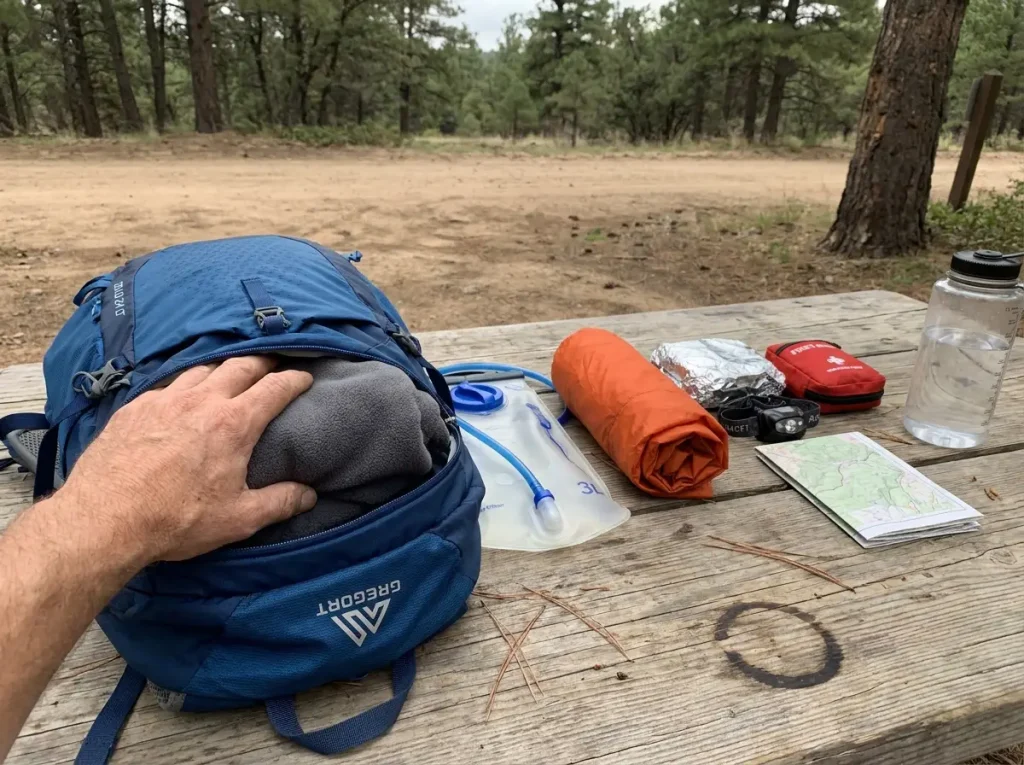
Daypack capacity is the first decision, and it’s the one most people get wrong. The sweet spot for day hiking lands between 20 and 30 liters, and if you’re buying one pack to cover everything from a quick local summit to a long ridge day, 25 liters is the safe number. That’s not a guess pulled from thin air. It’s where the gear testers and the people logging real trail miles tend to agree.
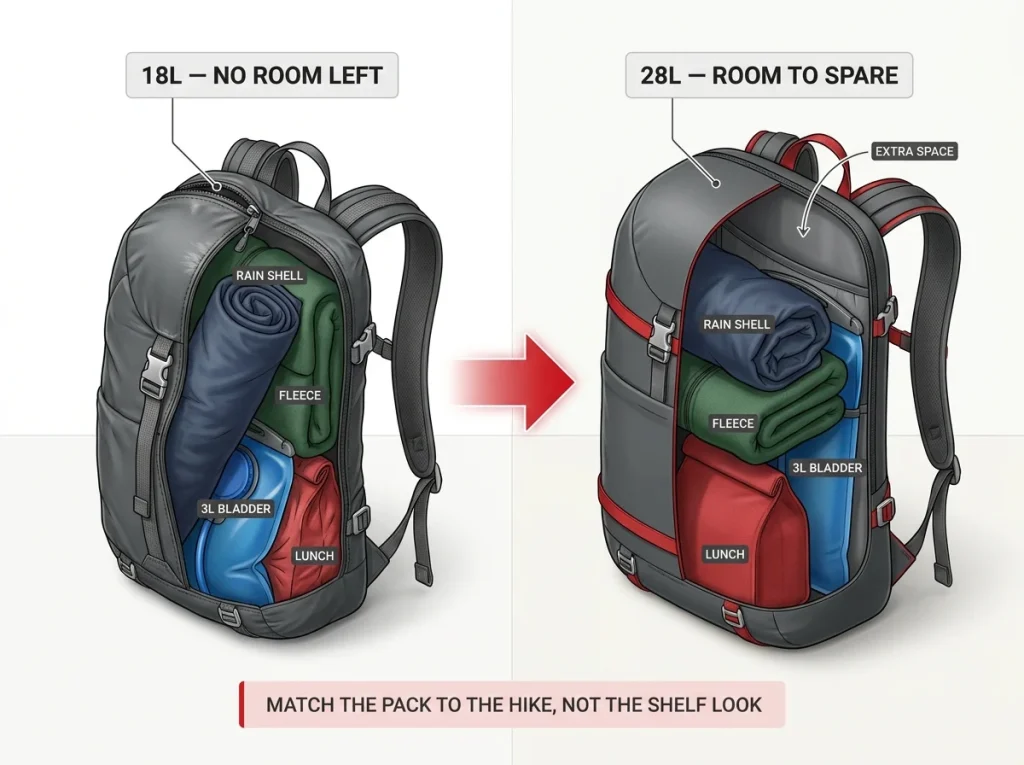
Match the liters to how long you’re out, not to how big the pack looks on the shelf. A half-day under four hours runs comfortably in 20 to 25 liters. A full six-to-eight-hour day wants 26 to 30, because that’s when the extra food, the spare layer, and more water start eating space. The reason your first small pack felt jammed isn’t bad packing. A 28-liter pack swallows the Ten Essentials, a 3-liter bladder, lunch, a fleece, and a rain shell with room left over. An 18-liter simply can’t once weather layers go in. Carrying the kit on the National Park Service’s Ten Essentials list is what sets the floor at 20 to 25 liters in the first place.
Then there’s the trap that costs people the most: buying too small for “just day hikes.” It feels sensible right up until you can’t fit winter layers, a kid’s gear, or a camera setup. If you hike cold, hike with family, or carry photography gear, go one size up and buy the bigger pack once. The flip side is real too, so don’t overthink it either. One well-sized pack handles the vast majority of day hikes you’ll ever do, and if your days start creeping toward overnights, that’s a different conversation about how pack volume scales once you’re staying out overnight. For the gray area in between, our breakdown of the 30–40 L grey zone between a daypack and a backpacking pack sorts out which category you actually need.
Ventilation and Back Panels Without the Hype
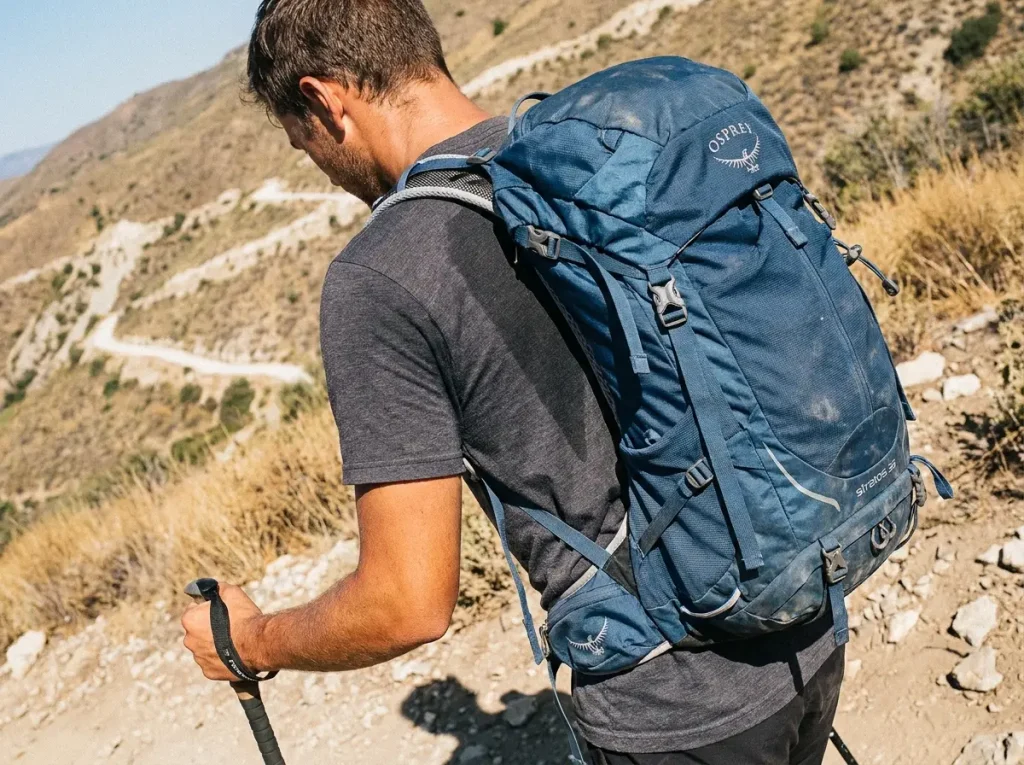
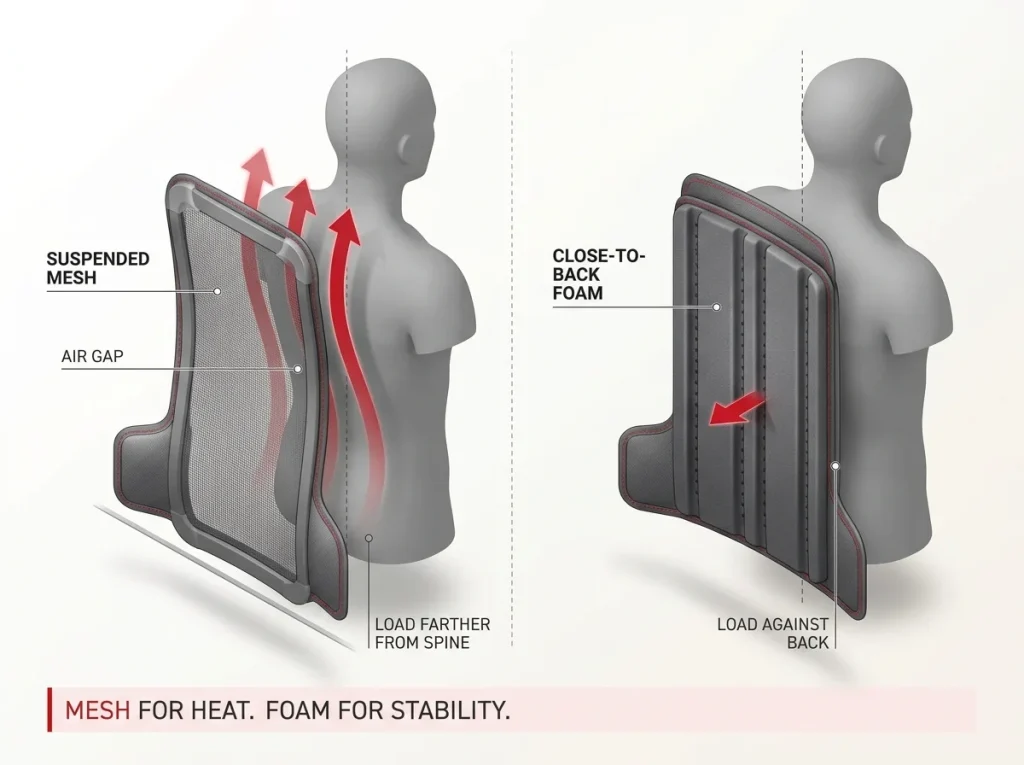
Every roundup praises mesh ventilation. Almost none admit what it costs you. So here’s the honest version. A more ventilated back panel buys you breathability, and the suspended-mesh kind, which looks like a tight trampoline stretched a couple inches off the packbody, creates a chimney effect. Air flows straight up your spine and pulls sweat away far better than flat foam pressed against your shirt. On a hot, smooth trail, it’s genuinely better.
But that suspension gap isn’t free. Holding the pack away from your back pushes the load farther from your center of gravity, so it feels heavier and tippier the moment you start scrambling or moving over uneven ground. It also eats usable volume, because the curved gap steals space the pack would otherwise carry. A close-to-back foam panel, with alternating pads and air channels, ventilates less but tracks your body far better. For scrambling, odd loads, or squeezing out every liter, it’s the more stable, more comfortable ride.
Hikers call the soaked-shirt feeling from a flat foam panel “sweaty-back syndrome,” and it’s real. But on a technical scramble, a little sweat beats a pack that lurches every time you reach for a hold. Pick the panel for your terrain, not your comfort in the parking lot.
The call is simple once you stop treating mesh as a pure upgrade. Trampoline mesh for hot, smooth trails. Close-to-back for scrambling, awkward loads, or when volume matters more than airflow. If you want the deeper mechanics, here’s how a pack’s suspension actually moves the load.
Fit, Torso Length, and the Hipbelt Cutoff
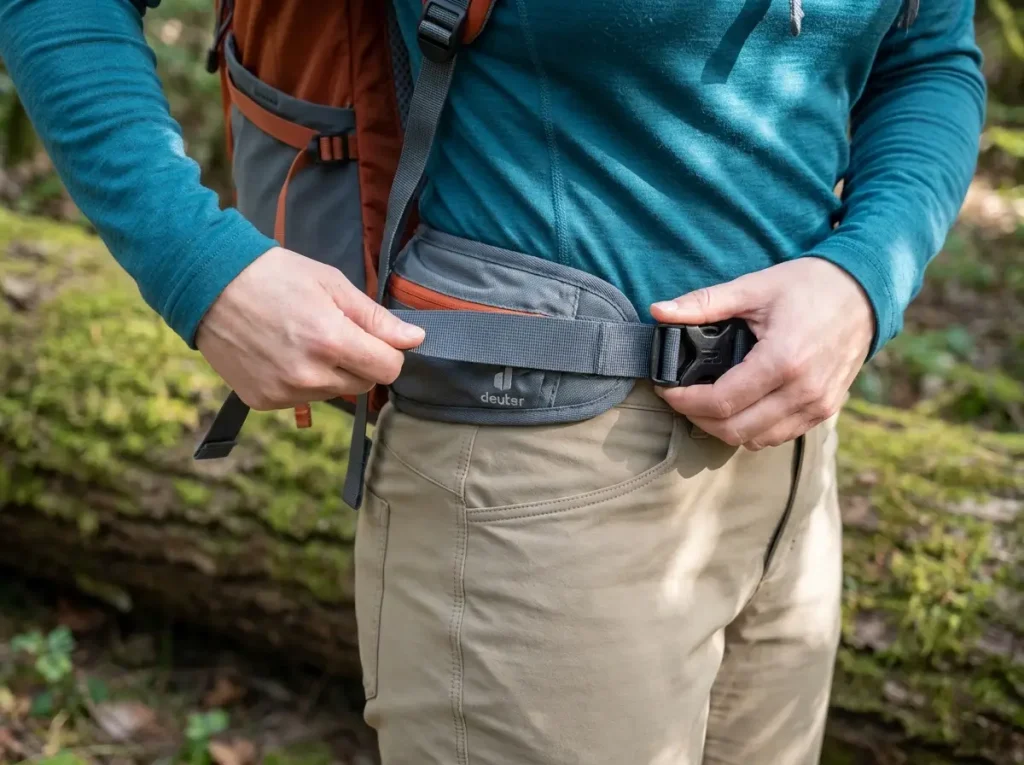
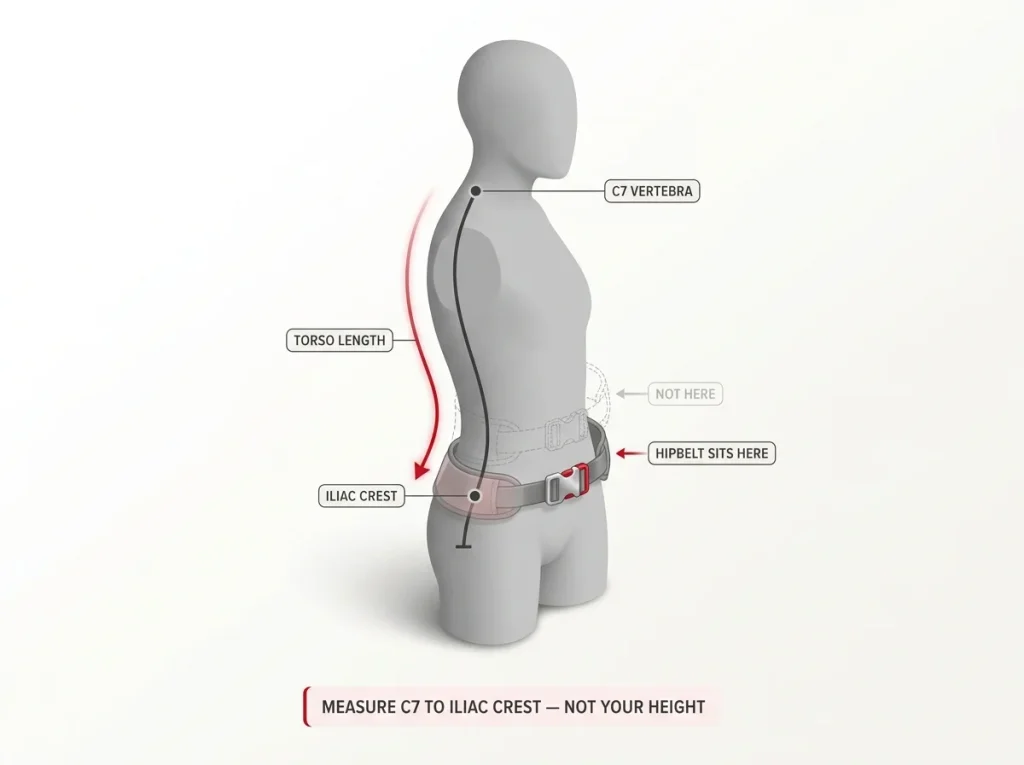
Sore shoulders by lunch usually trace back to one move: yanking the shoulder straps tighter when the real fix was seating the hipbelt first. Fit is the whole game, and it starts with a number that has nothing to do with your height. A pack fits your torso length, the distance from your C7 vertebra at the base of your neck to the top of your hip bones, not your inseam. Two hikers the same height can need different pack sizes, which is why you should measure the C7-to-iliac-crest span rather than guess. Some packs add an adjustable torso so one frame fits a range of backs, which helps if you land between sizes. Our walkthrough on how to measure your torso length takes about two minutes.
Now the part most guides won’t state flatly. Under roughly 15 to 20 pounds, you don’t need a real hipbelt. Your shoulders handle it fine. Once you cross about 20 pounds, the weight has to ride on your hips or your shoulders are cooked by the descent. Here’s the catch that trips up new buyers: packs under about 25 liters often ship with a thin webbing strap that looks like a hipbelt but isn’t one. It stops the pack from swaying. It transfers no real load to your hips. That’s the same roughly 25-pound rule for whether a pack needs a frame, and it decides whether you’re getting a load-bearing belt or a sway strap.
Fit is a dial you turn all day, not a setting you lock once. Your hips tire, the food bag lightens, layers go on and off. Re-snug the belt and straps a few times on a long hike and you’ll feel the difference on the way down.
There’s a workaround if your favorite pack runs beltless. Pack the dense items, water and food, tight against the back panel, and you can keep a beltless pack comfortable up toward 20 pounds. Beyond that, no packing trick saves you. The seating order matters too, and the order to tighten the straps so the load sits right is the fix for most “this pack hurts” complaints. To see it done on real packs, this REI walkthrough shows hipbelt seating and the mesh gap better than any photo.
Women’s vs Unisex Daypacks — What Actually Differs

A women’s daypack earns a lot of eye-rolls until a unisex pack’s straps dig in wrong on a long descent. Then the differences make sense. And they’re real differences, not a color swap. Women’s packs use a shorter, narrower torso range, shoulder straps that curve (an S-shape set narrower at the top), and a hipbelt canted for a wider hip-to-waist ratio. Those are the exact contact points that rub once a pack is loaded.
The honest reframe is that it’s about torso and body shape, not the label on the tag. A smaller-framed man often fits a women’s pack better, and a taller woman frequently fits a unisex or men’s pack just fine. Fit first, label second. Where the women’s build matters most is under load, at the hipbelt and the shoulder-strap contact points, because a belt shaped wrong for your hips is what causes the rubbing on mile-nine downhill stretches. If you want the full breakdown of how women’s-specific packs are actually built differently, we get into the construction details there.
When is a unisex fit genuinely fine? Lighter loads, an average torso, and packs with a wide adjustment range cover most hikers either way. The test is simple and it isn’t done in the store aisle. Load the pack to your real day-hike weight and walk with it. Straps that sit fine empty can dig once 18 to 20 pounds settle in.
What a Budget Pack Buys vs a Premium One
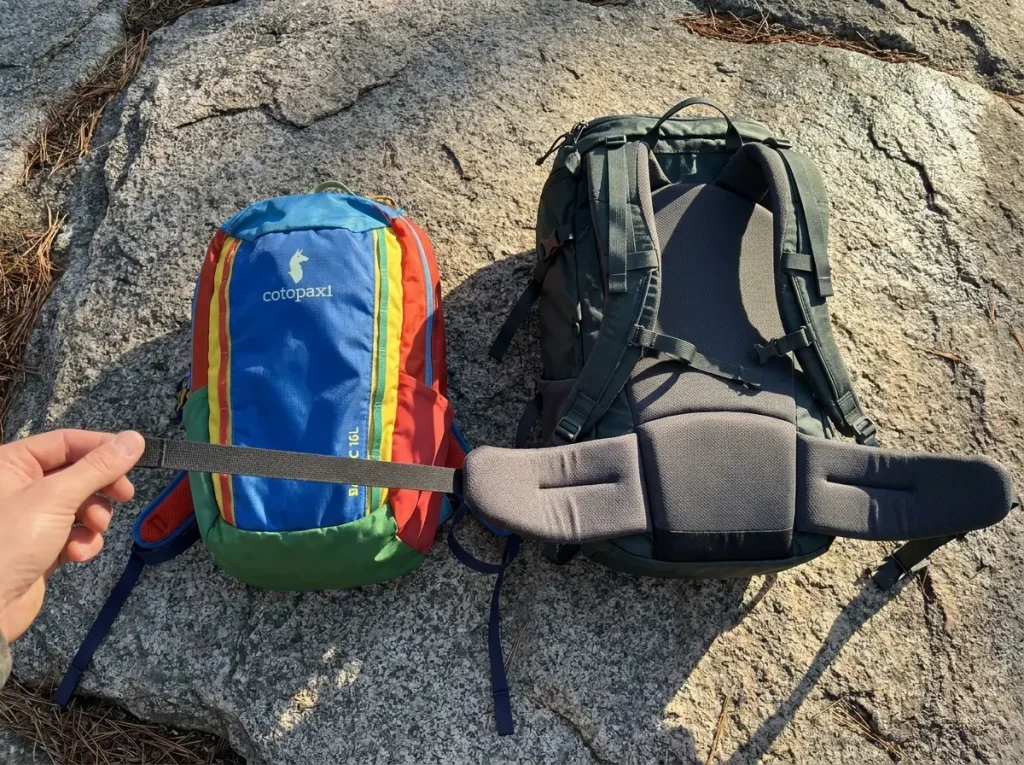
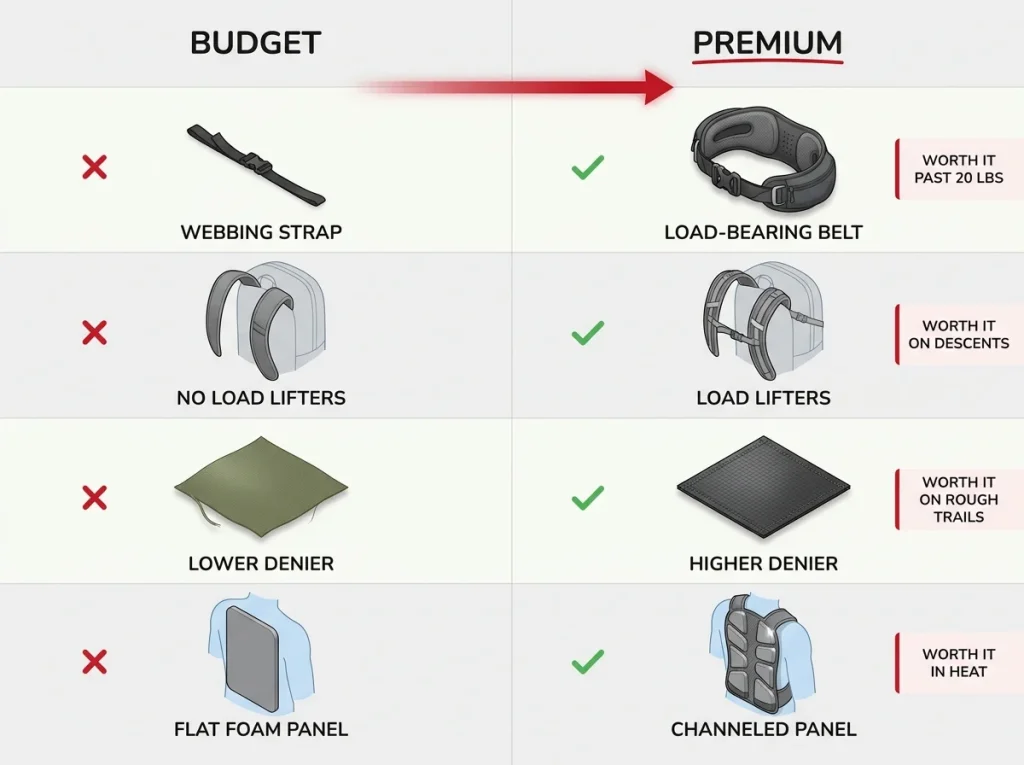
Cheap isn’t a trap. Buying blind is. So here’s exactly what you give up at the budget end, feature by feature, so you can decide whether you’ll actually miss it. The first thing to go is the load-bearing hipbelt, swapped for that thin webbing token belt we covered earlier. Next, the load lifter straps disappear, the small straps up top that pull the load into your back on descents. Then the fabric gets thinner and less abrasion-resistant, a lower-denier fabric that frays sooner against rock and brush. Last, the back panel flattens out, less ventilated and less structured.
Here’s when none of that matters. Half-days under about 15 pounds, short local trails, or a packable summit bag for the final push from a basecamp. For that hiking, a simple cheap pack is the right tool and spending more is wasted money. The downgrade only bites once you cross into all-day hikes, loads over 20 pounds, hot climates where ventilation earns its keep, or rough terrain that chews up thin fabric.
On a long descent, snug your load lifters so the pack doesn’t lurch over the back of your head on every downhill step. It’s a small adjustment that saves your neck and balance, and it’s a feature budget packs skip entirely. If your pack doesn’t have them, pack lighter and slower on the way down.
The value math usually favors a durable mid-tier pack you keep for years over two cheap packs you replace, since pack fabric and frames have a real lifespan and how long a pack’s fabric and frame actually last is worth knowing before you buy. But that only holds if you need the features. Buy the belt, the load lifters, and the tougher fabric when your hiking demands them, not because the pricier pack looks more serious on the rack. On a descent, how to use load lifters is the difference between a pack that rides with you and one that shoves you forward.
Features That Earn Their Place
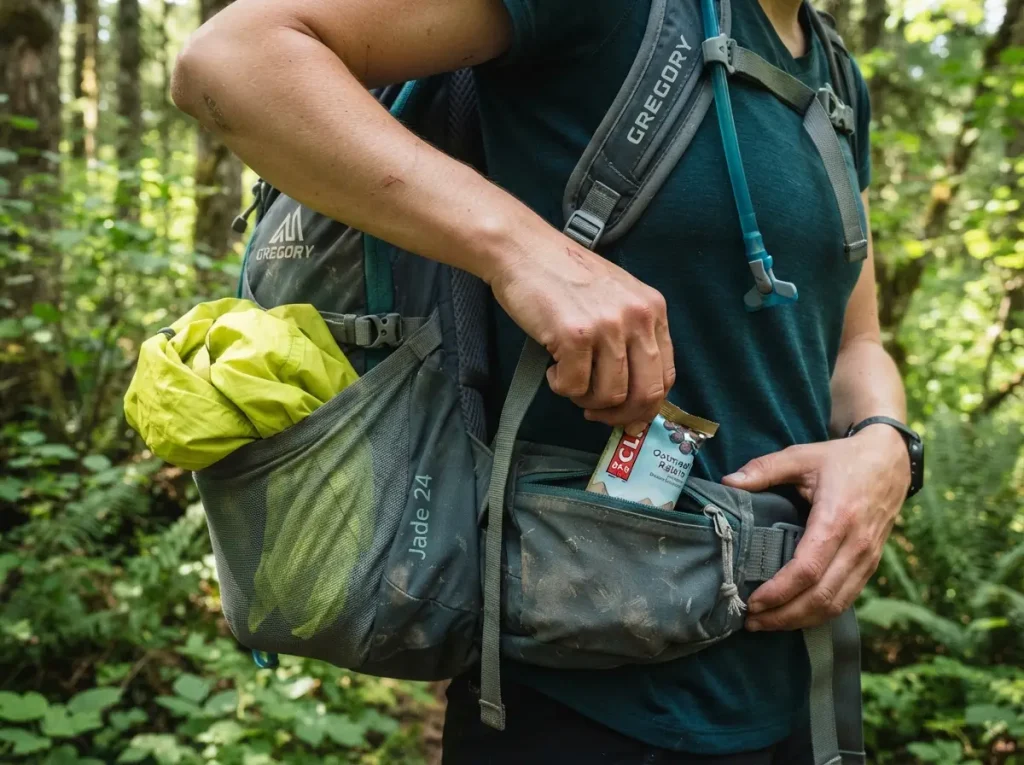
A daypack’s feature list is mostly noise. Three or four things change your day. The rest you’ll never touch. Start with hydration. A hydration reservoir sleeve and a hose port let you drink without stopping, which is the single most-used feature on a long hike and the reason many hikers won’t buy a pack without it. If you run a hydration bladder, here’s how hydration-reservoir packs work and what to check before you commit.
Next, on-the-move access. Hipbelt pockets plus a stretch front pocket keep snacks, your phone, a map, and a shed layer within reach so you’re not stopping to dig through the main compartment every twenty minutes. The catch is that not every pocket fits every belt, so it’s worth checking which hipbelt pockets actually fit your belt before you buy one. Then attachment points: a trekking pole attachment and ice-axe loops keep your hands free on scrambles and steep descents. If you use poles, confirm the pack has them, and learn the right way to lash poles or an ice axe outside the pack so nothing swings loose.
One honest note on weather, because it’s the question everyone asks. Most daypacks are water-resistant, not waterproof. A pack liner or even a dollar trash-compactor bag keeps your gear drier than a clip-on rain cover, which leaves your straps and back panel soaked anyway. If rain is in the forecast, why a liner beats a rain cover is the cheapest upgrade you’ll make. As for the rest, skip the gimmicks. Dedicated tech sleeves, excess webbing, and built-in covers you’ll lose by season two. Spend on the panel and the belt, not the gadgets, and remember that the features only matter because they serve the load, the same logic behind the American Hiking Society’s reminder to pack the Ten Essentials on every hike.
Best Daypacks for Everyday Trails
These three cover what most people hike most weekends. Pick by how much you carry and how hot you run, not by the logo on the front.
Best All-Around — Osprey Talon 22 / Tempest 20
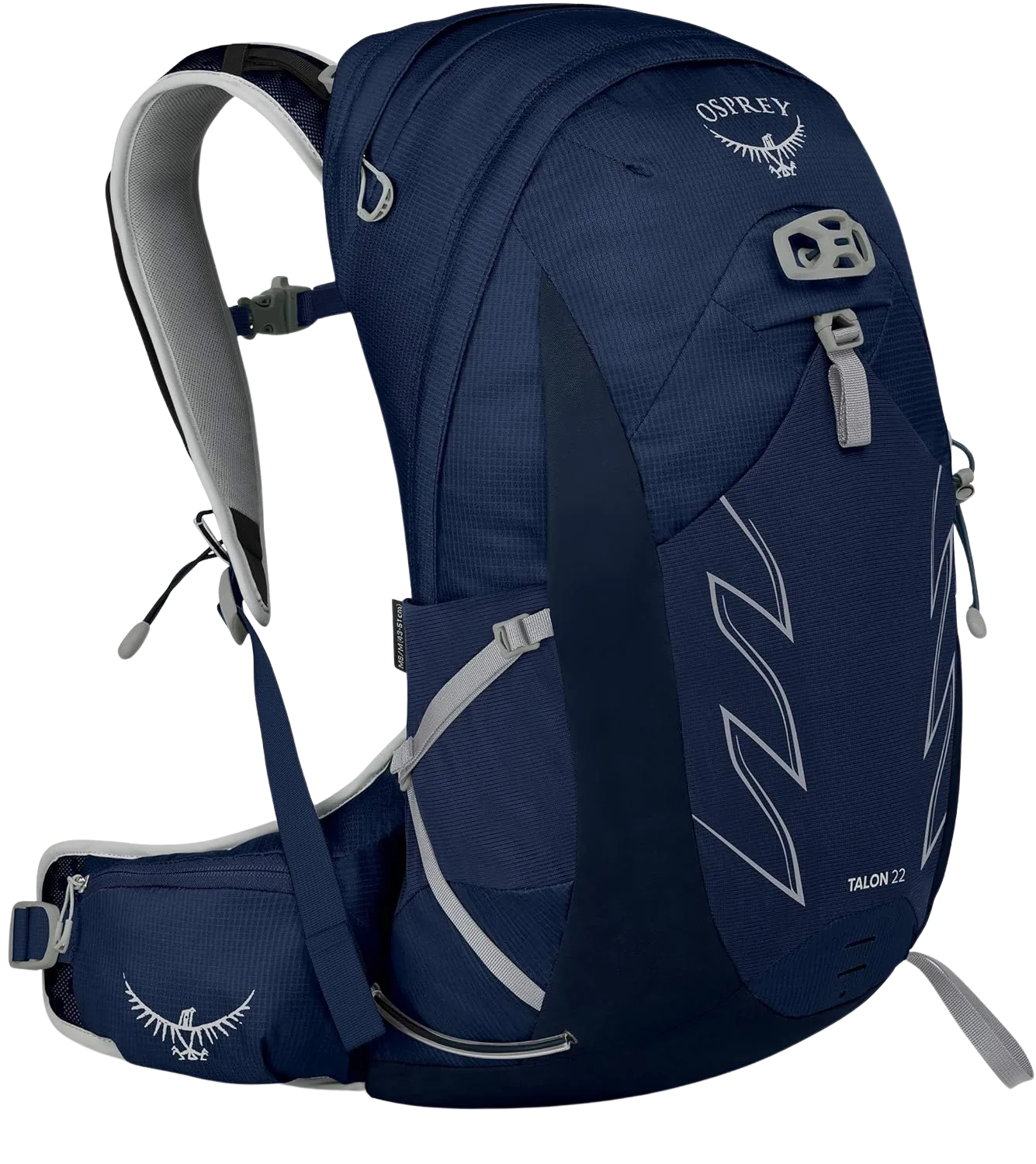
The Talon and its women’s-fit Tempest sibling earn the top spot because they balance everything without a glaring weakness. The close-to-back panel sweats a little more than a trampoline mesh on a hot day, but it tracks your body when the trail turns technical, and the hipbelt actually moves weight onto your hips once you load it past 20 pounds. For a standard 20-to-22-liter day pack, that combination is rare.
Best Ventilated — Gregory Zulu 24 LT / Jade 24
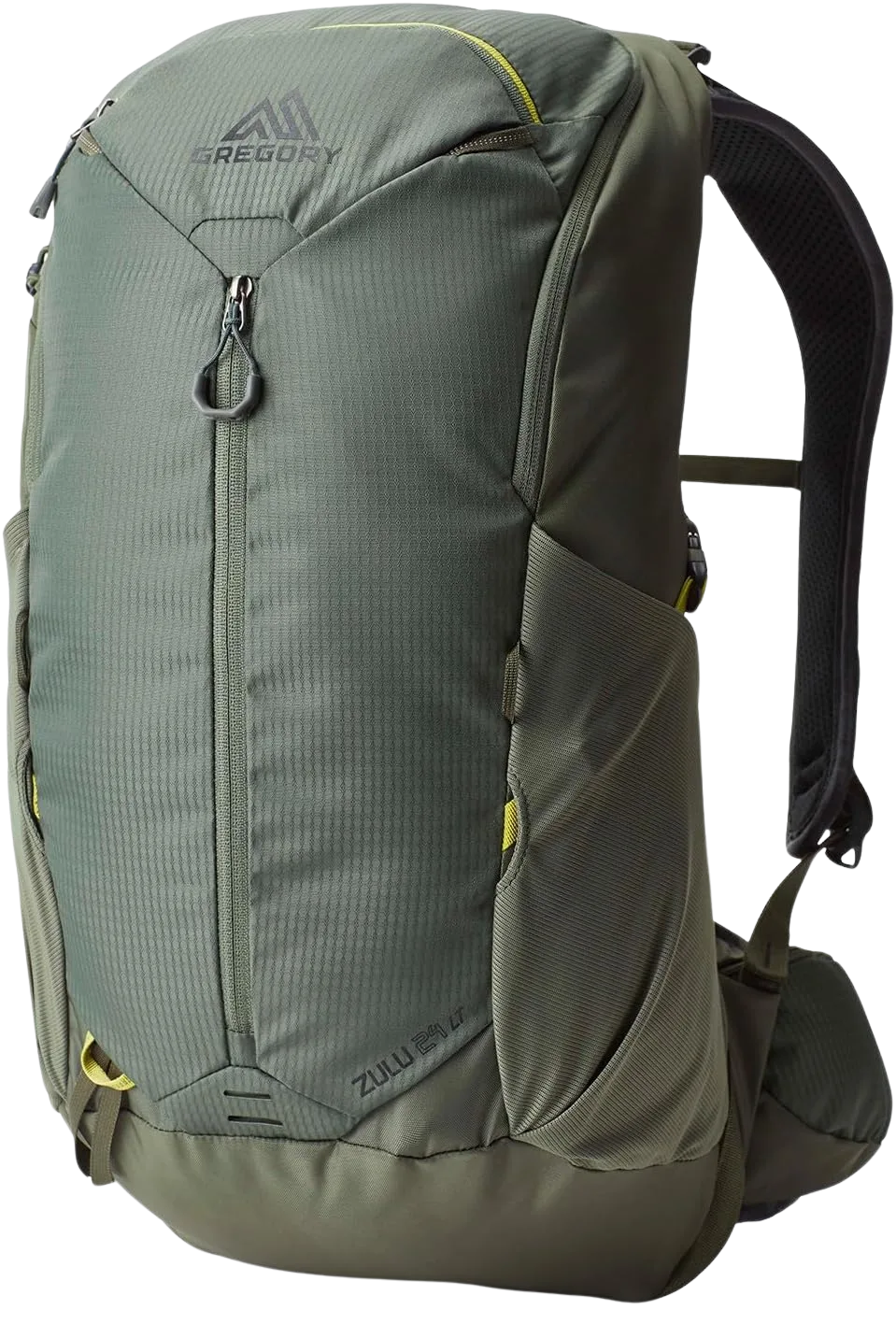
The Zulu and women’s-fit Jade are what you reach for when heat is the enemy. Gregory’s FreeFloat mesh is among the best-ventilated panels on any daypack, and the hipbelt pockets are a genuine convenience. The honest caveat is the one from the ventilation section: that suspended panel pushes the load slightly off your back, so on rock scrambles it feels a hair less planted than the Talon. For a brand backgrounder, here’s the wider context on Gregory’s pack lineup.
Best Simple Pack — Osprey Daylite Plus 20L
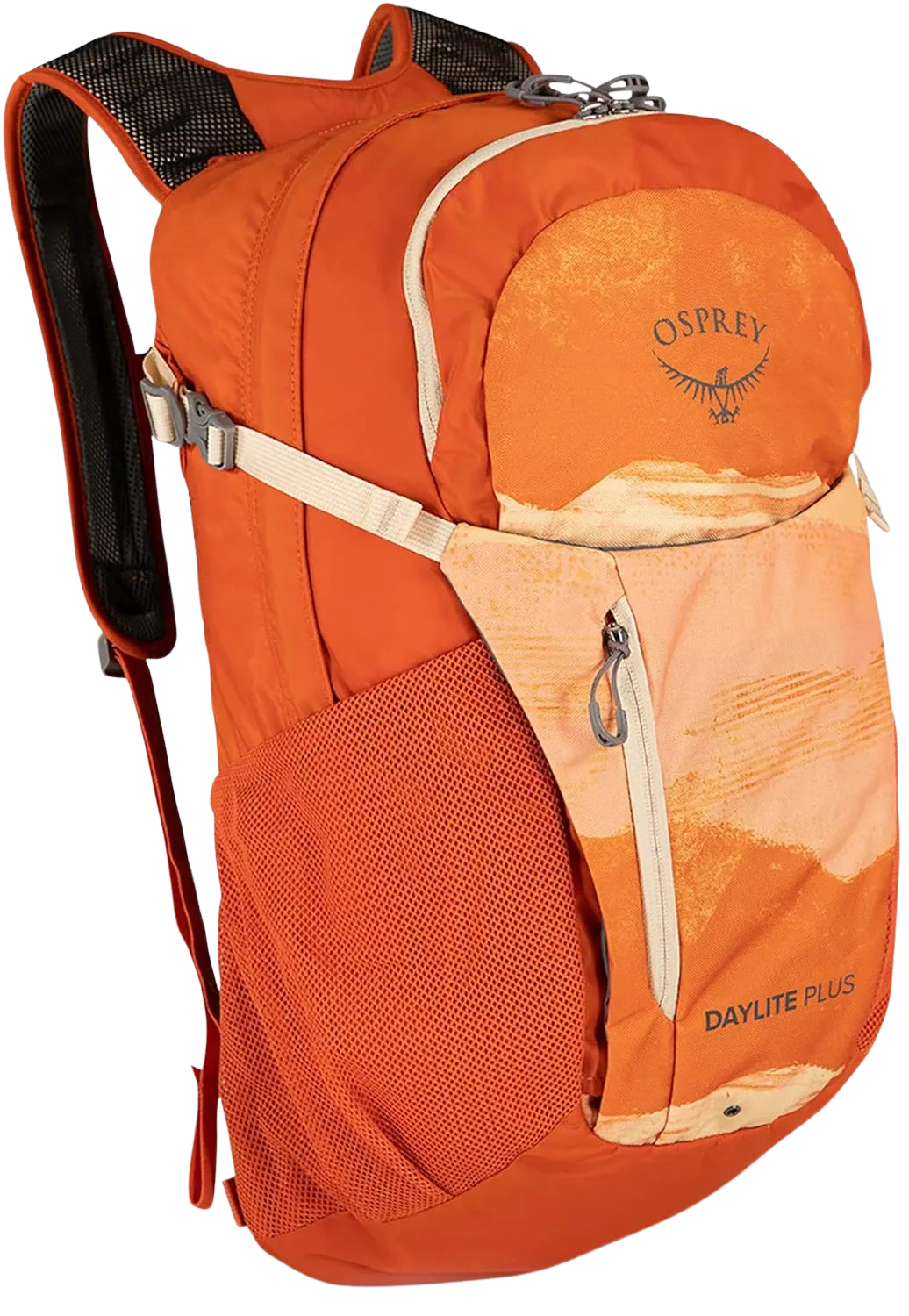
The Daylite Plus is the right tool when you’re keeping it simple. Half-day trails, a casual nature walk, or a travel bag that handles a light hike on the side. It has a hydration sleeve and Osprey’s AirScape panel, but the waist strap is a sway strap, not a load-bearing belt, so it’s happiest under 15 pounds. Ask it to haul a full winter kit and you’ll feel the gap. Keep it in its lane and it’s the best value here.
Best Daypacks for Big Days and Fast Days
Two packs for when “standard” doesn’t fit your day. One carries more, the other carries less and moves quicker.
Best for Big Days — Osprey Stratos 36 / Sirrus 36
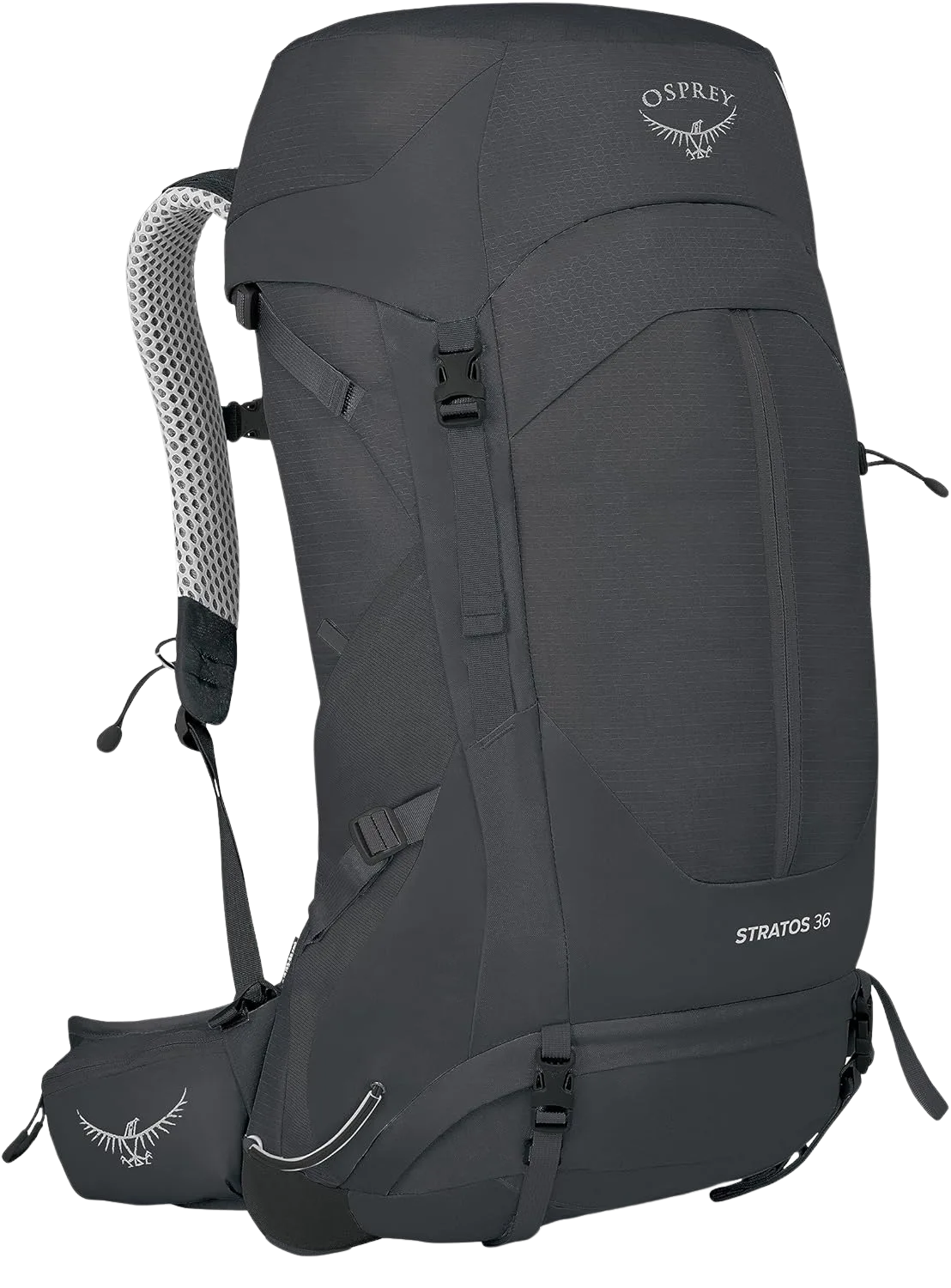
The Stratos and women’s-fit Sirrus are the answer when 22 liters won’t cut it. Think shoulder-season days with bulky insulation, a winter outing with extra safety gear, or the family hike where you carry everyone’s snacks and one kid’s jacket. At 36 liters it has the volume, and crucially it backs that up with a real hipbelt that moves the weight onto your hips, so a 25-pound load rides comfortably instead of grinding your shoulders. This is the pack to size into if you’re between sizes and hike cold.
Best Lightweight — Deuter Speed Lite Pro 25
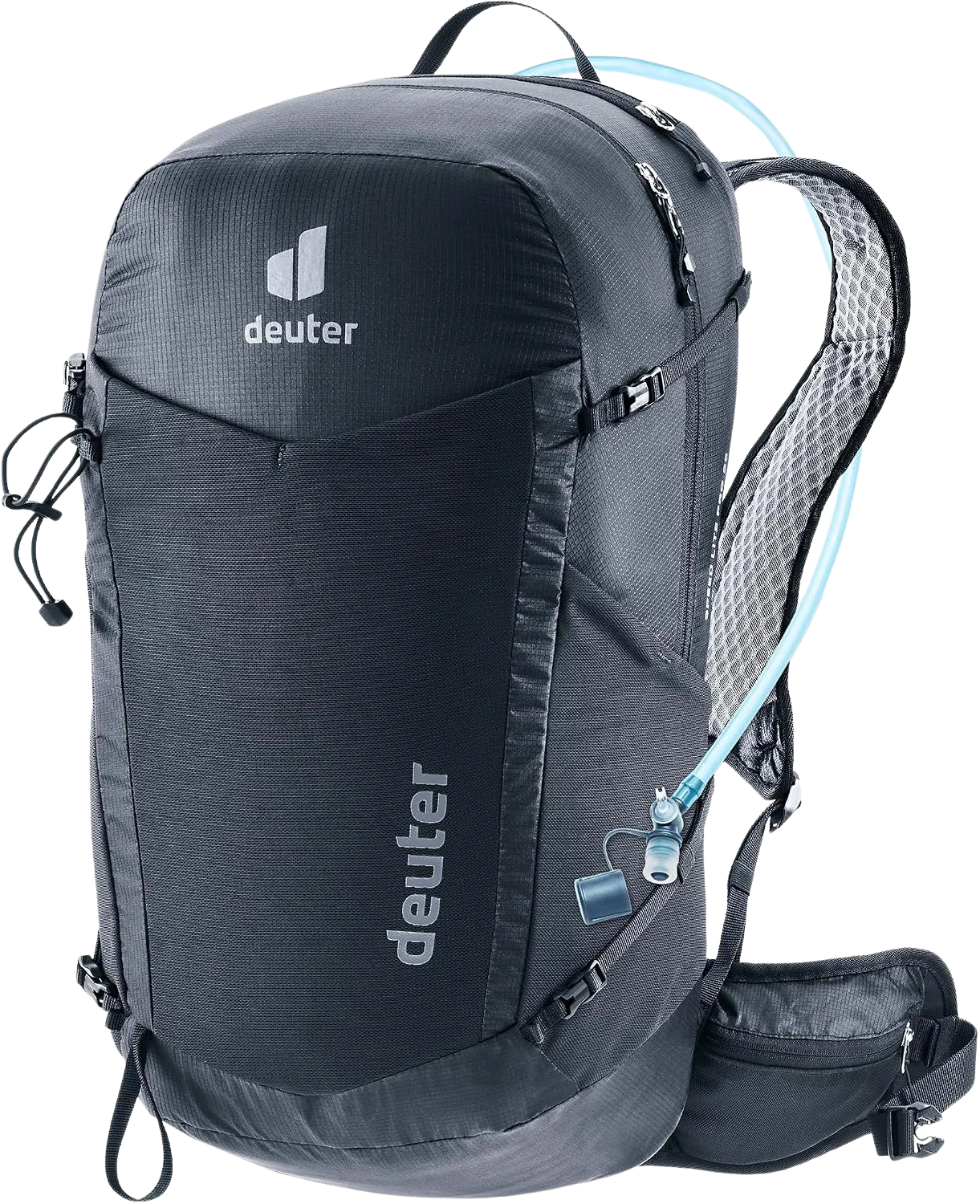
The Speed Lite Pro is for hikers who count grams and move quickly. It cuts the plush hipbelt and heavy structure to drop pack weight, and the close-to-back panel keeps the load tight to your body on fast, technical days. That’s the right priority for fastpacking, peak bagging, and scrambles, where a suspended mesh panel would feel tippy. If you’re leaning even further toward fast and light, a running vest may beat a daypack for fast days, and for true ultralight weight cutters our picks for lighter frameless packs once you’re cutting base weight go deeper still.
Conclusion
Three things decide whether a daypack works for you. Size it to the hike you actually do, where 20 to 25 liters covers most days and you go up a size only if you hike cold, with family, or with a camera. Pick the back panel and hipbelt for your terrain and load, not the marketing, since a trampoline mesh that cools you on a hot trail costs you stability on a scramble. And spend up only where you’ll feel it, on fit, a real belt, and durable fabric, because the rest is gadgetry.
Before your next trailhead, do the five-minute test that no store can do for you. Measure your torso, load your current pack to your real day-hike weight, and walk a lap around the block. You’ll know almost immediately whether it fits, and that’s worth more than any spec sheet.
Frequently Asked Questions
01How many liters should a day hiking backpack be?
For most hikers, 20 to 30 liters, with about 25 liters as the safe all-around number. Drop to 20 to 25 liters for half-days, and go 26 to 30 for full days, winter, or carrying gear for kids.
02Are hiking daypacks waterproof?
Almost none are fully waterproof; most are only water-resistant. A pack liner or a cheap trash-compactor bag keeps gear drier than a clip-on rain cover, which leaves the straps and back panel soaked.
03Do I really need a hipbelt on a daypack?
Not under about 15 to 20 pounds; your shoulders handle it. Above roughly 20 pounds you want a real load-bearing hipbelt so the weight rides your hips. A thin webbing strap only stops sway, it doesn’t transfer load.
04Are women’s-specific daypacks worth it?
If a unisex pack’s straps or hipbelt don’t sit right, yes. Women’s models use a shorter torso range, set-narrower shoulder straps, and a re-canted hipbelt. But fit is about torso shape, not the label, so try both before deciding.
05What features should I actually look for in a day hiking backpack?
A reservoir sleeve, hipbelt pockets, a stretch front pocket, and pole or ice-axe attachment cover real day-hike needs. Prioritize the back panel and hipbelt over gimmicks like tech sleeves or built-in covers you’ll lose.
Risk Disclaimer: Hiking, trekking, backpacking, and all related outdoor activities involve inherent
risks which may result in serious injury, illness, or death. The information provided on The Hiking Tribe is for
educational and informational purposes only. While we strive for accuracy, information on trails, gear, techniques,
and safety is not a substitute for your own best judgment and thorough preparation. Trail conditions, weather, and
other environmental factors change rapidly and may differ from what is described on this site. Always check with
official sources like park services for the most current alerts and conditions. Never undertake a hike beyond your
abilities and always be prepared for the unexpected. By using this website, you agree that you are solely
responsible for your own safety. Any reliance you place on our content is strictly at your own risk, and you assume
all liability for your actions and decisions in the outdoors. The Hiking Tribe and its authors will not be held
liable for any injury, damage, or loss sustained in connection with the use of the information herein.
Affiliate Disclosure: We are a participant in the Amazon Services LLC Associates Program, an
affiliate advertising program designed to provide a means for us to earn advertising fees by advertising and linking
to Amazon.com. As an Amazon Associate, we earn from qualifying purchases. We are also an official affiliate partner
of Black Diamond Equipment via the AvantLink network. If you click on a Black Diamond affiliate link and make a
purchase, we may earn a commission at no additional cost to you. We also participate in other affiliate programs and
may receive a commission on products purchased through our links. Additional terms are found in the terms of
service.