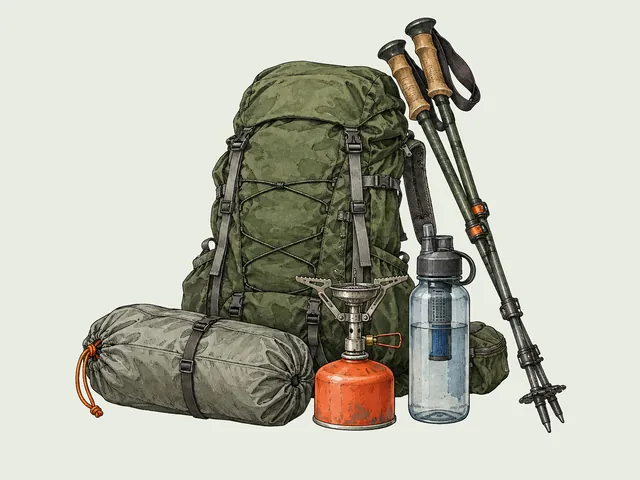

I used to think my eco-soap was a free pass to scrub off right in the creek, until a fisheries biologist I met on the John Muir Trail set me straight. We drag an invisible load of chemicals, plastics, and hitchhiking pathogens into the backcountry long before we ever start digging a cathole. Most folks just follow the rules they learned decades ago without realizing what’s happening beneath the surface. Here’s how to stop the hidden water source contamination hikers can prevent just by changing a few lazy habits.
⚡ Quick Answer: Prevent backcountry water contamination by doing all chores, bathroom breaks, and washing at least 200 feet from streams—roughly 80 large steps. Most people wrongly assume biodegradable soap breaks down in water, but it actually requires soil bacteria to properly neutralize. Keep your suds, sunscreen, and microplastics in the dirt, but most people skip step one and make it worse.
The 200-Foot Buffer: Water Source Contamination Hikers Can Prevent With 80 Steps
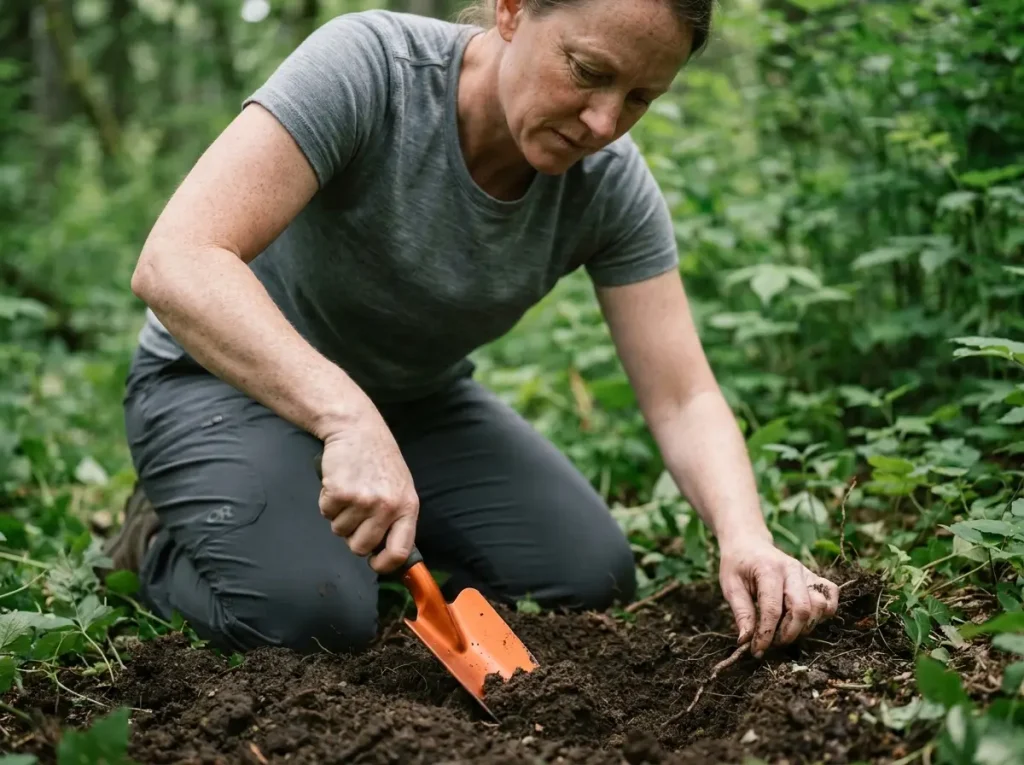
Nobody carries a tape measure backpacking, but we all know how to walk. I see people guessing their distance from the lake shore all the time, and their “200 feet” usually looks a lot more like 40 feet. That mistake is exactly how basic human waste and food scraps cause massive downstream pathogen spread. If you want a dead-simple way to protect pristine water sources without doing mental math, learn your pace count. Let’s simplify the 200-foot rule so it becomes second nature rather than an annoying chore. Even a basic understanding of how nonpoint source pollution travels through runoff proves whatever you drop on the bank ends up in the drinking supply.
The Science of Soil Filtration
You hear a lot about the 200-foot rule, but nobody explains why it isn’t 100 feet. The green ribbon of plants and dirt next to a stream works just like a natural coffee filter. Your goal is to run all your mess through that filter before it ever hits the creek. Dump dishwater directly on the bank, and you bypass the filter entirely.
Dirt traps nasty bugs like Giardia and Cryptosporidium, holding them in place so native soil bacteria can consume them. That 200 feet is the bare minimum distance required for that process to finish. On steep or rocky ground, water runs off much faster, meaning that natural filter takes longer to do its job. If you’re on a slope, you need to hike even further back.
Pro-Tip: Look for dark, spongy dirt under tree canopies when choosing a spot to toss dishwater. That dark duff is packed with the hungry microbes needed to process waste, meaning your footprint disappears faster.
The “80-Step” Trick for the Trail
Counting paces prevents the campfire laziness that leaves people washing pots right on the shoreline. Most adult hikers cover two and a half feet per step on flat ground. That means 80 large, deliberate steps puts you safely around 200 feet. It is that simple. I use this exact 80-step rule for picking my tent site, doing my dishes, and taking bathroom breaks.
When you’re bushwhacking through thick rhododendrons or heavy blow-downs, pacing it out gets tricky. If the brush is nasty, pace out your 80 steps along the clear trail first to get a visual of the true distance. Then, bushwhack perpendicular to the trail until you match that distance. It keeps you honest. Throw guesswork into the mix, and you start creeping closer to the water.
Once you nail down exactly how far back you need to go, the next step is making sure you actually put your waste where the soil can do its job.

Getting Cathole Depth Right
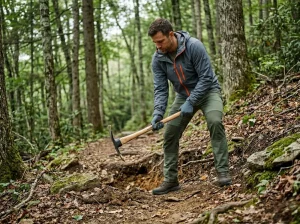
If you put in the effort to walk 80 steps, you need to dig your hole correctly. I see way too many shallow heel-scrapes near popular campsites. Digging a cathole exactly six to eight inches deep puts your human waste right where dirt microbes are hungriest. You can easily pick up how to dig a proper cathole that actually decomposes, but the rule is simple: too shallow, and animals dig it up. Too deep, and the dirt lacks the oxygen required to break anything down.
Many hikers assume they can just bury their toilet paper and walk away. That paper is pure microtrash that takes forever to rot, especially in high alpine dirt. Keep a dedicated ziplock bag wrapped in duct tape inside your pack to carry out your used paper. Dig the hole to the exact depth, do your business, and pack the paper out entirely.
Getting your spacing and depth dialed in solves the biggest visible impacts, but even hikers with perfect bathroom habits regularly screw up the local water supply when it’s time to wash up.
The “Biodegradable” Soap Myth
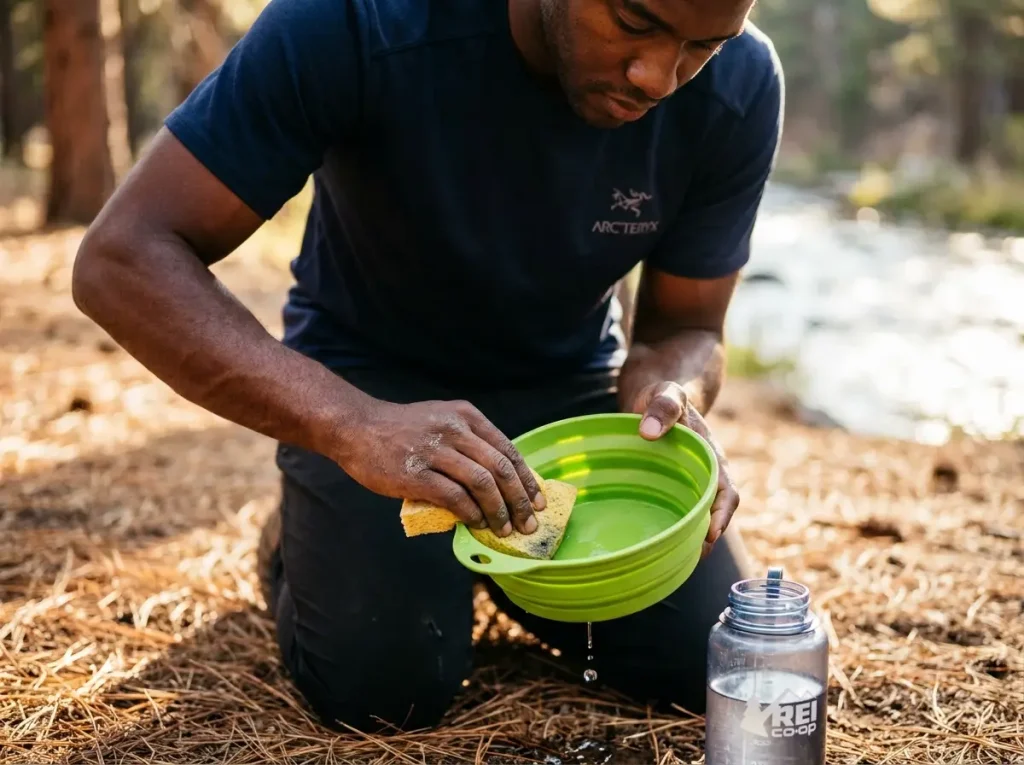
I remember scrubbing my favorite pot in a Sierra alpine lake years ago, watching the suds float away, feeling completely fine because the bottle said “biodegradable” in big green letters. I was entirely wrong. That label is the biggest free pass we give ourselves in the backcountry. Biodegradable soap is only safe if you use it in the dirt. Dumping it directly into a creek causes pure havoc, and we need to talk about why that marketing label doesn’t mean what you think it means.
Why Water Needs Soil to Break Down Soap
The microbes that actually eat the ingredients in biodegradable soap live in dirt, not lakes. When you dump campsuds into a stream, you skip the breakdown process completely. The soap just sits there, creating a continuous chemical buildup that the local water supply can’t process fast enough. You can see this firsthand in high-use areas where the small eddies look like old washing machines.
The essential oils in those natural soaps are just as rough on the environment. Your fancy peppermint or tea tree formula might smell great, but those oils burn the fragile gills of trout just like synthetic detergents do. Pouring any type of soap into the water creates a compounding pollution load, and that soap runoff chokes the entire ecosystem.
The Damage Soap Does to Aquatic Life
The ingredient that makes soap slippery, called a surfactant, does incredible damage once it hits the current. It breaks the natural surface tension of the stream. This literally causes aquatic insects, like water striders, to sink right to the bottom. Even worse, those suds trap the oxygen in the water, starving the entire section of the stream. That chemical reaction can severely interfere with aquatic life, long after you’ve hiked back to your car.
Soap also strips the protective slime coat right off a trout’s body. That slime acts as their primary immune system. Wash it away with your dishwater, and that fish becomes completely vulnerable to local parasites. If you hike up to a remote creek and spot suds trapped against a log jam, you aren’t looking at a natural phenomenon. You’re looking at heavy camper use upstream from people who didn’t understand how their “natural” soap actually works.
Once you understand how damaging even a tiny drop of soap is, you start realizing you need a completely different system for staying clean on the trail.
The Cowboy Bath and Bag Wash Alternative
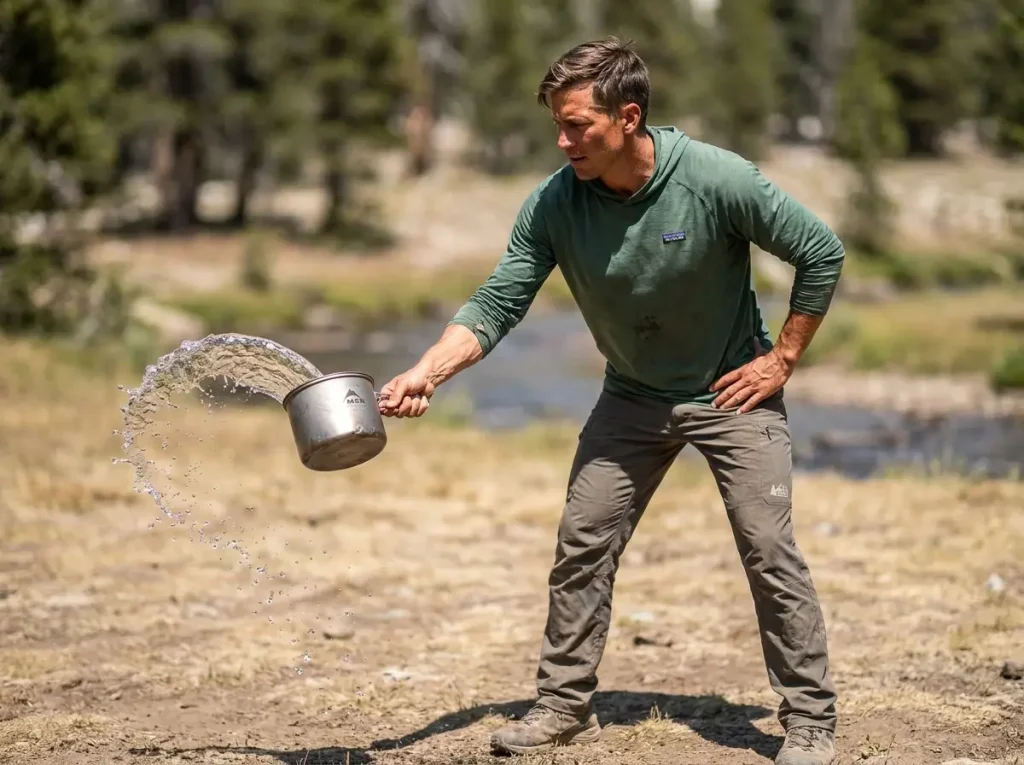
You don’t have to smell terrible just because you can’t jump in the lake with a bar of Dial. The old-school Cowboy Bath is still the absolute best backcountry move. Haul your water 200 feet away into the woods, strip down, and wipe off with a designated sponge or bandana. When you finish, fling that greywater in a wide arc. Broadcasting the water helps it dry out fast and filters the leftover soap through a massive patch of dirt.
Pro-Tip: Treat your greywater like a serious pollutant. If you wouldn’t drink the water with the camp soap mixed in, don’t dump it anywhere near where the next hiker will fill their bottles.
You can actually pick up how to clean camp cookware on the trail without a single drop of soap just by boiling water in the dirty pot and scraping it out. But if you absolutely must do trail-side laundry, toss your dirty shirts and some water into a dry bag. Agitate it like a load of laundry, walk your 80 paces into the woods, and broadcast that dirty water wide. The dirt handles the chemical load, your clothes get clean, and the creek stays totally pure.
Keeping our soap out of the water is an easy mechanical fix, but the trickiest pollutants we carry aren’t the ones we pour out of a bottle—they’re the synthetic ones shedding off our bodies and gear every single mile.
Invisible Pollutants We Bring Into the Wilderness

You wouldn’t dream of tossing a granola bar wrapper into a backcountry creek. But your favorite trail runners might be dropping microplastics into that exact same water with every single step you take. We haul a massive amount of invisible chemicals and synthetic dust onto the trail, shedding it onto rocks and washing it off our skin when we decide to go for a swim. The stuff we can’t easily see is doing some of the worst damage out there, and fixing it requires rethinking exactly what we choose to wear.
Sunscreen: The Pseudo-Persistent Plankton Killer
The chemicals blocking harsh UV rays from your skin also block vital biological processes in alpine lakes. Stuff like oxybenzone is nasty news for fresh water. Because remote alpine tarns don’t have ocean tides to flush themselves out, those chemicals just sit suspended in the water column for months. We keep adding them faster than they can ever wash away, which is why experts call them “pseudo-persistent” micro-pollutants.
These specific UV filters act as massive hormone disruptors. They literally stop amphibian reproduction, wiping out local frog populations in heavy-use basins. The EPA has hard numbers showing the documented impacts of UV filters on aquatic ecosystems, and the results are pretty grim. Your choice of sun protection directly dictates the health of the entire local food chain.
Pro-Tip: Wear a lightweight sun hoodie and thin pants instead of slathering on chemical sunscreen every two hours. You simply cannot wash off physical coverage, and it saves you thirty bucks in lotion over a weekend trip.
The Trail Shoe Microplastic Problem
Those ultra-plush, soft-soled trail runners feel fantastic on high-mileage days, but that grippy rubber comes at a steep cost. The friction of walking grinds microscopic plastic dust right off your shoes, exactly like car tires leaving rubber on an asphalt highway. On rocky, abrasive granite trails near water, you leave a constant trail of secondary contamination with every step.
Recent water samples taken from remote lakes with heavy hiker traffic showed drastic differences when compared to trailless lakes in the same basin. The heavily hiked lakes were packed with microplastics suspended in the water column. We literally grind our gear into the mud and then watch it wash into the local drinking supply. That synthetic dust acts exactly like regular trash, except you can’t bend over and pick it out of the dirt. Actually dealing with Leave No Trace microtrash effectively means you have to stop your gear from shedding in the first place.
Swapping out your gear to solve these invisible issues doesn’t require a total overhaul, just a few smarter choices before you pack.

Better Gear Choices for Sensitive Lakes
If you absolutely must use lotion, opt strictly for mineral-based sunscreens that use non-nano zinc oxide or titanium dioxide. They sit on top of your skin and don’t dump hormone-wrecking chemicals into the watershed. Better yet, spray your DEET and bug spray onto your clothes instead of directly on your skin, keeping it completely out of the creek when you inevitably sweat or jump in for a swim.
When you hang around camp, ditch those soft foam sandals if you plan on wading out to fill your water bottles. Popular foam slip-ons shed microplastics incredibly fast when they scrape against sharp river rocks. Stick to going barefoot or wearing hard-rubber water shoes when you enter the shallows. Hard rubber drains out way quicker, lasts for seasons, and keeps your microplastic footprint to a bare minimum.
While chemical runoff and plastic dust slowly choke out a watershed, the dirt packed inside your boot treads can introduce an aggressive biological threat that wipes out a pristine stream in a matter of days.
Hitchhikers: Preventing Biosecurity Nightmares

Walking from one river valley over a mountain pass and down into the next feels completely normal on a weekend trip. But to a microscopic fungus or invasive algae, your muddy boots look like the ultimate free taxi service. We cross massive natural geographic barriers in a single afternoon, dragging aggressive pathogens from a sick stream directly into a healthy one. This fast cross-contamination is exactly how permanently destructive species take over an entire mountain range.
How “Rock Snot” Survives on Hiking Boots
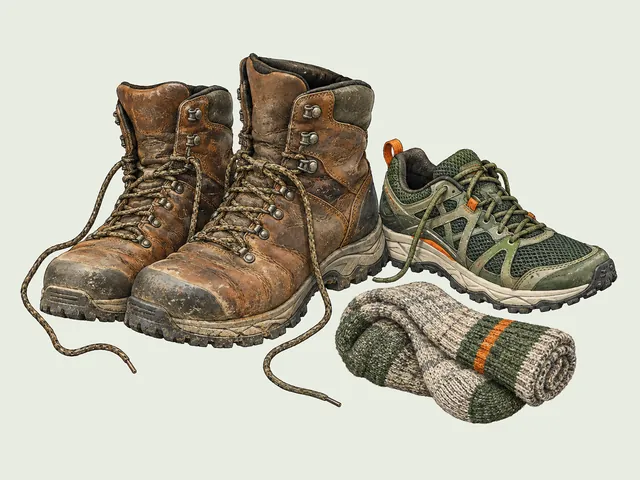
Damp mud jammed tightly into the deep treads of your boots acts like a perfect life-support system for aquatic invaders. Serious threats like Didymo (commonly known as “Rock Snot”) or the deadly chytrid fungus that targets frogs will latch onto your damp gear and stay alive for days. They don’t need a standing puddle to survive; a damp insole or a muddy vibram lug provides plenty of moisture.
You don’t need to haul a massive clump of mud to transport this stuff, either. A single living Didymo cell surviving in your boot tread is enough to set off a massive downstream bloom in a previously pristine watershed. Once you wade into that new stream, the cell simply washes out, multiplies rapidly, and the invasion begins. Hikers and anglers serve as the absolute primary vector for spreading these biosecurity nightmares.
The Problem With Porous Felt Soles
If you fish or hike through heavily watered slot canyons, you probably own felt-soled wading boots. They grip slick, mossy rocks like glue, but they run an absolute nightmare scenario for the environment. Felt absorbs both water and microscopic algae deep into the core material. Because traditional felt takes exceptionally long to dry out, those invasive cells can stay alive for weeks just sitting in the trunk of your car.
Hard rubber lug soles run vastly safer for the local environment. They drain out rapidly, hold far less overall moisture, and scrub off cleanly with a stiff brush. Understanding the specific invasive species hikers inadvertently spread usually starts by ditching the gear that deliberately traps moisture. If your boots hold water like a kitchen sponge, they hold live pathogens exactly the same way.
Making sure you never haul pathogens from one valley to the next doesn’t require a hazmat suit, just a quick cleaning routine at the bumper of your car.
The “Check, Clean, Dry” Backcountry Routine
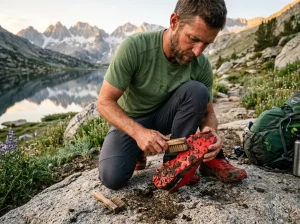
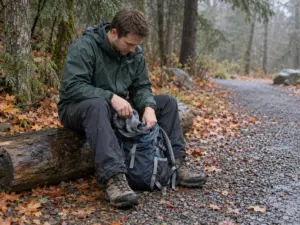
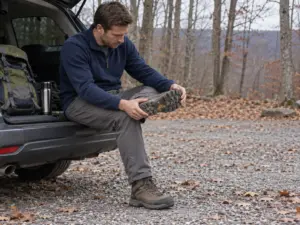
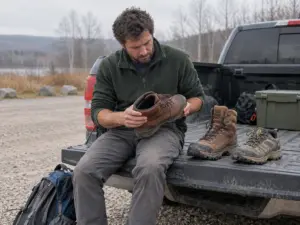
You need to run your boots and heavy gear through a hard decontamination protocol before dropping into a new major watershed. Successfully controlling the spread of Didymo and other invasives relies entirely on the basic “Check, Clean, Dry” system favored by the National Park Service. Check your laces and tread for any packed mud or plant material and scrape it out with a tent peg or stick right at the trailhead.
When you get home, scrub your muddy gear down with a highly diluted household bleach solution—around two percent bleach does the trick. That light mix knocks out the hitchhikers on contact. Finally, leave everything out on the porch to dry completely. Baking your gear in direct sunlight for forty-eight hours uses raw UV exposure to nuke any remaining organic material hiding deep in the stitching.
Locking down your boots and soap handles the external threats, but managing your own body odors and bathroom routines cleanly is exactly what separates seasoned hikers from careless tourists.
Smarter Trail Hygiene Systems

Let’s talk about the awkward bathroom stuff. You don’t need a massive expanding stash of wet wipes or a mountain of unburied toilet paper to stay clean out there on long trips. Some of the worst trail-side hygiene I see out there comes from novices who assume they need harsh chemical wipes or endless paper products just to survive a weekend. Professional guides use incredibly basic setups that keep you clean, handle the odor, and practically eliminate downstream pollution.
The Backcountry Bidet vs. Toilet Paper
I completely ditched hauling rolls of toilet paper into the woods years ago. A backcountry bidet is just a cheap squirt cap that attaches directly to a standard smart water bottle, and it completely removes the headache of burying massive wads of paper in the dirt. You use targeted water pressure to wash up, which works far better than smearing things around with dry paper ever will. It leaves absolutely zero physical footprint in the woods.
Scavenging animals inevitably dig up shallowly buried toilet paper. Once they pull it up, that paper blows around the pine needles and creates a secondary contamination hazard every time it rains heavily. Actually stepping up and managing thru-hiking hygiene without sacrificing the hike basically means ditching the paper entirely. Just be extremely rigorous with your hand sanitizer right after you finish, and make sure you do the entire process your mandatory 80 steps back from the creek.
Using a UV-Disinfecting Pee Rag
Female thru-hikers and guides have sworn by dedicated pee rags for years, and it serves as a massive upgrade over packing out heavy bags of damp toilet paper. Running a reusable cotton cloth eliminates the daily microtrash factor entirely. Better yet, it uses the raw solar radiation pounding down from the sun to aggressively combat bacteria buildup while you walk.
A lot of beginners get grossed out at the thought, but the sun acts as an incredibly effective natural sanitizer. Snag a color-coded bandana strictly for this exact purpose. Clip it to the outside back mesh of your pack so it catches maximum, direct sunlight during the hike. Those UV rays just bake the fabric clean, doing all the heavy lifting so you don’t end up hauling out extra ziplocks full of used paper.
Ditching the paper solves your bathroom breaks, but keeping the chronic hiker stink away requires tackling the problem right where it starts on your skin.
The “Merino Trick” for Odor Control
Let’s be honest—you wouldn’t feel the sudden urge to jump into an alpine lake with a heavy bar of soap if you didn’t reek like a high school locker room by day three. The true trick to odor control means managing the bacterial growth right against your skin. Cheap synthetic polyester shirts trap bacteria and severely amplify your trail stink as the day goes on. Swapping your base layers and underwear over to Merino wool cuts your body odor dramatically, simply because those natural wool fibers naturally fight off bacteria.
Those wool fibers just refuse to harbor the bugs that cause that nasty smell. Less body stink directly translates to feeling way less desperate for a sudden trail bath every afternoon. When your clothes actually fight the odor for you, you end up introducing far fewer harsh soaps and wet wipes into the backcountry brush. It’s a clean win-win that keeps you comfortable while keeping the local watershed totally pristine.
Implementing a bidet and wearing wool drastically shrinks your personal footprint, preventing the need to rely on harsh trail hygiene products that inevitably find their way downstream.
Conclusion
Staring down at a crystal clear mountain stream and realizing your lazy trail habits might be polluting it hits hard. Fortunately, a few mechanical changes wipe out almost your entire impact: First, treat your 80-step pace count as mandatory trail law for all chores. Second, keep absolutely all soap in the dirt, completely ignoring the “biodegradable” marketing claims on the bottle. Third, scrub your boots aggressively at the bumper so you never drag new biological nightmares into an untouched valley.
Next time you hit the local trailhead, drop your pack, and count out exactly 80 deliberate paces from the edge of the creek back into the brush. Doing it once sets your spatial awareness forever, and that single habit change is how we actually keep these wild places intact.
Q1 What is the most common water source contamination hikers can prevent?
The most common water source contamination hikers can easily prevent is toxic greywater pollution caused by dumping biodegradable soap directly into a stream. Because natural soap strictly requires dirt and heavy soil bacteria to break down, pouring it into the water directly harms trout.
Q2 How far should a campsite be from a water source?
Your campsite and bathroom areas should be set up at least 200 feet from any water source, which equals roughly 80 large adult steps. This critical buffer distance provides the soil with enough time to naturally filter your runoff, dropped food, and waste.
Q3 Can you use biodegradable soap in a river?
Absolutely not. You should never use any biodegradable soap directly in a river because the soap strictly requires dirt microbes to break down. Pouring it into a current acts as a severe pollutant that strips fish of their protective slime coatings and sinks insects.
Q4 How do you wash dishes while backpacking?
The safest method involves hauling your water 200 feet away into the woods and broadcasting the dirty greywater widely into the dirt. An even smarter alternative uses the soap-free re-boil and scrape method, completely eliminating toxic greywater at the source.
I've spent more than a decade researching hiking gear and trail technique. I read the specs, the forum threads and the long-term reviews, and every pick here comes with what it gets wrong.
End of the trail
You read every mile of this one. Here's where the trail goes next.