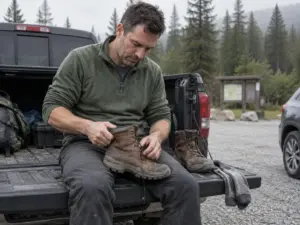
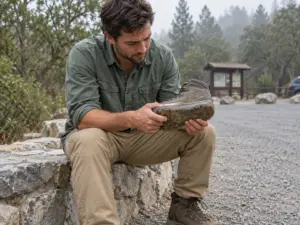
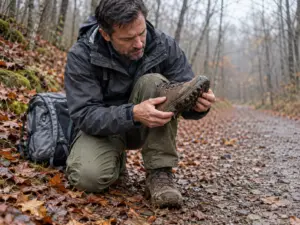


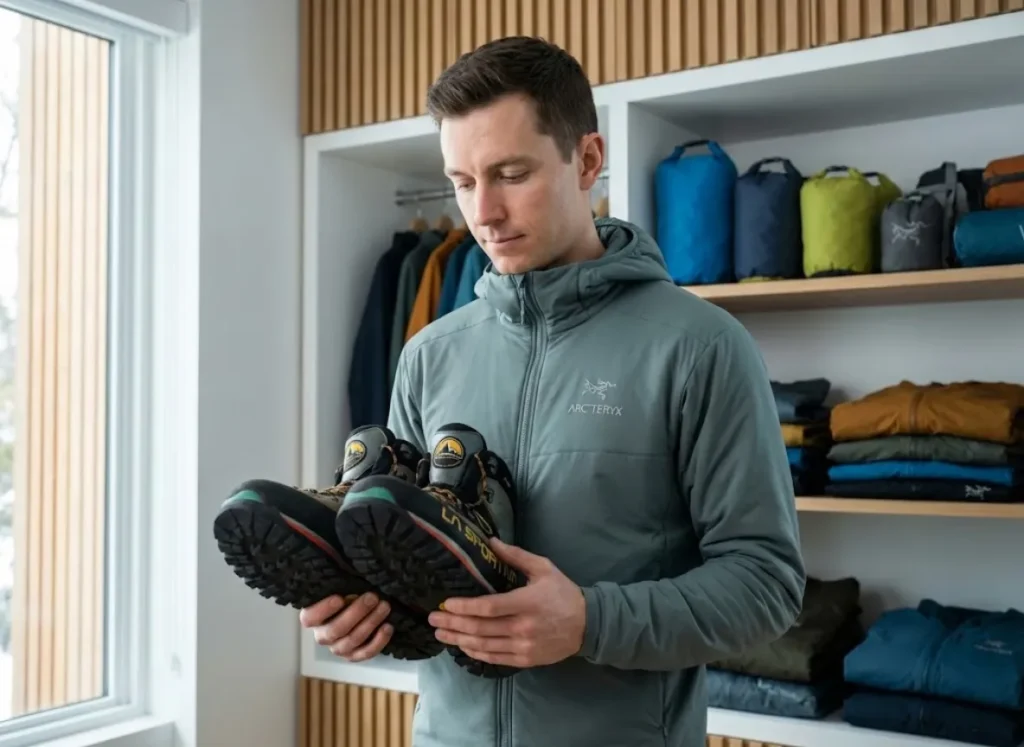
You are five miles into a ridge traverse during a winter backpacking trip when you feel a strange flopping sensation. You look down, and your Vibram sole has separated from the upper part of the shoe, hanging by a thread of glue.
This isn’t a manufacturing defect, adhesive failure, or bad luck. It is a chemical reaction called hydrolysis, and the damage actually happened six months ago inside your closet.
In my years leading expeditions and teaching outdoor gear maintenance, I have seen more equipment fail because of where it was stored than from actual abuse on the trail. We tend to think gear wears out from hiking, but it often suffers from mechanical breakdown just from sitting still.
From Gore-Tex shells peeling apart to tents smelling like mildew, this damage is preventable. It’s not about buying more expensive equipment; it’s about acting like a curator for the apparel and hard goods you already own.
In this guide, we will look at the invisible enemies of your equipment. You will learn why hiking boots crumble when you don’t wear them, why heat ruins technical fabrics, and exactly how to handle post-season hiking gear storage so your kit is ready for the next summit.
Why Does Gear Fail While Sitting on the Shelf?
Outdoor gear doesn’t just “get old” passively. It is under attack from chemistry and biology. To stop your backpacks and boots from falling apart, you have to understand the two main threats: chemical breakdown and mold.
What Is Hydrolysis and Why Do Boot Soles Crumble?
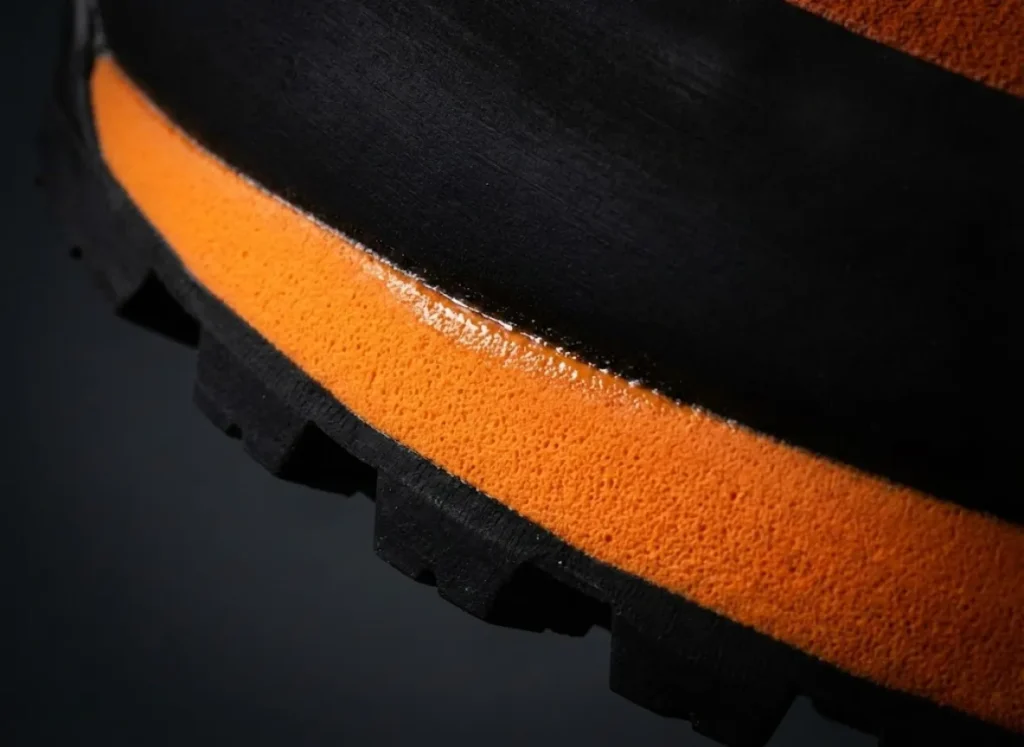
Hydrolysis is the specific term for the reaction of water with PU molecules attacking the shock-absorbing foam in your boots. Most modern backpacking bags and hiking boots use a foam called polyurethane (PU) midsoles.
Think of this foam like a dense sponge. Over time, moisture from the air settles into the tiny holes in the foam. This water slowly cuts the chemical chains that hold the rubber together.
When you see a boot sole turn into powder or sticky goo, that is delamination. The internal structure has snapped. Brands like Meindl often warn that lack of use causes delamination because the foam needs compression to stay healthy.
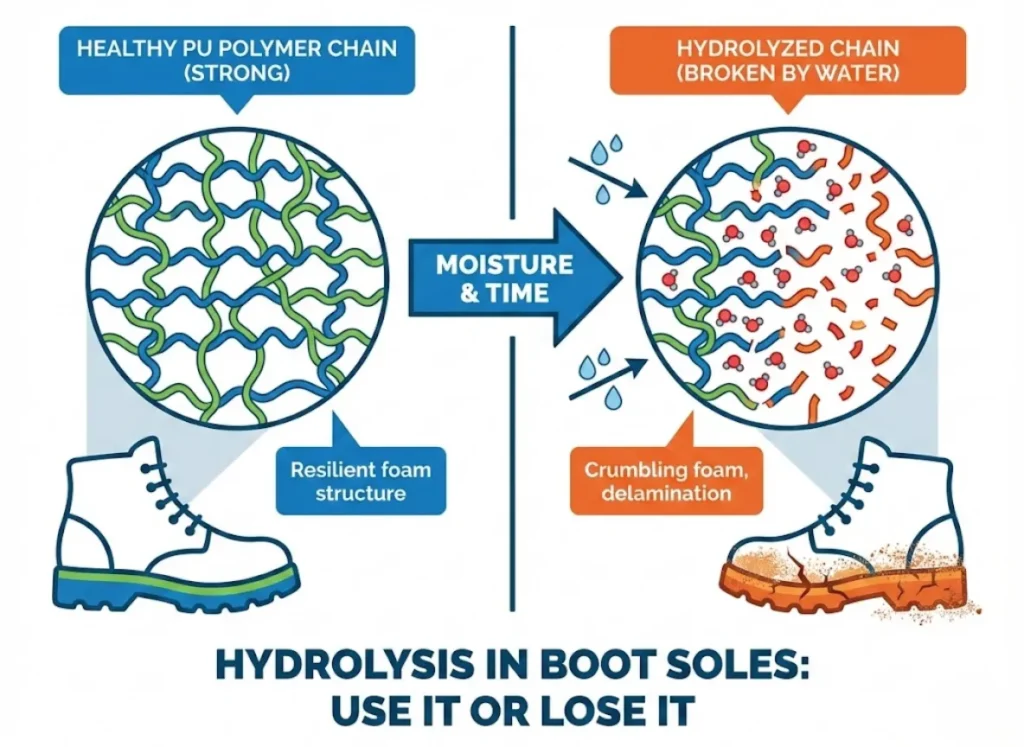
Heat acts like a gas pedal for this process. If you store your boots in a hot place, the PU midsoles will rot much faster.
Strangely enough, using your boots actually helps save them. When you walk, you squish the foam. This acts like a bellows, pumping old, stagnant air out and sucking drier air in.
This is why “New Old Stock” boots—ones that have been sitting in a box for years—are risky. We discuss this often when analyzing leather vs. synthetic hiking boots, because sitting still gives moisture years to do its damage.
Experts at the Canadian Conservation Institute confirm that keeping things cool and dry is the best way to stop rubber and plastic from rotting.
How Does Mold Colonize and Destroy Technical Fabrics?
Mold spores and fungus don’t appear out of thin air. They need a specific environment to grow, usually when humidity control fails and levels stay above 60% for a long time.
Plastic fibers like nylon don’t really get eaten by mold. However, the sweat, skin cells, and body oils you leave on the technical apparel provide a perfect meal for fungi. Organic fiber rot can also occur if cotton threads are present.
Once mildew moves in, it releases waste products that are acidic. This waste eats into the fabric, stains it, and peels off the waterproof membranes. The environmental conditions that favor fungal growth are very common in basements and garages.
This brings us to the “Bone Dry” rule. Even a tiny bit of dew left on a tent when you stuff it into a mesh bag creates a humid disaster zone.
If you ever open a gear bin and smell vomit, that is the smell of the rainfly coatings rotting away.
Pro-Tip: Never use vinegar to clean a moldy tent. Vinegar is an acid that can strip off the Durable Water Repellent (DWR) coating and damage the glue on the seams. Instead, use an enzymatic cleaner (like MiraZyme) or a gentle technical soap.
If stubborn mold does attack your coating, you need to fix it carefully. Learning how to restore DWR is better than scrubbing it with harsh chemicals that might ruin the fabric completely.
Where Is the Safest Place to Store Hiking Equipment?
Location is everything. Different rooms in your house have different climates. Some of those climates are deadly to outdoor gear.
Why Are Attics and Garages “Kill Zones” for Gear?
I call attics and garages “Kill Zones” because they lack temperature stabilization.
Attics are basically ovens. In the summer, an attic can get 20°F to 40°F hotter than the air outside. Spending one summer in a 130°F attic can age your boots as much as several years of sitting in a closet, accelerating UV degradation and heat stress.

Garages have a different problem: relative humidity. Because garages usually aren’t insulated well, they get damp when it rains. It is very hard to keep a garage dry enough to stop mold on a dirty pack.
Also, temperatures in a garage go up and down constantly. This causes condensation (water droplets) to form on cold metal, like trekking poles or tent poles, which leads to rust.
The Department of Energy explains how insulation and air leakage dynamics trap heat and moisture in these spaces, making them bad choices for storage. Organizations like the Washington Trails Association also recommend avoiding these unconditioned spaces.
Finally, pests love garages. Mice love chewing on cardboard boxes and salty backpack straps. Proper storage is a huge part of hiking gear recycling because if we take care of our gear to maximize lifecycle, we don’t have to throw it away.
Best Container Strategy for Post-Season Hiking Gear Storage
Once you pick a room with stable room temperature, you need the right box.
The type of plastic matters. Look for bins made of Polypropylene (look for the recycle symbol #5). These are safe. Cheap bins made of other plastics can release gases that make rubber sticky.
If you are storing gear inside your house (like a bedroom closet), breathable storage bags are best. Use cotton laundry bags, mesh storage bags, or bins with the lids cracked open. This lets moisture escape and provides ventilation.
Research from the Smithsonian on preventing mold in storage containers shows that trapped air is a major cause of mold on fabric.
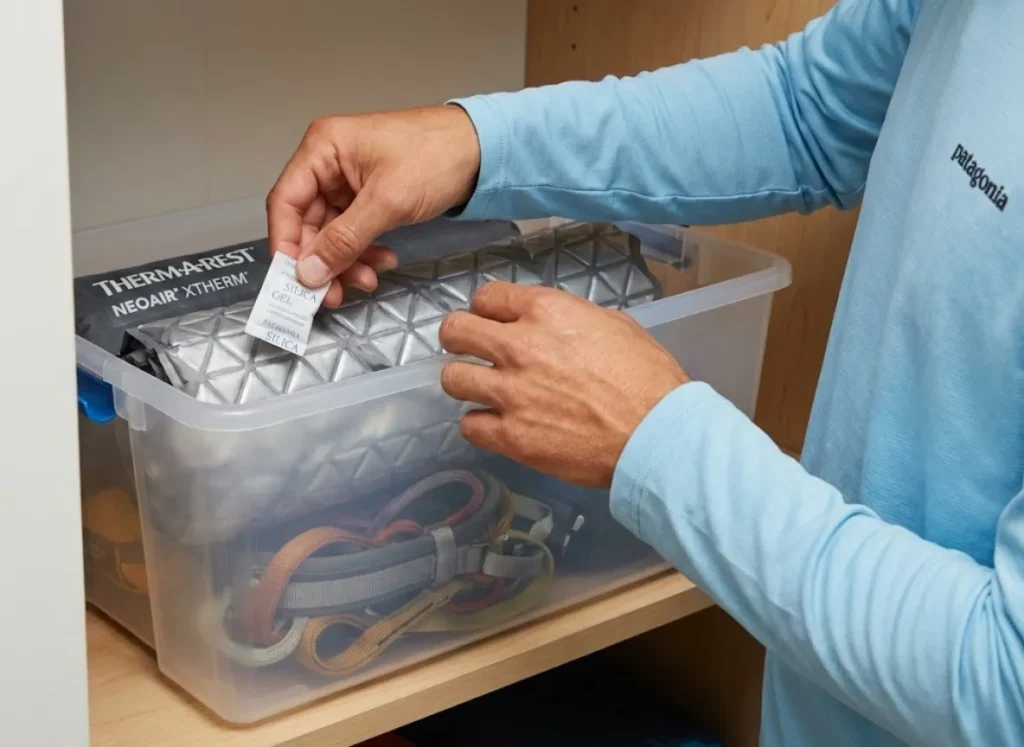
If you have to store gear in a damp basement, you need airtight bins with gaskets to keep the humidity out. But be careful—if you trap moisture inside, you create a mold factory.
Pro-Tip: If using airtight bins, you must manage the air inside. Throw in silica gel packets to soak up moisture. A good rule is to use about 100g of silica gel for a standard large plastic bin (74 quarts).
Avoid cardboard boxes. Cardboard soaks up water like a sponge, is acidic, and bugs love to eat it. Clear plastic bins are great for seeing what’s inside, but keep them in dark storage or avoid direct sunlight so UV rays don’t fade your pants and packs.
How Should Specific Gear Categories Be Preserved?
You have the right room and the right box. Now, here is how to prep the actual equipment.
How Do You Prepare Boots, Tents, and Sleep Systems?
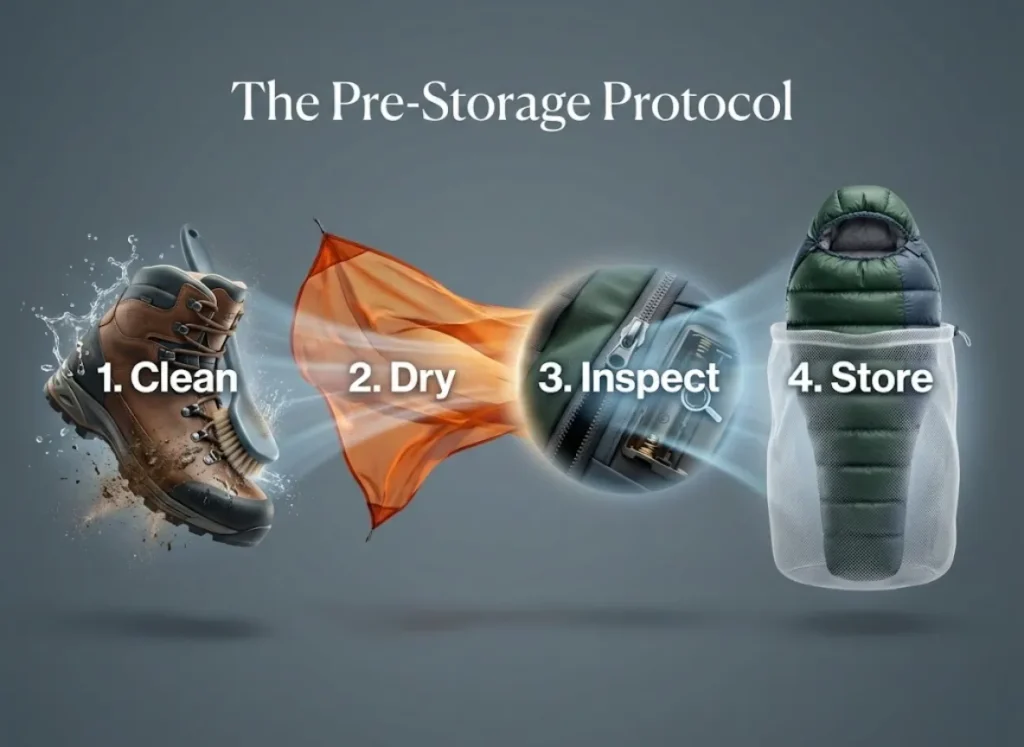
Preparation is simple: Clean gear before storage, ensure 100% dryness, and don’t squish it.
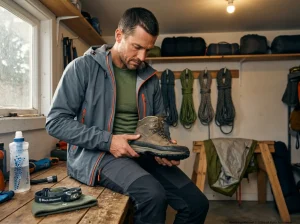
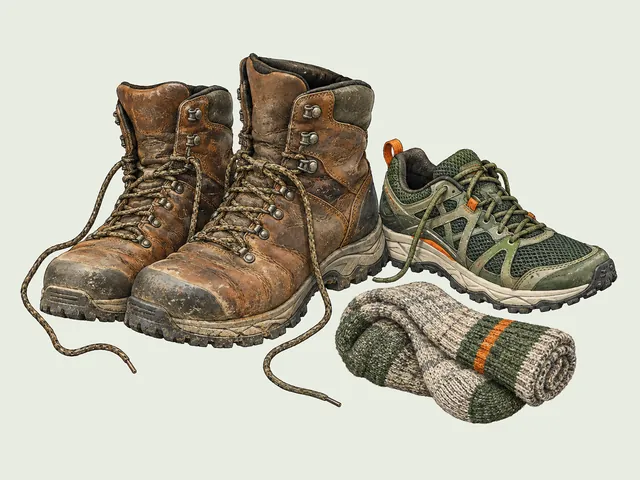
- Hiking Boots: Scrub off the mud and debris (soil holds bacteria). If they are leather, use a conditioner to preserve adhesive bonds and prevent cracking. Using cedar boot trees can help maintain shape and absorb internal moisture. Most importantly, take them for a short walk every few months to flex the foam.
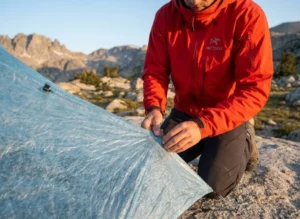
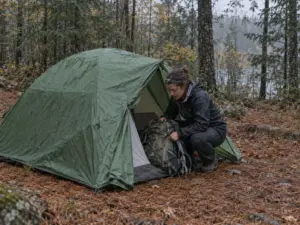
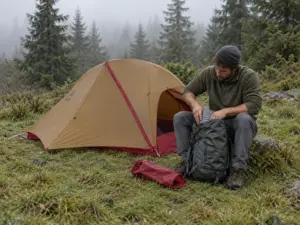
- Tents: Store them loosely folded or rolled in a big mesh bag. Never stuff them tight for long periods, as sharp creases can crack the tent fabric sealant. Make sure the fly is bone-dry. Unpacking tents after a trip to dry them fully is the most critical step.
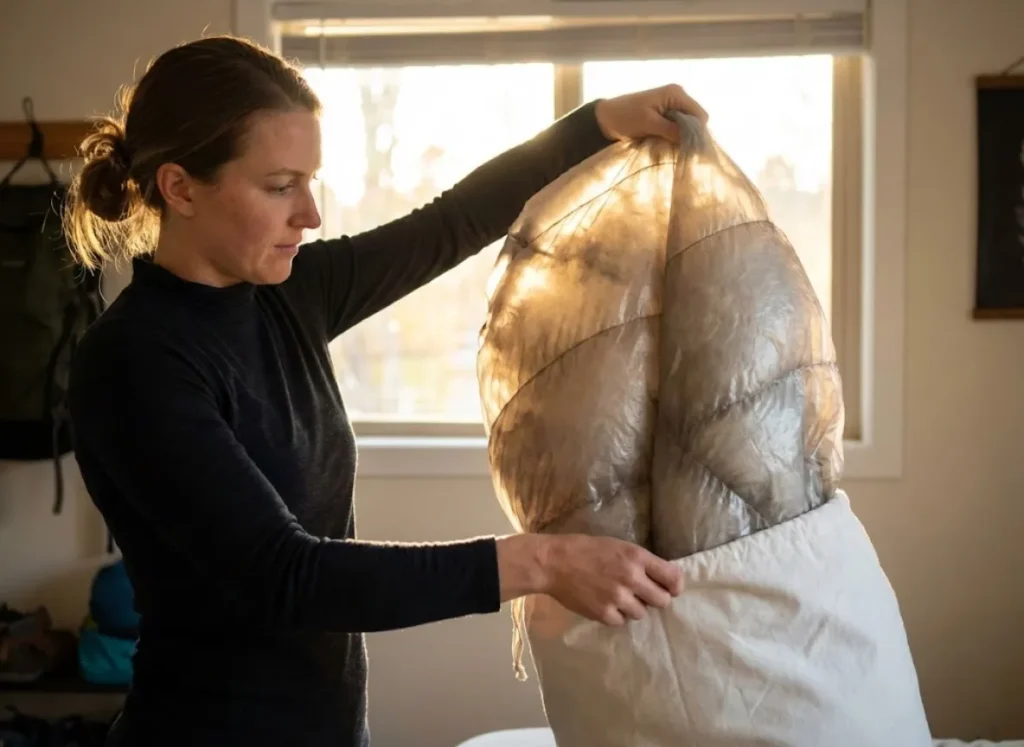
- Sleeping Bags: Whether you use down sleeping bags or synthetic sleeping bags, they should be hung up or put in large bag storage sacks. If you leave them crushed in a compression sack, they lose their insulation loft and won’t keep you warm.
- Sleeping Pads: Store self-inflating foam pads flat with the valve open. This lets moisture inside the pad dry out. If you keep them rolled tight, the foam remembers that shape and won’t inflate later. Understanding air leakage and moisture transfer helps you see why trapped breath moisture ruins insulation.
- Rain Gear & Technical Apparel: Wash your Gore-Tex shells often with a neutral pH cleaner like Nikwax or Gear Aid to wash away body oils. Machine dry them on medium heat if the manufacturer permits. The heat actually helps fix the durable weather resistant coating.
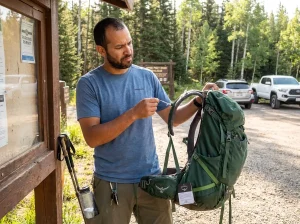
- Backpacks: Empty your pack completely. Check pockets for wet wrappers or crumbs. Hang them on a storage rack or a heavy-duty hanger like a Tough Hook to keep the foam straps from getting crushed.
- Electronics: Take the batteries out. All of them. Corrosion can ruin a headlamp or GPS in a few months.
Keeping insulation fluffy is key, whether it’s feathers or man-made fibers. We talk about this a lot when comparing down vs. synthetic insulation.
Conclusion
The difference between a gear failure on the trail and a successful trip often happens months before you pack your backpack.
Gear doesn’t die just because time passes. It dies because of chemical reactions like hydrolysis and biological attacks from mold. By knowing that heat and moisture are the enemies, you can keep your stuff safe.
Avoid the “Kill Zones” like your attic. Make sure everything is dry. Give your down bag room to breathe in a cool dry place.
Check your gear closet this weekend. Take your boots out of the box and your sleeping bag out of its small sack. A little effort now ensures your kit is ready for the next adventure.
FAQ – Frequently Asked Questions
Why do hiking boots fall apart if you don’t wear them?
When boots sit still, moisture gets trapped in the foam midsole. This water eats away at the chemical bonds holding the foam together. Walking in them squishes the foam, which pumps damp air out and fresh air in. REI expert advice often cites this as the #1 killer of boots.
Can I use vinegar to clean mold off my tent?
No. Vinegar is an acid. It can damage the waterproof membranes and the glue on the seams. Use a cleaner made for outdoor gear (like MiraZyme) or a mild soap instead.
How much silica gel do I need for a storage bin?
For a standard large gear bin (about 74 quarts), use about 100 grams of desiccants. This should be enough to keep the air inside dry and safe.
Is it better to hang a sleeping bag or put it in a sack?
Hanging it up is the best option because it lets the down fill expand fully. However, a large breathable cotton laundry bag or mesh bag is also perfectly fine. Just never leave it compressed in the tiny stuff sack you use for hiking.

I've spent more than a decade researching hiking gear and trail technique. I read the specs, the forum threads and the long-term reviews, and every pick here comes with what it gets wrong.
End of the trail
You read every mile of this one. Here's where the trail goes next.