In this article
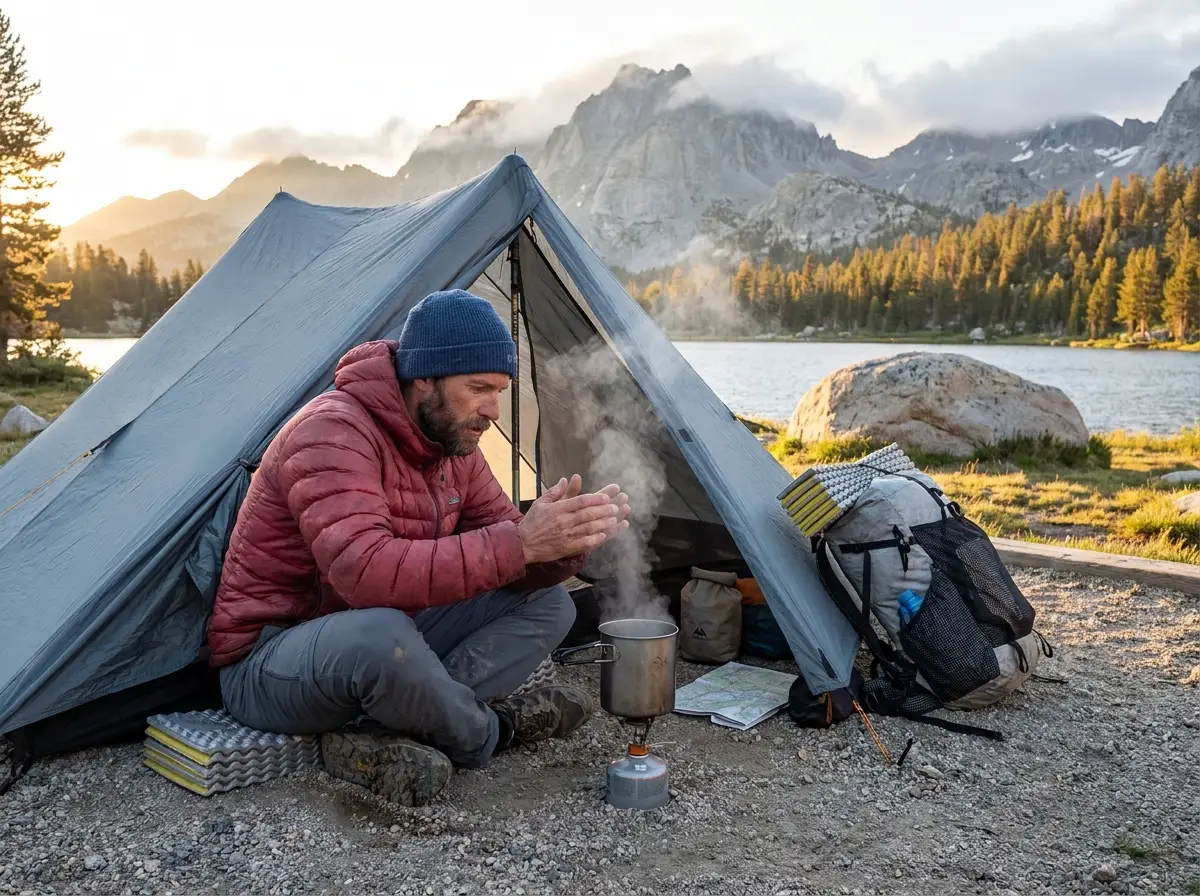
Picking a one-person ultralight tent forces a decision most articles avoid: do you carry trekking poles? If yes, the lightest, cheapest, most livable shelters in this category are all trekking-pole tents. If no, you’re paying a 6-12 ounce penalty and roughly $100-300 more for the convenience of a freestanding pitch. That single fork in the road shapes 80% of the buying decision before brand or features come into play.
This roundup compares six one-person tents that thru-hikers, fastpackers, and weight-conscious weekenders actually use in 2026, drawing from verified Amazon reviews with 50+ trail nights, Outdoor Gear Lab and CleverHiker comparisons, manufacturer floor-area-to-weight specs, and the consensus on r/Ultralight. Tents that didn’t pass the durability check at their stated weight class were cut, even when they appear in competitor lists. Each pick is matched to a specific use profile rather than ranked head-to-head.
Below: the comparison table, six full reviews with honest flaws, a fit-finding guide explaining the freestanding-vs-trekking-pole trade and the floor-area-per-ounce metric (the part most articles skip), and a focused FAQ. If you’ve already learned how to set up a tent to prevent condensation and your current shelter still feels wrong, the design philosophy is probably the issue.
The 6 Best One-Person Ultralight Tents in 2026
Each pick below was assigned to a specific use profile rather than scored against the others on a single axis. A weight-counting thru-hiker who already carries trekking poles makes different trade-offs than a weekender who wants a tent that pitches anywhere without staking. Match the design philosophy to your style.
🏆 Best Freestanding: Big Agnes Copper Spur HV UL1
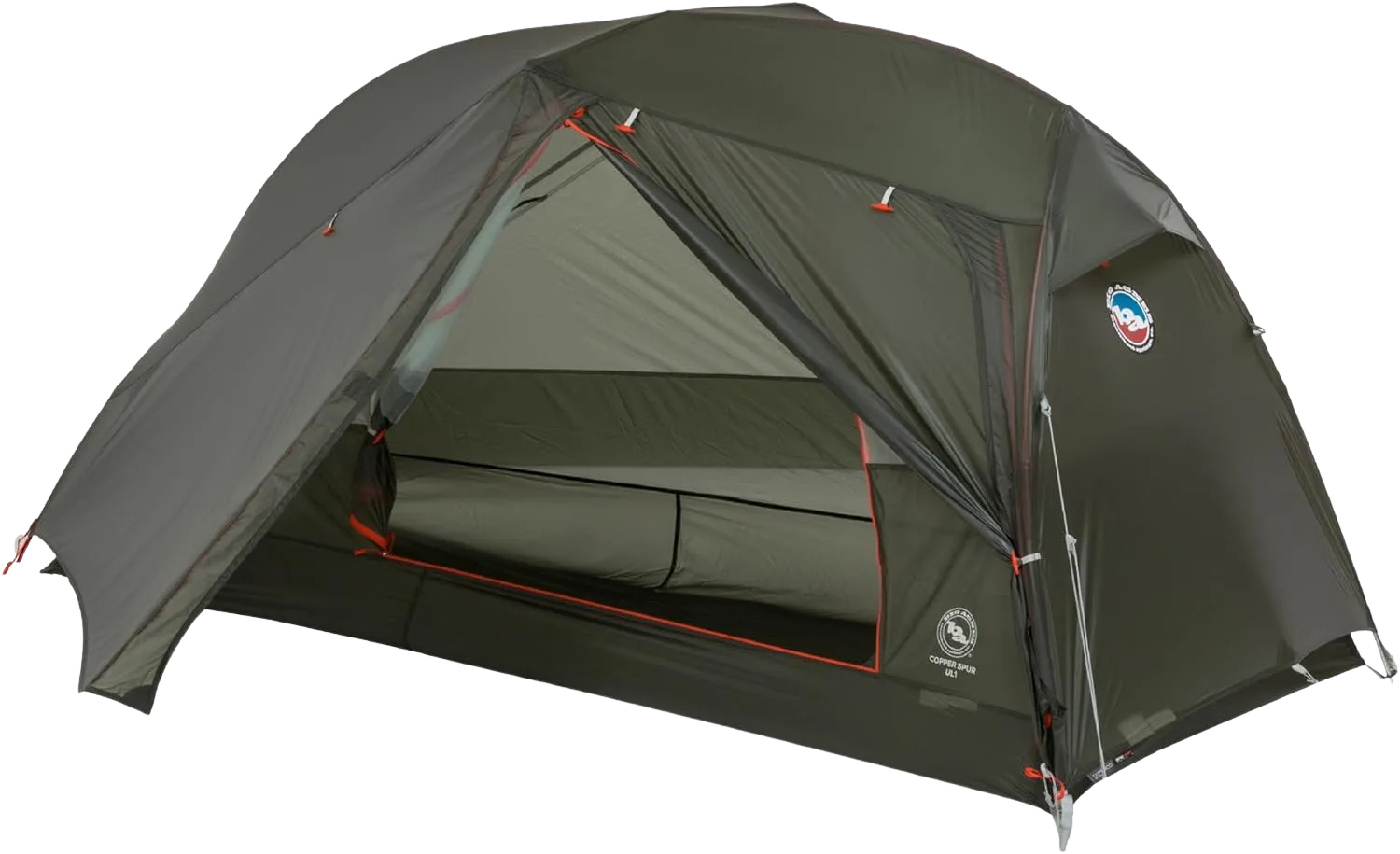
The Copper Spur HV UL1 is the freestanding gold standard for a reason — it pitches anywhere, sets up in 90 seconds, and Big Agnes refined the geometry across four generations to where the 38-inch peak height feels vastly more livable than the 26-30 inches of most semi-freestanding competitors. Outdoor Gear Lab’s 2026 ultralight tent comparison gave it the highest livability score among true freestanding 1P shelters, and verified Amazon reviewers with 100+ trail nights consistently report the DAC Featherlite poles holding shape after years of use.
What you’re paying for is the freestanding pitch on rock slabs, sandy washes, packed snow, or anywhere stakes won’t hold — situations where trekking-pole tents become unusable. The honest flaw: at 2 lb 5 oz trail weight, the Copper Spur is the heaviest in this list except the Naturehike, and the 15D ripstop nylon fly is thin enough that careless guy-out tension creates pressure points that wear through faster than the heavier-fabric MSR. Pitch it taut, but don’t over-tension. Verified reviewers also note the floor area is tight on the shoulders if you sleep on a 25-inch-wide pad.
Buy this if you camp in places where stakes won’t hold, you want fast intuitive pitching after a long day, and you’ll spend $500 for a tent that lasts 8-10 seasons. Skip it if every gram counts more than convenience or if you carry trekking poles anyway.
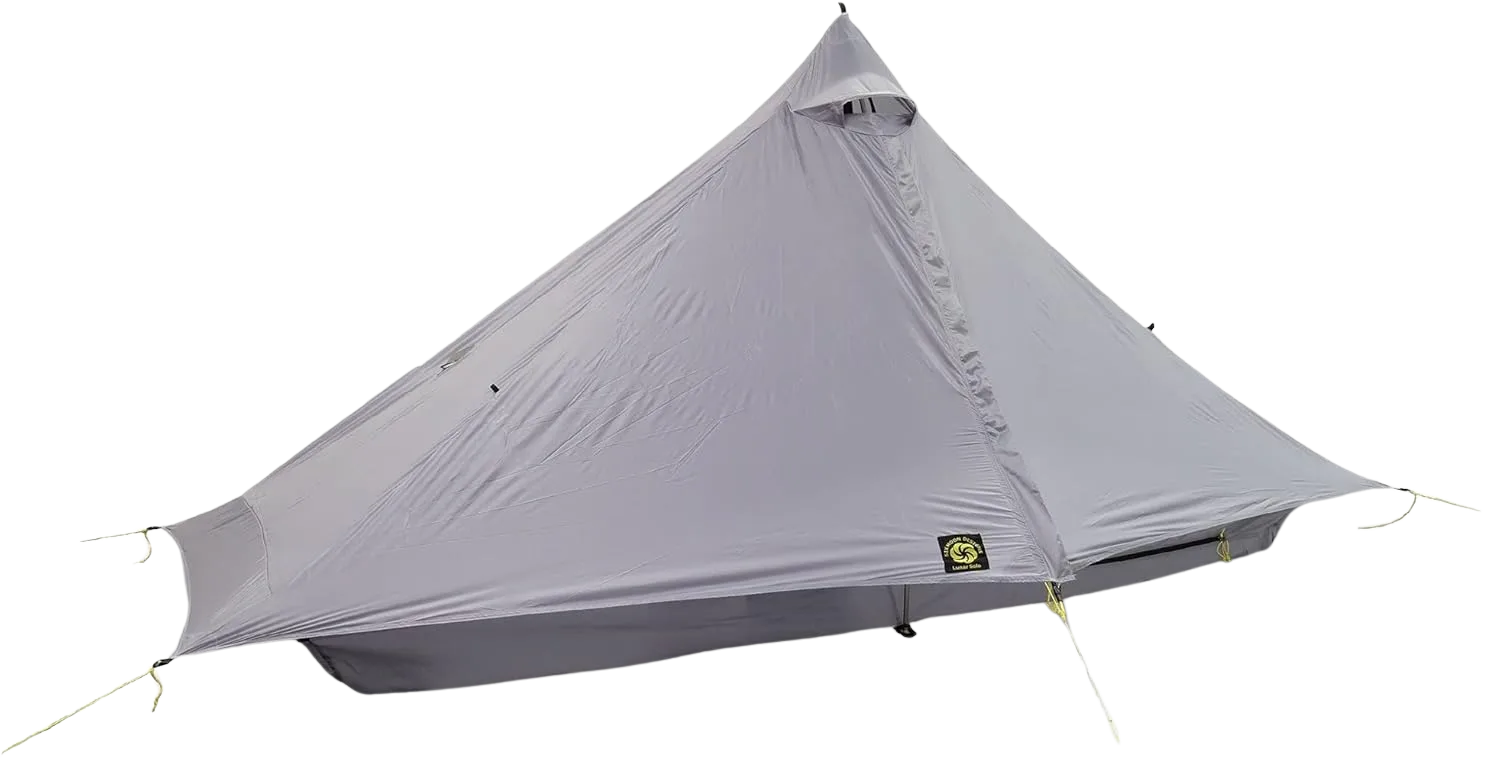
💰 Best Value Trekking-Pole: Six Moon Designs Lunar Solo
The Lunar Solo has been the gateway drug into trekking-pole tents for a decade because it gets the math right: 26 ounces, 90-inch floor length (rare for tall hikers), 11.5 sq ft of vestibule, and a price that’s roughly half the Big Agnes. Six Moon Designs uses 20D SilPoly fabric instead of the silnylon most competitors stick with — SilPoly absorbs less water in rain, sags less when wet, and dries faster, all measurable advantages CleverHiker’s testers documented in side-by-side overnight rain tests.
The hexagonal footprint is what makes it work as well as it does — six guy-out points create a rock-solid pitch in wind that feels structurally similar to a freestanding shelter, even though everything is held up by your trekking poles. Verified Amazon reviewers with multi-thousand-mile trail experience consistently note no fabric stretch in sustained rain (the SilPoly advantage shows here). The honest flaw: it’s single-wall, which means condensation management is on you. Pitch it on a slight breeze, leave the door cracked, and you’ll wake up to dry fabric. Pitch it in a still hollow with the door closed and you’ll wake up wet from your own breath.
Pro tip: Single-wall tents punish bad site selection more than double-walls do. If you can’t find a breezy spot, setting up your tent for ventilation becomes the difference between dry and damp gear in the morning.
Buy this if you carry trekking poles, you want the best dollar-per-ounce in this category, and you’re willing to manage condensation through site choice. Skip it if you camp in still humid valleys or you want a double-wall buffer.
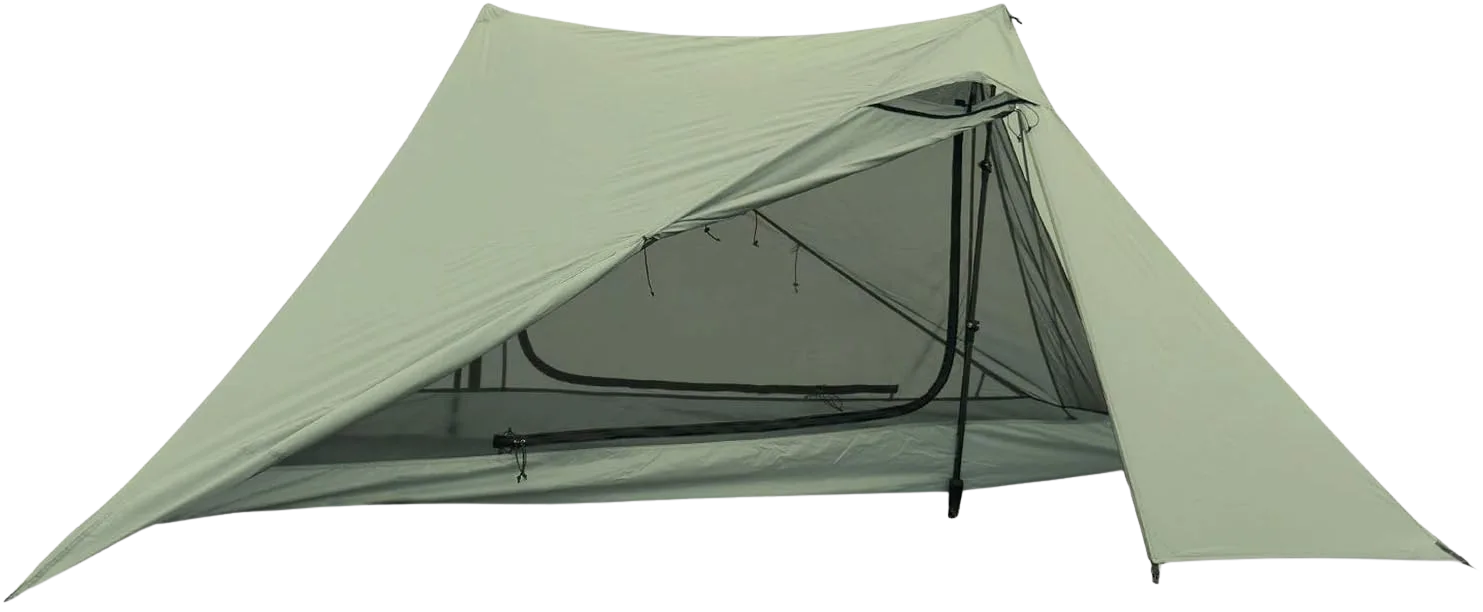
⬆️ Best Double-Wall Trekking-Pole: Durston X-Mid 1
Dan Durston designed the X-Mid 1 to solve the single biggest complaint about trekking-pole tents — condensation — by adding a fully separate inner mesh tent inside a rectangular fly. The diagonal inner geometry inside the rectangular fly is the actual innovation here: it lets the trekking poles sit inboard of the doors and walls, eliminating the vertical wind-catching surfaces that single-wall tents have, while creating two opposing doors and two vestibules. CleverHiker’s 2026 review called the X-Mid 1 the closest a trekking-pole tent has come to behaving like a freestanding double-wall.
What you get: ~28 oz total weight (still trekking-pole-tent territory), genuine double-wall condensation isolation, dual entry, and 86-inch floor length that handles tall hikers. The fly pitches first, so the inner stays dry during rain setup — a rare and meaningful detail. The honest flaw: at 28 ounces with the 20D 420T polyester fly, durability is mid-pack rather than top-pack, and verified Amazon reviewers note the seam-sealed PU coating has reports of micro-cracking after 3+ seasons of UV exposure. Durston offers a Pro version in DCF for hikers who want lighter weight at higher cost.
Buy this if you want trekking-pole-tent weight savings without sacrificing double-wall condensation handling, you sleep tall, and you want two doors so you don’t have to crawl over your gear. Skip it if you want a tent that lasts through a 5,000-mile thru-hike (the Pro version handles that better) or you don’t carry trekking poles.
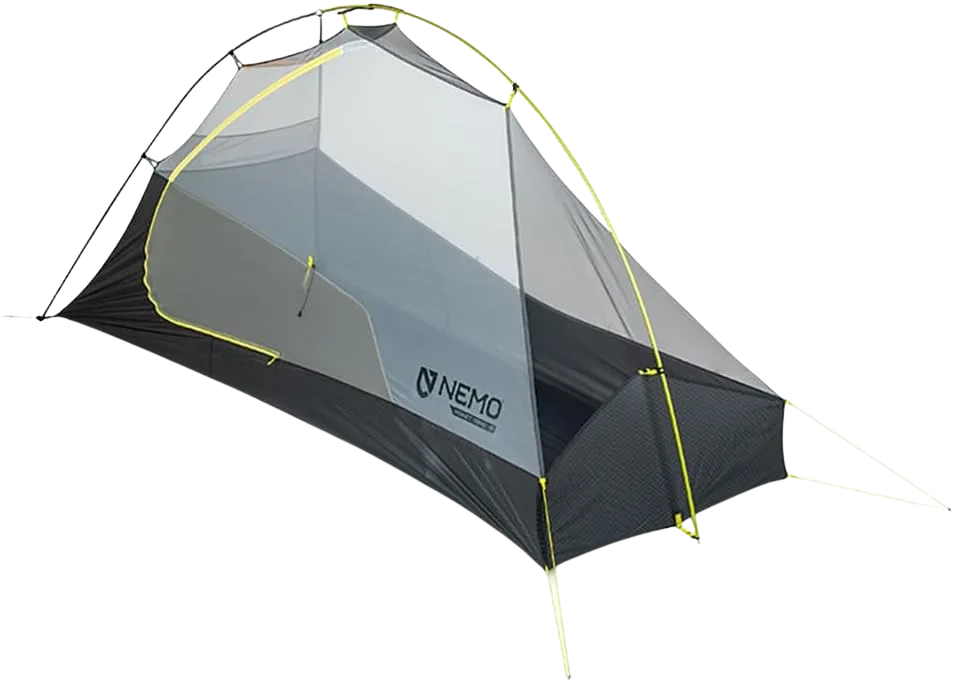
🎯 Best Sub-2-Lb Semi-Freestanding: NEMO Hornet OSMO 1P
The Hornet OSMO sits at 26 ounces minimum trail weight, freestanding at the head end and stake-supported at the foot — what NEMO calls semi-freestanding. The 2024 OSMO update replaced the older silnylon with a recycled, PFAS-free composite that NEMO documents as 4x more water-repellent and 3x less stretchy when wet. CleverHiker’s testers verified the wet-stretch claim against silnylon competitors in side-by-side pitch tests; the difference is real and meaningful.
The volumizing pole clip at the head end opens up shoulder room more than the spec sheet suggests — at 39-inch peak height it’s narrower than the Copper Spur but feels comparable in upper body volume because the geometry concentrates the height where you need it. NEMO’s lifetime warranty is also legitimately useful here. The honest flaw: the Hornet is not a storm tent. The fly cuts higher above the ground than competitors, and verified Amazon reviewers in exposed alpine campsites report wind-driven rain reaching the inner mesh. Pitch it in protected sites, not on exposed ridges.
Buy this if you want sub-2-pound freestanding-ish weight without going to a single-wall trekking-pole tent, you camp mostly in protected forest or canyon sites, and the lifetime warranty matters to you. Skip it if you’re routinely above treeline in shoulder-season storms.
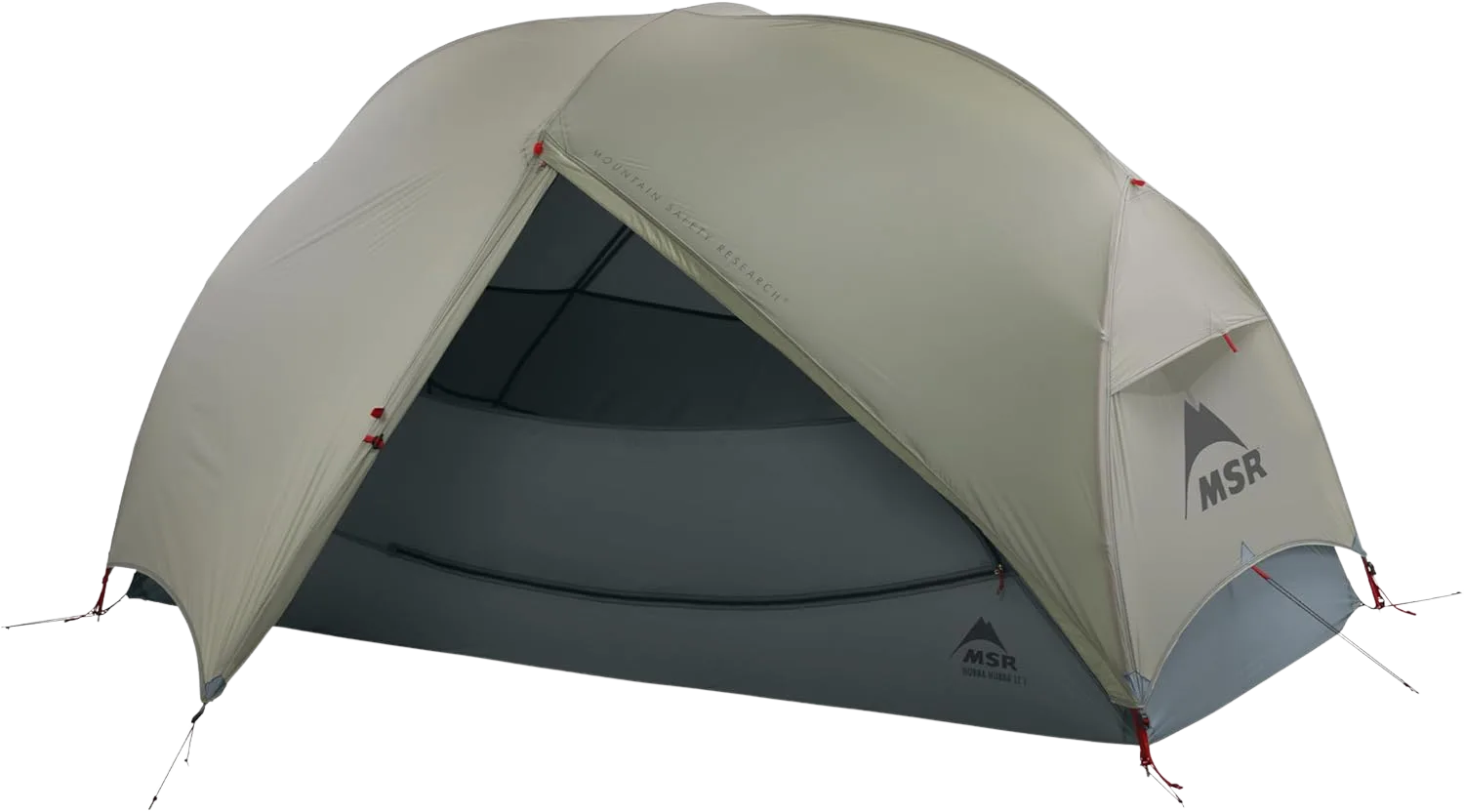
🎯 Best Storm-Worthy Freestanding: MSR Hubba Hubba LT 1
When weather goes sideways above treeline, the MSR Hubba Hubba LT 1 is the tent serious mountain backpackers reach for. The 2024 LT update redesigned the floor as true rectangular (88×32 inches) rather than tapered, which means a modern thick rectangular pad fits without scrunching the foot end — a meaningful upgrade for anyone who sleeps on a 3-inch insulated pad. The Xtreme Waterproof coating on the fly is MSR’s most aggressive PU formulation, and Outdoor Gear Lab’s 2026 storm tests gave it the highest weather-resistance score among 1P tents under 2.5 pounds.
The pole geometry is the signature MSR detail: low-profile dome shape that sheds wind from any direction, near-vertical walls on three sides for usable interior volume despite the freestanding pitch, and a 39-inch peak height. Verified Amazon reviewers with sub-zero alpine experience consistently note the fly holding shape under sustained gusts where competitors flap loudly. The honest flaw: at 2 lb 6 oz minimum trail weight, this is heavier than the Lunar Solo by 12 ounces. You’re paying for storm geometry — if you don’t camp where storms happen, you’re paying for nothing.
Buy this if your camping includes alpine meadows, exposed ridges, or shoulder-season conditions where wind and driven rain matter more than weight. Skip it if you camp mostly in protected forest sites or you’re a fastpacker counting every gram.
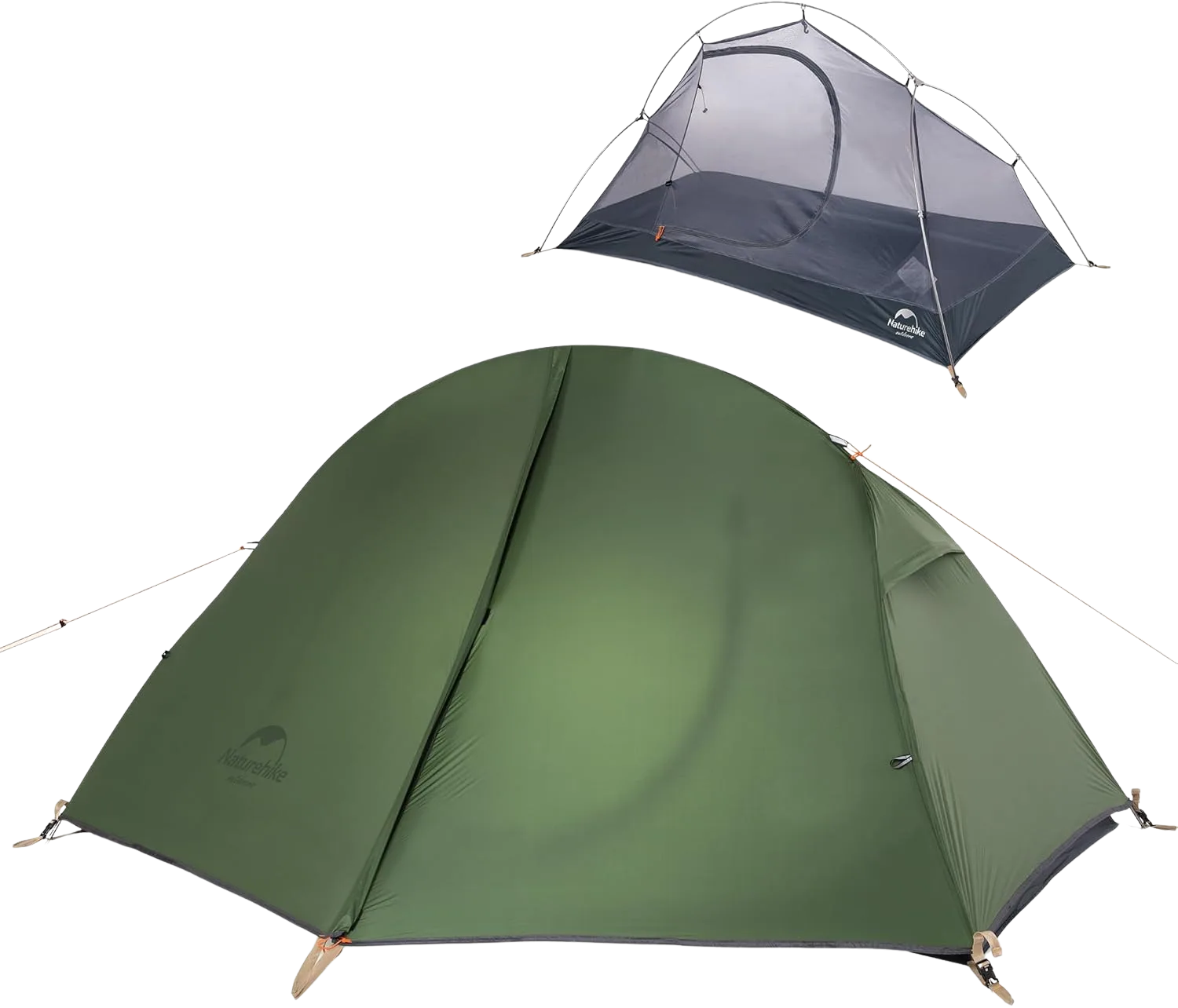
🎖️ Honorable Mention: Naturehike Cloud-Up 1
The Cloud-Up 1 earns its slot here as the budget pick that doesn’t disgrace itself. At ~$110-130 it’s a third the price of every other tent in this list, freestanding double-wall, and it includes a footprint — a $40-60 add-on with most premium brands. Verified Amazon reviewers with multi-year ownership consistently report the 20D nylon holding up for casual weekend use through 2-3 seasons before the PU coating starts showing wear.
What you’re not getting: the refined pole geometry of the Big Agnes or MSR. The Cloud-Up’s pitch is functional but the wind handling is mediocre — at 3.3 pounds it’s also notably heavier than every other pick except by spec sheet alone. The honest flaw: this is a $120 tent. The seam tape integrity, zipper longevity, and pole durability are all noticeably below the premium picks. If you backpack 30+ nights a year, you’ll outpace this tent’s lifespan.
Pro tip: Budget tents fail at the seams and zippers first, not the fabric. Carrying a small repair kit and knowing how to seam-seal in the field extends a Cloud-Up’s life by a full season.
Buy this if you backpack a handful of nights per year, you want to test if 1P tent life suits you before spending $400+, or you need a backup tent that doesn’t require a justification spreadsheet. Skip it if you backpack heavy mileage or you camp where weather can punish gear.
How to Choose Your Ultralight One-Person Tent
The decision tree for one-person ultralight tents is shorter than the marketing makes it look. Get the philosophy right and the brand follows.
Trekking-Pole vs. Freestanding (The First Fork)
If you carry trekking poles, a trekking-pole tent saves you 6-12 ounces and roughly $100-300 versus an equivalent freestanding shelter. The poles you already brought become tent poles, so the only real cost is condensation management (single-wall) or learning to pitch the inner fly geometry (X-Mid double-wall). If you don’t carry trekking poles, adding them just for the tent kills the math — you’ve added 8 ounces of poles to save 8 ounces of tent.
The Floor-Area-per-Ounce Test (How Most Articles Mislead You)
Trail weight in isolation tells you nothing. Floor area divided by trail weight is the actual livability metric. The Big Agnes Copper Spur HV UL1 sits at roughly 9 sq ft per pound. The Lunar Solo and X-Mid 1 sit at ~10-11 sq ft per pound, with the Lunar Solo’s vestibule pushing it higher. Anything below 7.5 sq ft per pound is a bivy with marketing — you’ll feel claustrophobic on the second night and resent the tent by night five.
Single-Wall vs. Double-Wall (The Condensation Equation)
Single-wall tents (Lunar Solo) save 4-6 ounces over double-walls of similar geometry by eliminating the inner mesh tent. The trade is condensation: your breath produces ~1 quart of water vapor per night, and a single-wall tent has nowhere for it to go except the inside of the fly, which then drips on you or your sleeping bag. Site selection becomes the difference — pitch on a slight breeze and the airflow handles the moisture; pitch in a still hollow and you’ll wake up damp.
Storm-Worthiness: When It Actually Matters
Storm-worthy tent geometry adds weight you only need if you camp where storms happen. If your camping is forested, low-elevation, or below 7,000 feet for protected weather, the lighter Lunar Solo or Hornet OSMO outperform a Hubba Hubba LT for your actual use. If your camping includes alpine meadows, exposed ridges, or shoulder-season trips, MSR’s storm geometry is worth the 4-8 ounce penalty over the lighter options. According to NOAA’s outdoor lightning guidance, exposed-ridge camping during shoulder seasons carries elevated thunderstorm risk regardless of forecast — gear that handles wind and driven rain matters disproportionately there.
Conclusion
One-person ultralight tents broke into two distinct categories years ago, and the marketing still tries to compare them on a single ranking. They aren’t comparable — they solve different problems for different hikers.
Three takeaways: the Big Agnes Copper Spur HV UL1 is the freestanding default if you don’t carry trekking poles or you camp in places stakes won’t hold. The Six Moon Designs Lunar Solo is the dollar-per-ounce winner for trekking-pole carriers comfortable with single-wall site selection. The Durston X-Mid 1 earns its premium price by giving trekking-pole-tent weight without single-wall condensation pain. Match the design to your style, and tent buying stops being a process of compromise.
Q1 How light is too light for a one-person ultralight tent?
Below 16 ounces you’re likely buying DCF (Dyneema Composite Fabric) or a very thin silnylon — both are 5-7x more expensive than 20D fabrics and noticeably less puncture-resistant. For most backpackers, 24-30 ounces is the durability sweet spot; below that, you’re paying premium prices for shorter tent life.
Q2 Are trekking pole tents worth it?
Trekking-pole tents save 6-12 ounces and $100-300 if you already carry trekking poles. They’re worth it if you carry poles anyway and accept either single-wall condensation management or learning the X-Mid double-wall pitch. They’re not worth it if you’d add poles solely for the tent.
Q3 Single-wall or double-wall ultralight tent?
Double-wall handles condensation better through an inner mesh that catches and channels moisture away from you. Single-wall saves 4-6 ounces but requires breezy site selection to manage your breath’s water vapor. For wet or humid regions, double-wall is a meaningful comfort upgrade. For dry alpine camping, single-wall works fine.
Q4 Do I need a freestanding ultralight tent?
Freestanding tents are necessary on rock slabs, packed snow, sandy washes, or anywhere stakes won’t hold. If your camping is dirt, duff, or grass, semi-freestanding or trekking-pole tents work without freestanding capability — and save weight and money.
Q5 How do I prevent condensation in a single-wall ultralight tent?
Condensation in single-wall tents comes from your breath (~1 quart of water vapor per night). Pitch on a slight breeze with at least one door cracked, avoid still hollows or dense vegetation that blocks airflow, and don’t cook inside. Wipe interior moisture with a microfiber cloth in the morning before packing.
Risk Disclaimer: Hiking, trekking, backpacking, and all related outdoor activities involve inherent
risks which may result in serious injury, illness, or death. The information provided on The Hiking Tribe is for
educational and informational purposes only. While we strive for accuracy, information on trails, gear, techniques,
and safety is not a substitute for your own best judgment and thorough preparation. Trail conditions, weather, and
other environmental factors change rapidly and may differ from what is described on this site. Always check with
official sources like park services for the most current alerts and conditions. Never undertake a hike beyond your
abilities and always be prepared for the unexpected. By using this website, you agree that you are solely
responsible for your own safety. Any reliance you place on our content is strictly at your own risk, and you assume
all liability for your actions and decisions in the outdoors. The Hiking Tribe and its authors will not be held
liable for any injury, damage, or loss sustained in connection with the use of the information herein.
Affiliate Disclosure: We are a participant in the Amazon Services LLC Associates Program, an
affiliate advertising program designed to provide a means for us to earn advertising fees by advertising and linking
to Amazon.com. As an Amazon Associate, we earn from qualifying purchases. We are also an official affiliate partner
of Black Diamond Equipment via the AvantLink network. If you click on a Black Diamond affiliate link and make a
purchase, we may earn a commission at no additional cost to you. We also participate in other affiliate programs and
may receive a commission on products purchased through our links. Additional terms are found in the terms of
service.