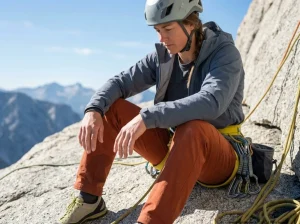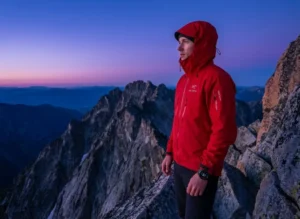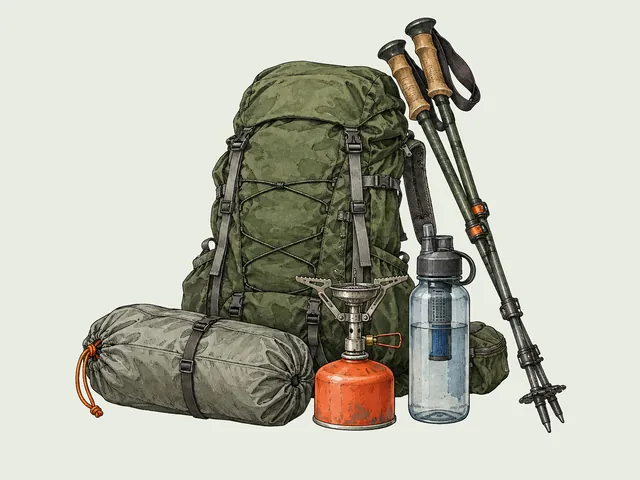
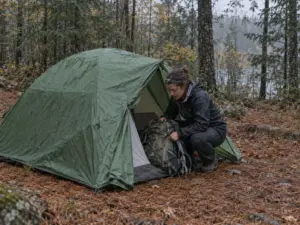
The 14,000-foot summit of Longs Peak was finally within reach, but the sky above the Keyhole had already turned the color of a bruised plum. It was 11:30 AM, and the faint, unmistakable crackle of static electricity vibrated through the graphite shafts of my trekking poles. After a decade guiding on these technical routes, I’ve seen exactly how fast a mountain environment turns lethal. This is the moment convenience becomes a casualty, and you realize that backcountry start times aren’t about waking up early—they’re about staying alive. Here is exactly how to calculate your safest trailhead departure for every season, ensuring you bypass both the mid-day trail congestion and the severe lightning hazard of mountain weather.
| Seasonal Activity Scheduling & Risk Factors | |||
|---|---|---|---|
| Season | Recommended Start Time | Key Physics Driver | Primary Risk Factor |
| Summer | 05:00 – 06:30 | Convective Instability | Lightning / Heat Stroke |
| Fall | 07:30 – 08:30 | Daylight Reduction | Darkness / Valley Inversion |
| Winter | 08:30 – 09:30 | Valley Cold Sinks | Hypothermia / Frostbite |
| Spring | 03:00 – 05:00 | Freeze-Thaw Cycle | Post-holing / Mud Erosion |
⚡ Quick Answer: You cannot guess your hiking schedule on high-consequence terrain. The physics of the 5 am start dictate that you must time your ascent to avoid peak solar radiation, afternoon thunderstorms, and soft snow conditions. Every season demands a distinct strategy based on atmospheric stability, and using a strict start time formula ensures you remain within a mathematically sound safety window.
The Physiology of the “Alpine Start”
Circadian Rhythms vs. Metabolic Efficiency
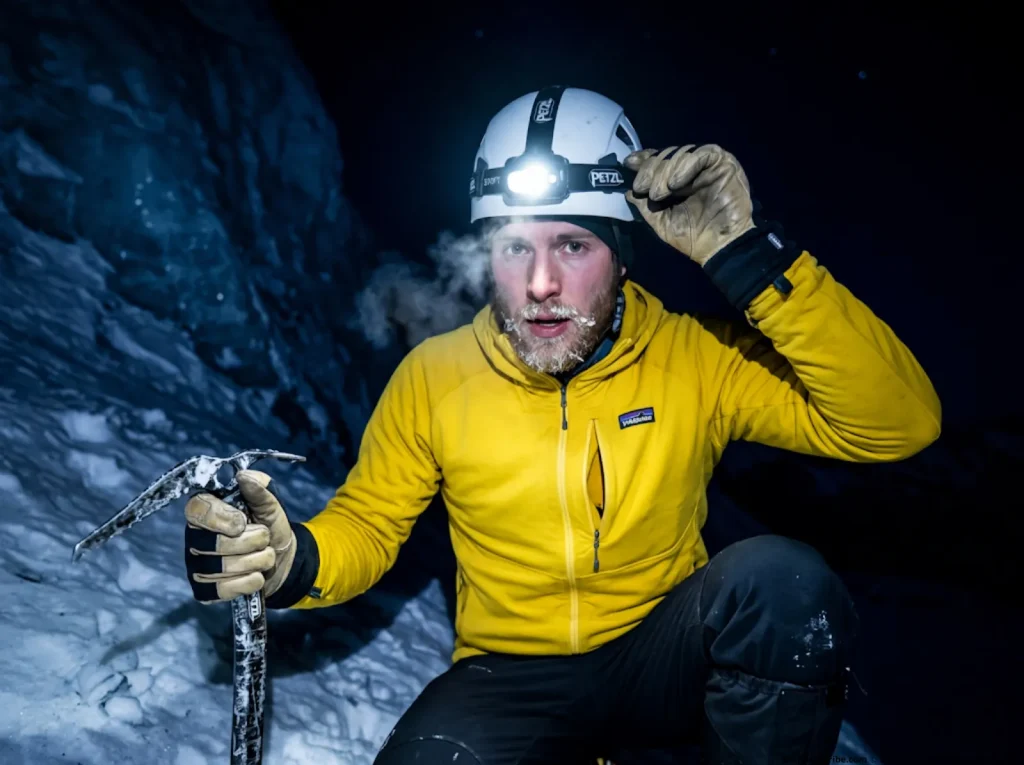
Your biology fights you in the dark. Between 03:00 and 06:00, human circadian rhythms push your core temperature to its absolute lowest point. Your muscles lack compliance, and your cortisol levels spike in protest. We accept this temporary misery for a massive safety advantage. This physiological trough means your metabolic rate operates at a deficit during those first pitch-black miles of an early start.
Guides push clients through this initial stiffness to bank hours against the mid-day clock. Waiting for those 90-min post-wake energy peaks at 10 AM puts you exposed on a ridge exactly when the atmosphere becomes violently unstable. Moving in the cold dark isn’t natural, but it guarantees you finish the hardest uphill work before the mountain heats up. Viewing your output through a biological lens makes the 4 AM alarm much easier to handle.
Overcoming the Early Morning Trough
You cannot step out of a tent at 4 AM and immediately crush a 2,000-foot ascent. You have to force an active warm-up. Twenty minutes of intentional, scaled movement artificially raises your core temperature to match your normal afternoon efficiency. This tricks your system into performing when you need it most.
When my trekking group forced an Alpine Start on Mount Rainier, the first hour felt miserable and stiff. Yet, bypassing the brutal solar-oven effect of the mid-morning glacier saved the team from profound exhaustion. Your cardiovascular system adapts quickly, absorbing the metabolic cost of the dark so you survive the noon sun. Proper gear-integration during this dark phase ensures you don’t overheat too early.
High Altitude and Ocular UV Load
Elevation strips away the atmospheric shield you rely on near sea level. For every 1,000 meters you gain, the concentration of UV index peaks jumps by up to 12%. Thinner air provides less atmospheric filtering, effectively turning high-altitude basins into radiation traps. Hitting the trail late practically guarantees you endure the four-hour window around solar noon when radiation is most direct.
The shadow rule offers a perfect field metric: if your shadow falls shorter than your height, the sun angle is delivering maximum punishment to your skin and eyes. Getting caught on an exposed ridge during these hours demands aggressive skin safety tactics and protecting against UV radiation in hot weather. Early departures ensure you are sheltered below the treeline long before the radiation spikes.
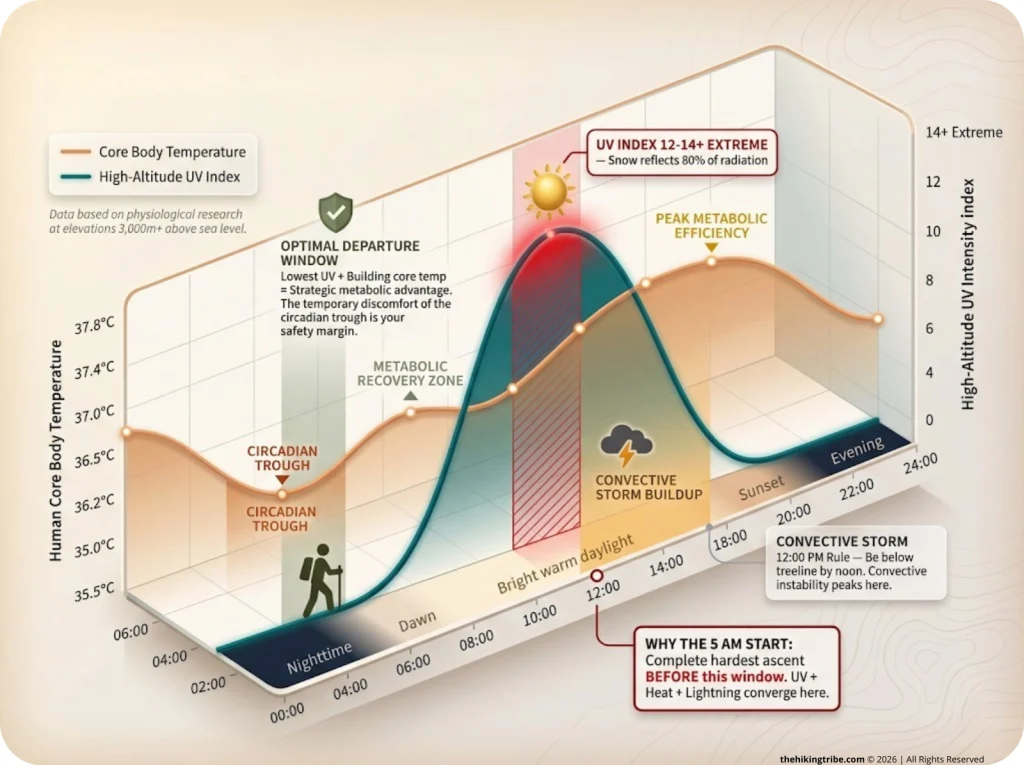
Pro-Tip: Never wear cheap sunglasses on a glacier or open snowfield. You need category-4 lenses with side shields. Snow reflects up to 80% of incoming light, and snow blindness feels like someone ground broken glass into your corneas.
Summer: Evading Convective Instability and Thermal Strain
The Thermodynamics of Afternoon Thunderstorms
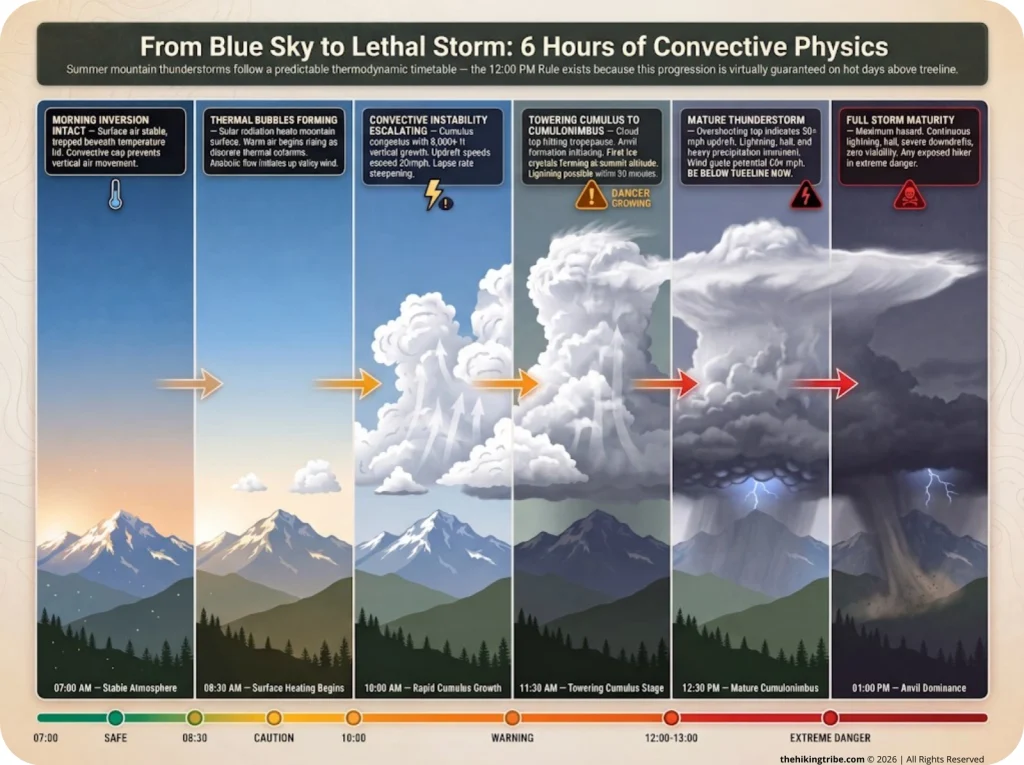
A clear trail head at 7 AM means absolutely nothing by mid-day. A morning surface inversion acts as a tight lid on the mountain atmosphere, trapping stable air near the ground. As the sun strikes the mountain, rapid surface heating breaks that stability and shifts the environmental lapse rates. This triggers anabatic wind flows—warm air currents rushing up the valleys, loaded with moisture.
This convective cloud formation turns fair-weather cumulus puffs into towering anvils in minutes. The heat releases massive energy, fueling afternoon thunderstorms directly over high summits. If you are reading the weather through a meteorological lens, you understand that summer storms run on a predictable, terrifying schedule driven by raw thermal physics.
The “12:00 PM Rule” for Summit Clearances
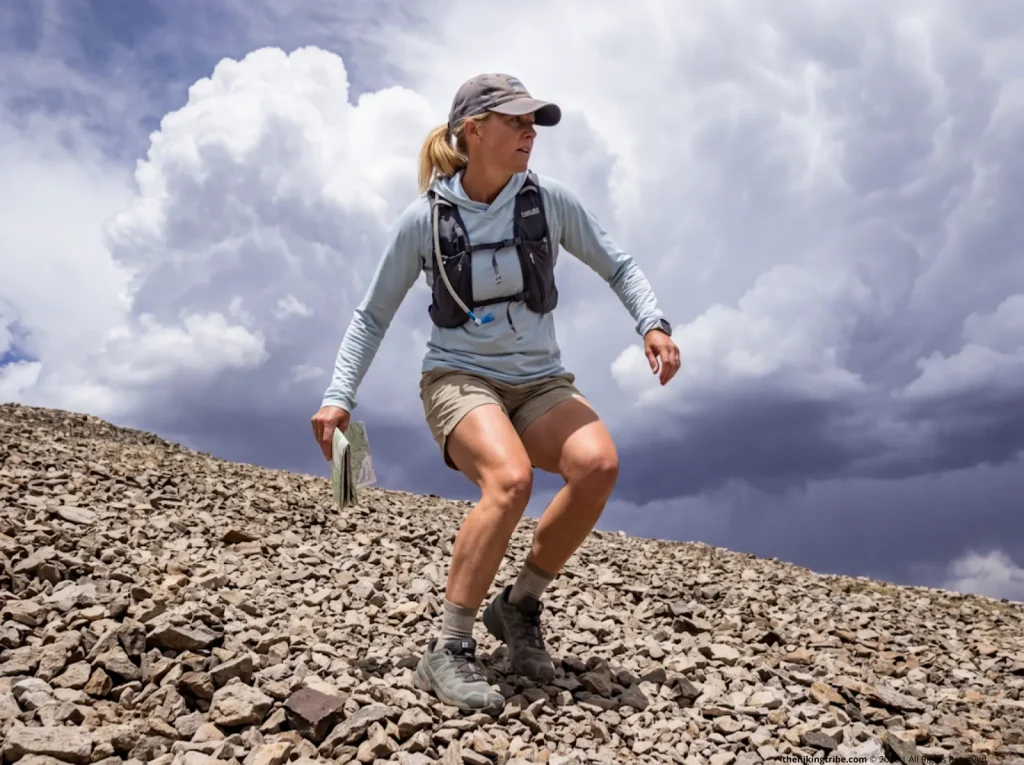
You must be below the treeline by noon. Period. This is the “12:00 PM Rule” and it remains the most critical mandate in summer mountaineering. Pushing past this turnaround time on Colorado’s 14ers is a rookie mistake that clogs up search and rescue bandwidth. Distant thunder is a non-negotiable directive to descend, regardless of how close the summit looks. Checking safety standards from organizations like the National Park Service confirms that altitude exponentially increases your lightning risk.
The highest lightning risk exists exactly when altitude-hungry hikers decide to take a chance and complete the final push. The sheer speed of vertical cloud growth means a manageable sky turns lethal faster than you can scramble down a talus slope. Your summer start time must respect this inflexible deadline. Planning trips from the Appalachian Trail to the Bermanzi trail in South Africa all require this same baseline caution.
WBGT and the Physics of Heat Strain
Air temperature alone lies to you. Your ability to survive the afternoon heat depends on the Wet Bulb Globe Temperature (WBGT). This metric integrates ambient heat, wind chill, humidity, and direct solar radiation into a single true measurement of thermal stress. Pushing steep climbs in a high WBGT environment destroys your aerobic capacity and drains your water reserves twice as fast. Using National Weather Service WBGT guidelines can help you properly gauge the true thermal load of the day.
Field data shows that hiking in heavy heat permanently damages your pacing for the day. You drop 11% in speed while your heart rate skyrockets, burning over two liters of water just to survive a mile of vertical gain. A 5 AM departure guarantees you dump your heaviest metabolic heat while ambient temperatures remain at their lowest. You want to execute the lightning safety protocol by being off the exposed rock long before the heat shuts your system down.
Winter: The Solar Budget and Hypothermia Avoidance
Exploiting the Mid-Morning Inversion Break
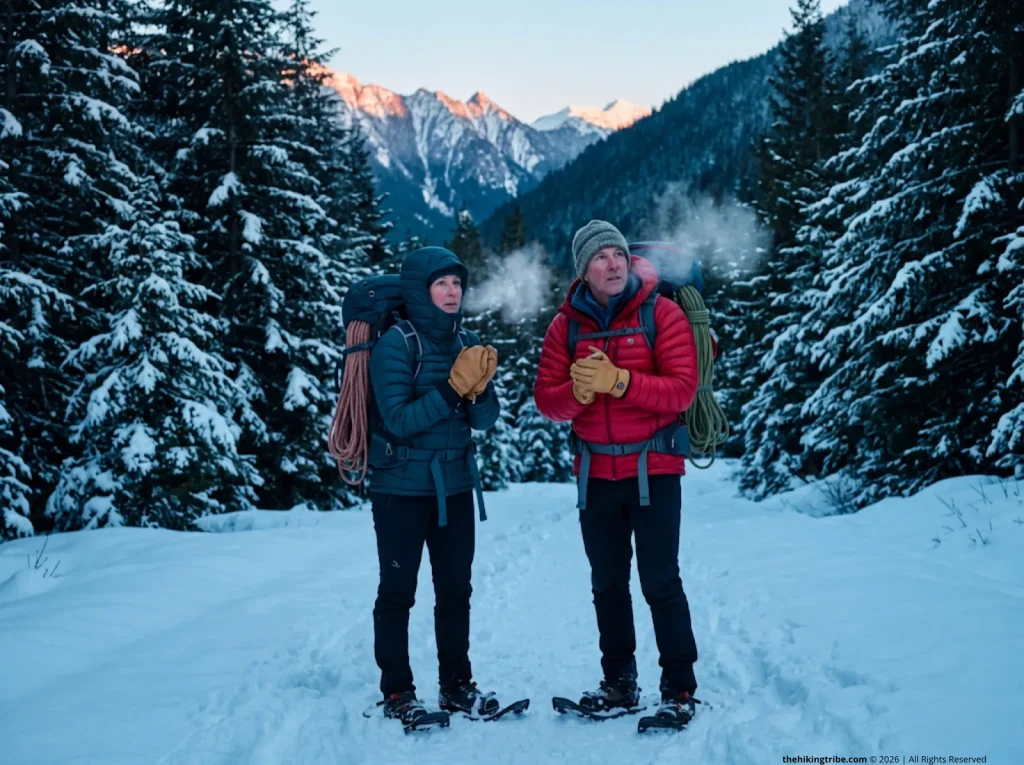
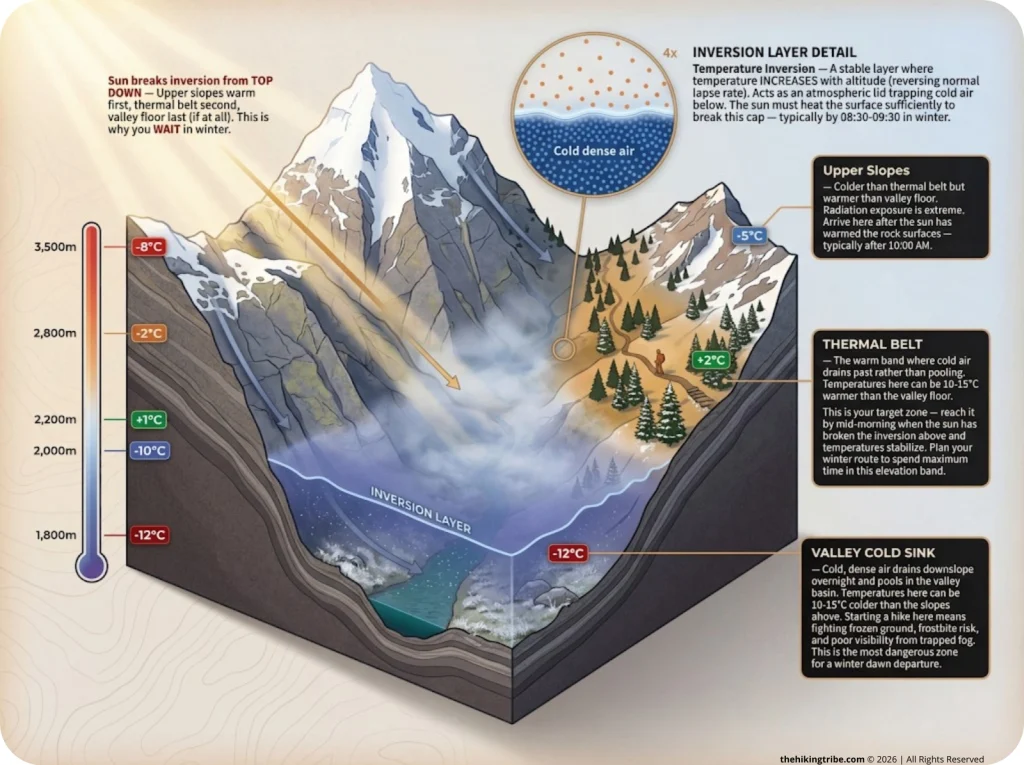
Freezing weather demands a complete reversal of your summer tactics. Plunging into a trail at 6 AM in December forces you into Valley Cold Sinks—basins where frigid, dense air pools overnight. These zones plunge substantially colder than the surrounding mountainsides. A winter start time needs patience.
You want the sun to crack the inversion. Starting between 08:30 and 09:30 allows the first rays of morning to shatter that trapped layer of bitter cold. The goal is to maximize your exposure to the sparse daylight hours while reaching the mid-mountain Thermal Belt, where temperatures surprisingly stabilize.
The Dangers of Post-Sunset Radiative Deficit
The second the sun dips behind a ridge, the temperature violently collapses. Without solar radiation offsetting your heat loss, moving through the shade forces a massive temperature drop. Managing thermal transfer is your only priority here. Hikers severely underestimate how fast their sweat turns to ice. Taking a rest break after sunset is begging for rapid-onset hypothermia.
This is a recurring nightmare for the weekend warriors who drag their feet on a descent. If you twist an ankle and stop moving, your mechanical heat production halts immediately. Surviving a static emergency in sub-zero darkness requires technical insulation that most day-hikers simply do not carry. If the math fails, you commit to overnight camping.
Executing the “1-Hour Safety Buffer”
You cannot race the winter sun. Planning any winter mountaineering route requires locking in a strict 1-hour safety buffer between your arrival at the car and absolute darkness. This padding absorbs minor sprained ankles, gear malfunctions, or navigation errors without triggering a high-stakes survival situation. If you cut it closer, you lose your margin of error.
Calculating this requires aggressive discipline. Integrating a strict turnaround time framework for summit attempts guarantees you execute the descent while the light still provides thermal comfort. Look at the historical SAR data from Denali; medical cold injuries almost universally stem from teams who ignored the clock.
Pro-Tip: Keep your water filter inside your jacket against your chest during freezing hikes. If a hollow-fiber filter freezes, the internal structure shatters completely and it becomes useless for the rest of the trip.
Spring: Navigating the Freeze-Thaw Cycle
Shear Strength and Avoidance of Post-holing
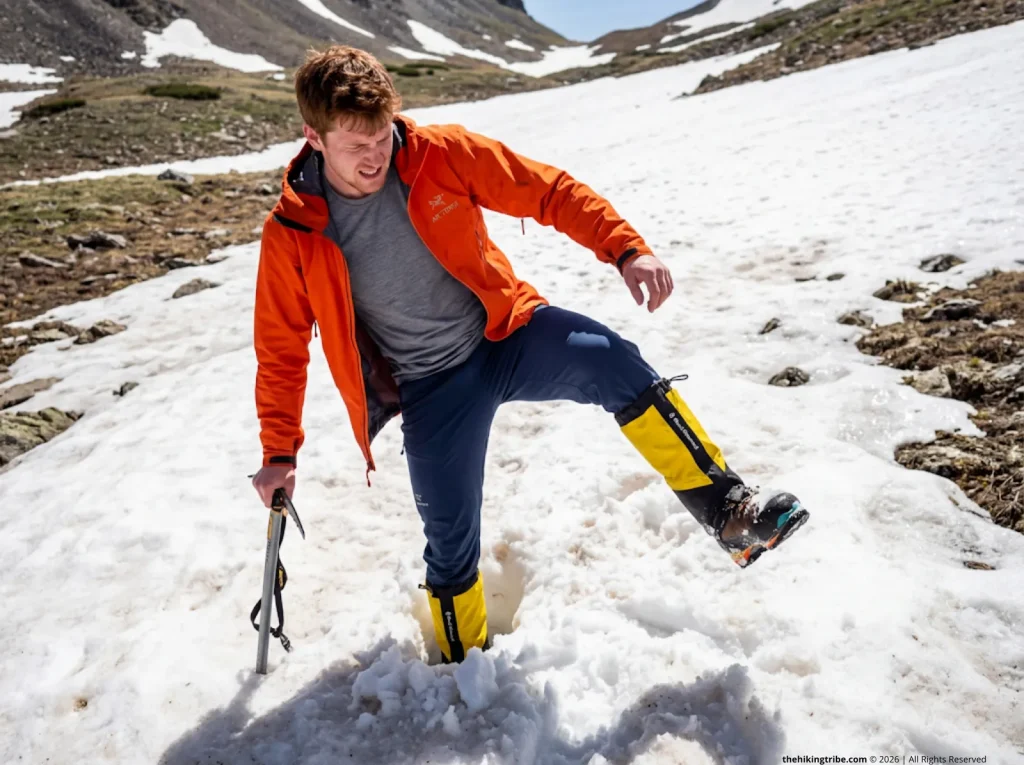
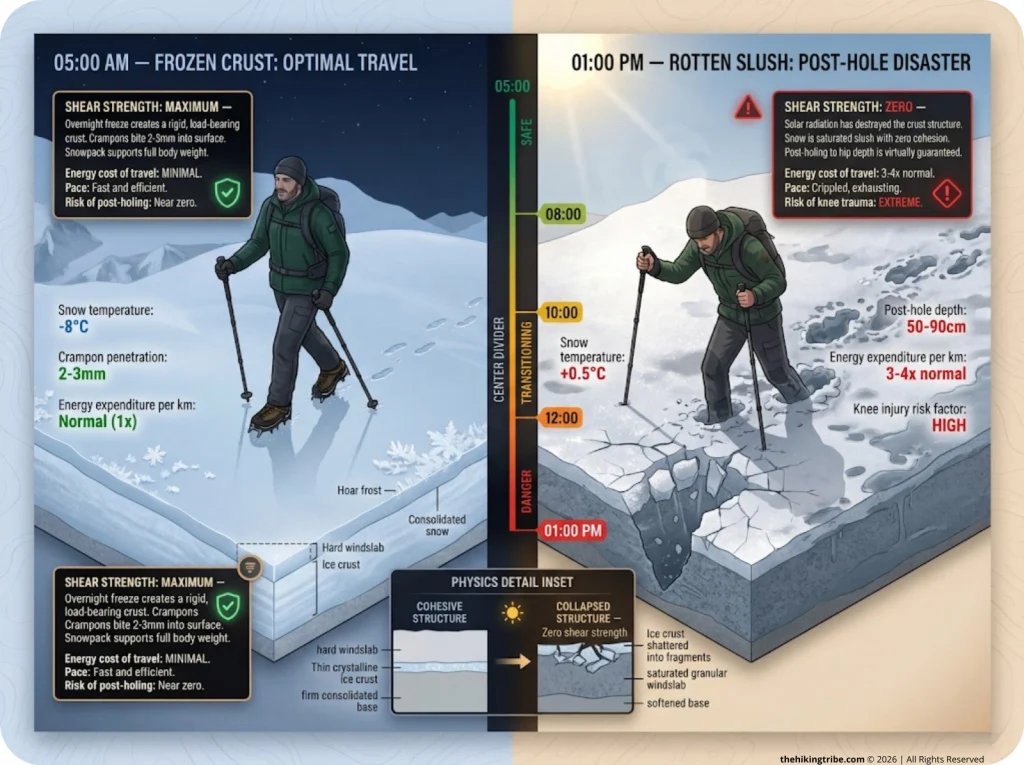
Walking on snow changes drastically hour by hour. An Alpine Start between 03:00 and 05:00 capitalizes on the crisp overnight freeze, which maximizes the shear strength of the snowpack—meaning its ability to hold your weight without collapsing. You want your crampons biting into bulletproof crust. This allows you to glide over deep drifts with minimal effort.
As soon as the morning sun strikes the snow, that structural integrity vanishes. You start post-holing—punching completely through the rotten slush, burying your leg to the hip. This destroys your pacing, exhausts your leg muscles, and drastically spikes the chance of catastrophic knee trauma. You either float on the frozen surface in the dark or suffer in the slush at noon.
Albedo Feedback and Reflected Radiation
The sun attacks you from two directions in the spring. Direct rays hit you from above, while the snowpack bounces up to 80% of that energy directly back into your face. This Albedo Feedback (snow reflectivity) creates a ferocious double-dose of radiation that cooks unprotected skin instantly. You can easily suffer severe sunburns while shivering in freezing air.
This blue-sky albedo requires total coverage, including the bottom of your chin and up your nose. It makes a 10 AM descent feel miserable. The earlier you finish your exposure to these massive snowfields, the less ocular damage and fatigue you tolerate. Balancing safety and performance depends on avoiding this exact window.
The “Mud Season” Ethical Imperative
Spring hiking eventually decays into the dreaded mud season. Trails morph into fragile, waterlogged trenches. Leaving custom tracks deep in the slop ruins the infrastructure. When you step around the puddles to save your Oboz footwear, you widen the track and cause permanent damage to the surrounding vegetation, even on the best trails.
This is not a suggestion—it is an ethical mandate. If the ground is not fully frozen by an early departure, you must trudge straight through the water or stay home. Respecting the trail means preventing trail erosion from walker impact by either timing your trek perfectly on frozen soil or accepting that your boots are getting wet.
Fall: Inversions, Clearances, and the Temperature Delta
Valley Fog and Early Morning Inversions
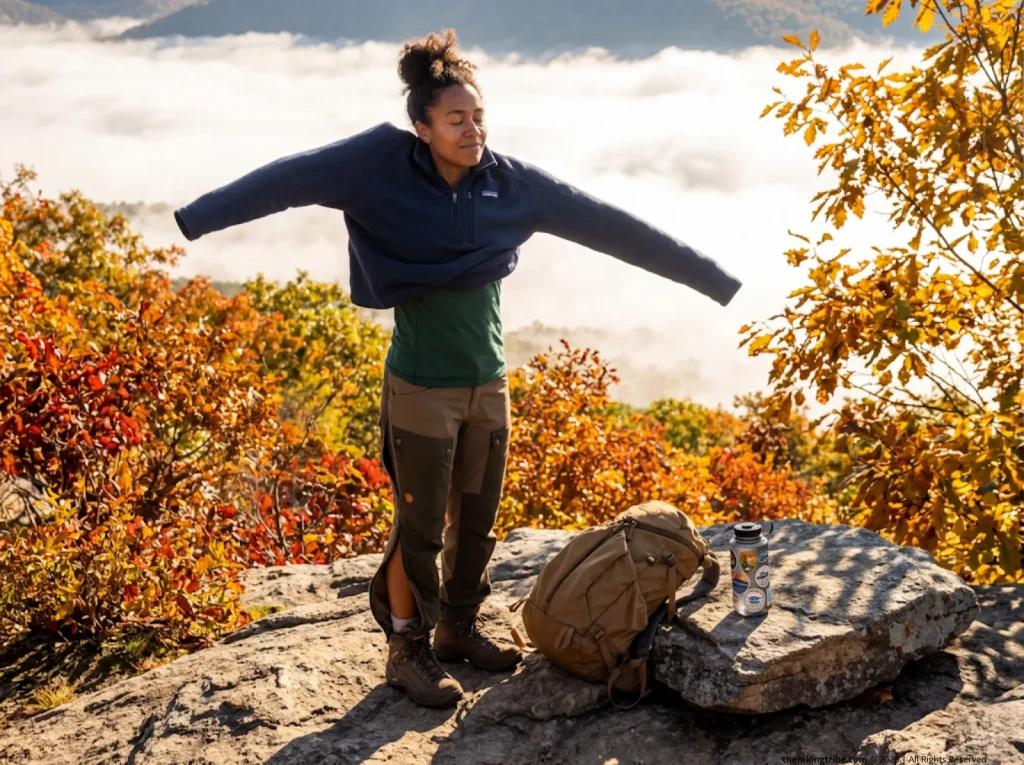
Autumn mornings trap thick, soupy fog tightly against the valley floor. High pressure and rapid overnight cooling construct absolute atmospheric stability. While summer demands speed, fall requires a calculated pause. Launching onto the trail at dawn means fighting poor visibility, saturated brush, and generally miserable conditions.
Delaying your push until 07:30 or 08:30 lets the rising sun bake off the damp chill. This rewards you with pristine photographic light quality and stellar navigation views. As we often discuss at The Hiking Tribe, understanding the meteorological lens of autumn inversion means making the sun do the heavy lifting for your comfort.
Shorter Days and Atmospheric Stability
The violent thunderstorms of July disappear by October. The real challenge becomes the relentless march of earlier sunset times. Your risk profile flips from avoiding lightning strikes to outrunning total darkness. The absence of convective threats lulls hikers into a false sense of security, encouraging lazy departures that end with a desperate, headlamp-free stumble down a scree field.
We track the shifting sunrise times aggressively. As the Appalachian Trail northbound pack shifts into higher latitudes, balancing daily mileage against evaporating light becomes critical. You gain safety from storms but lose the buffer of a long evening. Checking resources like Go Hike Virginia for local sunrise tables ensures you don’t get stuck in the dark.
Layering for a 30-Degree Fluctuation
Fall punishes incorrect gear choices. You face brutal temperature swings—often a 30-degree spike between a frosty morning trailhead and a sun-baked afternoon ridgeline. Layering for the delta between morning cold and afternoon heat is essential. Hikers who fail this test start cold, sweat through heavy cotton by 10 AM, and then freeze when the wind picks up on the summit.
You need a modular defense. Pairing merino wool base layers from brands like Woolx with aggressive venting allows you to dump heat easily. Mastering the art of efficiently layering for shoulder season extremes guarantees you manage the microclimates without soaking your insulation.
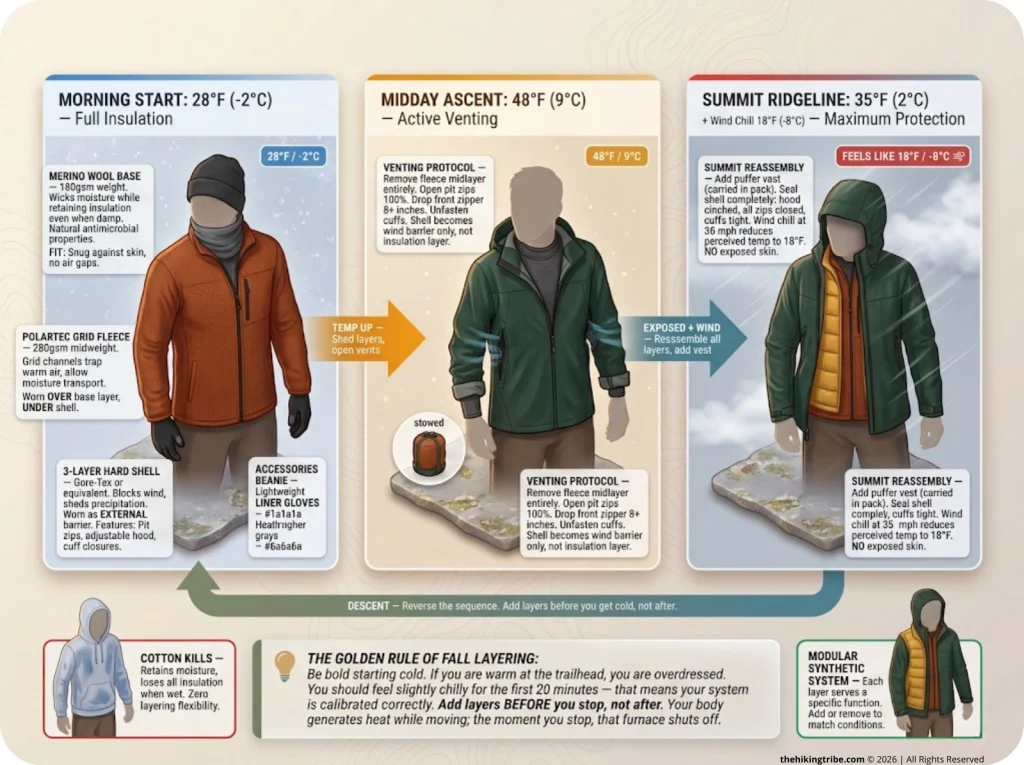
Pro-Tip: During hunting season alerts, swap out your neutral outdoor colors for blaze orange. A bright pack cover and a solid orange beanie ensures you stand out vividly against the fading autumn foliage.
The Strategic Start Time Calculation
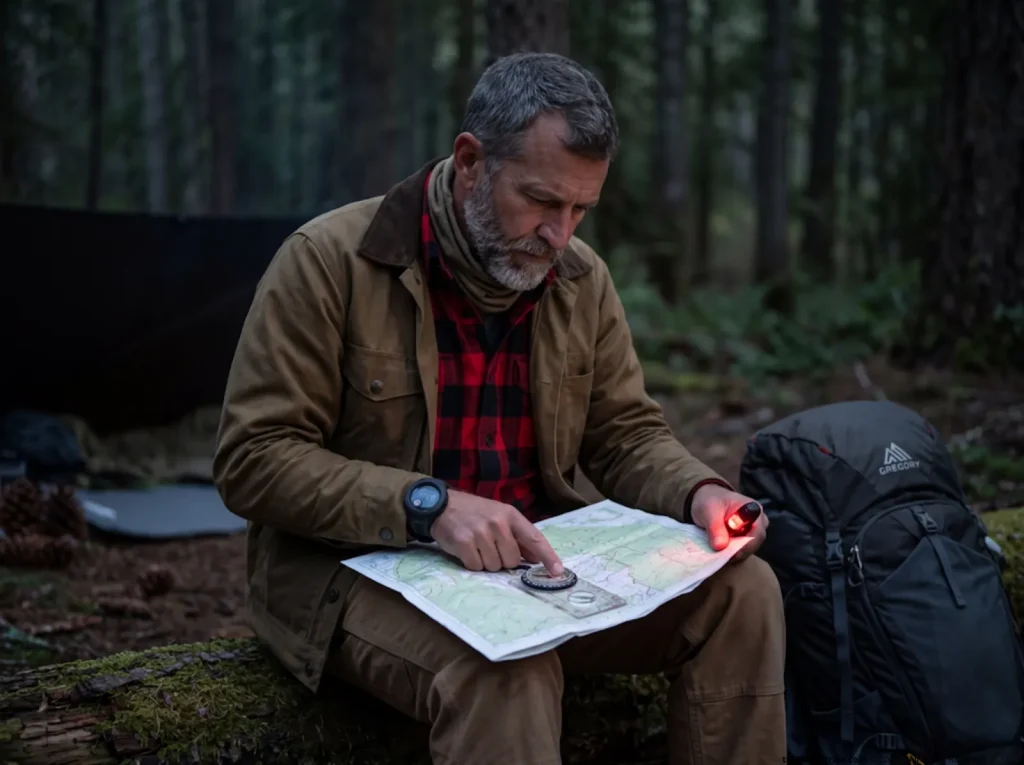
The Sunset, Distance, and Buffer Calculation
Guessing when to hike causes fatalities. Real backcountry travel demands the start time formula: Time of Sunset, minus Distance divided by Pace, minus your Buffer. This calculation forms the backbone of any professional safe-start matrix. It removes emotion, laziness, and optimism from your decision entirely. Use our seasonal start-time reference card to verify the correct buffer for your current month.
If you know sunset is at 19:00, your distance is 10 miles, your pace is 2 mph, and your buffer is 2 hours, your absolute latest departure is 12:00. This calculation forces technical hikers to confront reality before leaving the trailhead parking. Maximizing trail time requires honest math before you take a single step.
Adjusting the Safety Buffer for Terrain
The safety buffer dictates your survival. A local state park loop might only require a 1-hour pad. Pushing into scrambling territory, traversing remote sections managed by the AT Conservancy, or tackling icy winter routes cranks that minimum buffer to three hours or more. Reading the terrain through a logistical lens changes everything about your timing.
Terrain dictates friction. You never hike at a perfect, continuous pace. Ankle sprains, blown boot soles, and sheer exhaustion eat your clock. Treating the buffer as a flexible suggestion is how you earn a free helicopter ride from search and rescue teams.
Calculating Energy Equivalent Miles
Flat mileage means nothing in the mountains. Every 1,000 feet of vertical gain exerts the same physical toll as an added flat mile. These are Energy Equivalent Miles. If a route hits 5 miles round-trip but climbs 3,000 feet, you must calculate your pace against an 8-mile exertion map.
You need to lock down an accurate pace by estimating baseline hiking time using Naismith’s Rule. This factors in your true output. Combine exact mileage calculations with the recommended start time rules, and you possess a bulletproof logistical plan that guarantees you exit the wilderness on your terms.

Conclusion
Convenience is a luxury the backcountry completely ignores. By understanding the violent thermodynamic shifts of a summer afternoon, the sheer metabolic penalty of spring post-holing, and the unforgiving math of a sunset turnaround buffer, your departure time becomes your primary defense. Treat your watch with the exact same rigor you apply to your medical kit.
Run the numbers before your next trek, account for the physical variables of your target season, and embrace the friction of a well-timed alpine start. You secure your safety by beating the mountain at its own game before you even reach the trailhead. Next time you pack your bag, set your alarm with absolute purpose, and leave nothing to chance.
FAQ
When is the absolute latest time you should start a day hike?
Never start without mathematically confirming your exit using the start time calculation. If calculating sunset minus your total estimated hike time and a strict safety buffer returns a time that has already passed, the hike is completely off the table. You must either shorten your objective or stay in camp.
Are afternoon thunderstorms really guaranteed in the summer?
Rapid convective heating builds high-altitude thunderstorms as a near certainty on hot summer mountain days. The inflexible 12:00 PM Rule exists because incoming solar radiation continually destabilizes the atmosphere, converting a calm morning sky into a severe lightning hazard in a matter of minutes.
Why does hiking early in the morning feel so much harder?
Your core temperature and neuromuscular power strike their absolute biological low point between 3:00 AM and 6:00 AM. While this circadian deficit makes the initial push feel miserable, it prevents the exponentially more dangerous metabolic tax of high WBGT thermal loads later in the afternoon.
Should I always hike at sunrise if I want to avoid crowds?
While a dawn departure reliably beats the congestion in summer or fall, it proves physically hazardous during deep winter. Extreme cold forces a tactical shift to mid-morning starts, allowing the rising sun to smash freezing valley cold sinks and deliver baseline ambient warmth before you gain elevation.
I've spent more than a decade researching hiking gear and trail technique. I read the specs, the forum threads and the long-term reviews, and every pick here comes with what it gets wrong.
End of the trail
You read every mile of this one. Here's where the trail goes next.