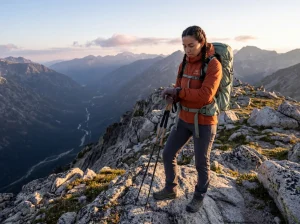
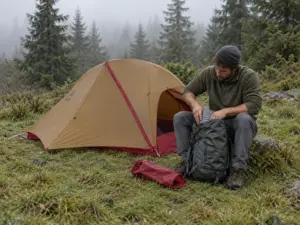


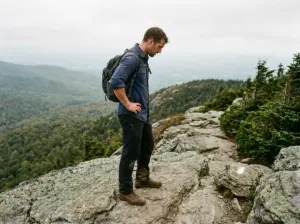
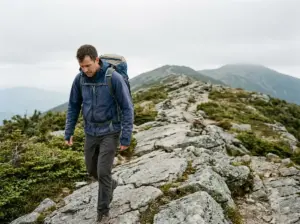
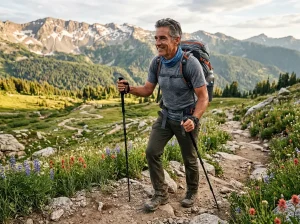
The sun was blazing at the trailhead when we locked the car, but three hours later on the summit ridge, the temperature plummeted 30 degrees into a freezing whiteout. We were staring down a sheer Class 3 rock scramble in summer gear with exactly zero cell service—a textbook example of the “Type 2 Fun” that quickly spirals into a rescue scenario when you don’t calculate the physics of the mountain. After 15 years hauling heavy packs across remote ridges, I’ve seen that exact scenario play out dozens of times, usually triggered by pre-hike anxiety pushing people to just walk rather than formulate a real plan. Here is exactly how to build a bulletproof logistics system—no panic, no helicopter rescue necessary.
⚡ Quick Answer: To successfully plan a rugged trip, you must calculate metabolic demands using the Energy Mile, factor in temperature drops of 3.5°F per thousand feet of elevation, and prepare hard topographical backups for your digital apps. You also must map out trailhead parking windows and commit to a rigid turnaround hour to beat incoming storm systems or nightfall.
| Metric Baseline Calculations | |
|---|---|
| Metric | Baseline Calculation |
| Men’s Energy Equivalent Mile | 500 ft ascent = 1 flat mile |
| Women’s Energy Equivalent Mile | 769 ft ascent = 1 flat mile (1.3 miles per 1,000 ft) |
| Environmental Lapse Rate | 3.5°F drop per 1,000 ft of elevation gained |
The Physiology of the Route: Distance vs. Elevation Reality
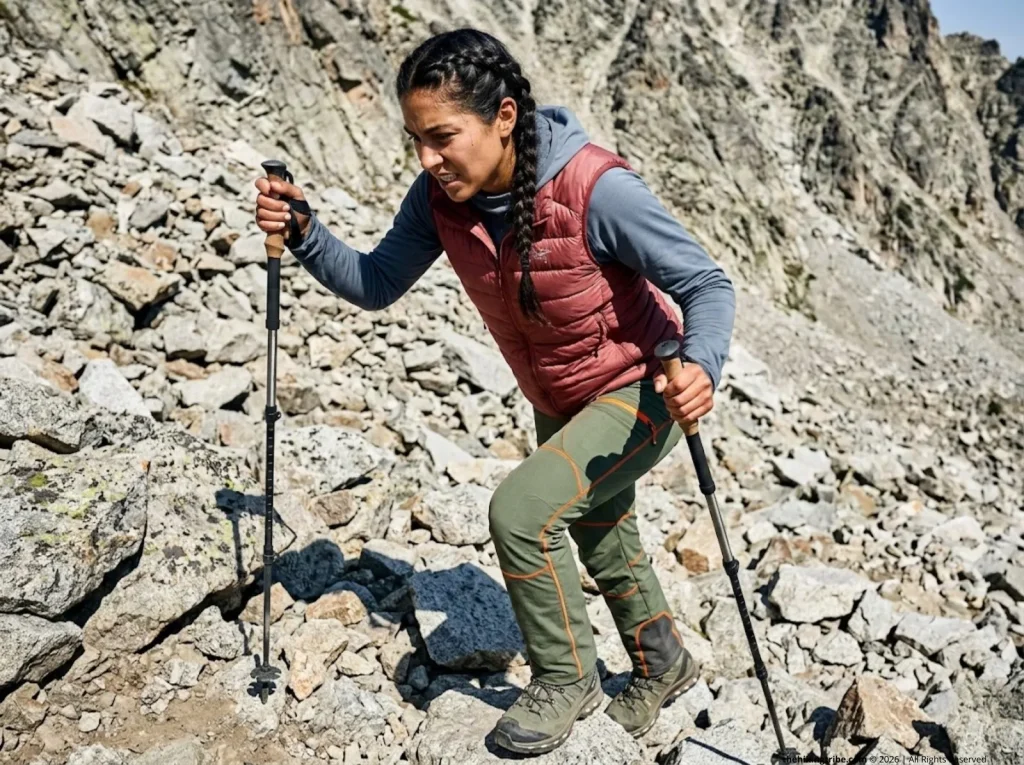
To successfully outline a technical day trip, you cannot view your route just as a flat line on a map. You must mathematically profile the trail’s physical demands beyond simple horizontal trail distance. Naismith’s Rule sets our baseline reality check: expect to hike 1 hour for every 3 horizontal miles, plus an additional 1 hour for every 2,000 feet of ascent. Understanding this math lets you calculate your true moving time and core hiking time rather than guessing based on your casual walking speed.
Measuring Out-and-Back vs. Loop Trail Mathematics
Your trail difficulty shifts heavily depending on the shape of your route. A loop trail hides its total gain, spreading the punishment across varied scenery. Meanwhile, an out-and-back trail or a massive point-to-point trail forces you to double up on specific, localized challenges like plunging down a deep scree field that you just spent an hour climbing. When building your group itinerary template, you must analyze exactly where the steepest grades hit your energy curve. Do those sharp contour lines appear early when you are fresh, or late in the day when your legs feel like lead? You absolutely must build your group speed calculation around the slowest member of your party to maintain safety cohesion.
Leveraging the Energy Equivalent Mile (EEM)
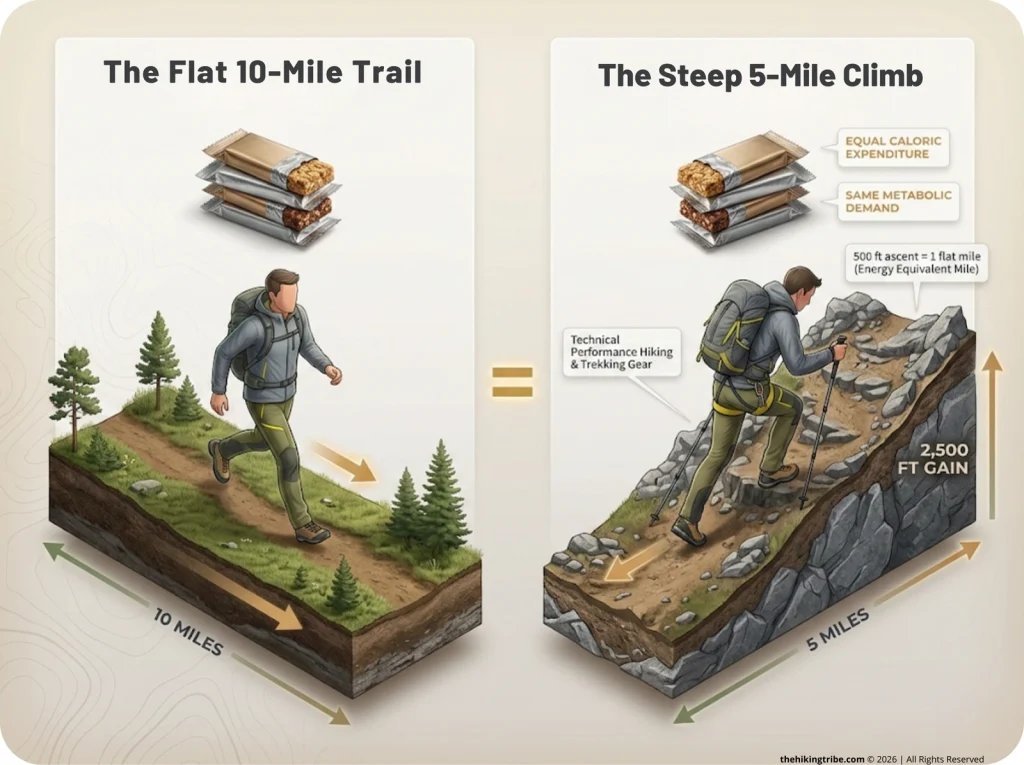
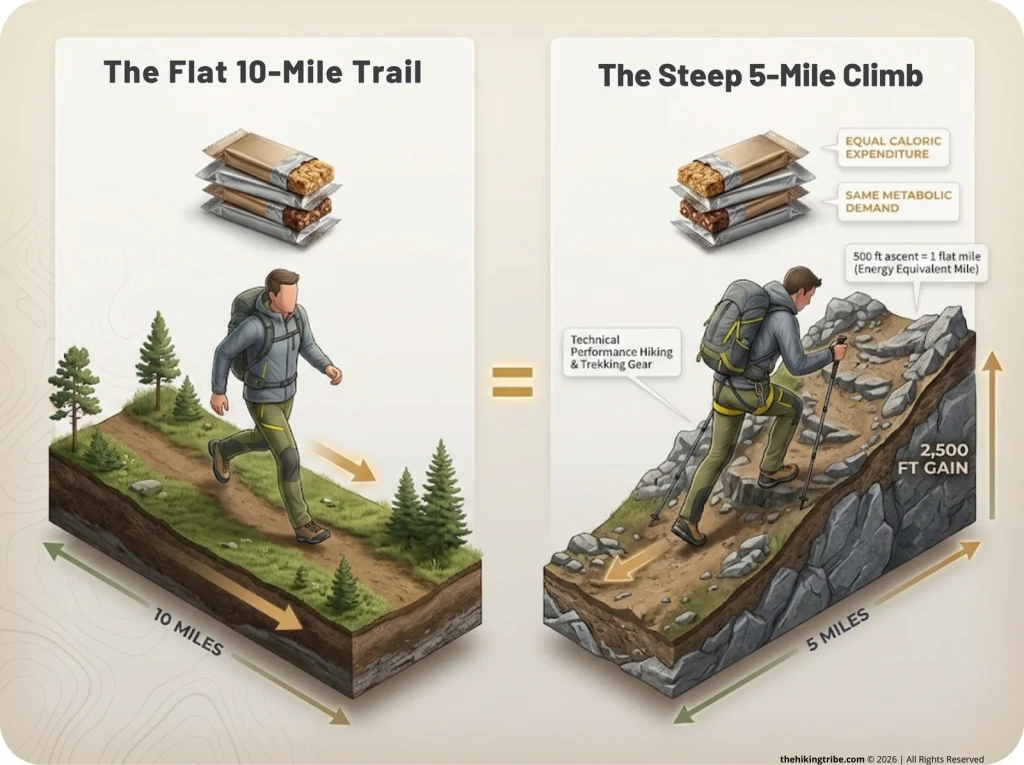
A deceptive 5-mile trail featuring 2,500 feet of elevation gain is not a quick afternoon stroll. For men, climbing 500 feet of ascent is metabolically equivalent to walking 1 flat mile. Women display higher biomechanical efficiency uphill, equating to roughly 1.3 miles per 1,000 feet of gain. That means your short mountain trek is functionally a 10-mile maximal effort. Knowing this allows you to leverage a calculated pace table and predict exactly how many calories you need before stepping on the dirt, preventing hypoglycemia or “bonking.” Do the math at home, and plan specific macronutrient intake for your ascents rather than relying on haphazard snacking.
Understanding the Downhill Braking Tax
Hikers often spread the dangerous myth that the descent is free energy. It is not. Tobler’s Hiking Function reveals a physiological optimization: humans only hit their maximum walking speed on a gentle -5% to -7% down-slope. Once your steep terrain exceeds a 10% downhill grade, your speed decreases dramatically. Steep descents require massive caloric burn just to stabilize the braking force of your knees against gravity. You must fuel for the descent just as hard as you do for the climb, or you invite a blown knee right at the worst possible time.
Pro tip: Don’t fall for “sandbagging” where locals severely under-rate a trail’s toughness. Treat mountain miles and beach miles as entirely different measurements.
Decoding Technical Terrain and Access Logistics
The wilderness requires massive preparation simply to bypass the logistical hurdles of modern access. You cannot just drive to a mountain and start walking anymore. Building calculated confidence means fully understanding the literal rock you are stepping on and the bureaucracy required to get there. By translating the National Park Service grading systems and recognizing the reality of modern crowds, you establish a baseline for your whole operation. Understanding the Yosemite Decimal System directly connects your broad terrain homework to the blunt realities of Class 3 and Class 4 risk management.
Surviving Trailhead Panic and Permitting
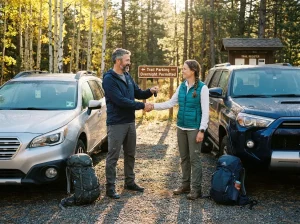
The outdoor industry boom has created intense trailhead parking scarcity. If you plan to pull into a major trailhead at 9:00 AM on a Saturday, your trip is already ruined. You need to aim for true alpine starts—6:00 AM or earlier—just to secure a scrap of dirt for your tires. Add the layer of strict parking permit requirements, which often demand logging into Recreation.gov months in advance or battling for last-minute daily lotteries. Do your homework long before the weekend, so you do not find yourself turned around by a ranger blocking the entrance gate.
Navigating Mandatory NPS Shuttle Systems
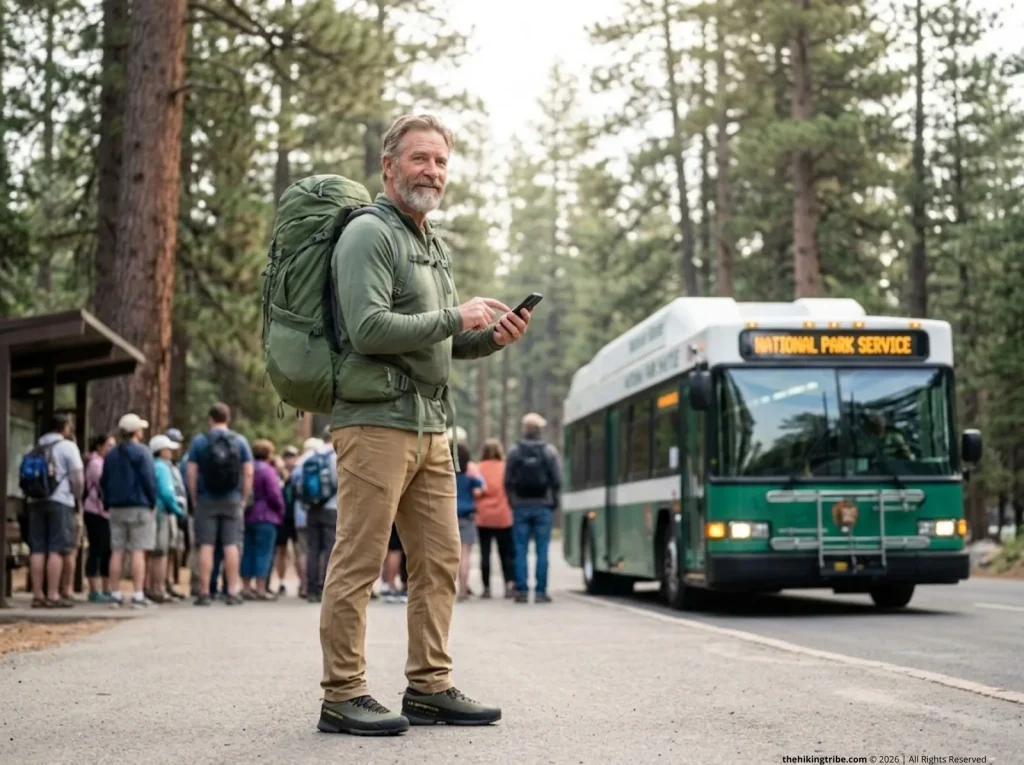
The new reality of public transit hiking means you operate on the government’s clock. Many major National Park Service sectors require you to park miles away and ride mandatory shuttle systems to the actual dirt. You must build a timeline that accounts for massive queue times and transfer delays, like the brutal 90-minute ride from Apgar to Logan Pass in Glacier. Always map out the absolute last guaranteed outbound shuttle. If you miss it, you are sleeping in the dirt.
Translating the Yosemite Decimal System (YDS)
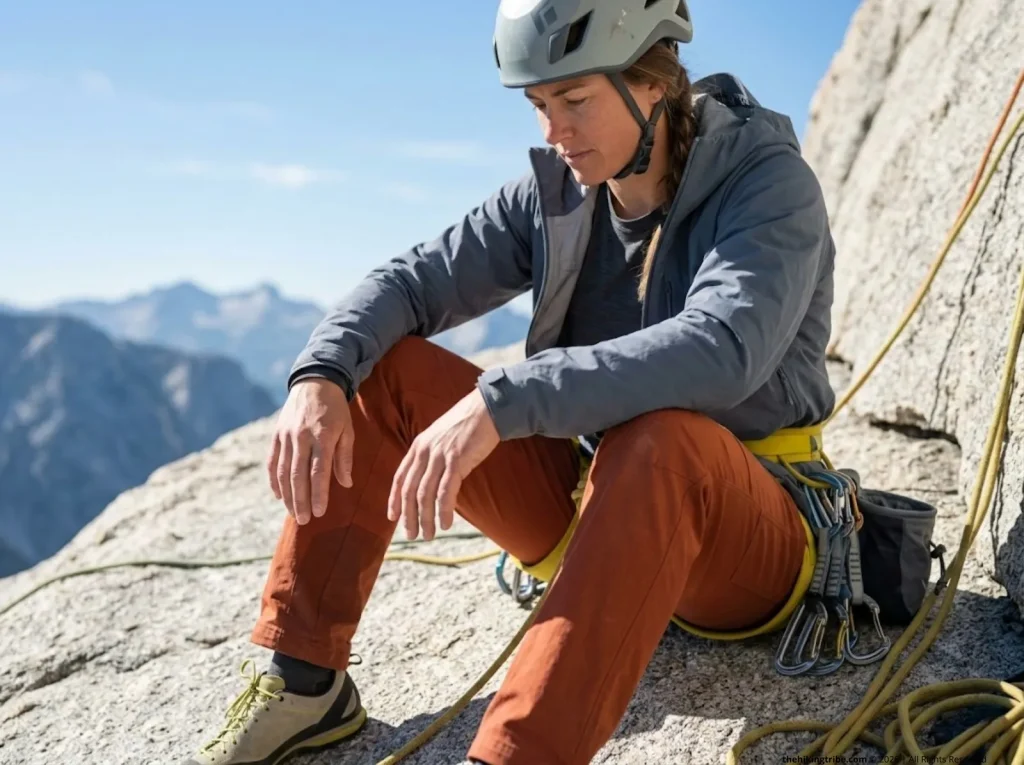
Not all dirt paths are created equal. The Yosemite Decimal System is the North American standard for routing difficulty. Class 1 is a flat boardwalk. Class 2 involves rocky terrain and talus fields requiring careful, stable steps. The moment you hit Class 3, you are scrambling. This is where exposure to fatal falls becomes real, and handholds are mandatory for upward progress. A sudden shift into Class 3 means you better have stowed your poles and have both hands free. Never trust crowd-sourced trail apps that casually brush off severe exposure as “a bit tricky.”
Mountain Microclimates: Why City Forecasts Fail
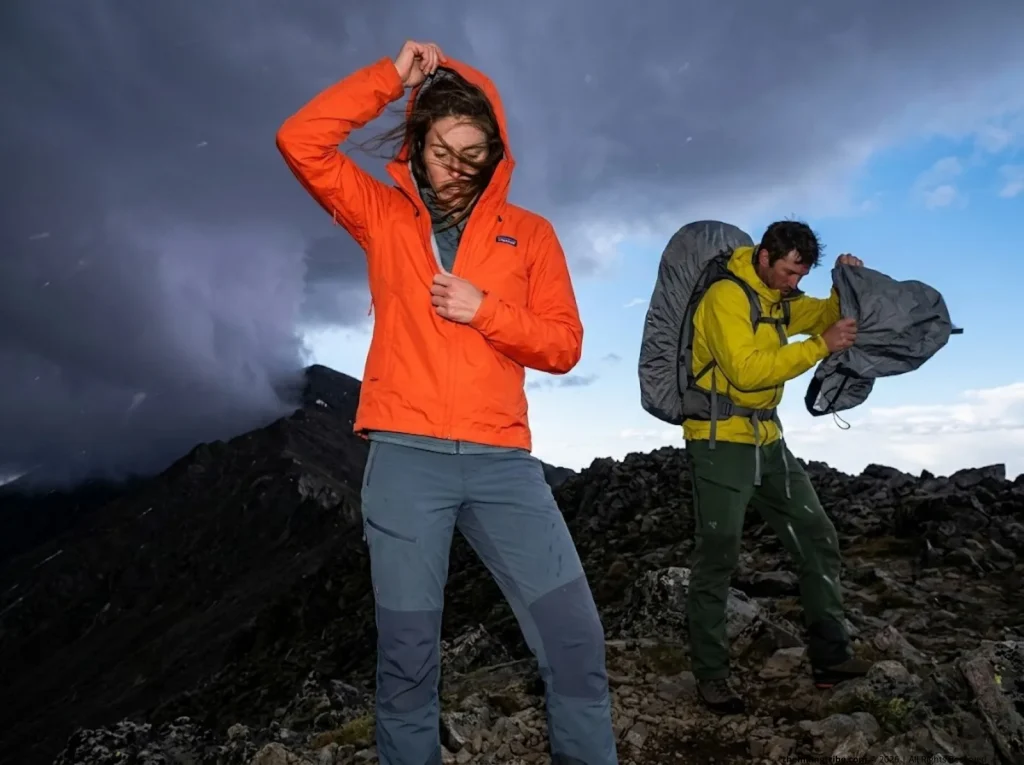
Elevation gain fundamentally breaks normal weather patterns. Dissecting the atmospheric dangers of your route exposes the fatal flaws of relying on standard regional weather apps. The sky does not care what the temperature is in the valley where your car is parked. You must account for radical temperature shifts and violent local storms that form out of thin air to survive unpredictable conditions.
The Fatal Flaw of Baseline Weather Apps
When you check your phone for the high temperature in the nearest incorporated town, you are fetching useless data. Standard apps ignore the massive, jagged slabs of rock rising 10,000 feet directly above that town. Instead, you need a highly specific mountain weather forecast from tools like Mountain-Forecast or Windy.com that show the exact temperature at your target summit. Do not let valley sunshine trick you into leaving your rain gear in the trunk.
Calculating the Environmental Lapse Rate
The standard Environmental Lapse Rate holds a harsh, unbending rule: temperatures plunge roughly 3.5°F for every 1,000 feet of altitude you gain. If your trailhead is baking at 70°F, reaching a 7,000-foot summit guarantees temperatures hovering near 50°F before you even calculate the bitter windchill. These shifting shoulder season weather variables can induce hypothermia while you are sweating in a t-shirt. Tie this predictable temperature drop directly back to your baseline layering strategy before you leave the house.
Navigating Orographic Lift and Wind Systems
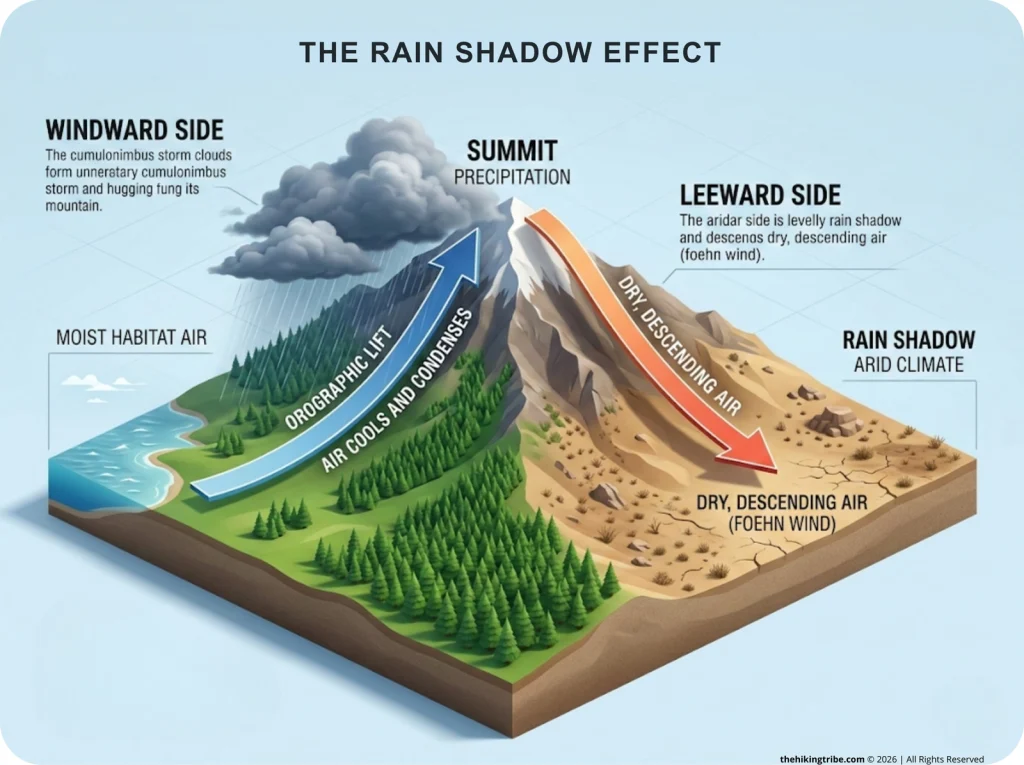
Mountains physically manufacture their own violent weather. As moving air masses hit a mountain range, they are forced upward. This process, called Orographic Lift, rapidly cools the air, condensing it into unforecasted rain, snow, and dense whiteout fogs. Those picturesque clouds capping the summit can instantly plunge you into zero-visibility. On the flip side, the leeward edge of the mountain can experience hyper-dry “Foehn winds” that strip the moisture right out of your lungs.
Pro tip: Store your phone in an internal pocket tight to your chest. Your core body heat stops the lithium-ion battery capacity from crashing to zero in 30°F alpine wind.
The Turn-by-Turn Blueprint: Digital vs. Analog Navigation
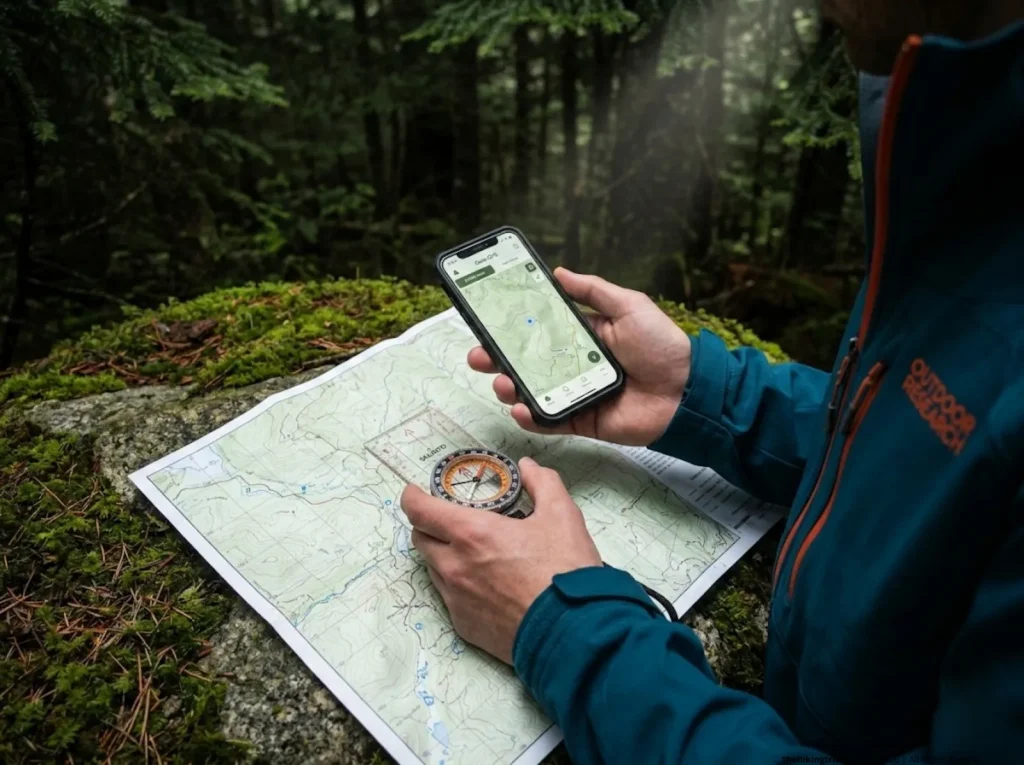
You need a bulletproof digital navigation strategy that heavily relies on offline tools, fiercely backed up by paper topo maps. Trusting your route entirely to a fragile piece of glass is a gamble that regularly ends in search and rescue calls. Establishing a robust plan requires evaluating a dedicated hiking GPS unit versus your smartphone and respecting the limitations of both.
Mastering Offline GPS Applications
Assuming you will have 5G cell service availability beneath heavy tree canopies or deep inside slot canyons is a massive failure in judgment. If you use AllTrails or Gaia GPS, you must commit to rigorous offline syncing protocols while sitting on your living room couch. These tools outperform basic consumer apps like Google Maps only when preloaded. Download the high-resolution topographic and satellite layers for your specific grid. Then, conduct a strict airplane mode test at your house to verify the topographical tiles are fully cached. Out on the trail, keep your phone locked in Airplane mode to save battery life, recognizing the difference between heavy tracking and simply pinpointing your location.
The Paper Topographic Map Redundancy
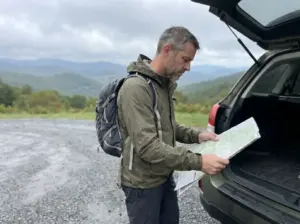
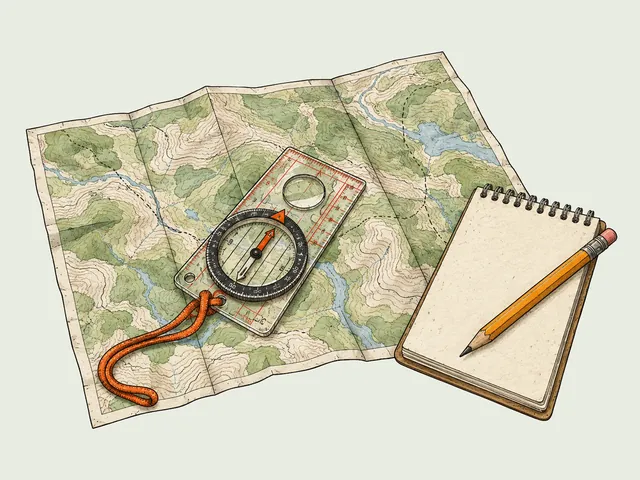
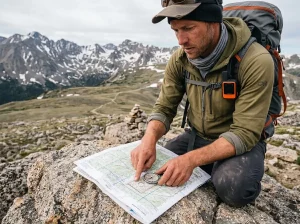
Digital tools fail. Batteries die in the cold, and screens shatter spectacularly when dropped on Class 2 scree. A physical paper map serves as an indestructible handrail for your journey. Paper maps provide superior macro-context compared to pinching and zooming on a tiny 6-inch screen. Beware of printing your route on basic printer paper that instantly dissolves the second you sweat on it. Grab waterproof synthetic maps or seal your printouts, and learn to read contour lines when graphing your route to anticipate the steepness of the grade ahead.
Understanding Magnetic Declination
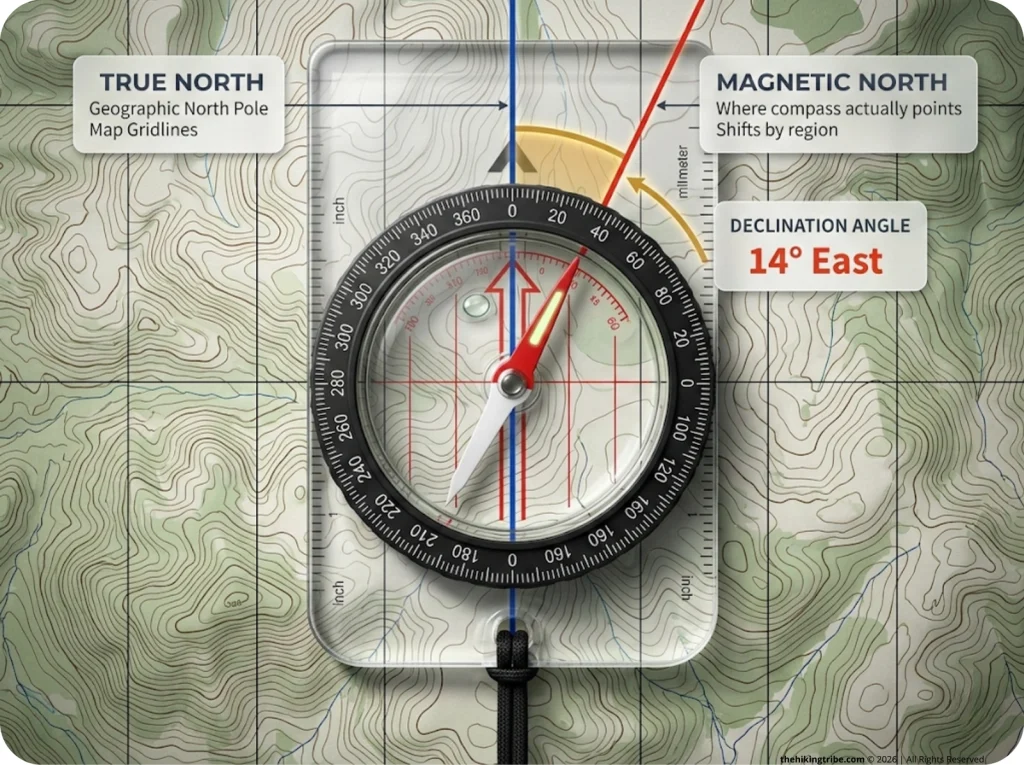
Your compass needle does not actually point to true geographic north; it points to a shifting magnetic field. This angle difference is called magnetic declination, and it shifts dramatically depending on your geographic region across the globe. You must physically adjust your baseplate compass to account for this regional shift before taking a bearing. Take a firm bearing shooting down the trail right at the parking lot. If you ever lose the path, you know the exact line to walk back to your car.
Packing the “Safety Matrix”: Elevating the 10 Essentials
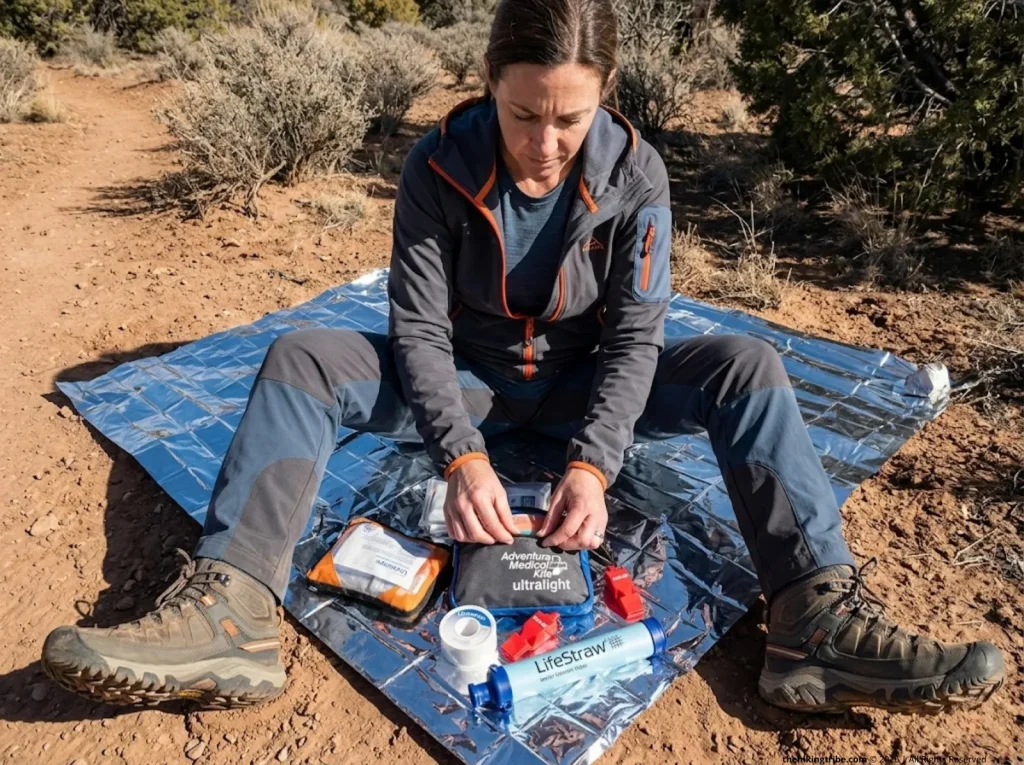
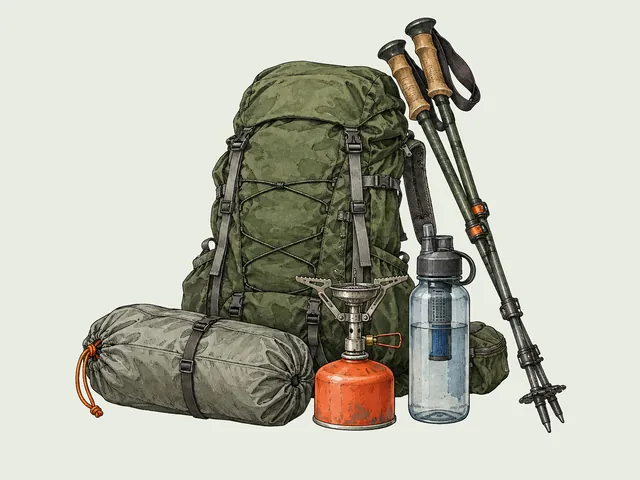
The classic 10 essentials list is often treated like a casual hiking 101 checklist. You need to treat your backpack loadout as an aggressive, calculated defense against the physics of the trail. Stop packing like you are going to a picnic. A proper digital-first safety mindset combined with serious survival gear provides the margin of error you need when things go sideways in the woods, eliminating dangerous decision fatigue. When you start building out a foundational hiking gear kit, focus on items that actually keep you alive.
Precision Hydration and Micron Filtration
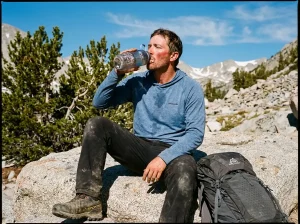
You cannot carry all the water you will drink on a rugged summer ascent; it is simply too heavy. Plot your water source frequency on your map ahead of time, and carry exactly what you need to reach the next creek. When you get there, filtration is mandatory. Ensure your filter is rated with the correct micron pore size to physically eliminate Giardia and Cryptosporidium from those alpine streams. Bring highly packable, collapsible bladders to massively expand your carrying capacity for long dry stretches.
Packing for Unforgiving Microclimates
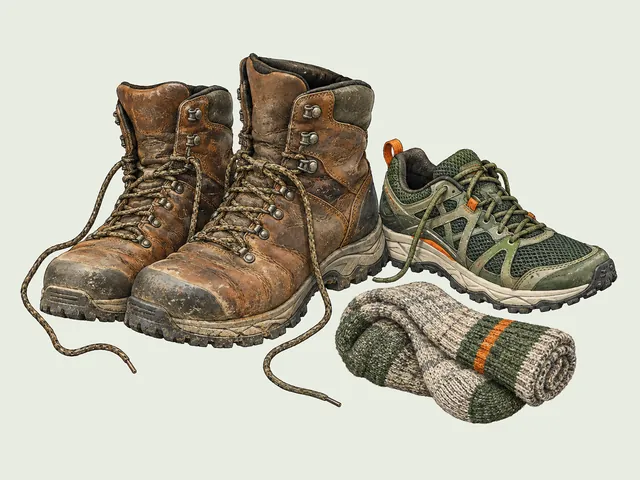
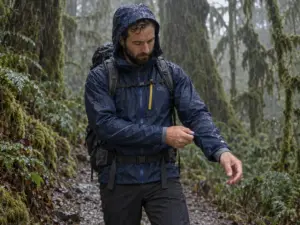
You must pack a completely waterproof hardshell jacket, even if there is not a single cloud in the sky at the trailhead. When the wind rips across an exposed, treeless ridge, a simple, ultralight wind-shirt prevents rapid convective heat loss that plunges you into hypothermia. Always pack an extra pair of dry merino wool socks stashed in a plastic bag; they are strictly designed for emergency warmth if you find yourself immobilized.
The Wilderness First Aid Mindset
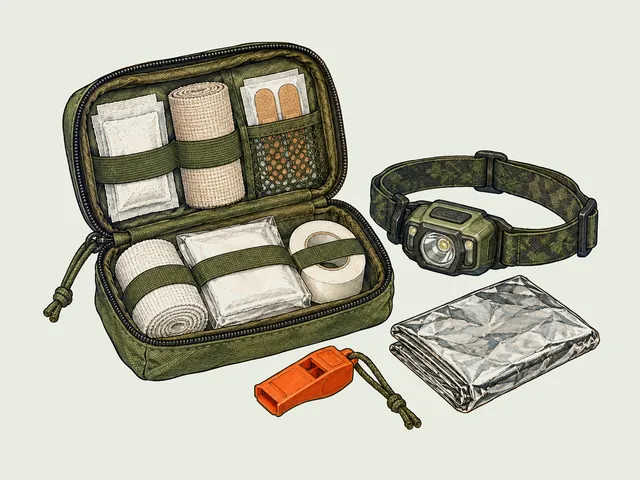
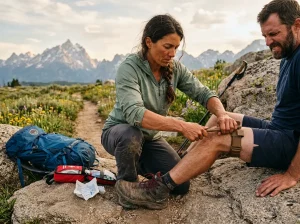
A basic box of band-aids does absolutely nothing for you miles from the car. Prepare your trauma kit for high-probability issues: blister prevention with stiff Leukotape, splinting materials for rolled ankles, and treatments for subungual hematomas (black toenails). Throw a dedicated headlamp with fresh lithium batteries into the bag rather than relying on your dying smartphone flashlight. Pack dense, emergency caloric rations designed specifically to shock your system out of sudden energy depletion.
Pro tip: Always pack a redundant signaling method. A loud, pea-less survival whistle penetrates windy ridge lines and roaring creeks where the human voice vanishes instantly.
The Final Pre-Hike Check: SAR Avoidance and LNT Stewardship
Venturing into the backcountry carries severe stakes. Cement your survival by respecting hard governmental statistics, employing strict avoidance protocols, and adhering to environmental mandates. We have to address leader liability and ditch the ego required to walk away from a summit.
Internalizing Search and Rescue (SAR) Statistics
The numbers are grim. Hiking accounts for a massive 48% of all NPS Search and Rescue operations. According to NPS mortality data spanning multiple years, 79% of all mortality incidents in National Parks involve male subjects, frequently stemming from profound overconfidence in solo scenarios. By leaving a detailed trip plan with someone back home, you eliminate a massive blind spot. Without aggressive intervention from rescue teams, 1 in 5 individuals requesting extraction would not survive. That helicopter ride averages $895 per incident, but the human cost of poor planning is absolute.
Setting and Enforcing Turnaround Times
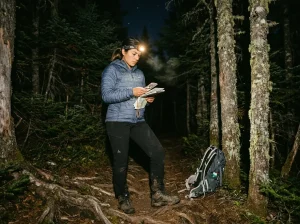
You must implement time control plans. The ultimate vaccine against lethal “summit fever” is the strict turnaround time—a predetermined, rigid clock limit where your group turns around and heads back down, regardless of whether you touched the summit. You calculate this by measuring the sunset time and your estimated descent speed. It is incredibly painful to turn your group around when the viewpoint is just a quarter-mile up the ridge. But descending in the pitch black on destroyed legs creates the absolute perfect storm for a traumatic, catastrophic fall.
Leave No Trace: The Ethical Mandate
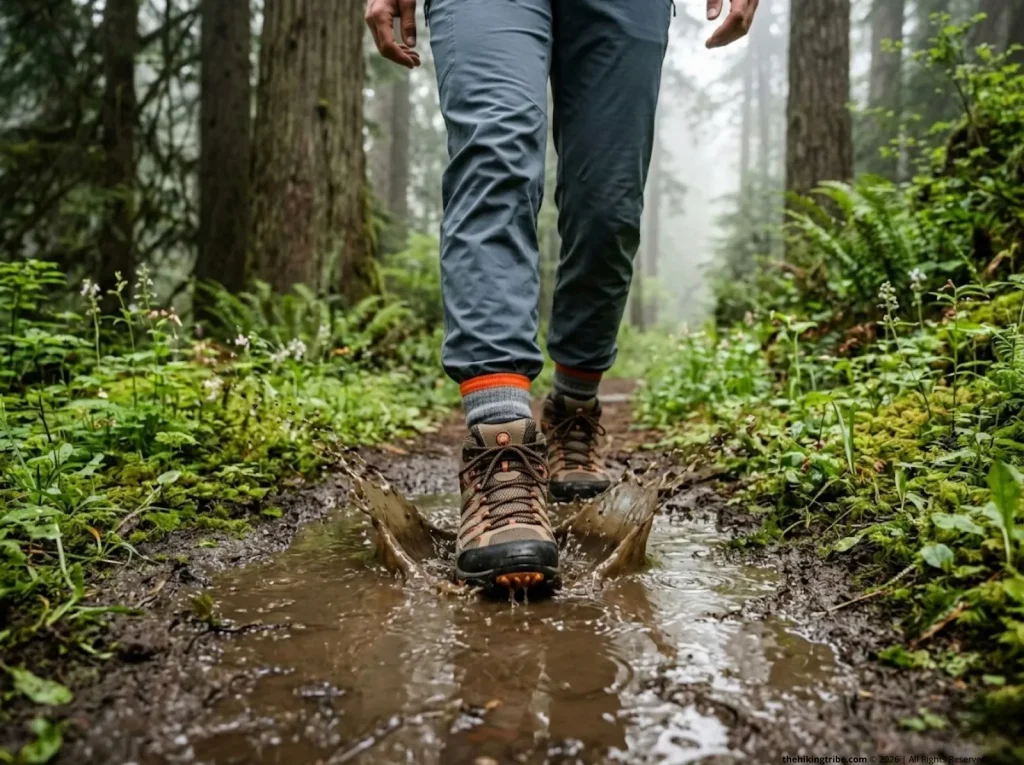
The American Hiking Society and the Leave No Trace center mandate strict ethical behavior for a reason. LNT is not just about guilt-tripping people to pick up their protein bar wrappers. It focuses on protecting fragile biodiversity from irreversible impact. Practice proper trailhead etiquette and adhere strictly to wildlife protocols. Keep your distance from animals to prevent dangerous habituation. Most importantly, follow Principle 2: travel on durable surfaces. When you encounter a mud puddle, the middle of the puddle is the trail. Braiding a new path around the obstacle crushes fragile vegetation and drastically widens trail erosion. Get your boots muddy.
Conclusion
Planning your hike fundamentally separates casual tourists from deeply competent outdoor practitioners. When you master the Energy Equivalent Mile, respect the brutal physics of mountain microclimates, and crush your own ego with a non-negotiable turnaround time, you systematically erase the variables that lead to disaster. Run this mathematical framework, map out your target route at the kitchen table tonight, and hit the dirt before dawn to experience exactly what a professional approach feels like.
FAQ
Does Naismith’s Rule work accurately for steep downhill sections?
No, steep descents actually slow you down and burn more energy due to braking forces. We are mathematically faster on gentle declines between -5% and -7%, but beyond a 10% slope, your pace drops significantly to prevent injury.
Do I really need a paper map if I downloaded the trail on my phone?
Yes, digital devices are fragile and prone to sudden battery failure in freezing microclimates. A paper topographical map provides an indestructible, wide-angle macro view of the terrain that a shattered or dead smartphone simply cannot replicate.
How do mountain microclimates drastically change the weather forecast?
Mountains physically force incoming air masses upward in a process called orographic lift, which aggressively cools the air and dumps localized rain or snow. Combined with the standard temperature drop of 3.5°F per 1,000 feet, your sunny trailhead can easily become a blizzard at the summit.
What is the single biggest factor leading to a Search and Rescue call?
National Park Service data consistently highlights male overconfidence and poor logistical planning leading to falls or hypothermia as massive drivers for SAR. Hiking accounts for nearly half of all NPS rescue incidents, emphasizing the critical safety net of having a locked-in plan.

I've spent more than a decade researching hiking gear and trail technique. I read the specs, the forum threads and the long-term reviews, and every pick here comes with what it gets wrong.
End of the trail
You read every mile of this one. Here's where the trail goes next.