In this article
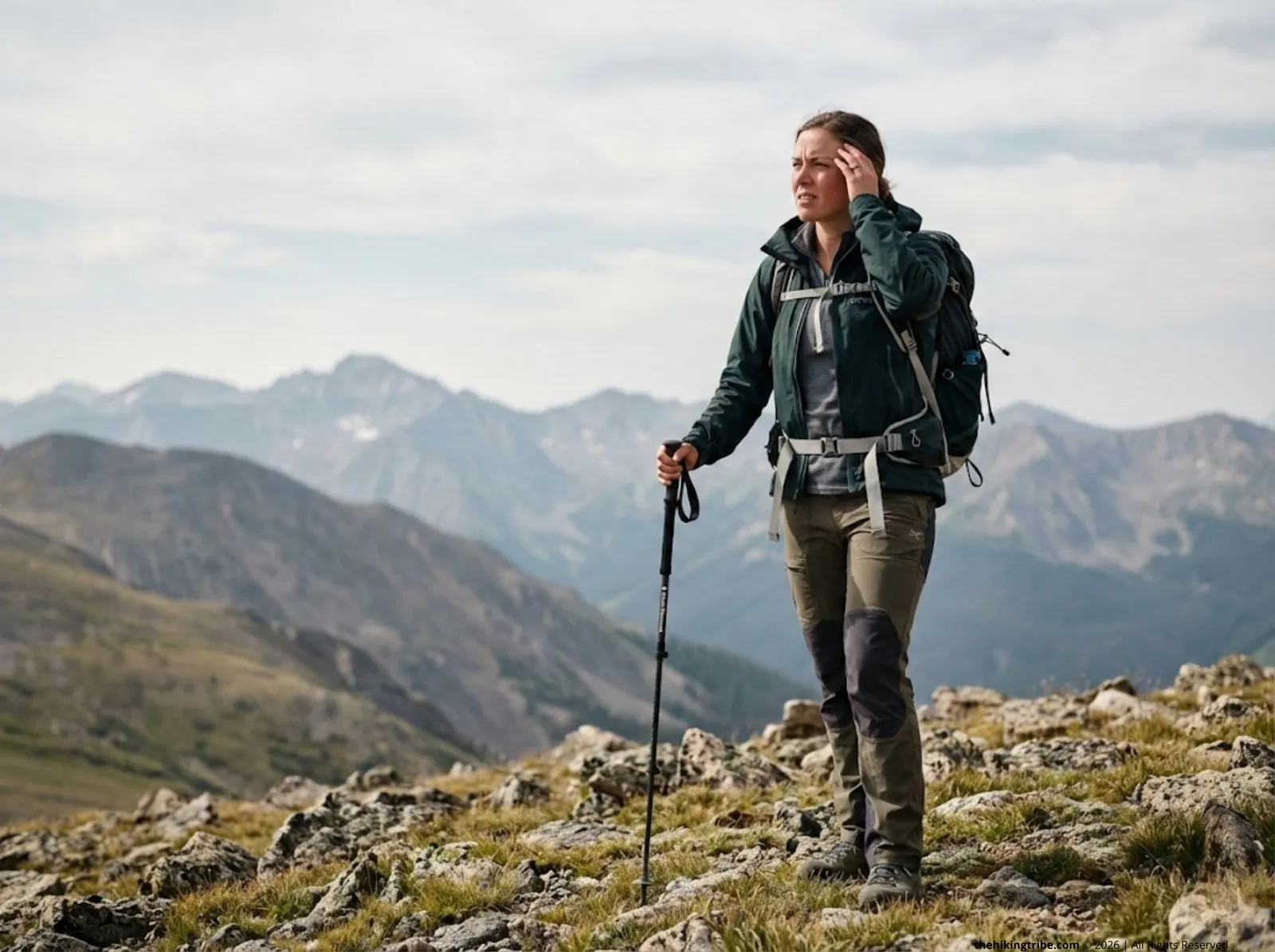
The headache started at 12,400 feet. Nothing dramatic at first, just a dull pulse behind my right eye that I blamed on dehydration. Two ibuprofen later, I kept climbing. By the time I topped out on a Colorado 14er four hours later, my vision was swimming and I couldn’t walk a straight line across the talus. I’d trained for months. My legs were ready. My blood wasn’t.
That summit attempt taught me something most hikers learn the hard way: high-altitude acclimatization isn’t optional, and your fitness level has almost nothing to do with how well your body adapts. After years of guiding on peaks across the Rockies and the Himalayas, I’ve watched strong, seasoned athletes get evacuated while slower, more methodical hikers summit without a hitch.
Here’s what actually separates safe summits from medical emergencies, and why the schedule you’re probably following is setting you up to fail.
⚡ Quick Answer: Above 3,000 m (9,800 ft), never increase your sleeping elevation by more than 500 m (1,650 ft) per day, and take a rest day every 3-4 days. The “climb high sleep low” method stimulates adaptation during the day while minimizing overnight stress. Full hematological adaptation requires roughly 11.4 days per 1,000 m of altitude gain. No amount of fitness, Diamox, or willpower replaces a properly paced acclimatization schedule.
What Happens Inside Your Body Above 8,000 Feet
The Hypoxia Trigger
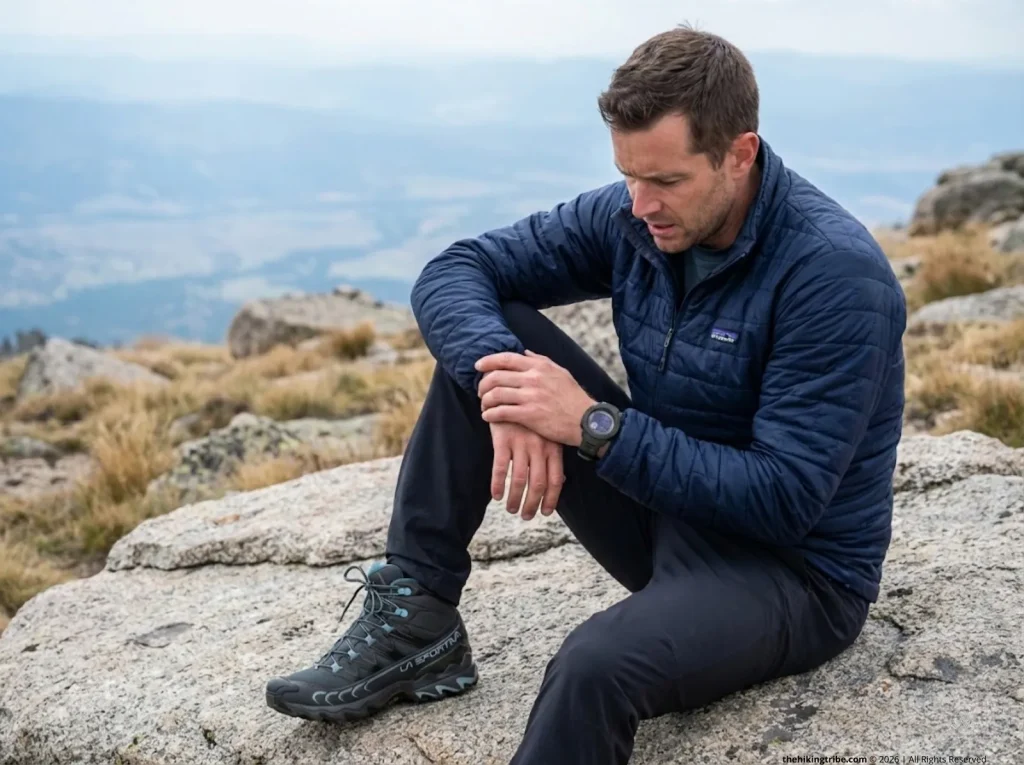
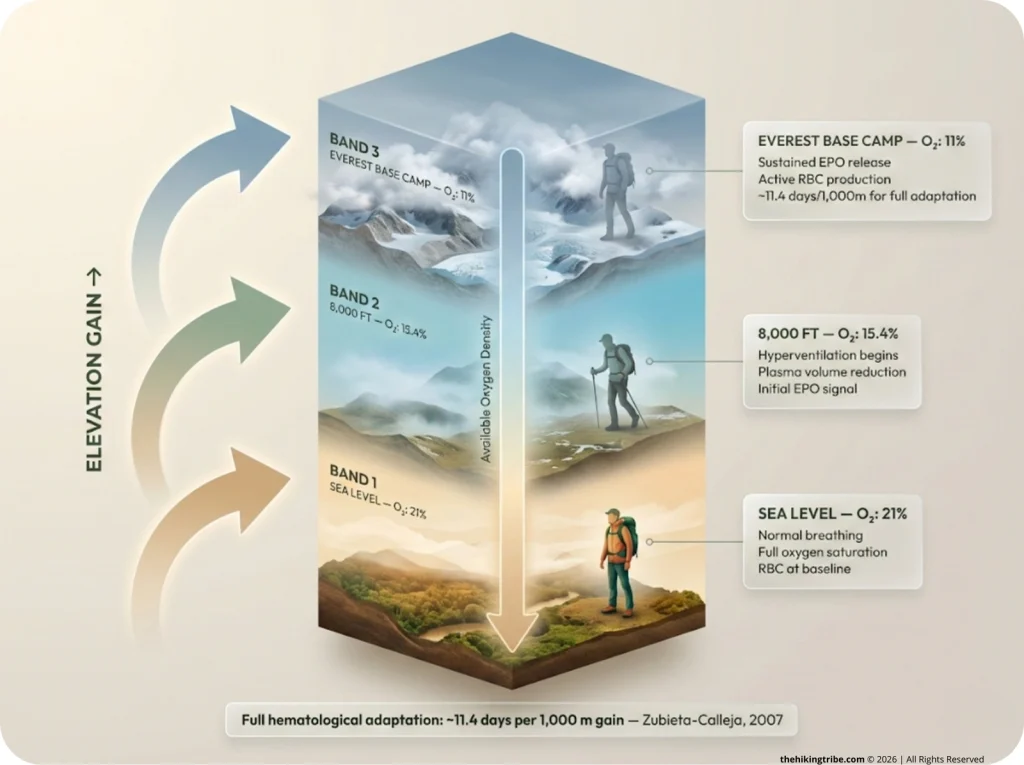
At 10,000 feet, the air you’re breathing delivers only 69% of the oxygen your lungs get at sea level. That’s not a small dip. Your body notices immediately.
Your lungs respond by breathing harder and faster, a reflex called hyperventilation. It’s your body’s first attempt to squeeze more oxygen out of thinner air. In the first 3-5 days, your blood plasma volume drops as your body sheds fluid.
After that initial shock, your kidneys release a hormone that tells your bone marrow to crank up red blood cell production. More red blood cells mean more oxygen carriers. That’s the physiological adaptation process that keeps you functional at high altitude.
The problem is that most hikers go too high too fast. They drive to a trailhead at 9,000 feet, sleep in their car, and start climbing before dawn. According to our deep dive into the science of altitude sickness, acute mountain sickness affects roughly 25% of visitors sleeping above 8,000 feet in Colorado alone.
Why Fitness Doesn’t Protect You
This is the part that catches most people off guard. There is no strong correlation between physical fitness and acclimatization speed. None. The Wilderness Medical Society, AWExpeditions, and Backpacker have all confirmed it.
Your VO₂ max, your trail mileage, your weekly vertical gain, none of that tells you how fast your body will adapt to reduced oxygen. I’ve watched marathon runners get knocked flat by AMS while a 55-year-old weekend hiker cruised past them feeling fine. The difference wasn’t fitness. It was pacing and individual biology.
Your personal history of altitude illness is actually a far better predictor than any fitness metric. If you’ve gotten sick at altitude before, you’re more likely to get sick again unless you slow down.
Pro tip: If you live at sea level and you’re heading to a Colorado 14er, your fitness means less than your schedule. Arrive two days early and sleep at 8,000-9,000 feet before attempting anything higher.
The Full Adaptation Timeline
Here’s a number most guides won’t tell you: full hematological adaptation requires approximately 11.4 days per 1,000 m of elevation gain, according to Zubieta-Calleja’s 2007 study on hematological adaptation. That means a sea-level hiker going to 14,000 feet needs roughly seven weeks for a complete red blood cell plateau.
Seven weeks. Most trekking companies compress the Everest Base Camp trek into 12-14 days. That’s functional, but you’re nowhere near fully adapted. You’re borrowing against a biological debt your body hasn’t had time to pay off.
The Rules That Actually Keep You Safe
The 500-Meter Sleeping Limit
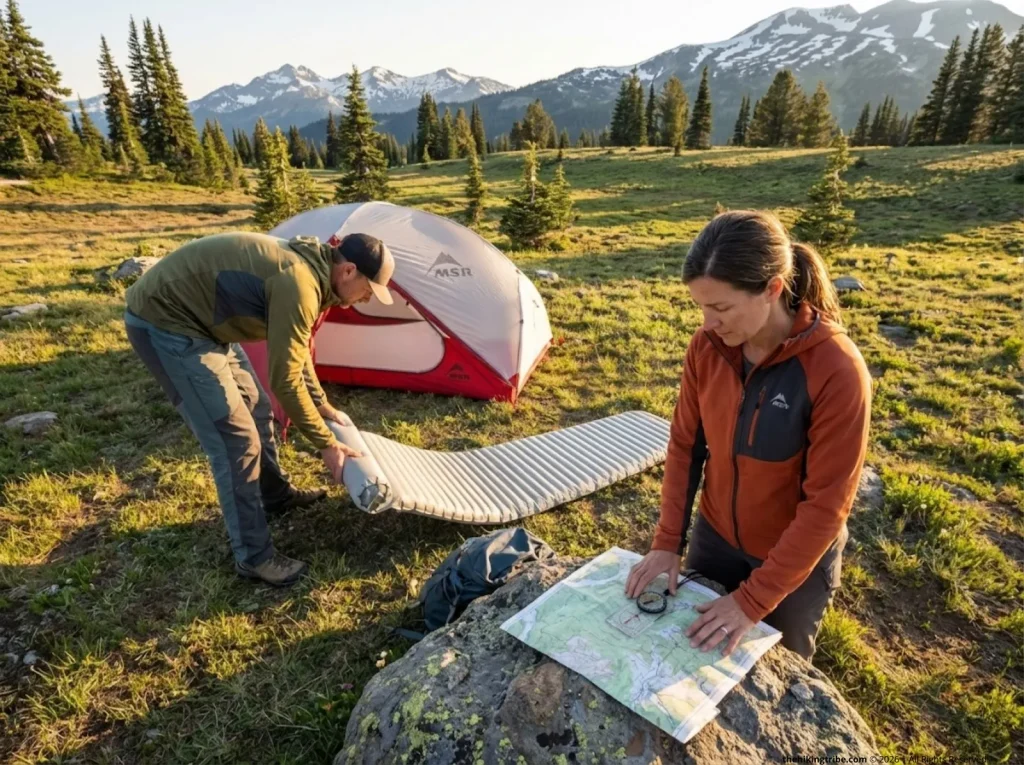
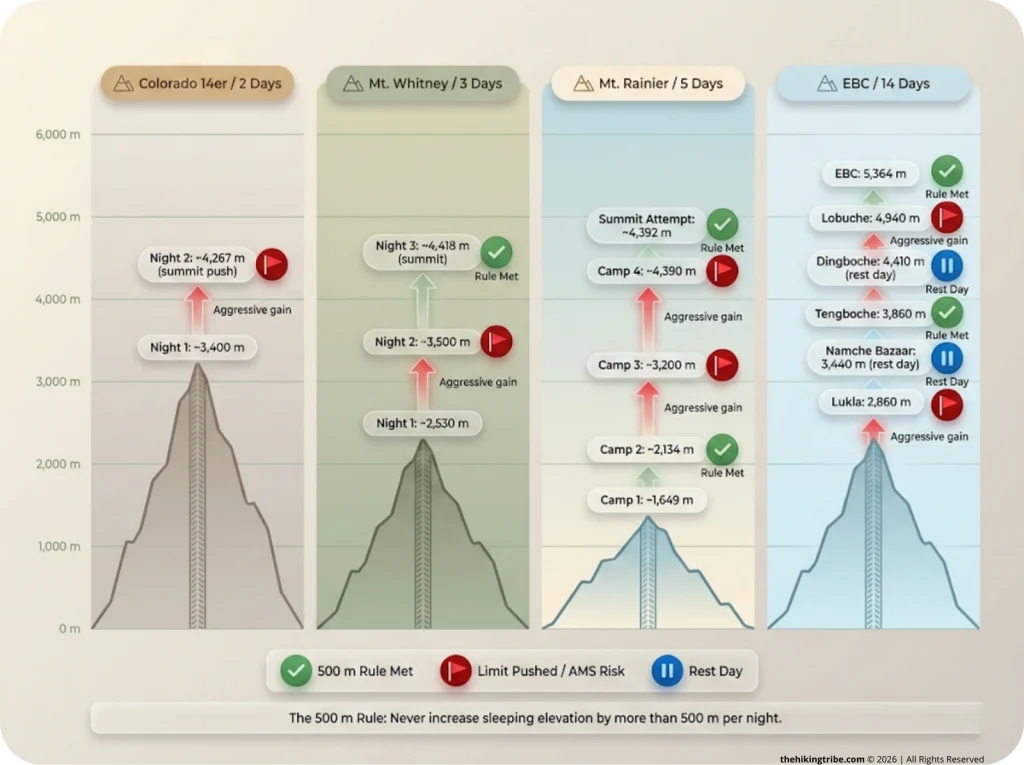
The Wilderness Medical Society published updated guidelines in 2024, and the core rule hasn’t changed: above 3,000 m (9,800 ft), limit your sleeping elevation gain to no more than 500 m (1,650 ft) per day. Include a mandatory rest day with no sleeping ascent every 3-4 days, according to the CDC Yellow Book on high-altitude travel.
The Backpacker/CDC guideline goes even more conservative: 1,600 feet per night maximum. That’s worth remembering because the rates of altitude illness approach 50% with rapid ascent by airplane to above 11,150 feet. Even driving to a trailhead counts as a rapid jump in your body’s accounting.
Climb High, Sleep Low and Its Limits
The climb high sleep low principle is simple. During the day, you hike to higher elevations to stimulate your body’s adaptive response. Then you descend to a lower sleeping elevation overnight to reduce the stress your body takes on during sleep.
Classic example: on an Everest Base Camp trek, hikers walk from Namche Bazaar at 3,440 m up to Hotel Everest View at 3,880 m, then drop back to Namche to sleep. That 440-meter dose of higher altitude kicks your adaptation into gear without punishing your body overnight.
The catch is that above roughly 5,500 m, “climb high sleep low” becomes logistically impossible on many routes. At those extreme altitudes, the terrain often forces you to sleep at or near your high point. That’s where compressed schedules get dangerous.
When to Stop, Turn Around, and Descend
The golden rule of acclimatization is the simplest one: don’t go up until your symptoms go down.
Mild AMS means headache plus nausea, fatigue, or dizziness. If that describes your morning, you stop ascending and rest at your current elevation. If symptoms get worse, or you notice stumbling and loss of coordination (a condition called HACE), you descend immediately. Drop at least 300-1,000 meters.
HACE is rare below 4,300 m, but when it strikes, that loss of coordination is the red flag you cannot ignore. There’s a saying among mountaineers that applies perfectly: bail early, live to hike another day. No summit is worth a helicopter.
If you’re already having trouble recognizing heat exhaustion versus heat stroke on the trail, symptom overlap with altitude sickness makes things even trickier. When in doubt, go down.
Pro tip: Carry a cheap pulse oximeter. If your SpO₂ drops more than 10 points below the expected range for your elevation, stop ascending and rest.
Sample Schedules for Real Peaks
US Domestic Peaks
Let me give you some real schedules, because most guides just repeat the “300-meter rule” without telling you what that actually looks like for specific peaks.
Colorado 14er weekend (for sea-level residents): Drive to a town at around 9,000 feet. Sleep one night. Do a short acclimatization hike the next morning to 10,500-11,000 feet, then descend. Sleep a second night at 9,000 feet. Attempt your summit on day three. That two-night buffer is what the CDC calls “markedly protective” against AMS.
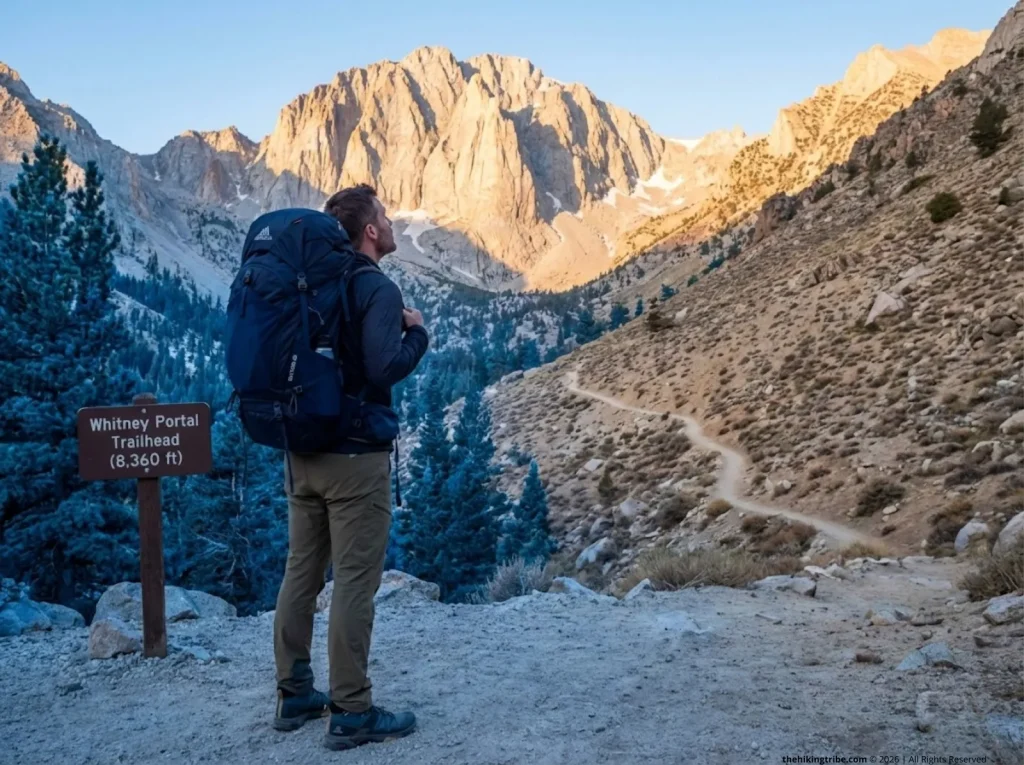
Mt. Whitney 3-day: Day one at Whitney Portal (8,360 ft), day two hike to Trail Camp (12,000 ft), day three to the summit (14,505 ft) and descend. The jump from 8,360 to 12,000 feet on day two pushes the limit. Consider transitioning from day hikes to peak bagging safely before attempting this itinerary cold.
Mount Rainier 5-day guided: Staging at Camp Muir (10,188 ft), high camp at 11,000+ feet, then a summit push. The extra trekking days make all the difference.
International High-Altitude Treks
The Everest Base Camp 14-day trek is built around acclimatization by design. Classic staging through Namche Bazaar (3,440 m), Dingboche (4,410 m), with mandatory rest days baked in. It works because the schedule respects the 500 m rule.
Kilimanjaro Machame route (7 days) is a different animal entirely. You gain from 1,800 m to 5,895 m in a week. That ascent profile is aggressive, and AMS rates on Kilimanjaro approach 50%. If you’re doing Kilimanjaro, the 8-day Lemosho route gives your body significantly more time.
The Annapurna Circuit at 12-16 days includes natural staging through Manang (3,540 m) with a mandatory rest day before Thorong La (5,416 m). This is closer to what a responsible acclimatization schedule looks like.
Hydration, Fuel, and the Mistakes That Mimic AMS
The 3-4 Liter Rule
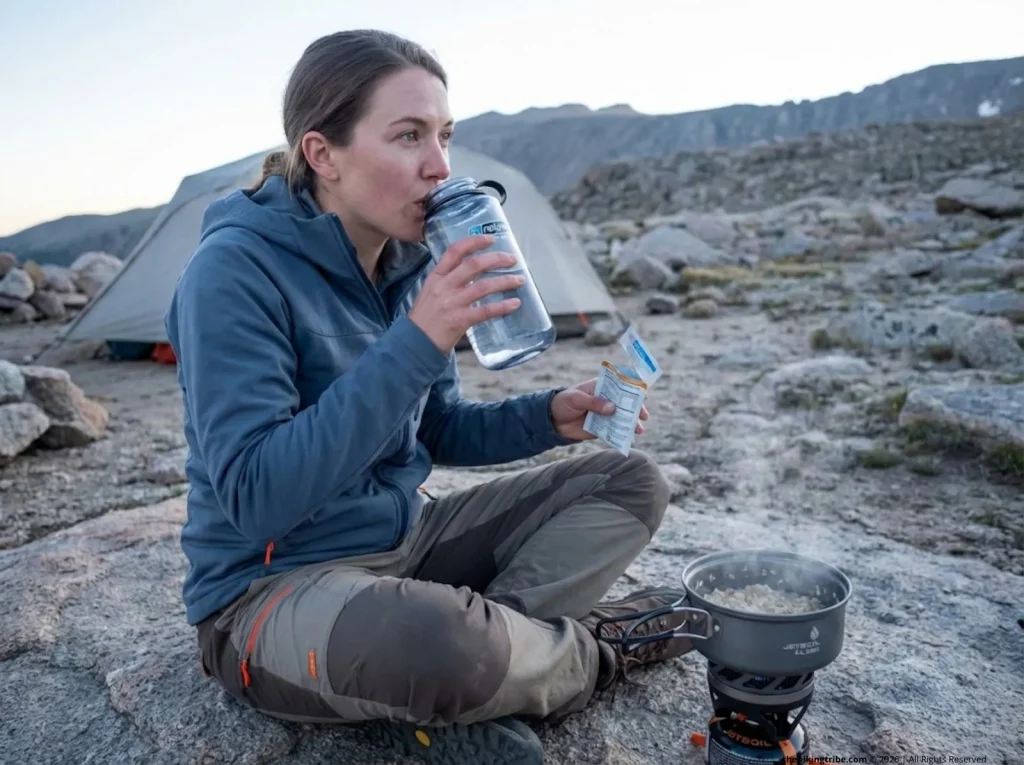
Dehydration at high altitude accelerates because of increased respiratory water loss. You’re breathing harder in drier air, which means your lungs dump moisture with every exhale. Target 3-4 liters per day with urine that’s copious and clear, as detailed in the Princeton Outdoor Action Guide to High Altitude.
Skip the alcohol for the first 48 hours at a new elevation. It suppresses the breathing response your body needs to adapt. And if you need to build a real electrolyte strategy to prevent collapse on the trail, don’t wait until you feel sick to start.
Why Carbs Matter More Than Protein at Altitude
A carbohydrate-rich diet (more than 70% of calories) is recommended during acclimatization. Here’s the simple reason: carbs help your body produce more CO₂ per breath, and that extra CO₂ stimulates your breathing drive. At altitude, anything that helps you breathe more effectively is keeping you safer.
Focus on easily digestible options: oatmeal, tortillas, pasta, dried fruit, energy bars. Leave the heavy protein meals for when you’re back at lower elevations.
When Dehydration Mimics Altitude Sickness
Headache. Fatigue. Nausea. Those are symptoms of both dehydration AND acute mountain sickness. I’ve watched hikers convince themselves they had AMS when they’d just forgotten to drink water all morning. I’ve also seen the reverse, where someone blamed “the crud” on dehydration and kept climbing into serious trouble.
First response should always be: drink a liter of water with electrolytes, rest for 30 minutes, then reassess. If symptoms clear up, it was probably dehydration. If they persist, treat it as AMS and halt your ascent.
Pro tip: Watch your pee. Clear and frequent means you’re hydrated. Dark and infrequent at altitude is a warning sign, not something to power through.
Pre-Trip Acclimatization You Can Do at Home
Staged Altitude Exposure
If you live at sea level and you’re heading for serious high-altitude trekking, spending 2-3 nights at 8,000-9,000 feet within two weeks before your trip is “markedly protective” against AMS, according to the CDC. For east-coast hikers heading to the Rockies, this is worth the extra hotel nights.
Pre-acclimatization reduces cardiac strain by 6x after just one night of prior exposure. That’s not a typo. One night at moderate altitude within two weeks of your trip cuts your cardiac risk by a factor of six. If you need more reasons to build a complete hiking training system for high-altitude objectives, this is it.
Hypoxic Tents and Masks
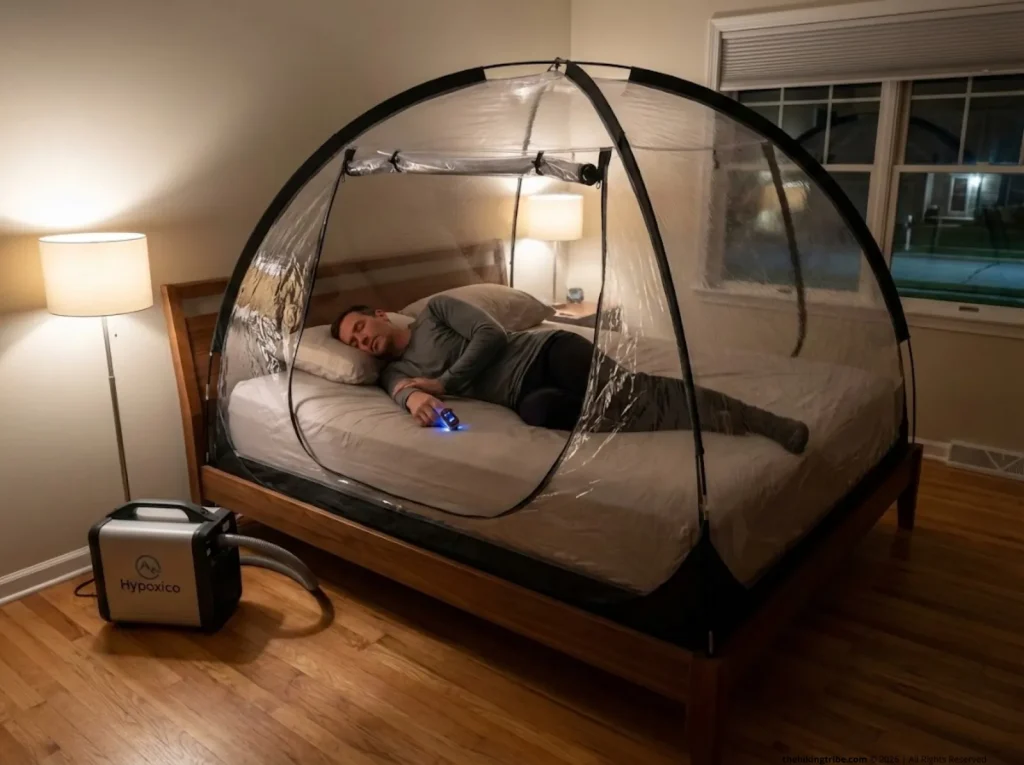
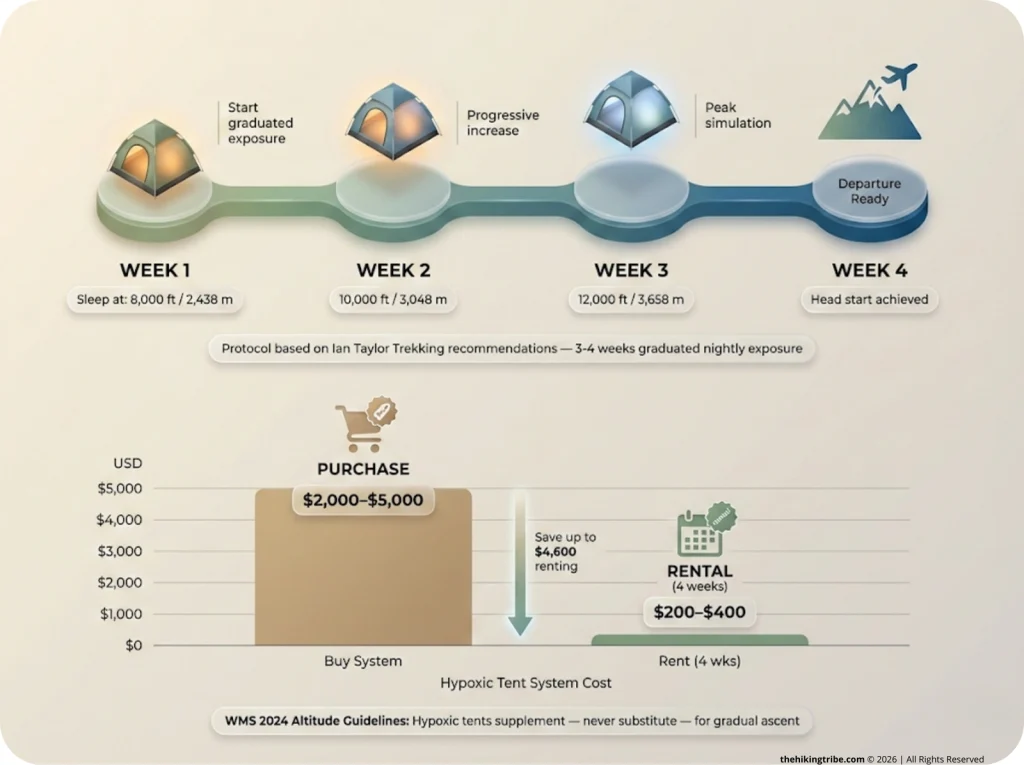
Home-based altitude simulation systems use nitrogen-diluted air to simulate sleeping at 8,000-12,000 feet. The Ian Taylor Trekking protocol recommends 3-4 weeks of graduated nightly exposure before departure, starting at a simulated 8,000 feet and working up to 12,000. Systems cost $2,000-$5,000 to buy or $50-$100 per week to rent.
But here’s what the Wilderness Medical Society 2024 Altitude Guidelines make clear: hypoxic tents are a supplement, not a substitute. No medication (Diamox, acetazolamide, nothing) and no tent replaces actual gradual ascent on the mountain. These tools give your body a head start, but the schedule still has to be right.
Leave No Trace During Rest Days
Making Rest Days Count
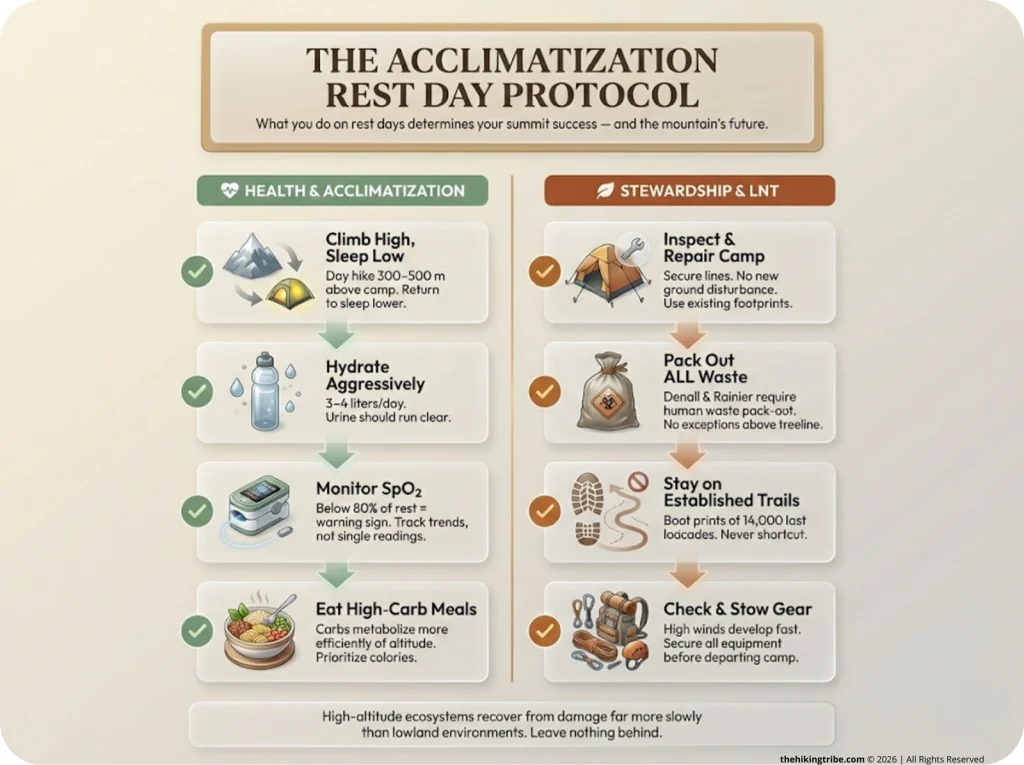
Acclimatization days aren’t vacation days. They’re active recovery days with a “climb high sleep low” light hike built in. Walk to a point 300-500 meters above your camp, spend an hour there, and descend. That’s it. No need to push hard. Let your body do its work.
Use the downtime to inspect and repair gear, repack food, and assess conditions. Experienced mountaineers call it “the acclimatization tax,” the extra trekking days you invest upfront that pay dividends on summit day.
Stewardship at High Altitude
Here’s something no other high-altitude guide talks about: what you do with your waste during those mandatory rest days matters. High-altitude ecosystems recover from damage far more slowly than lowland environments. A boot print at 14,000 feet can last for decades.
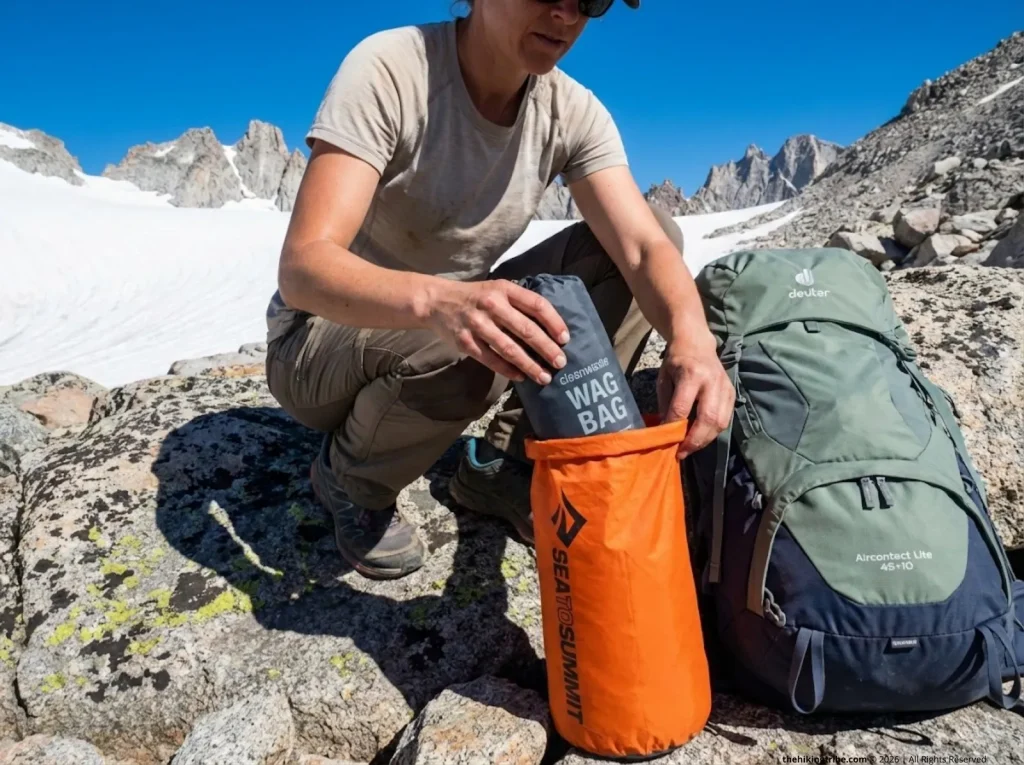
On rest-day hikes, stick to established trails even when exploring for acclimatization. Pack out ALL waste, including human waste in alpine zones above treeline. Many areas including Denali and Mount Rainier now require full human waste pack-out.
Conclusion
Three things keep you vertical above 10,000 feet. First, your body needs time, not fitness. The 500 m sleeping elevation limit and rest days every 3-4 days are the rules the Wilderness Medical Society and CDC built from decades of field data. Second, no shortcut replaces gradual ascent. Diamox, hypoxic tents, and pre-acclimatization help, but they supplement the schedule. They don’t replace it. Third, when in doubt, descend. Every experienced mountaineer and wilderness medicine specialist agrees: descent is the definitive treatment for altitude illness.
Print the schedule from this article before your next high-altitude trip. Track your sleeping elevations, monitor your symptoms, and remember the rule that saves lives: don’t go up until your symptoms go down.
FAQ
How long does it take to acclimatize to high altitude?
The acute phase takes 3-5 days when you’ll feel functional but not fully adapted. Full hematological adaptation requires roughly 11.4 days per 1,000 m of altitude gain. Most trek itineraries compress this to 10-14 days, which is safe if you follow the 500 m sleeping elevation gain rule with rest days every 3-4 days.
What is the climb high sleep low method?
During acclimatization, you hike to a higher elevation during the day to stimulate your body’s adaptive response, then descend to a lower sleeping elevation overnight. This reduces the stress your body takes on during sleep. A classic example is hiking from Namche Bazaar to Hotel Everest View, then returning to Namche to sleep.
Is Diamox necessary for high altitude trekking?
Not always. Diamox (acetazolamide) speeds up your body’s breathing adjustment and helps people with a history of AMS or rapid ascent itineraries. It does NOT prevent HAPE, it has side effects (tingling, altered taste, increased urination), and it never replaces a properly paced schedule. Talk to a mountain medicine doctor before using it.
Can I prevent altitude sickness by training harder before my trip?
No. Physical fitness does not correlate with acclimatization speed. Many extremely fit athletes still develop AMS because their confidence drives them to ascend faster. Your best predictor is your personal history of altitude response, and the single most effective prevention is gradual ascent with rest days.
What SpO₂ reading should worry me at altitude?
At 10,000 feet, SpO₂ typically drops to 88-92% for acclimatized individuals. If your reading drops more than 10 points below the expected range for your elevation, or you show symptoms of AMS alongside low SpO₂, stop ascending and consider descent. A cheap pulse oximeter is one of the most useful tools on any high-altitude trip.
Risk Disclaimer: Hiking, trekking, backpacking, and all related outdoor activities involve inherent
risks which may result in serious injury, illness, or death. The information provided on The Hiking Tribe is for
educational and informational purposes only. While we strive for accuracy, information on trails, gear, techniques,
and safety is not a substitute for your own best judgment and thorough preparation. Trail conditions, weather, and
other environmental factors change rapidly and may differ from what is described on this site. Always check with
official sources like park services for the most current alerts and conditions. Never undertake a hike beyond your
abilities and always be prepared for the unexpected. By using this website, you agree that you are solely
responsible for your own safety. Any reliance you place on our content is strictly at your own risk, and you assume
all liability for your actions and decisions in the outdoors. The Hiking Tribe and its authors will not be held
liable for any injury, damage, or loss sustained in connection with the use of the information herein.
Affiliate Disclosure: We are a participant in the Amazon Services LLC Associates Program, an
affiliate advertising program designed to provide a means for us to earn advertising fees by advertising and linking
to Amazon.com. As an Amazon Associate, we earn from qualifying purchases. We are also an official affiliate partner
of Black Diamond Equipment via the AvantLink network. If you click on a Black Diamond affiliate link and make a
purchase, we may earn a commission at no additional cost to you. We also participate in other affiliate programs and
may receive a commission on products purchased through our links. Additional terms are found in the terms of
service.