





The strike happens faster than human reflexes can register. One moment you are scanning the ridgeline, and the next, two puncture wounds on your lower calf are rewriting the reality of your hike. Panic is the biological default here. Your heart races, your adrenaline spikes, and every instinct screams at you to run.
But in snake country, panic acts as a physiological accelerant for venom.
In my two decades of guiding expeditions and teaching wilderness medicine, I have seen that survival is rarely about luck. It is about overriding the urge to flee and executing a cold, calculated step-by-step protocol based on logistics and anatomy. True outdoor competence comes from turning theoretical hiking safety knowledge into practical, confident action.
This guide moves beyond the basics taught to the Boy Scouts. We will break down why your lymphatic system makes “running for help” a potentially fatal mistake, why commercial snake bite kits are dangerous relics, and how to use a logical decision matrix to choose between the “Wait” protocol and the “Walk” protocol.
What Are the Immediate ‘Do Not’ Rules? (Myth-Busting)
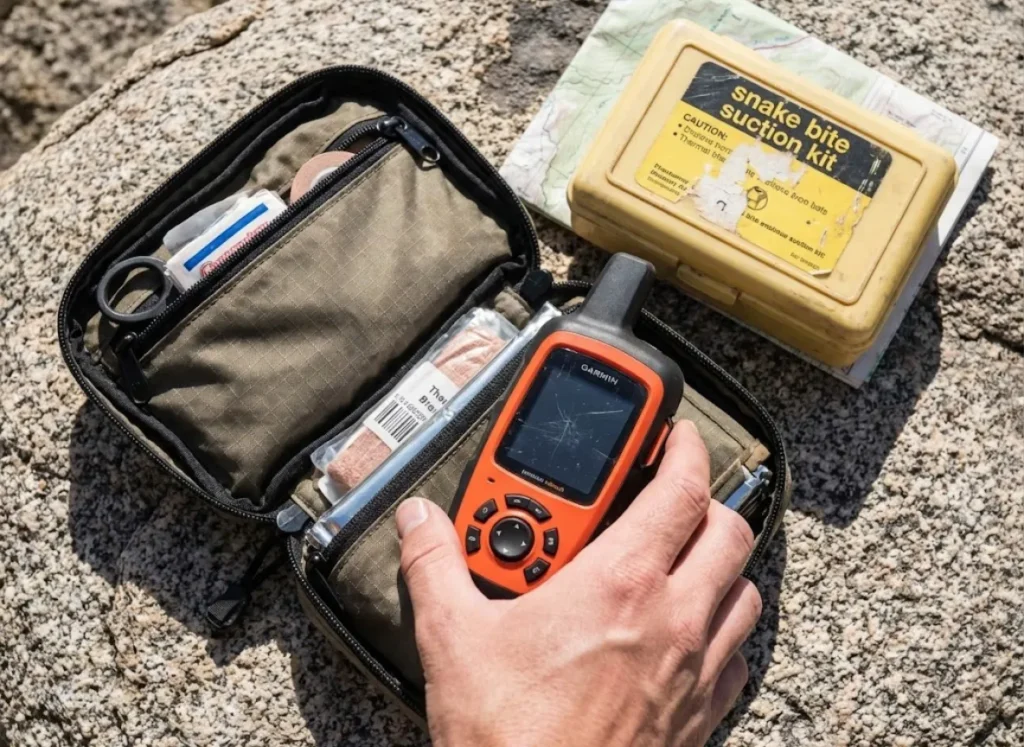
Stop immediately. Do not apply a tourniquet, do not apply ice, and do not attempt to suck out the venom. These interventions are not just ineffective; they are actively harmful and can lead to permanent tissue damage or amputation.
Before establishing the correct protocol, we must dismantle dangerous survival myths that often worsen patient outcomes.
Why are suction kits and tourniquets dangerous?
For years, outdoor shops sold bite kits containing suction cups and a razor blade. We now know that commercial extraction devices, such as the Sawyer Extractor, have been clinically proven to remove less than 2% of venom. This amount is functionally insignificant to your survival.
Worse, the mechanical force of the suction can collapse capillary beds. This increases local tissue destruction, effectively creating a “bullseye” of necrosis right at the bite site.
Tourniquets are even more dangerous in this context. North American pit viper venom is hemotoxic, meaning it destroys tissue. If you apply a constriction band or tourniquet, you trap those cytotoxic enzymes in the limb, concentrating the destruction. This dramatically increases the probability of gangrene and compartment syndrome.
The “Cut and Suck” method is equally contraindicated. Using a knife to open the wound damages nerves and tendons while introducing oral bacteria into an already compromised wound. Similarly, cryotherapy (applying ice packs or cold packs) causes vasoconstriction. This worsens local ischemia (lack of blood flow) and can lead to frostbite on tissue that is already dying.
Do not consume alcohol or caffeine, as these substances affect heart rate and vasodilation, potentially accelerating venom absorption.
The only effective method for neutralizing venom is the intravenous administration of antivenom (such as CroFab or Anavip) in a hospital. Your field interventions must focus solely on transport and stabilization, following protocols found in a standard wilderness first aid pocket guide rather than Hollywood teaches us wrong tropes.
Pro-Tip: If you have a commercial suction kit in your pack, take it out today. Replace that weight with an extra compression bandage or a spare battery for your headlamp.
How Does Venom Actually Travel Through the Body? (The Biological Layer)
Venom travels primarily through the lymphatic system, which is pumped by muscle movement. Unlike a direct injection into the circulatory system, snake venom is a large-molecular-weight protein typically deposited in subcutaneous tissue or muscle.
What is the role of the lymphatic system in envenomation?
To make the right decision in the field, you must understand the “why” behind immobilization. The lymphatic system differs from the circulatory system because it lacks a central pump like the heart. Instead, lymphatic flow is propelled primarily by the “muscle pump”—the mechanical compression of lymph vessels caused by the contraction of skeletal muscles.
In a resting, immobilized limb, lymph flow is negligible. This effectively sequesters the venom at the injection site, acting as a “lymphatic tourniquet” without cutting off blood flow.
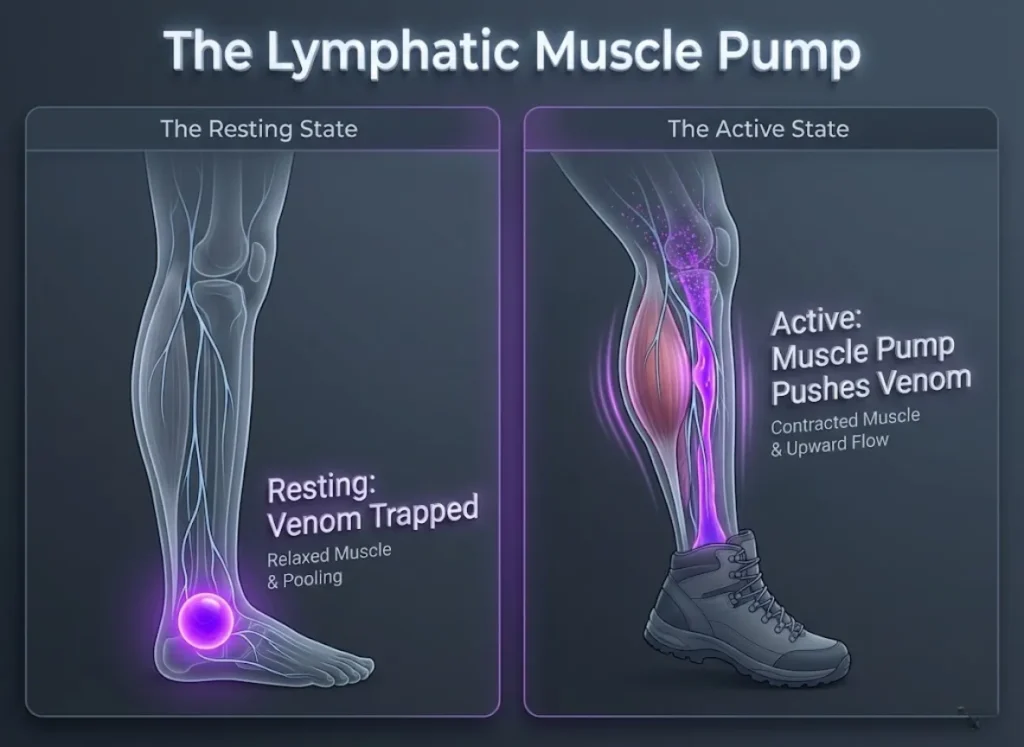
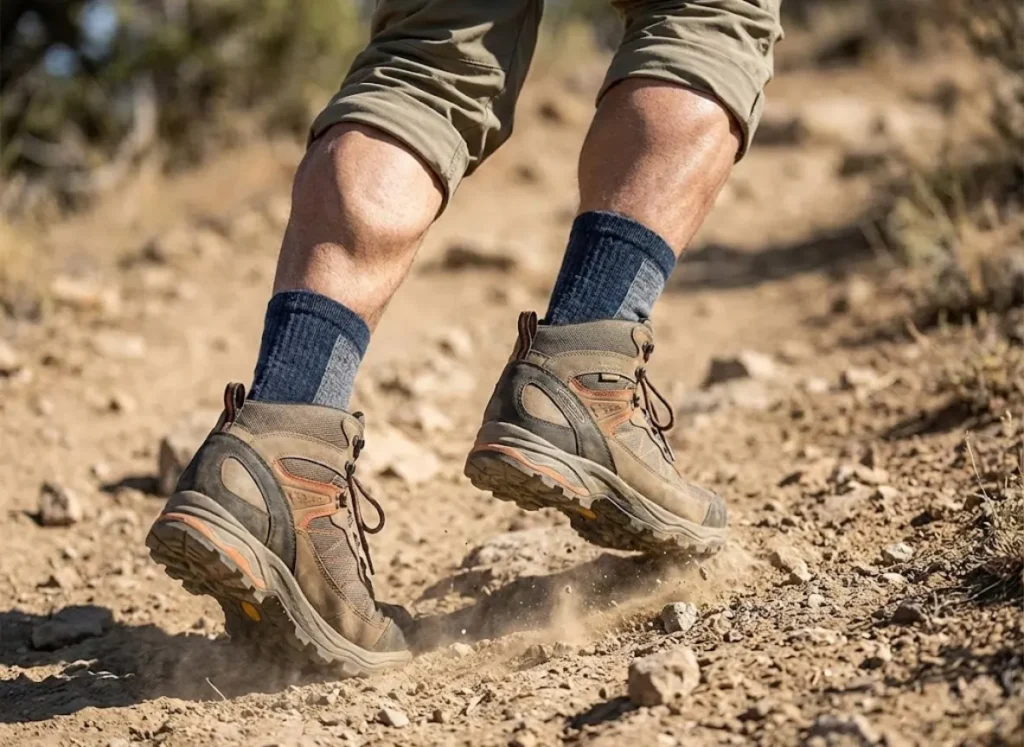
However, active movement changes everything. Power hiking, running, or even pacing in panic activates the muscle pump. This accelerates the systemic spread of venom by orders of magnitude.
This biological reality creates the central paradox of snakebite management: the act of walking to help accelerates the disease process, making immobilization the physiological ideal.
This is why managing panic as described in our hiker’s emergency guide is not just about mental comfort; it is a physiological necessity to keep your heart rate—and lymph flow—low.
The Core Decision: When Should You ‘Wait’ and When Must You ‘Walk’?
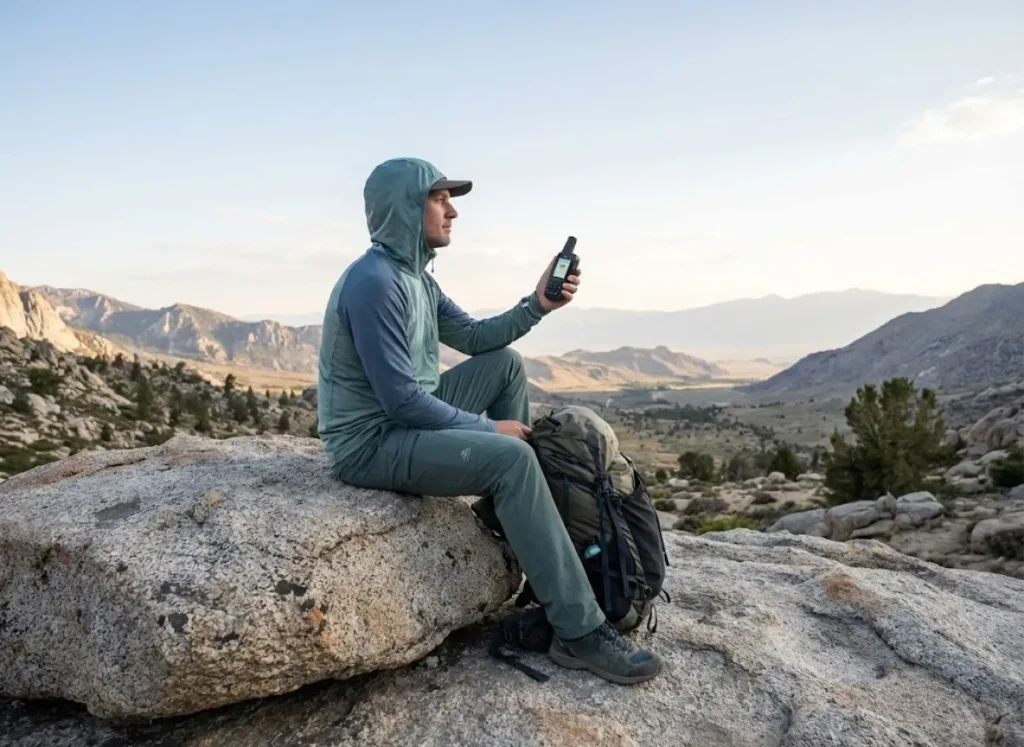
You should “Wait” (Shelter in Place) if you have reliable communication to summon rescue. You must “Walk” only if isolation and lack of communication guarantee a negative outcome otherwise.
What is the ‘Wait’ Protocol and when is it the standard of care?
The “Wait” protocol is the medical Gold Standard, supported by guidelines from the Wilderness Medical Society and experts like herpetologist Jordan Benjamin. It should be your default choice whenever communication with rescue services is possible.
Activation criteria for this protocol include reliable cell service or a Satellite Messenger. You also need a location accessible to rescuers (such as a clearing or trail), and a patient who is hemodynamically stable. The patient should be positioned supine with the limb in a gravity-neutral position (level with the heart) to minimize swelling without accelerating systemic absorption.
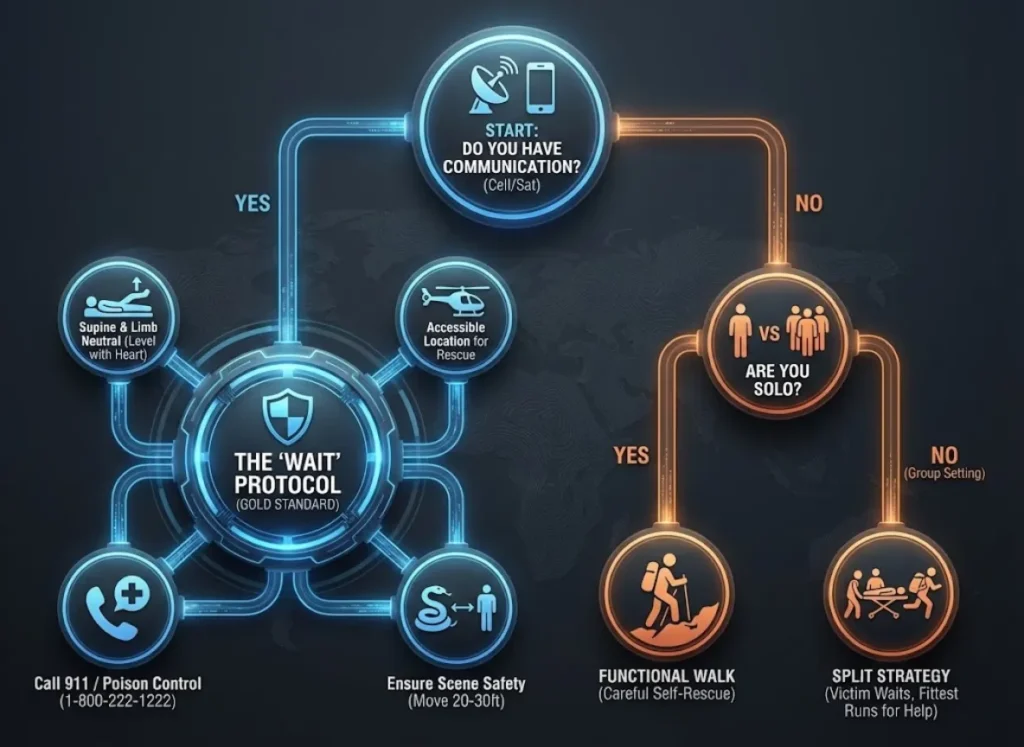
Scene safety is the absolute priority. The party must move 20 to 30 feet away from the venomous snake to prevent a secondary strike before settling down. Once safe, keep the patient still and warm. Autonomic stress responses like tachycardia (rapid heart rate) act as an internal accelerator for venom transport.
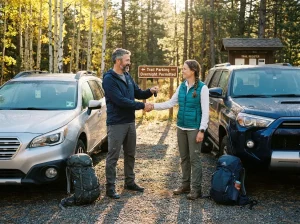
If you have signal, call 911 or Utah Poison Control (or your local equivalent at 1-800-222-1222) for guidance. In a group setting with no cell service, the “Split Strategy” applies. The victim waits with a caregiver while the fittest member runs to the trailhead to summon help. This strategy relies heavily on the ability to communicate, often triggering a rescue via inReach vs SPOT satellite messengers.
When does the ‘Walk’ Protocol become a necessity?
The “Walk” protocol is the “Protocol of Necessity.” It is activated only when staying put guarantees a negative outcome. This usually applies to a solo hiker deep in Sequoia National Park or similar remote terrain with no communications, extreme weather conditions, or isolated geography where rescue is impossible.
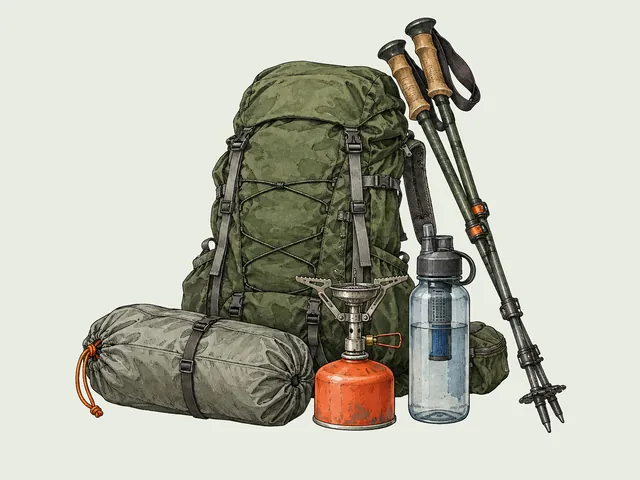
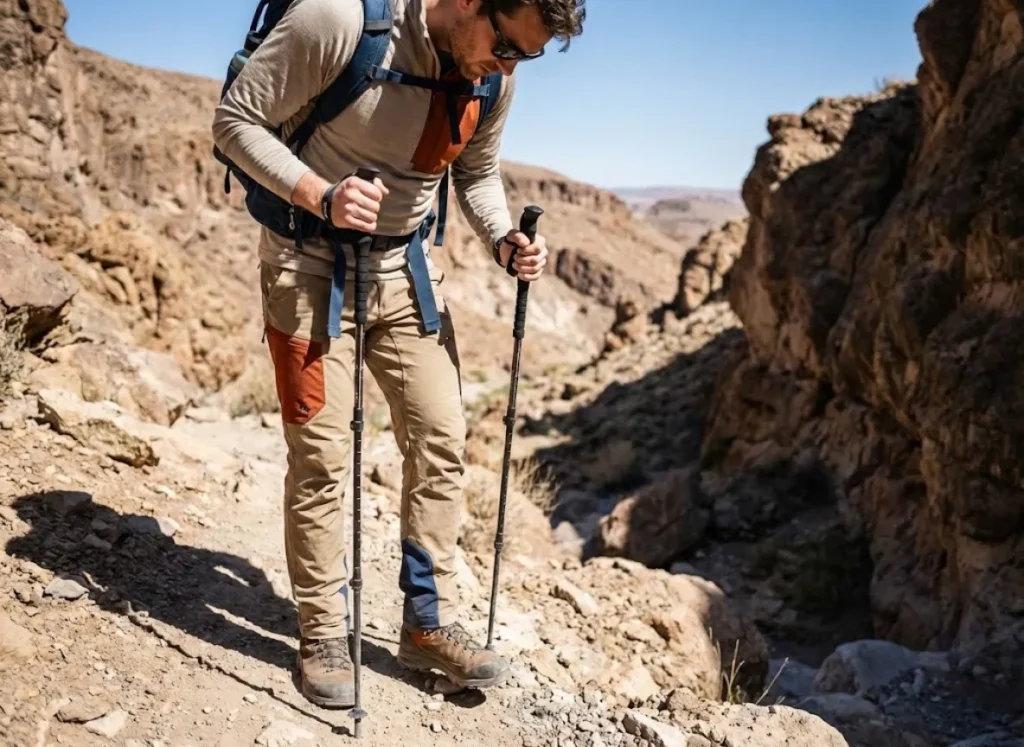
The goal here is “Functional Walking.” You must minimize metabolic cost. Drop all non-essential gear—perform a gear swap leaving behind your tent, stove, and extra layers. Keep only water and emergency communication devices.
The pace must be slow and deliberate, often called the “tortoise pace.” This keeps the heart rate low and reduces the force of muscle contraction that pumps lymph. Trekking poles become vital medical devices here, allowing the patient to limp out by offloading weight from the lower extremities.
Strict “Abort Criteria” must be followed. If the patient experiences shock symptoms like dizziness, vomiting, or fainting (syncope), they must stop and lie down immediately to preserve cerebral perfusion. Continuing to walk once systemic shock sets in can lead to death. This underlines the critical importance of finding safe and skilled hiking partners, as self-evacuation is a high-risk gamble.
Pro-Tip: If you must walk, set a silent alarm on your watch for every 10 minutes. Stop, take three deep breaths, and assess your heart rate. If it’s racing, rest until it slows. Speed kills in this scenario.
How Do You Manage the Patient in the Field? (Step-by-Step)
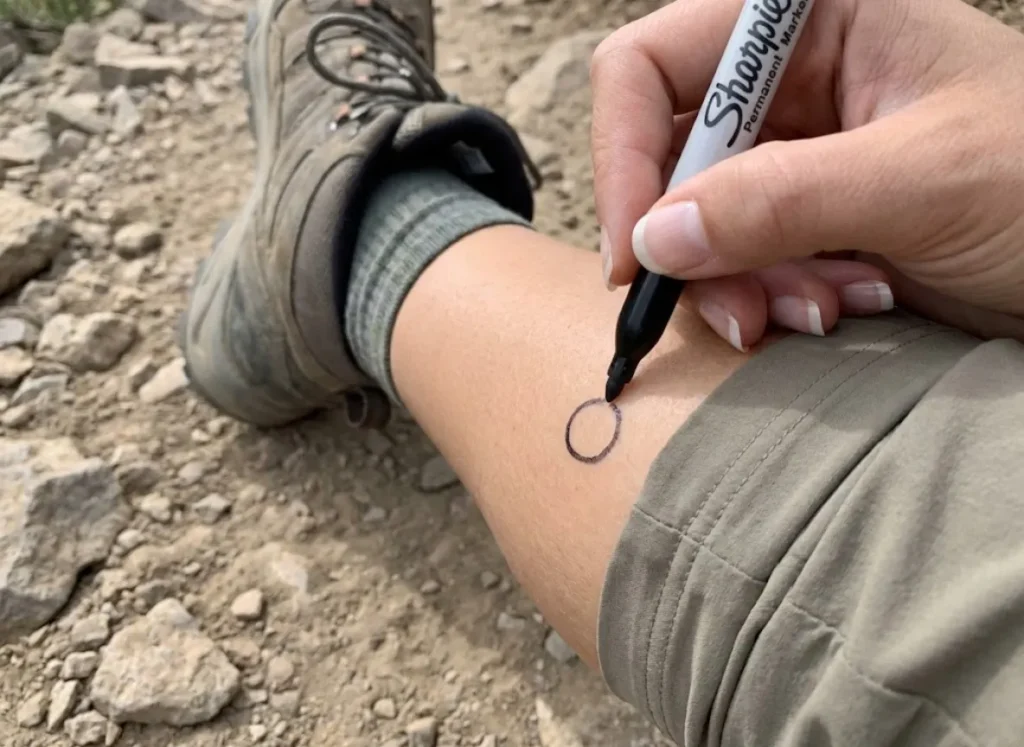
Mark the wound progression, keep the patient calm, and identify the snake species if possible (without risk) to determine if pressure bandaging is required.
What is the ‘Sharpie Method’ and why is it critical?
Data is the currency of emergency medicine. You can provide life-saving data to physicians using a simple permanent Sharpie marker.
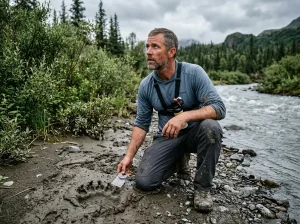
Immediately circle the puncture wounds and mark the time (e.g., T=14:00). As swelling and redness (erythema) progress up the limb, mark the leading edge of the snake bite poison line every 15 to 30 minutes, noting the time at each line.
This creates a “topographical history” of the snake envenomation. It allows emergency physicians to visually assess the velocity and severity of the venom spread instantly upon arrival.
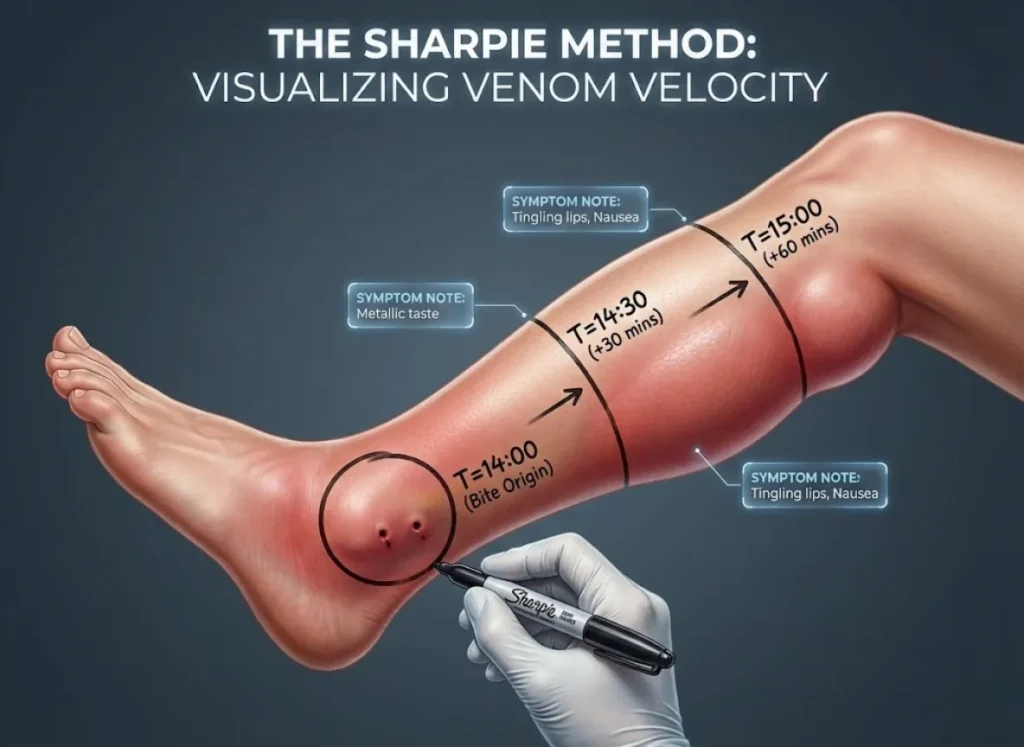
You should also document non-local systemic symptoms with timestamps, such as “14:20 – metallic taste,” “14:45 – tingling lips,” or nausea. This data helps differentiate between a dry bite (no venom injected) and a rapid, life-threatening situation.
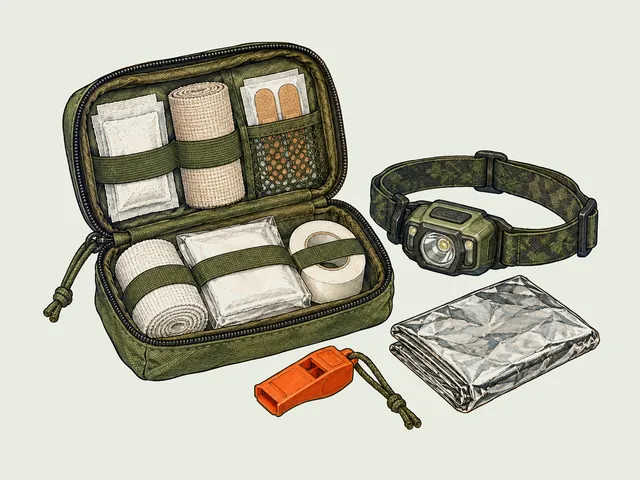
Monitor for anaphylaxis (severe allergic reaction). If the patient carries an EpiPen for bee stings, have epinephrine ready, though it is not a treatment for the venom itself. Ensure you always carry a permanent marker in your DIY hiker’s emergency kit.
How does treatment differ between Pit Vipers and Coral Snakes?
For US vipers like Rattlesnakes (including the Mojave rattlesnake and Prairie rattlesnake), Copperheads, and Cottonmouths (water moccasins), Pressure Immobilization Bandaging (PIB) is contraindicated. Their venom is hemotoxic and cytotoxic. Trapping it in the limb with a compression bandage concentrates the destruction, risking tissue necrosis and amputation.
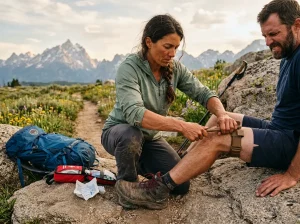
For these bites, the goal is “tissue preservation”: remove rings and watches immediately before swelling traps them, keep the limb neutral, and do not compress.
However, for Coral Snakes (Red touch Yellow), which are elapids possessing neurotoxic venom, Pressure Immobilization Bandaging (the Australian method) IS indicated. Neurotoxins cause respiratory paralysis but minimal local tissue damage. Therefore, trapping the venom in the limb prevents it from reaching the diaphragm without risking the limb itself.
Unless you can positively identify the snake as a Coral Snake (rare in most of the US), assume Pit Viper envenomation and avoid compression wraps. Prevention, naturally, is better than cure; consider the protection provided by data-backed snake gaiters in snake-infested areas.
Final Thoughts
Survival in snake territory is not about heroic speed; it is about deliberate calm.
Remember the core principles: Preparation is Safety. A Satellite Messenger is not a luxury item; it is the only tool that makes the safer “Wait” protocol possible. Physiology Rules. The lymphatic pump is the enemy; every step taken pumps venom closer to the heart, making walking a measure of absolute last resort.
Myths Kill. Suction, tourniquets, and ice are ineffective and destructive. Time is Tissue. Use the “Sharpie Method” to turn the snake bite victim into an active participant in their own survival.
Review your current emergency preparedness kit. Discard the suction extractor. Consider upgrading to a satellite communication device before your next venture into the backcountry.
FAQ – Frequently Asked Questions
Should I try to kill or capture the snake for identification?
No, never attempt to kill or capture the snake. This drastically increases the risk of a second bite. A photo taken from a safe distance (20+ feet) is sufficient for doctors. Additionally, the primary antivenom (CroFab) covers all venomous rattlesnakes and other pit vipers regardless of species, so precise identification is rarely worth the risk. Leave snakes alone—even a dead snake can possess a bite reflex.
Is it true that baby rattlesnakes are more dangerous than adults?
This is largely a myth. While baby snakes or young snakes may lack venom metering control, adult snakes possess significantly larger venom glands and yield. An adult rattler can deliver a massive load of venom that far outstrips a juvenile’s capacity. Regardless of size, treat every bite as a potential life-threatening emergency.
What if I am alone and have no cell service or satellite messenger?
You must self-evacuate immediately using the Functional Walking technique. Drop all heavy gear to reduce metabolic strain. Use trekking poles for support. Keep your heart rate low and walk toward help until you connect with rescue or physically cannot continue.
Can I use a tourniquet if I am hours away from a hospital?
No, do not use a tourniquet for a North American pit viper bite. Trading a limb to theoretically save a life is a calculation that should only be made in extreme, specific circumstances under direct medical direction. In almost all hiking scenarios, it causes significantly more harm than good.
I've spent more than a decade researching hiking gear and trail technique. I read the specs, the forum threads and the long-term reviews, and every pick here comes with what it gets wrong.
End of the trail
You read every mile of this one. Here's where the trail goes next.