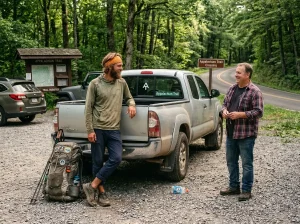
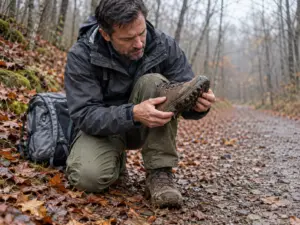

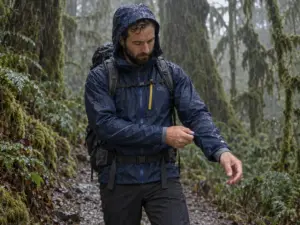
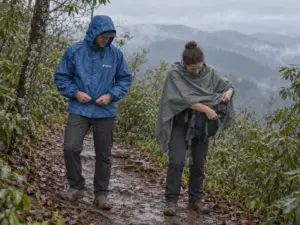
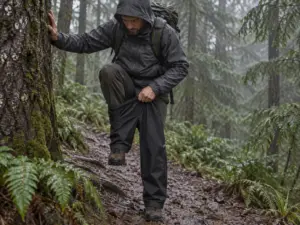




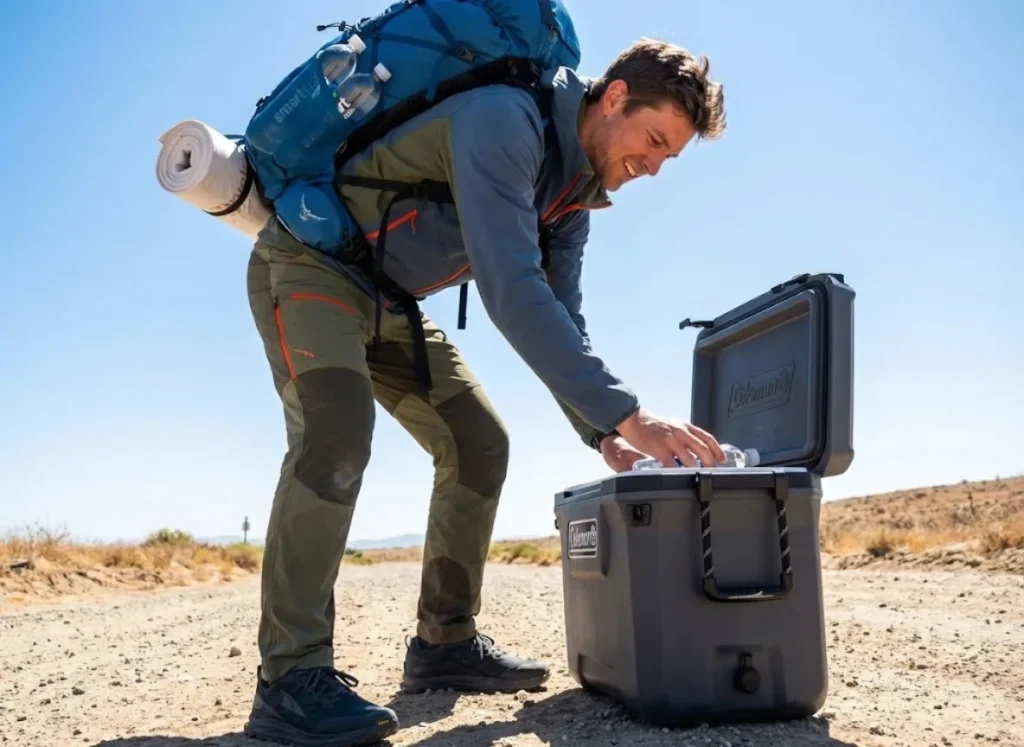
The wind on the Continental Divide screams at 40mph, stripping the heat from your layers while your water supply dwindles to a few warm sips. In these moments of depletion, a chance encounter feels less like luck and more like a miracle—a cooler of cold sodas at a dusty road crossing or a local resident offering a ride to town.
These are the works of “Trail Angels”—often referred to as guardian angels or an army of do-gooders—the backbone of long-distance hiking culture who transform the grueling reality of the trail into a community-supported journey. But let’s be clear: this isn’t just about free soda.
In my two decades as a mountaineering instructor, I’ve seen reliance on these lifelines save trips, and I’ve seen it go sideways. This guide moves beyond romanticized stories to provide a rigorous framework for understanding who these volunteers are, how to vet them for safety, and the unwritten code of conduct required to keep this fragile ecosystem alive. We will cover the specific distinctions between magic and services, how to navigate the taxonomy of support, and the critical vetting techniques necessary to protect yourself when accepting aid.
What Defines a Trail Angel and Trail Magic?
What is a Trail Angel and how does “Trail Magic” work?
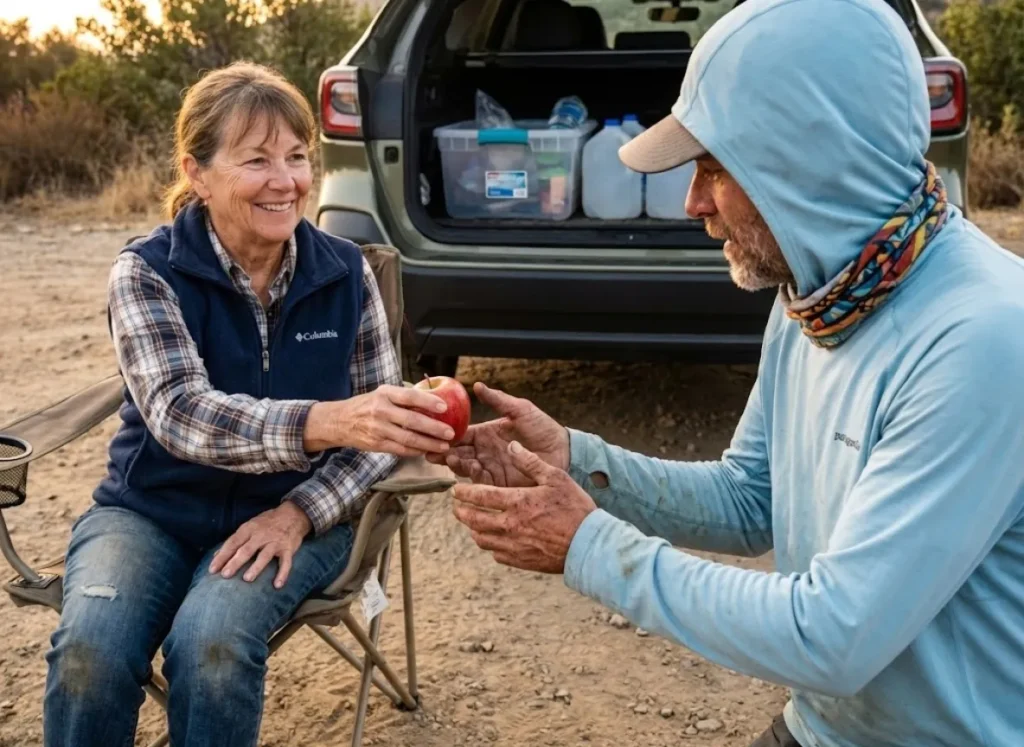
A “Trail Angel” is an individual who provides voluntary, non-professional assistance to hikers, typically without expectation of direct financial reward. This support is most prevalent on the Triple Crown of Hiking—the Appalachian Trail (AT), Pacific Crest Trail (PCT), and Continental Divide Trail (CDT)—though the culture is expanding to the Arizona Trail (AZT), Florida Trail, and Ice Age Trail.
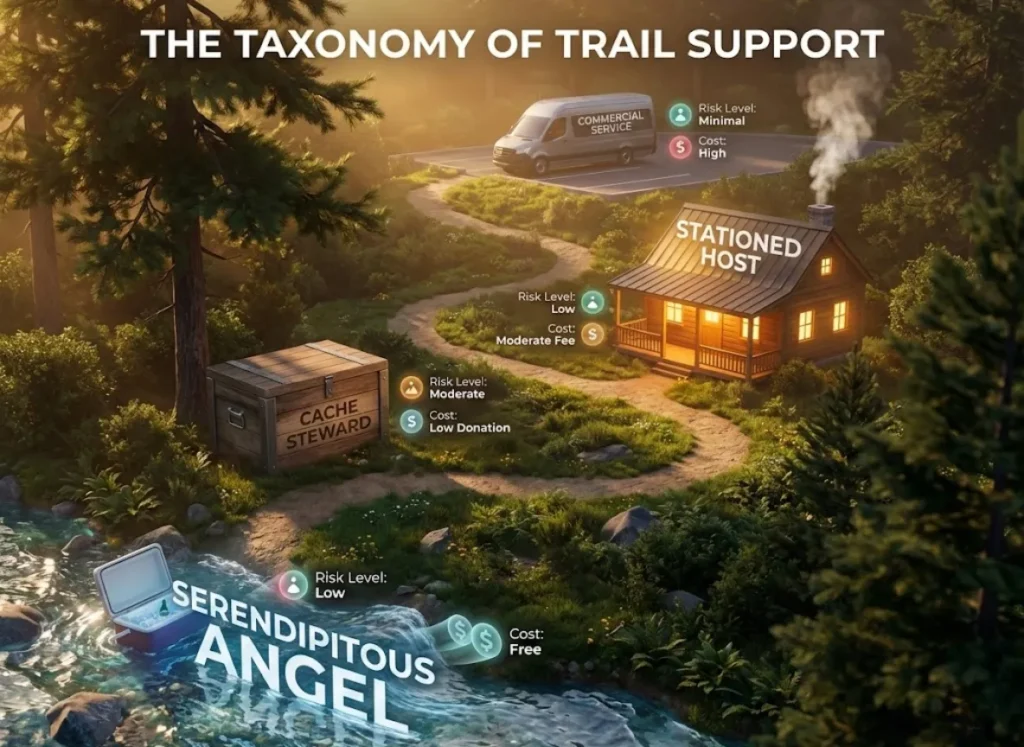
The angel’s role ranges from the “Serendipitous Angel” who offers a one-time ride or snack, to the “Stationed Host” who opens their home to hikers for showers, laundry, and resupply box holding. “Trail Angel” is often a term of endearment given to people who have provided trail magic, distinguishing them from commercial operators.
“Trail Magic” refers to the act of kindness itself or the tangible items provided. Historically, this meant serendipitous finds, like a cold soda left in a stream or an unsolicited ride during a storm. In the modern era, magic has become more institutionalized, often appearing as organized “hiker feeds” at road crossings offering fresh fruit and burgers.
The defining characteristic is that it is a gift, intended to boost hiker morale and aid physical recovery. For a deeper understanding of the official scope of this aid, the Appalachian Trail Conservancy outlines the parameters of volunteer support on long-distance trails, establishing the baseline for these interactions.
The interaction operates on a “gift economy” model rather than a transactional market economy. Hikers are expected to receive this aid with humility, rather than viewing it as an entitlement. The psychological driver for many angels is the “vicarious hike”—connecting with the adventure through the “trail tales” of current hikers—or a desire to “pay it forward” from their own past experiences.
However, the line between magic and service is blurring due to apps and Facebook groups. This shift creates logistical fragility; when hikers rely on “magic” as guaranteed infrastructure, they risk safety if that voluntary support fails.
What Are the Different Types of Trail Support?
How do Trail Angels support hikers with rides, water, and lodging?
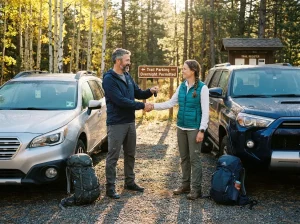
Perhaps the most common form of magic is the ride into town for resupply logistics. Unlike hitchhiking, trail angels often coordinate these shuttles via lists or social media groups. This service bridges the critical “last mile” gap between remote trailheads and town amenities like post offices and grocery stores.
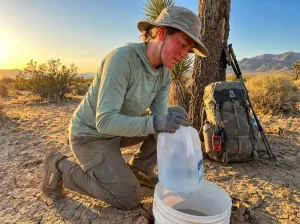
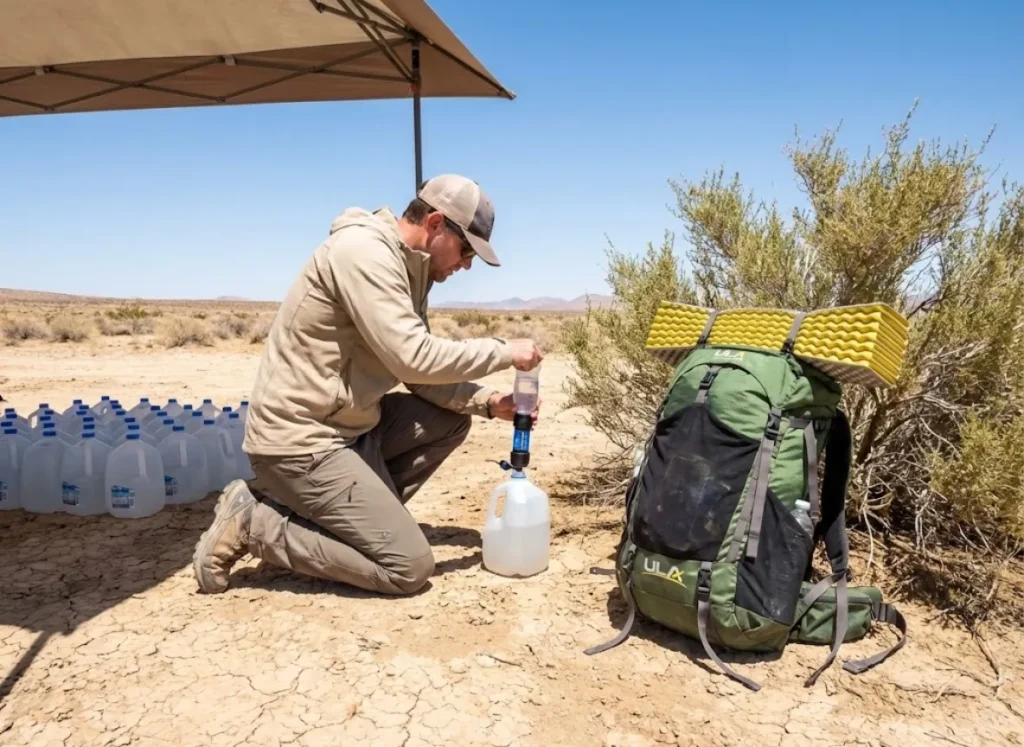
On arid long-distance hiking trails like the PCT and CDT, “Cache Stewards” maintain water drops in dry stretches. These are life-saving installations requiring immense physical effort to stock. Similarly, “food magic” provides caloric surplus at road crossings, often organized by religious groups or former hikers deploying ice chests filled with perishables.
Pro-Tip: Never rely solely on water caches. As noted by the PCTA regarding water cache reliability issues, these are voluntary backups, not guaranteed infrastructure. You must always possess the skill of finding water in the wild to ensure self-reliance.
Some angels offer “Stationed Hosting,” allowing hikers to camp in yards or sleep in spare rooms. This differs from a hostel as the primary exchange is social rather than financial. Hikers act as guests in a private home, not customers, necessitating a higher degree of social etiquette regarding fuel assistance or gear assistance.
Often overlooked, the “Maintenance Volunteer” is a trail angel who clears blowdowns or maintains shelters. While less visible than the person handing out burgers, their work is the foundation of the trail. Recognizing this “invisible magic” shifts a hiker’s perspective from consuming goods to appreciating the path itself.
How Do Trail Angels Operate and What Motivates Them?
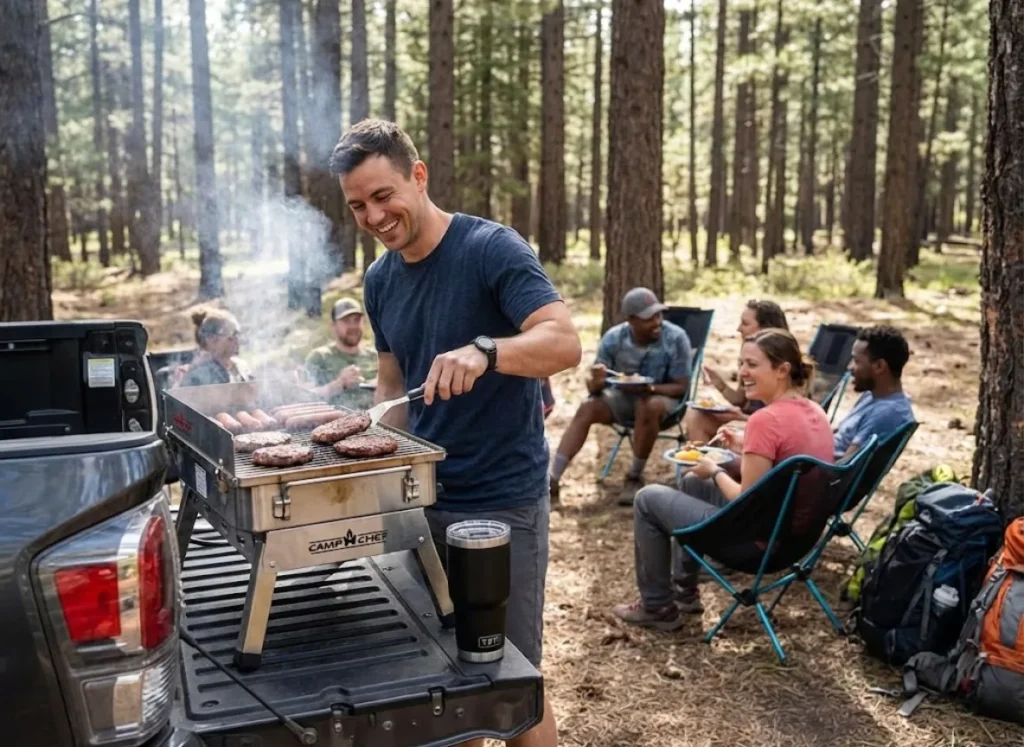
Why do volunteers dedicate time and resources to hikers?
Many angels are former thru-hikers who can no longer hike due to age, injury, or life circumstances. Supporting current hikers allows them to remain embedded in the thru-hiking culture and relive the adventure through the stories of others.
Research into the psychology of volunteerism in recreation suggests that this “vicarious connection” is a primary motivator; the “payment” they seek is conversation and connection. In trail towns, angels often act as ambassadors, smoothing the relationship between the transient hiker population and local residents. This community support is vital for maintaining hiker-friendly businesses.

Support ranges from sporadic kindness to highly disciplined logistics. Some angels operate strictly by word-of-mouth to avoid burnout, while others maintain public profiles on lists. The rise of apps has professionalized some of these interactions, but the core remains an informal system based on altruism.
However, “Angel Burnout” is a growing phenomenon caused by ungrateful hiker behavior or the volume of special requests exceeding capacity. When hikers treat volunteers like unpaid staff, the altruistic motivation collapses. Understanding the history of hiking helps hikers appreciate the deep-seated traditions of “paying it forward” that motivate older angels, hopefully encouraging better behavior.
What Are the Key Etiquette and Cultural Norms?
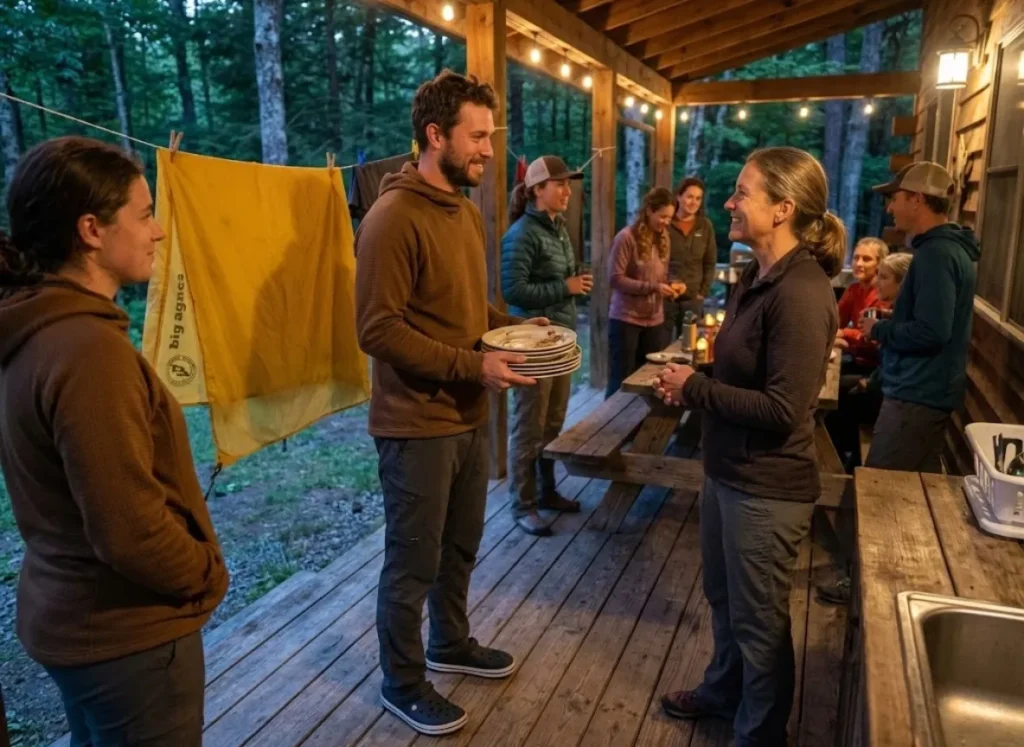
How should hikers behave to respect Trail Angels and the community?
The art of “Yogi-ing” refers to politely attracting offers of help without explicitly begging. Successful and respectful yogi-ing relies on charm and storytelling—allowing the angel to offer direct kindness rather than demanding it. Aggressive solicitation or loitering at trailheads is not yogi-ing; it is vagrancy and damages the reputation of the hiking community.
When staying in an angel’s home, the “Hotel Mentality” must be abandoned. Hikers should offer to help with chores, keep gear contained to avoid spreading dirt, and respect privacy boundaries. The stay is a social exchange, not a transactional one. Using your “trail name” is fine, but be ready to provide real identification if asked.
Pro-Tip: Always offer gas money for rides ($5-$20 depending on distance). Even if they refuse, the offer is mandatory etiquette. If they decline cash, leave a thank-you note or make a donation to a trail organization in their name.
While angels often refuse payment due to their volunteer status, hiker etiquette and gratitude dictate that you treat the assistance as a privilege, not a right.
At large hiker feeds, avoid “gluttony.” Take reasonable portions, ensure everyone is fed, and clean up trash aggressively. If the feed is hosted by a religious group, respect their space and message, even if you do not share their beliefs. Rudeness reflects poorly on the entire trail class. This ties directly into Mastering Outdoor Ethics—respect applies to people just as much as it applies to nature.
What Are the Safety Risks and Vetting Protocols?
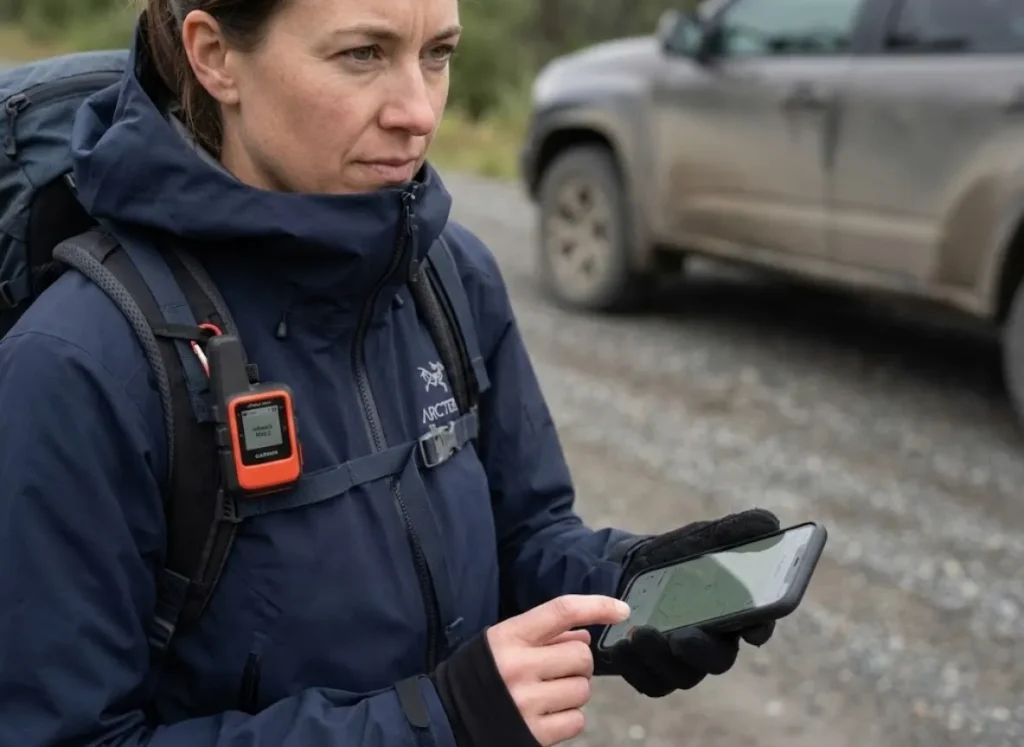
How can hikers vet Trail Angels and ensure personal safety?
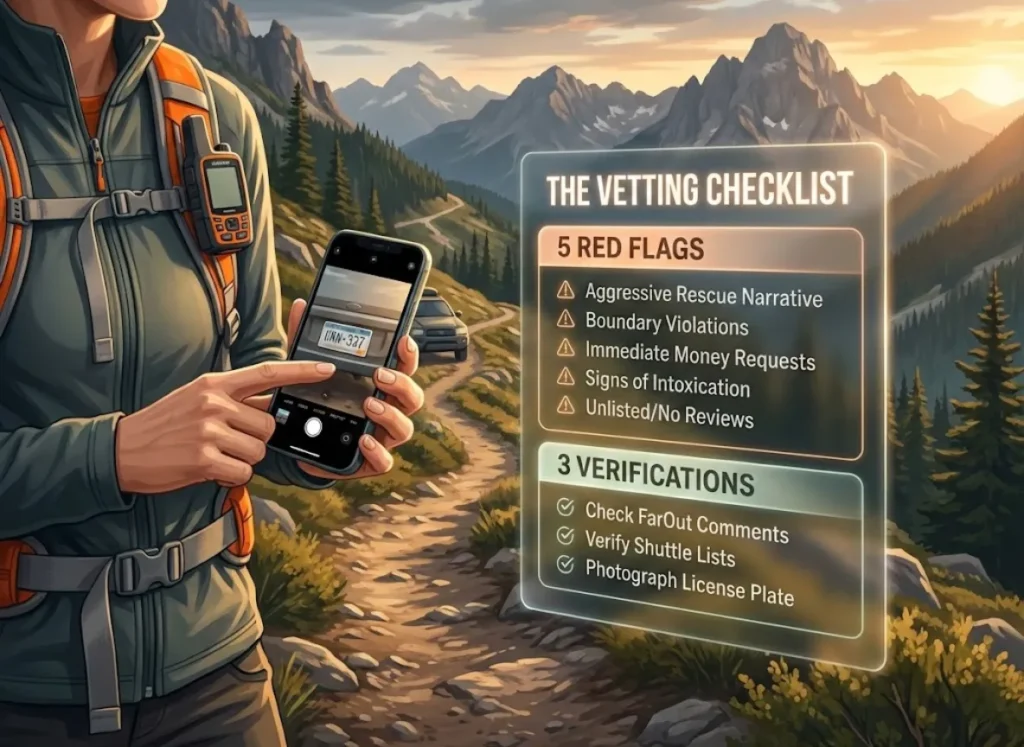
Hikers often lower their guard due to the “Trail Angel” label, but predators can exploit this trust. Safety begins with Verified Trust. Check if the angel is listed on reputable databases like local shuttle lists or official trail forums, and look for recent comments from other hikers on apps like FarOut.
Be wary of the “Red Flag” Checklist. Watch for drivers who immediately solicit money before services are defined, display signs of intoxication, or violate boundaries. A major warning sign is the “Rescue Narrative,” where an individual aggressively insists you need help when you haven’t asked. These can be “trail angels in disguise” with bad intentions.
Before entering a vehicle, photograph the license plate and text it to a trusted off-trail contact to verify a ride. Keep your essential gear (phone, wallet, satellite messenger, pepper spray) on your body, not in your pack in the trunk. This ensures you have resources if separated from your gear.
For general context, review hitchhiking safety statistics to understand the baseline risks of unlicensed transport. Solo hikers, especially women, should use “fake partnering” (mentioning a partner just behind them) and avoid disclosing they are alone.
Hitchhiking in pairs reduces risk significantly in this peer-to-peer magic system. If a situation feels wrong, prioritize intuition over politeness. Use the same logical caution found in our framework for finding safe partners—vetting is a non-negotiable skill.
How Can Trail Magic Impact the Environment?
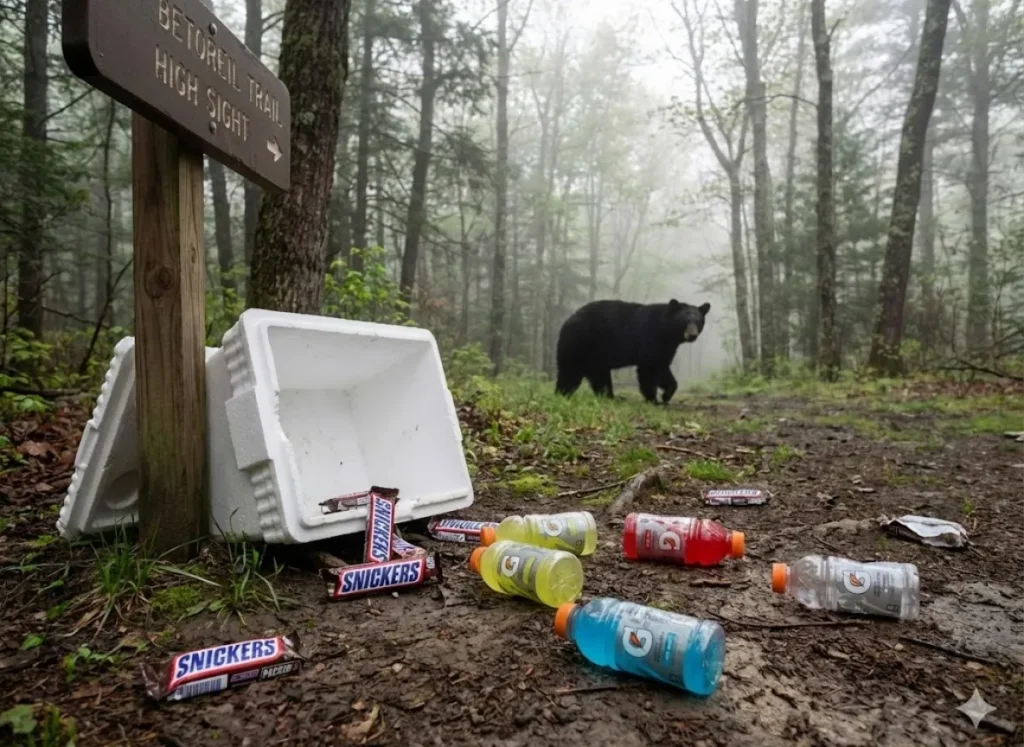
What are the Leave No Trace implications of unattended food and water?
Leaving coolers of soda or food at trailheads violates Leave No Trace (LNT) principles. These “micro-landfills” attract wildlife, leading to food conditioning. A fed bear is often a dead bear. Furthermore, empty containers often pile up, as hikers assume “someone else” will clean them, burdening land managers like the U.S. Forest Service or National Park Service (NPS).
Food caches disrupt natural foraging behaviors. Even “secure” containers can be breached by determined animals or leave scent trails that draw predators to hiking corridors. Experts at LNT.org warn specifically about wildlife habituation risks caused by well-intentioned but misguided magic.

The best magic is “Attended Magic,” where the host stays with the food and packs out all trash immediately. “Service Magic,” such as taking hiker trash to town because trailhead trash cans are overflowing, is highly valued and environmentally neutral.
Water caches present a dilemma. While vital in desert sections, they are technically litter if abandoned. Hikers should report empty or damaged caches to trail associations. Additionally, be mindful of Leave No Trace microtrash—small wrappers and caps often left behind at these sites accumulate rapidly, threatening ecological integrity.
What Are “Trail Pirates” and How Do They Differ from Angels?
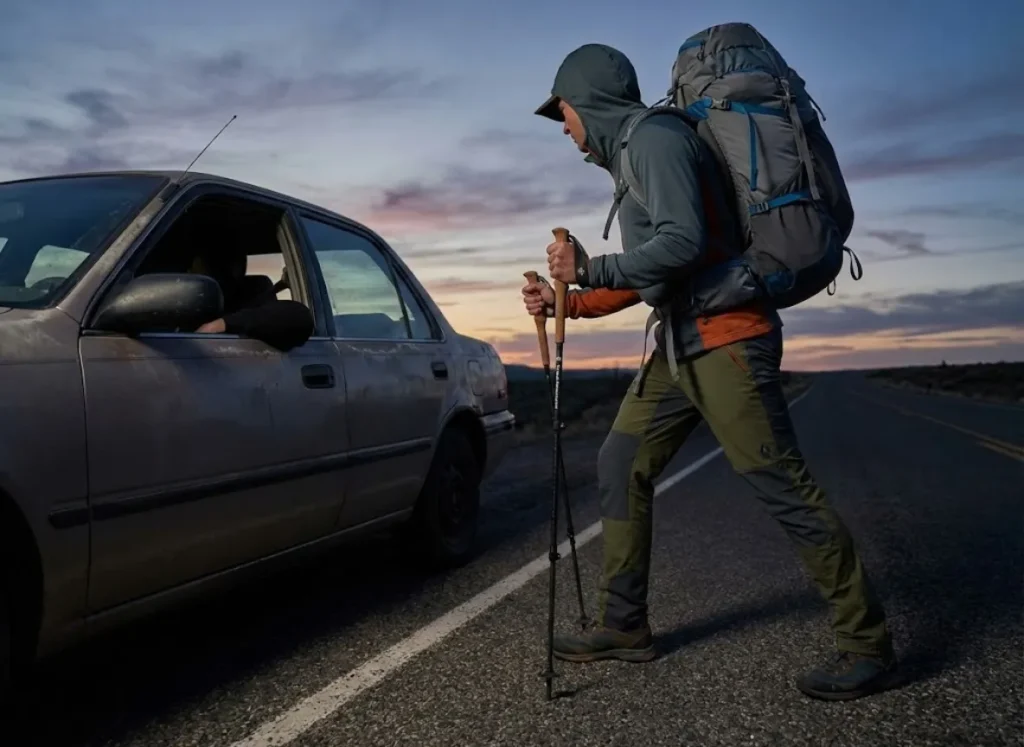
How can hikers identify scams and unlicensed operators?
A “Trail Pirate” is an unlicensed operator who solicits “mandatory donations” that function as fees, often bypassing commercial regulations and insurance. They operate in the gray market, sometimes providing unsafe transport or holding gear hostage for payment.
Pirates often masquerade as angels, offering a “ride” or “place to crash” without mentioning cost until the service is underway. They may target exhausted hikers who are less likely to negotiate. Unlike angels, their motivation is purely financial profit, not community support.
To filter pirates, ask direct questions upfront: “Do you charge a fee?” or “Is this a donation-based service?” Legitimate businesses will have clear rates; legitimate angels will refuse or downplay payment. Ambiguity is the pirate’s tool.
Understanding the risks of unregulated transport is essential. Pirates undermine legitimate local shuttles and hostels that pay taxes and insurance. Supporting pirates harms the local trail town economy and encourages a predatory, unregulated system.
Hikers with solid Thru-Hiking budget planning are less desperate and less likely to fall for “cheap” but dangerous scams.
Best Practices for Hikers and Aspiring Angels
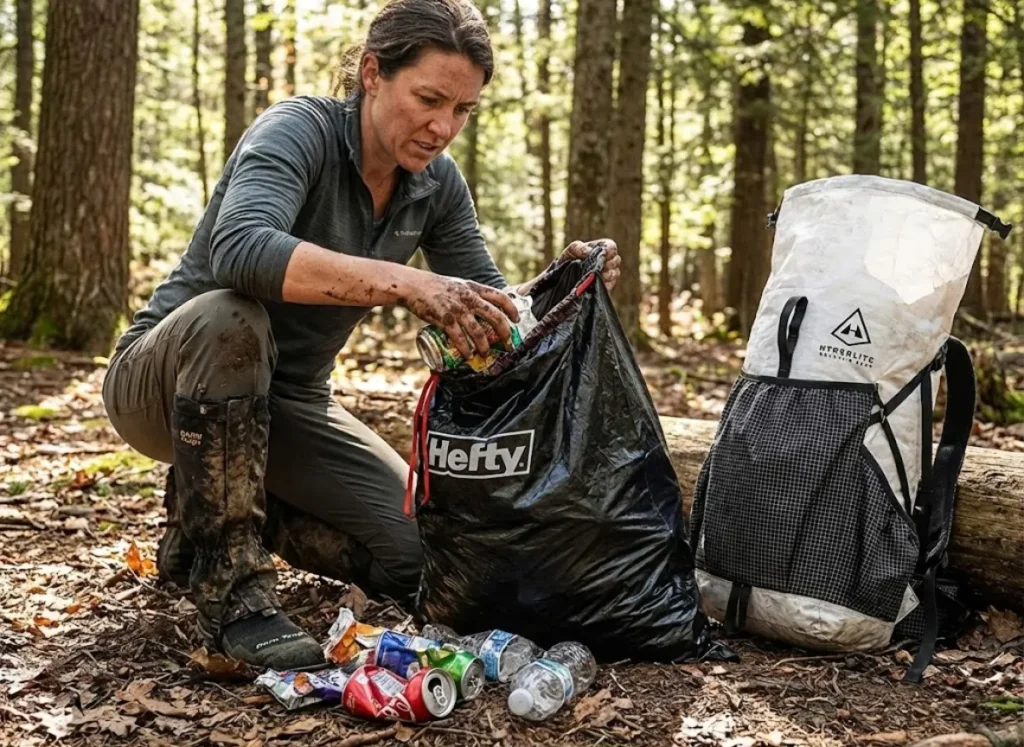
How can we ensure the sustainability of the Trail Angel system?
For hikers, the mantra is “Privilege, Not Right.” Treat every act of magic as a bonus, not a logistic certainty. Vet every ride, pay for gas, pack out your trash, and leave a thank-you note. By reducing the friction on angels, you extend their longevity in the community.
For aspiring angels, focus on “Low Impact” magic. Provide attended feeds, offer trash pack-out services, or verify volunteer trail maintenance opportunities with the American Hiking Society. Joining a volunteer trail crew is the most sustainable form of support.
The hiking community must self-regulate by reporting bad actors (pirates or abusive angels) to trail organizations and sharing information on apps like FarOut. Conversely, calling out and celebrating “good” behavior reinforces positive norms.
Ultimately, the goal is to transition from a consumer of the trail to a steward. Whether by donating to trail associations or learning from a guide to trail maintenance, paying it forward ensures the “magic” endures for the next generation.
Conclusion
Trail Angels are the unpaid, altruistic infrastructure of long-distance hiking, driven by community spirit rather than profit. However, the “halo effect” of the trail should never override personal safety; vetting rides and housing is a mandatory skill for every trekker. By practicing ethical consumption—favoring “Attended Magic” and rejecting dependency on caches—we protect the environment that we came to enjoy. The system survives on gratitude and reciprocity. Share your own stories of trail magic below, or explore our guides to maintenance to learn how you can become an angel for the trail itself.
FAQ – Frequently Asked Questions
What is the difference between a Trail Angel and a Trail Pirate?
A Trail Angel is a volunteer motivated by altruism who typically refuses or downplays payment. A Trail Pirate is an unlicensed operator who demands mandatory donations (fees) and often provides unsafe or predatory services.
How much should I tip a Trail Angel for a ride?
While angels often refuse payment, standard etiquette is to offer $5-$20 for gas depending on the distance. If money is refused, buying them a meal or donating to a trail charity in their name is the correct gesture.
Is it safe for solo female hikers to stay with Trail Angels?
While mostly safe, solo female hikers should vet hosts rigorously using Verified Trust (checking lists or reviews) and trust their intuition. Using fake partnering and keeping essential gear accessible are critical safety layers.
Can I rely on water caches in the desert sections of the PCT?
No. Water caches are emergency backups, not guaranteed infrastructure. They can be empty, contaminated, or removed by land managers; hikers must always carry enough water to reach the next natural source.
I've spent more than a decade researching hiking gear and trail technique. I read the specs, the forum threads and the long-term reviews, and every pick here comes with what it gets wrong.
End of the trail
You read every mile of this one. Here's where the trail goes next.