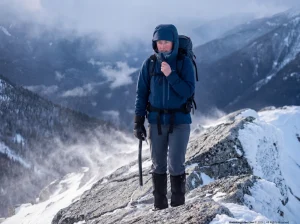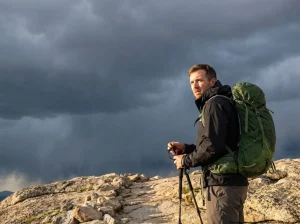

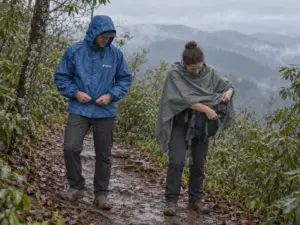
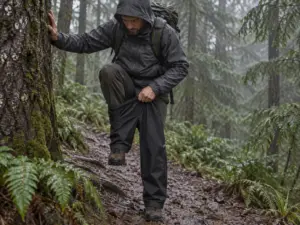

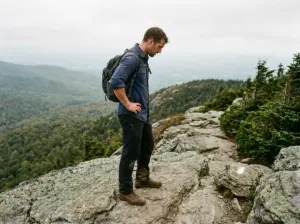
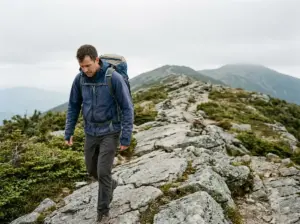





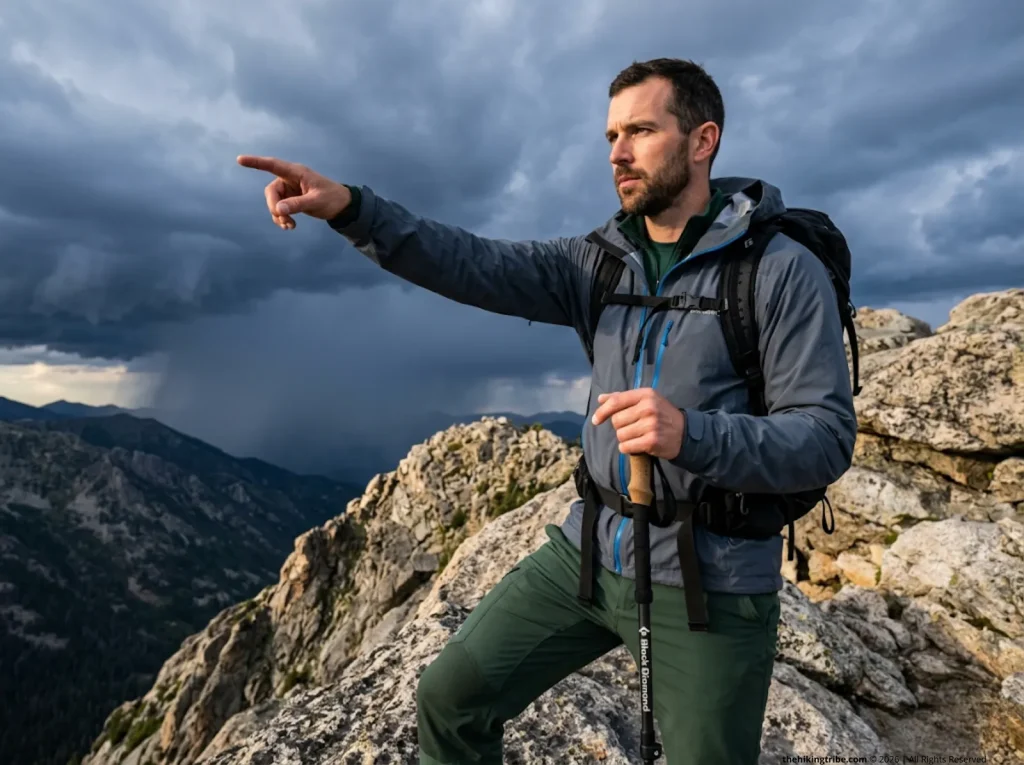
The wind shifted suddenly, turning from a gentle cross-breeze into a cold, biting downdraft that smelled unmistakably like metallic ozone. Above the ridge, previously innocent cumulus clouds had flattened into dark, bruised anvils in a matter of twenty minutes. We were four miles from the trailhead, and every weather app on my phone had promised clear skies for the next 72 hours.
That is the exact moment you realize that relying strictly on digital cached forecasts in the backcountry is a massive, potentially fatal vulnerability. Topography alters weather in real time, turning the environment into its own independent meteorological engine. In this guide, I will break down the exact physics of atmospheric pressure, cloud timelines, and biological triggers.
You are going to learn how to build a reliable, 3-sense method for field-forecasting—long after your cell service cuts out. Predict mountain weather by reading what is right in front of you.
⚡ Quick Answer: You can read weather signs on the trail without an app by observing cloud progression, monitoring barometric pressure drops with an altimeter watch, and paying attention to biological indicators like insect behavior or the smell of ozone. High, wispy cirrus clouds give a 24-to-48 hour warning, while flattening cumulonimbus clouds mean danger is imminent. When these visual cues combine with a sudden temperature drop and a physical shift in wind direction, seek shelter immediately.
Atmospheric Physics: The Mechanical Drivers of Weather

Backcountry weather is driven by hot and cold air slamming into steep mountains. You cannot predict mountain weather simply by looking at a regional forecast from the National Weather Service because mountains create their own localized microclimates. When wind pushes a wet air mass up against a steep mountain slope, that air is forced to rise. As it climbs, the air thins out and cools down rapidly, a physical reaction meteorologists call adiabatic cooling.
This physical ramp effect is called orographic lift, and it generates rapid, localized storms right over the peaks. While the valley floor stays completely dry and sun-baked, the ridge above can get hammered by hail. You have to understand that mountain peaks act as localized storm generators.
Topographic Interference and Microclimates
The air cools down as you climb higher, which is known as the environmental lapse rate. Specifically, the temperature drops about 3.5 degrees Fahrenheit for every 1,000 feet you climb. When you hike up a steep slope, this rapid cooling causes the moisture in the air to violently condense into towering cumulus clouds.
This rapidly cooling, unstable air causes brutal temperature plunges and sudden whiteouts. It is exactly why mastering shoulder season weather patterns is critical for your survival. If you are standing in a warm valley, do not assume the ridge three miles away is safe. A valley forecast is straight-up useless when you are pushing above the treeline.
Deciphering Environmental Lapse Rates
Valleys can deceive you just as easily as peaks. Sometimes, cold air gets trapped under a layer of warm air in what is called a thermal inversion. This stable air setup traps dense fog and moisture tight against the valley floor, severely limiting your visibility impact.
Even when the precipitation is low, walking into an inversion feels like stepping into a cold, wet freezer. The lack of violent updrafts means you won’t see severe thunderstorms, but the dense fog can completely ruin your navigation.
Stable Air versus Violent Updrafts
When the air is highly unstable from steep mountain slopes forcing it upward, you get violent updrafts that fuel massive storms. Compare this to stable air, where moisture spreads out horizontally. Recognizing whether the air wants to spread out or shoot straight up is your first clue to the day’s weather severity.
Cloud Morphology: The Diagnostic Timeline of a Storm
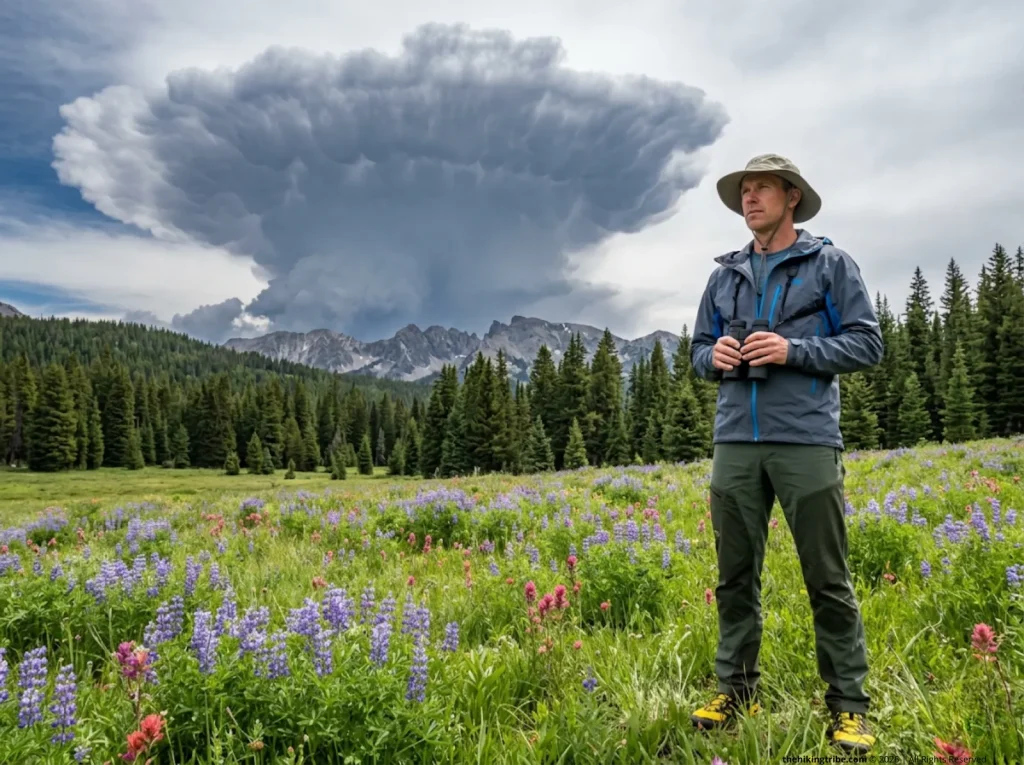
Monitoring cloud classification provides a chronological visual guide to shifting weather, letting you calculate the exact arrival time of an approaching storm system. The sky gives you plenty of warning if you know what to look for.
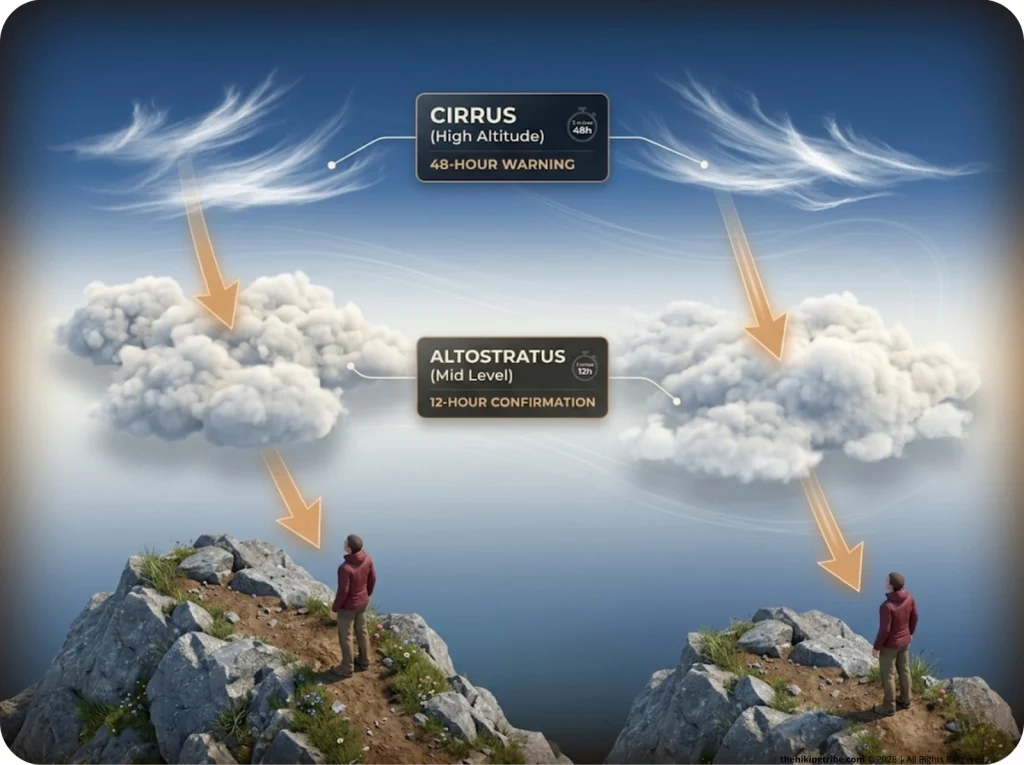
The 48-Hour Warning: High-Altitude Cirrus
Your first warning sign appears two days in advance. High-altitude cirrus clouds, often called “Mare’s Tails,” indicate incoming moisture moving in from a warm front. These wispy, thread-like clouds sit high in the atmosphere and tell you a low-pressure system is roughly 24 to 48 hours away.
If you are out at night, look at the moon. The ring you sometimes see around the moon is caused by light bending through ice crystals in cirrostratus clouds. Seeing these halos around sun or moon means rain will likely hit within 18 to 24 hours.
The 12-Hour Confirmation: Mid-Level Saturation
By the next morning, those high wisps will thicken and drop lower. Look for altostratus or altocumulus layers—those puffy, textured clouds that make the sky look like fish scales. Identifying these mid-level clouds on a humid morning is a near-guarantee that afternoon thunderstorms are brewing.
As the mid-level cloud ceiling compresses downward, the air usually feels dead and heavy. This “calm before the storm” optical compression means you need to lock in a solid rain plan for hiking immediately. You have less than half a day before things get messy.
The Immediate Threshold: Cumulonimbus Anvils
You need to differentiate harmless, puffy fair weather clouds from a genuine threat. The immediate danger sign is a towering cumulonimbus cloud with a hardened, flat anvil shape at the top. That flat top means the violent updraft has hit the stratosphere and is spreading out, signifying imminent, severe lightning.
Pro-Tip: When you see an anvil cloud forming, check the wind direction. If the anvil is leaning toward you, the storm is heading your way fast. Start descending instantly.
Localized High-Wind Signifiers: Lenticulars
Some clouds warn you about wind rather than rain. Lenticular clouds look like smooth UFOs hovering perfectly still over a peak. They reveal dangerously high altitude wind ripping across the summit.
You might also see a Foehn Wall, which is a thick, stationary bank of clouds hugging a mountain ridge. This formation signals intense, localized moisture dumping on the windward side and violent, dry downslope winds on the leeward side. If you see lenticulars or a Foehn Wall, do not push for the summit.
Barometric Altimetry: The Physics of “Feeling” the Pressure
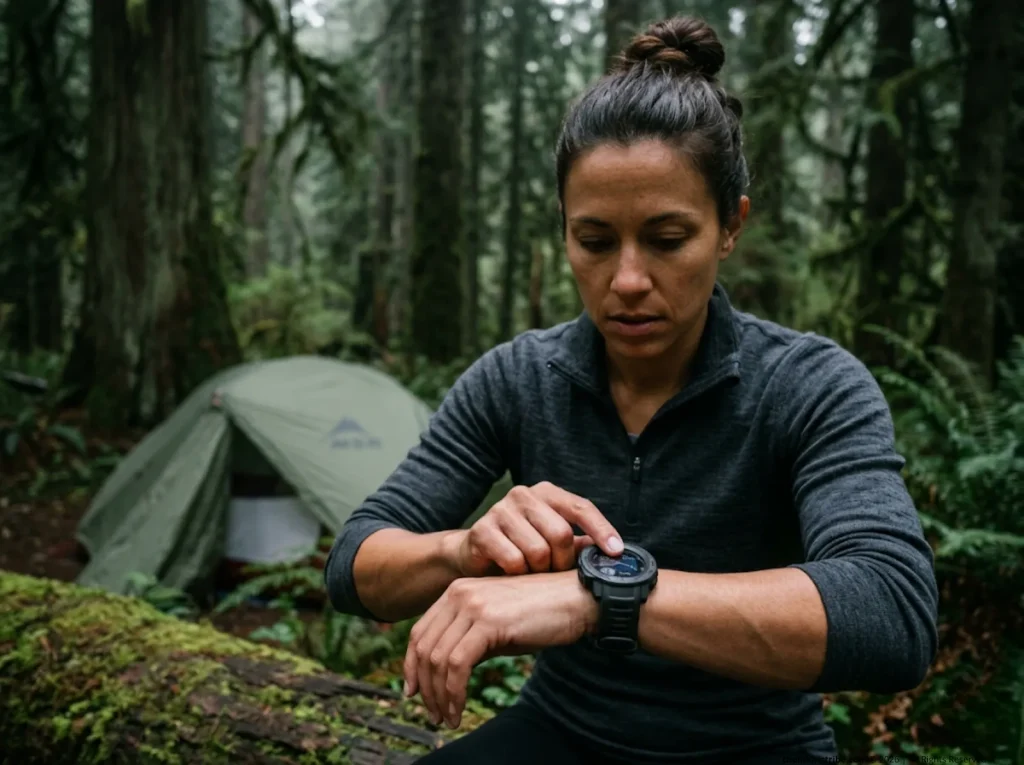
Professional hikers utilize changes in air pressure and altimeters to track invisible weather fronts. Knowing how to read barometric pressure gives you a massive tactical advantage over simple visual observation.
The Dynamics of Static Air Pressure
Barometric altimeters work by measuring the physical weight of the air pushing down on you. Because the atmosphere gets thinner as you climb, the pressure naturally drops at higher elevations. Your altimeter uses this specific pressure drop to tell you how high you are climbing.
However, moving weather systems also change the air pressure. A high-pressure system brings clear skies, while a low-pressure system drags in storms. If the atmospheric pressure drops around you, your altimeter gets confused and thinks you just climbed higher.
The “Stationary Test” for Camp Forecasting
This physics quirk creates the ultimate morning baseline check. It is called the stationary test. When you wake up in camp, look at your watch before you start hiking. If your altimeter shows an unprompted rise in elevation while you were asleep, the atmospheric pressure has dropped.
An artificial elevation gain on a stationary watch is a red flag that an incoming system is practically on top of you. Whether you wear a battery-free mechanical Swiss Thommen or a modern GPS unit from Garmin or Suunto, a dropping barometer means deteriorating weather.
Pro-Tip: The most reliable field-forecasting method is combining visual cloud types with barometric data. If you see cirrus clouds thickening and your altimeter shows a sudden 200-foot rise in camp, brace for heavy rain.
Overcoming Weather-Induced Altimeter Drift
There is a crucial navigational hazard known as the “high to low, look out below” rule. If you are actively hiking toward a low-pressure storm, your altimeter will inaccurately over-report your elevation. You think you are higher than you actually are, which leads to fatal navigation mistakes in whiteouts.
You must combat barometric drift and elevation offsets by constantly recalibrating your barometric altimeter. If you skip your altimeter watch calibration at known map benchmarks or trailhead signposts, your data is useless. I once had mapping software state I was at 10,000 feet, but a mid-storm pressure drop forced the watch to read 11,000 feet. We had to rely entirely on dead-reckoning navigation.
Presage Biology: Nature’s Sensory Network
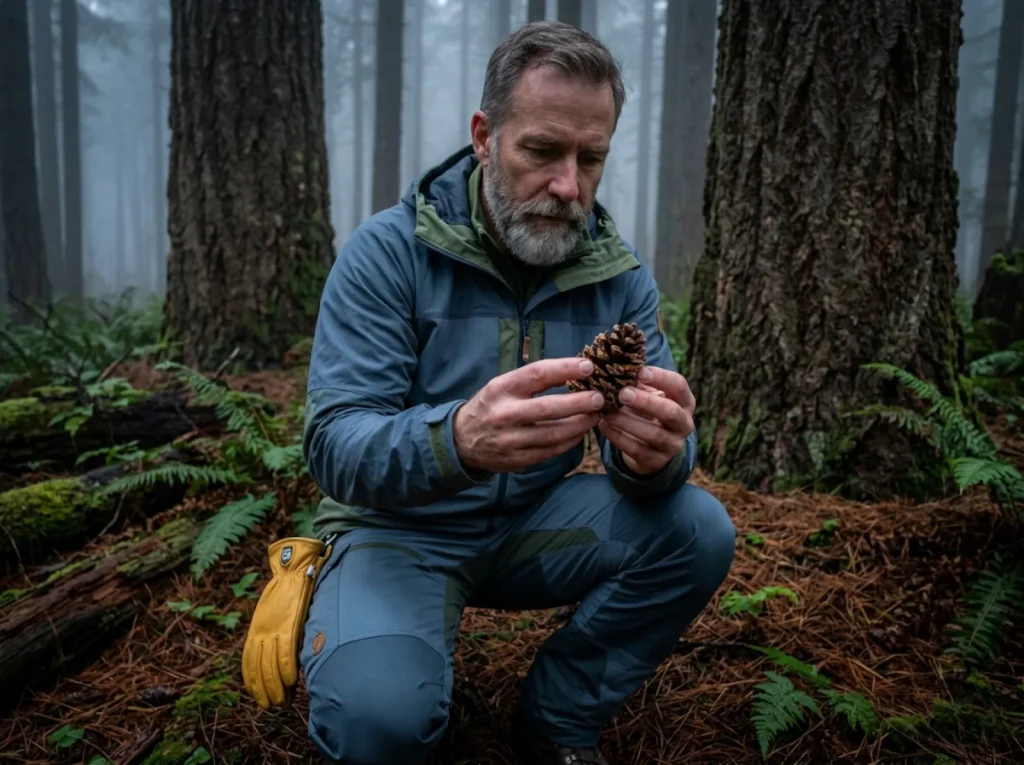
You have high-sensitivity biological and olfactory markers all around you that react to humidity and pressure changes well ahead of human perception. Relying on biological indicators is how indigenous trackers and veteran guides stay dry when the tree canopy blocks out the sky.
Decoding Insect and Avian Behavioral Shifts
A sudden pressure drop makes it physically harder for insects to fly. When a storm is brewing, bees will seemingly vanish from the meadows, while biting flies and mosquitoes become hyper-aggressive as they gorge before the rain hits.
You also need to watch the birds. The classic “low-fly rule” dictates that birds flying low are reacting to low-density air caused by the pressure drop. They instinctively stick close to the ground to seek immediate cover from the incoming barotrauma and violent downdrafts. Maintaining full-spectrum sensory awareness helps you predict storms just as much as learning to identify animal scat along the trail helps you track wildlife.
The Pine Cone Hygrometer Mechanism
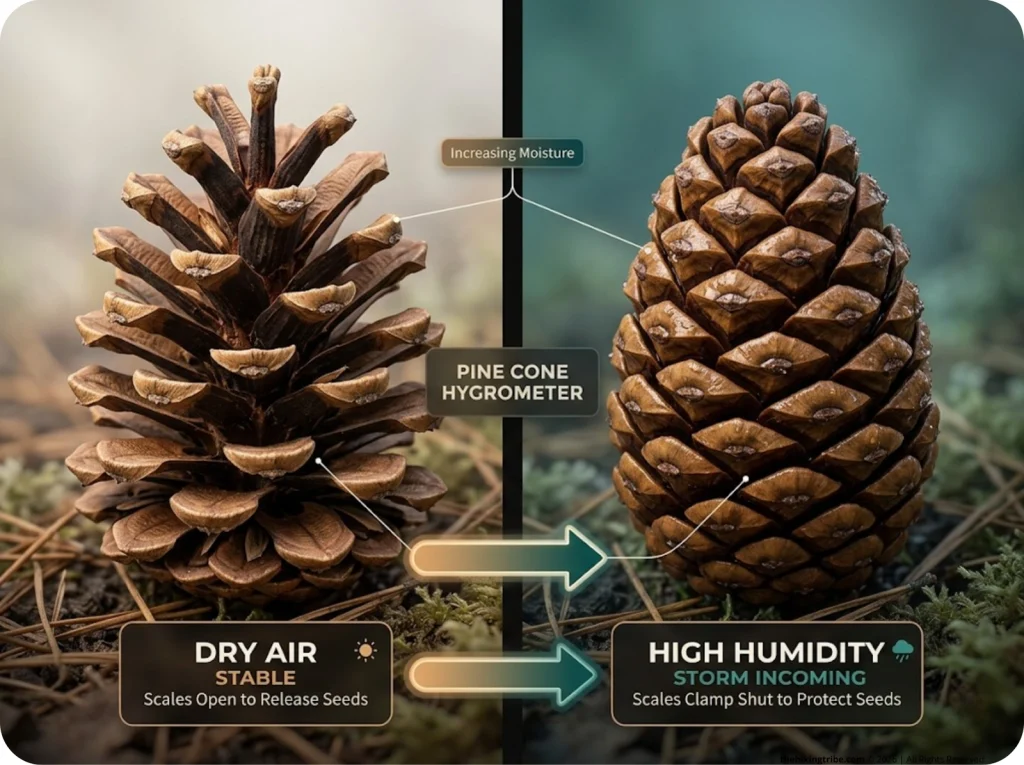
Plants act as natural moisture sensors that react physically to dampness. Pine cones closing their scales tightly is a defense mechanism to protect their seeds as the relative humidity spikes. When the air is dry, the scales open wide; when a storm approaches, they clamp shut.
You can also look at the trees around you. Deciduous leaves will literally flip upwards, exposing their pale undersides, because their stems soften in the heavy pre-storm dampness. Navigating a heavily forested valley forces total reliance on these botanical clues.
Analyzing Chemical Olfactory Cues (Ozone)
When you are out on the trail, trust your nose. The science of smelling rain, known as petrichor, happens when the first raindrops hit dry earth and kick up specific chemical compounds like geosmin into the air. Petrichor means rain is close.
However, smelling ozone is a much more severe warning. A crisp, metallic scent in the air specifically signifies severe electrical activity upwind. This distinct ozone smell is actively carried downward to ground level by violent convective drafts. If you smell metal, lightning is imminent.
Specialized Hazard Environments: Deserts and Coasts
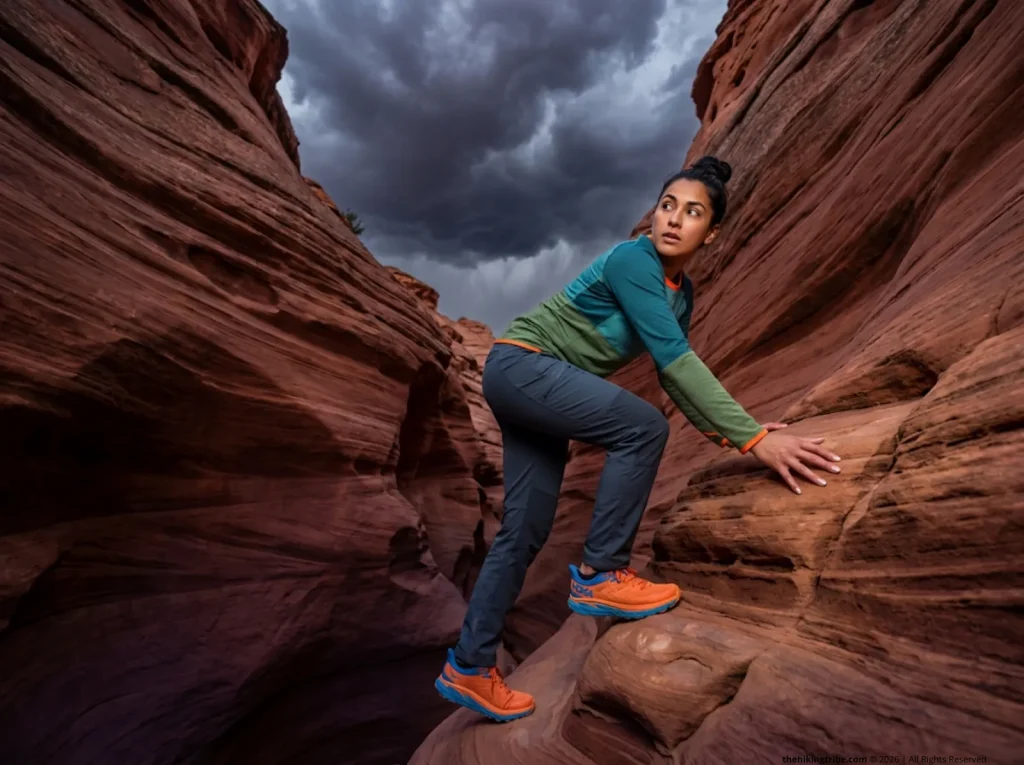
Regional terrain actively warps standard forecasting rules and demands highly specialized threat analysis. Recognizing desert weather signs or coastal anomalies requires throwing out standard meteorological assumptions.
Slot Canyons and Catchment Basin Vulnerability
Sunbaked, hardpan desert soils completely reject water absorption. Instead of soaking in, massive rainfall funnels entirely into surface runoff, creating a catastrophic wall of water. The terrifying reality is that a slot canyon flash flood can crush you under bright blue skies simply because a storm broke fifteen miles up-canyon.
These catchment basin flash floods highlight why protecting delicate cryptobiotic soil from trail damage is so important—it is the only thing holding the desert surface together against intense runoff. The sound of an incoming flash flood rushing through a canyon echoes exactly like a low-frequency freight train, long before the water ever comes into view.
Recognizing the “MAUL” Instability Layer
Before a wall of water hits the desert, hikers will often feel a sudden, oppressive stickiness in the normally dry air. This is the Moist Absolute Unstable Layer. If you are standing in a dry wash and the humidity abruptly spikes to swamp-like levels, a distant storm has altered the atmospheric mechanics of the entire canyon network.
Navigating Coastal Marine Inversions
If you hike coastal trails, you have to deal with the marine layer. This coastal trail weather anomaly happens when cool ocean air becomes trapped beneath warmer air overhead. It generates heavy, thick fog and localized rain regardless of a seemingly stable high-pressure system sitting over the region.
The rule here is simple: if a coastal marine layer measures deeper than 2,000 feet vertically against the mountains, precipitation is almost guaranteed on the windward slopes.
Lightning Strikes: The High-Consequence Event
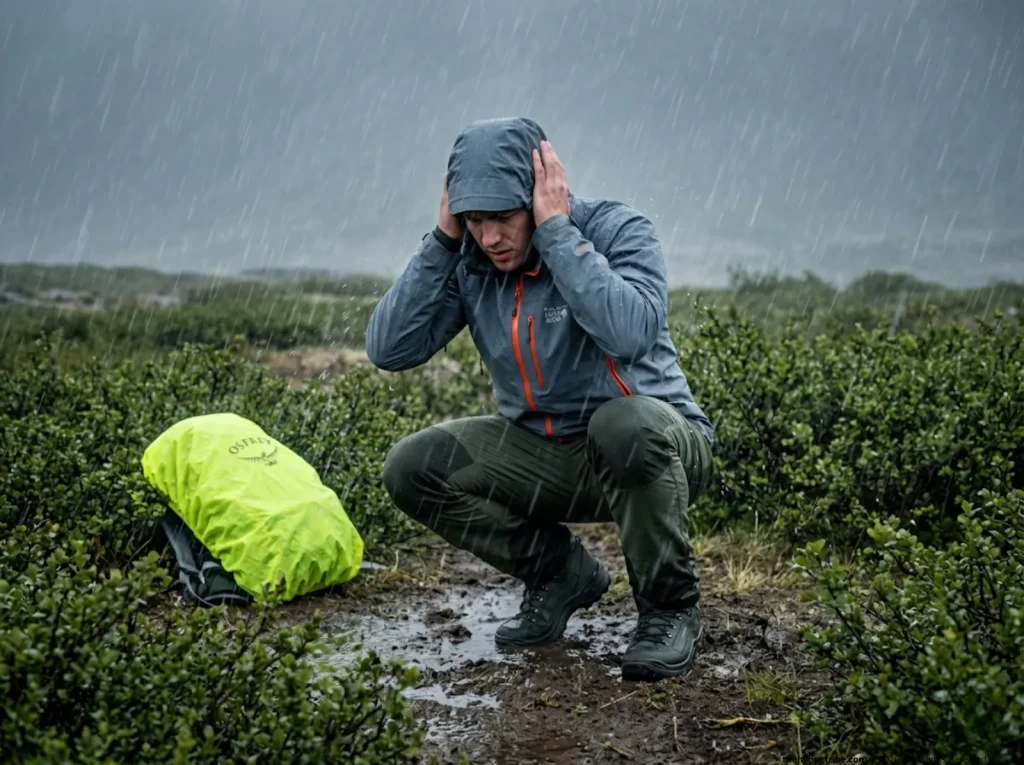
Lightning is a high-consequence event that requires you to execute severe storm survival tactics instantly. When electrical activity peaks, you need concrete mathematical tools to keep yourself alive.
The 30-30 Mathematical Safety Standard
Inside a massive storm cloud, static electricity builds up until it fires a 30-million-volt discharge that instantly rips apart the air around it, generating thunder. You can use acoustic math to track this violence using the calculated flash-to-bang mechanics. Sound travels one mile roughly every five seconds.
Divide the seconds between the lightning flash and the thunder crack by five to calculate the distance in miles. This is the foundation of the flash-to-bang method. If the flash-to-bang span is 30 seconds or less, the storm is within six miles. This is a critical high-risk radius demanding immediate action.
Pro-Tip: Carry a portable AM radio. Tuning to an empty AM station will let you hear static clicks caused by distant lightning strikes, giving you an audible early warning system long before you see the anvil clouds.
The Backcountry Shelter Hierarchy
When a storm hits, you must utilize a strategic shelter hierarchy. The absolute best survival option is inside a hard-topped vehicle. If you are deep in the backcountry, seek out uniform-height thickets of trees deep in a valley.
You must execute a strict lightning safety protocol for open terrain. Escaping exposed ridgelines, lonely summits, and isolated tall timber is your number one priority. Do not hide in shallow caves, as ground currents will blast right through the gap.
Mitigating Ground Current with the Lightning Crouch
If you are caught out in the open with zero shelter, you must assume the last-resort physical posture: the lightning crouch. Squat down tightly on the balls of your feet and keep your heels touching.
Keeping your heels clamped together mitigates step-potential, allowing any direct ground currents to travel up one leg and immediately down the other, bypassing your vital organs entirely. The terrifying reality is that most hikers are killed after the rain stops because they break cover prematurely. The anvil top remains highly charged, so you must obey the “30-minute wait” rule after hearing the last clap of thunder.
The Human Factor: Psychology and Decision-Making
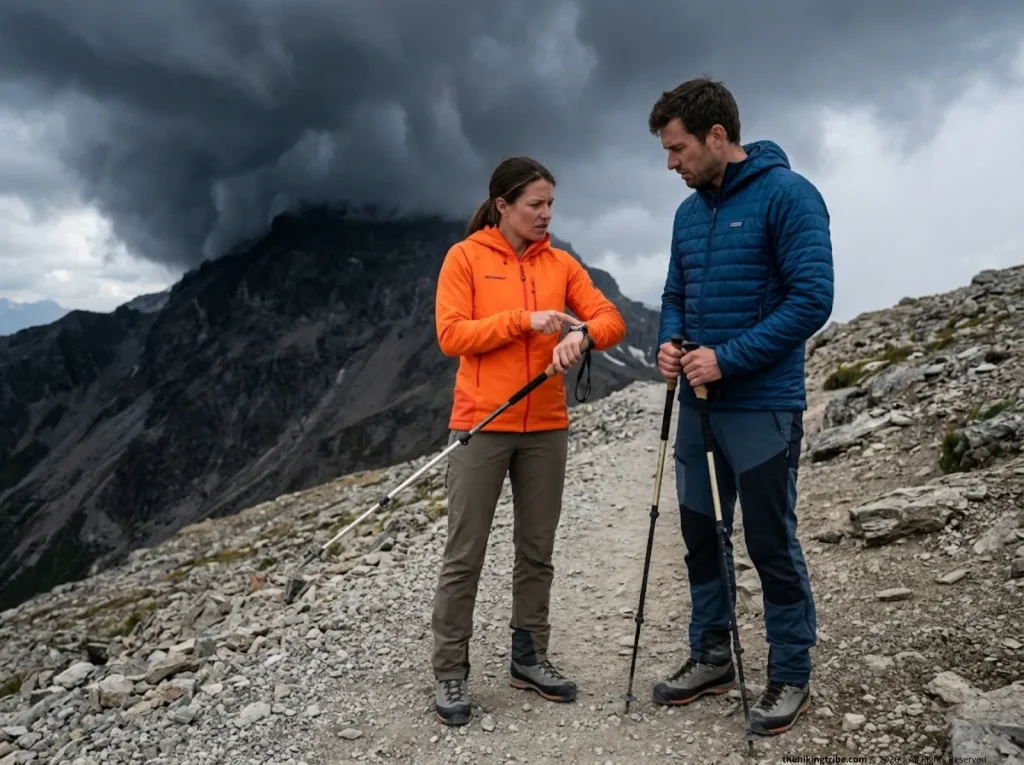
Your brain uses mental shortcuts and heuristic traps that cause otherwise competent hikers to ignore glaring environmental weather warnings on the trail. You can have all the altimeter readings in the world, but if your ego takes over, you will hike straight into a disaster.
Identifying Fatal Bias and “Summit Fever”
The most dangerous trap is the “Consistency/Commitment” bias, commonly known as summit fever. Hikers push upward into raging thunderstorms simply because they invested heavy time, money, and sweat into reaching the mountain.
Social proof is equally deadly. Pushing forward into a whiteout because you see other people heading up means you are replacing objective barometric physics with the flawed, panicked decisions of strangers. I once let summit fever physically overshadow the rational observation of a rapidly dropping altimeter, and it resulted in a terrifying class-3 scramble down wet rock in the pitch dark.
Utilizing the 3×3 Evaluation Matrix
Professional guides overcome heuristic traps by forcing a rigid weather decision matrix. Use the 3×3 filter: evaluate regional conditions at breakfast in camp, reassess local conditions when you reach the trailhead or base, and rigorously study the zonal conditions right before your final summit push.
Fatal accidents are rarely the result of one massive mistake. They stem from a chain of ignored micro-warnings. Ignoring the morning cirrus clouds, skipping your barometric recalibration, and brushing off the sharp scent of ozone creates a compounding cascade of failure.
Executing a Non-Negotiable Turn-Back Hour
The only way to guarantee safety is to establish a non-negotiable turn-back time before you start walking. Set a strict turnaround time—like 1:00 PM on high alpine ridges—and stick to it regardless of how clear the sky looks or how close the summit feels in that moment. Setting a hard boundary removes the emotional aspect of the decision entirely.
Conclusion
The backcountry sky is not an unpredictable lottery; it is an open book written in atmospheric pressure, thermal updrafts, and biological reactions. From tracking the altitude of cirrus clouds to monitoring the moisture sensors of a pine cone, mastering these natural forecasting elements shifts you from a passive participant into a proactive tactician.
Put your phone on airplane mode, establish uncompromising turnaround times, and trust the harsh physics of the trail to guide your safety parameters. Next time you feel the wind suddenly shift icy cold against your neck, you will know exactly what the atmosphere is throwing at you.
FAQ
Can a red sky really predict the weather on the trail?
Yes, the old saying about red sky at night holds actual scientific truth based on weather system movement. Weather systems in the mid-latitudes generally move from west to east; a red sky at sunset indicates that sunlight is passing through high-pressure dust particles to your west, signaling stable, fair weather is approaching. Conversely, a red sky at morning means that high-pressure system has already passed you, and a low-pressure storm is actively trailing right behind it.
Why does my altimeter show I gained 300 feet of elevation while I was asleep in camp?
An altimeter measures air pressure, not GPS positional tracking. If you wake up and your watch indicates you have climbed higher while remaining completely stationary, the atmospheric pressure has dropped significantly overnight. A sudden pressure drop means a low-pressure storm system has moved in and deteriorating weather is imminent.
Does smelling rain before it starts mean lightning is close?
Smelling rain (petrichor) just means moisture is hitting dry soil upwind, but the sharp, metallic scent of ozone means lightning is striking nearby. That distinct electrical smell is created by lightning splitting high-atmosphere oxygen molecules apart. Intense storm downdrafts then force that ozone down to ground level right before the storm hits you.
How do you know when it is actually safe to leave shelter after a thunderstorm?
You must wait a minimum of 30 minutes after hearing the absolute last clap of thunder before moving. Many lightning casualties occur after the aggressive rain clears and the sun peeks out, simply because the trailing anvil cloud base remains highly electrically charged and capable of throwing a bolt miles outside the rain shaft.

I've spent more than a decade researching hiking gear and trail technique. I read the specs, the forum threads and the long-term reviews, and every pick here comes with what it gets wrong.
End of the trail
You read every mile of this one. Here's where the trail goes next.