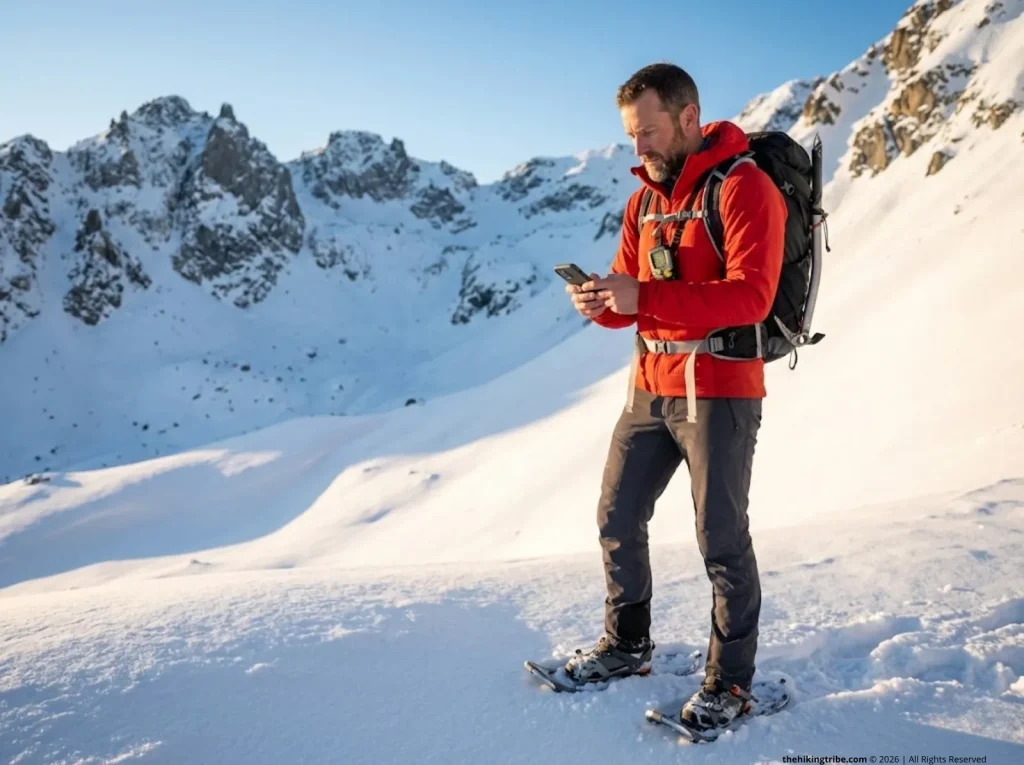
The sound arrived before the sensation—a deep, resonant whumpfing that vibrated through my boots and briefly suspended time. In a fraction of a second, the entire meadow had dropped an inch, the air rushing out of a buried weak layer just waiting for our group’s weight to snap the trigger. After two decades of pushing high-alpine routes, I can tell you that winter does not care about your experience level. Summer trails become winter traps the moment snow covers the ground. This guide breaks down the reality of snowpack stability, how you can identify lethal terrain, and the exact protocols to completely avoid avalanche risks on your winter hikes. Here is exactly how to handle winter terrain—no guessing, no statistics becoming reality.
⚡ Quick Answer:
Hiking in snowy mountains safely requires continuous avoidance of avalanche terrain, which primarily exists on slopes between 30 and 45 degrees. You must check daily regional forecasts, carry a digital beacon, metal shovel, and tensioned probe, and use GPS slope angle shading to stay below runout zones. If you hear a collapse or see cracks in the snow, retreat immediately on your exact path.
5 Red Flags of Unstable Snow
- Recent avalanches
- Signs of unstable snow (whumpfing, shooting cracks)
- Heavy snowfall or rain in the past 24 hours
- Wind-blown snow (creates stiff slabs)
- Rapid, significant warming
The Avalanche Triangle
- Terrain: Slope angles steep enough to slide
- Snowpack: Weak layers buried by heavier slabs
- Weather: Wind, temperature, and precipitation changes
The Mechanics of a Hiker’s Avalanche
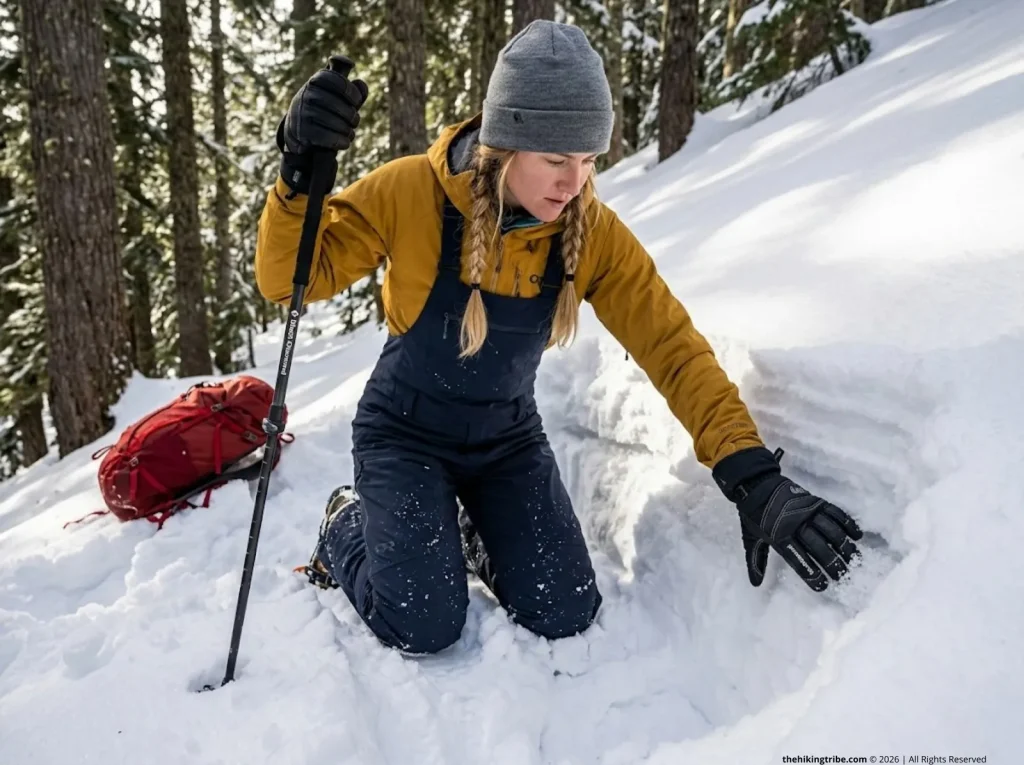
The Dynamics of Slabs and Weak Layers
An avalanche is not just a random slide of loose powder. The mechanism that kills most backcountry travelers is the slab avalanche. This happens when a hard, cohesive layer of snow sits heavily on top of a fragile weak layer.
Think of it like a textbook resting on a layer of crushed potato chips. When a hiker steps into the wrong spot—often near rocks or trees where the snowpack layers are thinner—their weight crushes those chips. The failure spreads out instantly, detaching the entire slab above it.
The physical exertion involved in snow travel is heavy, and recognizing the risks of extreme post-holing is crucial for preserving your energy during a retreat. Once that weak layer collapses, thousands of pounds of snow accelerate downhill at highway speeds. This creates a relentless conveyor belt of destruction that a human body simply cannot outswim.
Pro tip: Never assume that walking lightly will save you. A heavy winter boot applying localized pressure can trigger a deep persistent slab located hundreds of feet above you.
The Truth About Slope Angles
Gravity is the primary engine of any avalanche. Most starting zones range exclusively between a slope angle 30-45 degrees. If the terrain is flatter than 30 degrees, the snow generally wants to stay put. If it is steeper than 45 degrees, the snow constantly sloughs off during storms and never builds a thick slab.
The absolute sweet spot for disaster is 38 degrees. At this angle, massive slabs accumulate and hang in perfect, terrible tension. Determining if a slope sits at 25 degrees or 35 degrees visually is practically impossible for the human eye, which is why precise inclinometer tools are mandatory for backcountry winter safety.
The Fallacy of the “Safe” Summer Trail
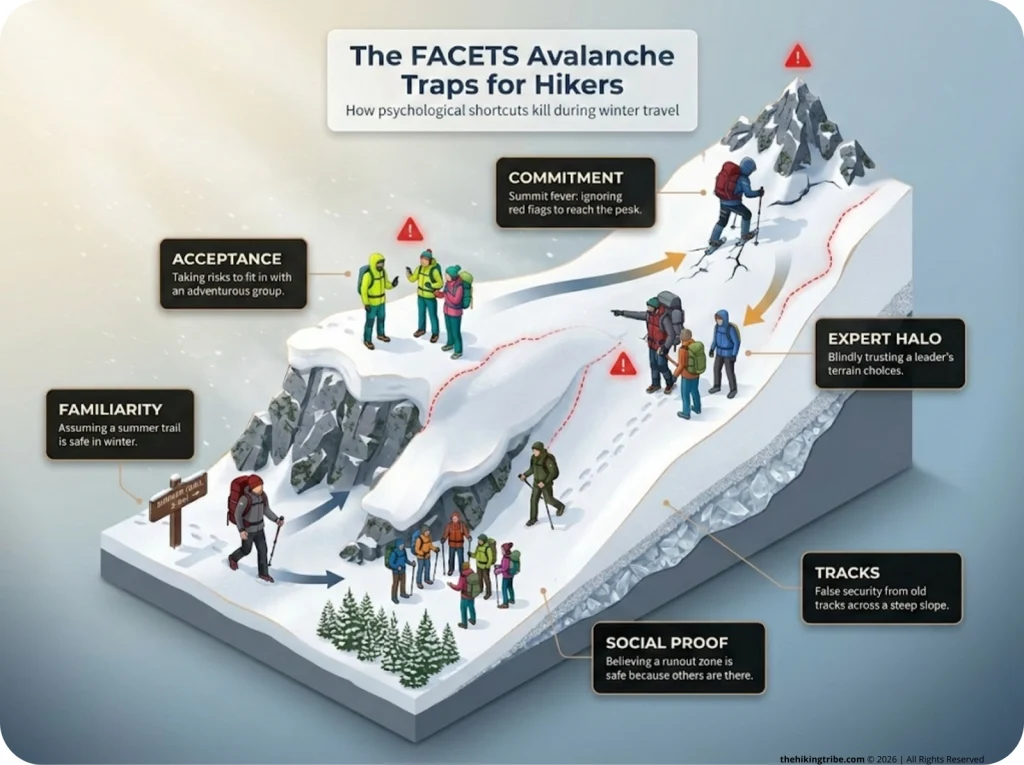
Hikers are disproportionately victimized by the “summer trail” myth. Just because your favorite state park path feels safe in July does not mean it is safe in February. Non-motorized recreationists consistently miss the fact that many flat summer trails traverse directly beneath massive avalanche bowls.
These lower-elevation danger zones are called runout zones. You might be walking on perfectly flat ground, but a slide triggered 2,000 feet above you will completely bury that flat valley floor. The historical avalanche fatality data shows a severe spike in hikers getting caught specifically because they assumed a well-marked summer path offered winter protection. It is a fatal misunderstanding of snow science.
Identifying Avalanche Terrain on Foot
Recognizing Lethal Micro-Terrain
Most hikers naturally fear massive alpine bowls, but they ignore the subtle, smaller features known as terrain traps. A terrain trap is any geographical feature that compounds the consequences of a tiny slide. If you get knocked off your feet by a small slough and slide into a creek bed, a gully, or against a thick stand of timber, you will be buried completely.
A 20-foot steep road cut is another classic example of deadly micro-terrain. It might look like a simple snowy bank beside the highway, but if it releases, it contains enough heavy debris to crush and suffocate a person. You need an interactive visual breakdown of terrain traps to properly train your eye before stepping off the pavement.
Auditory Traps: What “Whumpfing” Means
Winter mountains communicate constantly, but you have to know how to listen. If you are breaking trail and hear a deep, hollow “whumpf” sound, your stomach should drop. That noise is the audible collapse of a buried weak layer underneath your boots.
It tells you undeniably that the local snowpack is hanging by a thread. If you hear this on flat ground, it means you triggered a collapse that did not slide because there wasn’t a steep enough angle. If you hear it on or near avalanche terrain, you have likely just triggered a slide. Immediate, cautious retreat on your exact ascending track is your only option.
Visual Warnings: Interpreting Shooting Cracks
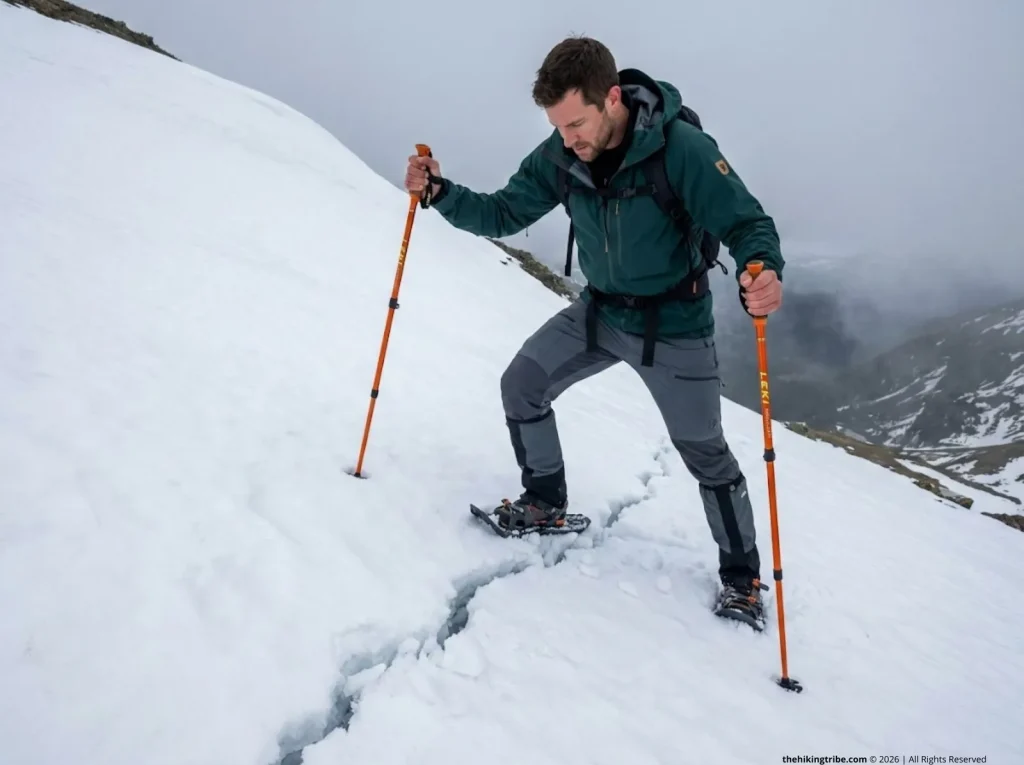
Your eyes are just as vital as your ears. When you put weight down and see fissures instantly race away from you across the snow crust, you are looking at shooting cracks. This visual warning confirms a high fracture chance—the snow’s willingness to transmit a break across a vast distance.
It is a blatant, undeniable red flag. Nailing your proper snowshoe sizing and selection helps distribute your weight, but even the widest flotation cannot stop a fracture on fundamentally unstable snow. When you see a crack shoot past the nose of your snowshoe, turn around.
Pro tip: Treat every shooting crack like a snake bite. They indicate a highly reactive snowpack that is actively rejecting your presence.
Group Dynamics and Fatal Heuristics
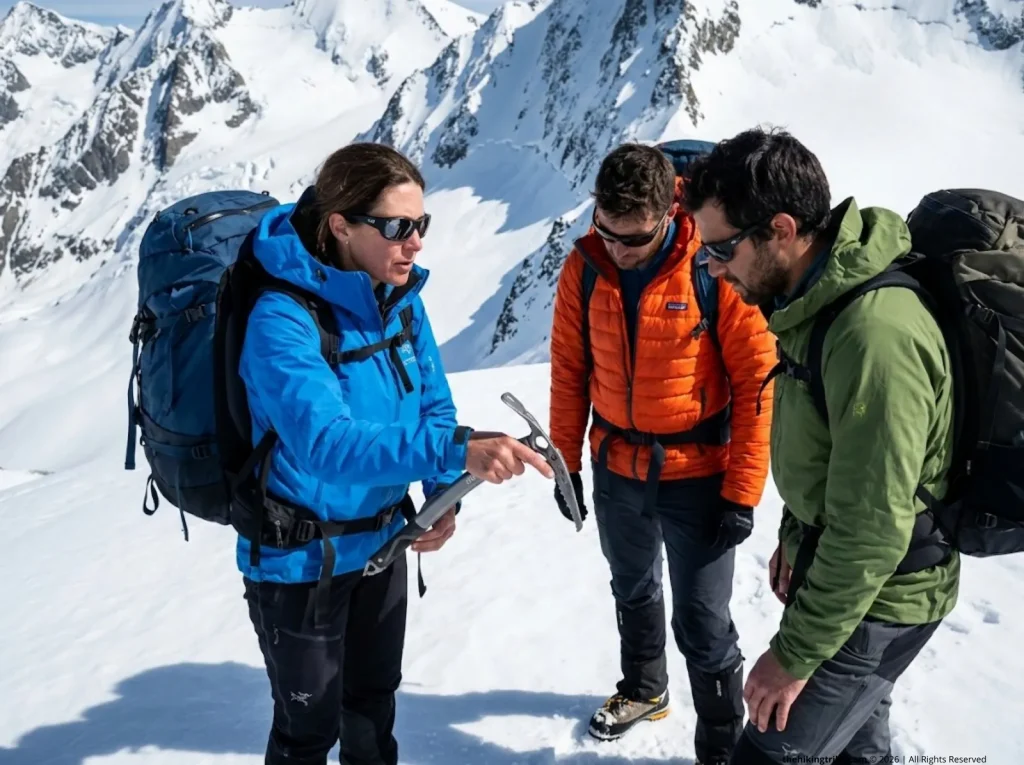
The “Summit Fever” Trap for Peak Baggers
Avalanches don’t kill people; human decision-making kills people in avalanche terrain. The human factors behind these accidents are heavily documented. Hikers specifically suffer from the summit fever trap—a psychological obsession with reaching the objective regardless of the physical warnings surrounding them.
You hike ten miles, suffer through freezing temps, and finally see the peak. When your brain is flooded with dopamine, it actively filters out the red flags. You ignore the fresh wind slab building on the ridge because you are emotionally attached to finishing the hike.
The Danger of Social Proof
We are wired to look at what other people are doing to determine what is safe. If you reach a steep, snowy chute and see fresh boot tracks cutting across it, your brain assumes it is safe to cross. This is the deadly trap of social proof.
Apply a myth-buster framework to your decision-making: those tracks only prove that a previous group survived the crossing. They do not prove the slope is stable. Snowpack strength varies drastically over feet and inches. Connect your group awareness with rigid solo hiking safety protocols and planning to ensure you are continually evaluating the terrain for yourself, not relying on the luck of whoever broke the trail.
The “Expert Halo” Illusion
Group dynamics fall apart when everyone defers to the loudest, fastest, or oldest hiker in the group. This is the “expert halo.” Just because your buddy climbs 14ers every weekend does not mean he understands snow conditions or situational awareness in the winter.
The data confirms this risk. Analyzing backcountry accident human factors reveals that hiker-specific heuristics and general heuristic traps play a primary role in 90% of all accidents. Do not surrender your personal safety assessment to someone else just because they own fancier gear. Speak up if you feel uncomfortable.
Route Planning for Total Avoidance
Mastering Slope Angle Shading (SAS)
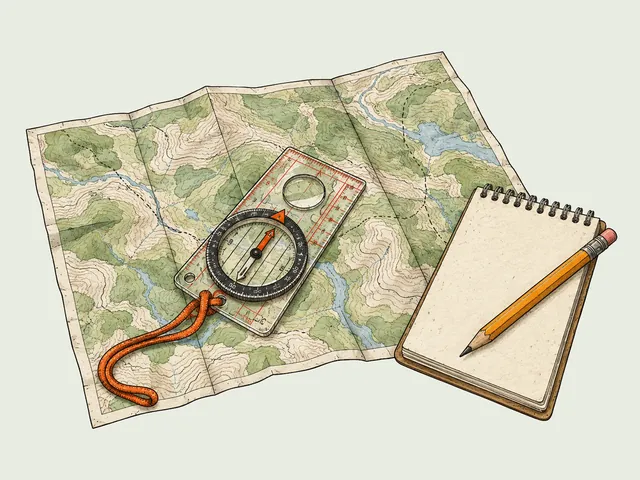
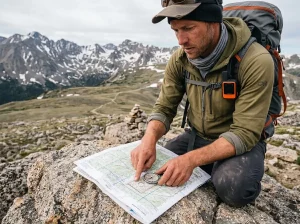
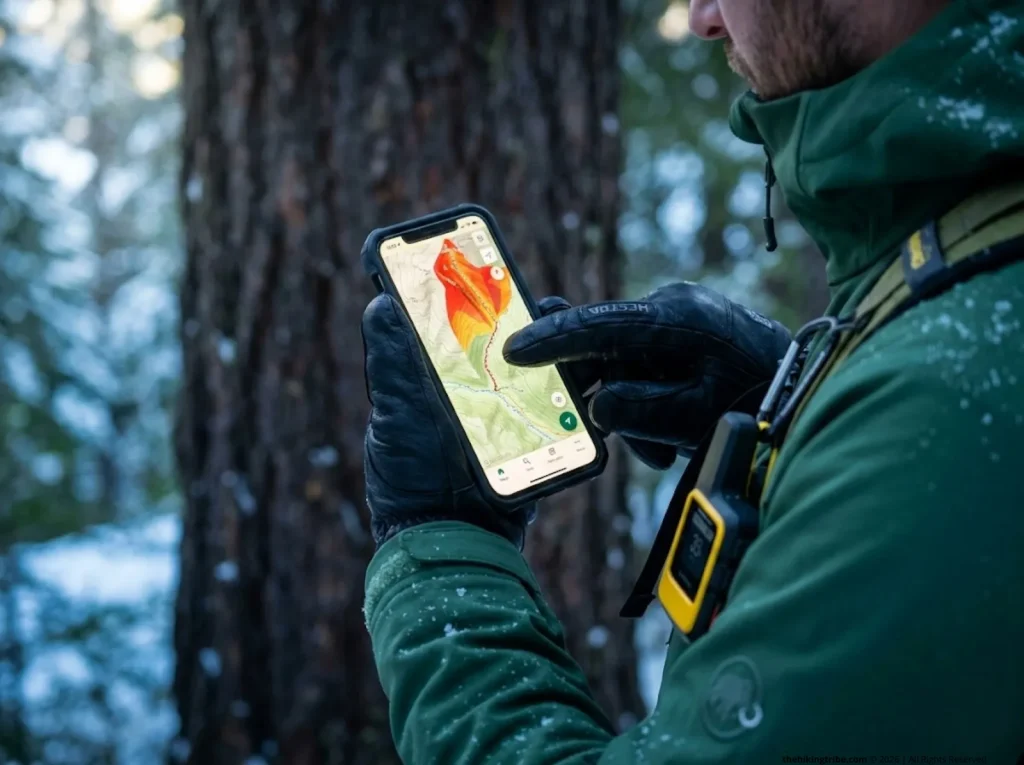
The single most effective way to survive winter hiking is the total avoidance strategy. You execute this using digital mapping apps like Gaia GPS, AllTrails, or CalTopo. By turning on slope angle shading, your digital map instantly highlights any terrain steeper than 25 degrees in bright colors (yellow, orange, red).
You can clearly map out avalanche-free winter trails before you even leave your house. However, this heavily drains your device in sub-zero temperatures. You must master optimizing smartphone GPS battery life in the cold using internal chest pockets and lithium power banks. Without your map, you are flying blind in a whiteout.
The “Car to Bar” Transceiver Protocol
Your group must establish mandatory gear checks before boots hit the snow. The car to bar protocol mandates that every avalanche beacon is turned into “transmit” mode the moment you leave your vehicle, and it stays locked in that mode until you return to the trailhead and sit down for a drink.
Do not turn it off for lunch. Do not turn it off when you get to a flat spot. Beacons only work if they are transmitting, and human error is the top reason they fail during an actual burial. Knowing your equipment minimizes survivorship bias.
Evaluating High-Stakes Regional Forecasts
You cannot look out the window to see if avalanches will happen today. Reading regional forecasts is non-negotiable. Check the daily reports from agencies like the NWAC or the CAIC.
These bulletins give you specific danger scale graphics showing exactly where the danger lies, what forecast levels exist, which elevation band is most reactive, and what kind of avalanche forecast to expect. Reviewing regional avalanche telemetry and forecasts is the critical first step of any winter excursion.
Pro tip: Read the text, do not just look at the colors. A “Moderate” danger rating simply means avalanches are possible in specific terrain features. Human-triggered slides still kill skilled hikers on moderate days.
The “Big Three” Gear System
Digital Avalanche Beacons and Interference
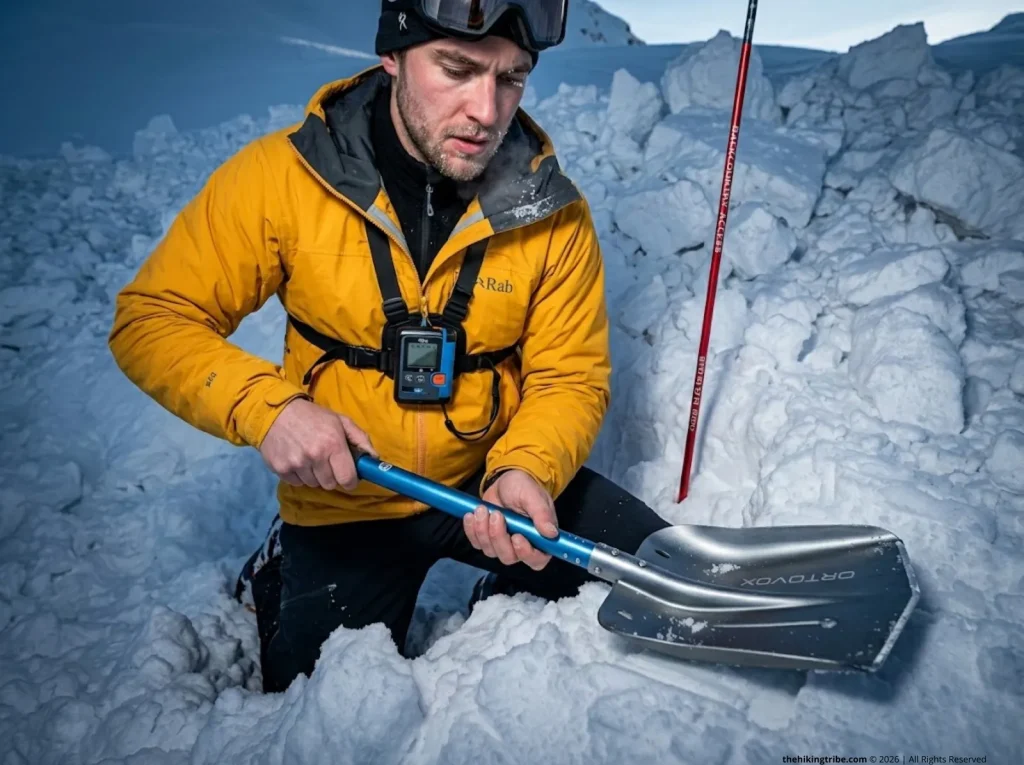
If you hike anywhere near a 30-degree slope in the winter, you must carry The Big Three: a transceiver, a snow shovel, and a rescue probe. Dedicated avalanche safety kits are not optional.
Your beacon must be a modern, 3-antenna digital unit. It acts as your lifeline to rescuers. However, electronic interference is a massive issue. Keep your smartphone, smartwatch, and any heated layers at least 20cm away from your beacon in transmit mode, and 40cm away in search mode. Electronic noise will scramble the signal during a high-stakes search.
Why Polycarbonate Shovels Fail
A plastic camp trowel or polycarbonate snowboard shovel will shatter the moment you strike avalanche debris. Avalanche snow sets up like fast-drying concrete within seconds of coming to a halt. You must use a dedicated metal shovel forged from tempered aluminum or steel.
The digging process is violent and requires heavy leverage. If your hands are frozen, you cannot operate the locking pins on the shovel shaft. You need to master layering chemical hand warmers to maintain dexterity so your fingers function when your partner’s life is actually on the line.
Deploying Tensioned Rescue Probes
A rescue probe is a collapsible aluminum or carbon fiber pole used to pinpoint a buried victim after the beacon gets you close. You pull a steel cable or Kevlar cord to snap the sections together instantly.
Without a probe, you are blindly digging massive trenches into concrete-hard snow, wasting critical minutes. High-quality probes allow you to strike the buried hiker physically, map out their depth, and dig directly to their airway. Taking local safety courses and having familiarity with AIARE standard risk management principles ensures you understand exactly how to deploy these three tools under severe stress. Standardizing to American Avalanche Association (A3) and AIARE guidelines brings this all into harsh focus.
Incident Realities and Survival Probabilities
The Physics of Conveyor Belt Digging
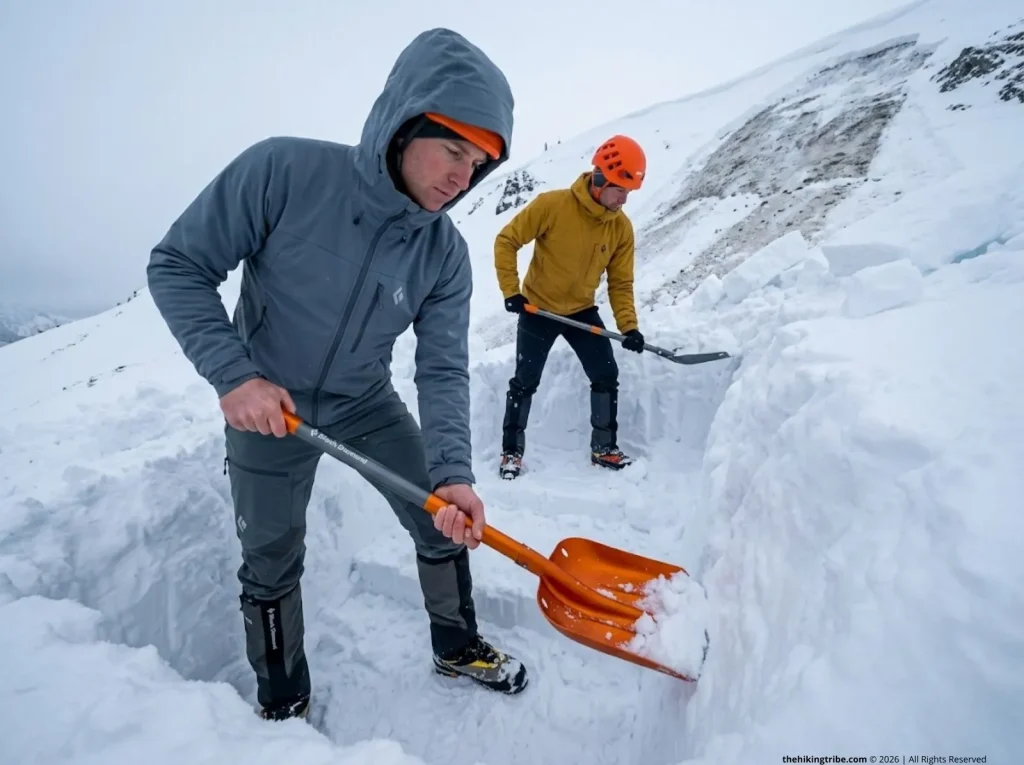
Digging out a buried victim is not like shoveling loose driveway snow. Moving a person buried just 1.5 meters deep requires displacing up to 1.5 tons of set-up snow. You cannot dig straight down; the hole will collapse.
You must carve a wide, V-shaped trench starting downhill from the probe strike. This conveyor belt method requires rescuers to chop blocks of hardened snow and move them systematically backward. It is brutal, exhausting work that tests cardiovascular endurance to its absolute limits.
Asphyxiation Timelines vs. Blunt Trauma
The grim reality dictates your exact timeline. If a victim is completely buried, they have an excellent chance of survival if excavated within 15 minutes. After 30 minutes, that rate plummets to 30%. Suffocation is a rapid killer.
Furthermore, outdoor networks and the avylife community stress that you cannot just focus on the digging aspect. Approximately 25% of fatalities happen before the snow even stops moving. The sheer force creates massive blunt trauma by dragging victims through dense timber and over jagged rocks. Having your group applying rigorous wilderness first aid protocols is immediately required once the victim is out of the snow, as you will likely be fighting freezing temperatures and broken bones.
The Death Sentence of Solo Touring
I cannot put this in any softer language: a solo snowshoer caught in an avalanche has virtually zero chance of a transceiver rescue.
The tragic Mount McCausland incident showed that even a shallow, highly survivable burial becomes an immediate fatality if no partner is present to launch a localized search. If you leave the trailhead alone in winter, you absolutely cannot travel near avalanche terrain. Period. The margin for error drops to zero.
Conclusion
Hitting the snowy backcountry requires a fundamental reset in how you view the mountainsides.
- Avoid avalanche terrain completely by using slope angle shading maps to identify running zones and steep embankments.
- Never leave the pavement without The Big Three if your route brings you anywhere near slopes 30 degrees or steeper.
- Check your ego at the trailhead to defeat summit fever and the deadly human dynamics that cause most fatalities.
Download your preferred mapping app to your phone right now, turn on the slope angle shading layer, and practice identifying red zones on your favorite local trail before the real snow falls. Your safety rests entirely in your own preparation.
FAQ
Do hikers need avalanche beacons?
Yes, absolutely. If you are hiking in or near avalanche terrain (slopes between 30 and 45 degrees, or the runout zones below them), carrying a 3-antenna beacon, along with a metal shovel and probe, is non-negotiable.
What slope angle is most dangerous for an avalanche?
Avalanches most frequently occur on slopes angled between 30 and 45 degrees. The sweet spot for deadly slab avalanches is 38 degrees, making precise inclinometer tools and accurate digital mapping critical for avoiding danger zones altogether.
Will shouting or loud noises trigger an avalanche?
No. Sound waves do not have enough specific mass to crack a snow layer. Slabs are actively released by localized physical weight and stress—such as a hiker stepping directly onto a fragile, buried layer just waiting to fail.
Is it safe to snowshoe or hike solo in winter?
Snowshoeing solo in or near avalanche terrain is exceptionally dangerous. If a solo traveler is buried in a slide, there is no partner present to perform a beacon search or shovel them out, transforming a survivable accident into a guaranteed fatality.
I've spent more than a decade researching hiking gear and trail technique. I read the specs, the forum threads and the long-term reviews, and every pick here comes with what it gets wrong.
End of the trail
You read every mile of this one. Here's where the trail goes next.