In this article
I spent $1,200 on gear before my first real backpacking trip. Used about half of it. The rest collected dust in my garage for two years before I sold it at a loss on Facebook Marketplace. The backpack dug into my hips, the sleeping bag was rated for temps I’d never see, and the tent weighed three pounds more than it needed to. Every one of those purchases would have been different if I’d rented first and actually tested gear on trail before pulling out my credit card. Here’s how renting hiking gear before buying saves you money, frustration, and a garage full of regret.
Quick Answer: Renting hiking gear before buying lets you test packs, tents, and sleeping bags on actual trails — so you buy based on real experience instead of online reviews. Most hikers save $300–$500 by renting for their first 2–3 trips and only purchasing the gear that actually worked for their build and hiking style.
Why Renting Hiking Gear Before Buying Makes Sense
The Try-Before-You-Commit Advantage
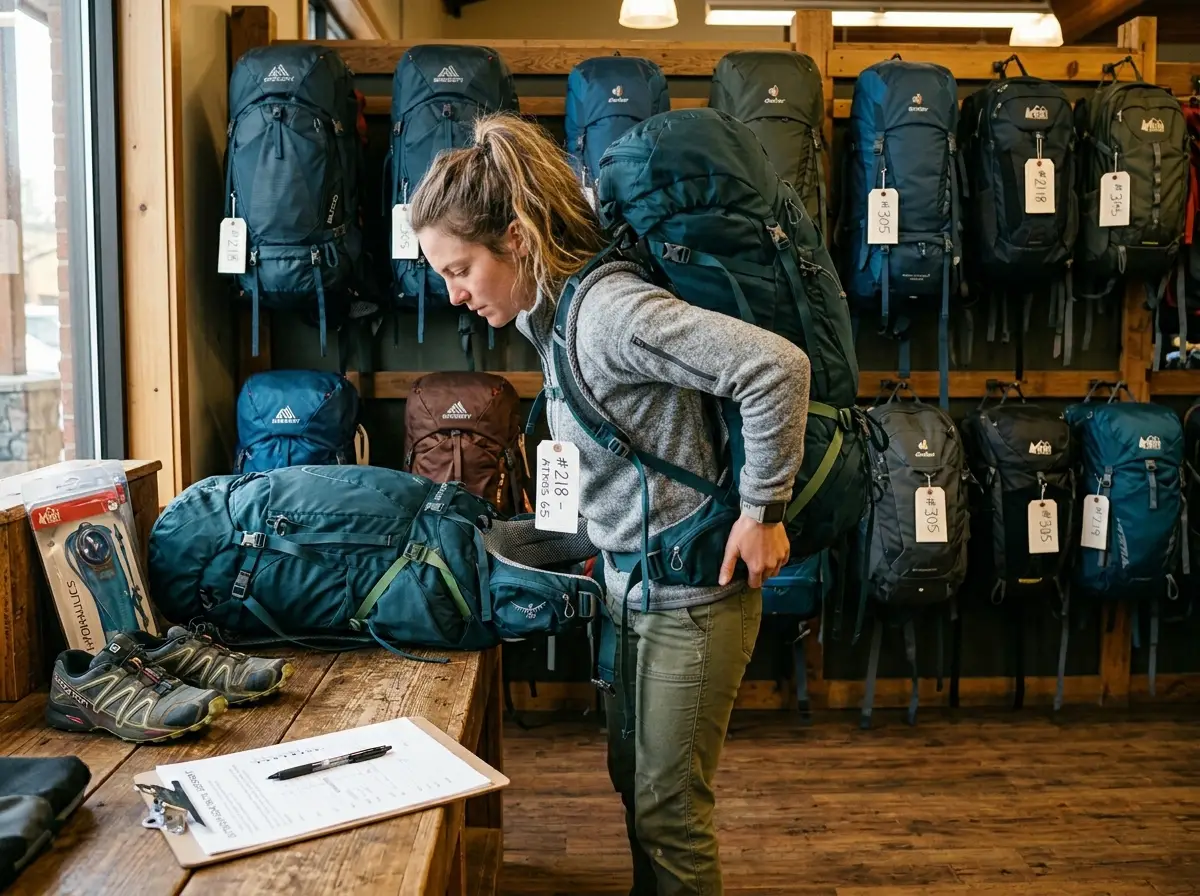
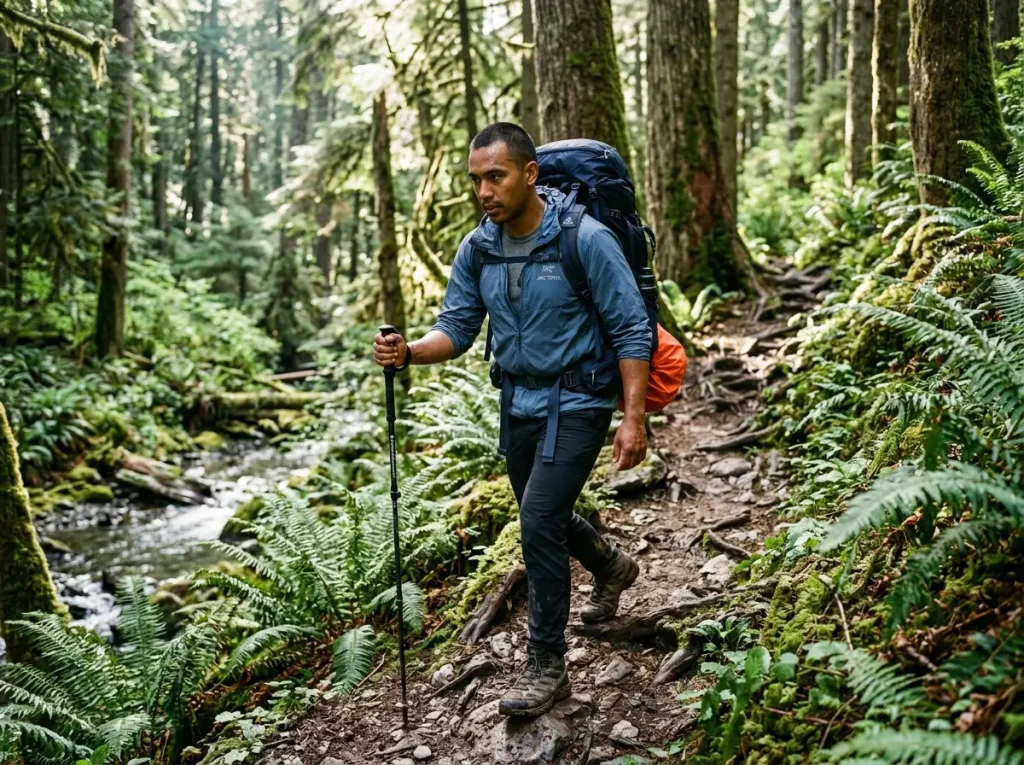
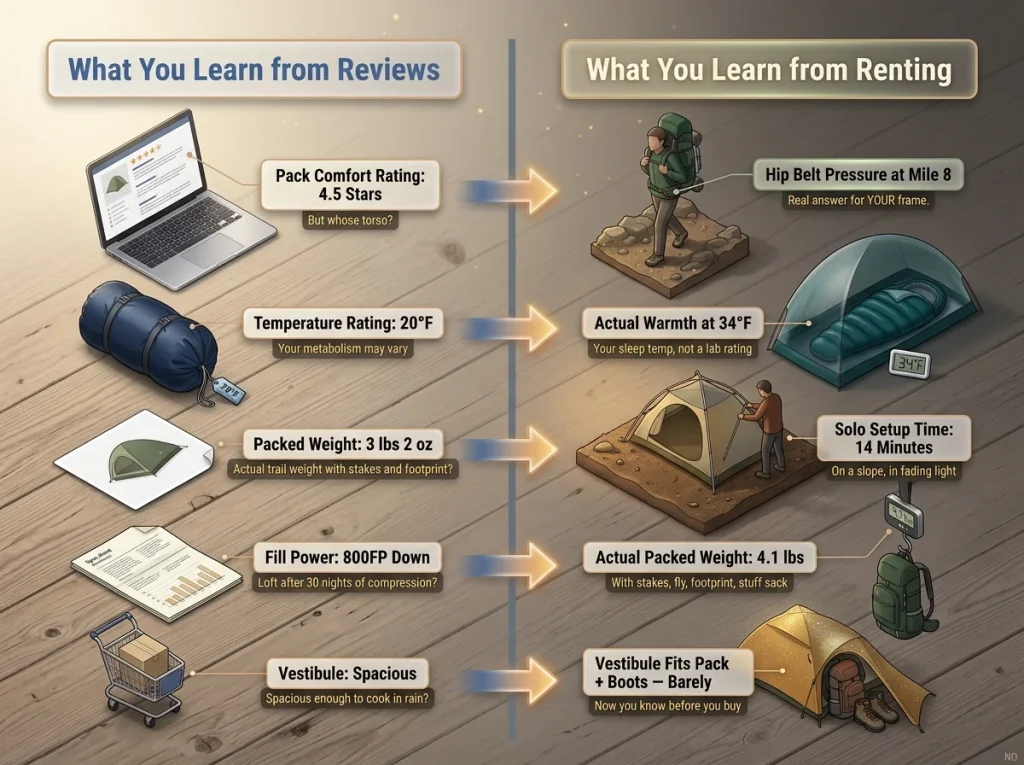
A backpack that felt great in the store with 10 pounds of sandbags feels completely different at mile 8 with 30 pounds of real gear on a rocky switchback. That’s the fundamental problem with buying first — you’re guessing. You’re reading reviews from people with different torsos, different hip shapes, and different ideas about what “comfortable” means.
Renting flips the equation. You carry someone else’s financial risk while you figure out what actually works. If the pack rides wrong, you return it and try a different one next trip. No Craigslist listing, no sunk cost guilt. If you’re serious about testing gear before committing to a long trail, renting is the cheapest way to get real data.
Pro tip: Rent a different backpack brand on each of your first three trips. By trip three, you’ll know exactly what frame style, hip belt width, and load lifter angle your frame wants — and you’ll buy once instead of twice.
What You Can’t Learn from Online Reviews
Reviews tell you what someone else experienced. They don’t tell you that your shoulder width makes the Osprey strap spacing too narrow, or that you run hot enough to soak a synthetic sleeping bag by midnight. These are things you can only learn by sleeping in the bag, hiking in the pack, and setting up the tent in actual wind.
The outdoor industry runs on spec sheets — fill power, denier, packed weight. Those numbers matter, but they don’t capture how a tent’s vestibule feels when you’re trying to cook in the rain, or whether a sleeping pad’s R-value actually keeps you warm on rocky ground versus soft dirt. Rental trips turn spec sheets into real answers.
The Storage and Maintenance Factor
A backpacking tent, a 20-degree sleeping bag, a 65-liter pack, a sleeping pad, and a camp stove take up a closet. If you live in a small apartment, that’s closet space you don’t have. Renting means the gear lives in someone else’s warehouse until you need it.
There’s also the maintenance angle that nobody mentions upfront. Sleeping bags need to be stored uncompressed to maintain loft. Tents need to be dried completely before storage or the waterproof coating delaminates. Stove fuel canisters need proper disposal. When you rent, all of that is someone else’s problem. When you buy, it’s yours — every time.
Which Hiking Gear to Rent and Which to Buy Right Away
The “Always Rent First” List (Big-Ticket Items)
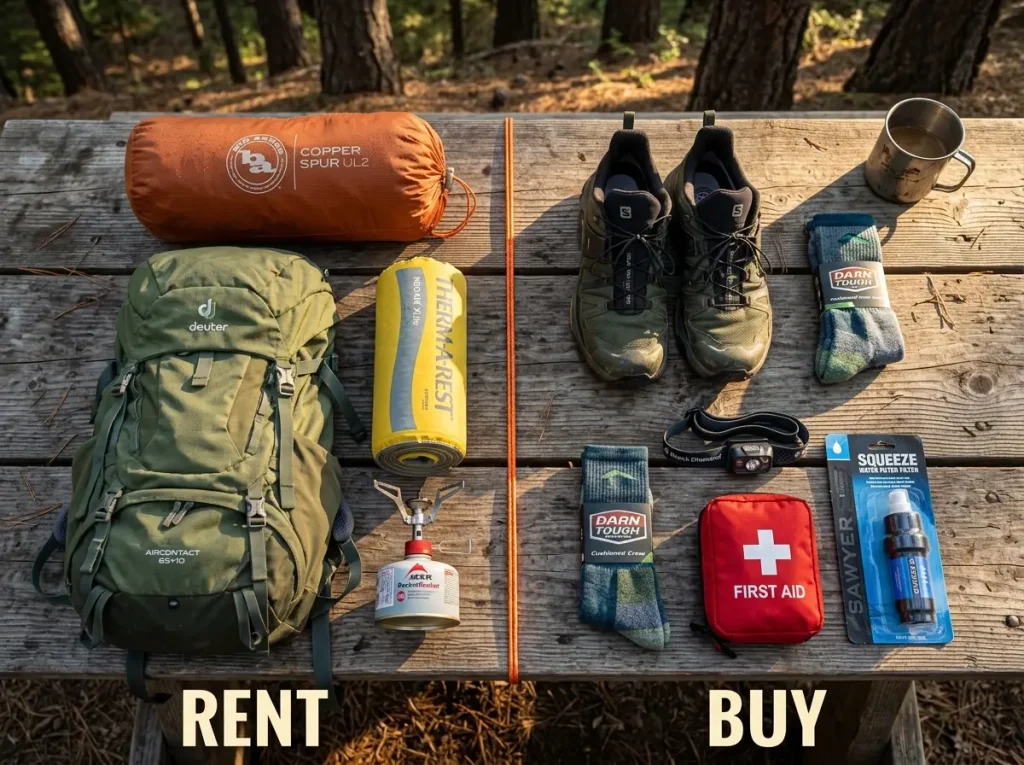
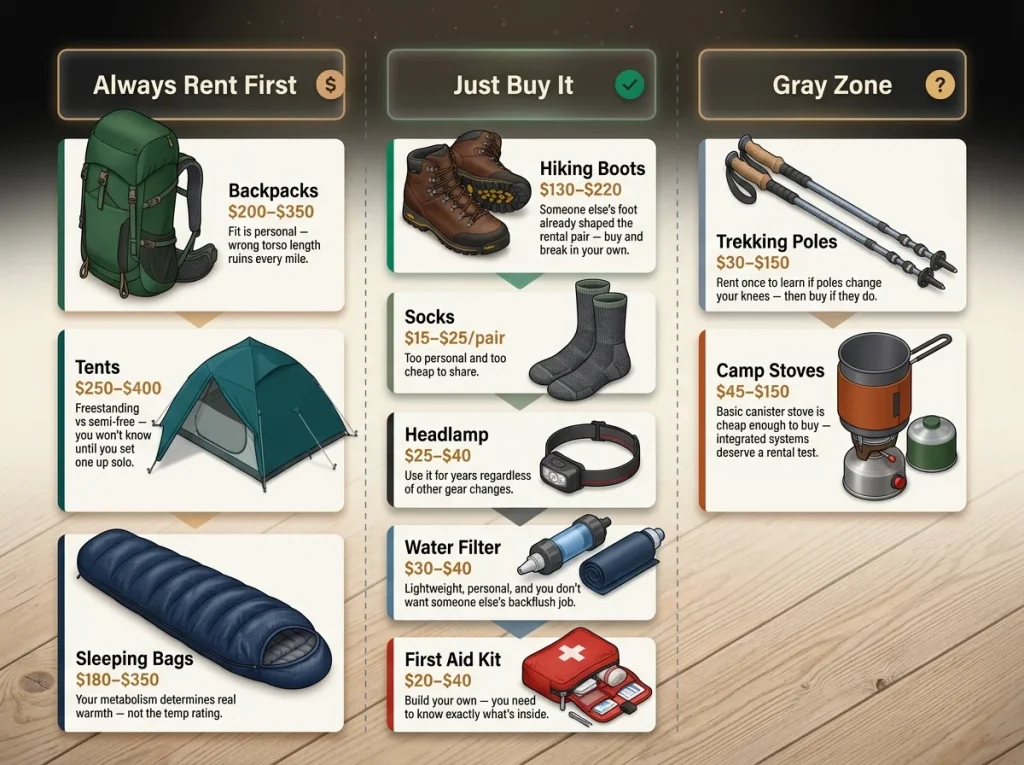
These are the items where a wrong purchase hurts the most — $200+ each, highly personal fit, and hard to evaluate without trail time.
Backpacks are the number one rent-first item. A pack that doesn’t fit your torso length and hip structure will make every mile miserable. Rent different brands across trips to learn whether you need a longer torso panel, wider hip belt, or different load lifter angle. The difference between a $280 pack that works and a $280 pack that doesn’t is something you can only feel under load.
Tents are the second priority. Understanding tent weight categories from spec sheets is one thing — setting up a freestanding vs semi-freestanding tent solo in 15 minutes of remaining daylight is another. Rent both styles before deciding.
Sleeping bags vary wildly in how warm they actually keep you versus their temperature rating. A 20-degree bag from one brand might feel colder than a 30-degree bag from another. Rent, sleep in it at real camp temps, and you’ll know whether to buy a 20°F or a 30°F — and whether you need down or synthetic.
The “Just Buy It” List (Personal and Cheap Items)
Some gear is too personal, too cheap, or too hygiene-sensitive to bother renting.
Hiking boots or shoes — fit is everything, and someone else’s foot has already stretched and shaped a rental pair in ways that won’t match your foot. Buy them, break them in on local trails, and learn how proper fitting works before your first big trip. This is the one category where buying first is not a mistake — it’s mandatory.
Socks — always buy your own. Same reason. Get two pairs of merino wool in the weight you think you want, and one pair in a different weight to compare. You’ll know your preference after one trip.
Headlamp — a decent one costs $25-$40. Just buy it. You’ll use it for years regardless of what other gear changes.
Water filter — a Sawyer Squeeze runs about $35 and weighs almost nothing. Buy one, keep it in your kit forever. Renting a water filter someone else backflushed (or didn’t) is not worth the savings.
First aid kit — build your own. It’s personal, it’s cheap, and you need to know exactly what’s in it.
The Gray Zone — Items That Go Either Way
Trekking poles fall here. They’re personal enough that grip diameter and locking mechanism matter, but generic enough that one rental trip tells you whether you even want them. Rent once. If poles change your knees for the better, buy a pair you like.
Camp stoves also sit in the gray zone. A basic canister stove costs $45-$60, so buying isn’t a huge risk. But if you’re considering a more complex system like an integrated pot setup, renting lets you test whether the weight-to-performance tradeoff makes sense for your cooking style.
Where to Rent Hiking Gear (and What Each Option Costs)
National Rental Companies That Ship
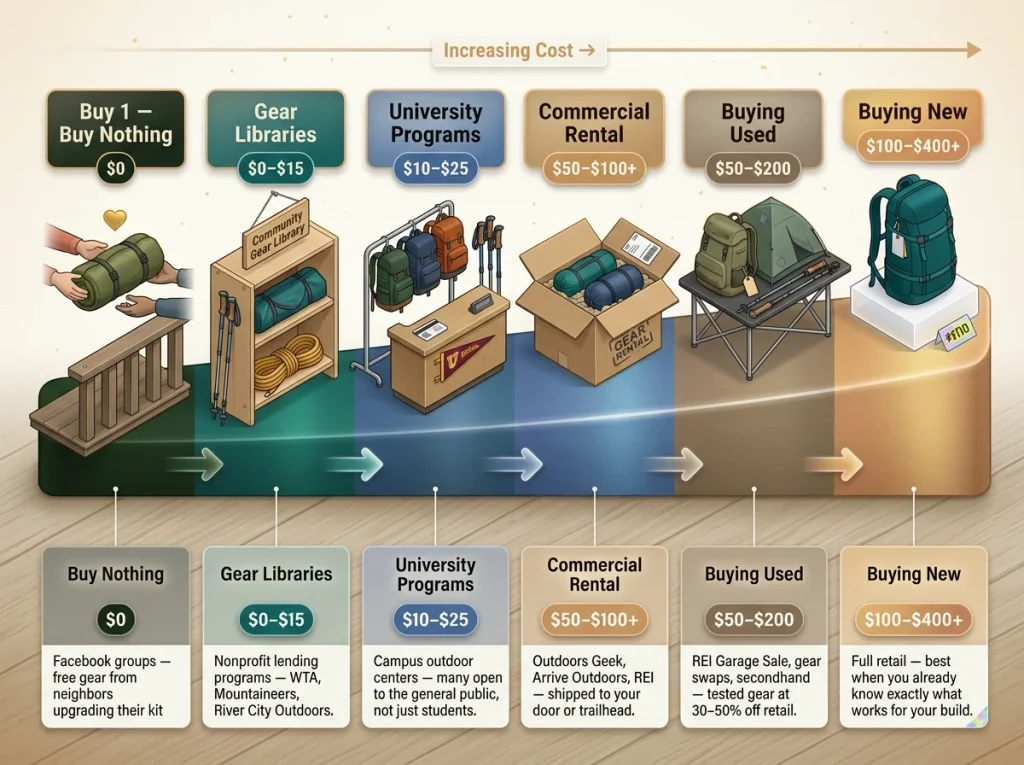
Outdoors Geek has been shipping rental gear from Denver for over 15 years. They send complete backpacking kits or individual items anywhere in the country. Gear arrives at your door (or your hotel near the trailhead), and you ship it back with a prepaid label when you’re done. Their basic backpacking package starts around $75-$100 for a weekend depending on what you bundle.
Arrive Outdoors works similarly — ships to your home, hotel, or a FedEx location. They stock gear from brands like Black Diamond, Marmot, and Nemo. The convenience factor is high if you’re flying somewhere to hike and don’t want to pay airline baggage fees for bulky gear. That’s a $35-$70 savings per flight direction on most airlines.
REI’s Rental Program — What’s Left of It
REI’s rental program used to be at most locations. Now it’s down to roughly a dozen stores. If you’re near one of those stores, the pricing is straightforward — the Basic Backpacking Kit runs about $276 for the first night as a non-member ($185 for Co-op members), with $54 per additional night ($36 for members). That kit includes a tent, two backpacks, two sleeping bags, two sleeping pads, camp chairs, headlamps, and a stove.
The member discount is significant enough that the $30 lifetime REI Co-op membership pays for itself on a single multi-day rental. Check REI’s current rental pricing page to see if your local store still offers the program before driving there.
Pro tip: Some REI locations apply your rental fee as credit toward purchasing that same item. Ask before you rent — this turns your rental cost into a down payment, which is the best possible version of try-before-you-buy.
Local Outfitters and Guided Trip Rentals
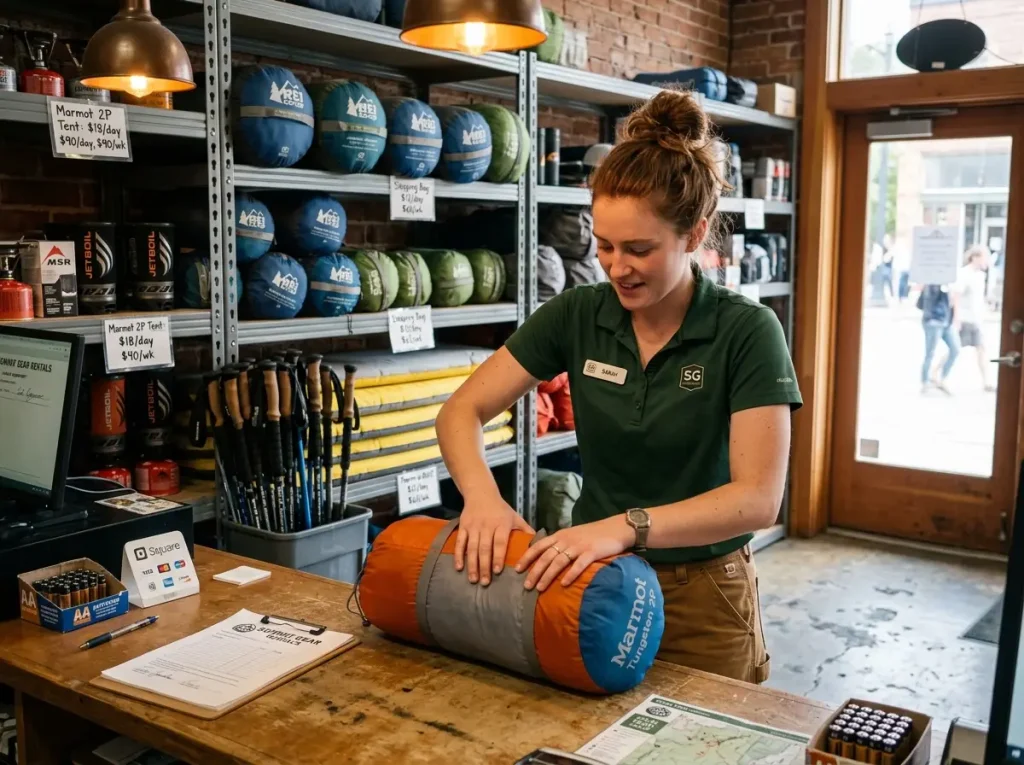
Don’t overlook small local gear shops near popular trailheads. Many rent backpacking gear at lower prices than national chains, and the gear tends to be in better condition because they maintain a smaller inventory. The staff also knows local trail conditions, so they can recommend the right tent or sleeping bag rating for the specific area you’re hiking.
Guided trip companies — the ones that run group backpacking trips — often rent gear to non-clients too. It’s worth a phone call. Their inventory is well-maintained because their business reputation depends on it, and their pricing is competitive because rental income between guided trips is pure margin for them.
Gear Libraries and Free Borrowing Options You’re Missing
University Outdoor Programs (Open to Non-Students Too)
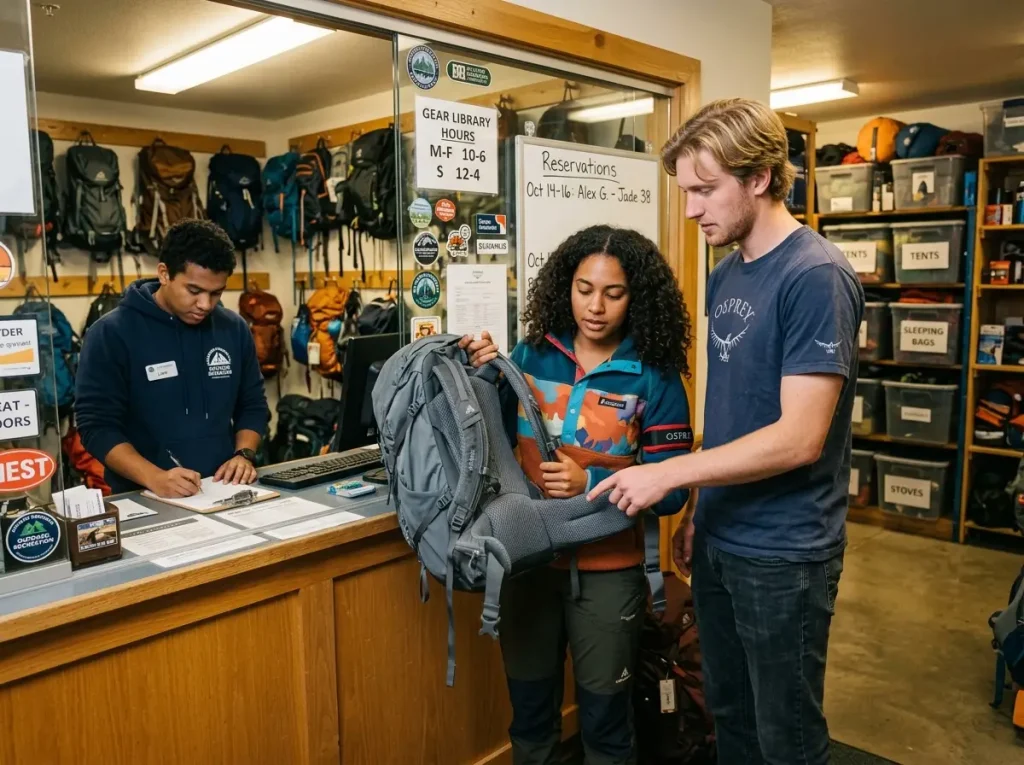
This is the best-kept secret in outdoor recreation: dozens of university outdoor programs rent gear to the general public, not just enrolled students. The University of Minnesota’s Center for Outdoor Adventure rents to anyone. UC Riverside’s Outdoor Excursions Shop is open to community members over 18 with a valid ID. Colorado State, Ohio State, and UCSB all have similar programs.
University rental rates are typically 50-75% cheaper than commercial options. A tent that costs $40/weekend from a commercial rental might run $10-$15 from a university program. The gear is usually mid-range quality — the kind of solid, durable equipment that gives you an honest sense of what works without the premium price tag.
Pro tip: Call the university outdoor recreation office directly — their websites are often buried in campus recreation pages and hard to find through Google. Ask about public access, pricing, and what inventory they carry. Most programs are thrilled to serve non-students because it brings in revenue during off-peak academic months.
Community Gear Libraries and Nonprofits
The Washington Trails Association’s gear rental and lending guide is a model for how community lending works. WTA offers free gear access to workshop graduates through libraries in Seattle and Puyallup. The Mountaineers Gear Library in the Pacific Northwest provides unlimited access through tiered membership pricing. River City Outdoors in St. Louis lends over 950 pieces of equipment for free to local residents.
These programs are part of the Outdoors Empowered Network, a national network of community-led outdoor education groups with gear libraries. The network is growing — new gear libraries launch every year in cities across the country. If you don’t see one near you, check with local outdoor nonprofits, land trusts, and conservation groups. Many maintain small lending inventories that they don’t advertise widely.
Buy Nothing Groups and Hiking Club Swaps
Buy Nothing groups on Facebook operate in most neighborhoods. People regularly post hiking gear they’ve outgrown, replaced, or barely used. The gear is free — you just have to show up and take it. I’ve seen $200 packs, barely-used sleeping bags, and full tent setups given away in these groups.
Local hiking clubs run gear swaps once or twice a year. The Sierra Club, Appalachian Mountain Club, and regional hiking groups organize these events where members bring gear they no longer use and trade, sell cheaply, or give it away. It’s a chance to handle gear in person, ask the owner about real-world performance, and walk away with tested equipment for a fraction of retail. Think of it as renting with zero return obligation.
The Rental Hygiene Question Nobody Talks About
What Reputable Companies Actually Clean
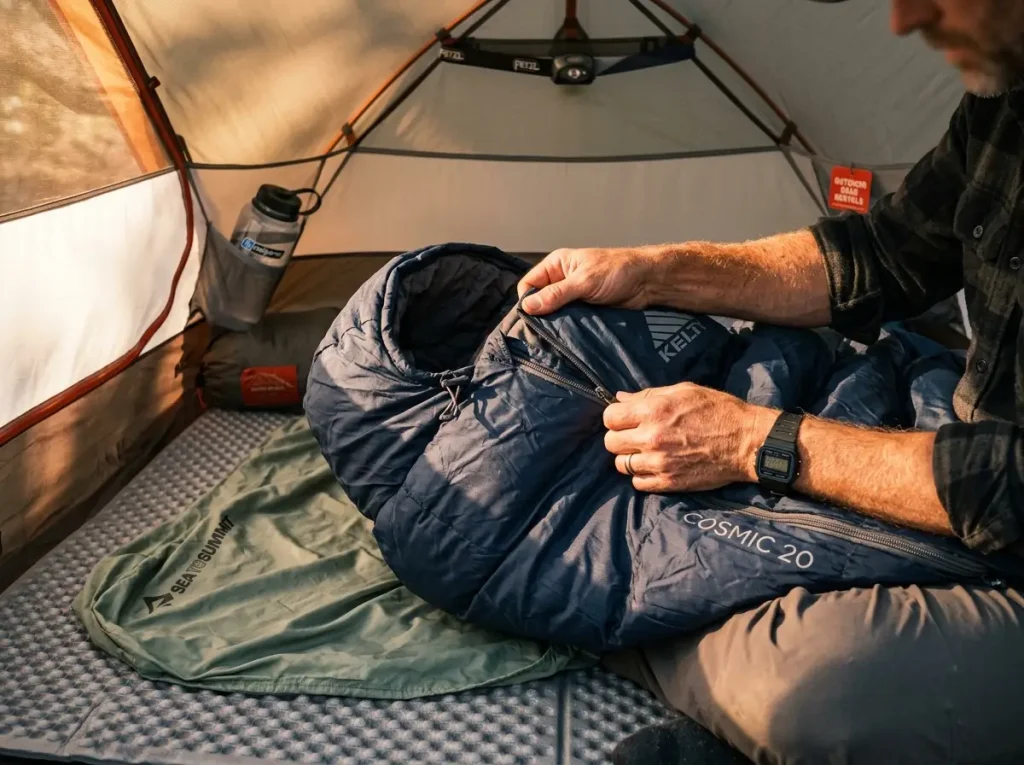
Yeah, someone else slept in that bag. Here’s why that’s usually fine. Companies like Outdoors Geek, REI, and Arrive Outdoors sanitize gear between every rental. Sleeping bags get washed with appropriate detergents (down-specific wash for down bags, standard for synthetic). Tents get wiped down and inspected. Packs get spot-cleaned and aired out.
The cleaning isn’t just about aesthetics — it protects the gear’s performance. A sleeping bag caked with skin oils loses loft and insulating power. A tent with mildew on the fly will delaminate faster. Rental companies clean their inventory because not cleaning it shortens the gear’s lifespan and costs them money. Their financial incentive aligns with your hygiene preference.
The Sleeping Bag Liner Fix
If you’re still uncomfortable with the idea of someone else’s sweat in your rental sleeping bag, buy a silk or merino sleeping bag liner. They cost $30-$50 and weigh 3-8 ounces. The liner creates a personal barrier between you and the bag’s interior fabric, and it adds 5-10°F of warmth. Pack it for every rental trip.
A liner is the one gear purchase that makes renting more practical long-term. It travels in your daypack, weighs nothing, and turns any rental sleeping bag into a more personal experience. You can also use it once you buy your own bag — it keeps your investment cleaner and extends the time between bag washes. Buy one early and keep it forever.
Red Flags That Mean Walk Away
Not all rental gear passes inspection. Before accepting any rental, check for these problems:
A persistent mildew or musty smell that doesn’t go away when you unroll the bag or tent. This means the previous renter stored it wet and the company didn’t catch it — or didn’t care. The waterproof coating is likely compromised and the insulation may be degraded.
Broken or sticky zippers on sleeping bags. A zipper that jams at home will jam worse at 2 AM when you’re cold and fumbling. If it doesn’t glide smoothly in the shop, don’t take it on trail.
Visible stains on sleeping bag interiors. Minor exterior scuffs are normal wear. Interior stains mean the bag wasn’t properly cleaned between rentals. Ask for a different one.
Tent poles with visible bends or stress marks. A pole that’s been forced into the wrong sleeve will snap under wind load. Check every pole section before you leave.
Bamboo vs merino socks and underwear are always buy-your-own items — no inspection needed because you should never be renting anything that goes directly against skin below the neck.
How to Use a Rental Trip as a Gear Test
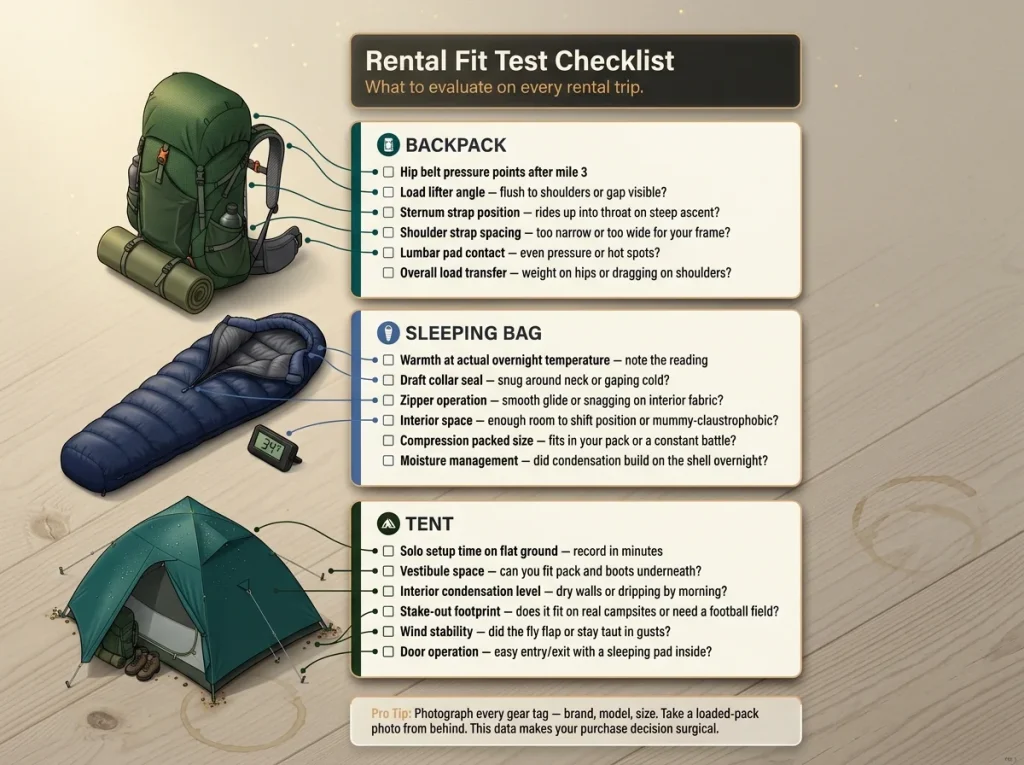
What to Evaluate on Trail (The Rental Fit Test)
Renting is only smart if you actually learn something from it. Most people rent, hike, return the gear, and buy based on the same vague feelings they had before. That’s wasting the rental.
Run a deliberate Rental Fit Test on every trip. For your backpack, pay attention to hip belt pressure points after mile 3 — that’s when the padding compresses enough to reveal fit problems. Check whether the load lifters create a gap between the pack and your shoulders or sit flush. Notice if the sternum strap rides up into your throat on steep ascents. These details determine whether you’ll love or hate a pack after 500 miles.
For your sleeping bag, the test happens at night. Did you wake up cold? Note the actual air temperature (bring a small thermometer or check your phone’s weather station). Was the draft collar sealing around your neck or gaping? Did the zipper snag on the interior fabric? A bag’s real-world warmth depends on your metabolism, and no spec sheet accounts for that.
For your tent, time the setup. If it takes you 15 minutes solo on flat ground, it’ll take 25 minutes on a slope in fading light. That matters. Check the vestibule — can you actually fit your pack and boots under it, or is it just a decorative flap?
Taking Notes That Actually Help You Buy Later
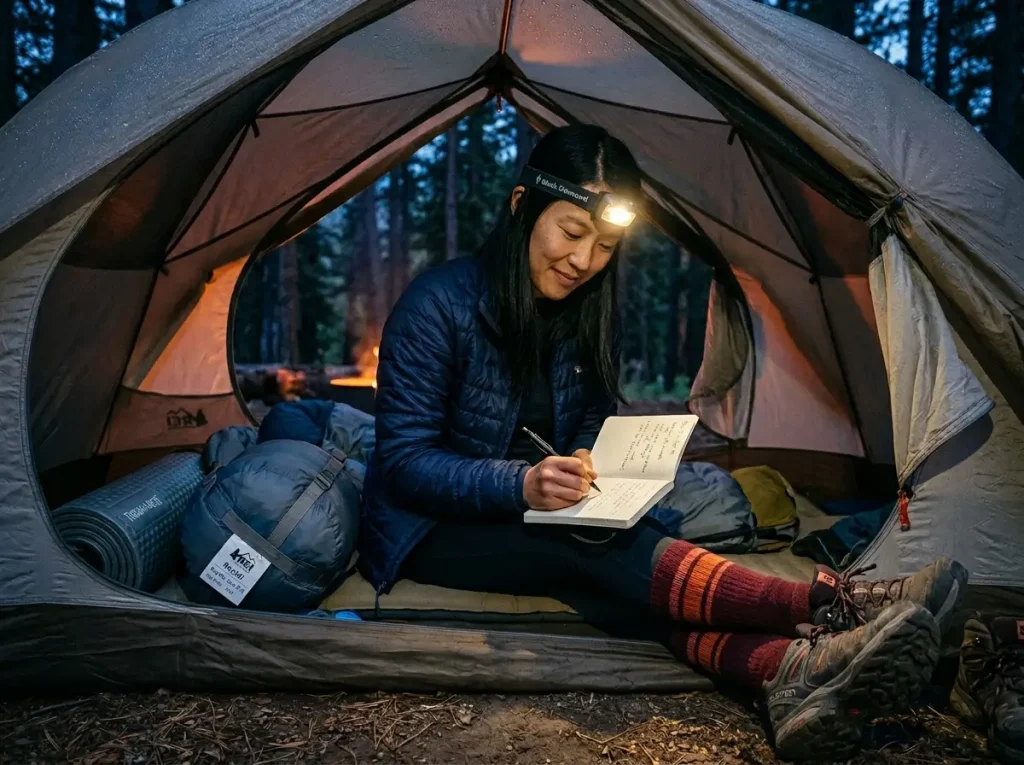
Bring a small notebook or use your phone’s notes app. After each day on trail, write down three things:
What worked and why. “Pack hip belt distributed weight well on the left side but created a pressure point on the right iliac crest after mile 5.” That level of detail tells a gear shop employee exactly what adjustment you need in your purchase.
What you wished was different. “Sleeping pad slid on the tent floor all night — too slick on both surfaces.” That tells you to look for pads with a grippy bottom or tents with a textured floor when you buy.
Model numbers and brand names. Photograph the tags. When you walk into a store or search online later, you need exact model names to compare. “It was a blue tent” helps nobody. “It was a Big Agnes Copper Spur HV UL2” lets you pull up specs, read targeted reviews, and find the exact features you liked or disliked.
Pro tip: Take a photo of yourself wearing the loaded pack from behind. Ask your hiking partner to snap it. You can see strap positioning, hip belt angle, and load distribution issues that you can’t feel while walking. Show this photo to a gear fitter when you’re ready to buy.
Comparing Rental Gear to What You’d Actually Purchase
Once you have real-world test data, comparison shopping gets surgical. You rented a Gregory Baltoro 65 and liked the hip belt but found it too heavy. Now you can search specifically for packs with similar hip belt designs but lighter frames — and you know to look at the best ultralight backpacks under 2 pounds with that specific hip belt style in mind.
This is where the rental investment pays off. Instead of reading fifty reviews trying to guess which pack fits, you’ve narrowed it to two or three candidates based on real trail data. You walk into the store knowing exactly what features matter to YOUR build on YOUR trails. The salesperson becomes a resource instead of a gatekeeper. You try on two packs instead of twelve, and you buy the right one the first time.
When Renting Stops Making Sense (The Break-Even Math)
The 3-Trip Rule for Most Gear
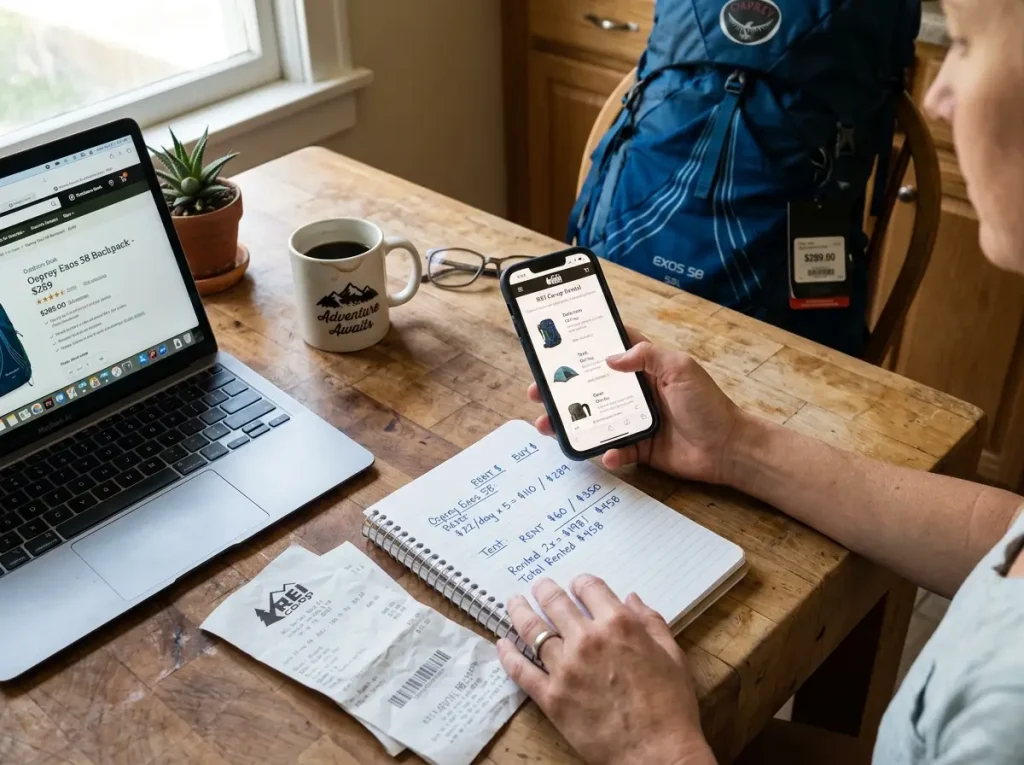
Here’s the math that tells you when to stop renting and start buying. A weekend tent rental runs $30-$50 per trip from most commercial sources. A solid 2-person backpacking tent costs $250-$350. That means three to four rental trips equals the purchase price — and you own nothing at the end.
For sleeping bags, the numbers are similar. A rental bag costs $20-$40 per trip. A good synthetic backpacking bag runs $150-$250. After four or five rentals, you’ve spent the purchase price.
Backpacks follow the same pattern. Rental cost: $30-$50/trip. Purchase price for a quality pack: $200-$300. Break-even: four to six trips.
The 3-trip rule is a rough but useful guideline — if you’ve rented the same category of gear three times and you know what you want, it’s time to buy. You’ve spent enough on rentals to have a clear preference, and the next rental dollar is money that could go toward ownership.
Seasonal Gear vs Year-Round Gear Calculations
The break-even math shifts for gear you only use part of the year. Snowshoes, microspikes, and winter-specific sleeping bags might only see use two or three times per season. At $20-$30 per rental, you could rent winter gear for two or three seasons before hitting the purchase price of $100-$200.
Year-round items cross the break-even threshold faster because you use them every trip. Your three-season tent, your primary backpack, your go-to sleeping bag — these see six to ten uses per year if you’re a regular hiker. Renting them repeatedly stops making sense after the first season.
The smart play: rent seasonal gear longer, buy year-round gear sooner. A hiker who does eight trips a year but only two in winter should own their three-season setup and keep renting winter-specific items until they’re sure about their preferences.
The Rental-to-Purchase Credit Trick
Some outfitters — including certain REI locations and local shops — apply your rental fee as credit toward purchasing that same item or an equivalent one from their inventory. This is the best deal in gear acquisition and most renters never ask about it.
The mechanics vary by shop. Some apply the full rental cost, others apply a percentage. Some only credit toward the exact item you rented, while others let you apply it across their inventory. Ask before you rent — the answer might change which company you rent from.
When rental credit is available, the try-before-you-buy model becomes nearly free. You pay rental cost, use the gear on trail, decide you want it, and your rental fee becomes a down payment. Filing gear warranty claims on your first owned piece becomes the next thing to learn — because now you’re invested.
Pro tip: Check REI’s used gear section (the Garage Sale or Re/Supply program) after your rental trips. You already know what model and size you want. Finding it used at 30-50% off combines the rental test data with secondhand pricing — the cheapest path from rental to ownership.
Conclusion
Rent the big-ticket items — backpacks, tents, sleeping bags — for your first two or three trips. That’s where the expensive mistakes happen, and renting turns those mistakes into $30 lessons instead of $300 regrets.
Use every rental trip as a deliberate gear test. Bring a notebook, take photos of tags and loaded pack fit, and write down what worked and what didn’t. The difference between smart renting and lazy renting is whether you walk away with data you can actually use.
Buy only after you know what works for YOUR build and YOUR hiking style. Not what the reviews said. Not what the salesperson recommended. What you felt at mile 8 with a loaded pack on a real trail. That’s the gear that stays out of the garage and stays on the trail.
Q1 Is it cheaper to rent or buy hiking gear?
Renting is cheaper for your first 2-3 trips per gear category. After that, buying wins — a $40 or trip tent rental exceeds the $300 purchase price by trip eight. Rent to learn what you need, then buy the right item once.
Q2 What hiking gear should I rent instead of buying?
Rent backpacks, tents, and sleeping bags first — they are expensive and fit-dependent. Buy boots, socks, headlamps, and water filters outright since they are cheap, personal, or hygiene-sensitive.
Q3 Where can you rent hiking and backpacking gear?
Outdoors Geek and Arrive Outdoors ship nationwide. REI rents at roughly a dozen stores. University outdoor programs and community gear libraries offer cheaper local options — many are open to the public.
Q4 How do I know what hiking gear I need?
Start with the basics for your first trip — a pack, shelter, sleep system, water filter, and headlamp. Rent the expensive items and buy the cheap ones. After two trips, you will know exactly what to add and what to skip.
Q5 Is it worth buying expensive hiking gear as a beginner?
Not until you know what you actually need. A $400 ultralight tent is wasted money if you discover you prefer car camping. Rent first, identify your hiking style, and invest in quality gear for the categories that matter most to how you hike.
Risk Disclaimer: Hiking, trekking, backpacking, and all related outdoor activities involve inherent
risks which may result in serious injury, illness, or death. The information provided on The Hiking Tribe is for
educational and informational purposes only. While we strive for accuracy, information on trails, gear, techniques,
and safety is not a substitute for your own best judgment and thorough preparation. Trail conditions, weather, and
other environmental factors change rapidly and may differ from what is described on this site. Always check with
official sources like park services for the most current alerts and conditions. Never undertake a hike beyond your
abilities and always be prepared for the unexpected. By using this website, you agree that you are solely
responsible for your own safety. Any reliance you place on our content is strictly at your own risk, and you assume
all liability for your actions and decisions in the outdoors. The Hiking Tribe and its authors will not be held
liable for any injury, damage, or loss sustained in connection with the use of the information herein.
Affiliate Disclosure: We are a participant in the Amazon Services LLC Associates Program, an
affiliate advertising program designed to provide a means for us to earn advertising fees by advertising and linking
to Amazon.com. As an Amazon Associate, we earn from qualifying purchases. We are also an official affiliate partner
of Black Diamond Equipment via the AvantLink network. If you click on a Black Diamond affiliate link and make a
purchase, we may earn a commission at no additional cost to you. We also participate in other affiliate programs and
may receive a commission on products purchased through our links. Additional terms are found in the terms of
service.