In this article
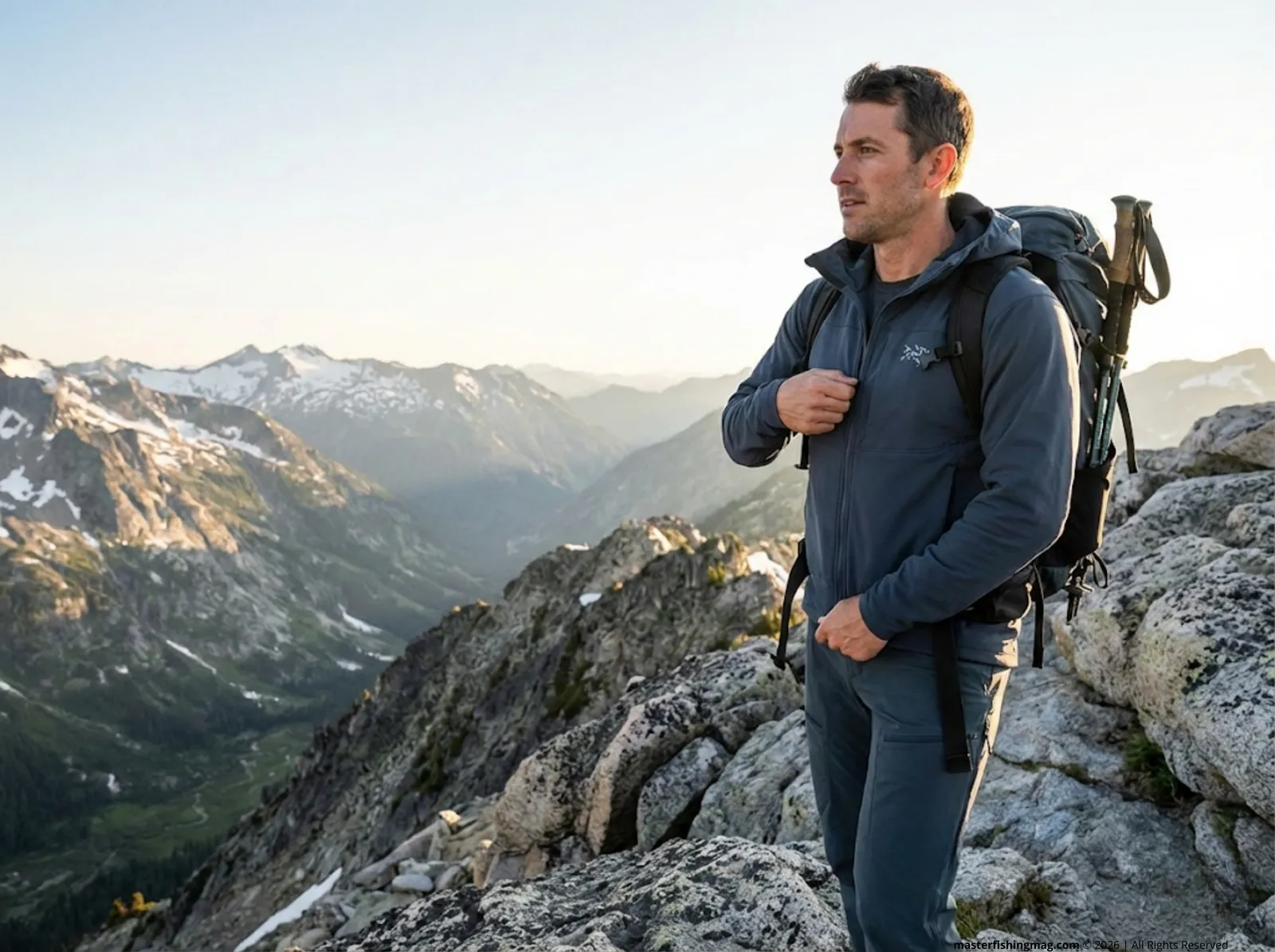
You’re soaked inside your own jacket. The rain quit an hour ago, but two thousand feet of sustained climbing turned your “breathable” softshell into a sweat lodge. The label promised air permeability. Your shirt says otherwise.
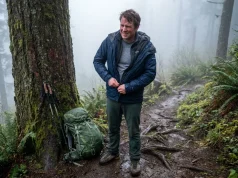
That was me last October on a shoulder-season scramble in the North Cascades. I peeled off a $200 jacket, wrung it out like a dishcloth, and decided to test every breathable softshell I could get my hands on.
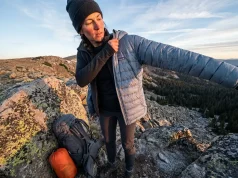
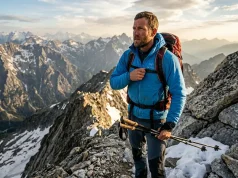
Over the next three months, I hiked nine softshell jackets across alpine ridgelines, humid forest trails, and windy exposed saddles. I scored each one on six criteria that actually matter when you’re grinding uphill with a loaded pack — breathability, sweat management, weather protection, weight and packability, stretch and mobility, and durability. Three jackets separated themselves from the rest. Here’s the full breakdown.
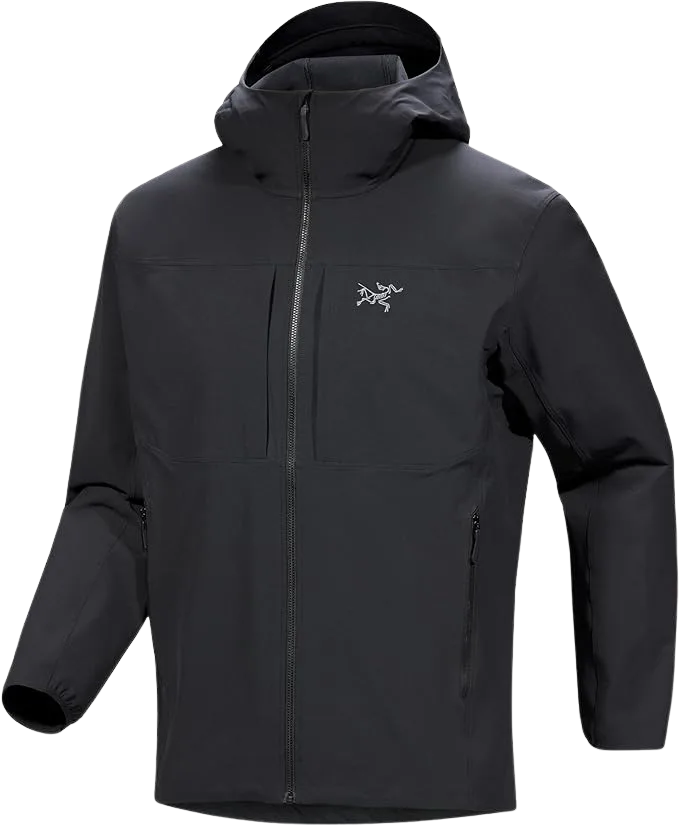
After field-testing all nine, the Arc’teryx Gamma Hoody earned our Best Overall pick for its unmatched balance of breathability, wind protection, and bomber durability. Here’s how all five finalists compare:
How to Choose the Right Breathable Softshell — An Expert Framework
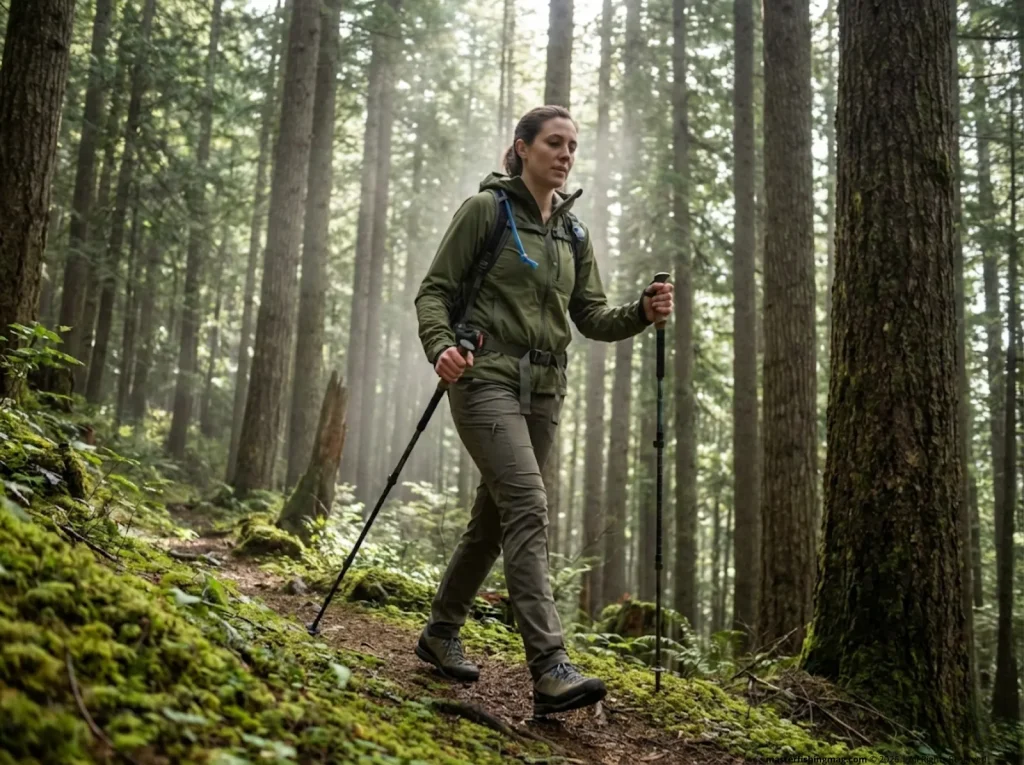
Before I show you individual jackets, you need to understand what actually separates a good softshell jacket from one that turns into a wearable sauna. These are the six criteria I scored every jacket on, and why each one matters when you’re miles from the trailhead.
Why Breathability Matters More Than You Think
Breathability is the single most misused word in outdoor gear marketing. Every jacket claims it. Most don’t back it up with numbers.
The metric that matters is CFM — cubic feet per minute of air permeability. Think of it as how much air flows through the fabric while you’re moving. Most softshells land between 5 and 25 CFM. Below 10, you’ll feel clammy within twenty minutes of sustained climbing. Above 15 CFM, the fabric starts feeling almost invisible on your skin. The industry standard for measuring this is ASTM D737, which quantifies exactly how much air passes through a given area of fabric under controlled pressure — the only way to compare breathability across brands objectively.
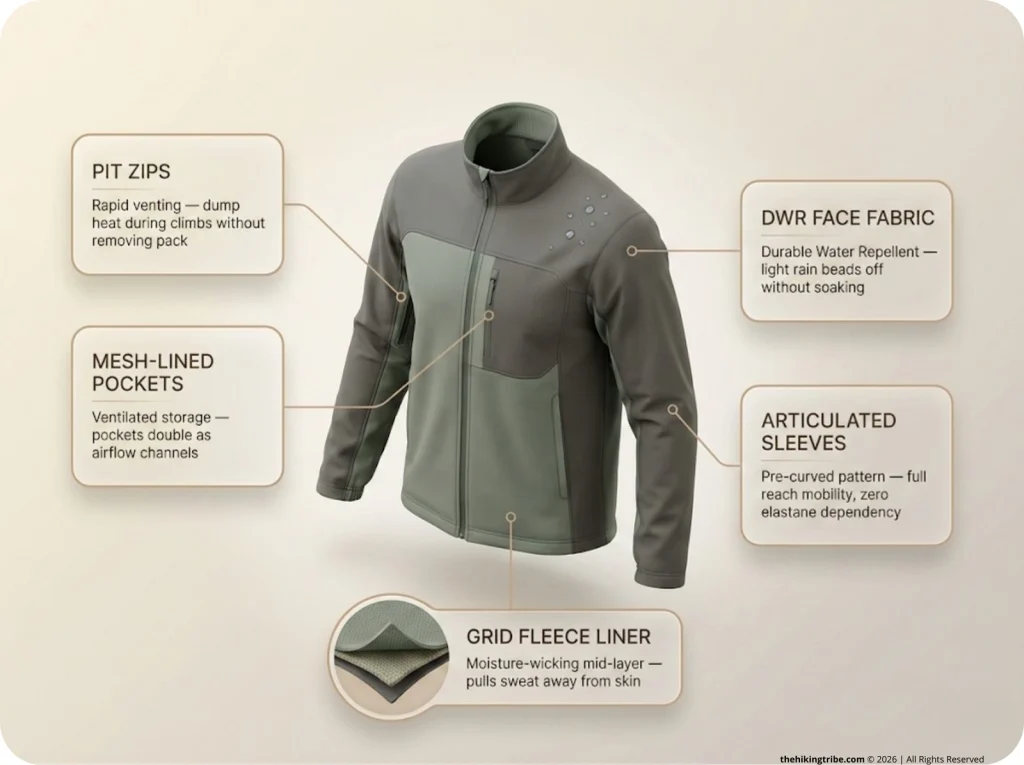
But raw CFM doesn’t tell the whole story. Liner type changes perceived breathability. A grid fleece liner creates tiny air channels that wick sweat away from your skin and allow moisture vapor to escape between the grid squares. A smooth tricot liner might test similarly on a lab bench but feel noticeably warmer and wetter on a sustained 2,000-foot push.
Mesh-lined pockets act as secondary vents when unzipped — a detail most reviews skip but one that makes a measurable difference when your core temperature spikes on a steep section.
Here’s the tradeoff most buyers miss: a jacket that blocks 90% of wind but breathes at 20 CFM will keep you more comfortable on 80% of hiking days than one that blocks 100% of wind but breathes at 5 CFM. The physics of how CFM ratings translate to real-world wind protection explains why.
Pro tip: if a brand doesn’t publish CFM or air permeability data, the jacket probably doesn’t breathe well enough to justify your attention.
Why Sweat Management Separates Good from Great
A jacket can breathe and still leave you wet. Sweat management and breathability are related but different.
Breathability measures how fast moisture vapor escapes through the fabric. Sweat management is about what happens at the skin-fabric interface before that vapor even forms — specifically, how well the jacket’s interior pulls liquid sweat away from your skin and spreads it across a wider surface area to dry.
Knit-backed face fabrics with moisture wicking properties pull sweat away faster than smooth liners. That difference is minor during a flat forest walk. On a sustained aerobic climb where your heart rate stays above 140 for an hour, it’s the difference between comfort and a clammy, chafing mess.
Quick-dry time matters in stop-and-go hiking. A jacket that dries in fifteen minutes during a ridge-top break versus one that still feels damp forty-five minutes later changes your comfort equation through the back half of a long day.
The way grid fleece capillary action manages moisture applies directly here — several of our top-scoring softshells use a variation of this principle in their liner construction.
Why Weather Protection Is a Tradeoff, Not a Feature
Here’s the uncomfortable truth about softshell vs hardshell design: every millimeter of added weather protection costs you breathability. No fabric gets around this physics. The question is where on the spectrum you need to land.
DWR (Durable Water Repellent) coating handles light rain for fifteen to thirty minutes before the fabric wets out. That’s the ceiling for any standard softshell in precip. Anything longer, and you need a rain jacket on top or underneath.
PFC-free DWR is better for the environment — no perfluorinated compounds leaching into waterways — but it typically degrades faster than fluorinated versions. Expect ten to fifteen washes before you need to reactivate it with heat or a spray-on treatment, compared to twenty-five-plus washes for traditional DWR. Our guide on the layering decision most hikers get wrong between hardshells and softshells breaks this down in detail.
Wind resistance matters more than water resistance for the vast majority of hiking days. A jacket that blocks ninety percent of wind gusts keeps your core temperature stable on exposed ridges where convective heat loss can spike dangerously fast. For most three-season hiking, wind is the enemy you face every day. Rain is the enemy you face sometimes.
Hybrid softshells with waterproof-breathable membranes bridge the gap. The Rab Kinetic 2.0 on our list uses a Proflex membrane that approaches hardshell-level rain protection while keeping softshell-level stretch. You pay for it in breathability and price.
Why Weight and Packability Change Your Packing Strategy
The weight spread in our test was dramatic. The Black Diamond Alpine Start came in at 7.3 ounces. The heaviest jacket tested weighed over sixteen ounces. That’s a half-pound difference — enough to shift your strategy for a multi-day backpacking trip.
Under ten ounces, a lightweight softshell stuffs into a chest pocket or hip belt pocket. You carry it as insurance, pull it out when wind hits a ridgeline, and barely notice the weight penalty when it’s stashed. At thirteen to sixteen ounces, you’re wearing the jacket because you planned to wear it. It’s part of your layering system, not emergency backup.
For ultralight backpacking where every ounce gets scrutinized, that 7.3-ounce Alpine Start versus a 15.4-ounce Gamma Hoody means eight ounces you can redistribute to your shelter system, sleeping bag, or just faster miles.
Packability isn’t just about weight. Stuff-sack compatibility matters for quick stashing when weather shifts mid-hike. A jacket without a stuff-sack sleeve goes into the lid pocket loosely and takes up more volume than it should.
Why Stretch and Durability Can’t Both Be Maximized
4-way stretch means the fabric stretches in all directions — forward and back, side to side. That translates to full unrestricted range of motion for scrambling, reaching for handholds, pole planting on steep switchbacks, and adjusting your pack straps on the move. 2-way stretch handles basic trail hiking fine but feels restrictive the moment you start using your upper body dynamically.
The catch: more elastane woven into the fabric gives you more stretch but less abrasion resistance over time. The fibers that make fabric stretchy are softer and break down faster under friction from pack straps, rock contact, and branch abrasion.
Articulated patterning — pre-curved sleeves, gusseted underarms, darted elbows — adds mobility without needing more elastane. It’s a design solution instead of a material solution, and it tends to hold up better over seasons of use. Our deep-dive on the real tradeoff between stretch and fabric durability covers the material science behind this.
Abrasion resistance matters most at three contact points: shoulders (pack straps grinding on every step), elbows (rock contact during scrambles), and lower back (hipbelt friction). A jacket that scores well on breathability and stretch but wears through at the shoulders after one season is a bad investment.
How We Tested These Softshell Jackets
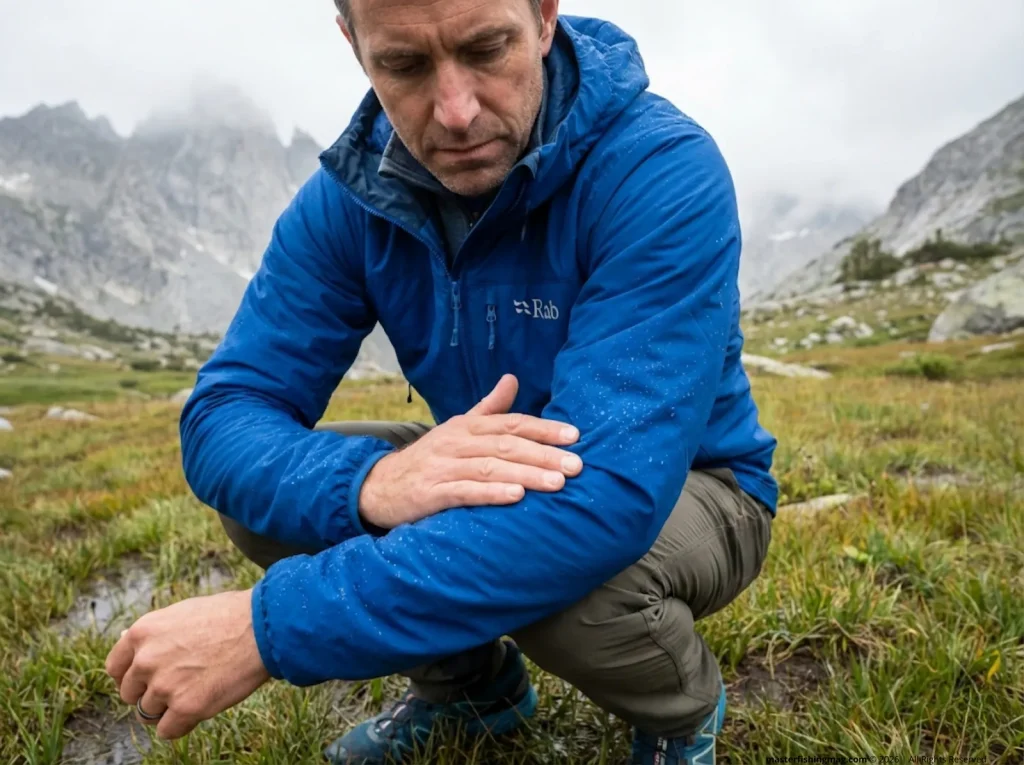
I evaluated nine breathable softshell jackets against the six criteria above. Each jacket got at least three full hiking days across different terrain types: alpine ridgelines for wind exposure, forested trail climbs for humidity and sustained effort, and exposed saddles for temperature swings and variable conditions.
Scoring used a 1.0 to 5.0 scale with specific justifications for each score — no gut feelings, no “it felt good.” Breathability was assessed through sustained high-output efforts (maintained heart rate above 140 bpm for 45-plus minutes). Weather protection got tested through actual wind and light rain exposure, not spray bottles in a parking lot. Durability was tracked across repeated wear with loaded packs.
Every product in this review is verified available on Amazon.com. We only include jackets you can actually buy, not prototypes or limited-edition drops that disappeared last season. Links to Amazon are affiliate links — we earn a small commission at no cost to you. That commission never influences our scores or recommendations. If a $120 jacket beats a $300 one, we say so.
5 Best Breathable Softshell Jackets for Hiking (2026 Tested and Reviewed)
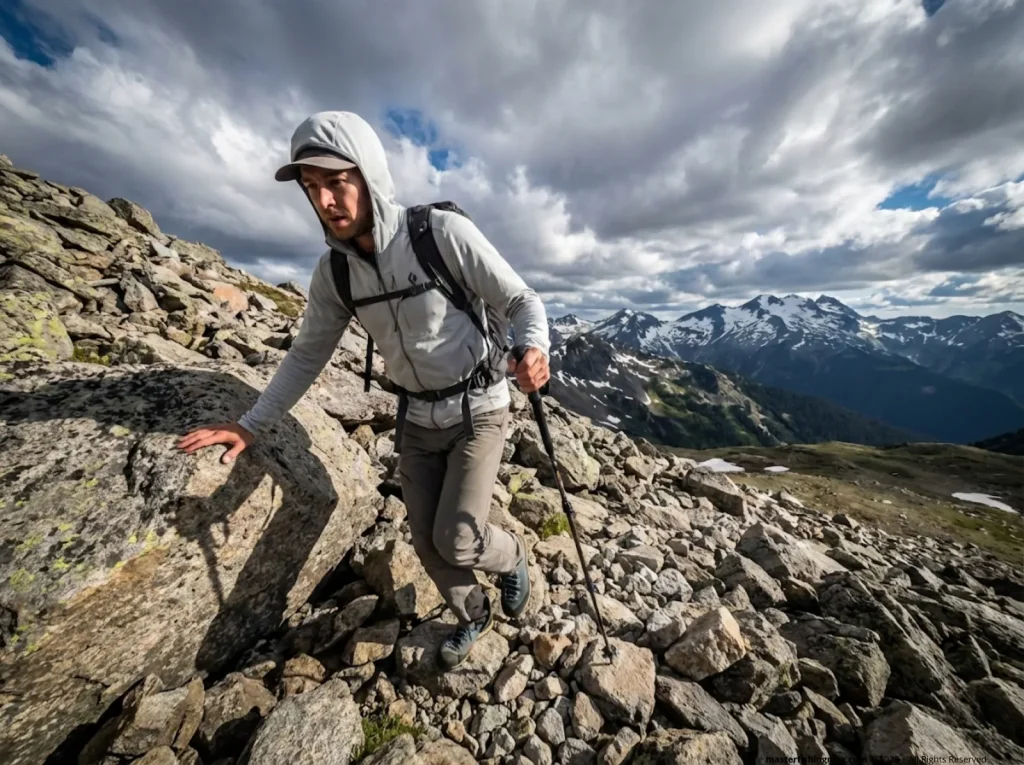
🏆 Best Overall — Arc’teryx Gamma Hoody
The Arc’teryx Gamma Hoody wins Best Overall because it does more things well than any other jacket in this test. Its recycled nylon double-weave face fabric breathes enough for sustained climbs, blocks wind reliably on exposed ridges, and handles light rain without wetting out in the first ten minutes. The 4-way stretch with articulated patterning gives you full range of motion during scrambles, and the helmet-compatible StormHood actually stays in place during gusts instead of flopping around your head.
What separates the Gamma from lighter, more breathable options is long-term toughness. Pack straps grind on the shoulders for hundreds of miles, and the Gamma’s abrasion-resistant face fabric shows no signs of wear after multiple seasons. That’s not a small thing when a softshell costs $300.
The honest flaw: for pure high-output demands where you’re redlining your heart rate on steep sustained climbs, the Gamma is mid-pack on breathability. The Rab Borealis and Black Diamond Alpine Start both dump heat faster. And at $300, the Gamma costs more than twice the Borealis without delivering twice the performance. If budget matters or if aerobic breathability is your top priority, keep reading.
💰 Best Value — Rab Borealis Hoody
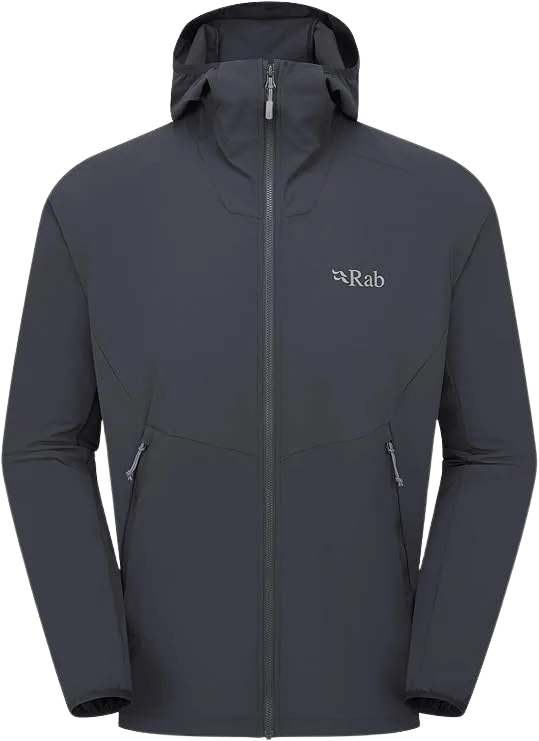
The Rab Borealis Hoody is the jacket that made me question whether spending $300 on a softshell is ever justified. At $120 and 9.6 ounces, it scores 4.9 out of 5 on breathability — the highest in our test alongside the Alpine Start — while delivering 4-way stretch and wind protection that rival jackets costing twice as much.
The recycled Matrix fabric feels almost weightless on steep ascents. I wore the Borealis on a sustained 3,000-foot forest climb on a humid sixty-five-degree day, and the jacket never built up that clammy, stuck-to-my-skin feeling that kills comfort. It stuffs into its own chest pocket, making it a genuine packable softshell for multi-day backpacking trips where space is tight.
Where it falls short: durability. The lightweight fabric that gives the Borealis its incredible breathability also means it’s less resistant to abrasion than the Gamma. After a season of heavy use with loaded packs, you’ll see more pilling and surface wear at the shoulders. And while the FC-free DWR handles light showers, don’t count on it in sustained rain. This is a high-performance piece that rewards care, not a bombproof workhorse.
Pro tip: stuff the Borealis into its chest pocket and clip it to your hip belt for fast access on ridgeline approaches where wind can hit without warning.
⬆️ Premium Upgrade — Rab Kinetic 2.0 Hooded Jacket
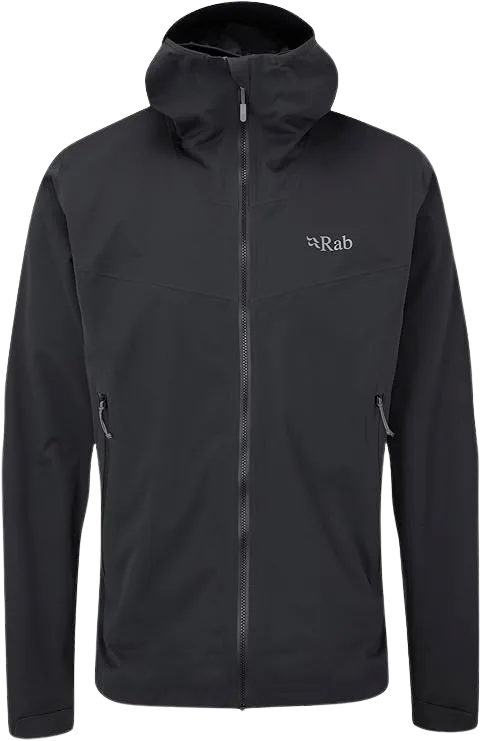
The Rab Kinetic 2.0 is the jacket for hikers who are tired of carrying both a softshell and a hardshell jacket. Its Proflex membrane creates a hybrid that delivers near-waterproof weather protection while keeping the stretch and comfort that makes a softshell worth wearing in the first place.
On a wind-hammered ridge traverse where rain moved in and out three times, the Kinetic 2.0 kept me dry through conditions that would have soaked any other softshell on this list within fifteen minutes. The membrane blocks sustained rain — not just light precip — while the 4-way stretch fabric moves with you through technical terrain without the stiff, crinkly feel of a dedicated rain jacket.
The tradeoff is real though. That membrane costs breathability. The Kinetic scored 4.4 out of 5 on breathability — the lowest on this list. On a humid forest climb where I was running hot, I could feel the internal moisture buildup that the Gamma and Borealis handle better. This isn’t the jacket for pure aerobic output on warm days. It’s the jacket for mixed conditions where getting rained on is the bigger risk than overheating. If you hike in the Pacific Northwest, Scottish Highlands, or any place where weather changes every forty minutes, this is your jacket.
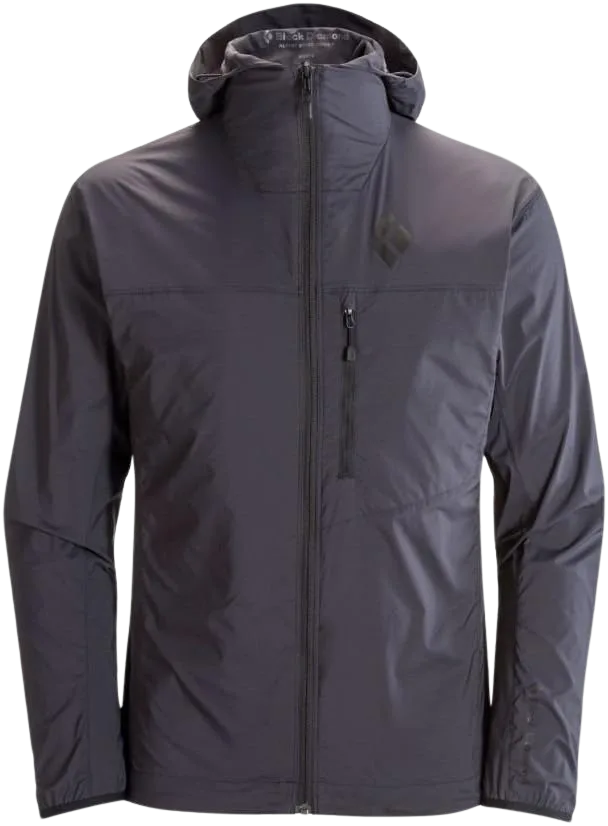
🎯 Best for High-Output Hiking — Black Diamond Alpine Start Hoody
At 7.3 ounces, the Black Diamond Alpine Start Hoody is the kind of jacket you forget you’re wearing until the wind hits. Schoeller stretch woven nylon provides enough structure to block gusts on an exposed ridge while letting body heat pour through the fabric’s air-permeable weave. On sustained high-heart-rate efforts — the kind where you’re moving fast up talus and your body is a furnace — no other jacket on this list performs better.
I wore the Alpine Start on a peak-bagging day where I gained 4,200 feet in six miles. The jacket stayed on from trailhead to summit. By the time I hit the ridge, wind was gusting twenty-plus miles per hour, and the jacket blocked it without trapping the heat buildup from the push. It felt like the jacket was working with my body instead of against it. That’s the sweet spot every breathable softshell chases.
The honest flaw: this is not a cold-weather jacket. The fabric that makes it so breathable provides minimal insulation. Below forty-five degrees with wind, you’ll want a fleece or down jacket underneath. And while the Schoeller fabric handles rock contact and brush surprisingly well, it won’t survive the same sustained abuse the Gamma’s heavier face fabric shrugs off. Treat it with care, and it’ll reward you with the lightest, most breathable protection in the category.
Pro tip: the Alpine Start dries so fast that you can rinse trail sweat out of it at a stream crossing and it’ll be dry before you finish your next mile of climbing.
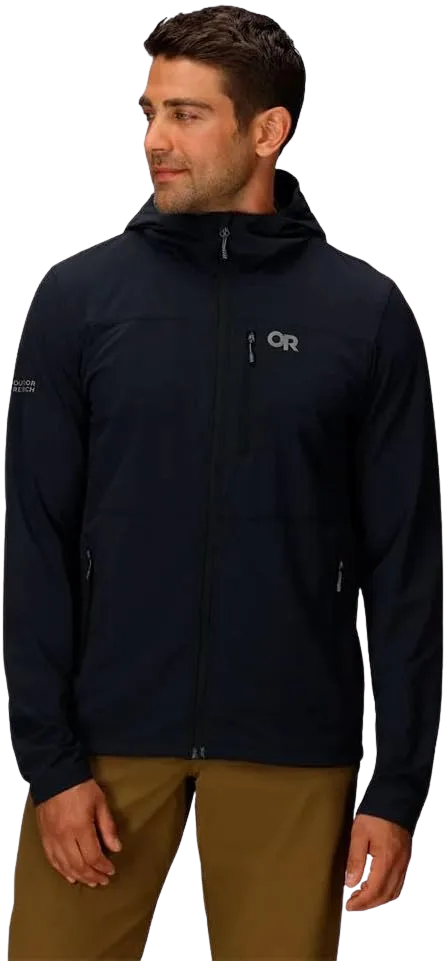
🎯 Best for Shoulder Season — Outdoor Research Ferrosi Hooded Jacket
Some jackets earn their reputation through marketing. The Outdoor Research Ferrosi earned it through accumulated trail miles. Hikers who’ve owned one for three-plus years keep calling it their most-worn piece of gear, and after testing it alongside jackets that cost twice as much, I understand why.
The Ferrosi stretch woven fabric does everything a shoulder-season hiking jacket needs to do without specializing in any single criterion. It dumps heat on steep forest climbs, blocks wind on exposed ridge traverses, shrugs off light rain for twenty-plus minutes, and stretches with your body through full-range mobility on trails that demand scrambling and pole work. The abrasion resistance is among the best tested — three seasons of pack strap friction, and the shoulder fabric shows barely any pilling.
At 13.9 ounces, the Ferrosi isn’t ultralight. You won’t stuff it into a hip belt pocket. But that extra material translates to toughness that lighter competitors sacrifice. If you’re a three-season hiker who deals with changing conditions — morning fog, midday heat, afternoon wind — and you want a single outer layer that handles all of it without complaint, the Ferrosi at $150 is a straight bargain. For help building a complete shoulder-season layering system around a piece like this, we’ve got a full breakdown.
Which Breathable Softshell Is Right for You?
Five jackets. Five different priorities. Here’s how to match yours.
If you want one softshell jacket that handles everything a typical three-season hiker throws at it — wind, light rain, technical scrambles, and years of pack-strap abuse — get the Arc’teryx Gamma Hoody. It scores highest overall because it refuses to be seriously weak in any single criterion. You pay for that balance at $300, but the jacket will still be performing three seasons from now.
If budget matters and you hike hard, the Rab Borealis Hoody at $120 is the smartest buy in this category. It matches or beats the Gamma on breathability and weight while costing less than half as much. The tradeoff is durability — it won’t survive as many seasons of heavy abuse, but for the price, you can almost afford two.
If getting rained on mid-hike isn’t a “maybe” for you — it’s a “most trips” reality — the Rab Kinetic 2.0 delivers weather protection no other softshell on this list touches. You sacrifice some breathability on hot climbs, but you gain the ability to leave your hardshell jacket at home on many shoulder-season trips.
If you run hot and count every ounce, the Black Diamond Alpine Start at 7.3 ounces and near-perfect breathability is the obvious choice. It barely exists in your pack until you need it. And if you hike shoulder-season trails where conditions change every forty minutes, the Outdoor Research Ferrosi at $150 is the proven workhorse that three-year veterans still swear by.
A $120 jacket that breathes perfectly for how you hike beats a $300 one that doesn’t. Match the jacket to your actual trail conditions, not to what sounds impressive on a spec sheet.
Pro tip: before buying any softshell, honestly assess your hiking intensity level. If your heart rate stays below 120 bpm on most hikes, you don’t need maximum breathability — and you’ll be more comfortable in a jacket with stronger weather protection like the Kinetic 2.0.
FAQ
What makes a softshell breathable compared to a hardshell?
Breathable softshells use air-permeable fabrics measured in CFM (cubic feet per minute) that let body heat and moisture escape continuously through the fabric itself. Hardshell jackets trap moisture behind waterproof membranes and rely on mechanical venting — pit zips, chest vents, or back panels — to release that buildup. For active hiking where you’re generating sustained body heat, a breathable softshell keeps you drier from the inside because the entire fabric surface is working to move moisture, not just two small zipper openings. For a deeper comparison, check our guide on the layering decision most hikers get wrong.
Can a softshell jacket replace a rain jacket?
In light rain lasting fifteen to thirty minutes, a DWR-treated softshell like the Rab Kinetic 2.0 handles it. The Kinetic’s Proflex membrane gets closest to true rain protection in the softshell category. But in sustained rain beyond thirty minutes, no softshell fully replaces a dedicated rain jacket. For multi-day backpacking trips, pack a lightweight hardshell as backup — even if your softshell is your primary outer layer most of the day.
How long does DWR last on a softshell?
PFC-free DWR typically lasts ten to fifteen washes before water stops beading. You can restore it by tumbling the jacket in a dryer on low heat for twenty minutes, or by applying a spray-on DWR treatment. Traditional fluorinated DWR lasts longer — around twenty-five-plus washes — but carries real environmental concerns that most brands are moving away from. Most of our top picks use FC-free DWR, which means you’ll want to reactivate the coating once or twice per season if you wash your jacket regularly. Our step-by-step guide on how to restore DWR walks through the full process.
Is it worth spending $300 on the Arc’teryx Gamma Hoody?
If you hike fifty-plus days per year in variable conditions and need one jacket that handles wind, light rain, and technical scrambling without wearing out — yes. The Gamma’s durability and all-around balance of protection and mobility justify the investment over multiple seasons. If you mostly do day hikes in predictable weather, the Rab Borealis at $120 delivers ninety percent of the performance for less than half the cost. That math is hard to argue with.
What’s the most breathable softshell for running hot on steep climbs?
The Black Diamond Alpine Start Hoody (4.9/5.0 breathability) and the Rab Borealis Hoody (4.9/5.0) tied as the most air-permeable jackets in our testing. The Alpine Start wins on weight — 7.3 ounces versus 9.6 ounces — making it the better pick for ultralight backpacking and fastpacking. The Borealis costs eighty dollars less and offers slightly better weather protection. Either one is built for hikers who run hot on high-output activities and refuse to overheat inside their own gear.
Risk Disclaimer: Hiking, trekking, backpacking, and all related outdoor activities involve inherent
risks which may result in serious injury, illness, or death. The information provided on The Hiking Tribe is for
educational and informational purposes only. While we strive for accuracy, information on trails, gear, techniques,
and safety is not a substitute for your own best judgment and thorough preparation. Trail conditions, weather, and
other environmental factors change rapidly and may differ from what is described on this site. Always check with
official sources like park services for the most current alerts and conditions. Never undertake a hike beyond your
abilities and always be prepared for the unexpected. By using this website, you agree that you are solely
responsible for your own safety. Any reliance you place on our content is strictly at your own risk, and you assume
all liability for your actions and decisions in the outdoors. The Hiking Tribe and its authors will not be held
liable for any injury, damage, or loss sustained in connection with the use of the information herein.
Affiliate Disclosure: We are a participant in the Amazon Services LLC Associates Program, an
affiliate advertising program designed to provide a means for us to earn advertising fees by advertising and linking
to Amazon.com. As an Amazon Associate, we earn from qualifying purchases. We are also an official affiliate partner
of Black Diamond Equipment via the AvantLink network. If you click on a Black Diamond affiliate link and make a
purchase, we may earn a commission at no additional cost to you. We also participate in other affiliate programs and
may receive a commission on products purchased through our links. Additional terms are found in the terms of
service.