









In January 2026, the National Park Service said Laurel Falls Trail would reopen “late next summer.” By July 31, 2026, that had quietly become “sometime in 2027,” with no month and no season attached. A park service that walks its own estimate backward into a whole calendar year is telling you something, and the honest read is that nobody currently knows the Laurel Falls reopening 2027 date, including the people building it.
Meanwhile several trail guides still ranking for this search carry a mid-2026 reopening that came and went without anyone updating the page. Here’s what the closure actually covers, why it slipped, what the trail will be when it finally opens, and which Smokies hikes replace it depending on what you wanted from it in the first place.
Laurel Falls Trail Is Closed — Here’s Exactly What That Covers
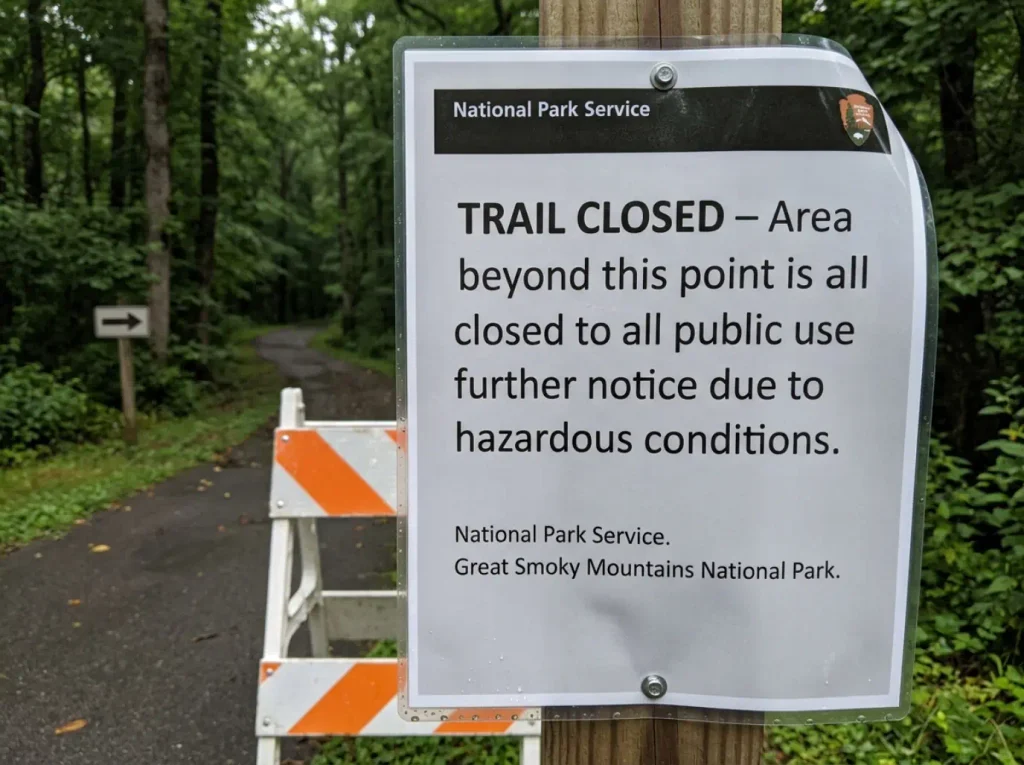
The trail closed on January 6, 2025, and the park framed it at the time as “about 18 months” of work. That math pointed at a mid-2026 reopening. As of the last update on July 31, 2026, the estimate on the NPS’s current conditions page for Great Smoky Mountains reads “sometime in 2027” with no month attached.
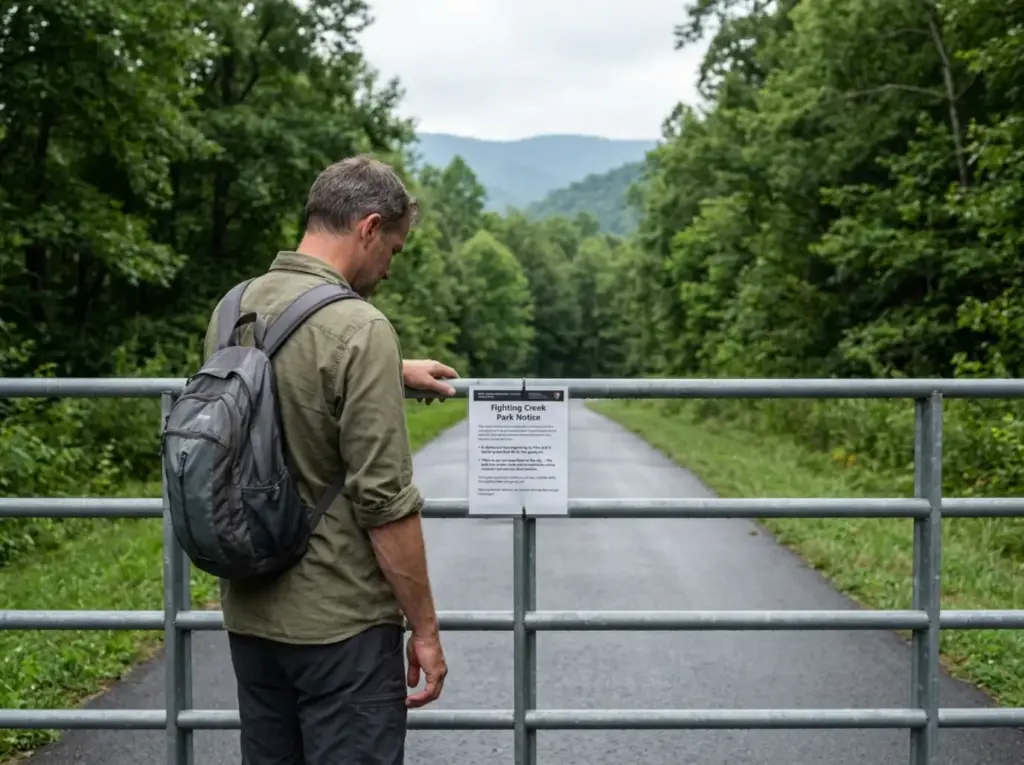
Two words are not a useful answer, though. What matters when you’re building an itinerary is how much ground the closure swallows, and it’s more than the paved path itself. The closure runs the length of Laurel Falls Trail from the Fighting Creek Gap Road trailhead to the Little Greenbrier and Cove Mountain Trail junction. It also takes the adjacent Sugarland Mountain Trail from its trailhead to the Huskey Gap Trail junction, which catches people who assumed they could park in the neighborhood and pick up a different route.
The Laurel Falls trailhead lot on Fighting Creek Gap Road is closed too, and drop-offs are not permitted. This is the part people learn the hard way. The most common mistake reported since the closure started is driving out there anyway, just to look, on the theory that a construction fence is a suggestion. The whole Fighting Creek Gap complex is an active work zone.
There is nothing to see and nowhere to legally stop your car, which means a scenic detour turns into a fifteen-minute exercise in turning around on a mountain road.
If you’ve had a trail pulled out from under you before, the shape of this is familiar. It’s the same problem hikers hit when Breakneck Ridge closed: the trail you planned around is gone for years, the internet still talks about it in the present tense, and the useful information is the honest substitute list, not the countdown. That’s the rest of this article.
Why the Reopening Slipped to 2027
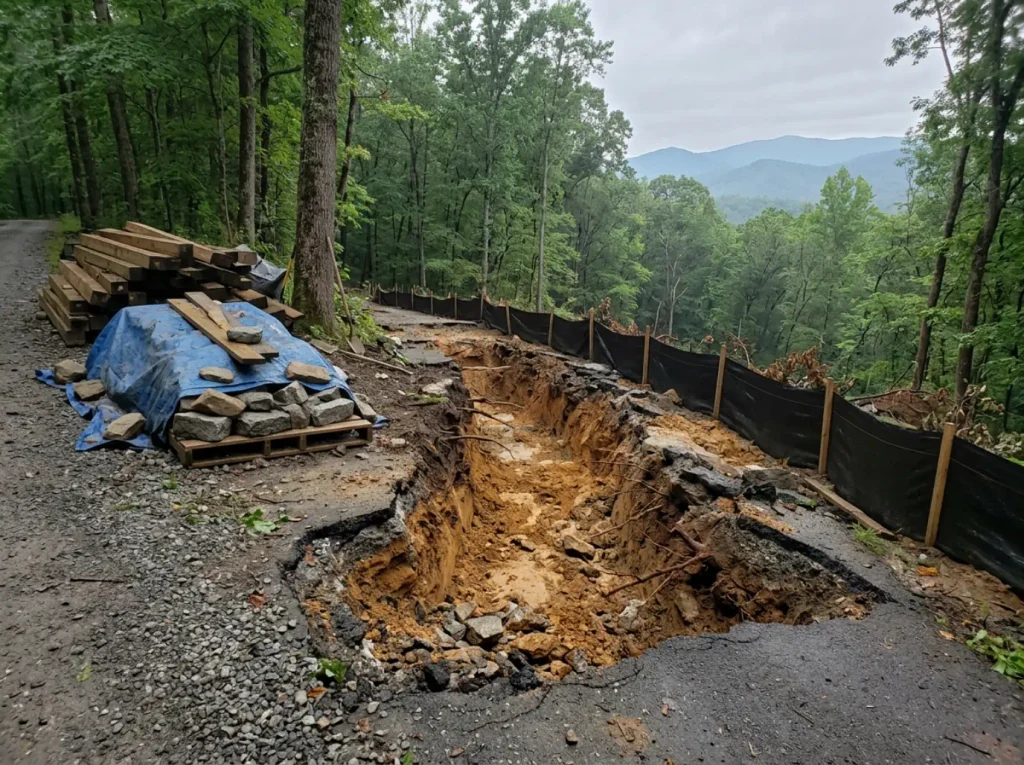
There’s a difference between a project running late because of paperwork and one running late because the ground wasn’t what the engineers thought. Complaining fixes the first kind. Nothing fixes the second kind except redesigning it, and this is the second kind.
The park’s own wording is specific: during construction of the lower viewing platform, crews “encountered differing geotechnical conditions than anticipated, which have required design modifications.” Translated out of agency language, the subsurface didn’t match what the 2023 Environmental Assessment predicted. Crews dug in expecting one thing and found another, which means the plans for the platform had to go back to a desk instead of forward to a pour. That’s an engineering redesign, not a scheduling slip, and redesigns on federal projects don’t move in weeks.
Now watch what happened to the confidence in the estimate, because that’s the part nobody else reports. In January 2026, the park was still naming a season: late next summer. Six months later, in July 2026, the same page said sometime in 2027. The estimate didn’t just move, it got vaguer.
Agencies narrow their language as a project firms up. Widening it back out to an entire calendar year is a park service declining to defend its own revised number, and that’s more useful to you than a date would be.
Treat any specific reopening date you find on a blog as unofficial, including a confident-sounding month. The park is the only source that isn’t guessing, and right now the park is guessing at the year. If a page tells you Laurel Falls reopens in a named month of 2027, check the byline date, then check whether it’s been touched since the July 2026 update.
The practical read: several pages still ranking for this keyword promised a mid-2026 reopening and never came back to correct it. You can spot them fast.
They cite an 18-month window from a January 2025 start, do the arithmetic for you, and stop. That arithmetic was reasonable eighteen months ago. It’s just wrong now.
What Laurel Falls Trail Actually Is
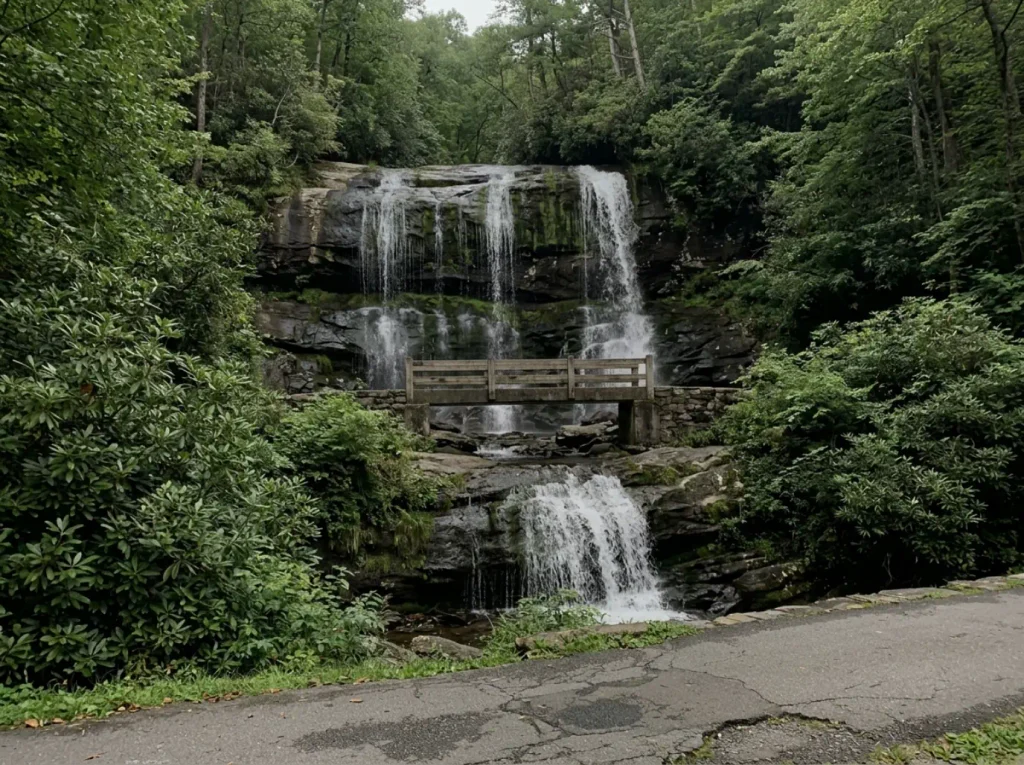
Set expectations honestly here, because the tourist-brochure version of this trail is a big part of why it broke. This is a short paved walk to a nice waterfall. It is not an epic. Roughly 300,000 people a year walked it, which is the number that matters far more than any adjective.
Distance, elevation, and the numbers that are actually current
The roundtrip mileage is 2.6 miles (4.2 km) from the trailhead on Little River Road, and that figure comes from the NPS’s official Laurel Falls trail guide. You’ll still find 2.3 miles on older guide pages. Use the park’s number.
Elevation gain is about 314 feet across that distance. That combination is what earns its easy difficulty rating and its reputation as a family-friendly hike, on a paved surface that made it the default recommendation for families and for anyone whose hiking background is “we walked a lot in Chicago once.” The Laurel Falls trailhead sits on Little River Road roughly 3 miles west of Sugarlands Visitor Center.
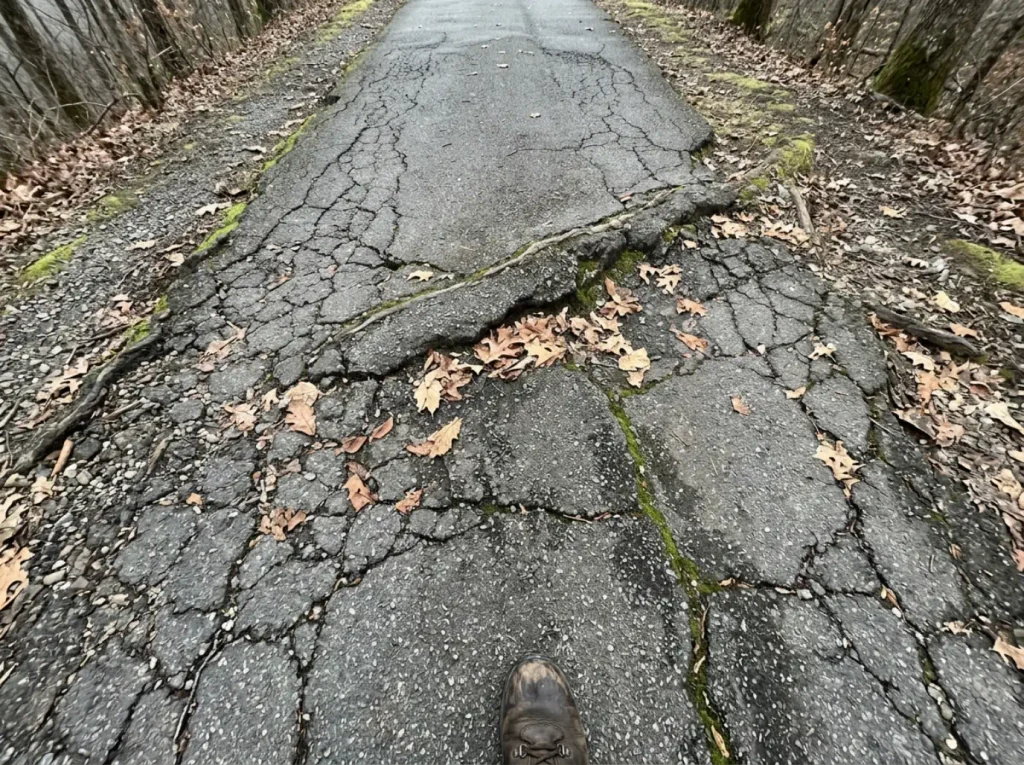
One honest note about that pavement, though, since the word makes people picture a sidewalk. It hadn’t been smooth in a long time.
Sixty years of freeze-thaw cycles heave asphalt from underneath, tree roots lift it from below, and the result by the mid-2020s was a cracked, tilted, ankle-catching surface that was genuinely worse footing than well-maintained dirt. Strollers were a bad idea on it long before the closure. The people who found this trail hardest were the ones who’d been told it was paved and therefore effortless.
The waterfall itself
The falls drop about 80 feet over what the park describes as two-tiered rocky ledges, and an 80-foot waterfall at the end of an easy trail is exactly the arithmetic that made this route famous. That phrasing matters, because the upper falls and lower falls everyone asks about are not two separate waterfalls. They’re the shape of one, split by a ledge, with a footbridge crossing between the tiers. That bridge is the classic photo, and it’s why the trail generated more images per visitor than anything else in the park at its size.
The name comes from the mountain laurel (Kalmia latifolia) that blooms along the route, usually in May, alongside rhododendron thickets on the wetter slopes. The stream feeding it is Laurel Branch, and the trail tracks the Laurel Branch stream for much of its length. And for anyone who wanted more trail than waterfall, the route continued past the falls toward Cove Mountain and the Cove Mountain fire tower, which is the part of this trail almost nobody used and almost nobody mentions.
If tiered waterfalls with crowd problems are your thing, another two-tiered waterfall hike that draws the same kind of crowds sits up in the Catskills and has spent years working through the same math: too many people, too little parking, infrastructure playing catch-up.
The Paving Irony Nobody Connects
Here’s the piece of this story that reframes everything, and it’s the thing you’d tell someone at a trailhead to watch their face change.
The trail was cut in 1932 for fire access. By the early 1960s, so many people were walking it that foot traffic was actively eroding it, and in 1963 the Park Service laid asphalt down the length of it under an Accelerated Works Projects grant. The pavement was not a luxury upgrade.
It was erosion control. The fix for too many boots was to armor the ground against boots.
That armor then spent six decades absorbing more than 300,000 visitors a year, a volume the park itself describes as far more than the original 1963 paving was designed to handle. Freeze-thaw got under it. Roots got under it.
By 2025 the surface was failing badly enough to justify a full trail rehabilitation, closing the trail entirely for what was supposed to be eighteen months. Then that project hit its own geotechnical conditions surprise under the lower viewing platform, and the eighteen months became three years and counting.
Read the whole arc in one line and it’s almost funny. Built in 1932 for fire access. Paved in 1963 because it was too popular. Closed in 2025 because the pavement couldn’t take how popular it got.
Same disease, two treatments, sixty years apart, and the second treatment is what’s keeping everyone out.
What makes the 1963 decision worth understanding rather than mocking is that it was the correct call with the information available. Armoring a surface against foot traffic is standard practice, and it bought the trail six decades it would not otherwise have had. The failure wasn’t the asphalt. It was that nobody re-evaluated the load as the visitor count climbed past every assumption baked into the original design.
That’s the part with a lesson in it. A trail surface is engineered for a traffic volume, the same way a bridge is rated for a weight, and the rating is invisible until it’s exceeded. Laurel Falls quietly crossed its own rating sometime in the decades after 1963 and kept absorbing traffic anyway, because a paved trail degrades gradually rather than failing all at once. By the time the cracks were bad enough to force a decision, the underlying repair had grown from resurfacing into full trail rehabilitation with new platforms and a redesigned lot.
The scale behind it: Great Smoky Mountains National Park took 11.5 million visitors in 2025, the most-visited national park in the country by a margin that isn’t close. That’s the pressure every trail in this park sits under, not just this one. If popularity closing a trail is a new idea to you, it’s worth looking at national parks where the crowds haven’t caught up yet, because the pattern here is not unique. It’s just further along.
The trail reopening in 2027 will not be the trail that closed. The rehab widens and resurfaces the full route, adds upper and lower viewing platforms, puts in roughly 50 new parking spaces and a guardrailed pedestrian path from the lot to the trailhead. If you hiked the old cracked version and hated it, that complaint is being addressed. If you loved it for feeling like a backcountry trail, it never did, and it definitely won’t.
Which Smokies Hike Actually Replaces It
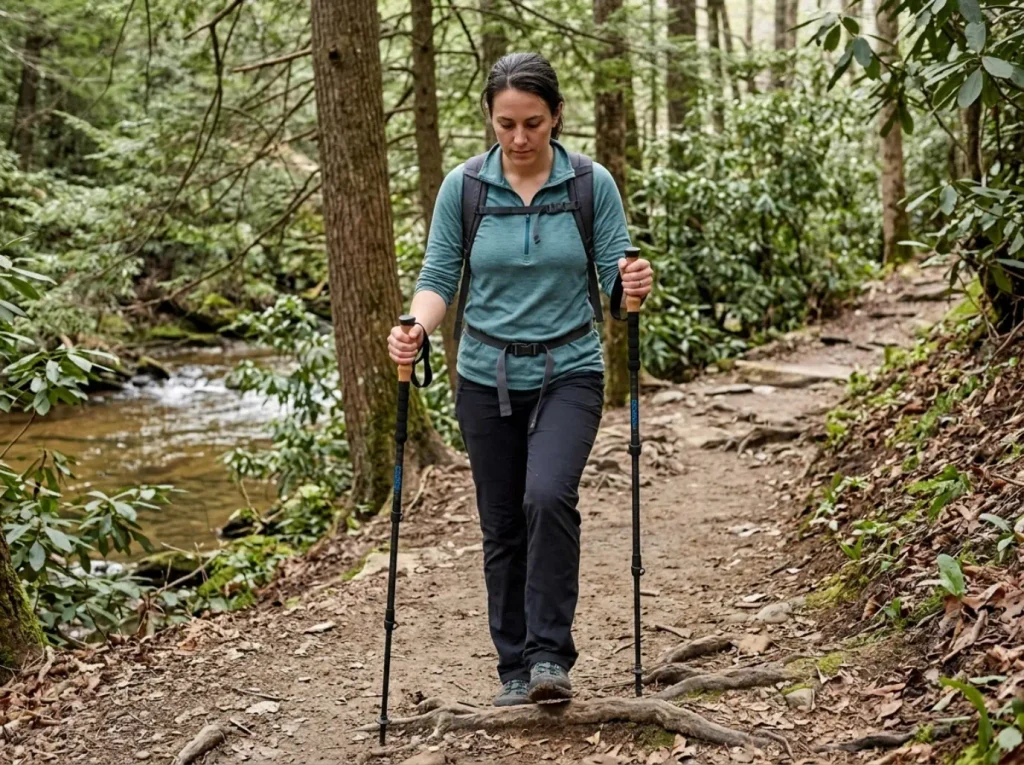
“Try Grotto Falls” is a useless sentence on its own. The question that produces a good answer is what you actually wanted out of Laurel Falls, because three different people wanted three different things from the same 2.6 miles: a short walk small kids could finish, a waterfall worth photographing, or simply a couple of hours outside that didn’t involve pavement.
Sort by that instead of by difficulty label and the picks get obvious fast. It’s the same method behind sorting hikes by what you actually want out of them, and it beats a name-dump every time. Worth knowing too: these aren’t a blogger’s personal favorites. The park publishes the park service’s own alternate-hikes list for this closure, and its alternate hikes while closed list is where most of what follows comes from.
If you wanted short and easy with kids
Lynn Camp Prong Cascades is the shortest real substitute at 1.4 miles roundtrip. If your group includes a five-year-old, someone recovering from something, or a relative who agreed to this under protest, this is the pick. It’s the only option on this list that’s genuinely shorter than Laurel Falls was.
Gatlinburg Trail runs 4 miles roundtrip, flat and easy, and it carries one feature nothing else here does: dogs are allowed. It and the Oconaluftee River Trail are the only two trails in the entire park where that’s true, and Laurel Falls never permitted pets. If half your reason for wanting an easy paved trail was the dog in the back seat, this is the answer and it’s not close.
If you wanted the payoff waterfall
Grotto Falls on the Trillium Gap Trail is the closest experiential match at 4 miles roundtrip, moderate rather than easy. It also does something Laurel Falls never did: the trail passes behind the falls, so you walk through the spray with the water in front of you. That’s a better photo and a better memory than the footbridge shot everyone has.
The catch that ruins plans: the Roaring Fork Motor Nature Trail is the only road to that trailhead, and it closes seasonally, roughly November through late March. People book a winter trip around Grotto Falls, drive out, and find a gate. Check the calendar before you commit to it as your Laurel Falls replacement.
Rainbow Falls is 5.6 miles roundtrip, moderate, with about 1,500 feet of gain. It’s the tallest single-drop waterfall in the park, and the trade is straightforward: more effort, bigger payoff, a real half-day instead of a stroll. Abrams Falls takes a different angle at 5 miles roundtrip, moderate. The drop is short but the water volume is heavy, so it’s the pick if force impresses you more than height. Budget for the Cades Cove Loop Road drive to reach it, which on a summer weekend can take longer than the hike.
For anyone who reads that list and realizes they wanted more trail than they thought, Alum Cave Bluffs, one trailhead that supports two very different trips is the natural step up in the same park, on the same parking system. The Alum Cave Trail is a genuine climb rather than a waterfall walk, so treat it as a different kind of day rather than a swap.
If you wanted off the pavement
If your actual complaint about Laurel Falls was that it was a paved tourist path with strollers on it, the Little River / Cucumber Gap / Jakes Creek Loop is your trail. It starts on the Little River Trail out of the Elkmont area. 5.4 miles roundtrip, moderate, dirt singletrack, real elevation change, and a fraction of the foot traffic. Nobody drives to the Smokies for the first time and does this loop, which is exactly the point.
This is also where the gear question changes. Laurel Falls was a paved grade where you could get away with sneakers and a water bottle. Uneven singletrack with stream crossings is where poles start paying for themselves, especially on the descents when your legs are done and the rocks are wet. A pair of Cascade Trekking Poles in carbon fiber weigh little enough that you’ll actually keep them strapped to your pack instead of leaving them in the car, which is the only thing that separates poles that help from poles that don’t.
Parking, Tags, and the Shuttle Nobody Uses
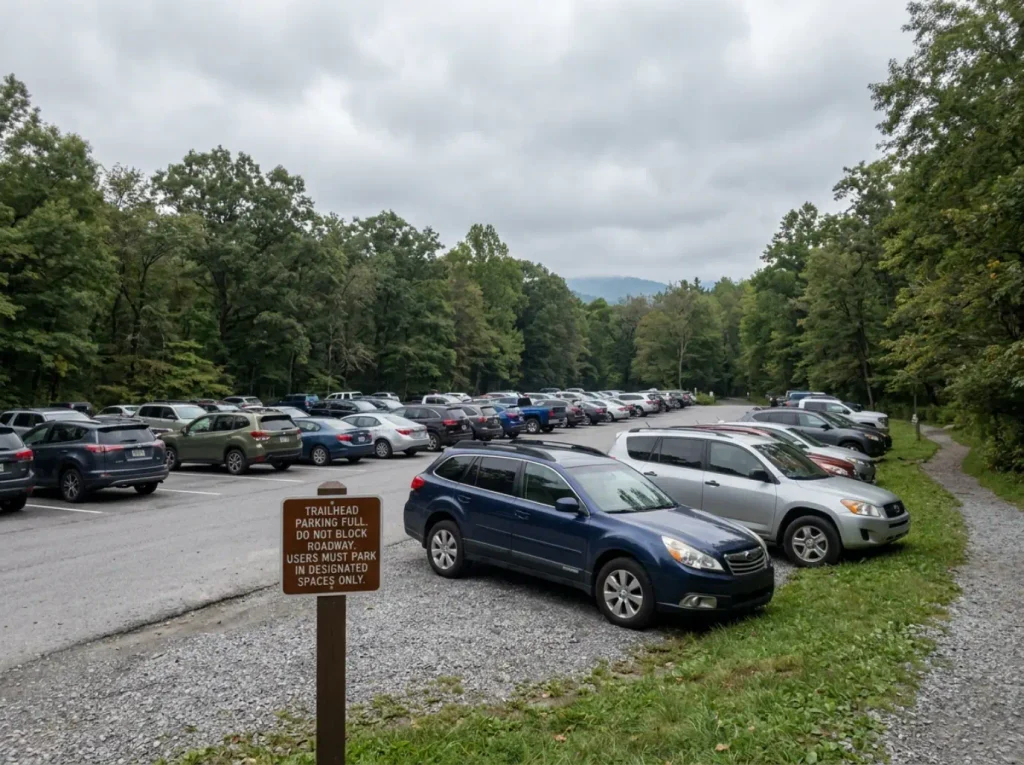
Picking the alternative trail is the easy decision. Getting a vehicle within a mile of its trailhead on a July Saturday is the actual problem, and most visitors solve it by circling the lot for forty minutes. There’s a better answer and the park already built it.
The parking tag is not optional
Any vehicle parked 15 minutes or longer anywhere in Great Smoky Mountains National Park needs a parking tag: $5 per day, $15 per week, $40 per year as of 2026. That includes every trailhead in this article, not just the closed one.
Two things people get wrong about it. First, it is not an entrance fee. The Smokies has no gate fee, which is why so many visitors assume there’s nothing to pay and get a surprise.
Second, rangers do check, and a lot with fifty cars in it has fifty windshields that are easy to read at walking pace. Buy the tag online before you drive in, or at a visitor center on the way, and stop thinking about it.
If reservation and permit systems are new to you, they’re standard now at heavily visited destinations. It’s the same friction you hit at parks that split into separate access areas with their own fees and reservations, where the paperwork is a bigger planning input than the mileage.
Arrive early or take the shuttle
The Grotto Falls trailhead, the single best like-for-like Laurel Falls substitute, fills by 9am on a summer Saturday. Not “gets busy.” Fills.
That’s a smaller lot absorbing the redirected traffic from a closed trail that used to take 300,000 people a year, inside a park handling 11.5 million visitors annually. The parking problem at your replacement hike is genuinely worse than it ever was at Laurel Falls.
The fix almost nobody uses: the park’s shuttle network now serves Alum Cave, Chimney Tops, Trillium Gap for Grotto Falls, Rainbow Falls and Clingmans Dome. Reserve a seat through the park’s shuttle service page and the parking question stops existing. It costs a few dollars, it removes the 6am alarm, and it is the most-overlooked answer to exactly the overcrowding problem the Laurel Falls rehab is trying to fix in concrete.
If you’re driving in from out of state and the day is going to be tight, book the shuttle seat before you book anything else about the hike. Locals will tell you the arrival threshold at popular Smokies trailheads keeps creeping earlier every season, and a reserved seat is the one variable that doesn’t move. Circling a full lot at 10am is how a half-day hike turns into a lunch in Gatlinburg.
Bear Country Is Not a Disclaimer Here
Most trail guides mention bears the way a rental agreement mentions gravel roads: one line, obligatory, forgotten by the next paragraph. In this park it’s a planning input.
This is black bear country in the literal sense. The Smokies is documented active black bear (Ursus americanus) habitat, and sightings of a mother with cubs have been reported directly on and near the Laurel Falls corridor. That matters for this article specifically because every alternative recommended above sits in the same park, in the same bear population. Swapping trails doesn’t swap the wildlife.
Here’s the detail that tells you how the park itself rates it: the rehab plan for Laurel Falls explicitly includes new bear-safety signage as part of the construction scope. A federal project doesn’t spend capital on signage for a hypothetical. They’re building it into the trail because they expect the encounters to keep happening on the busiest short trail in the park.
The practice carries over unchanged from anywhere else in bear country. Store food properly and never in your car overnight where a bear can smell it through a window. Never approach, never feed, never try for a closer photo.
Make noise on blind corners and in thick rhododendron where sightlines close to nothing. And if you see cubs, the mother is closer than you think and you back away from all of it. Worth reading in full: what to actually do in a black bear encounter, because the right move differs from what most people assume.
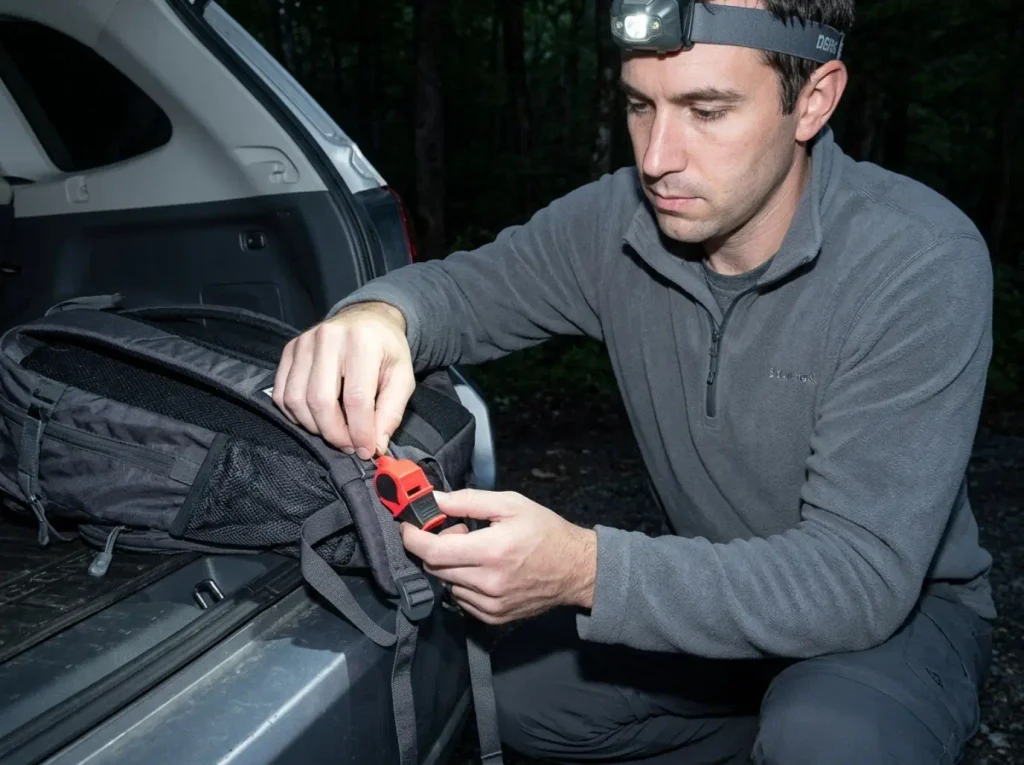
One item that belongs in your pack and rarely does: a whistle. It’s on the standard day-hiker checklist for this corridor for two reasons, wildlife noise-making and actually being found if something goes wrong, and a Fox 40 Sonik Blast Whistle (check it here) is the version worth carrying because it’s pealess. No cork ball inside means nothing to freeze, jam, or die on you when it’s wet, which in a temperate rainforest is not a hypothetical.
Your voice gives out in about a minute of yelling. A 120-decibel whistle doesn’t.
What to Carry on the Replacement Hike
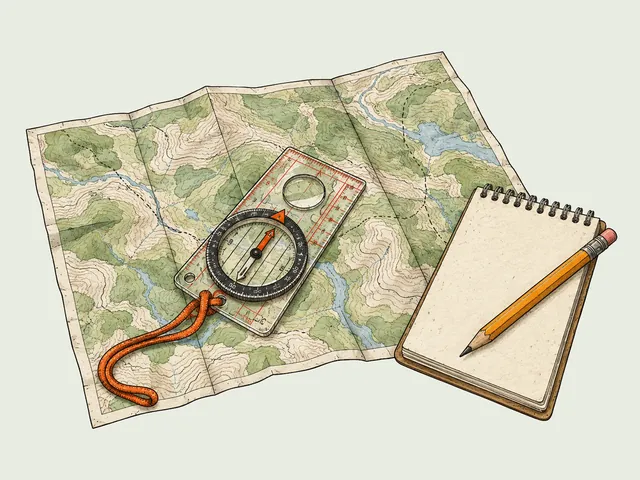
Laurel Falls was a paved 2.6-mile walk that forgave almost everything. Most of the trails replacing it are longer, unpaved, and higher, which quietly moves this out of grab-a-water-bottle territory and into real day-hike prep. If you’re building the day from zero, planning a day hike from scratch covers the turnaround-time math that decides most of what follows, and a paper trail map still belongs in the pack where the cell signal quits.
Weather turns faster than the forecast at elevation
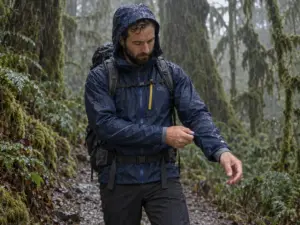
Smokies weather changes with elevation gain faster than any forecast for Gatlinburg will tell you. The valley is warm and dry, you gain a thousand feet, and you’re in cloud with rain coming sideways. The park is named for what the air does here. A rain shell is core kit, not an optional extra, and The North Face Venture 2 Rain Jacket (men’s · women’s) is the honest middle of the market for this: a 2.5-layer waterproof shell that packs down small enough that you’ll carry it on the days it stays in the pack, which is the whole test.
Under it, non-cotton layers. Wool layers or synthetic fleece, because the alternatives put you higher for longer than Laurel Falls ever did, and wet cotton at 4,000 feet in a wind is how a pleasant afternoon becomes a shivering hike out.
The other weather consequence is underfoot. Wet rock near any of these waterfalls is where people actually get hurt, not on the climbs. Algae-slicked stone looks identical to dry stone from six feet away.
Those slick rocks sit right where the steep drop-offs near the falls are, and none of the unpaved options have railings. The standard advice is the boring kind that works.
It comes down to two habits: stay behind the rocks people have obviously been standing on, and accept that no photo is worth the last two feet toward the edge.
Longer trails, shorter daylight than you planned
Rainbow Falls and the Little River loop can push a casual hiker into low light without anything going wrong. You start at eleven, take a long lunch at the falls, talk to someone at an overlook, and suddenly the 5.6-mile day is finishing under a canopy that goes dark a solid forty-five minutes before the sky does. Shoulder season compresses it further.
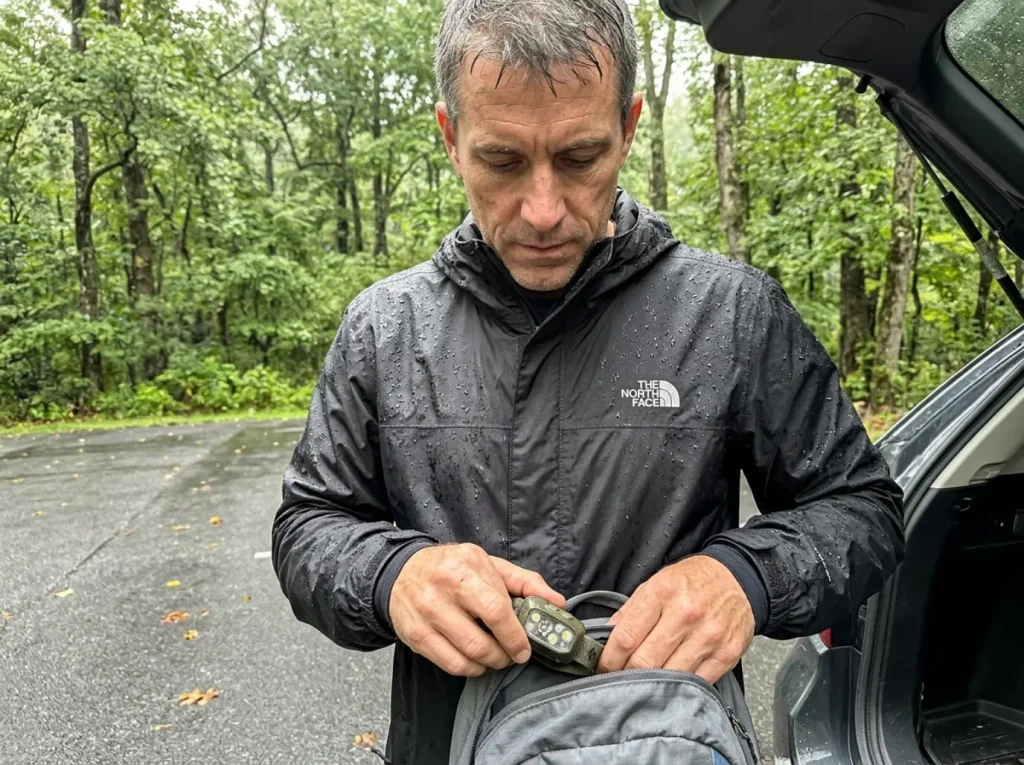
So a headlamp goes in the pack even on a hike that reads like an afternoon stroll on paper. The Black Diamond Spot 400 Headlamp (check it here) is the standard answer at 400 lumens and dimmable, which matters more than the top number. You want low output for walking a known trail without cooking your night vision, and everything it’s got for finding a junction sign in the dark. A phone flashlight burns your battery and needs a hand.
Water carry scales with distance too. What was overkill for a paved 2.6-mile stroll is appropriate for a 5.6-mile day with 1,500 feet of gain, and the honest arithmetic on how much water per mile you actually need is worth running once instead of guessing every time. Southern Appalachian humidity moves that number more than most people expect.
Zoom out and the method here is the same one that works across any heavily visited preserve: match the trail to the hiker, then let the parking and permit system decide the start time. That’s the same trail-picking logic applied across a whole preserve, and it travels well from the Appalachians to anywhere else the crowds got there first.
Bottom Line
Laurel Falls Trail is closed, and 2027 is an estimate the park itself has stopped defending. That’s not pessimism, it’s what happens when the ground under a viewing platform doesn’t match the plans and the language on the conditions page widens from a season to a year.
The right substitute depends entirely on what you wanted from it. Kids and short legs point to Lynn Camp Prong Cascades or the dog-friendly Gatlinburg Trail. A waterfall worth the drive points to Grotto Falls, seasonal road closure permitting, or Rainbow Falls if you’ll trade effort for scale. Dirt under your boots points to the Little River loop.
Whatever you pick, the parking tag and your arrival time decide whether the day works at all. Check the park’s conditions page the week you travel rather than trusting any date you read here or anywhere else, choose your replacement by purpose instead of by name recognition, and if Grotto Falls or Rainbow Falls is the plan, reserve a shuttle seat and sleep in.
Frequently Asked Questions
01Why is Laurel Falls closed in Gatlinburg?
Laurel Falls Trail closed in January 2025 for a full rehabilitation of its deteriorated 1963 asphalt surface, plus new viewing platforms and parking. The reopening slipped to 2027 after crews hit different geotechnical conditions than the plans anticipated.
02How difficult is the hike to Laurel Falls?
It is rated easy: 2.6 miles roundtrip with about 314 feet of gain on a paved surface. That pavement was cracked and uneven before the closure, and the rehab is widening and resurfacing the whole route, so the 2027 version will walk easier than the one that closed.
03Which is better, Laurel Falls or Grotto Falls?
With Laurel Falls closed, Grotto Falls wins by default, but it earns the pick anyway. It runs 4 miles roundtrip at moderate difficulty and the trail passes behind the waterfall, which Laurel Falls never offered. The catch is access: Roaring Fork Motor Nature Trail closes roughly November through late March.
04What is the hardest trail in the Smokies?
Alum Cave to Mount LeConte, Charlies Bunion and the Chimney Tops sit at the demanding end of the park, well above anything recommended here. If Laurel Falls was your speed, the substitutes in this article stay in the easy-to-moderate band on purpose.
05Can I still park at the Laurel Falls trailhead?
No. The trailhead lot on Fighting Creek Gap Road is closed along with the trail, and drop-offs are not permitted. The adjacent Sugarland Mountain Trail is also closed from its trailhead to the Huskey Gap Trail junction.

I've spent more than a decade researching hiking gear and trail technique. I read the specs, the forum threads and the long-term reviews, and every pick here comes with what it gets wrong.
End of the trail
You read every mile of this one. Here's where the trail goes next.