In this article
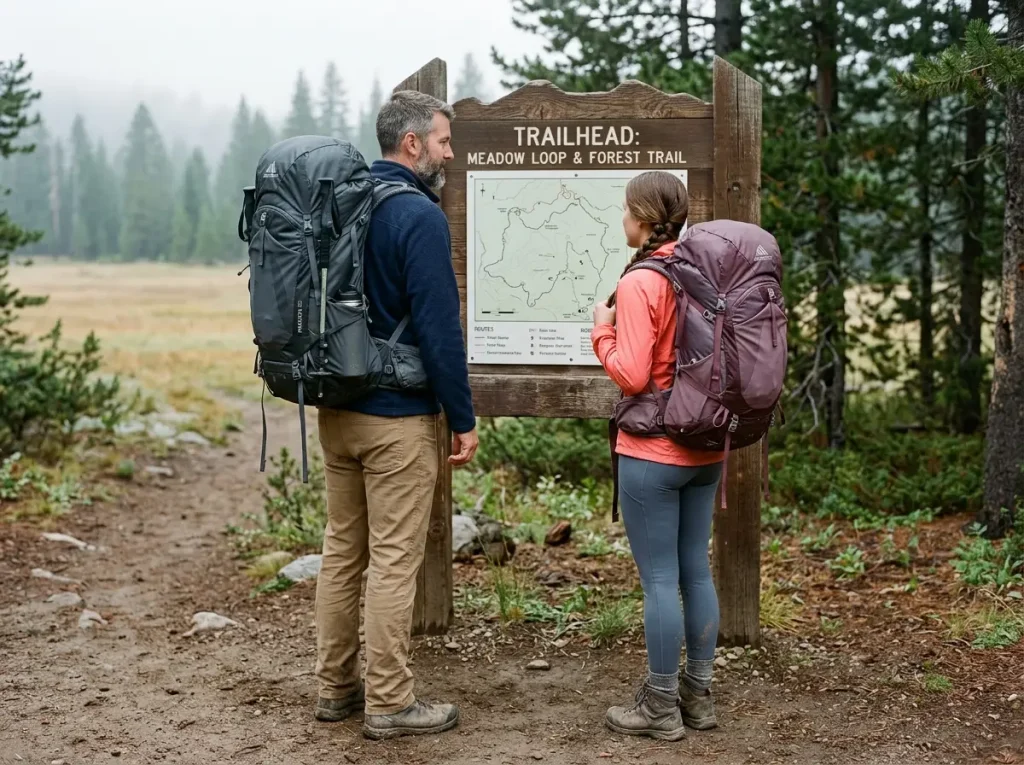
You open Gregory’s site to buy one backpack and run straight into a wall of names: Baltoro, Deva, Zulu, Jade, Paragon, Maven. None of them tell you which pack actually rides well for the trip you’re taking this weekend. This guide sorts Gregory’s whole current lineup the way a hiking buddy would at the trailhead, by trip, fit, and budget, including the value packs nobody talks about and a straight answer on whether Gregory is even your brand. You’ll get what makes these packs different, how the suspension systems and men’s and women’s siblings actually work, and the right model for everything from a quick day hike to a multi-day haul.
Here’s the quick map of which Gregory pack matches your trip, with the men’s and women’s sibling for each.
| Trip Type | Capacity | Men’s Pick | Women’s Pick |
|---|---|---|---|
| Day hike | 18–24 L | Nano 20 or Citro 24 H2O | Nano 20 or Juno 24 H2O |
| Weekend, value | 45–55 L | Stout 55 | Amber 54 |
| Weekend to week | 55–58 L | Paragon 58 | Maven 55 |
| Hot-weather 3-season | 53–55 L | Zulu 55 | Jade 53 |
| Multi-day heavy haul | 65–70 L | Baltoro 65 | Deva 70 |
Why Gregory Packs Are Built Different
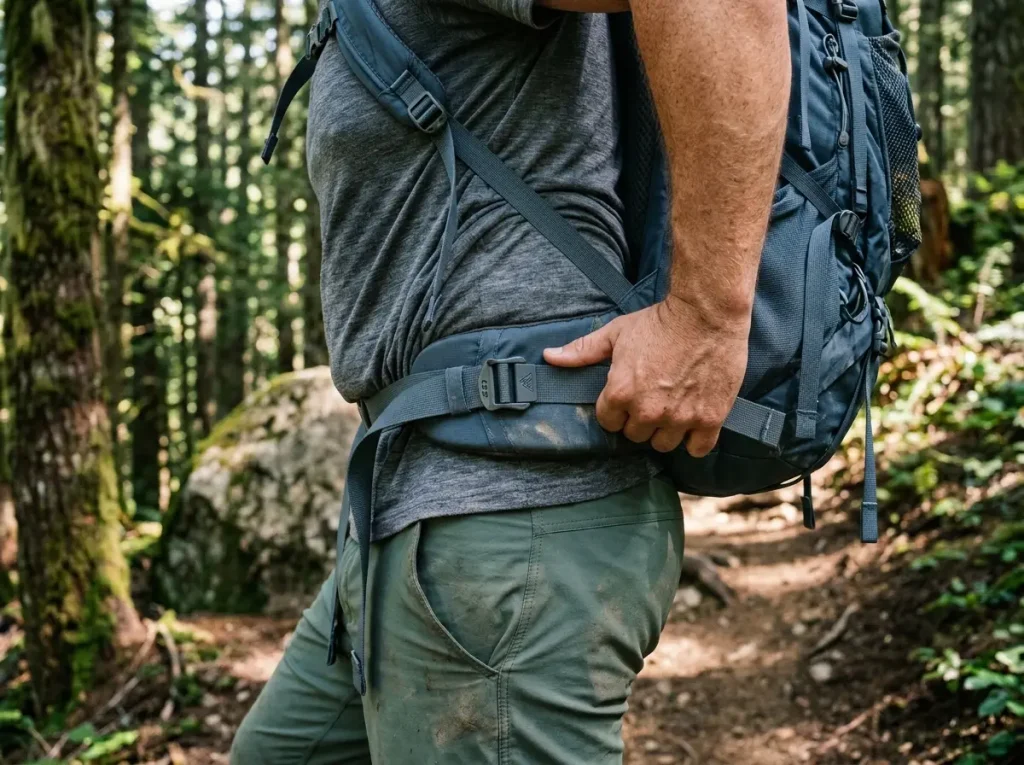
Most pack brands sell you a bag with straps. Gregory sells you a fit, and that difference is the whole reason the brand has stuck around while flashier names came and went. Once you understand what they’re actually building for, the rest of the lineup starts to make sense.
Nearly 50 years of one obsession
Gregory got its start in 1977, when Wayne Gregory and his wife Suszy began building packs in San Diego before the company eventually moved to its current home in Salt Lake City. Backpacks were the founding product, not a side line bolted onto a clothing brand, and that focus shows. Wayne’s bet from day one was simple: you don’t carry a pack, you wear it.
That sounds like a slogan until you load one. Gregory’s design energy goes into fit customization and load transfer: interchangeable hip belts, swappable harnesses, multiple torso sizes, and getting the weight off your shoulders and onto your hips where your legs can actually carry it. A pack that does this well disappears on your back. One that does it poorly turns mile 12 into a shoulder-ache you remember for days.
The lifetime guarantee (and why it changes the math)
Since 1996, Gregory has backed its packs with a lifetime guarantee, sometimes called its lifetime warranty. Gregory’s lifetime guarantee covers defects in materials and workmanship for as long as you own the pack, which means a failed buckle or a blown seam from a manufacturing flaw gets repaired or replaced rather than tossed.
That changes how you should think about price. A heavier, pricier pack that lasts a decade can quietly cost less per year than two cheap packs that wear out. It also ties into knowing when a pack is actually worn out versus just broken-in, because real defects are covered while honest trail mileage is just character.
Who Gregory is built for
Here’s the honest part most roundups skip. Gregory packs run heavier than ultralight brands, and that weight buys you support and comfort under a real load. If you regularly carry 30 to 50 pounds, or you have a back that punishes you for a bad fit, this is your brand.
Don’t assume heavier means worse. Ask anyone who’s carried real weight: a well-fitting 4.5-pound Gregory routinely out-carries a poorly fitting 3-pound ultralight pack once there’s 35 pounds inside it. Comfort comes from where the weight sits, not just how much the empty pack weighs.
If you count grams and keep a sub-10-pound base weight, keep reading to the last section, because Gregory might not be your brand and that’s worth knowing before you spend.
Gregory’s Suspension Systems, Decoded
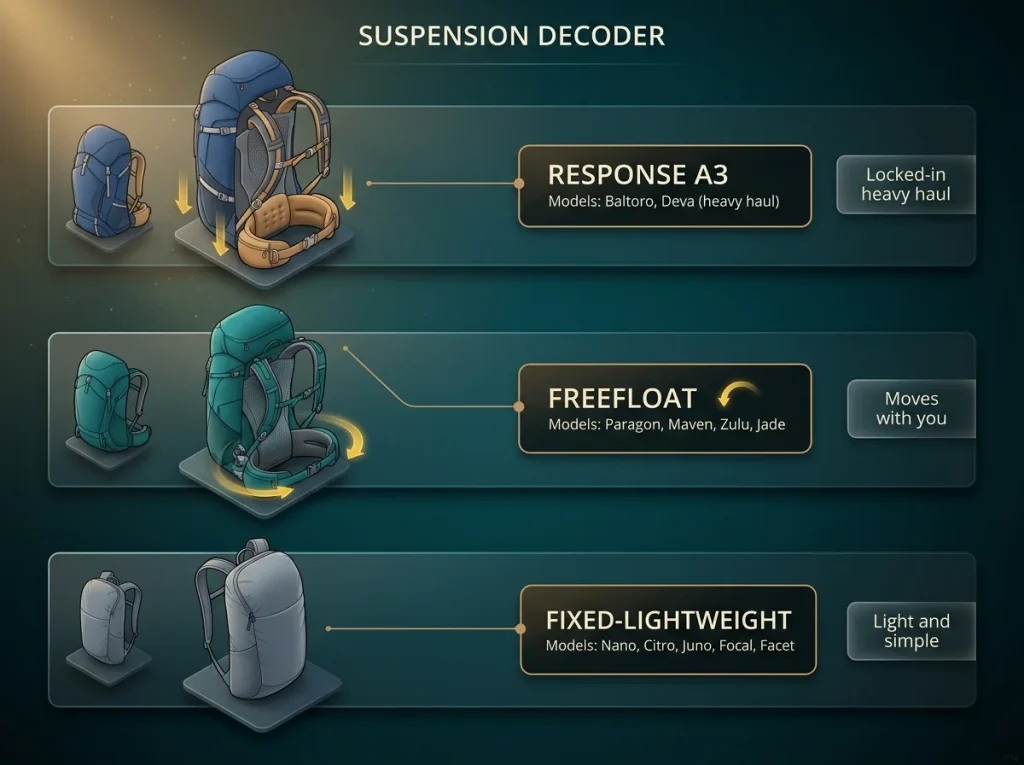
Competitors name-drop Response A3 and FreeFloat like you already speak the language. You don’t need to. What you need is to know which system is on which pack and what each one feels like once you’re moving, which competitors almost never connect for you. If you want the deeper background on how pack suspension actually transfers weight off your shoulders, that pillar covers the mechanics in full.
Response A3 for heavy loads
Response A3 is Gregory’s heavy-haul suspension, tuned to stay planted under a big multi-day load. It keeps the weight controlled and close when you’re carrying 40-plus pounds, so the pack doesn’t sway and throw you off balance on a sketchy step. The trade is that it feels more locked-in than lively. That’s exactly what you want on a loaded slog, and exactly what you don’t notice you’re missing on a light day hike.
FreeFloat for active 3-season trails
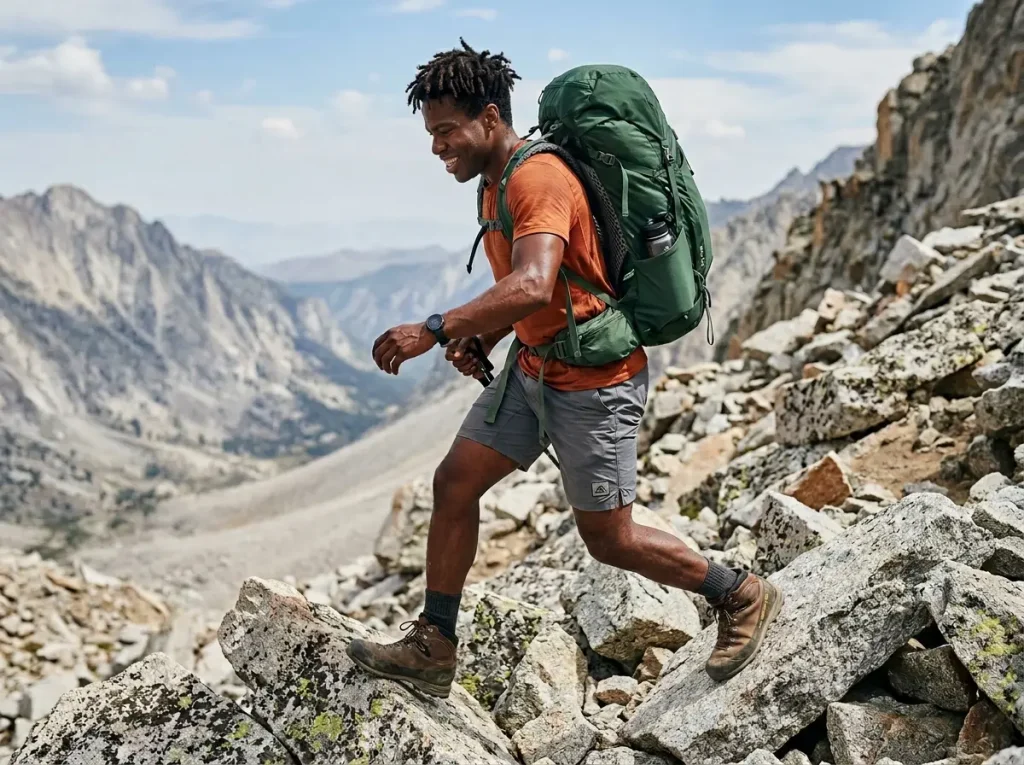
FreeFloat is the opposite philosophy. The harness and hipbelt pivot and rotate independently, so the pack follows your stride instead of fighting it. On twisty, rooty, up-and-down 3-season terrain, that flex is the difference between a pack that hikes with you and one that wrestles you. It rides on the 2026 Baltoro and Deva, the Paragon and Maven, and the Zulu and Jade.
Match the suspension to your style, not just the liters. If most of your hiking is active and 3-season, FreeFloat will feel better under you. If you haul heavy gear on long multi-day trips, the stiffer Response A3-class support is what keeps a big load from beating you up. Two packs at the same capacity can hike completely differently because of this.
AirCushion and ventilated backpanels for staying cool
The third piece is what sits against your back. Gregory’s AirCushion and tensioned-mesh backpanels create an air gap so your shirt isn’t glued to the pack on a hot climb. The Zulu and Jade’s tensioned mesh is the standout here, arching off your back so air actually moves through. Day packs and the ultralight Focal and Facet use simpler or fixed panels, which keeps them light but gives up some of that airflow.
The Men’s and Women’s Pairing Map
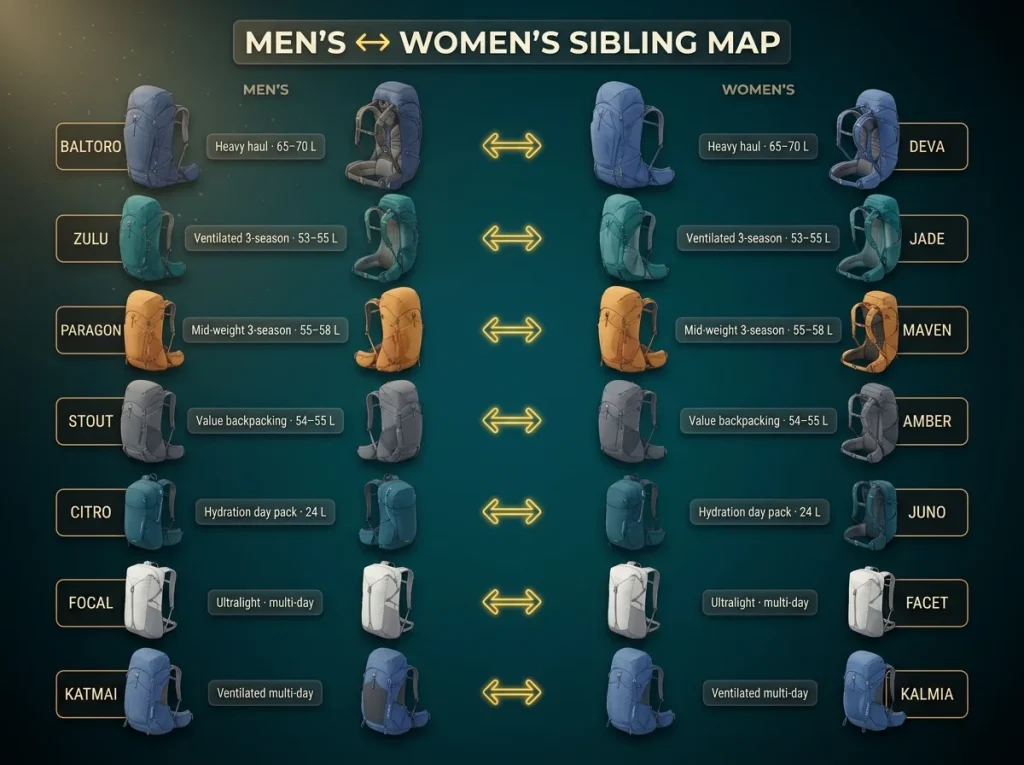
This is the thing that confuses everyone. Baltoro and Deva aren’t different packs, they’re the same pack cut for different builds. Once the sibling map clicks, the whole lineup stops looking like alphabet soup.
How Gregory’s sibling system actually works
Gregory sells most of its packs as men’s and women’s siblings under different names, with genuinely different harness curves, hipbelt shapes, and torso length ranges. This gendered fit is not a pink colorway and a different sticker. The women’s pack has a shorter, differently angled harness and a hipbelt cut for a different hip shape, which is why grabbing the wrong one is such a common mistake.
The complete pairing chart
Here’s the part no single competitor lays out in one place. The current pairings run: Baltoro and Deva for heavy haul, Zulu and Jade for ventilated 3-season, Paragon and Maven for mid-weight 3-season, Stout and Amber for value, Citro and Juno for hydration day packs, Focal and Facet for ultralight, and Katmai and Kalmia for ventilated multi-day. The Nano is unisex, one size for everyone.
So if a friend raves about her Deva and you’re a guy, the pack you actually want is the Baltoro. If someone recommends the men’s Paragon and you want the women’s fit, you’re looking for the Maven. Same design, same suspension, different last.
Picking your side of the pair (it’s about fit, not the label)
The label is a starting point, not a rule. Some hikers fit the other-gender pack better, and the only thing that settles it is your torso and hip measurement against the size chart. It helps to know what to look for in a women’s-specific pack fit and how men’s pack fit and comfort are rated before you commit, because the right harness shape matters far more than the name on the lid.
Day Hiking Packs (Nano, Citro & Juno)
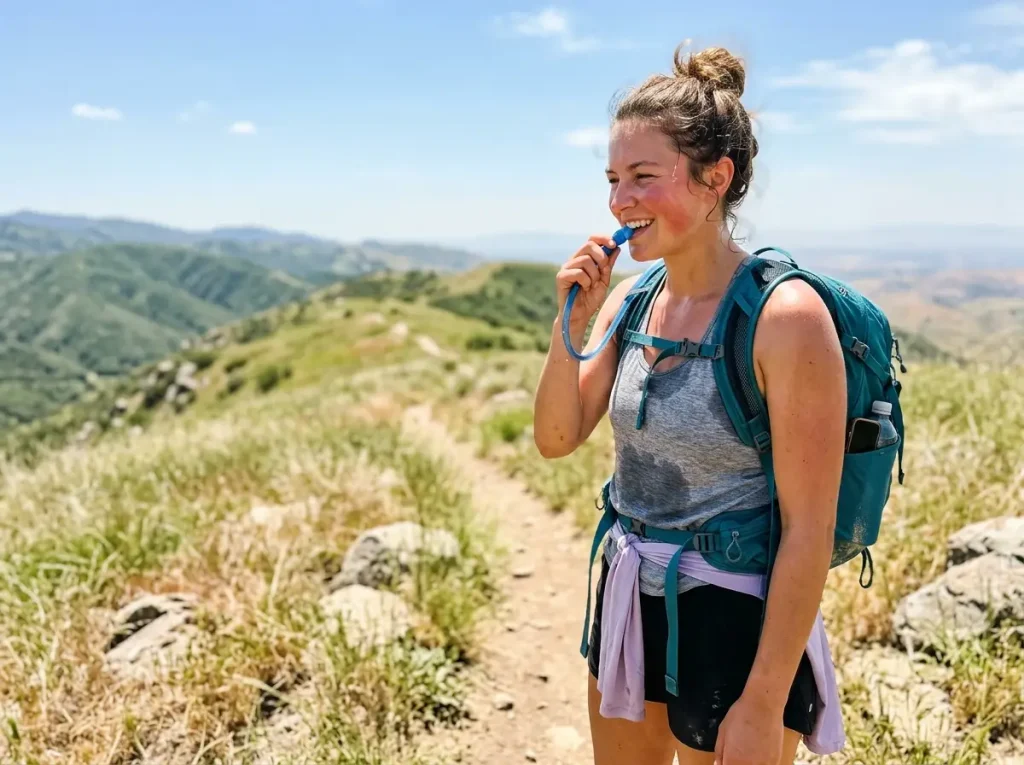
Most hikers buy way too much pack for a day out. A day hike needs 18 to 24 liters for the vast majority of people, and anything bigger just gives you room to overpack things you’ll carry all day and never touch. Gregory’s small end is honest and well-built, and one of them comes with the water already sorted.
The Gregory Nano grab-and-go daypack
The Gregory Nano 20 (check current price on Amazon) is the budget-friendly, grab-it-by-the-door option. It’s around a pound, has a breathable backpanel, and includes a hydration port if you want to add a reservoir later. It’s one-size unisex and happy doing double duty as an everyday bag and a light trail pack. No frame, no fuss, no reason to overthink it.
Citro and Juno H2O with hydration built in
If you’d rather not buy a bladder separately, the Gregory Citro 24 H2O and women’s Juno 24 H2O (men’s · women’s) ship with a 3-liter hydration reservoir already in the box. The VaporSpan ventilated backpanel keeps your back cool, and the SpeedClip system lets you pull and refill the bladder without threading the hose every time. At roughly 2 pounds, it’s the day pack for people who hike where water is the thing they care most about carrying.
Don’t over-index on an included reservoir except on the Citro and Juno H2O. Those genuinely come with the 3-liter bladder. Most other Gregory packs are reservoir-compatible but ship without one, so check before you assume you’re covered for water.
How much day pack do you actually need?
For a normal day on the trail, 18 to 24 liters holds water, layers, lunch, and the ten essentials with room to spare. Step up toward 30 liters only if you carry camera gear, pack for kids, or hike somewhere that demands extra layers. If you’re weighing daypack styles, this breakdown of what makes a good daypack for different trail difficulties is worth a look before you size up out of habit.
3-Season Backpacking Packs (the Workhorses)
This is where most people actually shop, and where Gregory hides its best-kept secret. The headline packs are excellent, but the value line right next to them carries the same weekend load for noticeably less money. If you want the fundamentals first, our guide to how to choose a backpacking pack from the ground up frames everything below.
The Paragon and Maven one-pack quiver
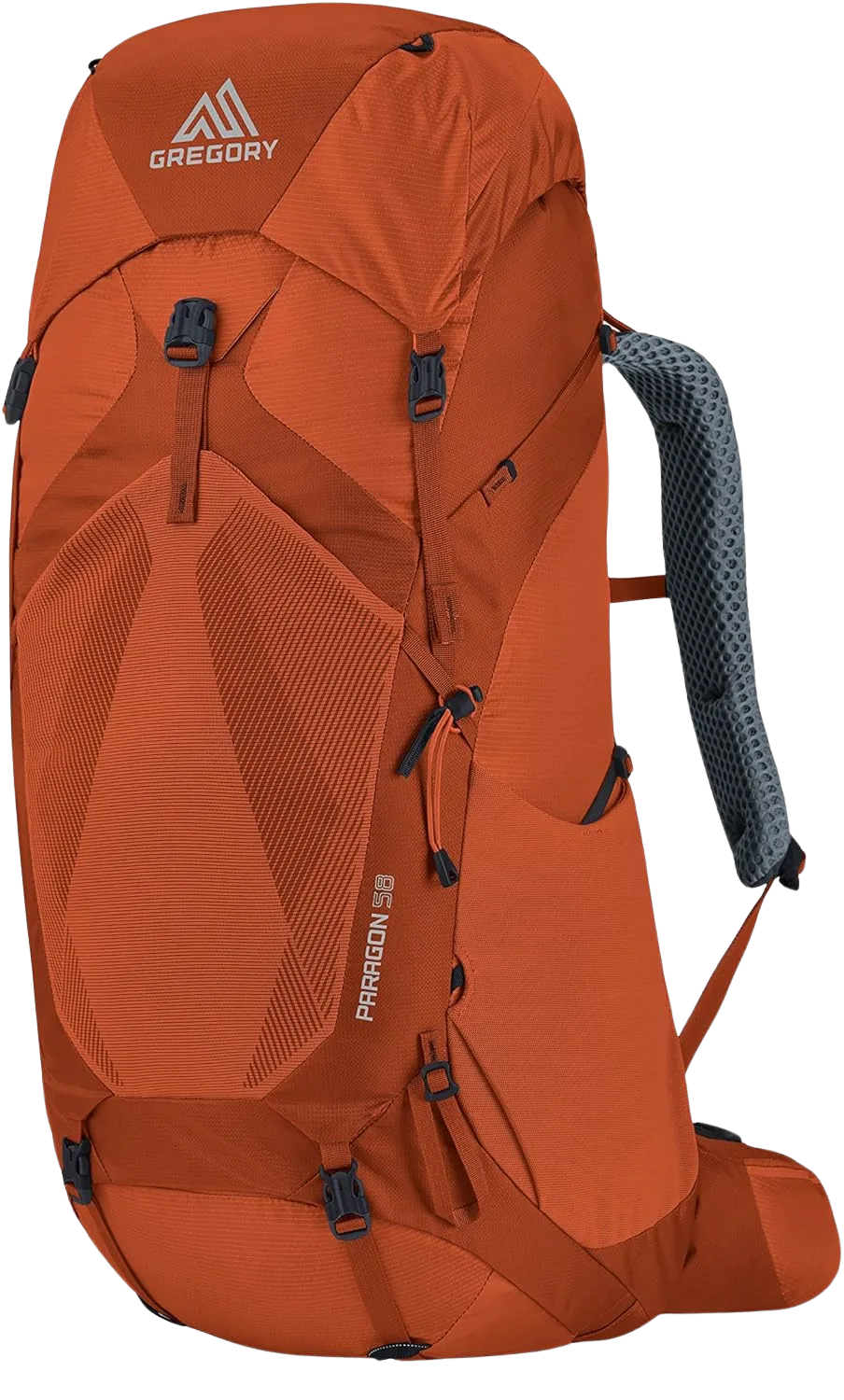
The Paragon and Maven earned the community nickname “one-pack quiver” for a reason. At roughly 3.5 pounds with FreeFloat suspension, they hike light enough to enjoy and carry enough weight to handle a real backpacking kit. The reinforced fabric holds up where packs usually die first, against rock and brush at the bottom and sides.
Zulu and Jade for hot-trail ventilation
If you sweat through everything on summer climbs, the Gregory Zulu 55 and women’s Jade 53 (men’s · women’s) are the answer. Their tensioned-mesh backpanel suspends the pack off your back so air moves through the gap, which on a 90-degree afternoon is the feature you’ll thank yourself for. They give up a little structured support compared to the Paragon, but for hot-weather 3-season trips that’s a fair trade.
The Stout and Amber value tier
Here’s the secret. The Gregory Stout 55 and women’s Amber 54 (men’s · women’s) are Gregory’s value backpacking line, and they carry the same weekend load as the premium packs for roughly a hundred dollars less. You still get an adjustable TrailFlex torso, a perimeter alloy internal frame, a bottom sleeping-bag zip, and a rain cover in the box. That’s a full-featured backpacking pack, not a stripped-down compromise. For matching the right size to your trips, this look at matching pack liters to overnight versus weekend trips pairs well with the value pick.
Before you reach for the premium Baltoro or Paragon, ask what your trips actually demand. For weekend and overnight backpacking, the Stout or Amber carries the same load and includes a rain cover most premium packs make you buy separately. You do not need to spend top dollar to get a real Gregory.
Heavy-Haul & Expedition Packs
The big packs are where Gregory built its reputation. They’re also where most people over-buy, grabbing 70-plus liters for trips that never fill them. Get this section right and you’ll carry the right amount of pack instead of hauling empty volume up a mountain.
The Baltoro and Deva load-haulers
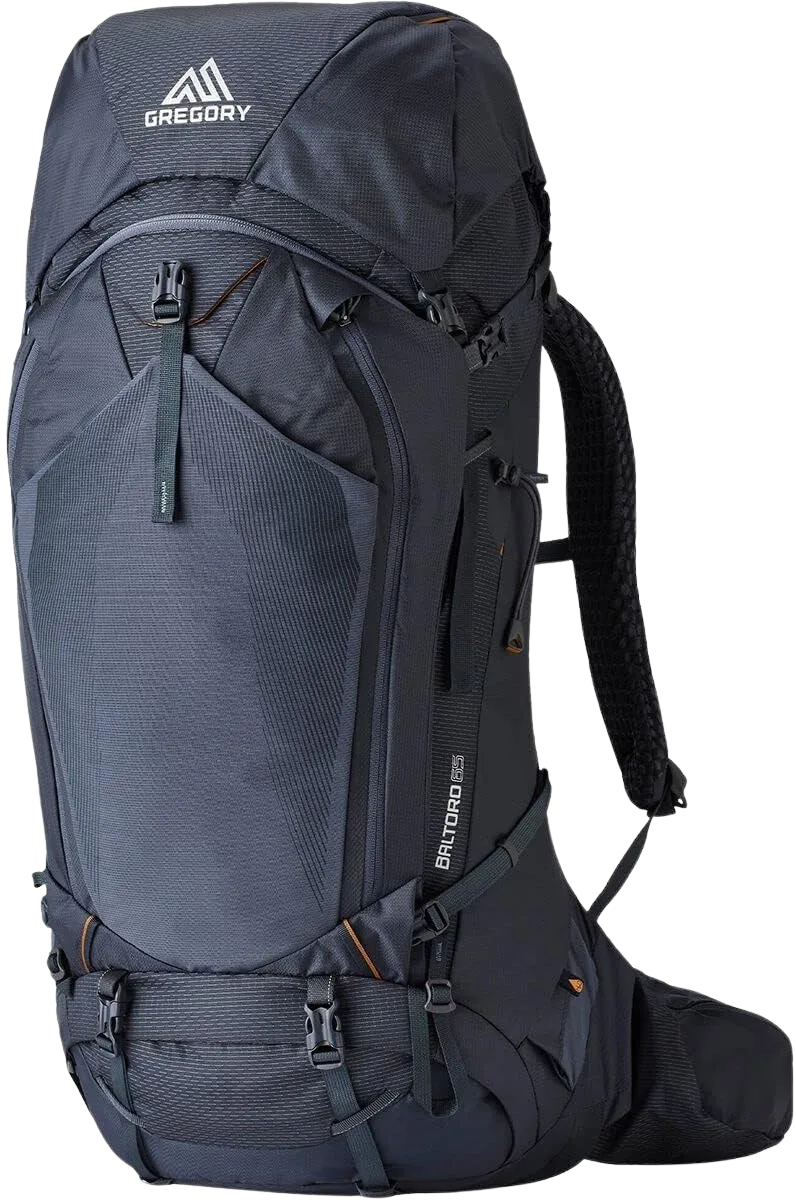
The Baltoro and Deva are the packs you want when the load is genuinely big: a week of food, a bear canister, shared group gear, or a shoulder-season kit with extra layers. They carry 40-plus pounds about as well as anything on the market, and the organization makes living out of the pack for days far less of a chore. Watch the side-by-side review below to see how the men’s Baltoro and women’s Deva differ once they’re on your back and how the harness dials in.
When you actually need 70+ liters
True expedition capacity, the 100-liter Denali class, is a specialist tool, not a first pack. You need it for winter trips, weeklong hauls with group gear, or expedition-style travel where you’re carrying everything. For nearly everyone reading this, 65 to 70 liters is already the top of what a trip actually requires, and reaching past it usually means you’re packing fears instead of gear.
The weight tradeoff you accept for comfort
Be clear-eyed about the cost. The Baltoro and Deva are among the heaviest packs for their volume, and that’s the deal you’re making for the support. They’re brilliant at a 35-to-45-pound carry and genuinely too much pack for a light overnight. If your loaded weekend kit only hits 25 pounds, you’re better served, and lighter on your feet, with a Paragon, Maven, or the value Stout and Amber.
How to Choose the Right Gregory (and Whether To)
The hard part isn’t the gear, it’s the decision. Most roundups won’t tell you that the wrong fit or too much capacity can wreck a trip, or that some hikers should buy a different brand entirely. This section does. If you want the full framework beyond Gregory, our complete guide to choosing a hiking backpack without wasting money is the pillar this whole article hangs from.
Start with the trip, not the pack (the capacity-creep trap)
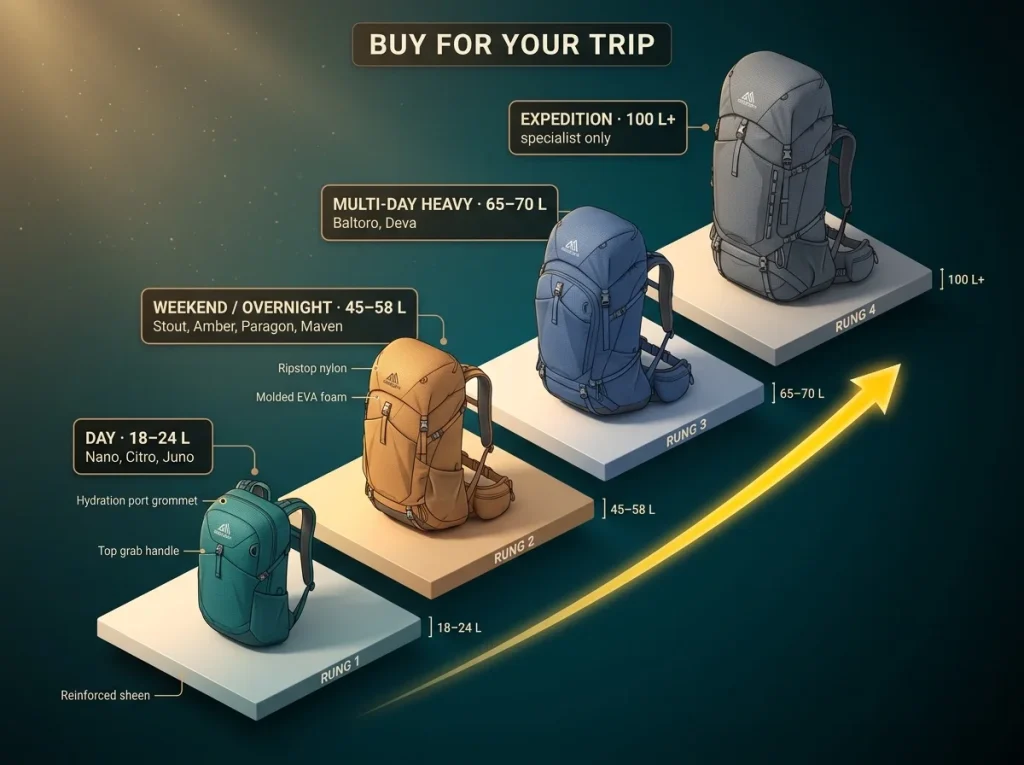
The most common mistake is buying for the biggest trip you might someday take. You picture a future thru-hike, buy 75 liters, and then carry that empty volume on every weekend trip, where it just invites you to overpack. Buy for the trips you actually do: 18 to 24 liters for day hikes, 45 to 58 liters for weekends and overnights, 65 to 70 liters for multi-day hauls, and 100-plus only for real expeditions. Part of hiking responsibly and treading lightly on the trail is simply not carrying, or buying, more than you need.
Measure your torso before you buy
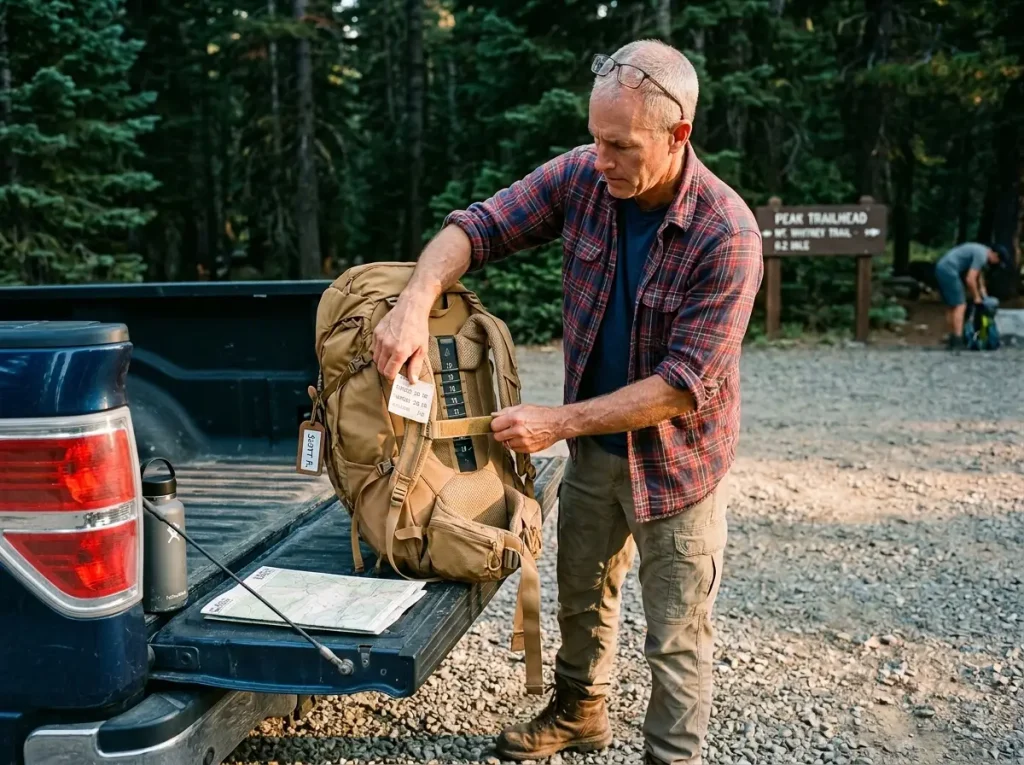
Gregory’s whole edge is fit, which means a great pack in the wrong torso size carries worse than a mediocre pack in the right one. Your torso length, measured from the C7 vertebra at the base of your neck to the top of your hips, decides your size far more than your height does. It’s worth measuring your torso length the right way before you order, because no suspension can fix a pack that’s the wrong length for your back.
Load any pack to about 20 pounds before you judge the fit. An empty pack feels great on everything. The fit problems, the pressure points and the shoulder sag, only show up under weight, which is exactly when they matter.
The honest gut-check on going lighter
Here’s the straight talk. Gregory packs run roughly 50 to 75 percent heavier than ultralight packs, because they’re built for traditional 20-plus-pound base weights and real load support. If you’re a gram-counter chasing a sub-10-pound base weight, an ultralight brand will likely serve you better, or look at Gregory’s own lighter Focal and Facet. And don’t dismiss the fit angle as just comfort. A pack that doesn’t fit is a load-stability and back-health issue, not a cosmetic one, and that’s the real reason to get this right.
Conclusion
Match the pack to the trip, not to the biggest adventure you might someday take, and Gregory has a right-sized model for everything from a day hike to an expedition. The men’s and women’s sibling and the suspension system matter more than the name on the lid, because fit is the entire point of buying a Gregory in the first place. And the value Stout and Amber line proves you don’t need premium money to get a real one, just as honestly as the heavy Baltoro and Deva prove that gram-counters might be happier going lighter.
Measure your torso, pick the capacity your actual trips call for, and buy the one pack that rides right for years instead of a closet full of packs that never quite fit.
Frequently Asked Questions
01Are Gregory backpacks worth the money?
For hikers who carry real weight or need a dialed fit, yes. The load support and lifetime guarantee pay off over years of use. If you keep a sub-10-pound base weight and count grams, a lighter brand may serve you better.
02Where are Gregory backpacks made?
Gregory Mountain Products was founded in California in 1977 and is now headquartered in Salt Lake City, Utah, where it designs its packs. Manufacturing is overseas, like most major pack brands. The lifetime guarantee applies regardless of where a given pack is built.
03What is the difference between the Gregory Baltoro and Paragon?
The Baltoro is the heavier-duty flagship built for 40-plus-pound multi-day loads, while the Paragon is a lighter, lower-priced 3-season all-rounder for overnight-to-week trips around 35 pounds. Most weekend backpackers are better served by the Paragon.
04Is Gregory better than Osprey?
Neither is better outright. Gregory tends to win on load-hauling comfort and structured support, while Osprey often runs a touch lighter with a different fit feel. The right call depends on your base weight and which brand’s harness shape fits your back.
05Which Gregory backpack is best for backpacking?
For most 3-season backpackers, the Paragon for men or Maven for women is the sweet spot: mid-weight, mid-price, and comfortable to about 35 to 40 pounds. Step up to the Baltoro or Deva for heavy multi-day loads, or save with the Stout and Amber value line.
Risk Disclaimer: Hiking, trekking, backpacking, and all related outdoor activities involve inherent
risks which may result in serious injury, illness, or death. The information provided on The Hiking Tribe is for
educational and informational purposes only. While we strive for accuracy, information on trails, gear, techniques,
and safety is not a substitute for your own best judgment and thorough preparation. Trail conditions, weather, and
other environmental factors change rapidly and may differ from what is described on this site. Always check with
official sources like park services for the most current alerts and conditions. Never undertake a hike beyond your
abilities and always be prepared for the unexpected. By using this website, you agree that you are solely
responsible for your own safety. Any reliance you place on our content is strictly at your own risk, and you assume
all liability for your actions and decisions in the outdoors. The Hiking Tribe and its authors will not be held
liable for any injury, damage, or loss sustained in connection with the use of the information herein.
Affiliate Disclosure: We are a participant in the Amazon Services LLC Associates Program, an
affiliate advertising program designed to provide a means for us to earn advertising fees by advertising and linking
to Amazon.com. As an Amazon Associate, we earn from qualifying purchases. We are also an official affiliate partner
of Black Diamond Equipment via the AvantLink network. If you click on a Black Diamond affiliate link and make a
purchase, we may earn a commission at no additional cost to you. We also participate in other affiliate programs and
may receive a commission on products purchased through our links. Additional terms are found in the terms of
service.