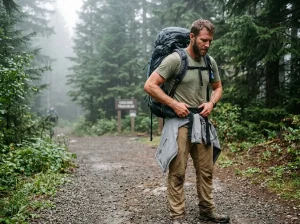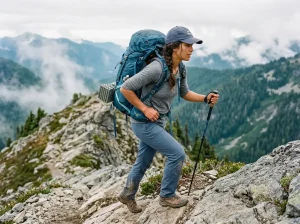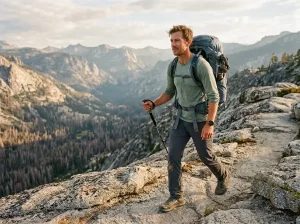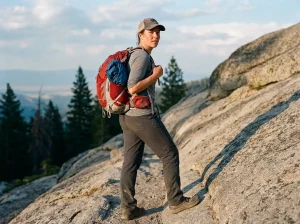












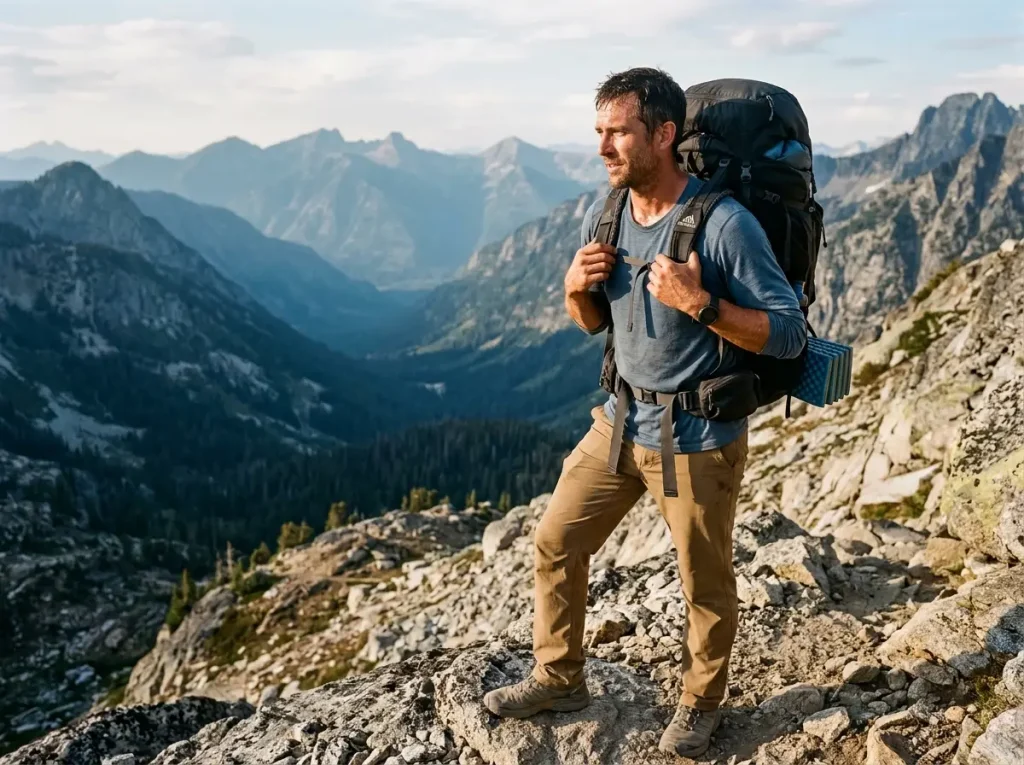
You’re standing in the gear shop with two packs in front of you, or maybe you’ve got two browser tabs open at midnight, trying to work out whether you can get away with a frameless pack or whether you actually need the frame before you drop a couple hundred bucks. The person selling to you keeps steering you toward the heavier framed option, and the forums are split right down the middle. Here’s what nobody pushing a pack will tell you straight: the framed vs frameless backpack question comes down to one number, not brand loyalty and not marketing copy.
Ask anyone who’s felt a bargain frameless pack fold onto their shoulders by mile 8, and they’ll point you to the same rule. Below we’ll define both pack types fast, lay out the honest pros and cons of each, and hand you the weight rule that settles it, including the uncomfortable part where the answer might be that you don’t need to buy anything.
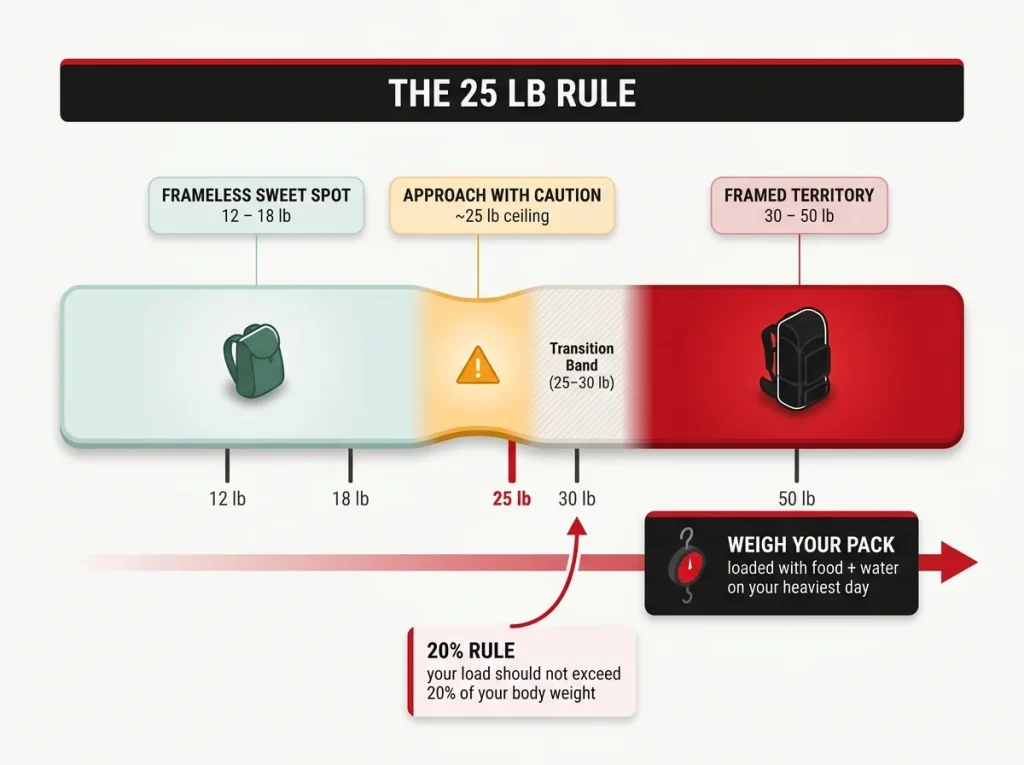
Here’s the short version before the details: if your fully loaded pack stays under roughly 25 pounds and your kit is genuinely dialed, frameless works fine, and once you push past 25 to 30 pounds, the frame starts paying for itself.
| Factor | Framed Pack | Frameless Pack |
|---|---|---|
| Comfortable load | 30 to 50 lb | Up to ~25 lb (sweet spot 12 to 18) |
| Weight added | ~1 to 1.5 lb over frameless | The lightest option |
| Ventilation | Often better (suspended mesh back) | Depends on how you pack it |
| Packing skill | Forgiving of mistakes | Demands careful, deliberate packing |
| Best for | Heavy loads, beginners, big carries | Dialed ultralight kits, short carries |
What a Framed Backpack Actually Does
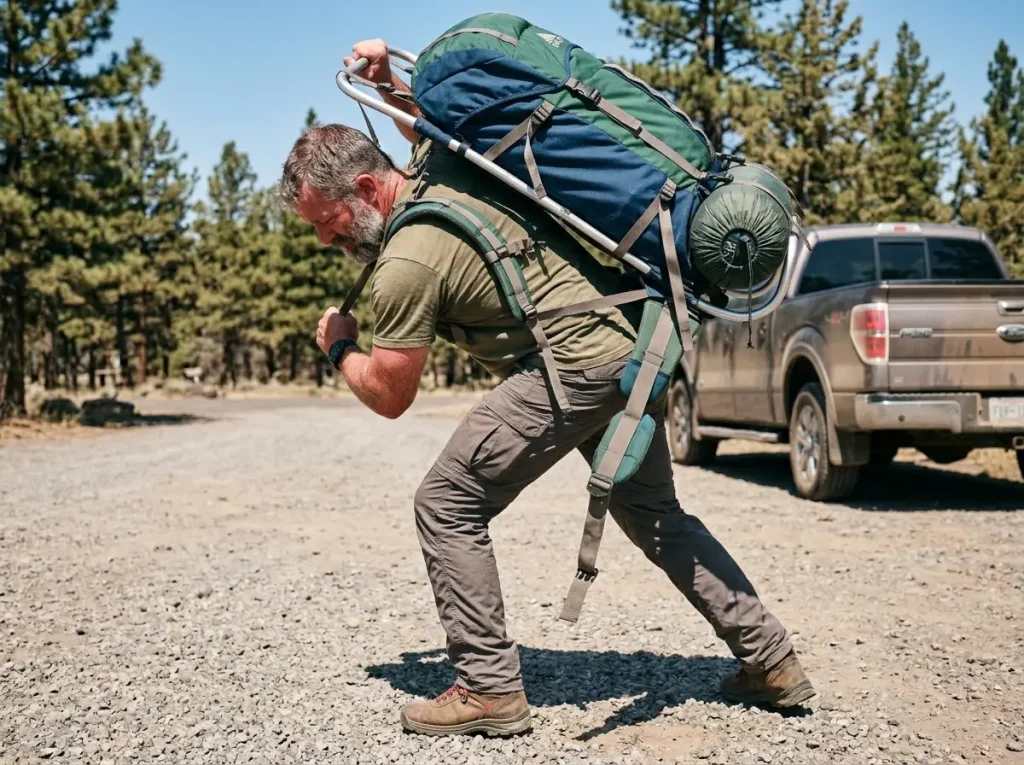
The frame in your pack isn’t there to add weight and punish you. It’s there to do one job, and it does it well: take the load off your shoulders and drop it onto your hips, where your strongest bones can actually carry it for ten hours.
Internal frame vs external frame
A framed pack carries its structure one of two ways. An internal frame sits inside the pack against your back and hugs your torso, which keeps the load close and stable on uneven, scrambly terrain. An external frame, the classic Kelty Trekker shape, is the old-school exposed metal ladder that holds the bag off your back, rides cooler, and stands a load tall and upright, but it throws your balance around on anything technical. Most hikers today reach for internal frames because trails rarely stay flat, and a load that swings wide on a side-hill gets old fast.
What the frame is made of
Strip a pack down and the frame is usually simpler than you’d guess. A frame sheet of stiff plastic gives the back panel its shape, often paired with one or two aluminum stays, thin vertical bars you can sometimes bend to match the curve of your spine. Some packs add a perimeter wire hoop for extra rigidity. None of it weighs much, which matters more than people realize once you get to the weight rule later on.
How the frame moves weight to your hips
The whole point is load transfer. A good pack puts 80 percent or more of the weight on your hip belt and your hips, not your shoulders, and the frame is the rigid bridge that makes that possible. It also gives your load lifters something to pull against, which is exactly why those little straps near your collarbones do nothing on a pack that has no frame. If you’ve ever wondered why one pack rides like part of you and another hangs off your traps, the difference usually traces back to how the frame and the suspension move that weight around, and it’s worth understanding how a pack’s suspension system actually moves load before you blame the pack itself.
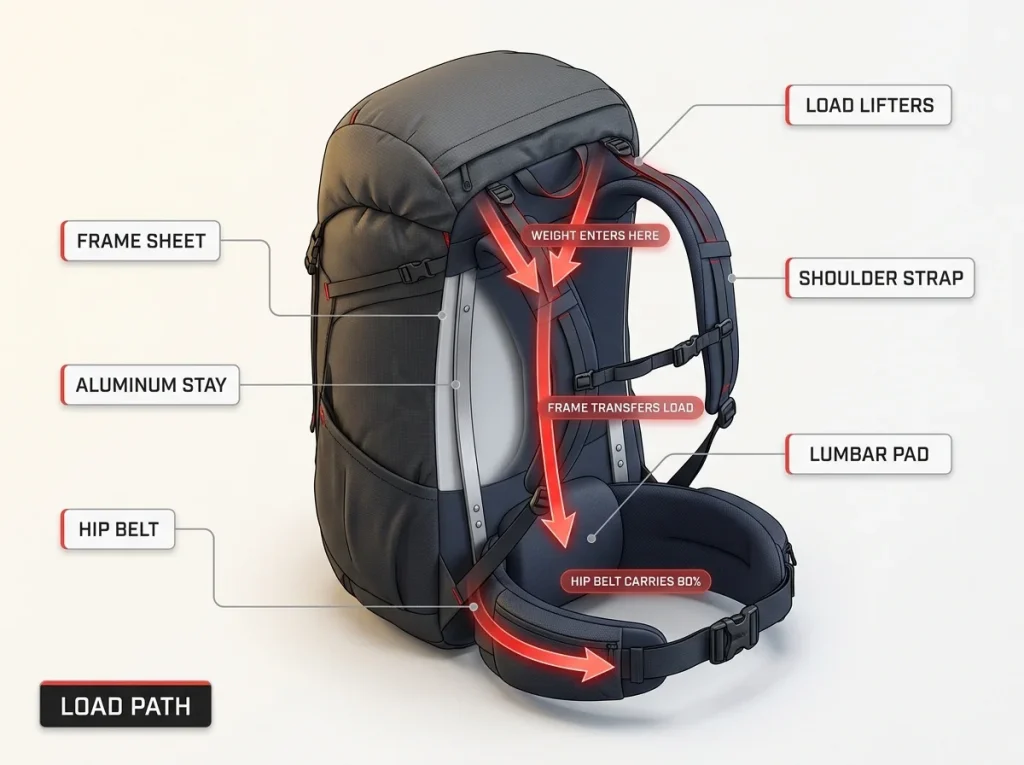
Want to know if a loaded pack is carrying right? Slide two fingers under the shoulder straps while it’s cinched on your hips. If you can wiggle them in with almost no tension, the frame is doing its job and the weight is on your hips. If the straps are biting down hard, the load is hanging off your shoulders and a longer day will let you know about it.
What a Frameless Backpack Is and How It Holds Shape
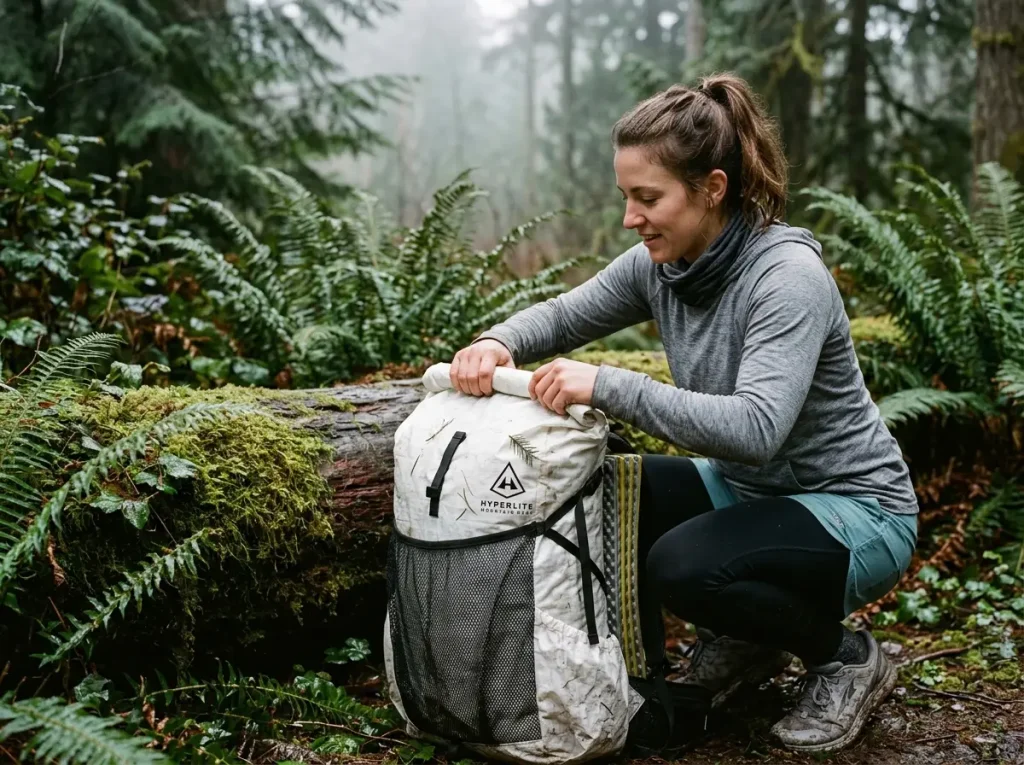
A frameless backpack is closer to a strong, well-shaped sack than a structured pack. There’s no frame sheet, no stays, nothing built in to hold its form. That sounds like a downgrade until you realize you become the structural engineer every time you load it.
No frame, so where does the structure come from
The structure comes from how you pack it, plus a folded foam pad against the back panel doing the work a frame sheet would normally do. Pack a frameless pack well and it stiffens into a surprisingly solid column. Pack it lazily and it turns into a beanbag that rides on your shoulders. The pack itself is neutral, which is the part that catches beginners off guard.
The roll-top and compression that make it rigid
Most frameless packs close with a roll-top rather than a lid, and that’s not just a style choice. Rolling the top down and clipping it lets you squeeze the air out and compress the whole load into one tight unit, and the compression straps on the sides pull everything inward so it can’t shift. A frameless pack only holds its line when the entire load is cinched into a single block. If you’re weighing closures while you shop, the trade-offs between the roll-top closure most frameless packs use and a traditional brain lid are worth a look.
Who frameless was built for
Frameless packs were built for hikers chasing low base weight, the ones who’ve already trimmed their kit down and want to shed every ounce the pack itself costs them. In the community you’ll hear the words dialed and UL thrown around, and they’re not bragging, they’re a prerequisite. Frameless is a style of hiking as much as a type of pack, and it rewards people who’ve earned it with a light gear list.
The real downsides
The honest cons: a framed pack costs more, takes up more space, and yes, weighs more than a comparable frameless model. There’s also a failure mode people forget. Chronically overload a framed pack past what it’s rated for and the stays can bend or the frame can tear at its anchor points, which is its own kind of misery far from the trailhead. For most hikers, though, the only real downside they’ll ever feel is the extra weight, and that brings us to the part that changes the math.
The ultralight framed sweet spot
The old argument that frameless is always lighter mostly died when packs like this one showed up.
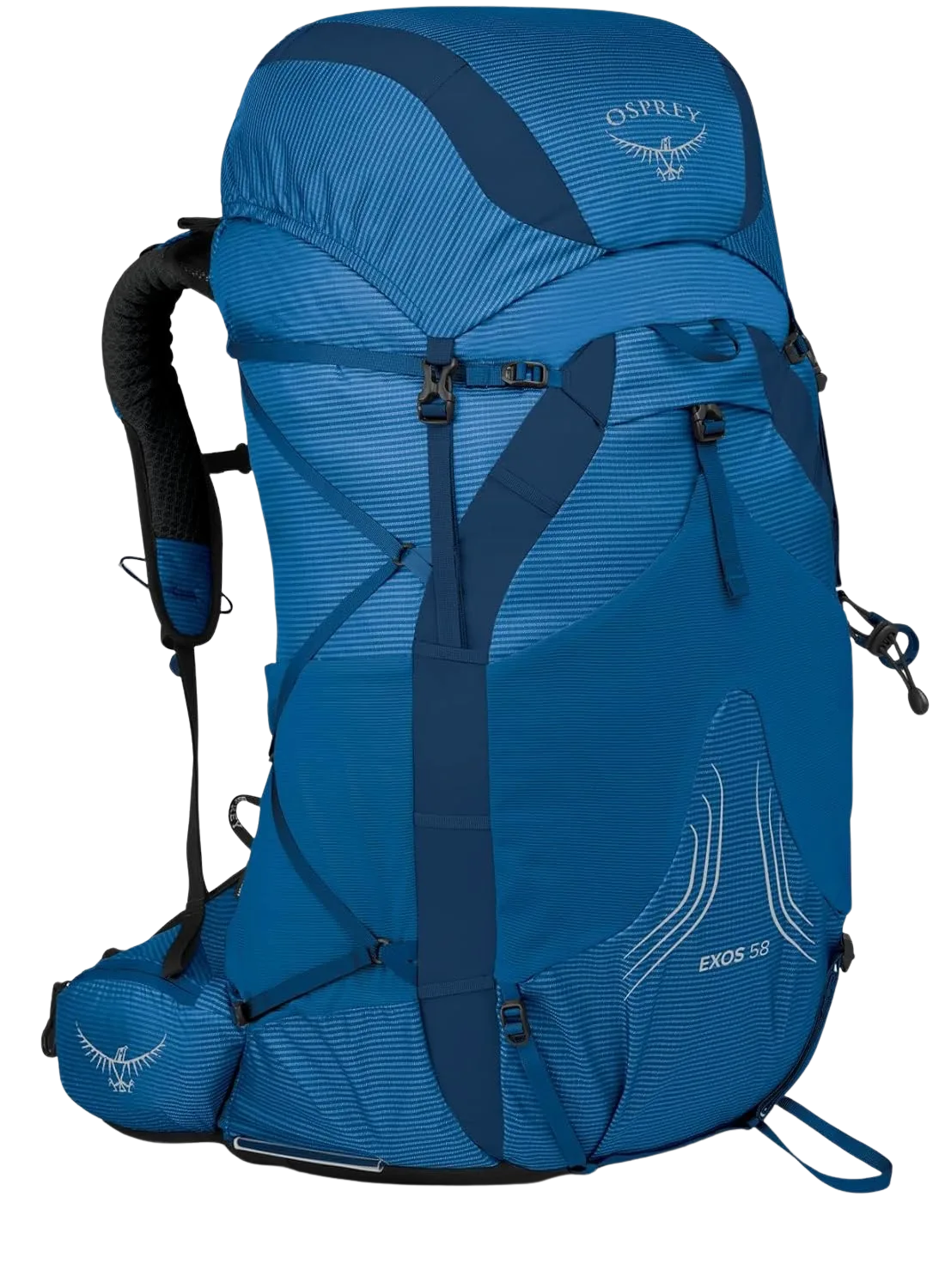
What makes the Exos and Eja useful in this debate is that they prove the frame penalty is mostly a myth now. You get real load transfer and a ventilated back for only a few ounces more than a comparable frameless pack. The trade-off is honest: the mesh back can feel a touch stiff at first, and the minimal build means you treat it with a little care. For a first lightweight pack that still carries like a grown-up backpack, it’s hard to beat.
Frameless Packs The Honest Pros and Cons
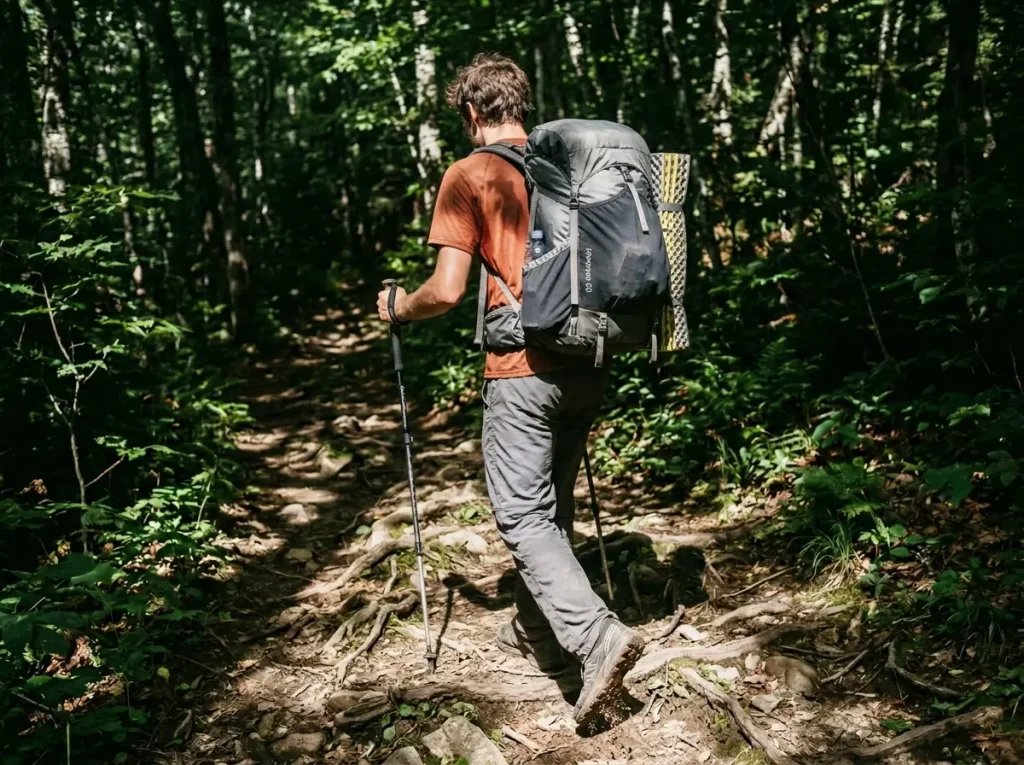
This is where the choice gets real, because frameless packs are spectacular when your kit is dialed and genuinely miserable when it isn’t. Most of the horror stories come from people who skipped that second half of the sentence.
What frameless packs do well
A frameless pack is the lightest, most compressible option you can carry, often the cheapest, and flexible enough to swallow an odd load and cinch right back down. When your total pack weight sits in the teens, it disappears on your back in a way a heavier pack never will. That’s the payoff, and for a refined kit it’s a real one.
Where they fall apart
Now the part competitors skip. Push a frameless pack past about 25 pounds and it starts to barrel and fold, a failure the community calls torso collapse, and the load sags down onto your shoulders right when you’re tired. Skip the foam pad against the back panel and hard gear pokes you in the spine all day, the dreaded back-poke from a tent pole or a stove corner.
And those load lifters you’d yank to fix a sagging framed pack? They do almost nothing here, because load lifters need a frame to pull against and a frameless pack gives them nothing to work with. The carry difference is easier to see than to describe, and this side-by-side comparison shows a frameless pack barreling next to a framed pack holding its line.
The honest budget entry point
If you want to test the frameless style before you spend serious money on a cottage-brand pack, the Bseash 50L Lightweight Frameless Backpack (check it on Amazon) is an honest, budget-friendly way to find out whether the style suits you. Set your expectations correctly, though. It works if your base weight is already down, and it will frustrate you if it isn’t. Think of it as a low-cost audition, not a destination pack.
The 25-Pound Rule Which One You Actually Need
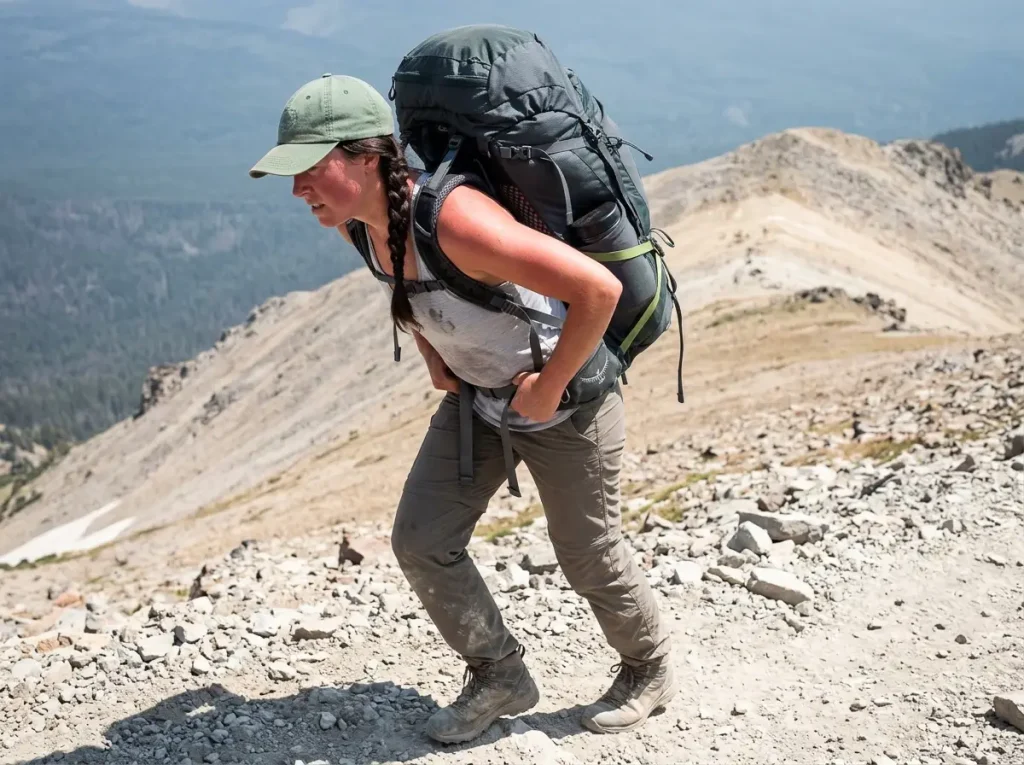
Forget the brand wars and put your loaded pack on a scale. The number it shows tells you which pack you need more honestly than any salesperson or review will, and it’s the same rule every experienced hiker quietly uses. If you’re still sorting out the whole pack decision, our full guide to choosing a hiking backpack walks through fit and capacity alongside this frame question.
The weight thresholds that decide it
Here are the numbers that matter. A frameless pack is comfortable up to about 20 pounds and tops out around 25, with a real sweet spot of 12 to 18 pounds of total load. Cross into the 25-to-30-pound range and a framed pack takes over, carrying 30 to 50 pounds in genuine comfort. There’s a useful sanity check too: a loaded pack should stay under roughly 20 percent of what you weigh, so a 150-pound hiker tops out near 30 pounds, which lands squarely in framed territory.
Who should pick framed
You want the frame if you carry heavier base weight, pack winter bulk, haul multiple days of food out of a remote trailhead, or you’re new enough that your kit isn’t light yet. For loads that have clearly crossed 30 pounds, a full-suspension haul pack like the Osprey Atmos AG 65 for men, with the Aura AG 65 as the women’s version (men’s · women’s), moves serious weight onto your hips in a way no frameless pack can touch. This is the right tool when comfort under load matters more than shaving ounces.
Who can get away with frameless
You can run frameless if your kit is dialed, your carries are short, and you keep your loads in the teens through smart resupply planning, the way thru-hikers on the Appalachian Trail or Pacific Crest Trail stage their food drops. The catch is the food carry. Five days of food can turn a tidy 19-pound frameless load into a 28-pound shoulder-wrecker overnight, which is why the resupply leg, not the average day, often decides your pack.
Don’t guess your pack weight, measure it. A cheap luggage scale clipped to the haul loop, with your heaviest food-and-water day loaded, settles the framed-or-frameless question in about ten seconds. Weigh it on the day you leave a resupply town, not after three days of eating down your food bag, or you’ll size your pack for the lightest day instead of the hardest one.
How to Pack a Frameless Pack So It Carries Like It Has a Frame
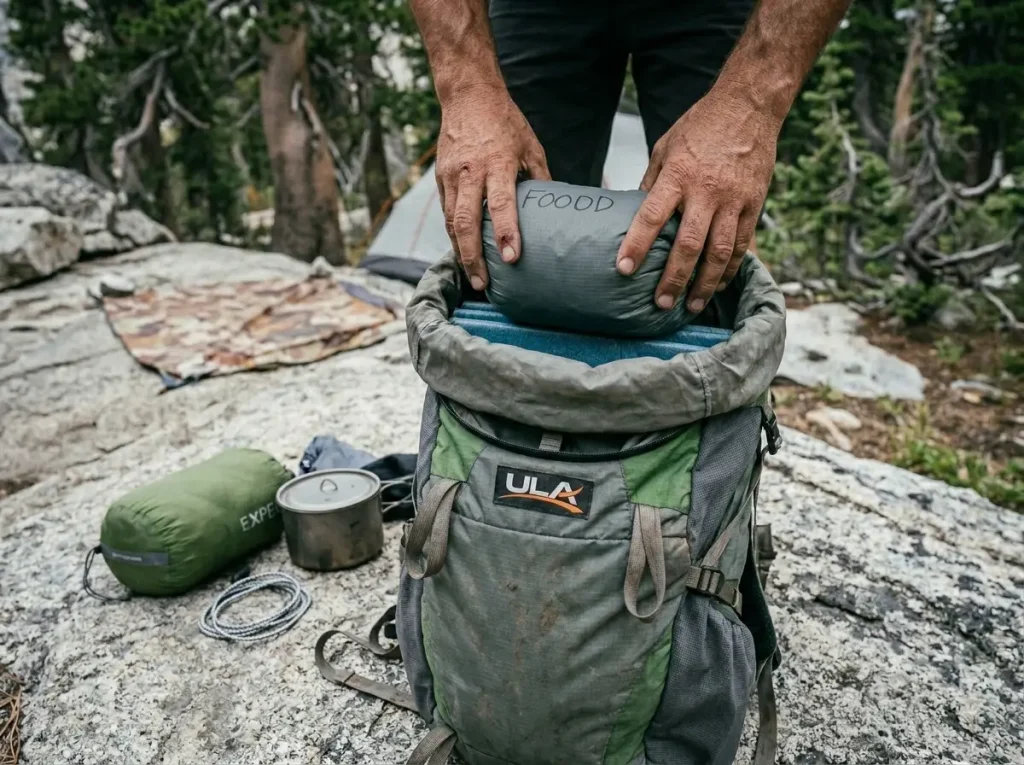
This is the part almost nobody actually teaches, and it’s the single biggest reason beginners hate their first frameless pack. Pack it right and a frameless pack carries shockingly close to a framed one. Pack it wrong and no amount of strap-tugging will save your shoulders.
Build a virtual frame with your sleeping pad
The trick veterans repeat is to build a virtual frame. Fold a closed-cell foam sleeping pad flat (a sit pad works for a quick overnight) and stand it against the inside back panel, where it spreads the load across your back and stops gear from poking your spine. On smaller packs, you can run the pad in an external sleeve behind the shoulder straps to save room inside. Either way, that folded pad is doing the exact job the missing frame sheet would do.
Where dense gear goes
Load placement is the other half of the magic. Put your dense gear, the food bag and the cook kit, in the middle and high, pressed tight against your spine. Weight held close to your back has less leverage to pull you backward, so it feels lighter than the same weight slung low and away. Tuck your soft, compressible quilt or sleeping bag loose in the bottom as a cushion for your lumbar and hips.
How you organize the load inside the pack matters as much as what you carry, and a few of the same principles show up in these common packing mistakes that wreck a hiking load.
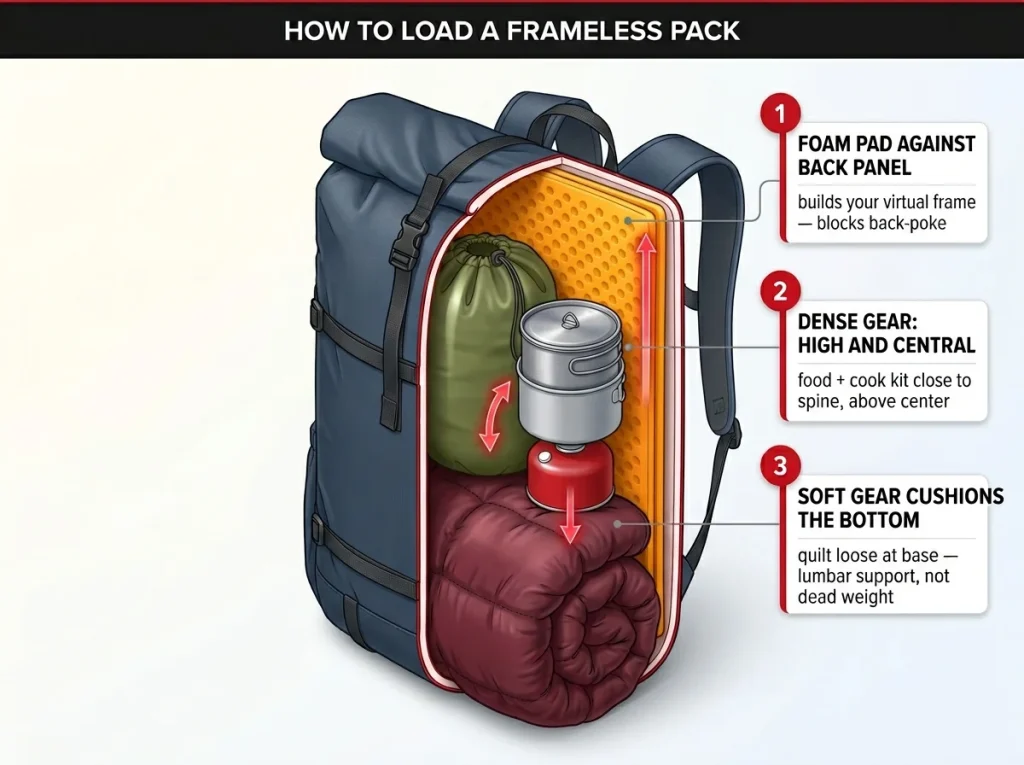
The haul-loop test
Once it’s loaded, cinch every compression strap until the whole pack becomes one rigid block. Then run the test that tells you everything.
Pick the packed bag up by the haul loop and give it a shake. It should hold its shape like a loaf of bread, not flop and shift around. If you feel gear sliding inside, repack it now. A pack that flops in your hand at the trailhead is a pack that sags onto your shoulders by mid-afternoon, every single time.
The Base Weight Gate and the Removable-Frame Middle Path
Here’s the honest gate nobody wants to say out loud: you don’t simply pick a frameless pack, you earn it with your gear list. And if you haven’t earned it yet, there’s a smart way to hedge.
You have to earn frameless with your gear list
Frameless realistically assumes a base weight around 10 to 12 pounds, since true ultralight is generally defined as a base weight under about 10 pounds. Get your base under 20, ideally 15 or less, before frameless even makes sense. Most of that weight lives in your big three, the shelter, sleeping bag, and pad, which is why a heavy tent alone can keep you in a framed pack no matter what you do with the rest, and it’s worth checking how much your shelter actually weighs since it’s half the reason you can or can’t go frameless. The most common mistake is buying the frameless pack first, before lightening the big three, then blowing past its ceiling on day one and blaming the pack when the gear list was the problem.
The removable-frame hedge
If you’re not there yet, this is the pack that lets you have it both ways.
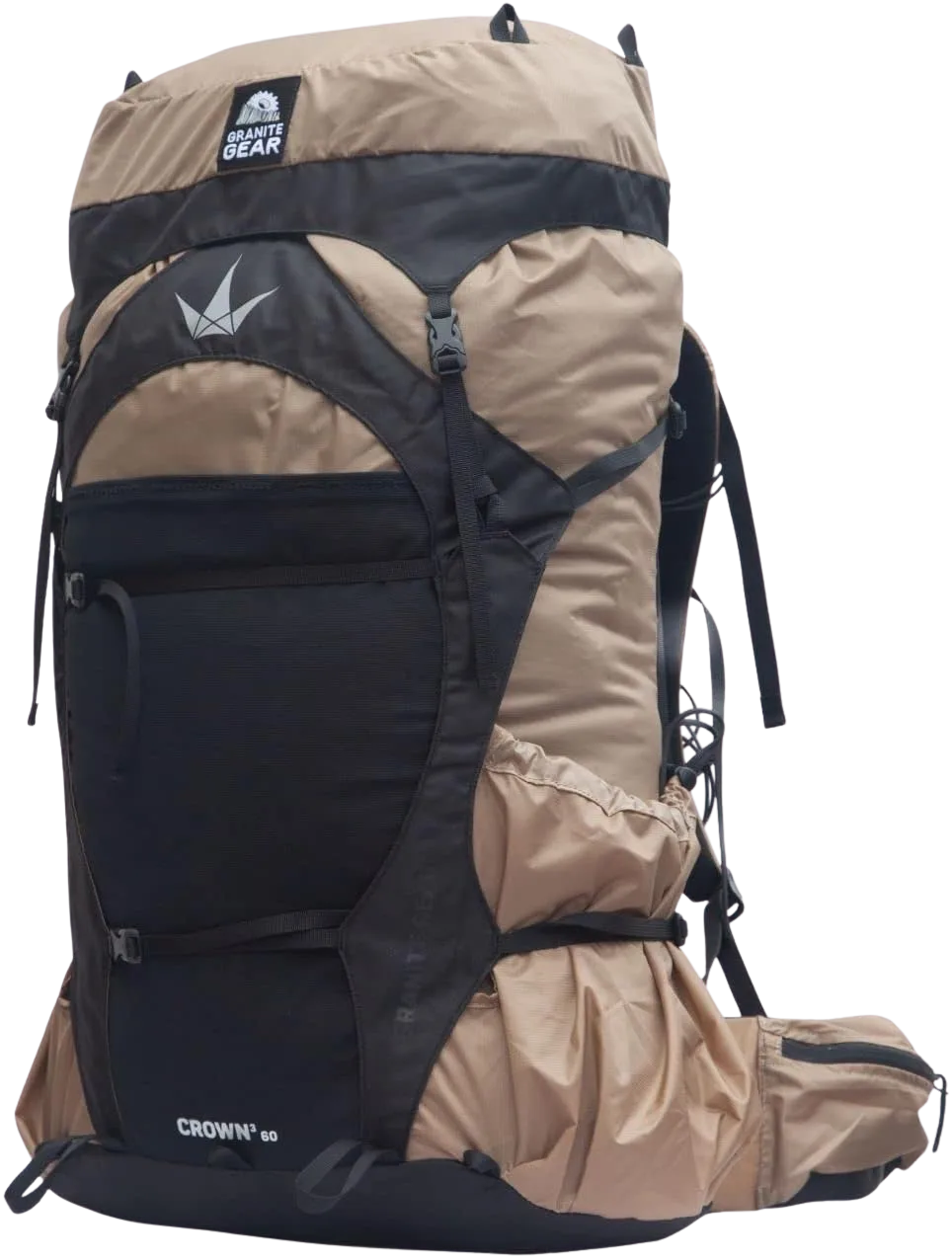
The Crown3 is the closest thing to a no-regrets answer for someone still figuring out their style. You’re not locked into a decision you made before your first real trip, and pulling the frame later costs you nothing but a few seconds. For a beginner who suspects they’ll lighten up over time but isn’t there yet, it’s about the smartest money in this whole comparison.
The modern frame penalty is smaller than you think
This is the fact that reframes the entire debate. A framed pack typically weighs only about 1 to 1.5 pounds more than a comparable frameless one, and a removable-frame pack like the Crown3 runs roughly 2.1 pounds framed and drops to about 1.7 pounds with the sheet pulled. The old rule that frameless always means a big weight savings is mostly dead, a clear case of diminishing returns. When the frame costs you a few ounces instead of pounds, keeping the option to add it back is nearly free insurance.
Framed or Frameless The Honest Bottom Line
Weigh your fully loaded pack on your heaviest day. Under about 25 pounds with a dialed kit, frameless works, and over 25 to 30 pounds, the frame earns its keep. Remember that frameless isn’t lighter by magic, it’s lighter because you packed it right with a virtual frame and lightened your big three first. And since the modern frame penalty is a few ounces rather than pounds, a removable-frame pack hedges the bet for almost nothing if you’re stuck between the two.
Before you spend a dollar, put your loaded pack on a scale this week. That one number decides more than any spec sheet, any review, or any opinion in a forum thread.
Frequently Asked Questions
01Do I need a frame in my backpack?
You need a frame once your fully loaded pack passes about 25 to 30 pounds, since that’s where the load drops onto your shoulders without one. Under that weight, with a dialed kit and careful packing, a frameless pack carries fine.
02At what weight do you need a framed backpack?
Most frameless packs top out around 25 pounds of total load, with a comfort sweet spot of 12 to 18 pounds. Once you regularly carry 30 pounds or more, a framed pack handles it far better by shifting the weight to your hips.
03Are frameless backpacks more comfortable than framed packs?
Only under the weight ceiling, and only if you pack them well. A light, dialed load in a frameless pack can feel great, but past about 25 pounds the same pack sags onto your shoulders and a framed pack wins on comfort every time.
04Is a frameless pack worth it for beginners?
Usually not as a first pack, unless your base weight is already low. Most beginners haven’t lightened their big three yet, so a frameless pack blows past its comfort ceiling on day one. A forgiving framed pack is the safer first buy.
05How do you keep a frameless pack from sagging onto your shoulders?
Build a virtual frame by folding a foam pad flat against the back panel, then pack dense gear high and tight against your spine. Cinch every compression strap so the load becomes one rigid block instead of a sagging sack.

I've spent more than a decade researching hiking gear and trail technique. I read the specs, the forum threads and the long-term reviews, and every pick here comes with what it gets wrong.
End of the trail
You read every mile of this one. Here's where the trail goes next.