In this article
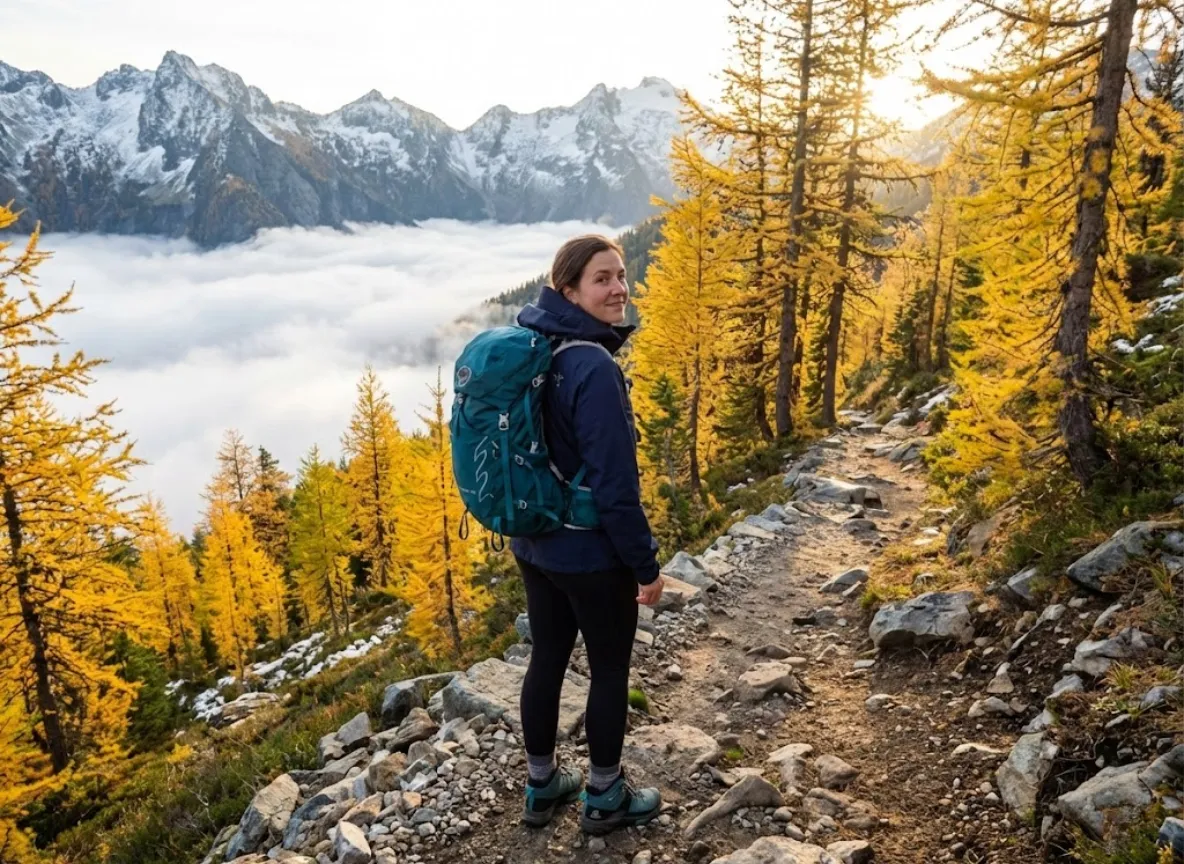
The trail to Grinnell Glacier was empty. Not “light traffic” empty—completely, gloriously empty. Two hours in, I hadn’t seen another soul. In July, this same path becomes a conga line of 500+ hikers per day, shuttle lines snake through the parking lot, and the “wilderness experience” feels more like a theme park queue. But on this crisp October morning, with frost on the larches and elk bugling in the valley below, I understood what separates smart hikers from the masses: shoulder season isn’t a compromise. It’s an upgrade.
After years timing backpacking trips to these transitional windows—late September through November, March through May—I’ve watched the hiking calendar shift. The summer crowds that once defined peak season now represent a problem to solve, not an experience to endure. Here’s exactly how to reclaim wilderness solitude by hiking smarter, not harder.
⚡ Quick Answer: Shoulder season hiking (October–November and March–May) reduces trail crowds by 50-80%, saves 30-84% on lodging, and offers superior physical conditions. The trade-off—variable weather and reduced services—is manageable with the right gear (R-value 4.5+ sleeping pad, synthetic insulation, microspikes) and a self-reliant mindset. This is when smart hikers find empty trails and the solitude benefits that peak season can’t deliver.
What Is Shoulder Season and Why It Matters Now

The 2024 Crowding Crisis
The National Park Service visitation data tells a sobering story. In 2024, U.S. national parks recorded 331.9 million recreation visits—a new all-time record. But that number doesn’t reveal the operational crisis hiding beneath it.
Zion National Park saw approximately 554,000 visitors in July 2024 alone—12% of its entire annual traffic crammed into 31 days. The Great Smoky Mountains welcomed 12.2 million visitors total, with summer hiking months creating trail conditions that mimic urban gridlock.
The infrastructure strains. Waste systems overflow. Trail edges get trampled. And the silence that once defined wilderness? Gone, replaced by Bluetooth speakers and conversation that carries for miles. Parks operate beyond “social carrying capacity”—the threshold where the hiking experience degrades for everyone.
Defining the Windows
Shoulder season is the transitional period between peak season and winter closure—generally late September-November in fall, and March-May in spring. But these dates flex with geography.
In the Colorado high country, October can bring deep snow. In the Southwest deserts, October through March represents the only comfortable hiking window. The term “three-season-plus” captures the reality: not quite winter, not quite summer—requiring gear that handles rain-turning-to-snow and 60°F sunny afternoons.
Pro tip: The sweet spot is the 2-3 week window when it’s too cold for mosquitoes but too warm for deep snow. Miss it, and you’re fighting bugs or post-holing through drifts. Check regional micro-climate timing obsessively—this season rewards the prepared.
The Solitude Dividend
November visitation at Zion National Park drops to roughly 286,000—a 48% reduction from July’s crush. Yellowstone sees October traffic fall 65% compared to July peaks. Even Glacier National Park, which set an October 2024 record with 165,000 visitors, remains a fraction of summer density.
In New England, they call November “Stick Season.” The foliage is gone. The tourists are gone. What remains is the mountain structure—ridgelines revealed, distant views opened. There’s a specific silence in a November forest that doesn’t exist in summer. Not just fewer people—but the quiet that allows real introspection.
For comprehensive cold-weather preparation, check our guide on winter hiking fundamentals.
The Economics: Savings That Fund More Adventures
Flight and Lodging Arbitrage
Flights to major outdoor hubs—Denver, Seattle, Salt Lake City—can cost 30-50% less in November or March compared to June or July. That March Denver flight running $189? It’s $412 when summer vacationers book the same route.
Gateway communities operate on extreme elastic pricing. The differential is staggering:
Bar Harbor, Maine (Acadia NP): Peak October foliage rates average $655/night. February drops to $104—an 84% reduction. Gatlinburg, Tennessee (Smokies): October peaks at $225; January hits $119—47% savings. Moab, Utah: Peak rates exceed $300/night; winter shoulder season drops to ~$86.
These aren’t budget motels. They’re the same premium properties, same waterfront views, same amenities—at prices that make extended trips financially viable.
The Compound Effect
Rental car prices stabilize after summer surge. Availability opens up—no advance booking anxiety. Gear clearance cycles align: summer gear liquidates September/October, winter gear clears March/April.
I’ve funded entire additional adventures with timing savings alone. The math is simple: one shoulder season visit can cost less than half of a comparable peak summer season trip with better conditions on the trail.
For comprehensive budget planning, see our guide on budget planning for extended trips.
Physical and Mental Benefits of Off-Peak Hiking
Your Body Performs Better
Summer hiking conditions—80°F+, high humidity—increase cardiac strain and accelerate dehydration. Your body spends enormous energy managing heat rather than moving forward. That’s why midsummer mileage drops even when fitness stays constant, leading to uncomfortable hiking temperatures.
Shoulder season flips the equation. In cooler temperatures of 40-60°F with low humidity, research on cold-weather exercise benefits shows sweat evaporates efficiently. Core temperature stays stable. Perceived effort drops.
My daily average in October: 15-18 miles. Same trails in July? Lucky to hit 12 before heat throttles my pace. The cooler air measurably extends range for comfortable hiking.
The Zero-Bug Factor
The first hard frost—typically late September or October in northern latitudes—eliminates mosquitoes and black flies. Tick activity drops significantly for bug elimination. The psychological relief is immediate.
Camp transforms. You eat leisurely without swatting. Tarp shelters work without bug netting. Evening hours become leisure rather than retreat. July meals feel like combat operations. October meals are civilized with seasonal foods enjoyed peacefully.
Mental Health Prescription
Seasonal Affective Disorder affects millions as daylight wanes in autumn. The irony? Those retreating indoors miss the cure.
Outdoor light intensity—even on overcast days—ranges from 1,000 to 10,000 lux. Indoor lighting? 100-300 lux. Stanford research on hiking and mental health found 90-minute nature walks decreased activity in the brain region associated with rumination and depression.
Constructive solitude vs. loneliness—wilderness hiking delivers the restorative version. Quieter trails provide space to think, process, hear your own heartbeat. For more on these benefits, see our guide on health benefits of hiking for beginners.
Pro tip: If you struggle with winter mood dips, schedule your shoulder season trips for late November and early March. The combination of physical exertion, bright outdoor light, and genuine wilderness solitude outperforms interventions that cost far more.
Gear Mastery: The Three-Season-Plus Protocol
Sleep System: The R-Value Imperative
The most common failure point for new shoulder season hikers is the sleeping pad. Summer pads—R-value 1.0-2.5—fail catastrophically on frozen ground.
The ground is an infinite heat sink. Conductive heat loss defeats any sleeping bag when the barrier beneath you is inadequate. I learned this at 3 AM on 28°F ground—my 20-degree quilt felt like a windbreaker because my summer pad offered zero protection.
Shoulder season minimum: R-value 4.5+. This isn’t optional. The sleeping system fundamentals apply year-round, but the margin for error disappears when ground temperatures drop.
Budget option: stack a closed-cell foam pad (R~2.0) under a standard inflatable (R~2.5) for additive warmth.
Moisture and Insulation Strategy
Hydrostatic head measures waterproofness in millimeters. Standard 10,000mm ratings fail under sustained downpour with pack pressure. For shoulder season, target 20,000mm+ to prevent “wetting out.”
Wetting out happens when DWR coating fails and face fabric saturates. The membrane may still block rain, but breathability crashes to zero. Sweat condenses inside. You get soaked from within during rainy/cold weather hikes.
Synthetic insulation retains warmth when wet; down collapses. Active insulation—Polartec Alpha, synthetic lofts—breathes during exertion and retains warmth when damp. This is critical for gear layering systems.
Pro tip: Rain jacket matches activity: prioritize breathability for hiking hard, waterproofness for camp downpours. Shoulder season needs both—which usually means two layers.
Critical Additions
Microspikes become non-negotiable. Freeze-thaw cycles create “monorail ice”—invisible morning ice that’s gone by afternoon and returns at dusk. Check our guide on choosing the right traction devices.
Standard upright canister stoves lose pressure below freezing—use inverted or remote canister systems. Headlamps require lithium batteries (alkaline fails in cold). A satellite communicator (Garmin inReach) becomes nearly mandatory for reduced ranger presence. These gear modifications are essential for safety preparedness.
Regional Intelligence: Where and When to Go
Northeast and Southeast
Northeast (Acadia, White Mountains): Late October through November—”Stick Season.” Bar Harbor lodging drops from $655 to $104. Bare trees reveal ridgelines hidden by summer canopy. Risk: verglas (ice on rock) makes iron-rung trails deadly. Strategy: stick to Carriage Roads in Acadia.
Southeast (Smokies): January through March delivers the best conditions. Visitation drops from 1.6 million (October) to ~450,000 (January). Summer haze vanishes, revealing 100+ mile enhanced views. Zero bugs. Risk: “wet cold”—temperatures just above freezing with high humidity. Strategy: layering for temperature swings and targeting lower-elevation trails.
January Smokies is a different park—cathedral of frozen mist and endless sightlines. See our Smokies trail logistics guide for specifics.
Rockies and Southwest
Rockies: September through October—”Golden Season”—offers elk rut, golden aspen groves, crisp air with extraordinary visual clarity. Risk: Extreme volatility. A 70°F afternoon can precede a blizzard within 24 hours. Grizzly hyperphagia (pre-hibernation feeding frenzy) makes bears active. Strategy: Bear spray mandatory. Establish hard bail-out points. If storms roll over the divide, retreat below treeline immediately. Check Colorado hiking trip planning for routes.
Southwest: October through March—finally escape 100°F+ summer. Comfortable 50s-60°F hiking temperatures make desert exploration practical at Bryce Canyon and similar destinations. Risk: Flash floods less common but possible; desert nights get shockingly cold.
Pacific Northwest
Window: October through April—the “Wet Season.”
Draw: Rainforests—Hoh, Quinault—at peak vibrance. Absolute solitude; you may not see another hiker for days. The Olympic National Park trail guide covers the best routes.
Risk: Relentless rain, mud, limited daylight. SAD risk is real.
Strategy: Don’t try to stay dry—stay warm while wet. Synthetics and wool only. Target rain shadow zones on the eastern Olympics where annual rainfall drops from 170 inches to 25. PNW shoulder season isn’t about avoiding rain—it’s accepting it as price of admission to empty trails.
Safety and Trail Stewardship
The Rescue Gap
After Labor Day, many parks reduce staffing dramatically. Ranger patrols become infrequent. Visitor centers close. Search and rescue response that takes 2 hours in July may require 24+ hours in November.
A satellite communicator—Garmin inReach, Spot—becomes nearly mandatory for on-trail safety decisions. Cell service is unreliable, passing hikers absent. Self-reliance must increase proportionally with crowd reduction.
Review the Ten Essentials system before every shoulder season trip. The same solitude that feeds the soul delays help when things go wrong.
Navigation and Environmental Hazards
Rapid daylight loss causes emergencies. Hikers start at 10 AM, underestimate pace, get caught in darkness by 5 PM. Leaf litter obscures trail tread; snow hides blazes.
Hypothermia’s peak danger zone isn’t extreme cold—it’s 30-50°F + rain. This strips body heat 25x faster than dry air. “Cotton kills” becomes literal in shoulder season. Wool and synthetics are survival equipment.
Pro tip: Set turnaround alarm at sunset minus two hours, minimum. Getting caught in shoulder season darkness isn’t inconvenient—it’s legitimately dangerous. The mountains aren’t going anywhere—but daylight is.
The Mud Season Imperative
Spring thaw (March–May) saturates trails. Soil loses structural integrity. Hikers avoiding mud trample edges, widen trails, create social trails that fragment habitat—called “trail creep.”
The Adirondack Mountain Club mud season guidelines mandate the ethical response: walk through the center of mud, or turn back. High-elevation trails above 2,500 feet are often legally closed.
Respecting Leave No Trace principles applies even more in shoulder season. The trail exists beyond your single visit. Mud season damage persists for years. True shoulder season hikers understand this responsibility.
Conclusion
The data is clear: peak season has exceeded carrying capacity. Shoulder season delivers 50-80% crowd reduction with manageable trade-offs.
The economics are compelling. From 84% lodging savings to 50% cheaper flights, strategic timing funds additional adventures.
The preparation is manageable. Yes, three-season-plus conditions demand upgraded gear and self-reliance. But these requirements filter out unprepared visitors, ensuring quality trail experiences.
Your next adventure doesn’t have to fight crowds. Mark the calendar for late October or early April. Upgrade your sleep pad. Check the forecast obsessively. The best trails are always open—they’re just empty in the right months.
FAQ
When exactly is shoulder season for hiking?
Shoulder season spans late September-November (fall) and March-May (spring), varying by region and elevation. Fall ends with first significant snowfall; spring begins after snowmelt.
Is shoulder season hiking safe for beginners?
Yes, with preparation. Start with lower-elevation, well-marked trails. Invest in proper gear layering systems and R-value 4.5+ sleeping pad. Check weather forecasts religiously.
What gear do I need for shoulder season that I don’t need in summer?
Essential gear modifications: sleeping pad R-value 4.5+, synthetic insulation, microspikes, headlamp with lithium batteries, rain gear rated 20,000mm+. Many add satellite communicator.
How cold does it get during shoulder season?
Expect nighttime lows of 20-40°F with potential sub-freezing temps. Greater risk is hypothermia weather (33-50°F + rain), which strips heat 25x faster than dry cold.
Where are the best shoulder season hiking destinations?
Southwest deserts shine October–March. Rockies peak September–October for fall colors. Smokies offer winter hiking clarity January–March. Northeast Stick Season (November) delivers 84% lodging discounts. PNW rainforests access via rain shadow strategy.
Risk Disclaimer: Hiking, trekking, backpacking, and all related outdoor activities involve inherent risks which may result in serious injury, illness, or death. The information provided on The Hiking Tribe is for educational and informational purposes only. While we strive for accuracy, information on trails, gear, techniques, and safety is not a substitute for your own best judgment and thorough preparation. Trail conditions, weather, and other environmental factors change rapidly and may differ from what is described on this site. Always check with official sources like park services for the most current alerts and conditions. Never undertake a hike beyond your abilities and always be prepared for the unexpected. By using this website, you agree that you are solely responsible for your own safety. Any reliance you place on our content is strictly at your own risk, and you assume all liability for your actions and decisions in the outdoors. The Hiking Tribe and its authors will not be held liable for any injury, damage, or loss sustained in connection with the use of the information herein.
Affiliate Disclosure: We are a participant in the Amazon Services LLC Associates Program, an affiliate advertising program designed to provide a means for us to earn advertising fees by advertising and linking to Amazon.com. As an Amazon Associate, we earn from qualifying purchases. We also participate in other affiliate programs and may receive a commission on products purchased through our links, at no extra cost to you. Additional terms are found in the terms of service.